Our verdict
The Fish Bistro on Irma Pedersens Gade places Aarhus seafood within a cooking tradition that draws on both the Danish coast and broader European technique. Positioned below the city's Michelin-chasing tier but above casual harbour dining, it occupies a practical middle ground for fish-focused meals. For visitors working through Denmark's second city, it sits alongside a small cluster of addresses worth tracking.

Pearl is the En Primeur Club membership app — saves, bookings, and concierge access live there. Same editors, same standards.
- Address
- Irma Pedersens Gade, 8000 Aarhus, Denmark
- Hours
- Daily 11:30 AM–9 PM
- Website
- thefishproject.dk
- Directions
- Get directions
- Booking
- Book on the venue's website
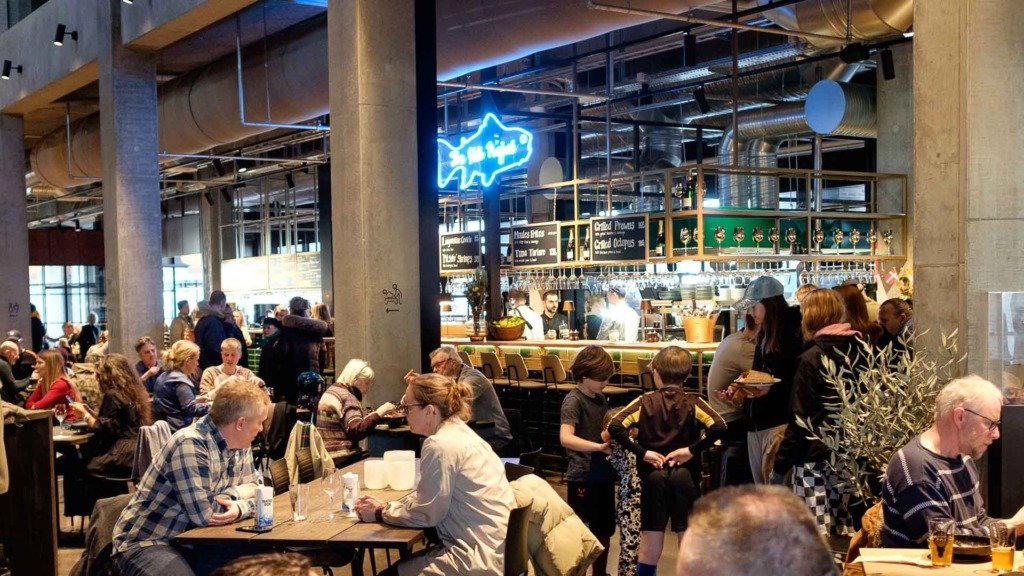
The menu
What to order
- Fish and chips
- Oysters
- Jomfruhummertatar
Seafood at Street Level: Where Aarhus Meets the Water
Aarhus has spent the better part of two decades building a restaurant identity that punches well beyond its size. The city that gave Denmark Frederikshøj and Gastromé at the fine-dining tier has also developed a quieter stratum of mid-register cooking where technique matters but the room doesn't announce it. The Fish Bistro on Irma Pedersens Gade sits in that stratum. The address puts it inside the 8000 postal district, the central core that holds most of the city's serious eating, and a fish-focused bistro at this location inherits the expectations of a dining public that has been trained, over years, to expect precision from even its neighbourhood restaurants.
Denmark's relationship with seafood is structural rather than fashionable. The North Sea and Kattegat coastlines supply a larder that changes week by week: plaice in early summer, herring across the autumn months, lobster from the cold west-Jutland waters. Aarhus, positioned on the eastern coast of Jutland, has historically drawn from both the Kattegat and the supply networks that connect Jutland's fishing harbours to the city's kitchens. A bistro format organised around fish here is not a concept imported from elsewhere; it reflects a genuine regional supply chain.
Technique Meets Terrain: The Local-Global Equation in Danish Fish Cooking
The productive tension in contemporary Danish seafood cooking sits between two poles. On one side, the New Nordic movement codified a language of restraint, raw preparation, and hyper-local sourcing that venues like Domestic in Aarhus have used to build serious reputations. On the other, a generation of Danish cooks trained in French and broader European kitchens brought classical technique back home: butter-basted fish, reduction sauces, the disciplined timing of protein cookery that French-lineage kitchens have refined across a century. The result, across Danish cities, is a category of fish restaurant that uses indigenous product but frames it through learned international method.
This intersection is visible at scale in Copenhagen, where Geranium applies museum-grade precision to Scandinavian seafood at the highest tier. It appears in quieter form at Jordnær in Gentofte, where coastal ingredients meet a kitchen with deep classical roots. Outside the capital, the same logic plays out at venues like Henne Kirkeby Kro in west Jutland, where the remote location doubles as a sourcing advantage. A fish bistro in central Aarhus operates within this broader tradition, positioned at a more accessible price point but participating in the same conversation about what Danish seafood cooking can be when it takes its raw material seriously.
For comparison, the Aarhus fine-dining tier represented by Substans applies creative technique to Jutland produce across a full tasting format. A bistro model compresses that ambition into a more direct transaction: fewer courses, a more transparent kitchen, and a room that prioritises regular trade over destination dining. Neither model is superior; they serve different decisions. The bistro format also positions The Fish Bistro at some distance from the tasting-menu tier occupied by Alimentum in Aalborg or ARO in Odense, though all three participate in the same regional project of cooking Jutlandic and coastal Danish produce with seriousness.
The Bistro Format and What It Demands
Bistro cooking, in the French sense from which the word derives, was always about constraint producing discipline. When a kitchen cannot hide behind elaborate plating or lengthy tasting sequences, the quality of the primary ingredient and the competence of its preparation become the entire argument. Fish bistros operate in a particularly exposed format: a fillet overcooked by thirty seconds, a sauce that breaks, a stock that hasn't been reduced long enough — these are not recoverable behind garnish. The format demands daily purchasing decisions calibrated to what arrived that morning, not what was planned last week.
In Aarhus's current dining context, this approach finds natural peers in the city's more casual but serious end of the market, including spots like A-Kin Thai, which applies its own form of technical care to a different regional tradition. The pattern across Aarhus's mid-register restaurants is consistent: specific product knowledge, controlled technique, and a rejection of the kind of generic European-hotel cooking that once filled the gap between fine dining and fast food.
Denmark's broader fish-cooking culture has also been shaped by international reference points. The classical French approach to seafood, visible at institutions like Le Bernardin in New York City, set a technical standard that influenced a generation of European fish kitchens. At the other end of the spectrum, fusion-minded approaches like those at Atomix in New York City have demonstrated what happens when non-European technique is applied to high-quality product with academic rigour. Danish fish kitchens have absorbed pieces of both: the French reverence for the product's integrity, and a willingness to reach beyond European method when the result improves the dish.
Planning a Visit: What to Know Before You Go
The Fish Bistro's address on Irma Pedersens Gade places it within walking distance of Aarhus's central station and the harbour front, which means it sits in the same navigable zone as the city's broader dining concentration. For visitors building an Aarhus itinerary, the restaurant fits naturally into a schedule that might include higher-commitment meals at the Michelin-tracked tier earlier in a trip, with the bistro format offering a lower-pressure option for a lunch or weeknight dinner slot. Aarhus's dining scene is compact enough that no serious restaurant is far from another; the 8000 district covers a walkable radius.
Contacting the restaurant directly before a visit is the practical approach, particularly for weekend evenings when Aarhus's central restaurants tend to fill. For those building a wider Jutland eating trip, addresses like LYST in Vejle, Domæne in Herning, and MOTA in Nykøbing Sjælland extend the regional picture, as does the manor-house formality of Frederiksminde in Præstø further afield. And for those wanting to map The Fish Bistro against its Aarhus peers before committing, our full Aarhus restaurants guide covers the city's tiers in comparative detail, from Dragsholm Slot Gourmet in Hørve-style destination formality down to the neighbourhood level where The Fish Bistro operates.
Frequently asked questions
What should I eat at The Fish Bistro?
The kitchen's focus on seafood means the fish-based dishes carry the most weight in any decision about what to order. Danish bistro kitchens in this category tend to structure their menus around daily catch rather than fixed signatures, so the most productive approach is asking what arrived that morning and letting the kitchen's answer guide the order. For context on what technically serious fish cooking looks like in Denmark, the broader Aarhus scene at addresses like Domestic provides a useful reference point for the standards the city's dining public expects.
What should I expect atmosphere-wise at The Fish Bistro?
Aarhus's mid-register restaurants generally run warmer and less formal than the city's Michelin tier, which at venues like Frederikshøj tends toward composed, tasting-menu ceremony. A bistro format in the 8000 district typically means a room that serves both lunch trade and evening bookings, with a pace and noise level closer to a neighbourhood restaurant than a destination dining room.
Is The Fish Bistro a family-friendly restaurant?
Bistro formats in Aarhus's central district generally accommodate mixed groups, and the city's dining culture is less rigidly formal than Copenhagen's top tier. That said, a fish-focused bistro is more likely to suit children who eat seafood with some enthusiasm than those who won't engage with the kitchen's primary material.
How does The Fish Bistro fit into Aarhus's seafood dining scene compared to the city's fine-dining restaurants?
Aarhus operates a clear tier structure in its serious restaurants: the creative and modern-cuisine addresses like Gastromé and Substans run multi-course formats with corresponding price points, while the bistro tier addresses a different decision, one where the commitment is lighter and the emphasis shifts from composed progression to direct, product-led cooking. The Fish Bistro's seafood specialism places it in a category that has genuine regional logic given Jutland's coastline supply, and its Irma Pedersens Gade address puts it inside the same central zone as Aarhus's broader serious dining concentration, making it a practical stop within a longer city itinerary rather than a destination in isolation.
Compact Comparison
| Venue | Cuisine | Price | Awards | Notes |
|---|---|---|---|---|
| The Fish BistroThis venue — the venue you are viewing | Seafood Bistro | $20–30 | Not listed | Not listed |
| Domestic | Modern Scandinavian Fine Dining | $150–200 | 1 Michelin Star · Star Wine List | New Nordic, Modern Cuisine |
| Frederikshøj | Modern French-New Nordic Fine Dining | $300–500 | 2 Michelin Stars · La Liste Top Restaurants | Creative |
| Gastromé | Modern French-Nordic Fine Dining | Not listed | 1 Michelin Star · Star Wine List | Modern Cuisine |
| La Cabra Coffee Roasters | Coffee Shop | $10–20 | Not listed | Not listed |
| Restaurant ET | Modern French with Danish Ingredients | $50–100 | Michelin Bib Gourmand · Star Wine List | French |
Continue exploring
More in Aarhus
Restaurants in Aarhus
Browse all →
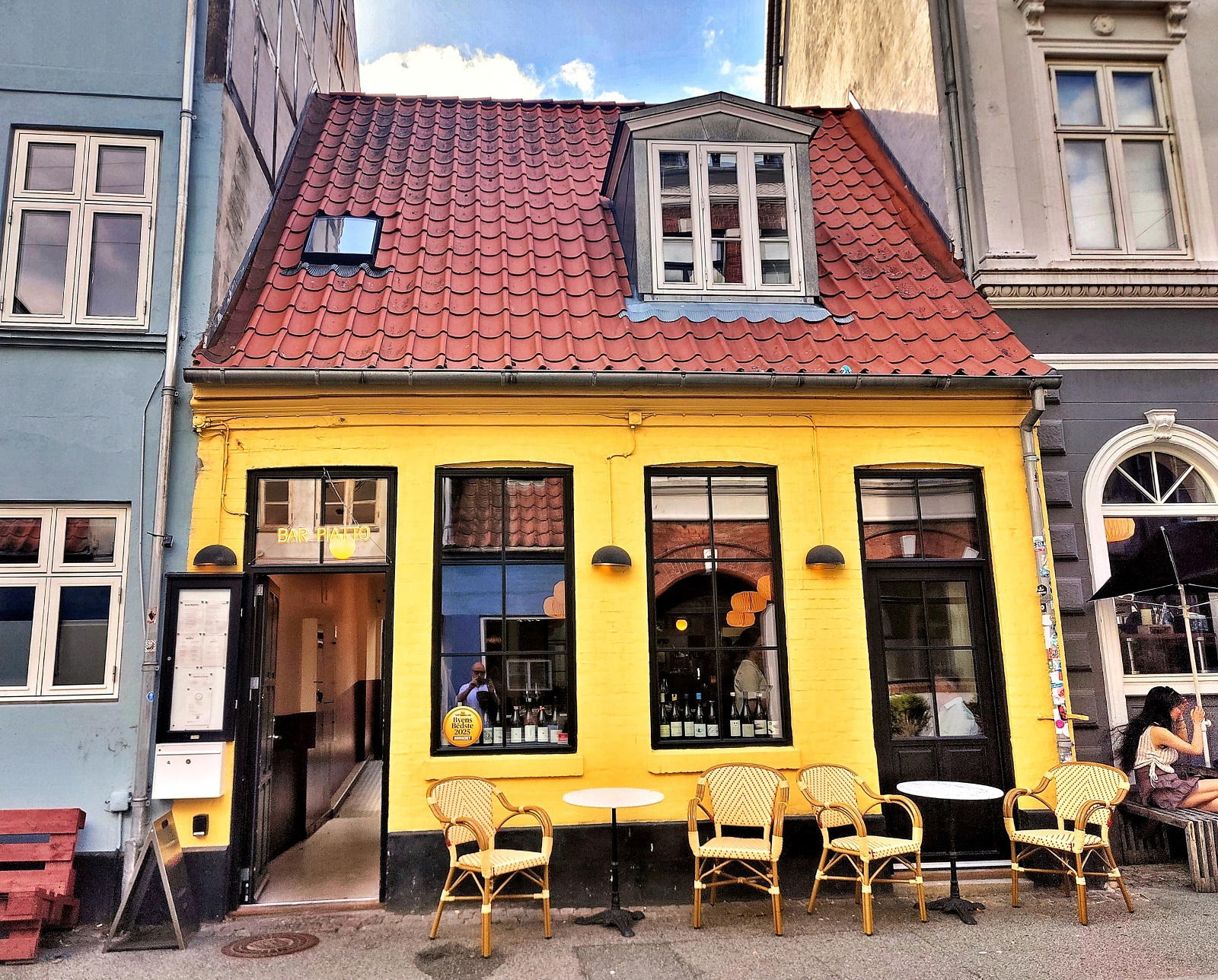
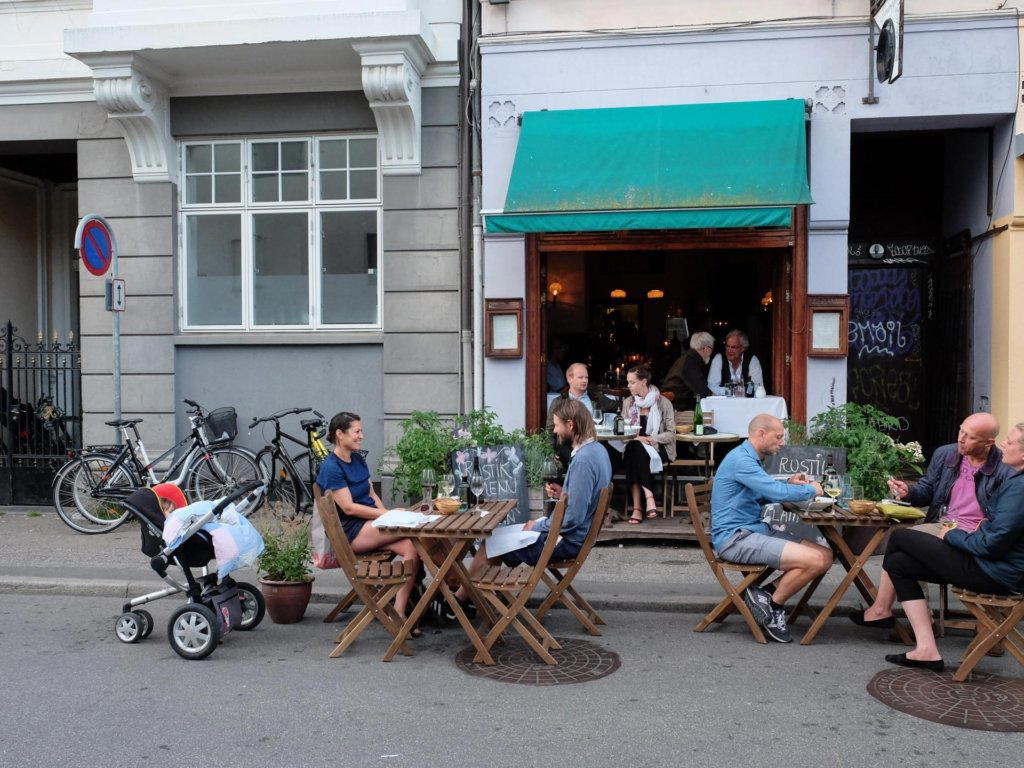
Bars in Aarhus
Browse all →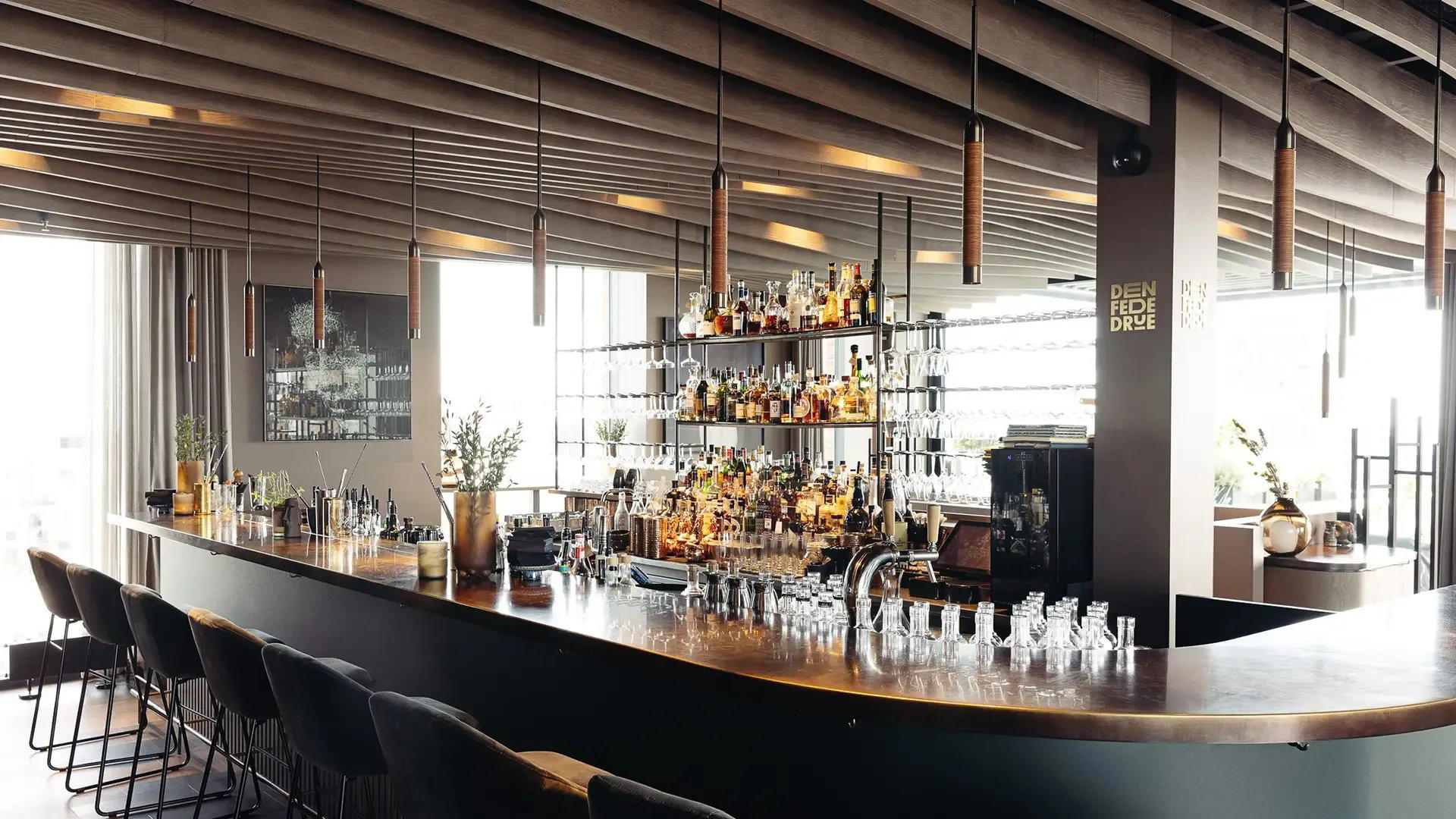
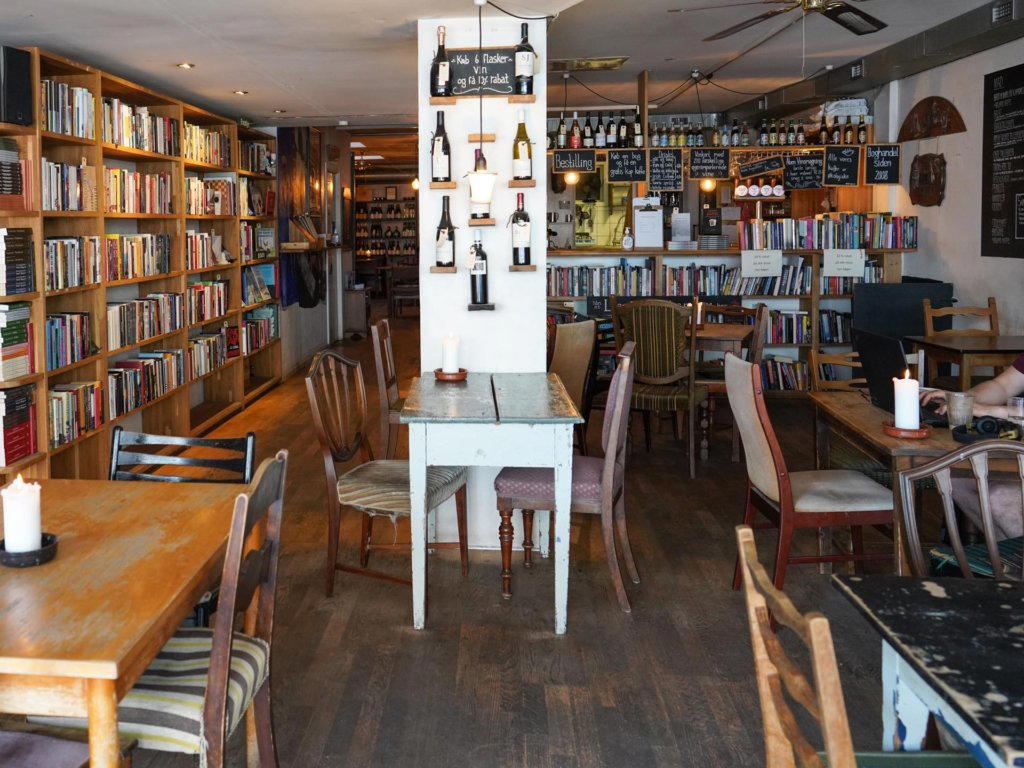
Hotels in Aarhus
Browse all →
Wineries in Aarhus
Browse all →
Details
- Modern
- Cozy
- Casual Hangout
- Date Night
- Open Kitchen
- Local Sourcing
- A La Carte
Current opening hours
- Monday
- 11:30 AM–9 PM
- Tuesday
- 11:30 AM–9 PM
- Wednesday
- 11:30 AM–9 PM
- Thursday
- 11:30 AM–9 PM
- Friday
- 11:30 AM–9 PM
- Saturday
- 11:30 AM–9 PM
- Sunday
- 11:30 AM–9 PM
Hours can change for holidays and private events. Last verified .
Hyggelige, moderne omgivelser offering a cozy and inviting modern atmosphere.