Brezza

Wine Spectator Best of Award of Excellence
Our verdict
Brezza occupies a ground-floor suite on the Strip at 3000 S Las Vegas Blvd, positioning it within one of the most competitive dining corridors in the country. With Las Vegas restaurant density continuing to rise, knowing what to expect before you arrive matters more than ever. EP Club maps the context so you can plan with confidence.

Pearl is the En Primeur Club membership app — saves, bookings, and concierge access live there. Same editors, same standards.
- Address
- 3000 S Las Vegas Blvd STE 115, Las Vegas, NV 89109
- Phone
- (702) 676-6014
- Hours
- Mon–Thu 11:30 AM–9:30 PMFri–Sat 11:30 AM–10 PMSun 11:30 AM–9:30 PM
- Website
- brezzaitalian.com
- Directions
- Get directions
- Booking
- Book on SevenRooms
The menu
What to order
- Beef Cheek Ravioli
- Tuscan Beef Carpaccio
- Gnocchi
- Rigatoni Alla Grappa
Arriving on the Strip: What the Address Tells You Before You Walk In
Las Vegas dining has reorganized itself in layers. The Strip's south end, anchored around the 3000 block of Las Vegas Boulevard, sits at the intersection of casino-resort programming and street-level independents that have moved in as the corridor densified. A suite address at 3000 S Las Vegas Blvd places Brezza squarely in that mixed zone, where foot traffic from resort guests collides with locals who know exactly where they are going. In a city where location functions as a form of credential, that address is doing real work before a single dish arrives.
That positioning matters for planning. Strip-adjacent restaurants in this block tend to operate in a competitive environment where reservations, walk-in windows, and operational hours shift with convention calendars, weekend surges, and Formula 1 or major fight weekends. Any Vegas restaurant at this address will experience those pressure cycles, and Brezza is no exception to the city's broader logistics rhythm. If you are arriving during a high-traffic period, securing your table in advance is the standard approach among experienced Vegas diners, not an exception.
The Las Vegas Dining Context Brezza Operates In
Understanding where Brezza fits requires a working map of how Las Vegas restaurants compete. The Strip corridor has split into two recognizable tiers over the past decade. The first is the celebrity-chef satellite model, where established names from New York, Los Angeles, and internationally operate outposts calibrated to hotel volumes. The second tier, growing steadily, is the independent or semi-independent concept that occupies retail suites, food halls, or off-casino spaces and competes on specificity rather than scale.
Venues like Craftsteak represent the casino-anchor format at a premium level. Elsewhere in the city, 108 Eats, 18bin, and A Different Beast illustrate how the independent tier is building its own identity, drawing diners willing to step off the main boulevard for something with a tighter, more defined point of view. 777 Korean Restaurant shows that specialist cuisine is finding a sustainable footing in a city long associated with accessible international buffets. Brezza at Suite 115 occupies a position in this broader reorganization, where Strip proximity provides visibility but the specific format determines the audience.
For a full orientation to how the city's dining scene has developed, the EP Club Las Vegas restaurants guide maps the competitive field across price points and neighbourhoods.
How Las Vegas Compares to Other American Fine Dining Cities
Visitors calibrating expectations sometimes arrive with a reference frame built from restaurants elsewhere in the country. The format discipline and ingredient sourcing at places like The French Laundry in Napa, Le Bernardin in New York City, or Smyth in Chicago sets one kind of benchmark. California's farm-integration model, visible at Single Thread Farm in Healdsburg and Blue Hill at Stone Barns in Tarrytown, represents another. Providence in Los Angeles and Addison in San Diego each show how Southern California expresses the upper tier. Lazy Bear in San Francisco and Atomix in New York City operate in the tasting-menu format with strong reservation pressure and credentialed programs.
Las Vegas, by contrast, built its restaurant reputation on volume and celebrity association rather than on the kind of chef-driven, single-location identity that defines those cities' leading tables. That model is shifting, but slowly. Strip restaurants, including those at the 3000-block address level, compete partly on location convenience rather than purely on culinary positioning. Visitors arriving from cities like those above should calibrate accordingly: Las Vegas at its finest offers access and atmosphere at a scale few cities can match, but the criteria for earning a reservation are different from those operating in the Michelin-dense, destination-dining markets.
International reference points extend further: Atelier Moessmer Norbert Niederkofler in Brunico illustrates how ingredient-philosophy restaurants operate at the European end of the spectrum, where a single address generates multi-year waiting lists based on culinary identity alone. Emeril's in New Orleans and The Inn at Little Washington demonstrate how American dining outside the major coastal cities builds loyalty through regional specificity. Las Vegas, Strip-side, is building its own version of that argument, with more success than the city's entertainment-first reputation sometimes suggests.
Planning Your Visit: What the Logistics Require
The editorial angle most relevant to Brezza at this address is the booking experience itself, because Las Vegas dining logistics are genuinely different from most other American cities. The Strip does not operate on normal urban rhythms. Demand spikes sharply around convention weekends at the Las Vegas Convention Center, major boxing or UFC events at the MGM Grand and T-Mobile Arena, and marquee residency performances. A restaurant at 3000 S Las Vegas Blvd is within the zone where all of those demand spikes land simultaneously.
The practical consequence is that planning a few days ahead is the minimum for a busy weekend, and for marquee event weekends, a week or more is closer to the correct window. Walk-in availability at Suite 115 during a convention or fight weekend is unlikely without patience or a willingness to dine at off-peak hours. Early dinner seatings, typically before 6:30 pm, and late seatings after 9:00 pm tend to open more reliably than the 7:00 to 8:30 pm peak window that most Strip visitors target.
Visitor comparison restaurants in the city's sushi tier, including Kabuto and Yui Edomae Sushi, operate on tight-capacity models where advance booking is structurally required. Brezza's suite format at a retail address suggests a different scale, likely more accessible than a counter-format omakase, but still subject to the city's demand pattern. When Brezza's own booking channel is confirmed, checking that directly will be the fastest route to an accurate availability picture. In the interim, hotel concierge networks on the Strip often have access to reservation inventory that does not appear on standard platforms.
Frequently asked questions
What do people recommend at Brezza?
Las Vegas restaurants at this address tier typically offer a mix of approachable and mid-tier dishes calibrated to Strip traffic, but specific recommendations should be confirmed through the venue directly or through recent diner reviews. Chef and award information is similarly unconfirmed at this time.
How far ahead should I plan for Brezza?
For standard weekend visits, two to four days ahead is a reasonable starting point. During Las Vegas convention weekends, major sporting events, or residency performance dates, one to two weeks of lead time is closer to what the city's demand pattern requires. The Strip's 3000-block address sits directly in the zone most affected by those surges, so erring toward more planning is the lower-risk approach.
What has Brezza built its reputation on?
Its Strip-adjacent address at Suite 115 positions it within one of the highest-traffic dining corridors in Las Vegas, which implies a format oriented toward accessibility and volume rather than the restricted-capacity, credential-heavy model of the city's leading omakase or tasting-menu operations.
Is Brezza allergy-friendly?
If you have dietary restrictions or allergies, the most reliable approach is to contact Brezza directly before booking, as EP Club does not hold confirmed data on the venue's allergy protocols. Las Vegas restaurants at this scale generally accommodate common dietary needs, but the specific policies vary. When contact details are confirmed, reaching out in advance of your reservation is standard practice across the city's Strip-level dining.
Does Brezza justify its prices?
Las Vegas dining at the Strip-suite level generally prices against the convenience premium of the location rather than purely against culinary credentials. For context, the city's independently credentialed restaurants, including those with award recognition, typically price similarly to or above their Los Angeles and New York equivalents once the Las Vegas location premium is factored in.
Is Brezza a good option for a group dinner on the Strip?
For group bookings specifically, contacting the venue well ahead of your visit is the standard approach on the Strip, where group availability is managed separately from individual reservations and fills faster during high-demand weekends.
Awards and Standing
Comparable venues nearby, for context on price, style, and recognition.
| Venue | Cuisine | Price | Awards | Notes |
|---|---|---|---|---|
| BrezzaThis venue — the venue you are viewing | Modern Coastal Italian | $50–100 | Wine Spectator Best of Award of Excellence | Not listed |
| Bramàre – Inspired Italian | Modern Italian Tapas & Cocktails | Not listed | Not listed | Paradise Road |
| Brio Tuscan Grille | Tuscan-Inspired Northern Italian | $30–50 | Not listed | Boulder Junction |
| Ciao Vino | Regional Italian & Italian-American | Not listed | Not listed | Angel Park Lindell |
| Matteo's | Northern Italian Trattoria | $30–50 | Not listed | South Las Vegas |
| Canaletto | Venetian Italian | $50–100 | Not listed | South Las Vegas |
Recognition history
Dated appearances from independent guides and award organizations, with the underlying list record or original source where available.
Wine Spectator Best of Award of Excellence
Wine Spectator
Continue exploring
More in Las Vegas
Restaurants in Las Vegas
Browse all →
Bars in Las Vegas
Browse all →
Brezza
The wine
Brezza holds the Wine Spectator Best of Award of Excellence, which Wine Spectator gives to lists of usually 350 or more selections.
- Wine program
- Exceptional wine program
- Wine Spectator
- Wine Spectator Best of Award of Excellence
- Extensive wine list
- Craft cocktails
Details
- Elegant
- Sophisticated
- Cozy
- Date Night
- Special Occasion
- Brunch
- Business Dinner
- Hotel Restaurant
- Private Dining
- Open Kitchen
- Extensive Wine List
- Craft Cocktails
- Local Sourcing
- Sustainable Seafood
- A La Carte
- Cocktails
- Wine
- Vegetarian Friendly
- Vegan Options
- Gluten Free Options
Current opening hours
- Monday
- 11:30 AM–9:30 PM
- Tuesday
- 11:30 AM–9:30 PM
- Wednesday
- 11:30 AM–9:30 PM
- Thursday
- 11:30 AM–9:30 PM
- Friday
- 11:30 AM–10 PM
- Saturday
- 11:30 AM–10 PM
- Sunday
- 11:30 AM–9:30 PM
Hours can change for holidays and private events. Last verified .
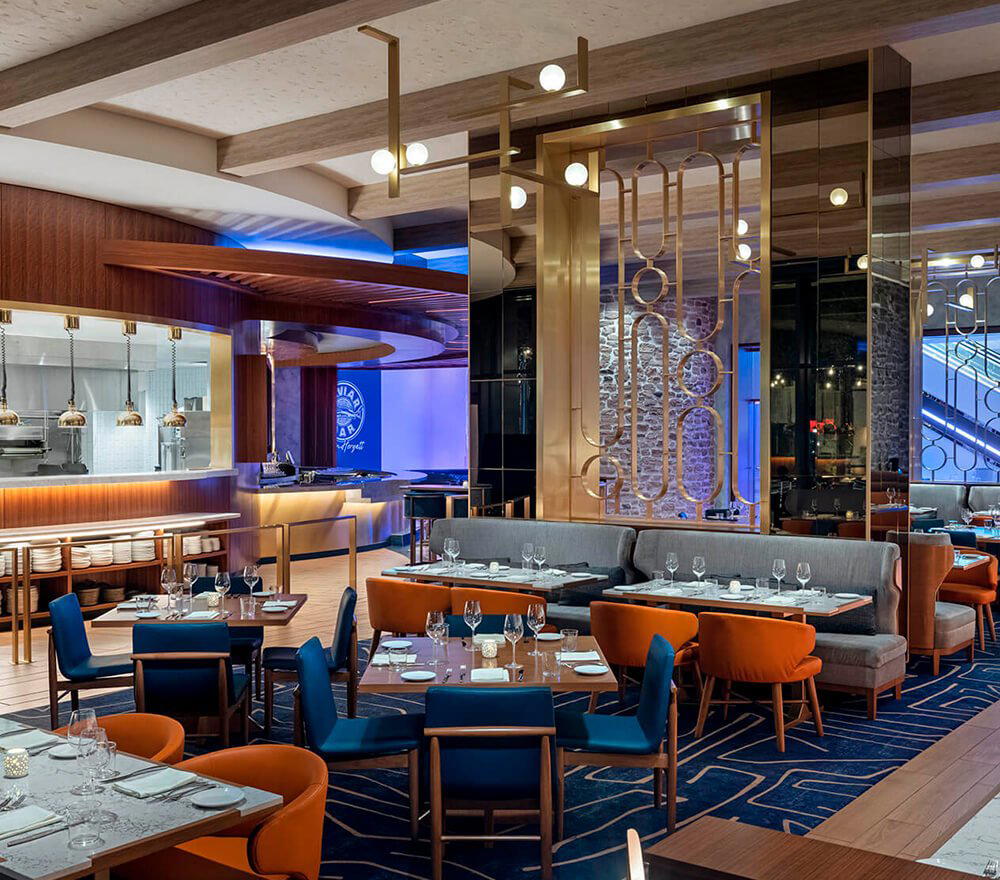
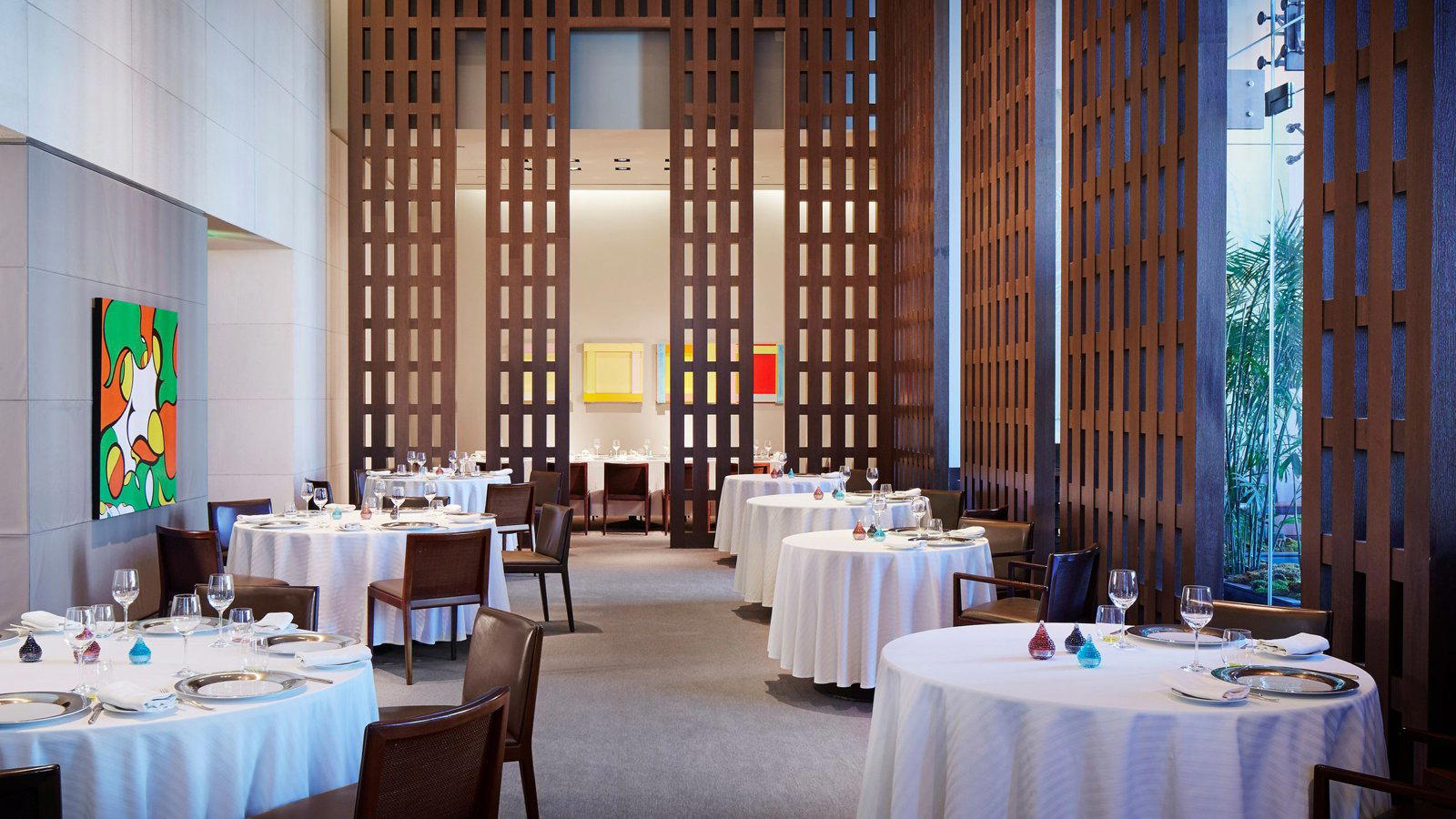
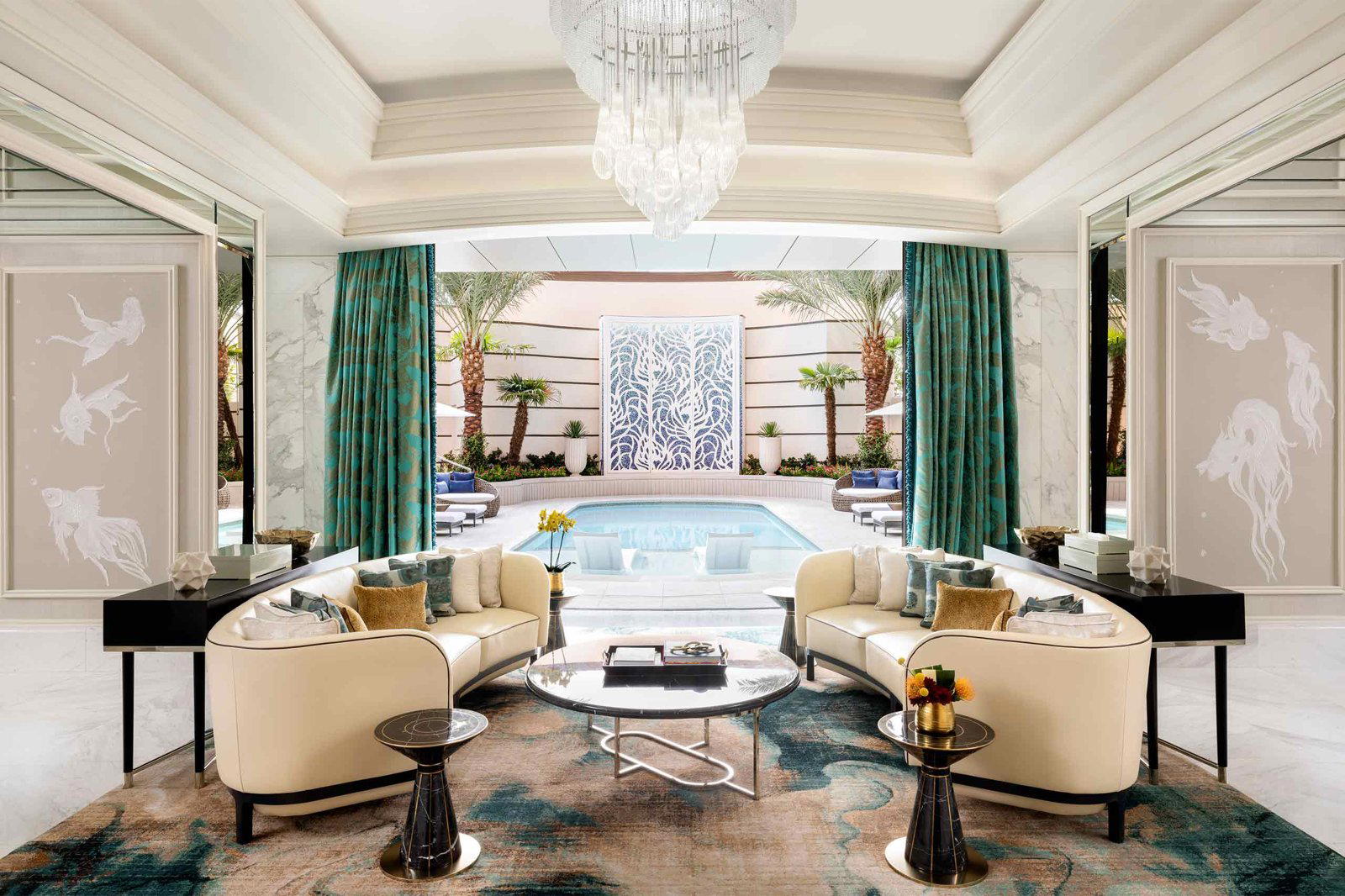
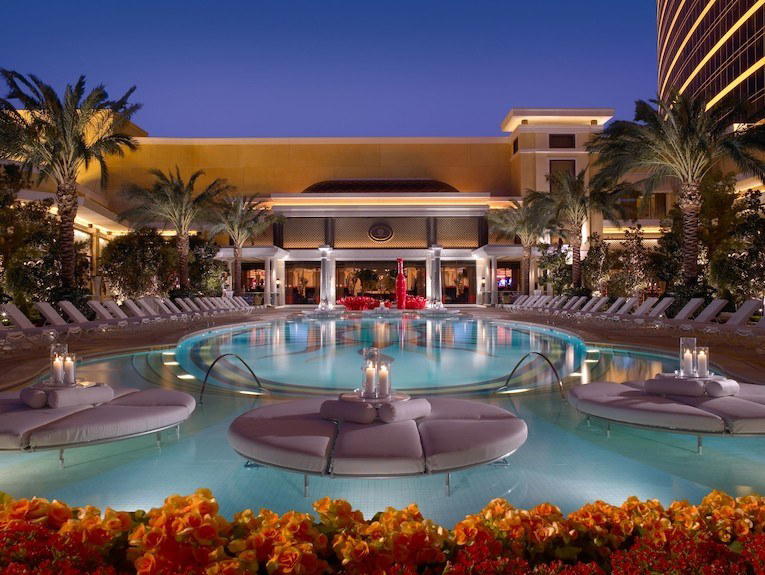
Relaxed yet elegant atmosphere with lounge for cocktails, patio for aperitivos, and main dining room evoking Italy.