Brio Tuscan Grille
Brio Tuscan Grille in Las Vegas serves Tuscan-inspired Northern Italian dishes, pairs them with an extensive wine list, and supports private dining for lunch, dinner, or brunch.
Pearl is the En Primeur Club membership app — saves, bookings, and concierge access live there. Same editors, same standards.
- Address
- 6653 Las Vegas Blvd S, Las Vegas, NV 89119
- Phone
- +17029149145
- Website
- brioitalian.com
- Directions
- Get directions
 Saves & bookings on Pearl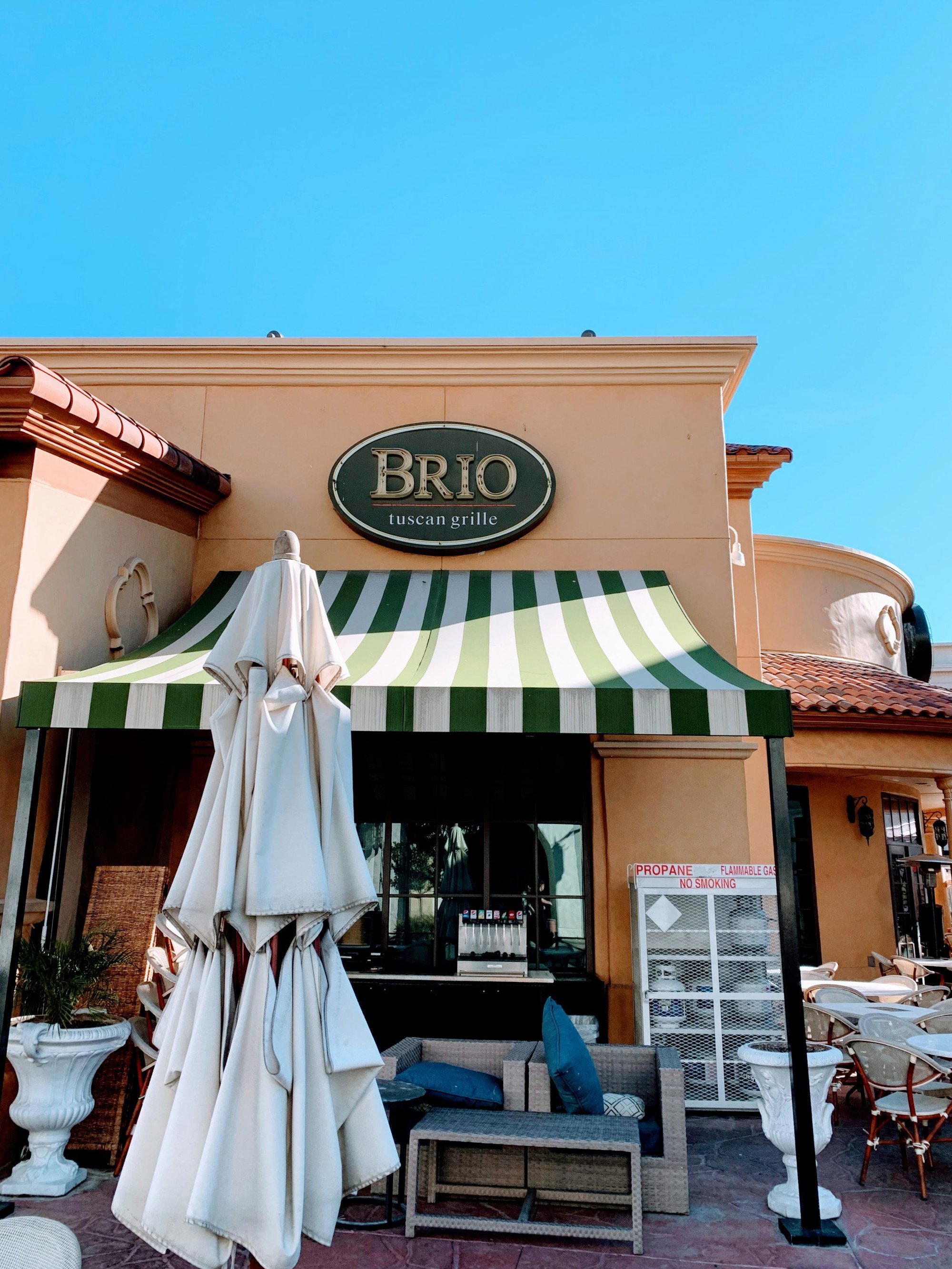
Tuscan Hospitality on the Las Vegas Strip
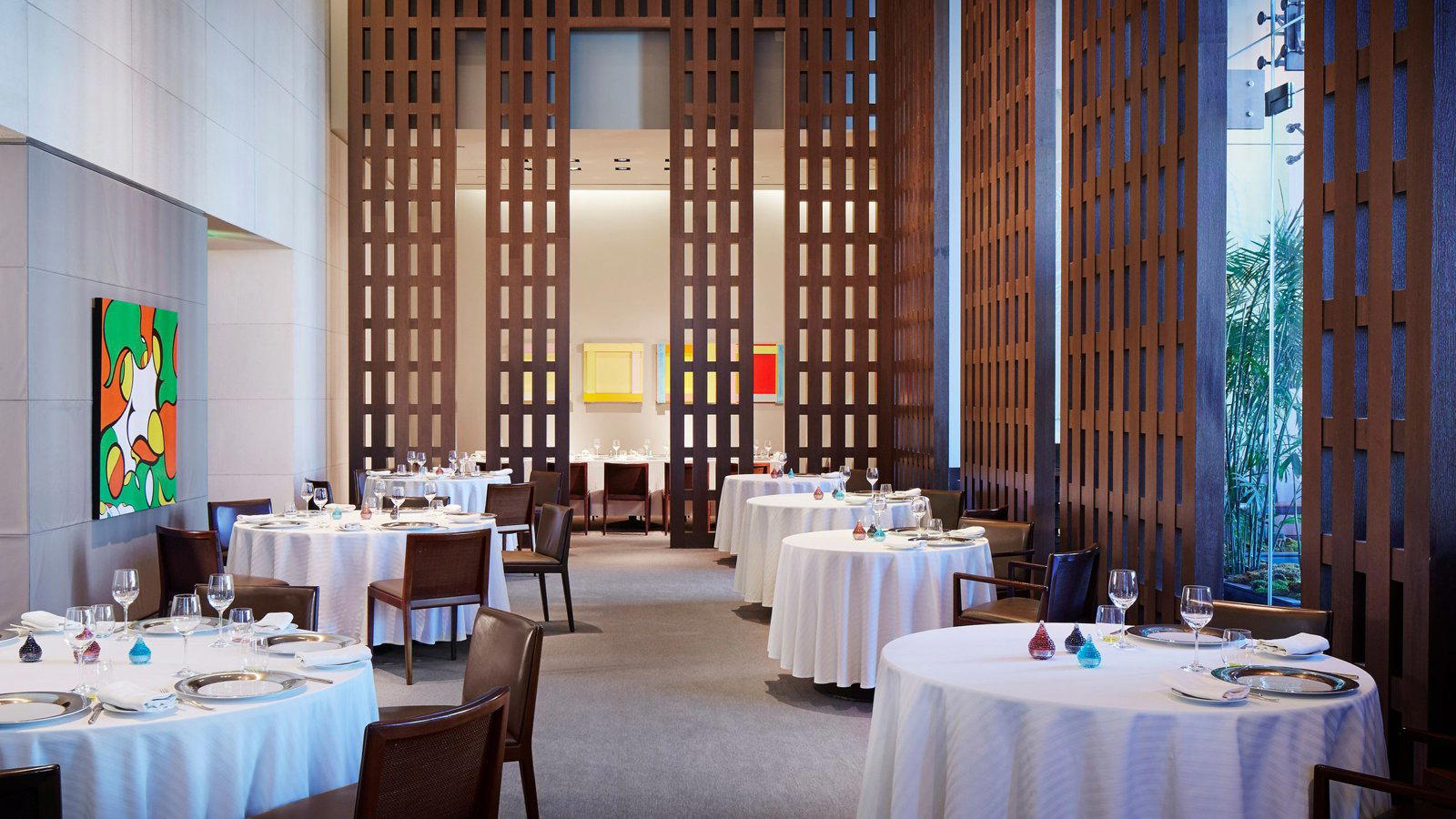
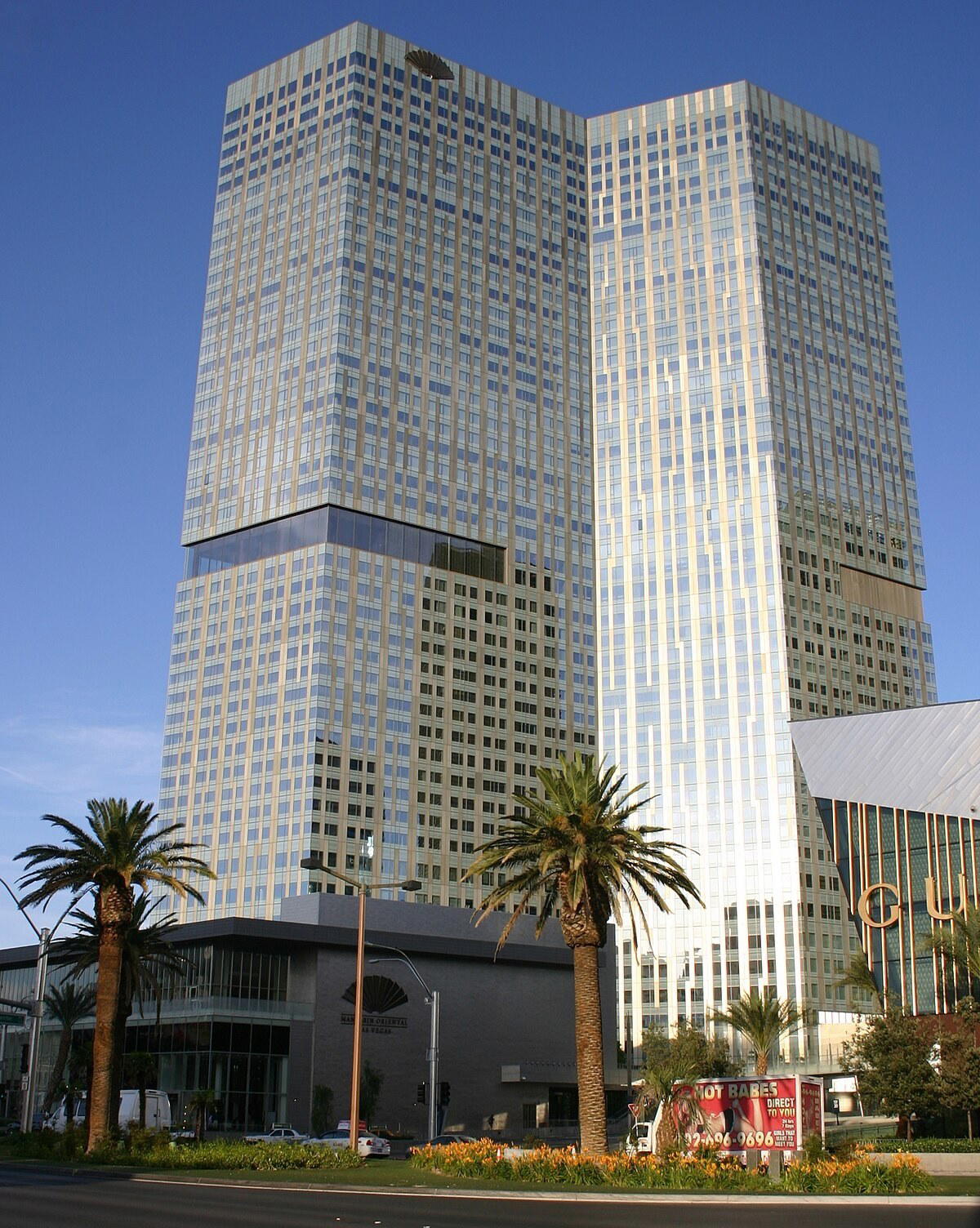
The southern end of the Las Vegas Strip operates at a different register from the casino-floor chaos further north. At 6653 Las Vegas Boulevard South, Brio Tuscan Grille occupies a position in that quieter commercial corridor where the pace slows enough for a proper sit-down meal without the ambient noise of a slot machine two tables over. The room reads warm, with the earthy palette and terracotta tones associated with central Italian trattoria design. It is a deliberate aesthetic choice that signals the kitchen's culinary orientation before the menu arrives.
Tuscan-style Italian dining in Las Vegas tends to split between two registers: the white-tablecloth formality of Strip hotel restaurants and the more approachable, crowd-friendly formats that make up the mid-market. Brio belongs firmly to the second category, positioning itself alongside options like 18bin and 108 Eats as a destination for diners who want a coherent cuisine framework without the tasting-menu commitment. That positioning matters in a city where the choice between a $30 plate and a $300 omakase counter can feel like the only two options available.
The Scene That Shapes the Menu
Tuscan cuisine, as a tradition, is built around restraint and ingredient clarity rather than technical complexity. The Florentine kitchen leans on dry-aged bistecca, hand-rolled pastas, braised meats, and wood-fired preparations, with olive oil doing the work that butter performs in other Italian regional traditions. In Las Vegas, where kitchens frequently chase spectacle over discipline, a restaurant committed to that quieter repertoire occupies a specific and somewhat deliberate niche. Diners who have eaten their way through the northern Italian rooms at Strip hotels, places that compete with Craftsteak on the strength of their beef programs, will find Brio a different kind of proposition: more approachable in format, more consistent in its reference points.
The Tuscan frame also carries clear implications for the wine program. Central Italy's red wine output, anchored by Sangiovese-based bottlings from Chianti Classico, Brunello di Montalcino, and Morellino di Scansano, provides a natural pairing architecture for the kitchen's food. A restaurant in this style that manages its wine list well will use Tuscan and broader Italian selections as the structural backbone, with international additions as secondary options. How any specific program in that format compares to the precision wine service at destinations like Le Bernardin in New York City or Single Thread Farm in Healdsburg is a different question entirely, but within the casual-Italian tier, the regional alignment matters.
Front-of-House as the Differentiator
In the mid-market Italian segment, kitchen output is rarely where restaurants separate themselves. The food arrives from a recognizable playbook. What distinguishes a well-run operation in this category is the coordination between the floor team and the kitchen, specifically the degree to which servers understand the menu well enough to guide a table through pacing, portion decisions, and wine pairing without consulting a printed cheat sheet. At a restaurant like Brio, where the menu likely covers antipasti, handmade pastas, secondi, and desserts across a multi-course sequence, the front-of-house team carries real responsibility for shaping the experience.
This dynamic is worth understanding in context. At the upper end of American dining, the collaboration between chef, sommelier, and front-of-house is the subject of considerable attention: restaurants like Smyth in Chicago, Lazy Bear in San Francisco, and Addison in San Diego have built reputations partly on the seamlessness of that coordination. At a polished casual-dining operator, the same principle applies in compressed form: the server who knows that the pasta course is generous enough to replace a main, or who can distinguish between two Sangiovese selections by structure rather than price, changes the meal materially. Brio's national footprint as a chain means that the team dynamics are shaped partly by corporate training standards, which is both a consistency guarantee and a ceiling on spontaneity.
For a different read on where Las Vegas's dining scene ranges, see A Different Beast and 777 Korean Restaurant, which operate in entirely different registers and illustrate the breadth of what the city now supports.
When to Go and How to Plan
Seasonality affects the Strip's restaurant scene in ways that visitors from cooler climates often underestimate. Summer in Las Vegas means outdoor-terrace dining becomes genuinely difficult after midday, pushing diners toward interior rooms. The late-spring and early-autumn windows, roughly March through May and September through November, deliver the most comfortable conditions for evening meals. During those periods, the southern Strip corridor sees sustained foot traffic from the convention crowd that fills the nearby venues, which means weekday evenings can run busier than expected.
For a property at 6653 Las Vegas Boulevard South, the logistics are direct. The address falls within reach of the Strip's southern pedestrian corridor, accessible on foot from several nearby hotels. Whether reservations are advisable or whether walk-ins are realistic depends on the day of the week and the time of year, questions addressed in the FAQ section below. Diners arriving during peak convention weeks in February or October should plan ahead regardless of the format. Those visiting on a Tuesday in July will find the calculus considerably more relaxed.
Brio's position in the casual-Italian tier means it competes on value accessibility rather than tasting-menu architecture. It is a different calculation from what a diner weighs when booking The French Laundry in Napa, Blue Hill at Stone Barns in Tarrytown, or The Inn at Little Washington, where reservation strategy begins months in advance and the commitment is substantial. Here, the planning threshold is lower, and the format rewards a more spontaneous approach to the evening.
For broader orientation across the city's restaurant options, the full Las Vegas restaurants guide covers the range from Strip fine dining to neighbourhood operators that rarely appear in hotel concierge recommendations.
Continue exploring
More in Las Vegas
Restaurants in Las Vegas
Browse all →
Bars in Las Vegas
Browse all →
At a Glance
- Elegant
- Sophisticated
- Classic
- Date Night
- Group Dining
- Special Occasion
- Private Dining
- Extensive Wine List
Current opening hours
- Monday
- 11 AM–10 PM
- Tuesday
- 11 AM–10 PM
- Wednesday
- 11 AM–10 PM
- Thursday
- 11 AM–10 PM
- Friday
- 11 AM–11 PM
- Saturday
- 11 AM–11 PM
- Sunday
- 11 AM–9:30 PM
Hours can change for holidays and private events. Last verified .
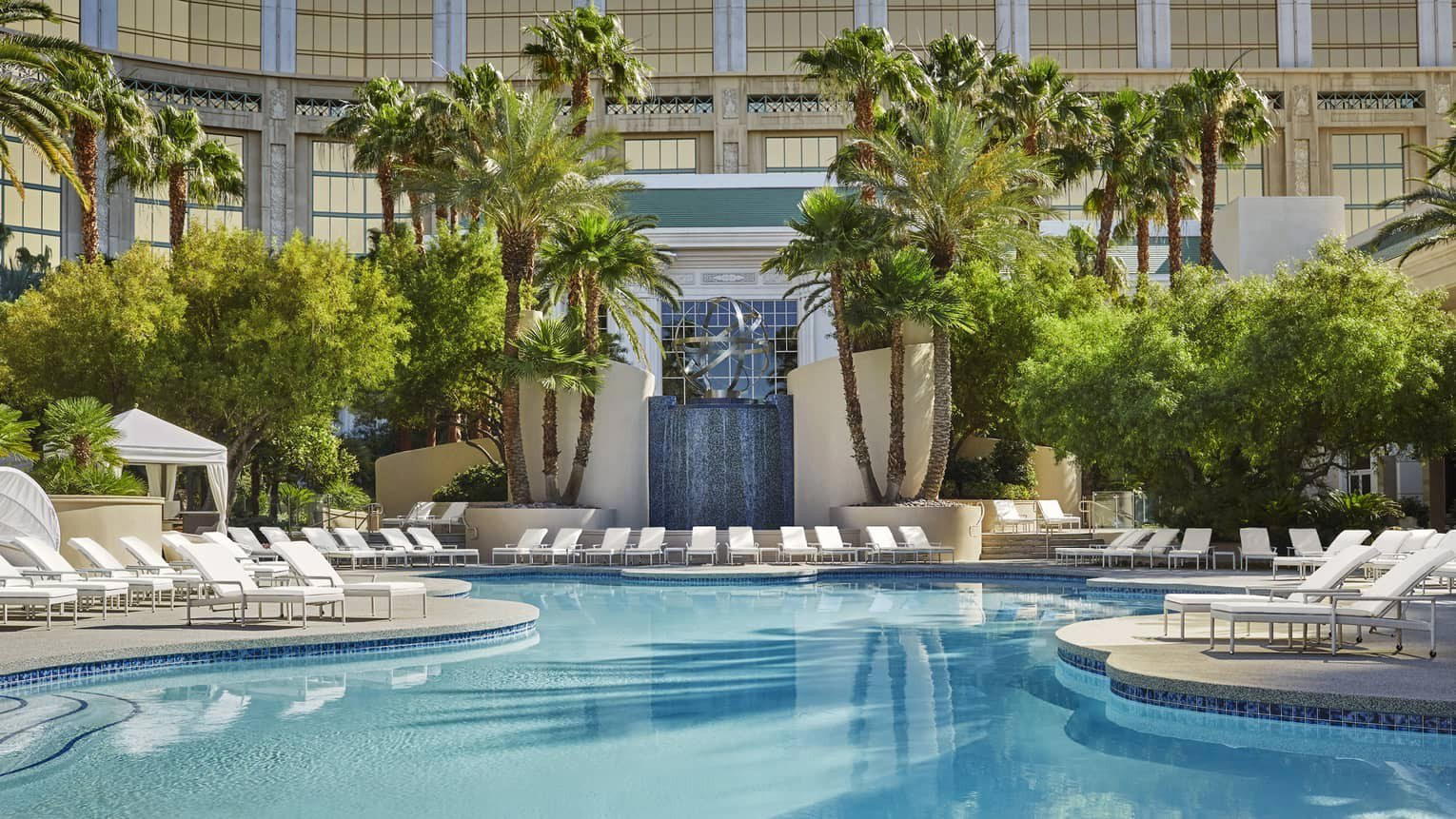
Casually elegant atmosphere inspired by Italy's Amalfi Coast with warm Tuscan lighting and Mediterranean style.
Know Before You Go
- Getting there
- 6653 Las Vegas Blvd S, Las Vegas, NV 89119