On the sun-warmed square at the heart of medieval Mougins, Brasserie de la Méditerranée anchors itself to the sourcing traditions of the French Riviera's back country: produce from the Alpes-Maritimes, seafood from the Côte d'Azur's day boats, and the olive-and-herb pantry that defines Provençal cooking at its most direct. It sits in a village whose restaurant culture runs unusually deep for its size.
 Discover on Pearl
Pearl is the En Primeur Club membership app — saves, bookings, and concierge access live there. Same editors, same standards.
- Address
- 32 Pl. du Commandant Lamy, 06250 Mougins, France
- Phone
- +33493900347
- Website
- brasseriemediterranee.com
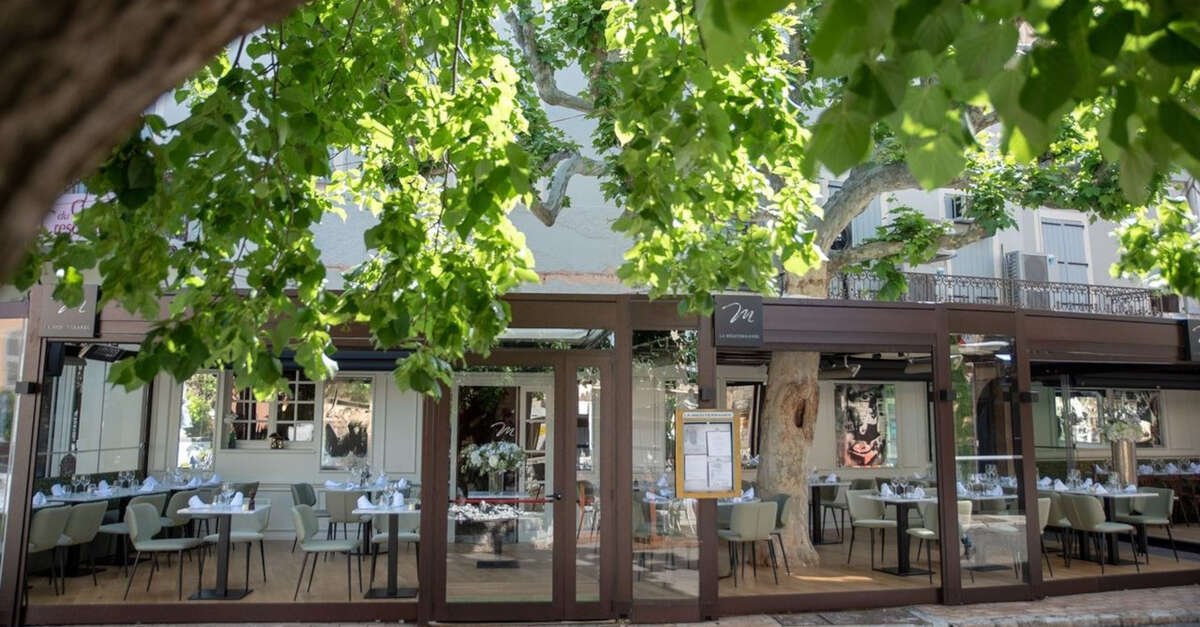
A Square That Sets the Terms
Place du Commandant Lamy is the kind of Provençal square that earns its reputation through repetition rather than spectacle: plane trees, uneven stone underfoot, tables that claim the cobbles as naturally as the buildings frame them. Brasserie de la Méditerranée occupies this address at 32 Place du Commandant Lamy in Mougins, a hilltop village above Cannes whose density of serious restaurants relative to its population has made it one of the more quietly discussed dining destinations on the French Riviera. Arriving here on a warm afternoon, the scene reads less like a curated dining experience and more like the default rhythm of a village that has always expected good food to be part of ordinary life.
That geography matters to what ends up on the plate. The Alpes-Maritimes department behind the coast is among the more biodiverse agricultural zones in southern France, producing tomatoes, courgettes, aubergines, and the aromatic herbs, thyme, rosemary, savory, that form the foundation of Provençal cuisine rather than its decoration. A brasserie format at this address draws from that supply chain as a matter of proximity and habit, not as a marketing position.
The Mediterranean Sourcing Tradition and Why It Defines This Address
The name signals an editorial commitment: the Mediterranean as a sourcing zone, not merely a backdrop. In the culinary tradition of the French Riviera and its Provençal interior, this means a kitchen oriented toward olive oil over butter, toward vegetables given structural weight rather than supporting-role treatment, and toward seafood that travels the shortest possible distance from the day's catch to the plate. The Côte d'Azur's fishing ports, Antibes, Golfe-Juan, and the smaller operations between them, supply the brasseries and restaurants of the arrière-pays with fish that in other markets would be a selling point requiring considerable explanation. Here, it is simply the expected baseline.
This sourcing geography places Brasserie de la Méditerranée in a different conversation from the haute cuisine houses that Mougins has historically hosted. Venues such as Moulin de Mougin, with its roots in classical French Provençal cooking, or La Place de Mougins, working in a creative register at the €€€ tier, represent the village's more formal dining register. Bohème approaches modern cuisine at the same price point. The brasserie format operates with a different set of priorities: accessibility over ceremony, the sourced ingredient as the statement rather than the technique applied to it.
This is a distinction worth understanding before you book. The broader French brasserie tradition has always prioritised produce fidelity and table pace over structured tasting sequences. At the Mediterranean end of that tradition, in the style represented by the cooking of the Riviera's back country, the produce itself carries the primary argument. A ripe tomato from the market at Mougins or Valbonne, dressed with local olive oil and sea salt, is not a simple dish: it is a position about what cooking in this part of France is actually for. The same logic applies to a whole fish from the morning's boats at Antibes, cooked with minimum intervention and served with the herbs that grow on the garrigue above the village.
France's most discussed restaurants tend to sit at the opposite end of this spectrum. Mirazur in Menton, the Riviera's most decorated address, uses its kitchen garden as the conceptual anchor for a tasting menu of considerable ambition. Further afield, the French tradition of terrain-led fine dining runs through houses like Bras in Laguiole, Les Prés d'Eugénie in Eugénie-les-Bains, and the long-established Auberge de l'Ill in Illhaeusern. These are formal, multi-course addresses built around a philosophy of sourcing. The brasserie model applies a version of the same sourcing logic at a different register: fewer courses, shorter booking lead times, a wider range of table occasions it can reasonably accommodate.
Mougins as a Dining Village: The Broader Picture
Understanding Brasserie de la Méditerranée requires understanding Mougins as a category. The village has attracted serious restaurants for decades, partly because of its proximity to Cannes (and the festival circuit that brings well-travelled visitors through the region each spring), and partly because its medieval core creates the kind of concentrated, walkable environment in which a restaurant strip of this density can sustain itself year-round. The square on which the brasserie sits is the social centre of that environment.
For visitors planning around the village's broader offer, L'Amandier de Mougins and Laflora complete the local picture alongside the higher-tier creative and modern cuisine addresses. A full account of what the village offers across formats and price points is in our full Mougins restaurants guide. The Riviera's wider southern French dining tradition also connects to addresses further along the coast and inland: La Table du Castellet in Le Castellet operates in the same region with a different format, and Flocons de Sel in Megève shows how mountain-adjacent Provençal sourcing reads at the highest formal tier. For readers tracking France's institutional fine dining lineage, Paul Bocuse - L'Auberge du Pont de Collonges, Troisgros - Le Bois sans Feuilles, Alléno Paris au Pavillon Ledoyen, and Georges Blanc in Vonnas represent the country's most durably recognised houses. Internationally, Le Bernardin in New York City and Lazy Bear in San Francisco demonstrate how the French sourcing tradition has been absorbed and reinterpreted in other markets.
Planning a Visit
Mougins is most accessible between April and October, when the Alpes-Maritimes produce season is at its depth and the square at Place du Commandant Lamy supports outdoor dining without qualification. The village draws visitors throughout the Cannes Film Festival in May, which compresses availability across the village's restaurants, so forward planning in that window is worth the effort. From Cannes, the drive takes roughly fifteen minutes; from Nice-Côte d'Azur airport, allow thirty to forty minutes depending on route and season.
Comparable Spots, Quickly
Comparable venues nearby, for context on price, style, and recognition.
| Venue | Cuisine | Price | Awards | Notes |
|---|---|---|---|---|
| Brasserie de la MéditerranéeThis venue — the venue you are viewing | Modern French Brasserie with Mediterranean Seafood | $$$ | , | |
| Resto des Arts | Mediterranean-Asian Fusion | $$ | , | Mougins village center |
| Le Bistrot de Mougins | Provençal Bistro | $$$ | , | vieux village de Mougins |
| L'Amandier de Mougins | Traditional Provençal French | $$$$ | Vieux Village | |
| Bohème | Modern French Steakhouse with Peruvian Influences | $$$ | Michelin Plate | Mougins |
| Laflora | Seasonal Mediterranean | $$$ | , | Mougins |
Continue exploring
More in Mougins
Restaurants in Mougins
Browse all →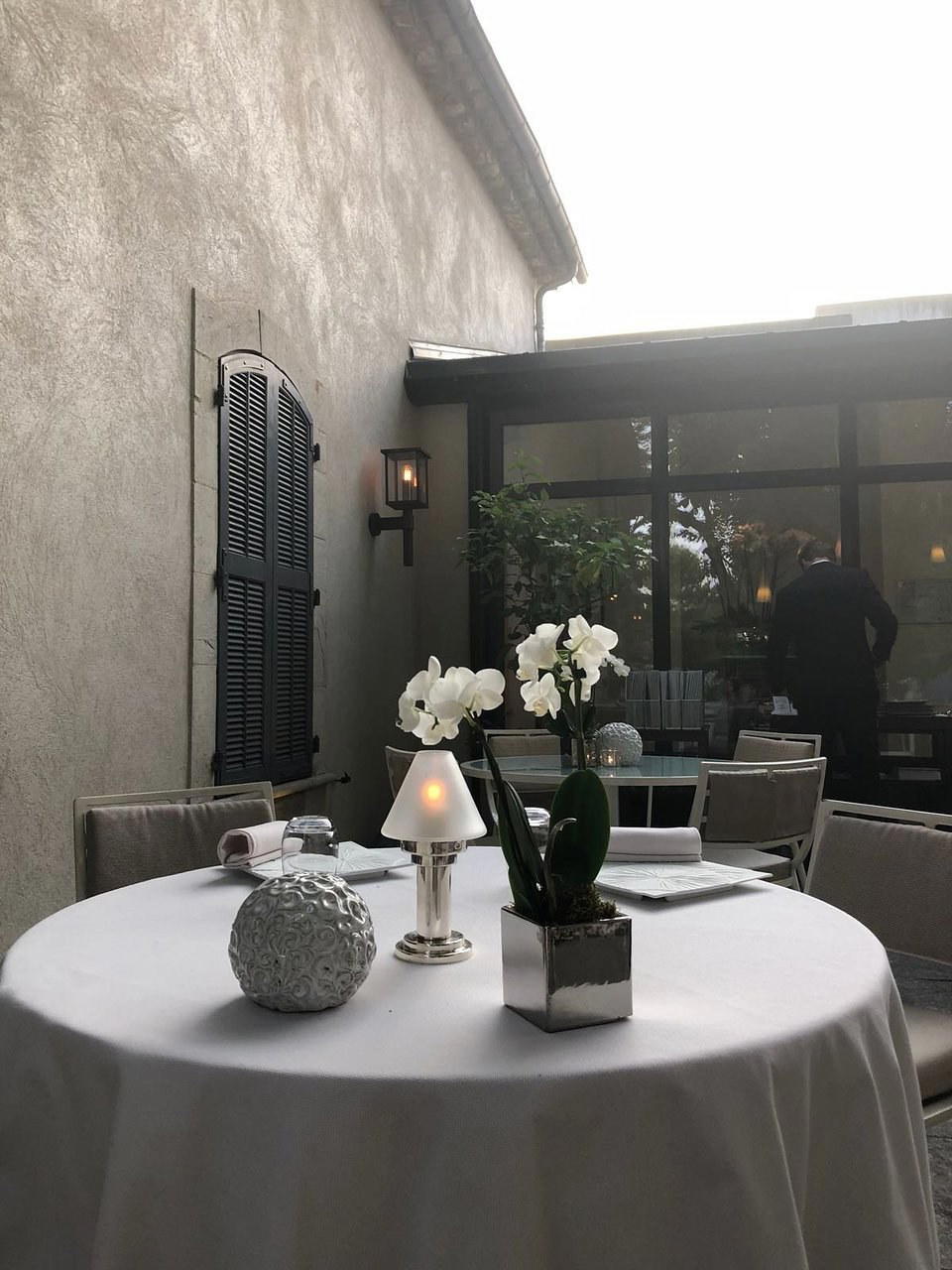
Bars in Mougins
Browse all →
Hotels in Mougins
Browse all →
At a Glance
- Elegant
- Classic
- Sophisticated
- Minimalist
- Dinner
- Lunch
- Terrace
- Extensive Wine List
- Local Sourcing
- Street Scene
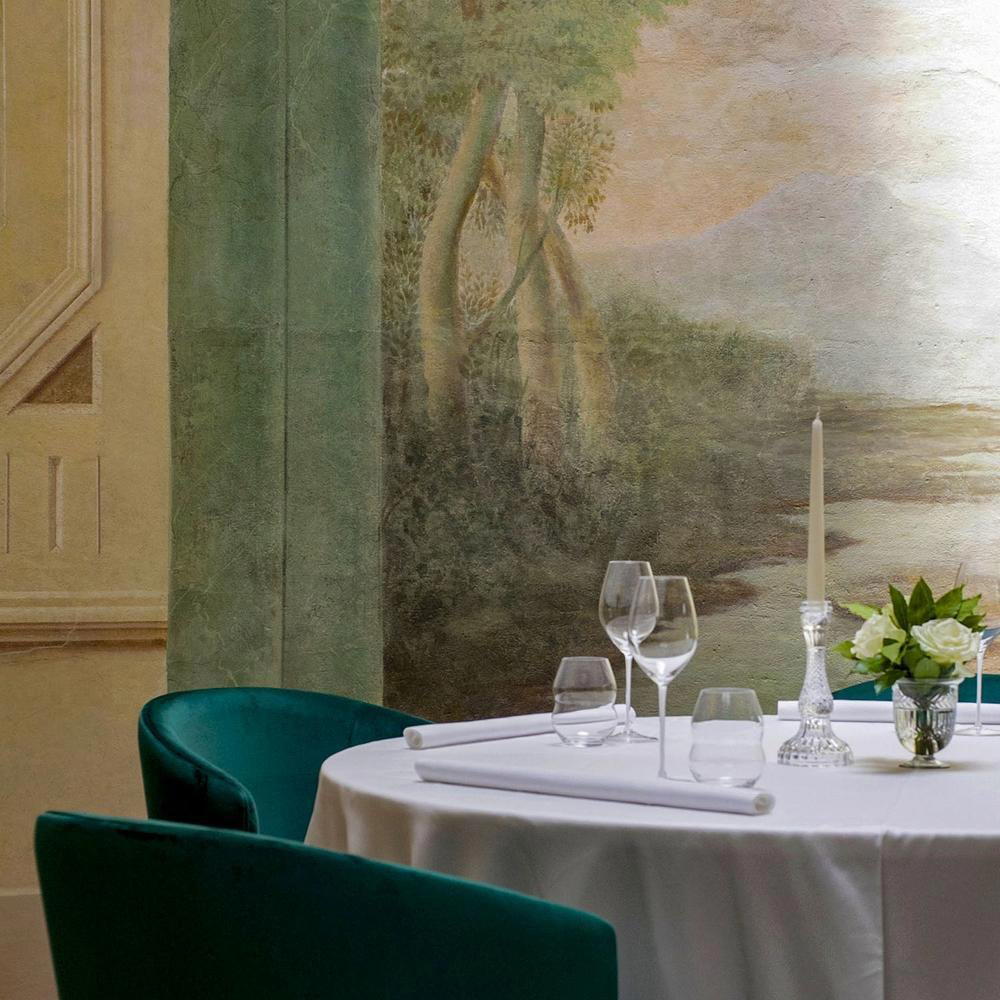
Elegant and minimalistic interior with sunny terrace and bistro parisien style dining room.