
L'Amandier de Mougins sits in the hilltop village above Cannes where Provence's market-garden produce has long set the kitchen's agenda. Under chef Sébastien Zunino, seasonal vegetables remain the structural core of every plate, with a plant-forward menu that has earned recognition from the We're Smart community. The address on Avenue Jean-Charles Mallet is a reliable stop for ingredient-driven cooking in one of the Côte d'Azur's most storied dining villages.
 Discover on Pearl
Pearl is the En Primeur Club membership app — saves, bookings, and concierge access live there. Same editors, same standards.
- Address
- 48 Av. Jean-Charles Mallet, 06250 Mougins, France
- Phone
- +33 4 93 90 00 91
- Website
- amandier.fr
Where the Village Sets the Agenda
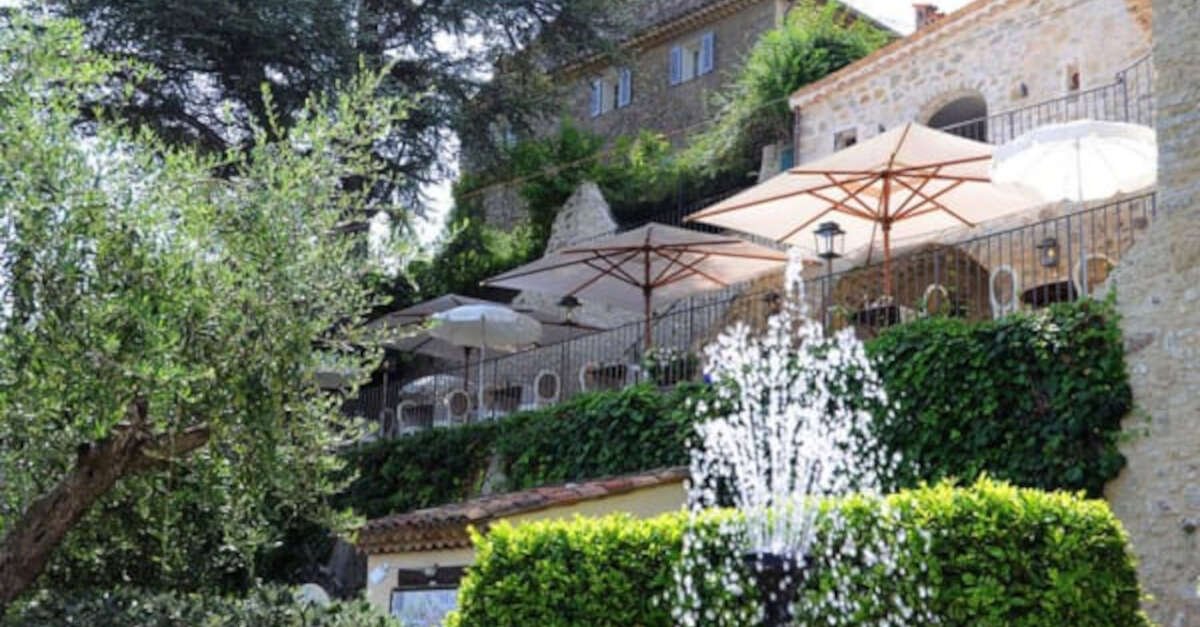
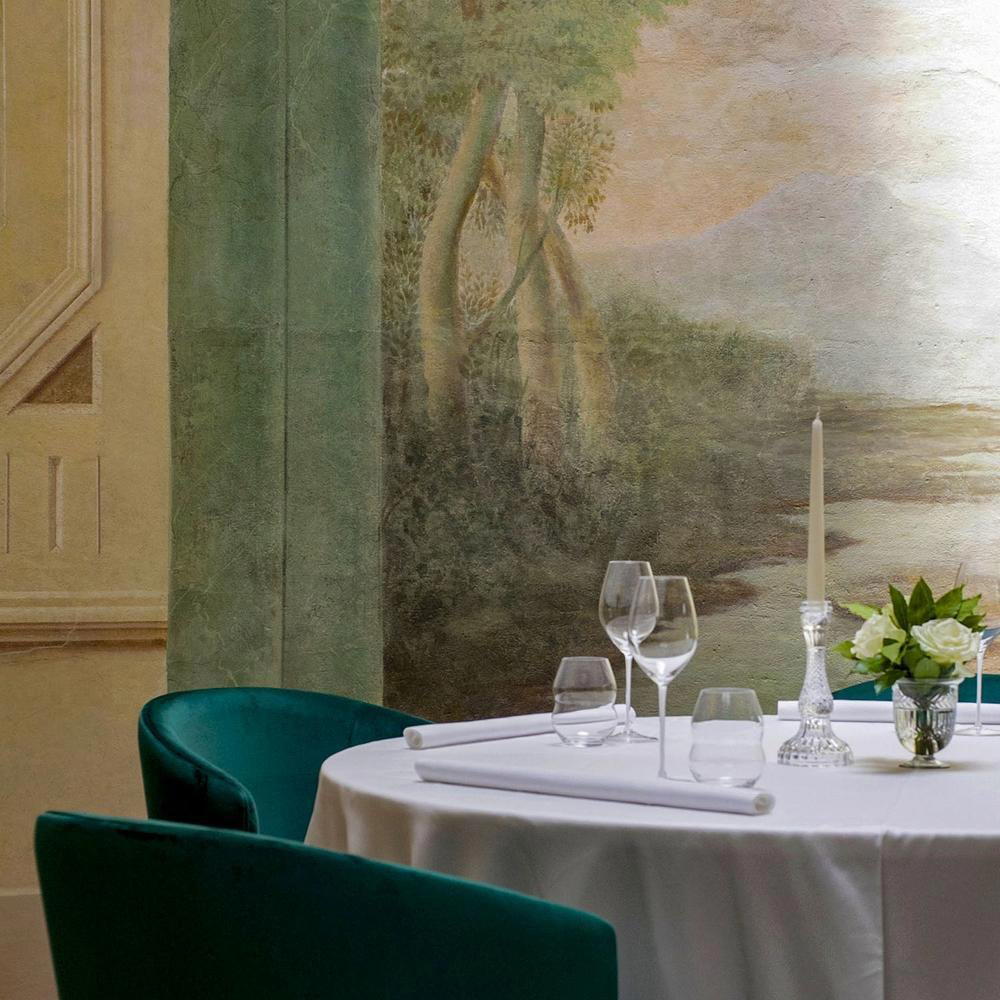
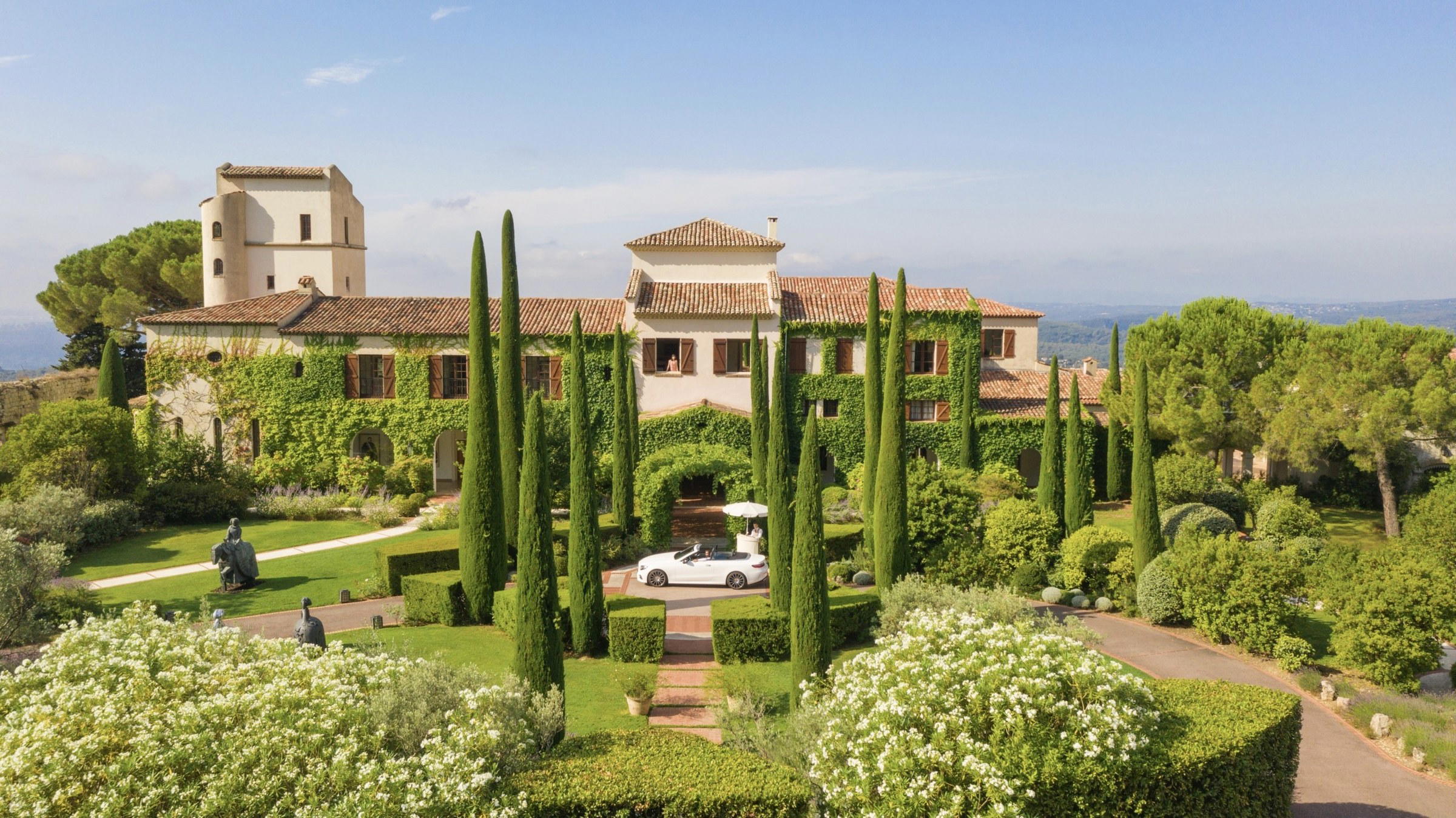
Mougins occupies a limestone ridge a few kilometres inland from Cannes, and the approach through the old village gates establishes what the cooking here is about before you sit down. The scent of lavender and wild herbs drifts in from the garrigue, the stone walls hold the afternoon heat, and the market-garden economy of inland Provence feels present in a way it rarely does at sea-level restaurants chasing a seafront view. L'Amandier de Mougins is a restaurant in Mougins serving Traditional Provençal French cuisine at a smart casual, recommended-booking address. L'Amandier de Mougins, at 48 Avenue Jean-Charles Mallet, sits within that village atmosphere rather than merely trading on it. The room faces the kind of Provençal light that has drawn painters and chefs to this hill since the mid-twentieth century, and the seasonal rhythm of what arrives on the plate reflects what the surrounding countryside is actually doing at any given moment.
Provence's Larder, Plate by Plate
The cooking tradition of inland Provence is built on abundance of a specific kind: courgettes, aubergines, tomatoes, artichokes, and herbs so aromatic they function as seasoning and ingredient simultaneously. The region's market gardens and small-scale producers have always operated on a seasonal logic that larger restaurant economies struggle to replicate. What the We're Smart community recognised in L'Amandier is that the kitchen maintains that logic at the structural level of the menu, not merely as a garnish policy. Seasonal vegetables colour every plate in the tradition the restaurant has sustained across its history, and that fidelity to the Provençal larder is the clearest line between this address and the more technically ambitious but less rooted kitchens you find closer to the coast.
The plant-forward programme is worth examining in context. Across the French fine-dining tier, plant-based creativity tends to cluster at either the experimental end (where vegetables become a technical medium, as at Bras in Laguiole, where Michel Bras's gargouillou set the reference point for a generation) or the wellness-adjacent end, where it risks feeling remedial. Mougins occupies a different position: the sunny flavours of Provence are themselves the argument, not a philosophical statement about protein. The result sits more comfortably alongside tradition-rooted addresses like Auberge de l'Ill in Illhaeusern than beside any metropolitan tasting-menu laboratory.
A History That Shapes the Cooking
L'Amandier carries the weight of a location with genuine dining history. Mougins built its culinary reputation over decades, drawing serious kitchens to a village that might otherwise have remained a scenic detour from the Cannes film circuit. That accumulation of serious cooking in a small hilltop commune is uncommon even in France, where Flocons de Sel in Megève and Mirazur in Menton show how the country's leading cooking often operates far from Paris. The We're Smart recognition signals a kitchen aligned with a specific vegetable-forward tradition.
Within Mougins itself, the restaurant occupies a distinct position. Moulin de Mougin works the French Provençal register with different emphasis, while Bohème and La Place de Mougins both operate at the creative and modern cuisine end of the village's dining range. L'Amandier's value in that local map is its combination of historical continuity and a vegetable-centred kitchen that has retained its character across chef changes. The menu card's range of plant-based creations is not a recent rebranding; it reflects a kitchen that has been paying attention to its ingredient sources for years.
The Southern French Context
The Côte d'Azur's dining scene has always produced strong ingredient-sourcing kitchens because the raw material is difficult to ignore. Growers around Mougins, Valbonne, and the Var hinterland supply tomatoes and courgettes with the kind of flavour concentration that makes northern European counterparts feel like approximations. AM par Alexandre Mazzia in Marseille shows how that southern produce can be pushed into high technical abstraction; L'Amandier represents the other direction, where the produce's own character is the primary event. Neither approach is more legitimate than the other, but they serve different reader intentions. Diners who want to understand what Provençal ingredients actually taste like at their seasonal peak, served within a tradition that respects that peak, will find the case more compelling here than at a kitchen where those ingredients are raw material for transformation.
Comparing across France's broader range of ingredient-driven restaurants, the addresses most analogous in spirit are those where a place's geography is its main culinary argument: Troisgros in Ouches in its relationship to the Roannais, or Paul Bocuse in Collonges-au-Mont-d'Or in its unwavering rootedness to a specific stretch of river and soil. The highest-tier Paris kitchens, including Alléno Paris au Pavillon Ledoyen, draw from national and international supply chains that make regional specificity harder to sustain. The hilltop position is, in this sense, an advantage: distance from the city keeps the kitchen honest about its sources.
Planning Your Visit
L'Amandier de Mougins sits at 48 Avenue Jean-Charles Mallet in the upper village, reachable from Cannes in roughly twenty minutes by car and well-placed for visitors combining a Mougins dinner with the wider Mougins dining scene. Wine pairings are worth considering through a Provençal lens, with regional rosés and whites aligning naturally with vegetable-forward menus. The kitchen runs seasonal menus tied to what is available from local growers.
Fast Comparison
Comparable venues nearby, for context on price, style, and recognition.
| Venue | Cuisine | Price | Awards | Notes |
|---|---|---|---|---|
| L'Amandier de MouginsThis venue — the venue you are viewing | Traditional Provençal French | $$$$ | ||
| Le Bistrot de Mougins | Provençal Bistro | $$$ | , | vieux village de Mougins |
| La Place de Mougins | Modern French Gastronomic with Provençal Influences | $$$$ | Michelin Plate | vieux village |
| Resto des Arts | Mediterranean-Asian Fusion | $$ | , | Mougins village center |
| Bohème | Modern French Steakhouse with Peruvian Influences | $$$ | Michelin Plate | Mougins |
| Brasserie de la Méditerranée | Modern French Brasserie with Mediterranean Seafood | $$$ | , | vieux village |
Continue exploring
More in Mougins
Restaurants in Mougins
Browse all →
Bars in Mougins
Browse all →
Hotels in Mougins
Browse all →
At a Glance
- Classic
- Elegant
- Sophisticated
- Iconic
- Date Night
- Special Occasion
- Group Dining
- Family
- Terrace
- Historic Building
- Panoramic View
- Extensive Wine List
- Local Sourcing
- Garden
Cozy and elegant atmosphere with panoramic terrace views, professional and warm service in a historic, convivial setting.