Banzha occupies a address on Neumanns gate in Bergen's city centre, positioning it within a dining scene that has grown steadily more serious about sourcing and craft. With Bergen's fjord-to-table traditions and a neighbourhood crowd that expects substance, the restaurant operates in a city where provenance is rarely an afterthought. For visitors working through Bergen's broader restaurant landscape, Banzha is part of a conversation worth having.
Pearl is the En Primeur Club membership app — saves, bookings, and concierge access live there. Same editors, same standards.
- Address
- Neumanns gate 28, 5015 Bergen, Norway
- Phone
- +4745729162
- Website
- banzha.no
- Directions
- Get directions
 Saves & bookings on Pearl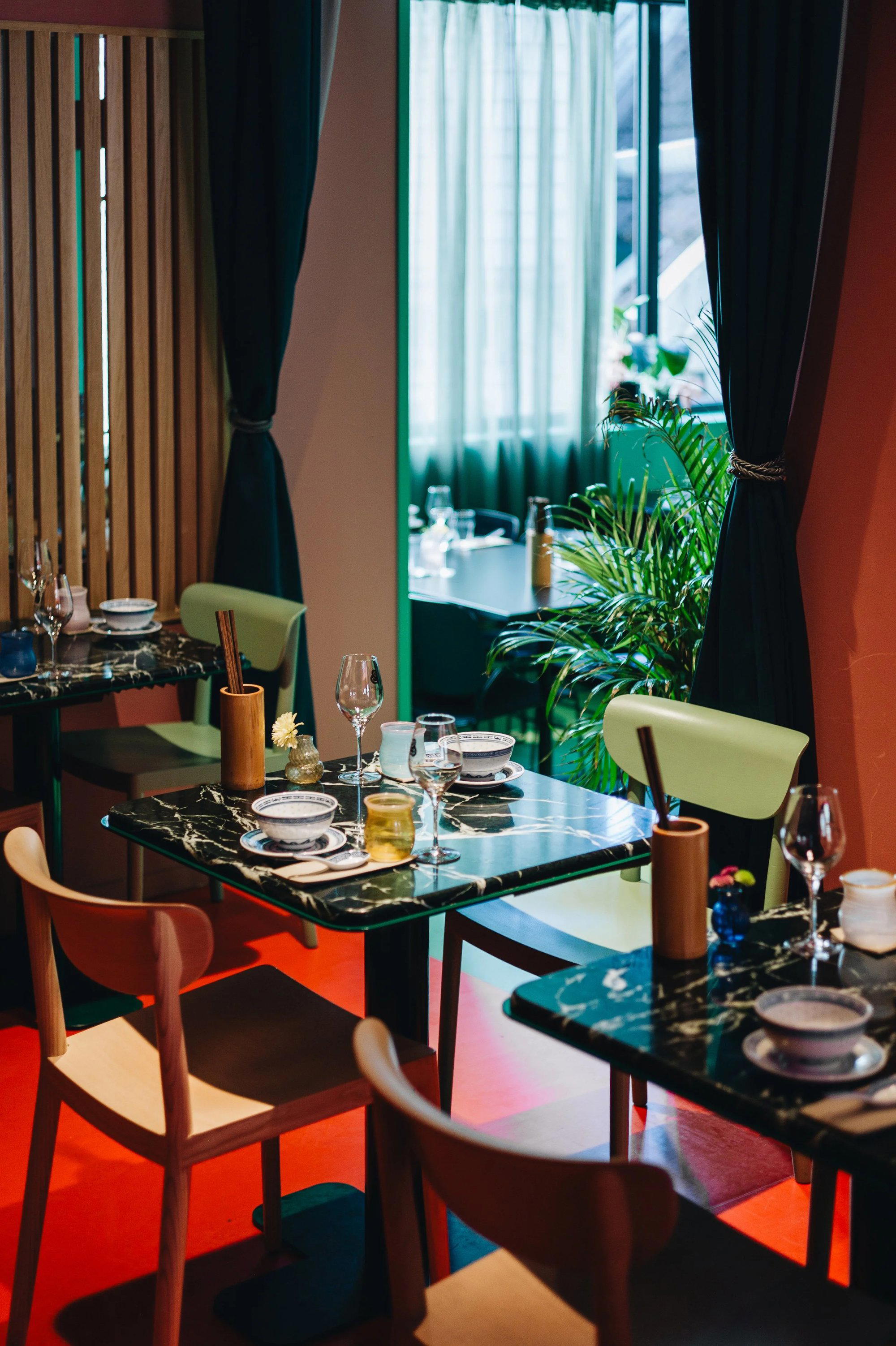
Bergen's Sourcing Story, and Where Banzha Sits in It
Bergen has long had the raw materials for serious cooking. The fish market at Torget has operated for centuries, and the western Norwegian coastline delivers particularly consistently cited seafood in the country, from skrei cod during winter runs to summer shellfish from the islands north of the city. What has changed in the past decade is the ambition applied to those materials. A generation of Bergen kitchens, anchored by operations like Lysverket in the KODE museum complex, have shifted the city's dining conversation toward provenance as a primary editorial frame, not an afterthought on a menu footnote. Banzha, at Neumanns gate 28 in central Bergen, is an Authentic Yunnan Chinese restaurant with a casual dress code and an essential reservation policy, and it enters that conversation from within the city centre, where foot traffic and neighbourhood density create a different set of pressures and expectations than the destination-dining tier.
The ingredient-sourcing argument in Norwegian coastal cities rests on geography. Bergen sits at the convergence of fjord systems that funnel cold, clear water from inland snowmelt toward the open North Sea, a hydrology that produces distinct flavour profiles in the fish, bivalves, and crustaceans pulled from those waters. Kitchens that take sourcing seriously in this region are not simply following a trend borrowed from Copenhagen or the broader New Nordic wave; they are working with materials that have a genuine claim to place. The question for any Bergen restaurant is whether the kitchen makes that claim legible on the plate, or whether provenance remains a branding exercise.
Neumanns Gate: A City-Centre Address with Neighbourhood Weight
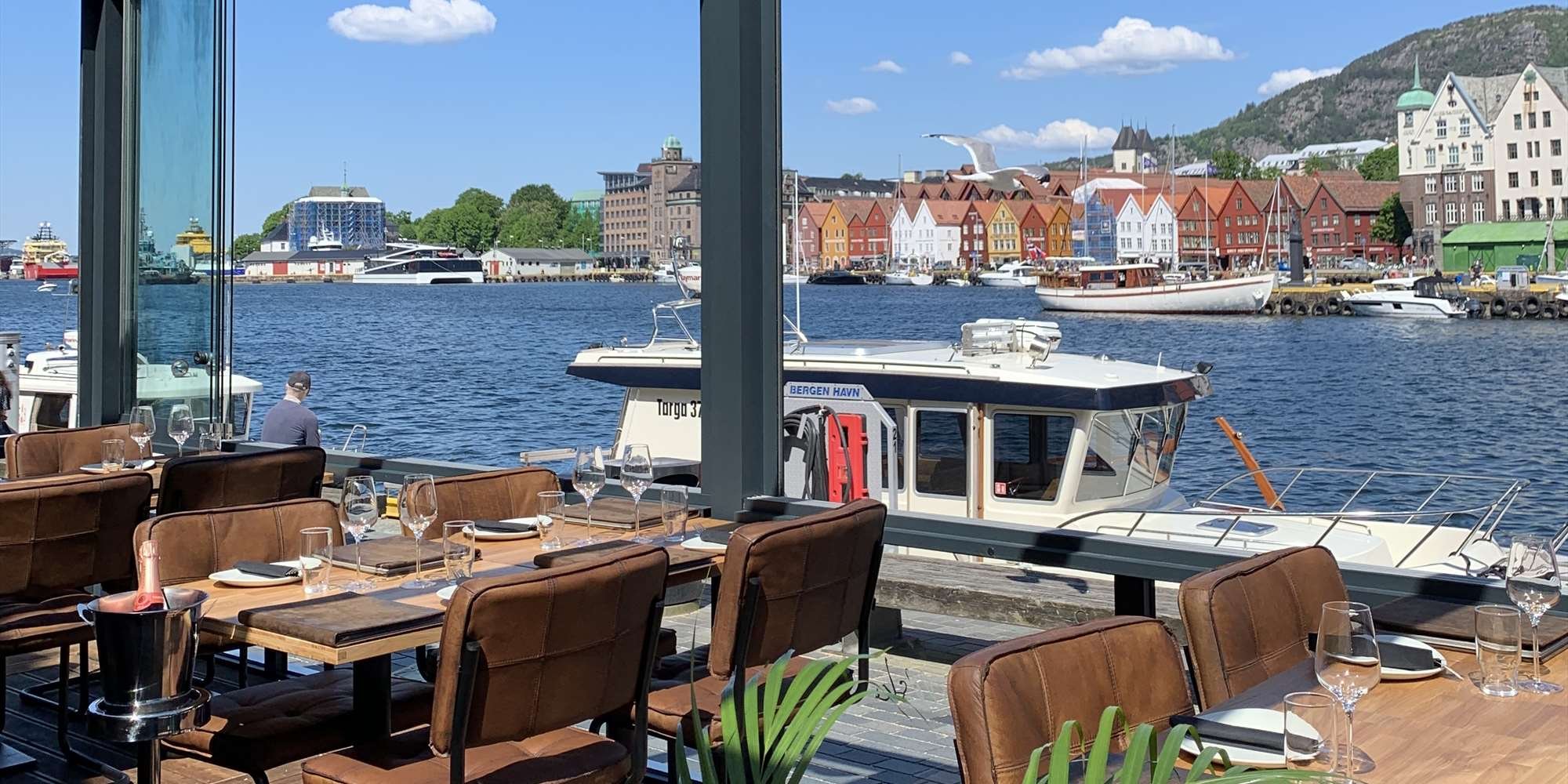
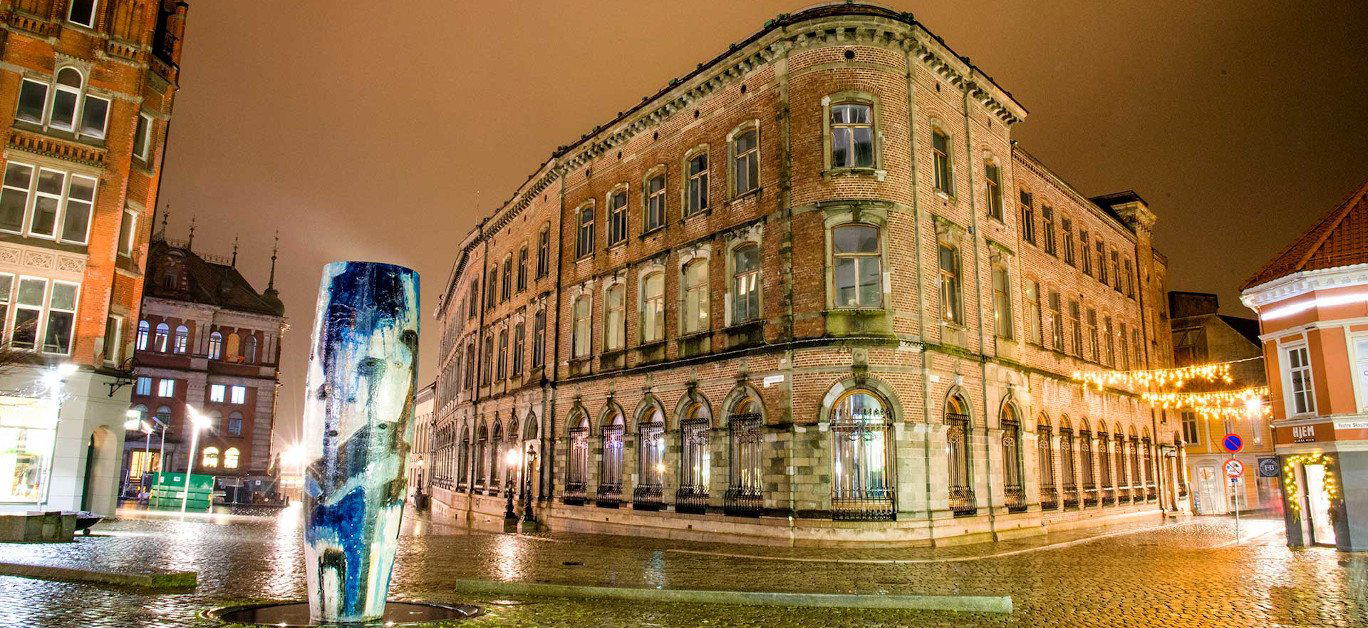
Neumanns gate runs through a part of Bergen's centre that sits between the tourist-facing waterfront and the residential streets climbing toward Fløyen. It is a practical address, close enough to the Bryggen wharf area to draw visitors, but oriented toward the kind of repeat local trade that tells you more about a restaurant's actual standing than its position in a travel guide. In a city where the serious dining tier has historically clustered around cultural institutions and the hotel corridor, a city-centre street-level address signals a different operating model: one built on accessibility and neighbourhood credibility rather than occasion-dining exclusivity.
Bergen's broader restaurant scene has diversified considerably in the past five years. Alongside the established New Nordic programme at Lysverket and the modern cuisine focus at Gaptrast, the city now carries a credible Japanese tier, represented by Omakase by Sergey Pak and BARE Restaurant, alongside more accessible neighbourhood formats like Allmuen Bistro. Banzha occupies its own position in that spread, with a city-centre address that places it in the accessible bracket rather than the tasting-menu destination tier.
What the Sourcing Frame Means in Practice
In Norwegian coastal cooking, the sourcing argument is most legible when the supply chain is short enough to be verifiable. Bergen's proximity to fishing communities along the Hordaland coast, and its historic role as a trading hub for dried and salted fish dating to the Hanseatic period, gives the city a supply infrastructure that kitchens can actually plug into, rather than invoking as narrative colour. The restaurants that do this most convincingly tend to adjust their menus with genuine seasonal responsiveness: skrei in January and February, wild salmon and langoustine in summer, game and root vegetables through autumn. Whether Banzha operates on that model is a question leading answered by visiting in different seasons, but the city's supply conditions make it structurally possible for any Bergen kitchen to source with real specificity.
For context on what sourcing ambition looks like at the summit of the Norwegian dining tier, Maaemo in Oslo has built a three-Michelin-star programme around exclusively biodynamic and wild Norwegian ingredients. RE-NAA in Stavanger holds two stars with a similarly territory-rooted approach. Further afield, Under in Lindesnes operates from a submerged structure designed to observe the seabed it sources from. These are the reference points that have shaped international expectations for Norwegian ingredient work. Bergen's own contribution to that canon remains in development, but the raw material conditions are comparable.
The western Norwegian interior also contributes to what Bergen kitchens can plausibly source: lamb from mountain farms, wild berries from the uplands, brown cheese and fermented dairy from traditional producers. Restaurants in the region further out, including Glime Restaurant in Hardanger Fjord and MiraBelle by Ørjan Johannessen in Bekkjarvik, have made that inland-coastal supply duality a central part of their editorial identity. A Bergen city-centre restaurant can draw on the same network while operating at a different scale and price point.
Planning a Visit
Banzha is located at Neumanns gate 28, 5015 Bergen. The address is walkable from the city's central train station and the Bryggen wharf area, making it accessible without a car or advance transport planning. Bergen's compact centre means most of the restaurants in our full Bergen guide sit within a short walk of each other, which simplifies multi-restaurant evenings or comparative visits across the dining scene. Banzha is a reservation-essential restaurant with a casual dress code and an average price of about US$85 per person.
Buer Restaurant in Odda and Vianvang in Vågå, while the northern reach extends toward Restaurant 1893 in Stokmarknes. For those comparing the Norwegian scene against international reference points, Le Bernardin in New York City and Lazy Bear in San Francisco represent the kind of sourcing-and-craft programmes that draw useful comparisons to what the leading Norwegian kitchens are attempting with their own coastal and inland materials.
Comparable Spots, Quickly
Comparable venues nearby, for context on price, style, and recognition.
| Venue | Cuisine | Price | Notes |
|---|---|---|---|
| BanzhaThis venue — the venue you are viewing | Authentic Yunnan Chinese | $$$ | Not listed |
| Enhjørningen | Traditional Norwegian Seafood | $$$ | Vågen |
| Lola bistro | Modern Scandinavian Bistro | $$$ | central Bergen |
| Restaurant 1877 | Dining | Not listed | Bergen |
| BARK Mat | Modern Nordic Fine Dining | $$$ | Bergen sentrum |
| Fløirestauranten | Modern Norwegian Seasonal | $$ | Mount Fløyen |
At a Glance
- Modern
- Lively
- Intimate
- Group Dining
- Casual Hangout
- Date Night
- Standalone
- Open Kitchen
- Beer Program
- Local Sourcing
Current opening hours
- Monday
- 3–9 PM
- Tuesday
- 3–10 PM
- Wednesday
- 3–10 PM
- Thursday
- 3–10 PM
- Friday
- 3–11 PM
- Saturday
- 12–11 PM
- Sunday
- 3–9 PM
Hours can change for holidays and private events. Last verified .
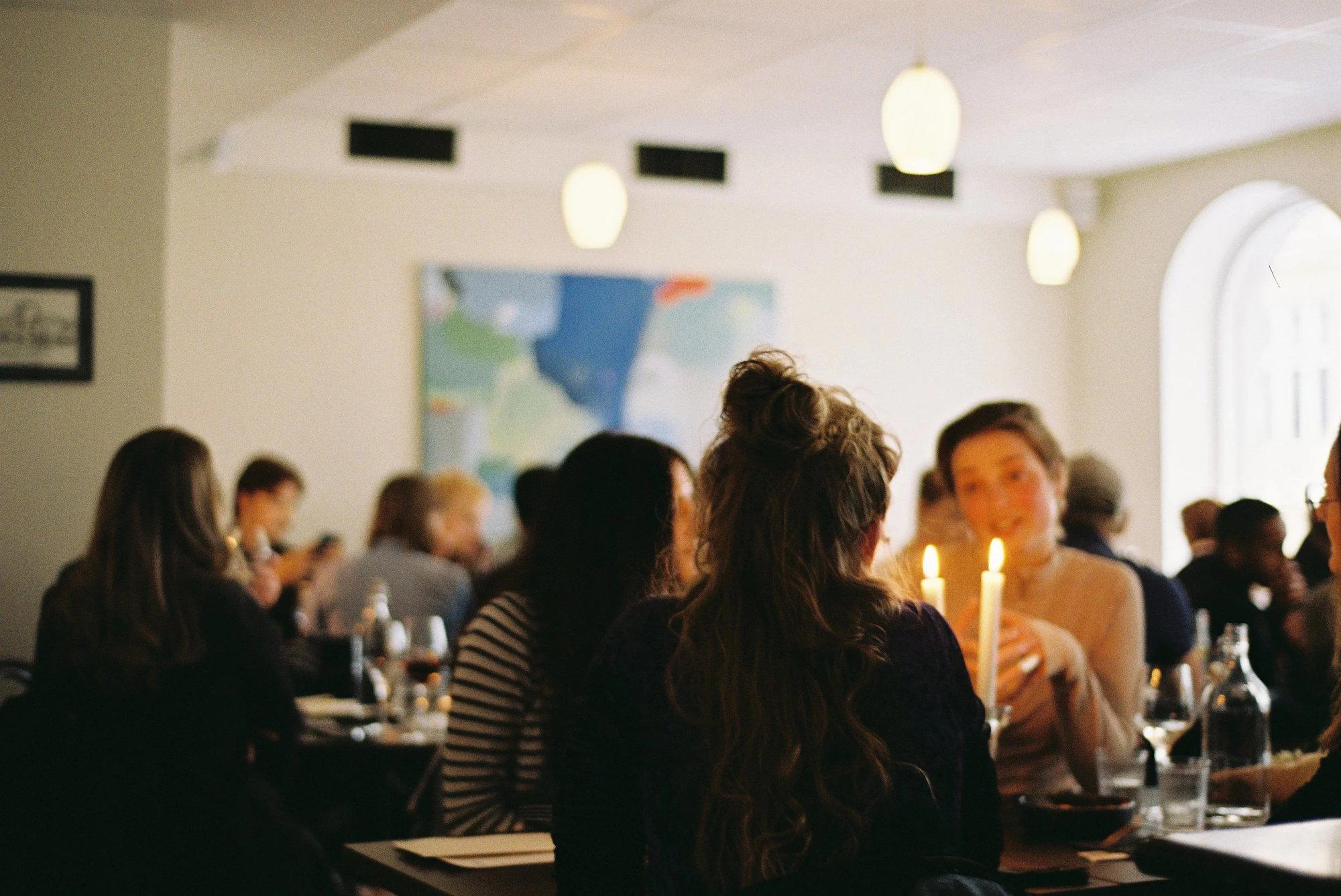
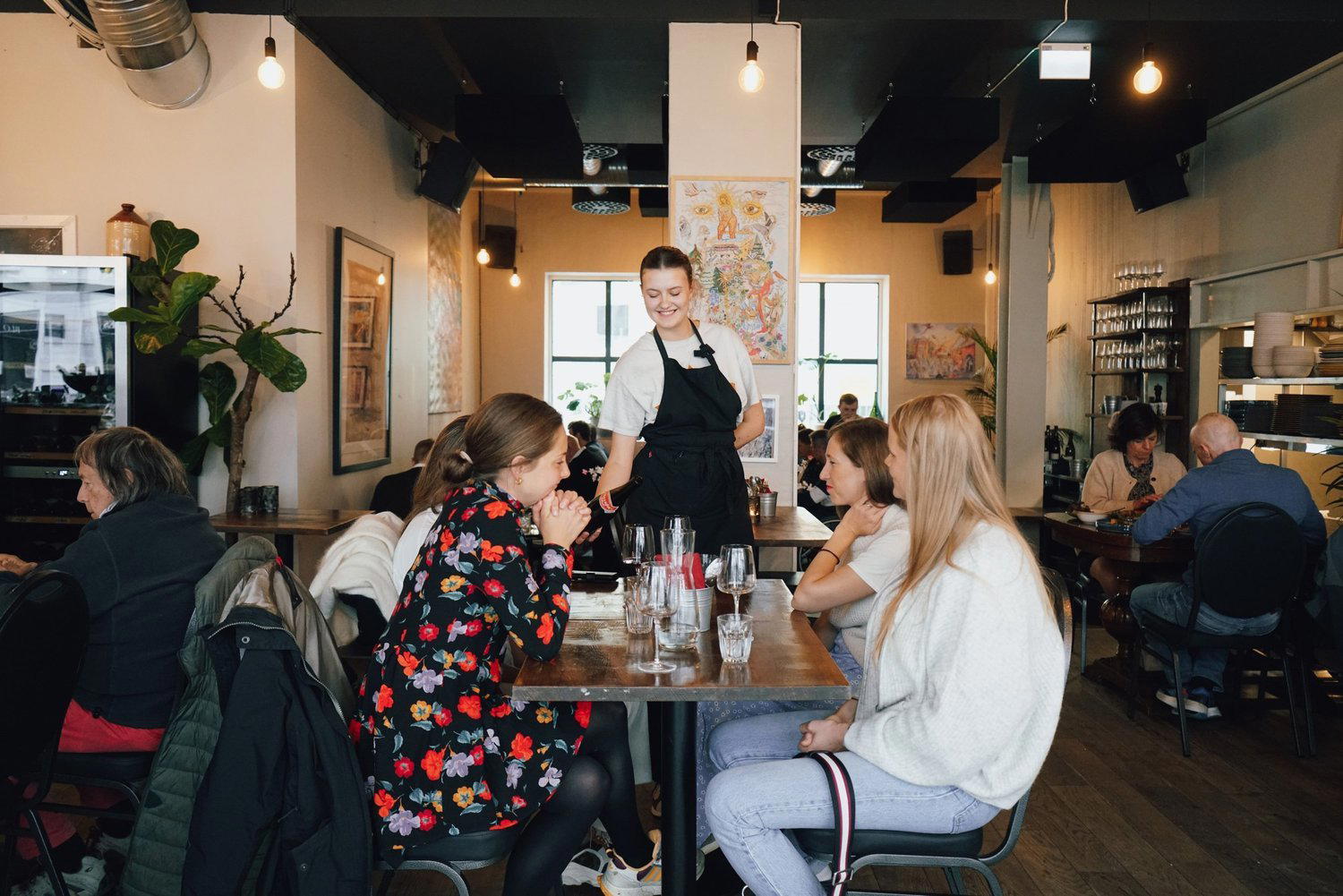
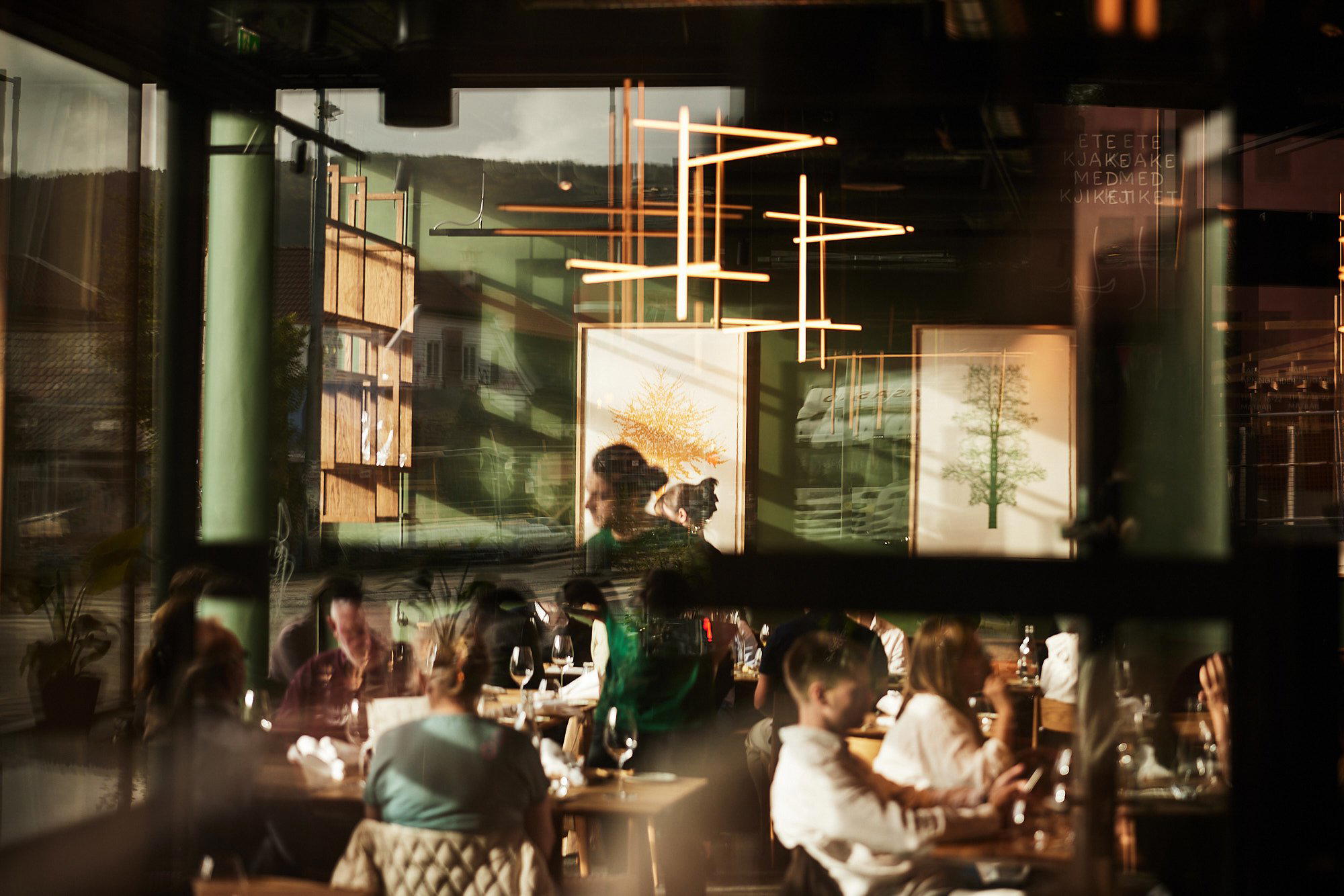
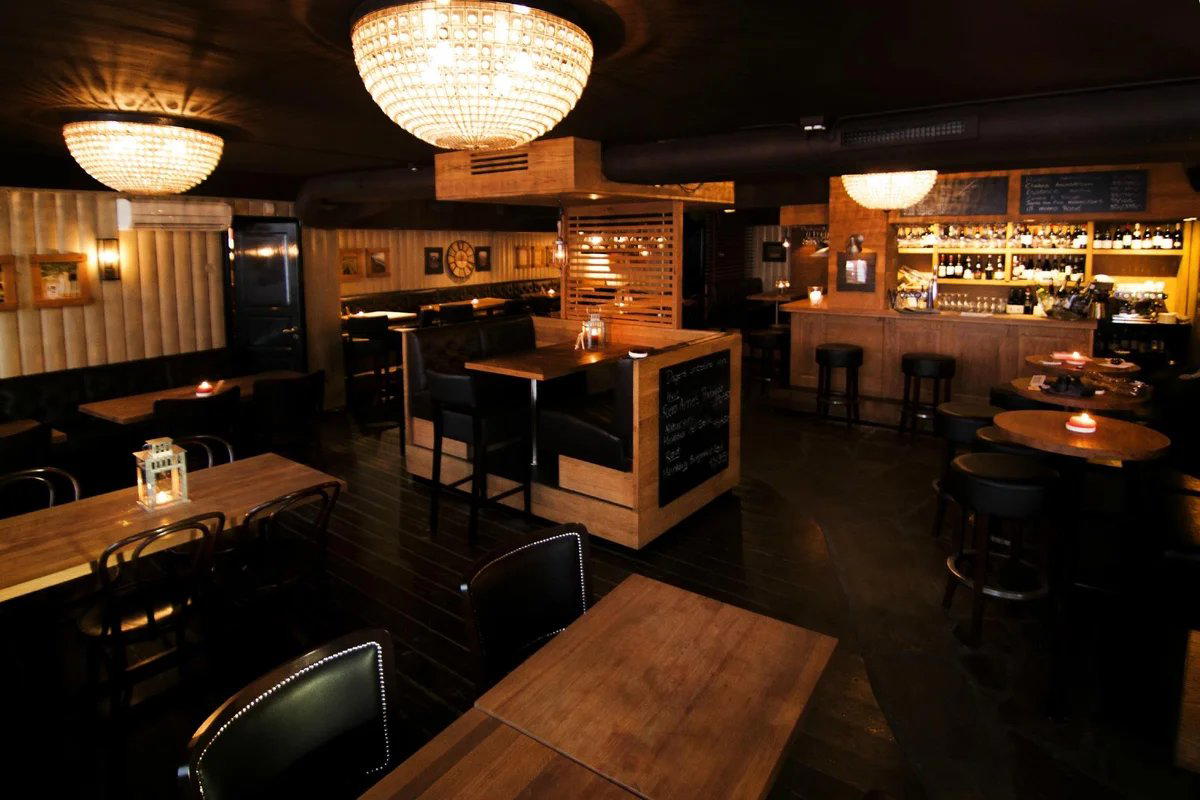
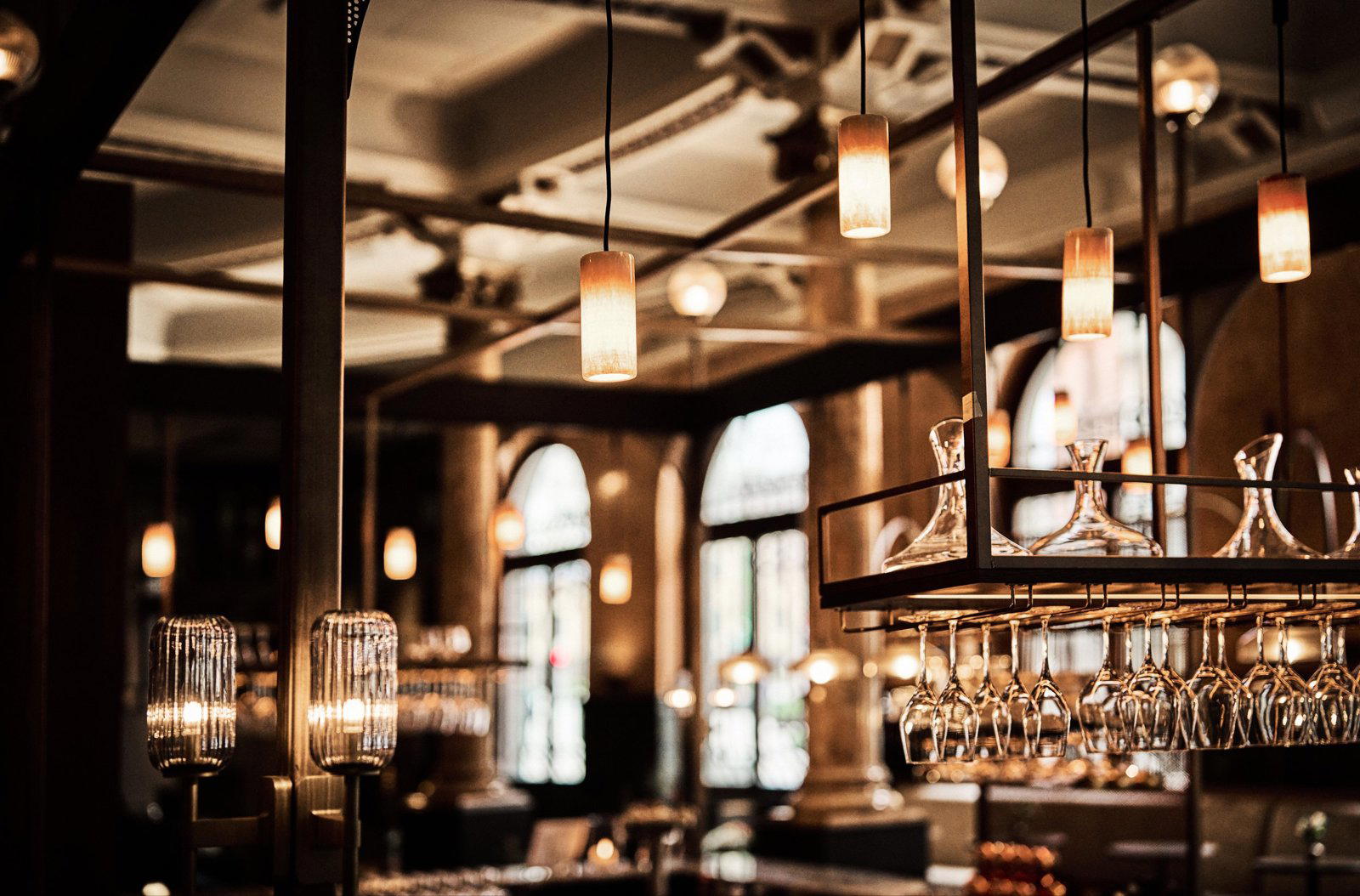
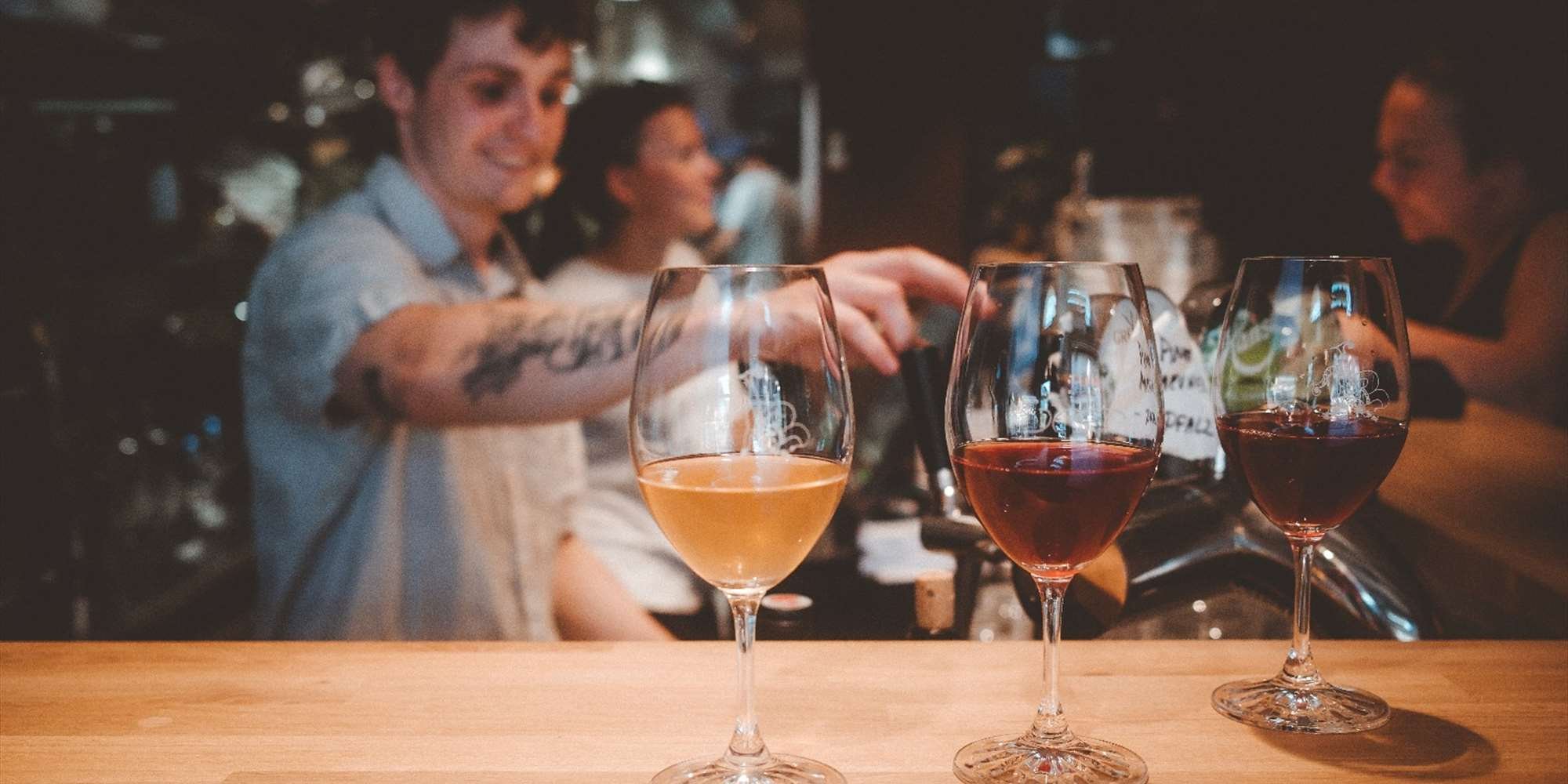
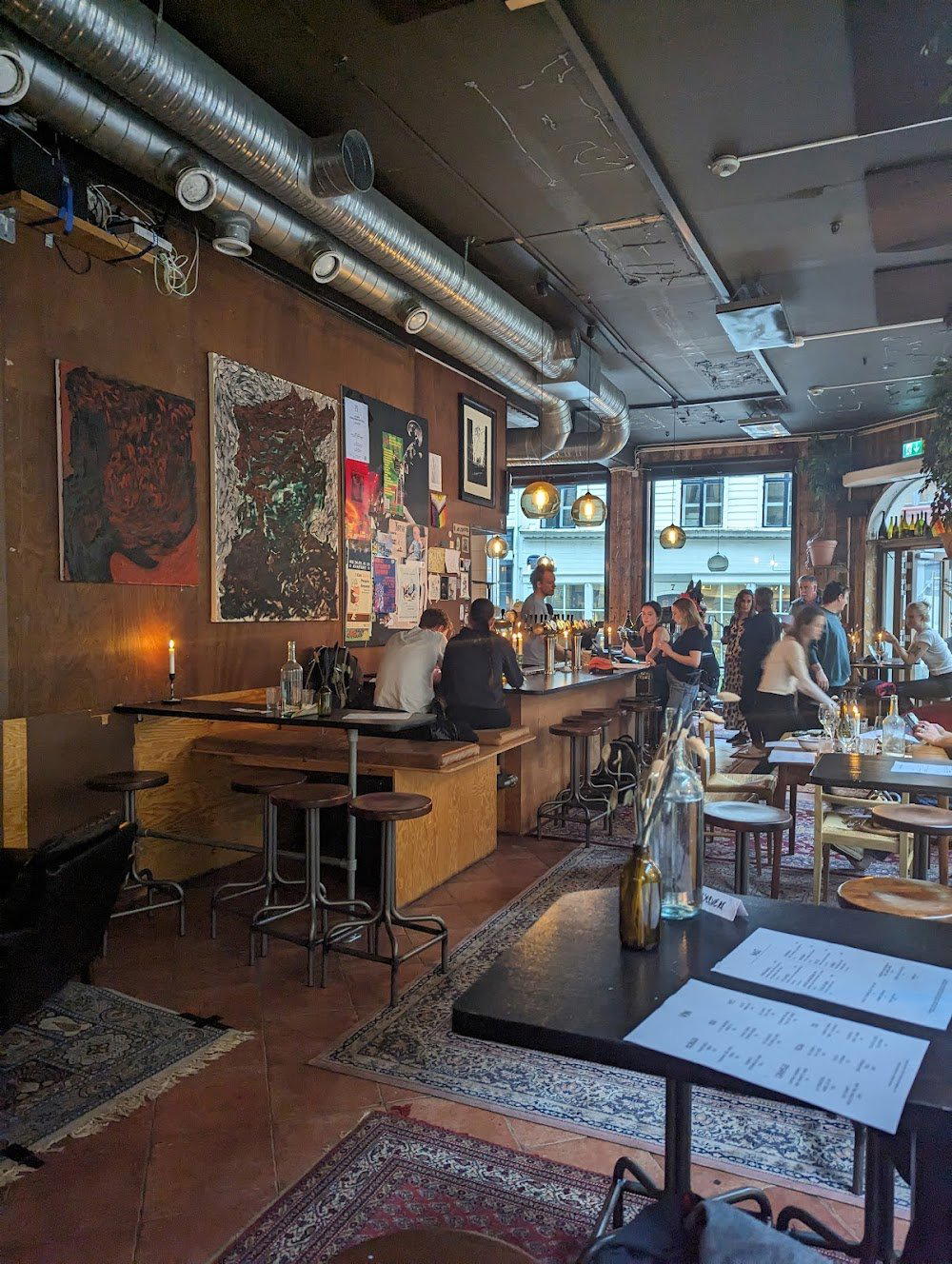
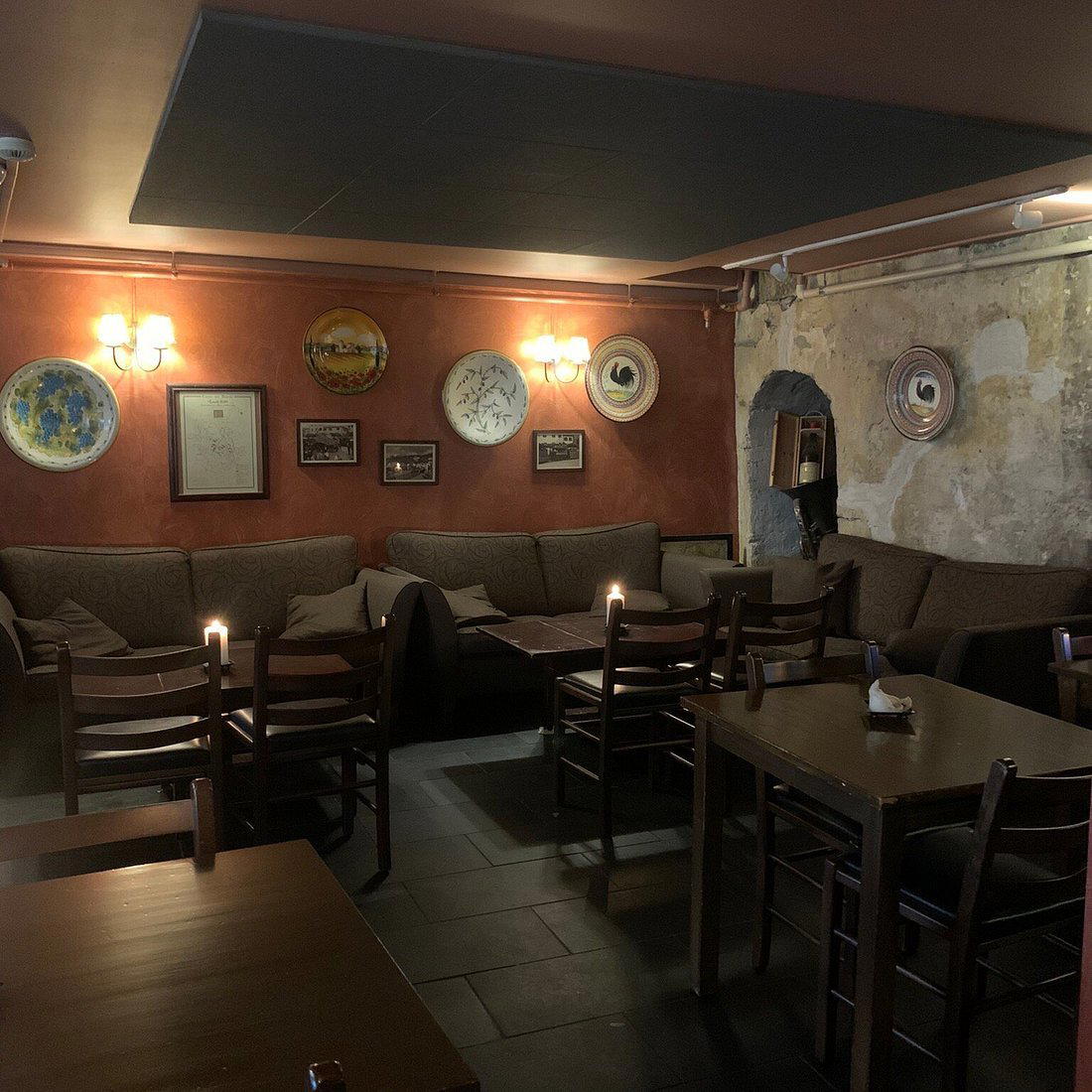
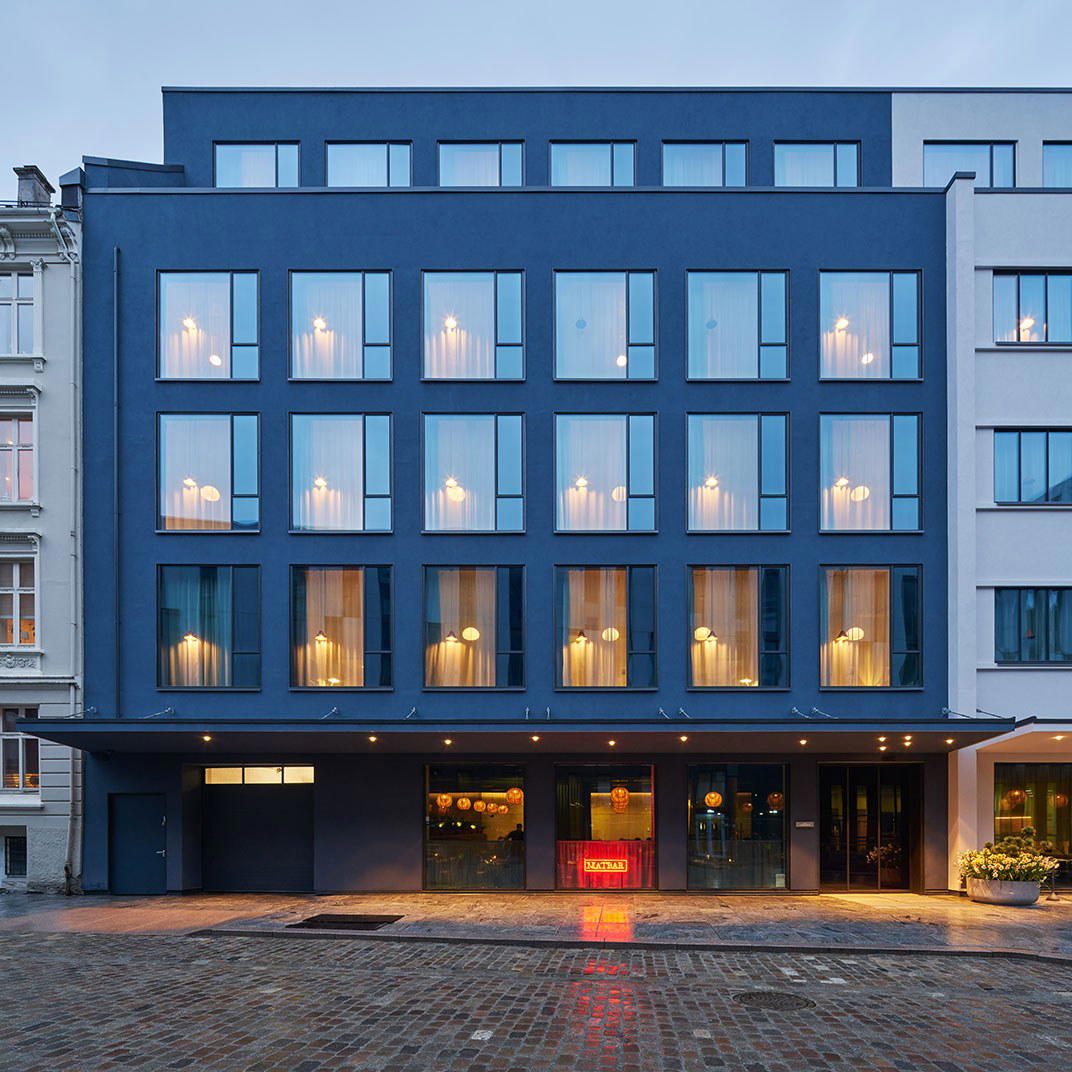
Modern, relaxed, and social atmosphere designed for shared dining; described as lively with good acoustics for conversation.