
Brasserie Astoria Marbella sits in Nueva Andalucía, where the Costa del Sol's European residential crowd overlaps with serious dining. A White Star recognition from Star Wine List signals a wine program with genuine depth. The brasserie format here reads as a European-influenced anchor in a resort corridor that increasingly rewards those who look beyond the beachfront.
Pearl is the En Primeur Club membership app — saves, bookings, and concierge access live there. Same editors, same standards.
- Address
- Av. del Prado, 3, Nueva Andalucía, 29660 Marbella, Málaga, Spain
- Phone
- +34 606 28 33 10
- Website
- brasserieastoria.es
- Directions
- Get directions
 Saves & bookings on Pearl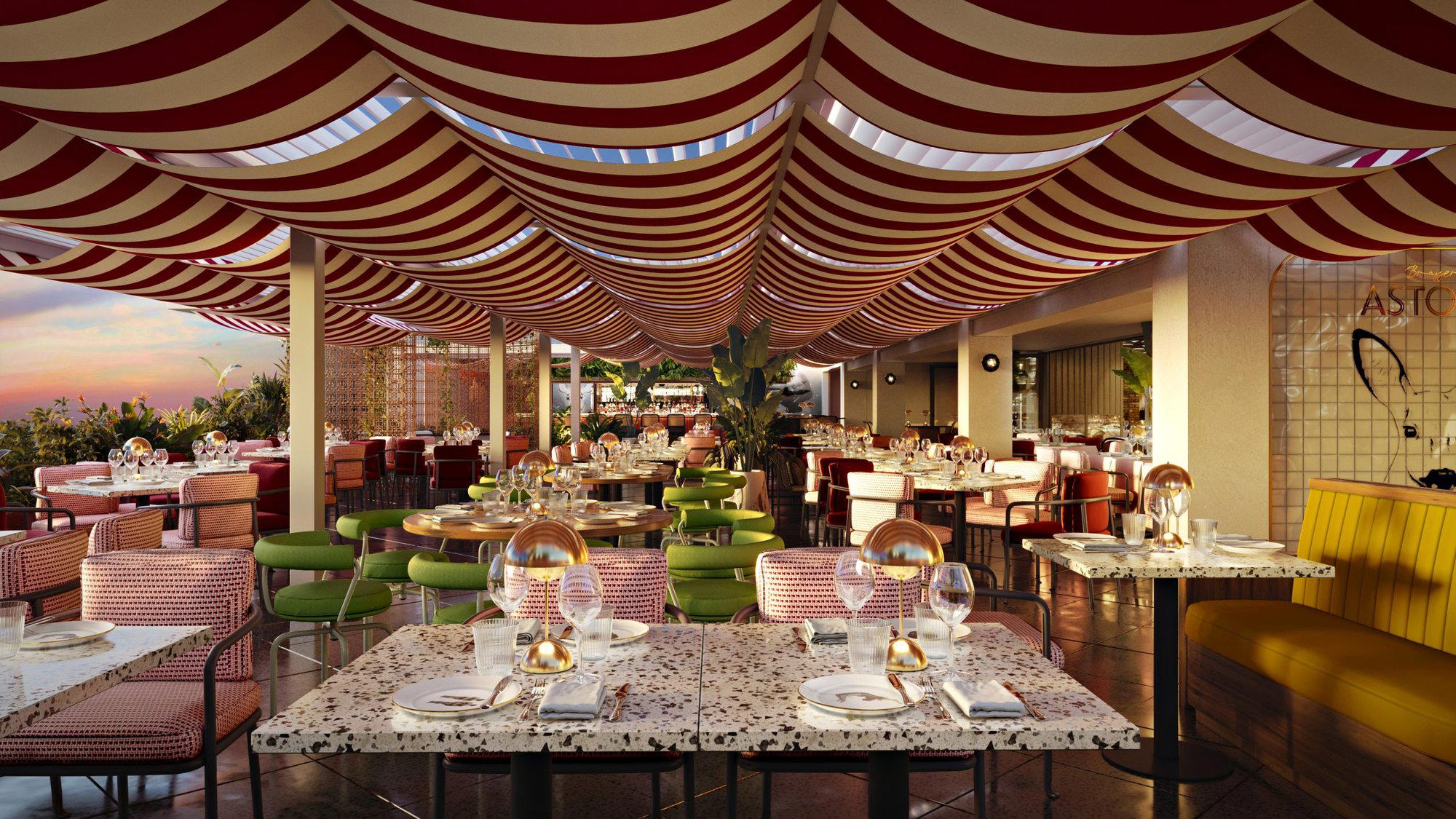
Nueva Andalucía's Brasserie Moment
The stretch of Marbella that runs inland from Puerto Banús toward Nueva Andalucía has historically been overshadowed, at least in dining terms, by the old town's tapas culture and the marina's showier establishments. That balance has shifted. The area's dense residential population, drawn largely from northern Europe, has sustained a category of restaurant that prioritises consistency and a serious drinks offering over novelty. The brasserie format, already well-established in Paris, Brussels, and London as a vehicle for sourcing-led cooking alongside a thoughtfully assembled wine list, has found a natural constituency here. Brasserie Astoria Marbella, at Av. del Prado, 3 in Nueva Andalucía, is a Modern Nordic-Mediterranean Brasserie.
The Wine Recognition Signal
Brasserie Astoria Marbella holds a Star Wine List White Star. Star Wine List's recognition system is specifically focused on wine programs rather than food, and a White Star indicates a list with considered curation, bottles chosen for purpose rather than for margin or prestige signalling. For a brasserie-format restaurant, this distinction matters. Brasserie dining, at its core, is about the relationship between food and the glass; a wine program with independent editorial recognition places Brasserie Astoria in a specific tier of the local market, one that overlaps with food-serious visitors and residents rather than the purely celebratory crowd. Spain's wine scene itself provides the raw material: Andalucía's sherry and manzanilla producers, the Atlantic-facing whites of Rias Baixas, and the structured reds of Ribera del Duero all represent sourcing intelligence when they appear on a thoughtfully composed list. Where a list points in this region says something about the kitchen's priorities too.
Sourcing in Andalucía: What the Region Offers
The brasserie format, wherever it operates well, tends to anchor itself in what the surrounding region actually produces at its leading. Andalucía's larder is extensive and, in some categories, irreplaceable. The Strait of Gibraltar drives cold, nutrient-rich Atlantic water into the Mediterranean, producing seafood of a calibre that chefs from Madrid and Barcelona have been sourcing southward for decades. Bluefin tuna from Almadraba fisheries near Tarifa, clams and prawns from the Huelva coast, and the anchovies from Málaga province all carry a provenance weight that rewards a kitchen willing to follow them. Inland, Iberian pork from Jabugo and the Pedroches valley represents the other pillar of Andalusian sourcing, alongside olive oils from Córdoba and Jaén that are among the more celebrated in Spain. A brasserie that works this territory seriously is engaging with a supply chain that connects directly to what makes southern Spanish cooking distinct from the rest of the peninsula.
Marbella's dining scene has been sorting itself along these lines. At the high end, Skina has built a reputation around seasonal Andalusian sourcing at the four-figure-per-head end of the market. Further down the price spectrum, places like Andala Marbella work the Andalusian tradition with a more accessible format. Creative kitchens such as Messina and BACK push into territory that references the region without being bound by it. The brasserie slot, as Brasserie Astoria occupies it, sits in a different register: European in frame, southern Spanish in raw material, and oriented toward the kind of repeat-visit reliability that a residential neighbourhood demands.
Where This Fits in Marbella's Dining Structure
Marbella has always been a multi-speed dining city. The golden mile and Puerto Banús attract a transient luxury crowd with spending patterns that sustain high-cost operations even with low repeat business. Nueva Andalucía operates differently: longer-stay visitors, second-home owners, and year-round residents form the base, and those demographics drive demand for restaurants that reward regularity rather than occasion. The brasserie category responds to that demand structurally. It offers a menu range broad enough to cover different moods, a price point that allows weekly visits without event-planning, and a wine program that can develop as a regular's knowledge deepens. Star Wine List's recognition of Brasserie Astoria's wine offering signals an orientation toward the long-term diner rather than the passing visitor.
For context on the broader Spanish dining conversation, Spain's most decorated kitchens, from El Celler de Can Roca in Girona to Arzak in San Sebastián, have consistently treated sourcing as the primary narrative. That emphasis has filtered down through the country's dining culture in ways that make ingredient provenance a topic on menus at every price tier. Aponiente in El Puerto de Santa María has made Andalusian marine ingredients the explicit subject of its cooking. The conversation is not limited to the high end: it shapes expectations at mid-market establishments too, and Marbella's better restaurants have absorbed it.
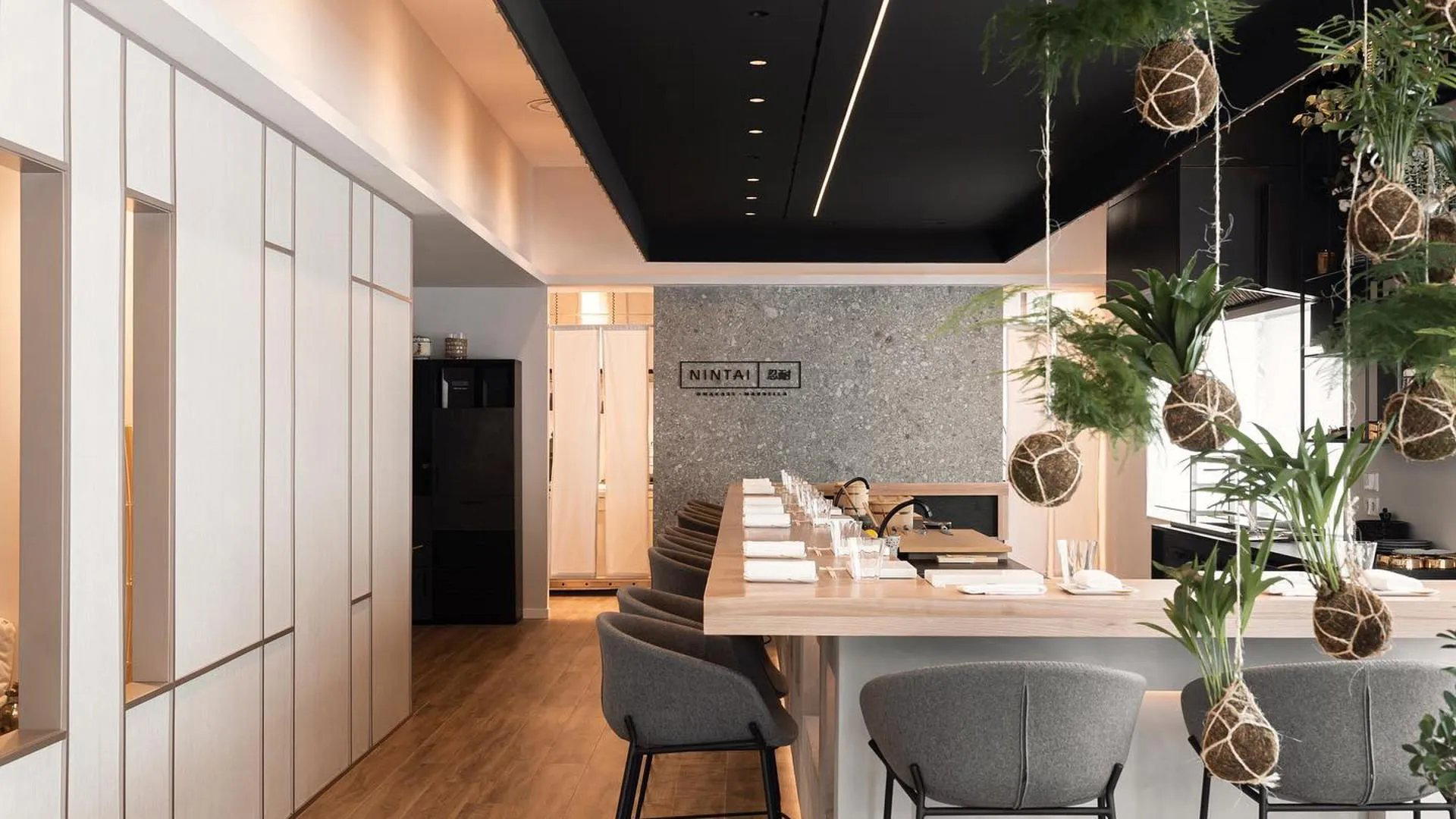
For Japanese dining in Marbella, Nintai occupies a distinct corner of the market, while internationally, the sourcing-first approach that defines serious French-influenced brasserie cooking has parallels in kitchens as different as Le Bernardin in New York City and Azurmendi in Larrabetzu. See DiverXO in Madrid and Cocina Hermanos Torres in Barcelona for how Spain's most ambitious kitchens are currently pushing the format's outer edge. Emeril's in New Orleans offers a useful international reference point for how European-influenced formats root themselves in local produce markets.
Planning a Visit
Brasserie Astoria Marbella is at Avenida del Prado, 3, in Nueva Andalucía, roughly ten minutes by car from central Marbella and a short drive from Puerto Banús. The Nueva Andalucía location means it draws a residential rather than tourist crowd on weekday evenings, which tends to shift the atmosphere toward the unhurried end of brasserie dining. Given the White Star wine recognition, it is worth treating the list seriously rather than defaulting to house pours. Marbella's dining season runs year-round, but the shoulder months of April through June and September through November typically offer particularly comfortable conditions and, in terms of sourcing, some of the leading seasonal alignment with Andalusian produce cycles.
Quick Comparison
Comparable venues nearby, for context on price, style, and recognition.
| Venue | Cuisine | Price | Notes |
|---|---|---|---|
| Brasserie Astoria MarbellaThis venue — the venue you are viewing | Modern Nordic-Mediterranean Brasserie | $$$$ | Not listed |
| Lobito de Mar | Modern Mediterranean Seafood | $$$$ | Golden Mile |
| El Lago | Contemporary Andalusian fine dining by a private lake | $$$$ | Elviria Hills |
| Tragabuches | Modern Andalusian | $$$$ | San Pedro |
| Leña | Modern Spanish Grill | $$$ | Puente Romano Beach Resort |
| D-Wine Marbella | Spanish Fine Dining with Extensive Wine Selection | $$$ | Nueva Alcántara |
Recognition history
Dated appearances from independent guides and award organizations, with the underlying list record or original source where available.
Star Wine List
Star Wine List
Continue exploring
More in Marbella
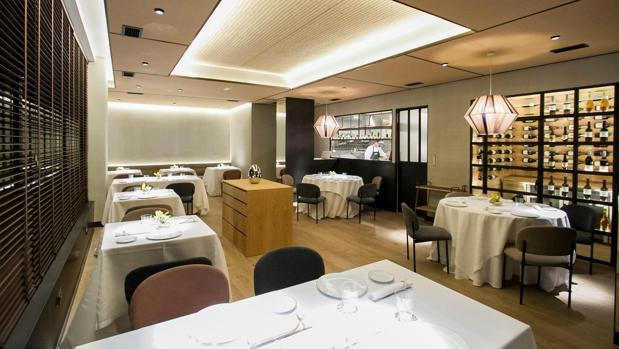
Restaurants in Marbella
Browse all →
Bars in Marbella
Browse all →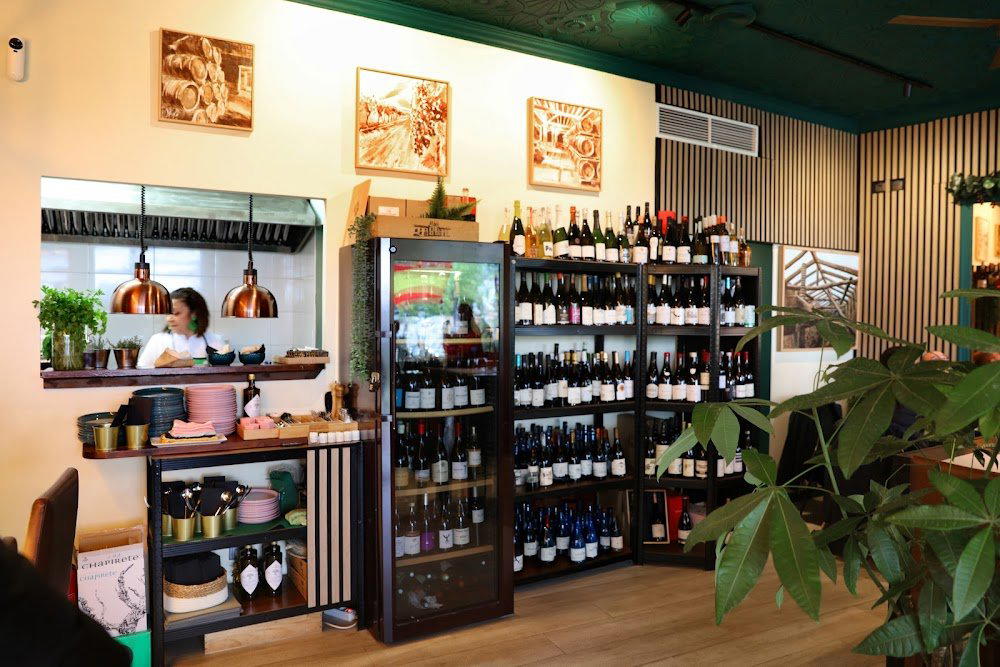
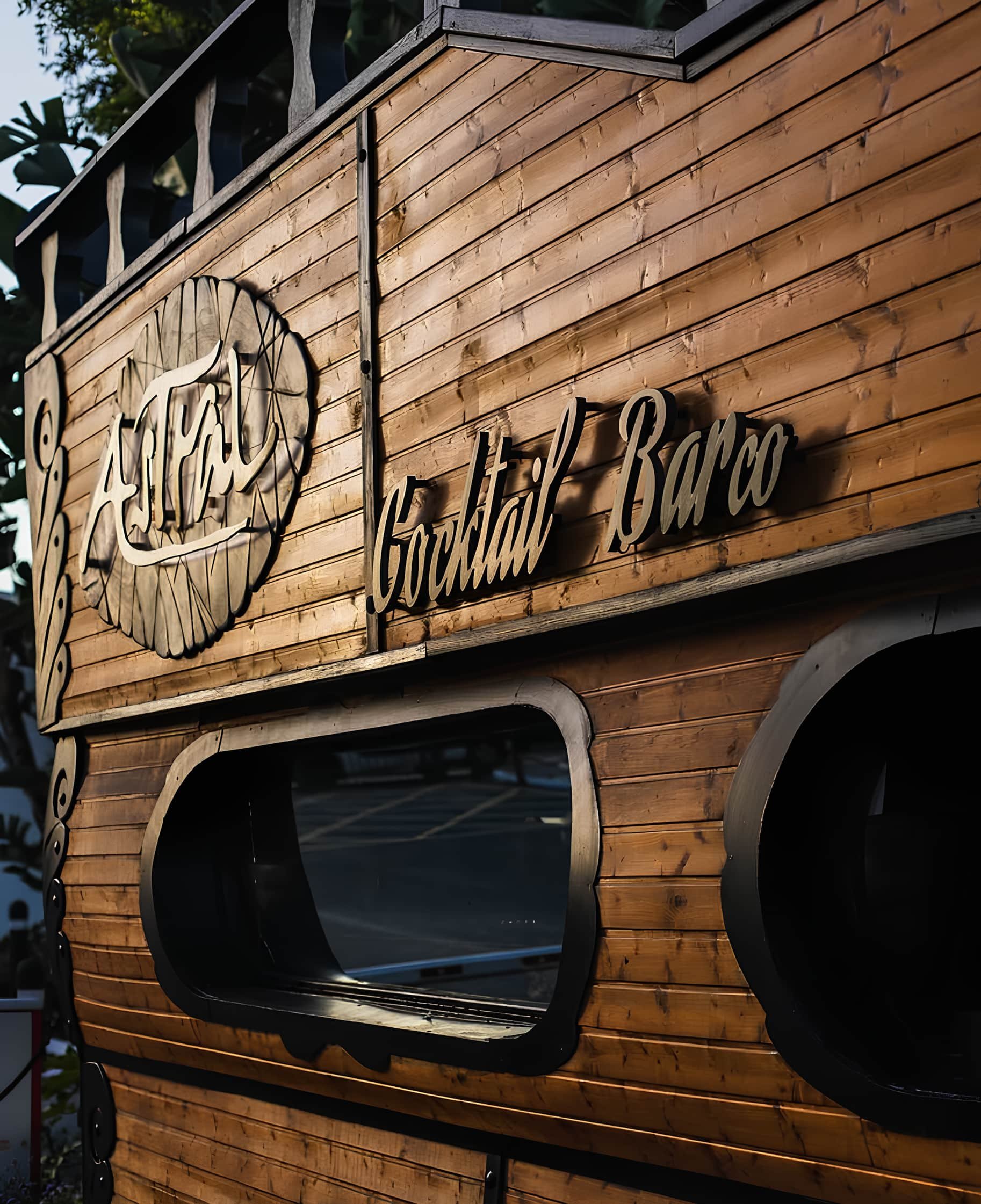
Hotels in Marbella
Browse all →
Wineries in Marbella
Browse all →
At a Glance
- Elegant
- Sophisticated
- Classic
- Date Night
- Special Occasion
- Business Dinner
- Terrace
- Private Dining
- Open Kitchen
- Extensive Wine List
- Craft Cocktails
- Local Sourcing
- Street Scene
Current opening hours
- Monday
- 6 PM–1 AM
- Tuesday
- 6 PM–1 AM
- Wednesday
- 6 PM–1 AM
- Thursday
- 6 PM–1 AM
- Friday
- 6 PM–1 AM
- Saturday
- 1 PM–1 AM
- Sunday
- 1 PM–1 AM
Hours can change for holidays and private events. Last verified .
Warmly sophisticated setting with elegant 19th-century brasserie style, attentive service, and a relaxed yet refined atmosphere.