Brasserie 701 occupies a prominent address at 701 Côte de la Place-d'Armes in Old Montreal, positioned where the quarter's stone-paved streets meet the city's French-leaning brasserie tradition. The room draws a mixed crowd of neighbourhood regulars, hotel guests, and visitors drawn to the Place d'Armes itself. It sits in a mid-tier bracket below destination restaurants like Toqué but above the casual end of Old Montreal dining.
Pearl is the En Primeur Club membership app — saves, bookings, and concierge access live there. Same editors, same standards.
- Address
- 701 Côte de la Place-d'Armes, Montréal, QC H2Y 2X6, Canada
- Phone
- +15149041201
- Website
- brasserie701.com
- Directions
- Get directions
 Saves & bookings on Pearl
Old Montreal's Brasserie Register
The brasserie format has a specific logic in Montreal that differs from its French source material. In Paris, the classic brasserie is a democratic institution: long hours, zinc counters, steak frites at midnight. In Montreal, the form has been filtered through the city's particular mix of French culinary inheritance and North American appetite, producing rooms that lean into the Gallic aesthetic while operating on a more flexible, hospitality-forward model. The address at Place d'Armes sits at the centre of that negotiation. Old Montreal has spent two decades shifting from a tourist corridor into a neighbourhood with genuine dining density, and the brasseries along its main arteries now occupy a recognisable tier: more formal than a bistro, less austere than a destination restaurant, built for repeat visits rather than singular occasions.
That positioning places Brasserie 701 in a competitive set that includes L'Express in the Plateau (the city's most enduring French bistro benchmark, running at $$ price point) and the broader French-leaning mid-market across the downtown core. It sits comfortably below the $$$$ tier occupied by Jérôme Ferrer's Europea and Mastard, and it operates with different intent than the modern cuisine programs at Sabayon. For travellers calibrating where Brasserie 701 fits, the useful frame is: serious enough for a business lunch, accessible enough for a spontaneous dinner after walking the Old Port.
The Room and What It Signals
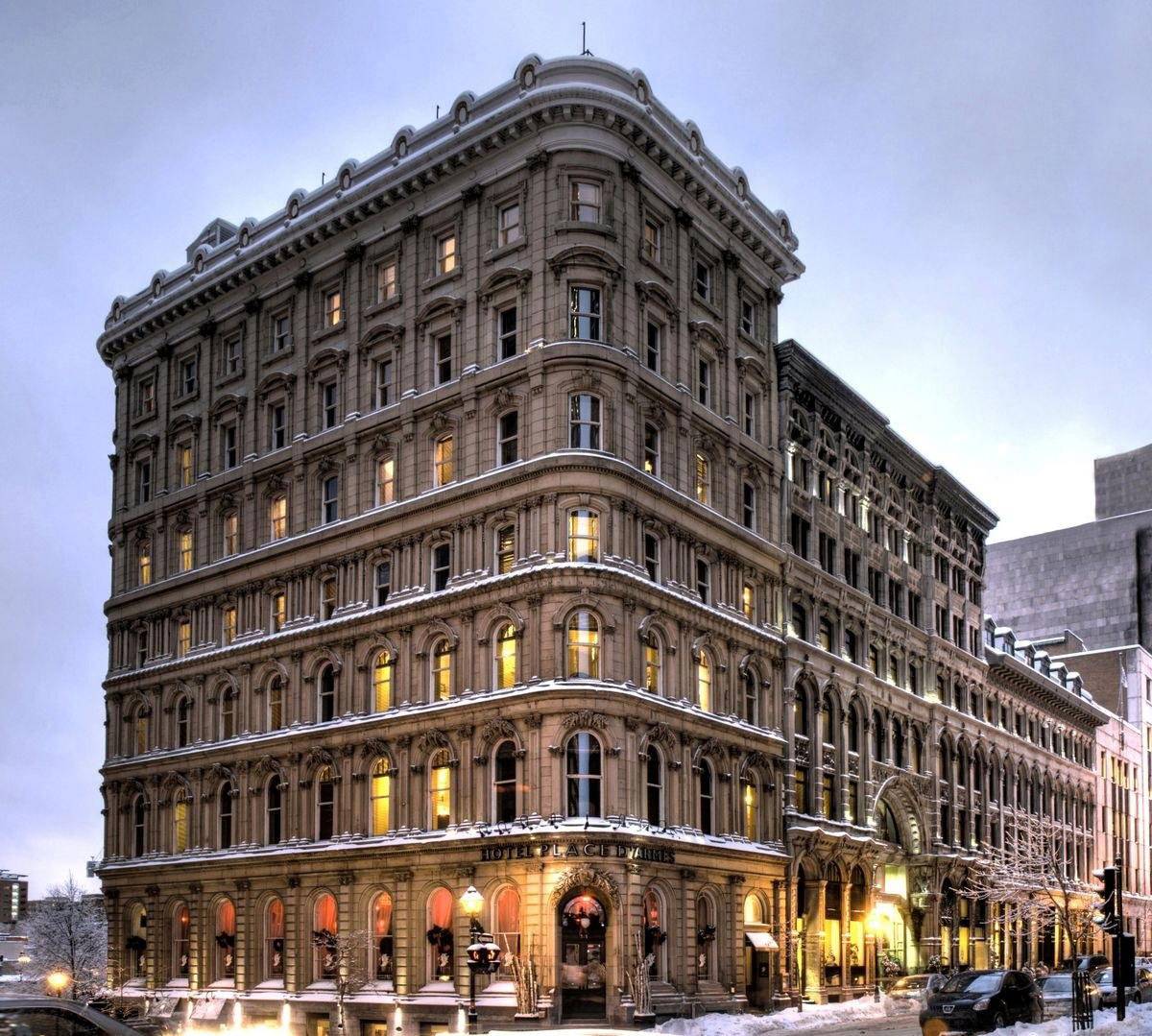
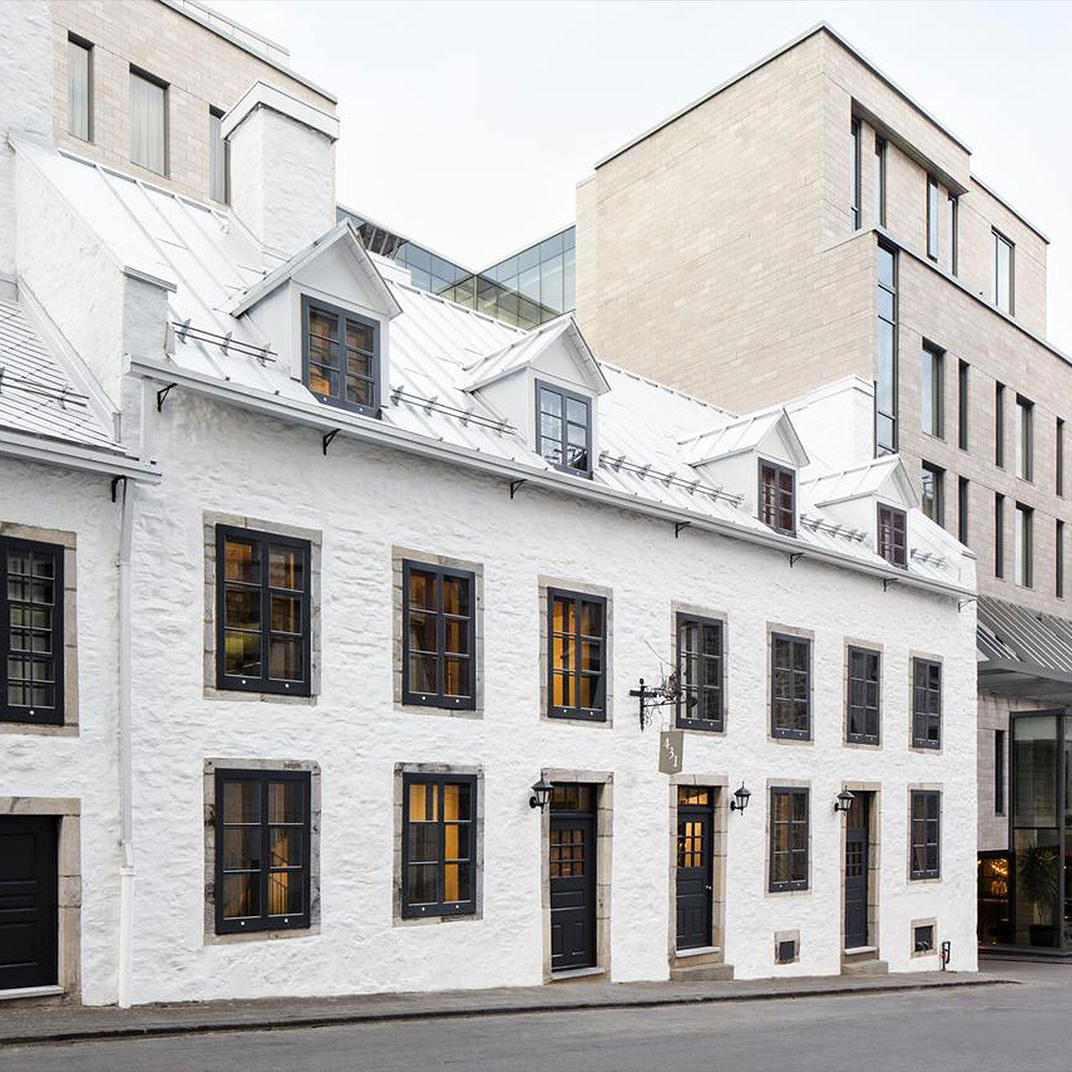
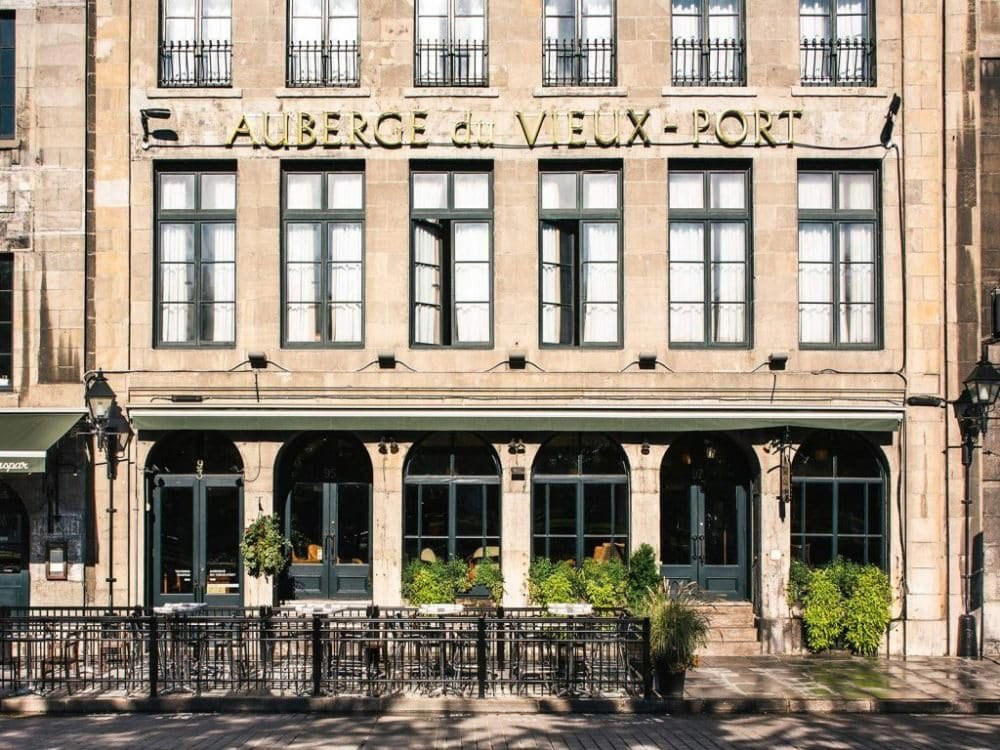
The building's address on Côte de la Place-d'Armes is itself a context clue. The street runs directly alongside Notre-Dame Basilica, meaning the physical approach involves the particular atmosphere of Old Montreal's most visited square: cobblestones, the grey limestone facades of 19th-century commercial buildings, and the kind of foot traffic that mixes tour groups with finance workers from the nearby banking corridor. A brasserie at this address is working with a built-in audience that changes character between morning, midday, and evening, and the best of these rooms design their service around that shift rather than ignoring it.
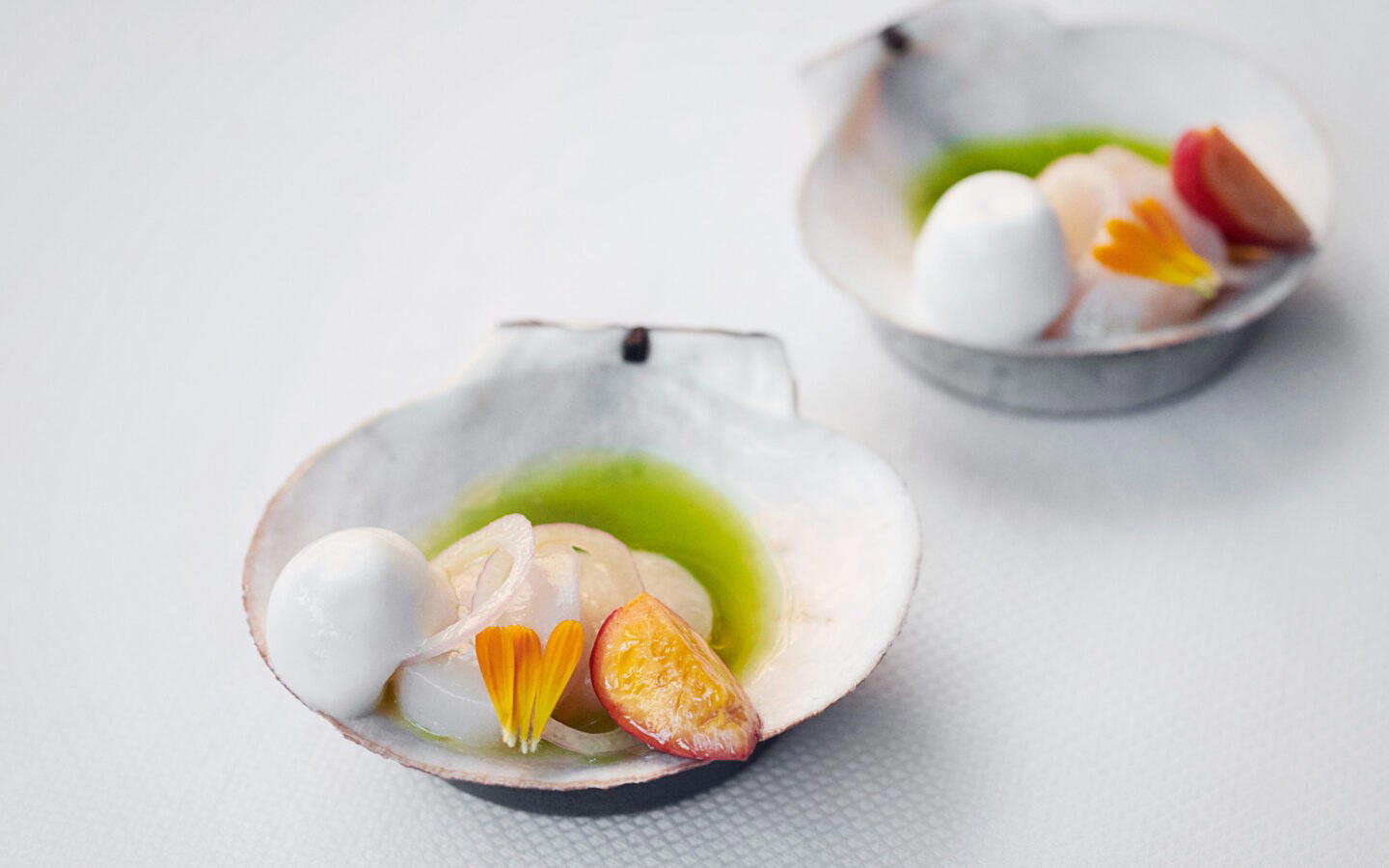
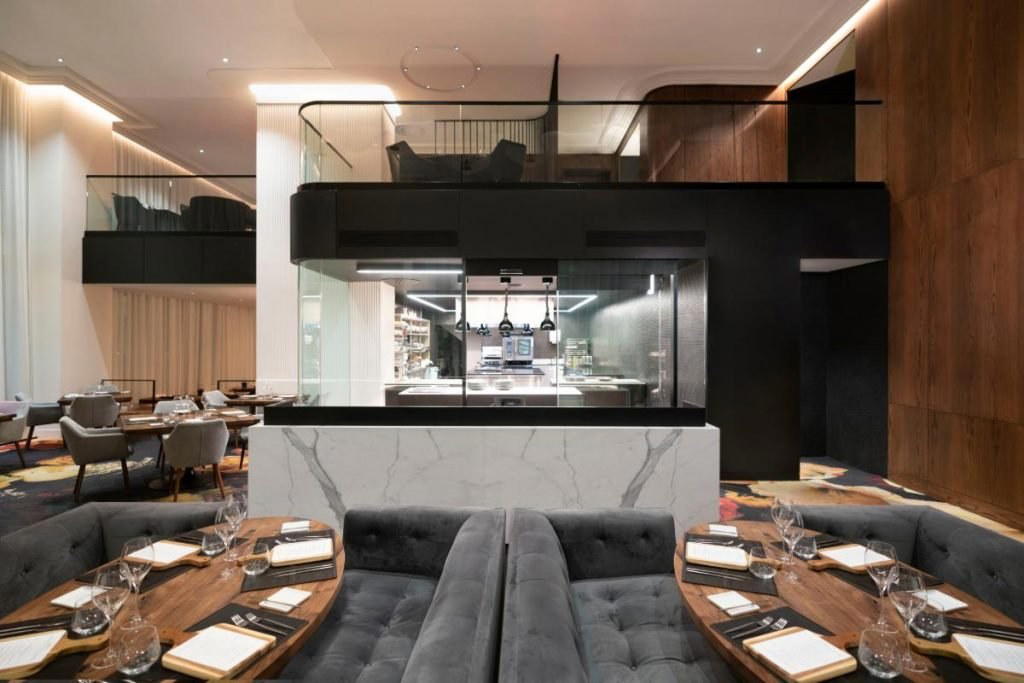
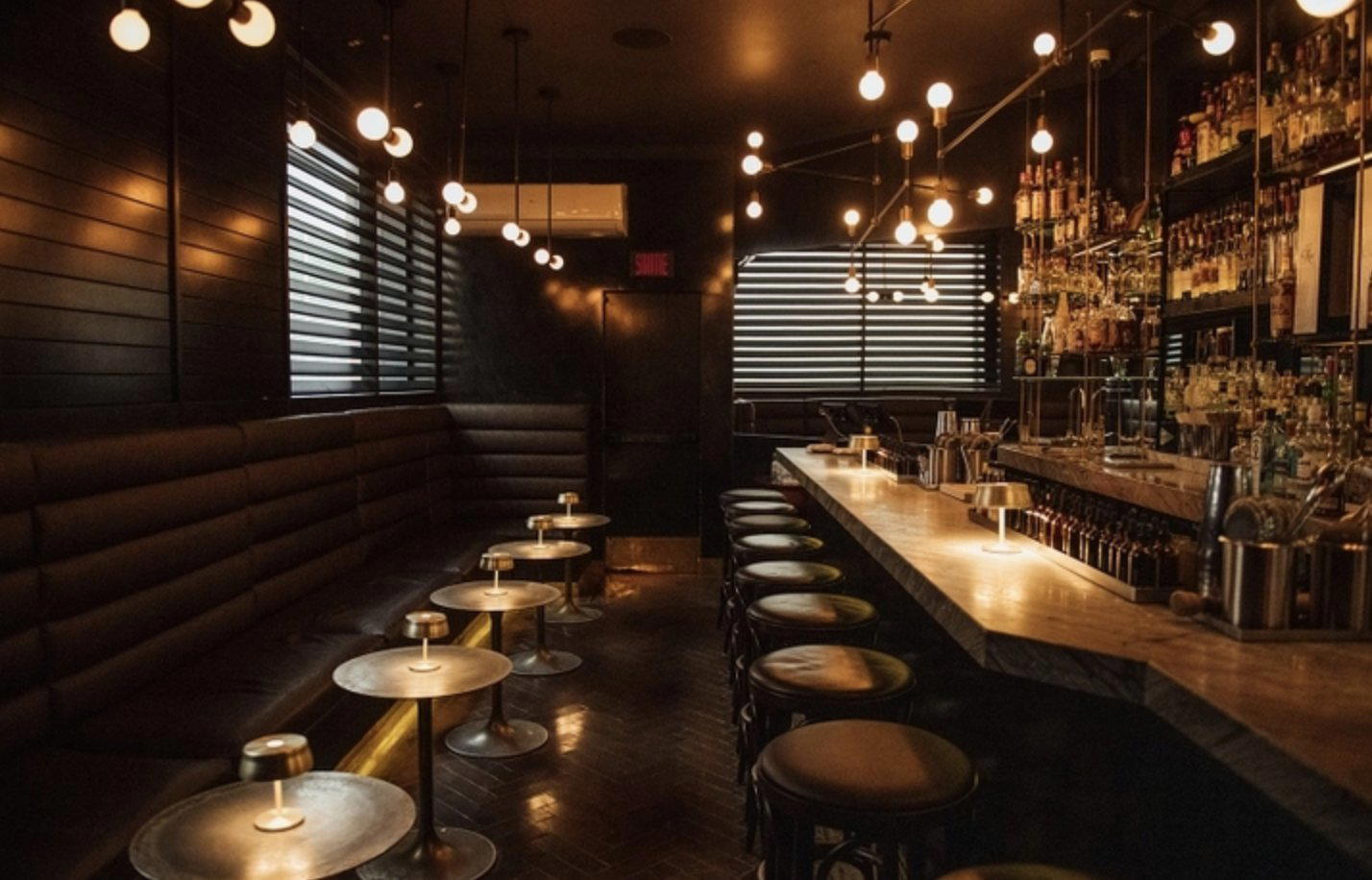
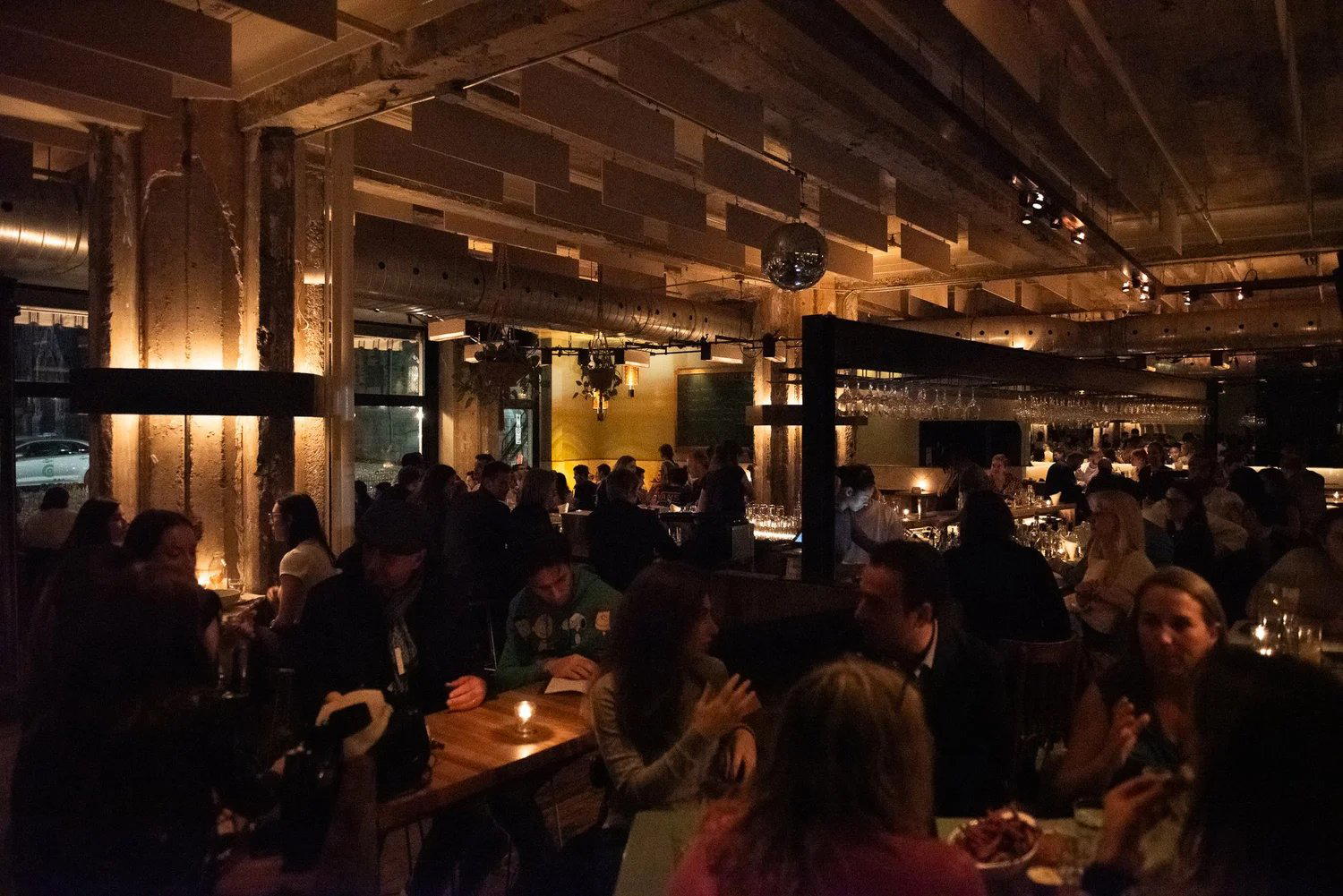
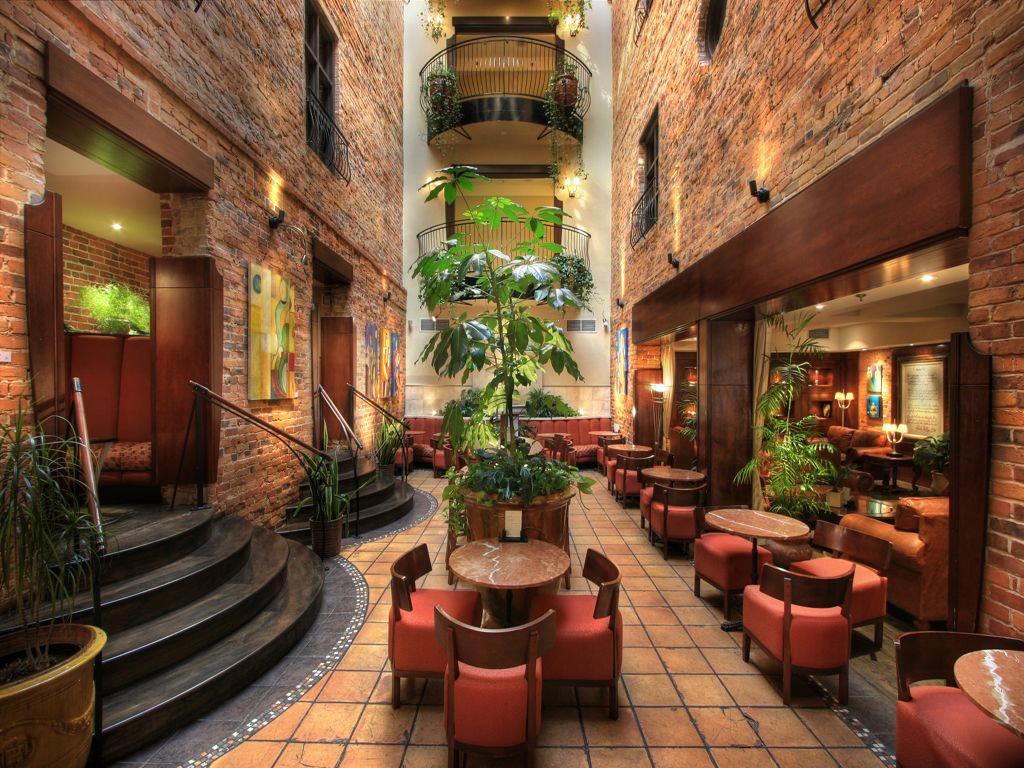
Inside, the brasserie format rewards a certain kind of room: high ceilings, enough acoustic energy to feel convivial without tipping into loud, and lighting that can carry a working lunch and a relaxed dinner without feeling mismatched for either. These are architectural and operational choices that define the category across cities, from the grand brasseries of Lyon to the transplanted versions in Montreal's hotel-adjacent dining rooms.
Lunch Versus Dinner: Where the Real Differences Live
The lunch-versus-dinner divide at a brasserie of this type is more pronounced than at restaurants operating a single tasting format. Midday service in Old Montreal draws heavily from the quarter's professional population, including lawyers and financial sector workers from the Place d'Armes business corridor, and that crowd has different expectations: faster pacing, value-conscious set menus where available, wine by the glass over bottles. The energy is purposeful and relatively compressed.
Evening service shifts the composition toward couples, visitors staying in the surrounding hotels, and Montrealers making the trip specifically for dinner. The pace slows, tables hold longer, and the kitchen has more room to execute at a considered register. In brasserie terms, this is the format's natural rhythm, and properties that manage the transition well, adjusting staffing ratios and menu emphasis between services, tend to hold the room's reputation more consistently than those that run a single undifferentiated service model across the day.
For the traveller deciding when to visit, the practical implication is clear: lunch offers accessibility and efficiency, while dinner offers the fuller expression of what the room can do. Montreal's dining scene rewards dinner visits to its better brasseries, where the city's French-inflected service culture has space to operate without the midday time pressure. Compare this dynamic to Tanière³ in Quebec City, which operates a single evening-only format and removes the lunch question entirely, or to Alo in Toronto, where the tasting menu format makes the lunch-dinner distinction a matter of format rather than mood.
Where Brasserie 701 Sits in the Montreal Dining Map
Montreal's restaurant scene has consolidated around a few clear tiers. At the leading, destination restaurants with national or international recognition, including properties like Toqué at $$$$, draw reservation-forward visitors willing to plan weeks ahead. Below that, a dense mid-market of French-influenced bistros, contemporary Quebec cooking, and globally-inflected menus competes on neighbourhood character and menu value. Brasserie 701 operates in the latter tier, with the added variable of its Old Montreal location giving it a tourist-adjacent draw that purely residential-neighbourhood restaurants do not carry.
That location is both an asset and a calibration point. Old Montreal attracts significant visitor volume, which means a well-run room here will see a broader cross-section of diners than a comparable restaurant in, say, the Mile End or Rosemont. The culinary references worth knowing for this part of the city include 3 Pierres 1 Feu and Abu el Zulof, both of which operate in the neighbourhood's wider dining ecosystem. For anyone building a Montreal itinerary beyond a single meal, our full Montreal restaurants guide maps the city's dining by neighbourhood and price tier.
Within the Canadian dining context more broadly, Montreal's brasserie tradition sits at a distinct point from what you find at AnnaLena in Vancouver or the rural-focused programs at Eigensinn Farm in Singhampton and Restaurant Pearl Morissette in Lincoln. The brasserie is a fundamentally urban and social format, and Montreal's French linguistic and cultural inheritance gives its versions a specific register you do not find replicated in the same way elsewhere in the country. For coastal contrasts, Narval in Rimouski and the Fogo Island Inn Dining Room represent the opposite pole: place-specific, remote, ingredient-driven in a way that is fundamentally different from the cosmopolitan brasserie model.
Know Before You Go
Where the Accolades Land
| Venue | Cuisine | Price | Awards |
|---|---|---|---|
| Brasserie 701This venue — the venue you are viewing | Not listed | Not listed | This venue |
| L’Express | French Bistro | $$ | French Bistro |
| Schwartz’s | Delicatessen | $ | Delicatessen |
| Toqué | French | $$$$ | French |
| Jérôme Ferrer - Europea | Modern Cuisine | $$$$ | Michelin 1 Star |
| Mastard | Modern Cuisine | $$$ | Michelin 1 Star |
At a Glance
- Elegant
- Lively
- Classic
- Sophisticated
- Date Night
- Brunch
- Business Dinner
- Private Dining
- Hotel Restaurant
Current opening hours
- Monday
- 7 AM–11 PM
- Tuesday
- 7 AM–11 PM
- Wednesday
- 7 AM–11 PM
- Thursday
- 7 AM–11 PM
- Friday
- 7 AM–11 PM
- Saturday
- 7 AM–11 PM
- Sunday
- 7 AM–11 PM
Hours can change for holidays and private events. Last verified .
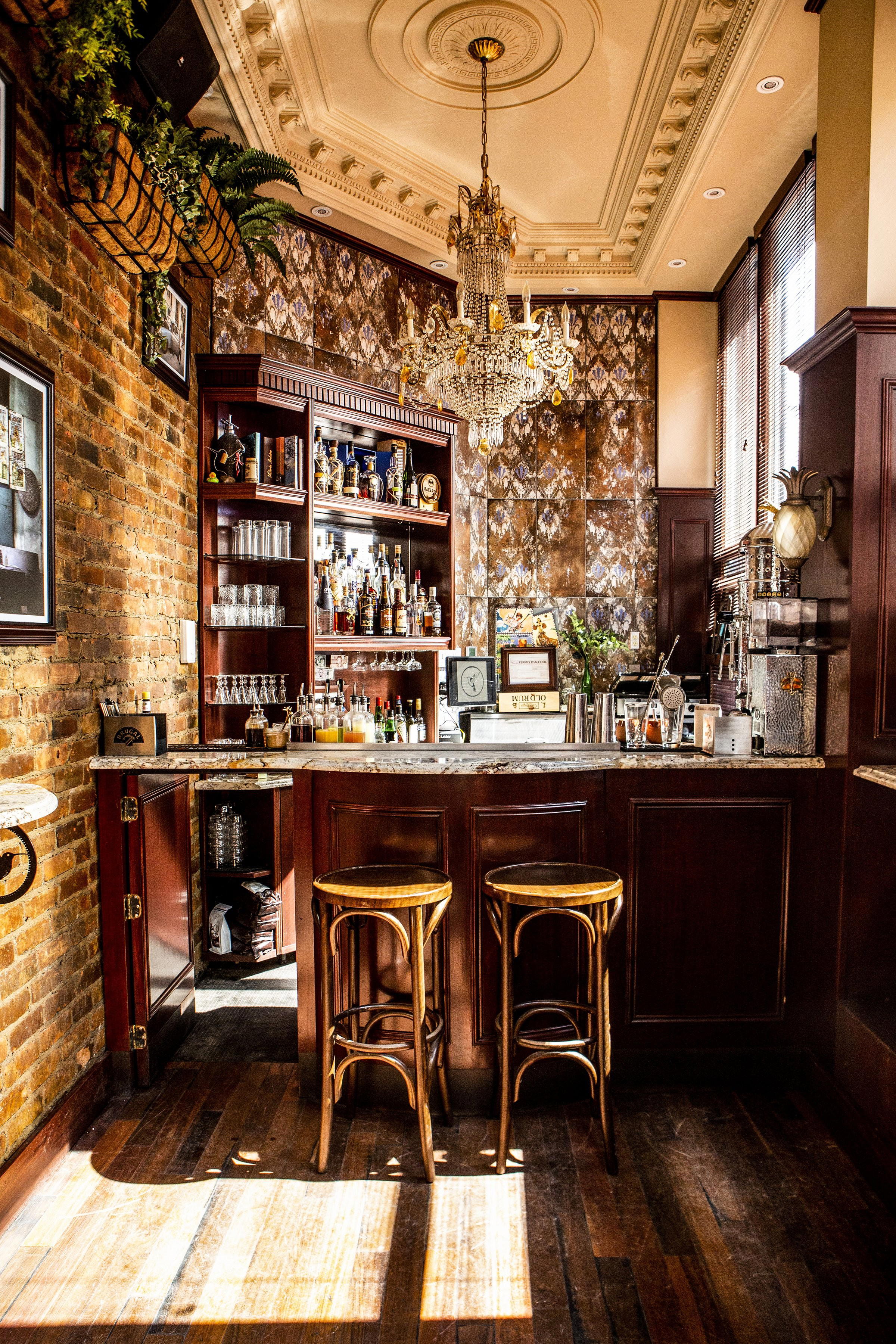
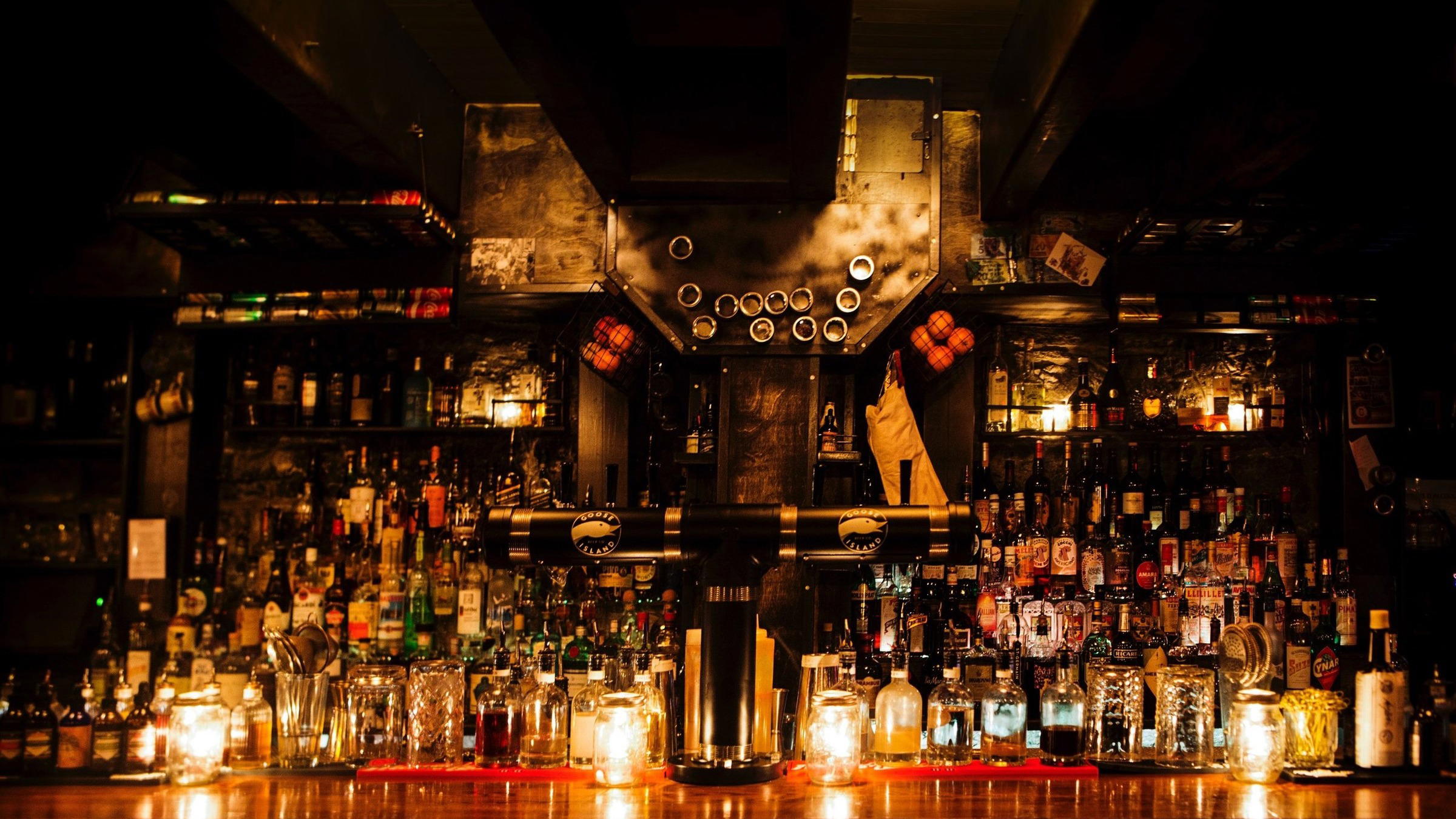
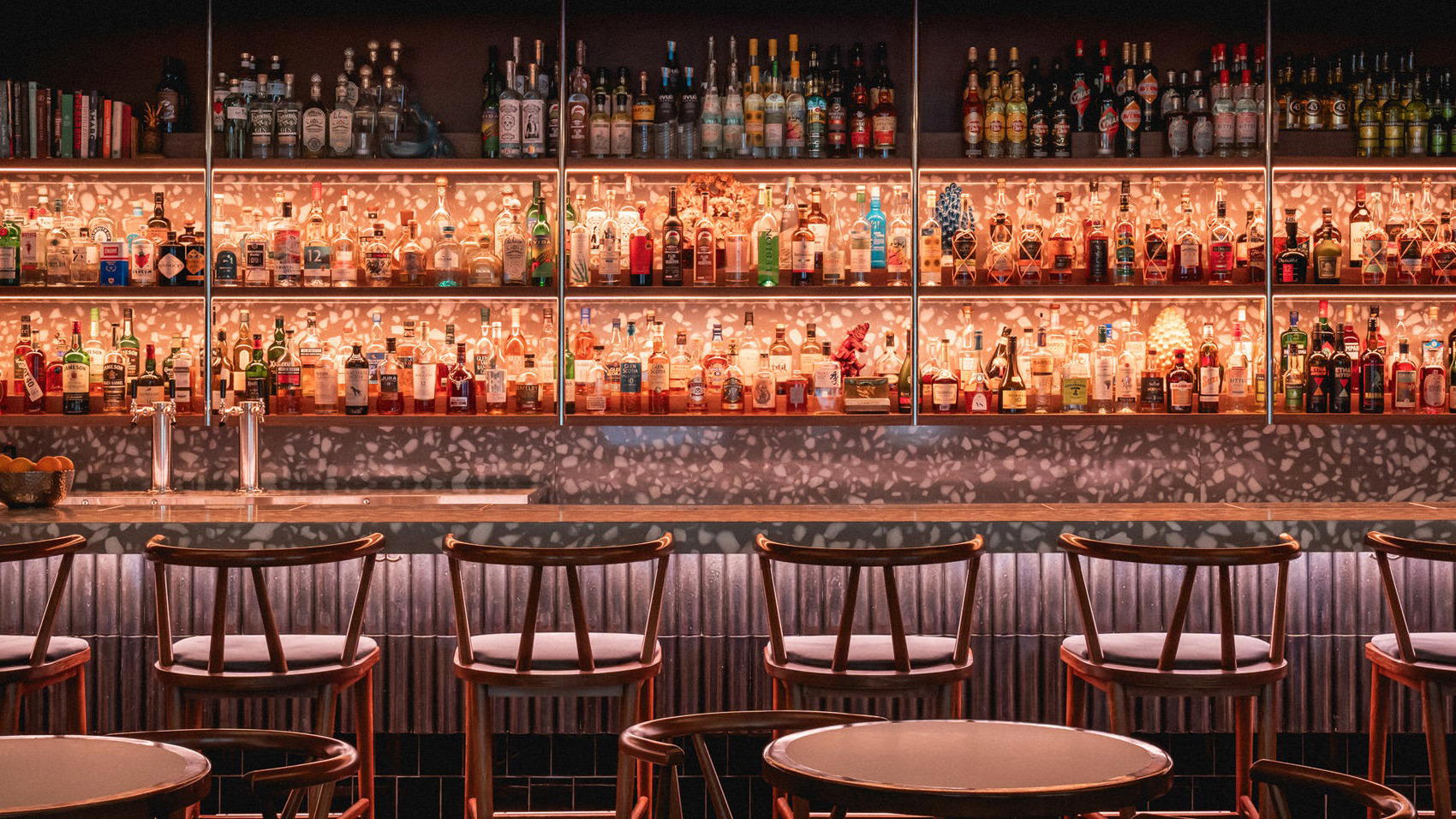
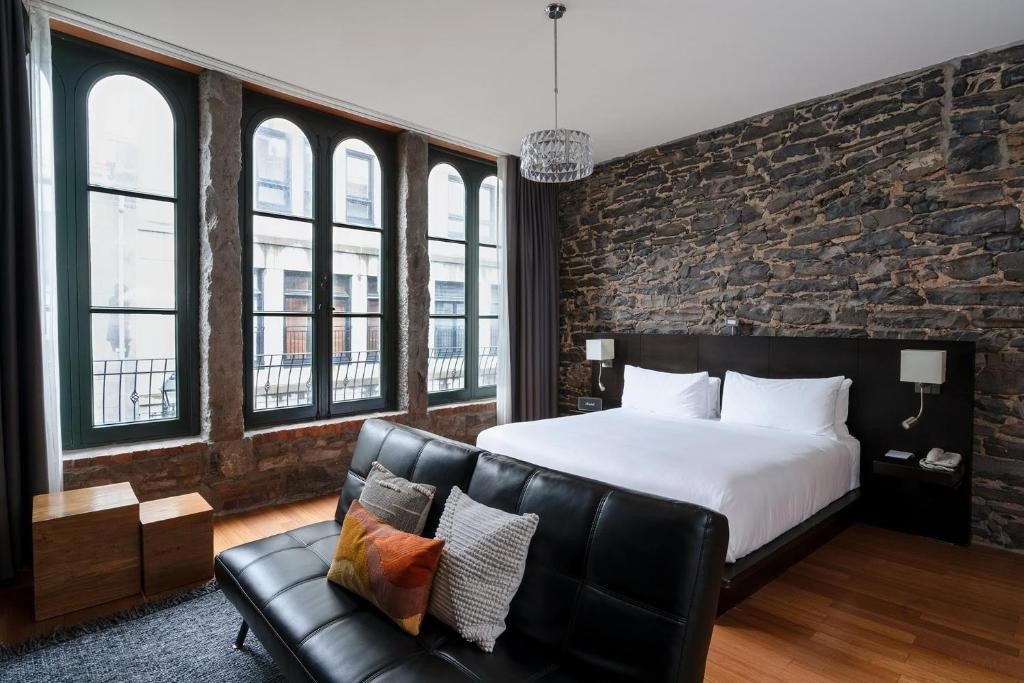
Chic decor with grandiose neo-classical architecture, massive windows, well-suited lighting evoking a French brasserie in Europe.
Know Before You Go
- Getting there
- 701 Côte de la Place-d'Armes, Montréal, QC H2Y 2X6, Canada