Boudreaux Cellars Tasting Room
Boudreaux Cellars Tasting Room occupies a Front Street address in Leavenworth, Washington, placing it inside the Cascade foothills wine corridor that has quietly grown into a serious alternative to the Yakima and Columbia Valley tasting circuits. The room offers a grounded point of entry into the winery's portfolio for visitors already navigating the town's Bavarian-themed main strip.
Pearl is the En Primeur Club membership app — saves, bookings, and concierge access live there. Same editors, same standards.
- Address
- 821 Front St, Leavenworth, WA 98826
- Phone
- +1 509 548 4848
- Website
- boudreauxcellars.com
- Directions
- Get directions
 Saves & bookings on Pearl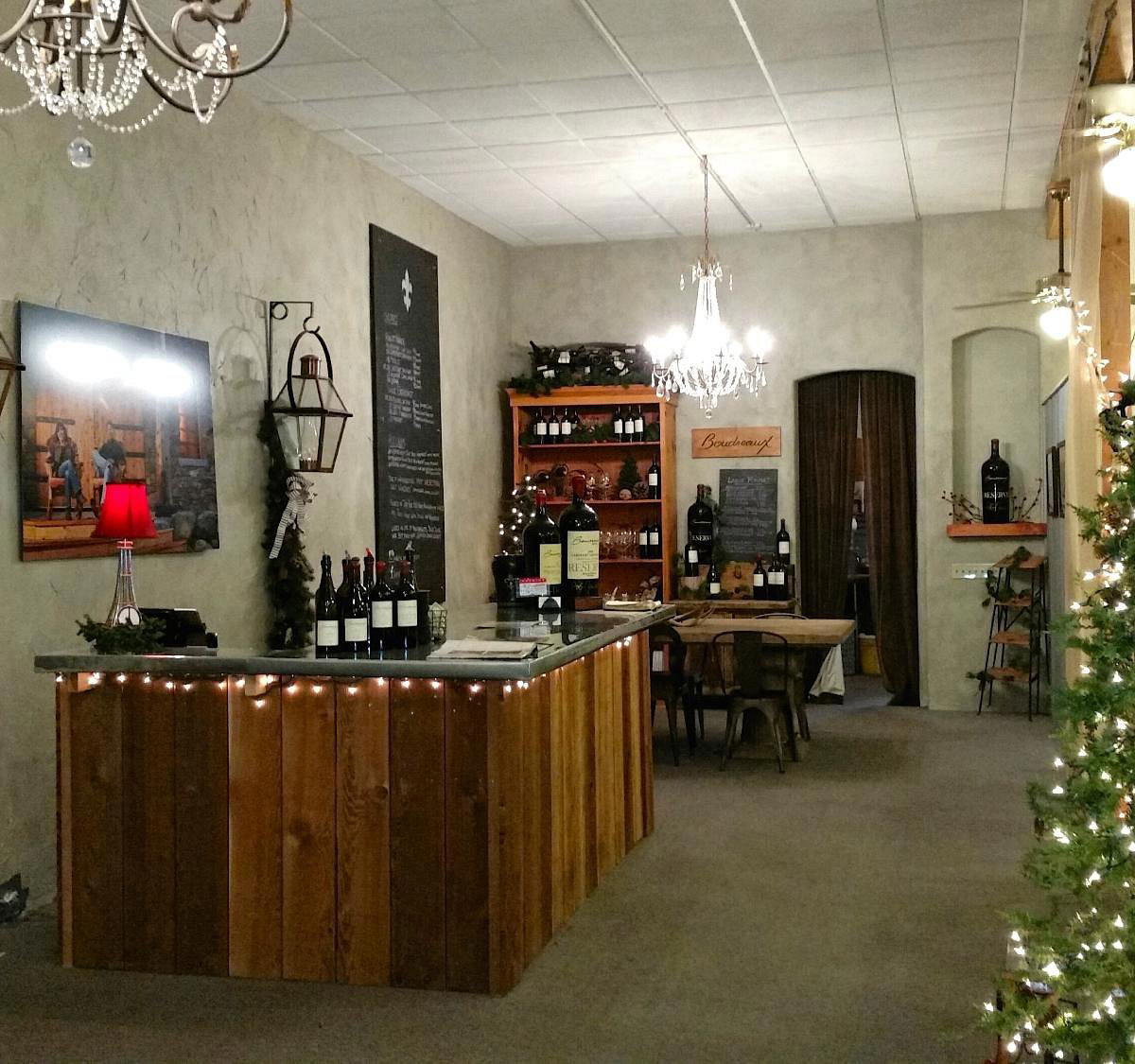
Where Cascade Foothills Wine Meets a Mountain Town's Main Street
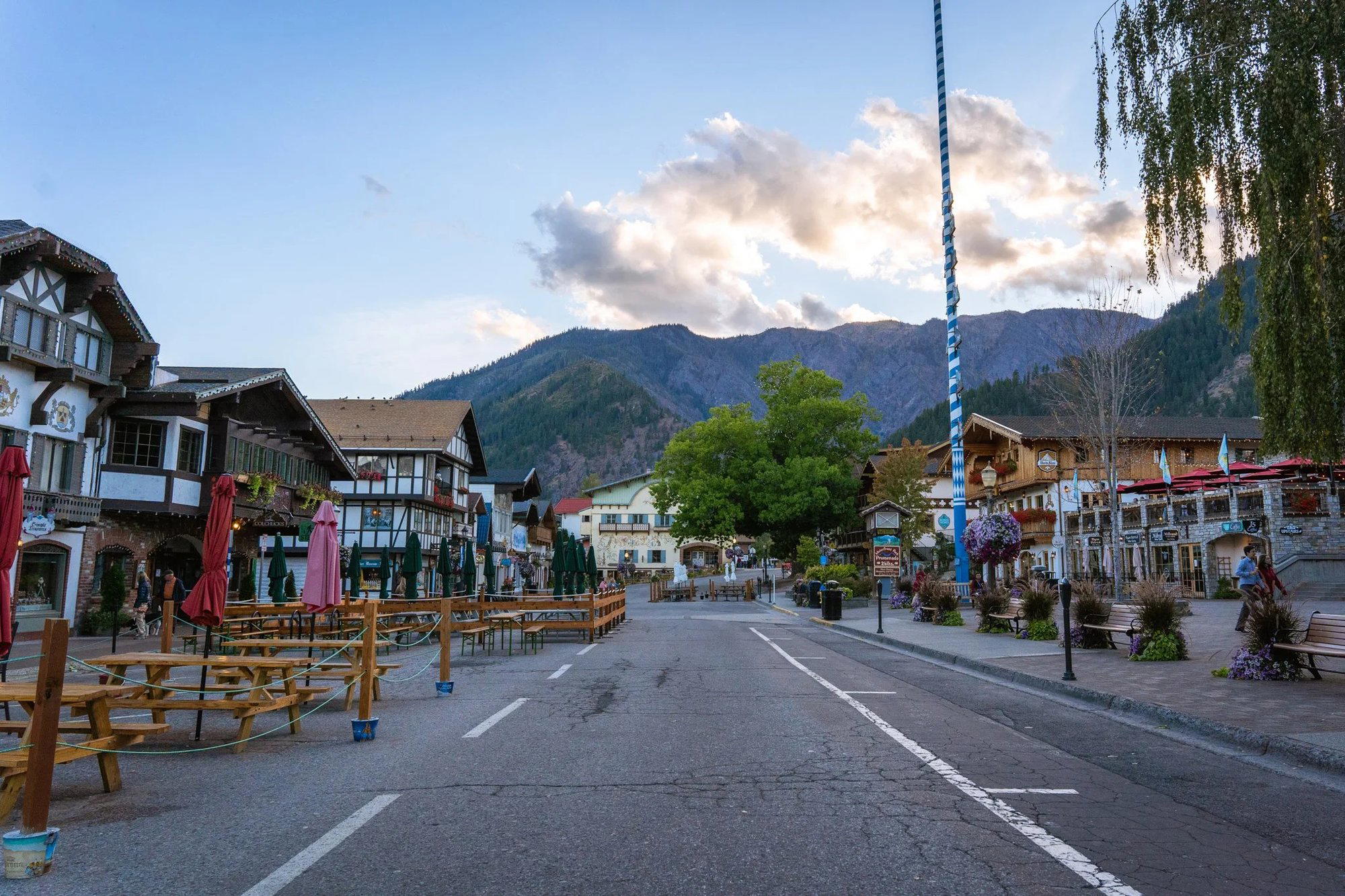
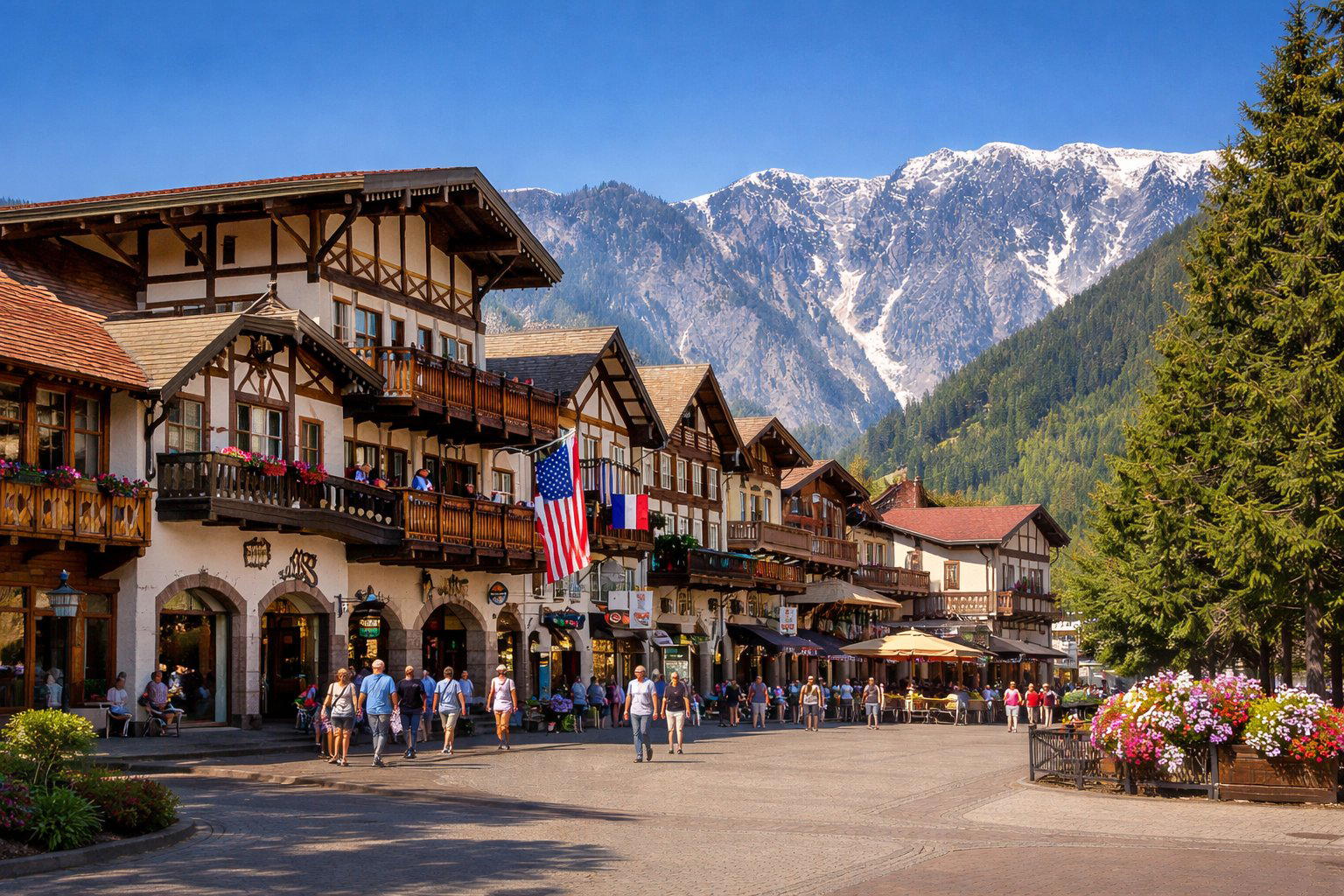
Front Street in Leavenworth does a lot of work. It is the town's commercial spine, the place where the Bavarian architectural overlay meets the actual commercial life of a small Washington mountain community. Tasting rooms here sit alongside bratwurst counters and souvenir shops, which means the serious wine visitor has to read past the scenery to find what matters. Boudreaux Cellars Tasting Room, at 821 Front St, is one of the anchors in that less-obvious category: a room attached to a winery with roots in the Cascade Range rather than in the better-publicised Columbia Valley flatlands to the east.
Washington wine's dominant geography runs through the Columbia Basin, where Yakima Valley, Walla Walla, and Red Mountain command most of the critical attention. The Leavenworth area, by contrast, sits on the wetter, cooler western slope of the Cascades, a position that produces a different fruit profile and a different set of growing challenges. Tasting rooms in this corridor are fewer, and visitors who make the drive along Highway 2 from Seattle are often combining wine with the town's well-documented outdoor appeal rather than executing a dedicated wine circuit. That context matters when placing Boudreaux Cellars in the Washington wine conversation: it is not competing with Walla Walla's concentration of high-allocation Cabernet houses, but rather occupying a geographic and stylistic niche that draws from the mountain terrain around it.
The Sourcing Logic Behind Cascade-Side Winemaking
In American fine wine, where a producer sources its fruit is often a more revealing signal than any single tasting note or vintage score. The dominant Washington model runs on Columbia Basin AVA fruit, with large temperature swings between day and night producing the kind of concentrated, phenolically ripe reds that defined the state's commercial rise in the 1990s and 2000s. A winery operating in or around Leavenworth, on the transition zone between the Cascade crest and the semi-arid basin, is making a different set of decisions about fruit sourcing and ripening windows. Cooler growing conditions tend to preserve acidity and extend the hang time needed for tannin development without sacrificing freshness, a combination that aligns Cascade-adjacent producers with the restraint-forward style gaining traction among American wine drinkers who have spent time with high-acid European references.
This is the terrain logic that gives Boudreaux Cellars its positioning. The winery is not a volume operation optimised for broad distribution; it is the kind of producer whose tasting room serves as the primary interface between the wine and the people who drink it. That model, common in Burgundy and in smaller American appellations like the Sta. Rita Hills or the upper reaches of the Willamette Valley, places a premium on the tasting room experience itself. For the visitor, the room becomes the source of context that label copy and retail shelf placement cannot provide.
Producers working from mountain or transitional terrain frequently draw comparisons to European alpine wine traditions, where elevation and cooler temperatures are treated as assets rather than complications. Operations like Atelier Moessmer Norbert Niederkofler in Brunico have demonstrated how altitude and regional specificity can anchor an entire hospitality proposition. The parallel in Washington wine is less developed but increasingly visible.
Leavenworth as a Wine Town: What the Setting Tells You
Leavenworth's wine scene is compact by design. The town draws visitors primarily for its outdoor recreation, its Christmas market, and a Bavarian aesthetic that functions as effective regional branding. Wine tourism grafts onto that existing draw rather than leading it, which means tasting rooms here operate with a different visitor profile than those in dedicated wine destination towns like Healdsburg or Walla Walla. The visitor arriving at Boudreaux Cellars on a Saturday afternoon is as likely to have spent the morning hiking or kayaking as they are to have planned the stop as the centerpiece of a wine-focused trip.
That context shapes how the room should be read. Washington's more celebrated tasting experiences, at producers who sit closer to the Columbia Basin's established appellations, tend to attract a visitor with more wine-specific intent and deeper prior knowledge. The Leavenworth tasting room visitor often arrives with broader curiosity and less framework, which means the room's ability to communicate the winery's sourcing logic and geographic identity becomes more important, not less. The leading tasting room experiences in comparable settings, whether at small producers in the Finger Lakes or at estate operations in Paso Robles' cooler west side, succeed by treating that educational function seriously rather than defaulting to pour-and-smile hospitality.
For visitors building a broader itinerary around Leavenworth's dining options, the town offers a range of complementary stops. München Haus covers the German-leaning food heritage the town's architecture promises, while Visconti's Italian Restaurant offers a more conventional sit-down option. Our full Leavenworth restaurants guide maps the broader scene for anyone planning multiple days in the area.
How Boudreaux Cellars Fits the Washington Wine Conversation
Washington's fine wine identity has been built largely on Cabernet Sauvignon and Bordeaux blends, with producers like Quilceda Creek establishing a reference-point tier that the state's critics measure others against. The Leavenworth corridor sits outside that primary conversation, which is not a disadvantage so much as a statement of different priorities. Producers working from cooler, higher-altitude sites in Washington are participating in a longer-running argument about whether the state's future lies in pure concentration or in the kind of site-specific, acid-driven complexity that European benchmarks reward.
That argument has counterparts across American fine dining. Restaurants like Single Thread Farm in Healdsburg and Blue Hill at Stone Barns in Tarrytown have built their reputations on the premise that where ingredients come from, and the specific conditions of that origin, matter as much as technique. The same logic applies to wine: Frasca Food and Wine in Boulder has long demonstrated how a tightly argued regional wine program, focused on a specific place rather than a broad selection, builds a more durable identity than volume or variety. Boudreaux Cellars operates on a similar premise, even if its public profile remains smaller than those benchmarks.
Planning Your Visit
The tasting room is located at 821 Front St in Leavenworth, placing it within easy walking distance of the town's central core. Visitors arriving by car from Seattle via Highway 2 will find Front Street the natural first stop before exploring the surrounding area. For wine-focused visitors building a broader Washington itinerary, pairing the Leavenworth stop with Columbia Valley producers to the east gives the clearest sense of how terrain and climate diverge across the state's producing zones.
Continue exploring
More in Leavenworth
Restaurants in Leavenworth
Browse all →
Hotels in Leavenworth
Browse all →
At a Glance
- Rustic
- Cozy
- Classic
- Scenic
- Casual Hangout
- Group Dining
- After Work
- Live Music
- Standalone
- Extensive Wine List
- Local Sourcing
- Mountain
Current opening hours
- Monday
- 12–5 PM
- Tuesday
- 12–5 PM
- Wednesday
- 12–5 PM
- Thursday
- 12–5 PM
- Friday
- 12–6 PM
- Saturday
- 11 AM–6 PM
- Sunday
- 11 AM–5 PM
Hours can change for holidays and private events. Last verified .
New Orleans French Quarter-style tasting room with gaslights, zinc-topped bar, mini performance stage, velvet curtains, leather sofas, and a cozy stone-winery setting that blends Louisiana character with Washington wine-country rusticity.
Know Before You Go
- Getting there
- 821 Front St, Leavenworth, WA 98826