Fins Bistro
Our verdict
Fins Bistro occupies a modest address on Front Street North in downtown Issaquah, positioning itself within a small-town dining scene that punches above its suburban weight. The name signals an orientation toward seafood in a region with direct access to Pacific Northwest waters, placing it alongside neighbors like Flat Iron Grill and Montalcino Ristorante Italiano as part of Issaquah's surprisingly diverse restaurant corridor.

Pearl is the En Primeur Club membership app — saves, bookings, and concierge access live there. Same editors, same standards.
- Address
- 301 Front St N, Issaquah, WA 98027
- Phone
- (425) 392-0109
- Hours
- Mon ClosedTue–Thu 4–8:15 PMFri–Sat 4–8:45 PMSun 4–8:15 PM
- Website
- finsbistroissaquah.com
- Directions
- Get directions
- Booking
- Book on Resy
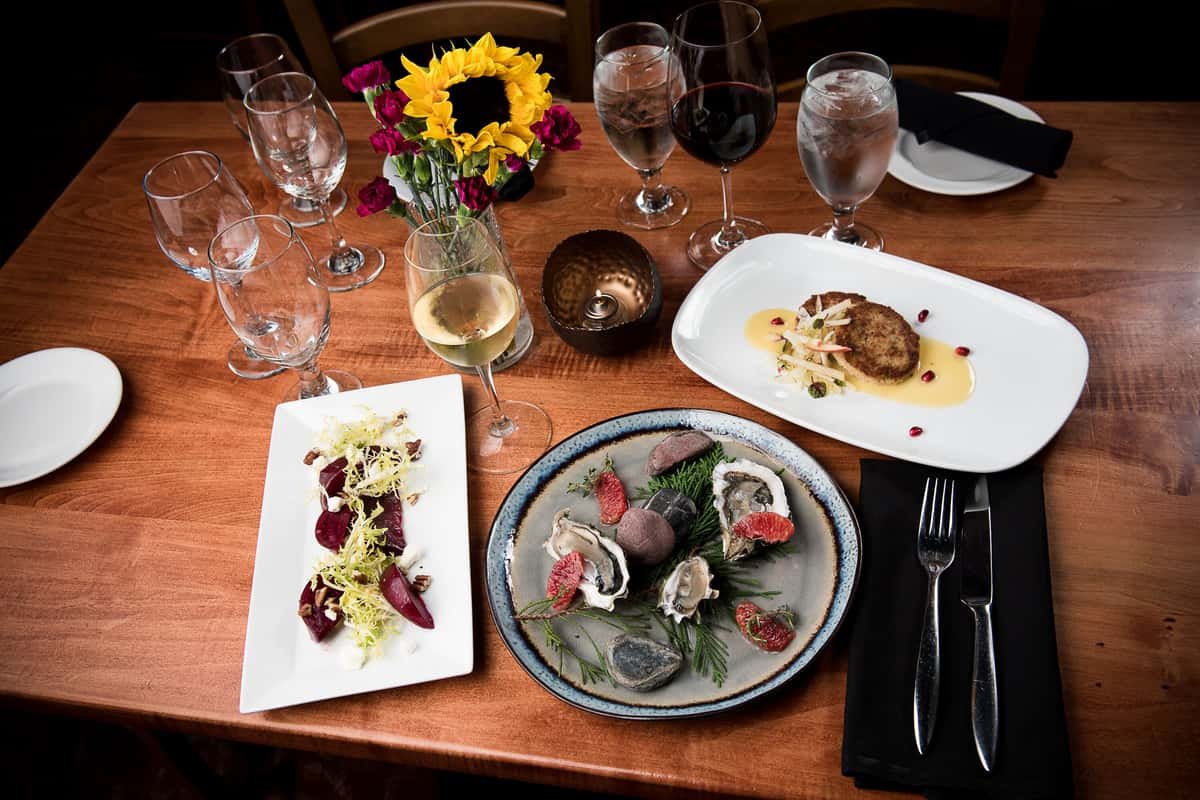
The menu
What to order
- Miso Black Cod
- Scallops
- Seared Ahi Tuna
- Crab Cakes
- Pineapple Crème Brûlée
Front Street and the Pacific Northwest Seafood Tradition
Downtown Issaquah sits roughly 17 miles east of Seattle, separated from the city by Lake Sammamish and the Cascade foothills. That geography matters more than the drive time suggests. The small-town commercial strip along Front Street North has developed a dining character distinct from the Seattle restaurant machine: lower overhead, tighter menus, and a guest base that leans heavily local rather than tourist. Fins Bistro, at 301 Front St N, occupies this context. The name announces a seafood orientation, and in the Pacific Northwest that orientation carries specific weight.
The Pacific Northwest has one of the most traceable seafood supply chains in North America. Salmon, halibut, Dungeness crab, and oysters arrive from well-documented fisheries in Alaska, the Salish Sea, and along the Washington and Oregon coasts. This regionality defines the leading seafood-focused kitchens in the area, from destination-level operations like Le Bernardin in New York City and Providence in Los Angeles to the farm-and-fishery-integrated approach practiced at Single Thread Farm in Healdsburg. At the suburban bistro level, the question is how tightly a kitchen connects to that sourcing story versus defaulting to broad-distributor seafood with Pacific Northwest branding applied loosely.
What Issaquah's Dining Scene Asks of a Seafood Bistro
Issaquah is not a dining destination in the way that a Seattle neighborhood like Capitol Hill or Ballard is. The restaurant corridor on and around Front Street serves a community: Eastside families, hikers returning from Tiger Mountain, tech workers commuting from Bellevue. That audience tends to reward consistency and value over experimentation. The dining pattern here runs toward reliable neighborhood anchors, a category that includes Jak's Grill for steakhouse regulars, Flat Iron Grill for casual American, and Montalcino Ristorante Italiano for Italian.
That positioning matters because seafood-forward restaurants in suburban markets face a specific set of pressures that their urban counterparts do not. Supply costs for quality Pacific Northwest fish are high regardless of zip code. A kitchen sourcing fresh Copper River salmon or Willapa Bay oysters pays Seattle wholesale prices whether it operates in Belltown or Issaquah. The margins get thinner without the volume or the tourist premium that urban addresses can command. The bistros that survive in this tier typically do so by running tighter menus, leaning on seasonal availability rather than year-round consistency, and building a loyal local following rather than chasing coverage.
The Ingredient Logic Behind a Name Like Fins
In Pacific Northwest food culture, a restaurant organized around fins rather than, say, land proteins is making a quiet but legible claim. The region's seafood calendar has a real structure to it. Spring Chinook salmon from the Columbia River system typically runs April through June. Halibut season opens in March and runs through mid-November. Dungeness crab peaks in winter. Spot prawns from the San Juan Islands have a brief spring window. A kitchen that takes ingredient sourcing seriously will let that calendar shape the menu rather than maintain static offerings propped up by frozen product.
This is the same organizing logic, applied at vastly different price points and ambition levels, that drives restaurants like Blue Hill at Stone Barns in Tarrytown and Atelier Moessmer Norbert Niederkofler in Brunico, where the ingredient source is the menu's architecture. At the bistro level in Issaquah, the application is less formal, but the underlying principle holds: what comes off a Washington or Alaska boat this week is better evidence of kitchen intent than a laminated menu that never changes.
For visitors comparing options on the Issaquah dining circuit, the contrast is instructive. Naan N Curry Issaquah and Paisley's Tea Room each anchor a specific cuisine category with limited direct competition locally. Fins Bistro occupies the seafood slot with similarly limited direct competition in the immediate neighborhood, which gives it a structural advantage even before a single plate arrives.
Placing Fins in the Wider Sourcing Conversation
Across American fine dining, ingredient provenance has shifted from a differentiator to a baseline expectation. Operations like Smyth in Chicago, Lazy Bear in San Francisco, Addison in San Diego, and The French Laundry in Napa have made supply chain transparency central to their identity at the top tier. Atomix in New York City and The Inn at Little Washington take similar approaches at their respective price points. At the neighborhood bistro level, this conversation filters down differently: the claim is less likely to be a named farm on a menu card and more likely to be a kitchen that simply buys from regional distributors and runs specials based on what's freshest that week.
The Pacific Northwest has an advantage here that few American regions can match. The commercial fishing infrastructure in Washington and Alaska is mature, the cold-water species are prized nationally, and the farm-to-table food culture that took hold in Seattle in the 1990s has created a distribution network that now reaches well into the suburbs. A seafood bistro in Issaquah in 2024 has better access to quality regional product than it would have had twenty years ago, and Fins Bistro sits inside that improved supply reality. The broader Issaquah dining scene reflects this general upward trend in ingredient quality across casual formats. Operations referencing Gulf Coast seafood traditions, like Emeril's in New Orleans, show how regionally specific sourcing can define a restaurant's entire character at any price tier.
Planning Your Visit
Fins Bistro is located at 301 Front St N in downtown Issaquah, walkable from the Issaquah Transit Center and within a short drive of Interstate 90 via Exit 17. Issaquah's parking situation is generally manageable compared to Seattle, with street parking and small lots available along the Front Street corridor. Given the limited dining options at the seafood end of the Issaquah market, weekends are the higher-demand window and some advance planning is advisable, particularly for dinner.
Frequently asked questions
Is Fins Bistro suitable for children?
Fins Bistro is a bistro-format restaurant at 301 Front St N in Issaquah, which generally suggests a sit-down environment more attuned to adult diners than a casual family chain. That said, nothing in the available record formally restricts younger guests. If travelling with children, calling ahead to gauge the room's noise level and menu flexibility is the practical move.
Is Fins Bistro better for a quiet night or a lively one?
Downtown Issaquah's Front Street corridor runs quieter than a Seattle neighbourhood strip like Ballard or Capitol Hill, so the baseline ambient energy at Fins Bistro tends toward the relaxed end of the spectrum. The bistro format at 301 Front St N suits conversation-first evenings rather than high-energy celebrations. Weekend evenings will naturally be busier than mid-week.
How does Fins Bistro fit into the broader Issaquah dining scene as a seafood-focused option?
Issaquah sits roughly 17 miles east of Seattle, where the dining corridor on Front Street serves a community that skews residential and commuter rather than destination-driven. A restaurant organised specifically around seafood in that context occupies a distinct position: most comparable Pacific Northwest seafood operations concentrate in Seattle proper, making Fins Bistro at 301 Front St N a more localised alternative for eastside residents who want fin-forward cooking without the city trip.
What's the must-try dish at Fins Bistro?
What the name itself signals is a kitchen organised around seafood in a region where Puget Sound Dungeness crab, wild salmon, and Pacific halibut set the standard for sourcing. Asking your server what is fresh that day is the most reliable approach at any Pacific Northwest seafood-focused kitchen.
What's Fins Bistro's location?
Fins Bistro is located at 301 Front St N, Issaquah, WA 98027, Issaquah.
Do I need a reservation for Fins Bistro?
Given its location in Issaquah rather than a high-foot-traffic Seattle neighbourhood, walk-in availability may be more realistic here than at comparable city spots, but weekend evenings on Front Street can fill early. Contacting the restaurant directly before your visit is the safest approach.
How It Stacks Up
Comparable venues nearby, for context on price, style, and recognition.
| Venue | Cuisine | Price | Notes |
|---|---|---|---|
| Fins BistroThis venue — the venue you are viewing | Northwest Seafood Bistro | $30–50 | Not listed |
| Montalcino Ristorante Italiano | Authentic Italian Ristorante | $50–100 | Olde Town Issaquah |
| Flat Iron Grill | South American-Inspired Steakhouse Grill | $30–50 | Gilman Village |
| The Well & Table | Farm-to-Table American | $20–30 | Gilman Village |
| Naan N Curry Issaquah | Authentic Pakistani & North Indian Halal Cuisine | $20–30 | Issaquah |
| Paisley's Tea Room | British Afternoon Tea | $50–100 | Gilman Village |
Continue exploring
More in Issaquah
Restaurants in Issaquah
Browse all →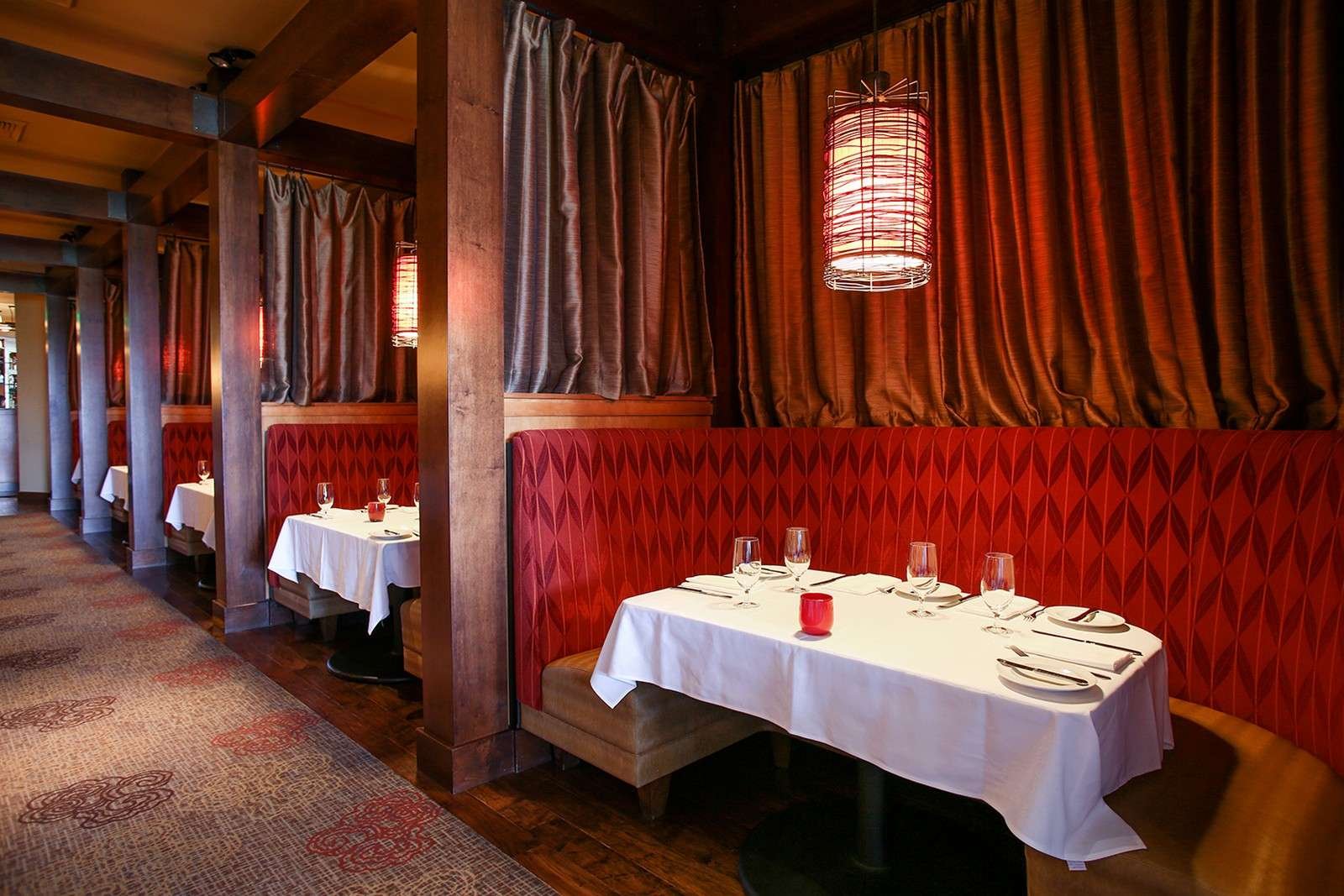
Bars in Issaquah
Browse all →
Hotels in Issaquah
Browse all →
Details
- Elegant
- Romantic
- Date Night
- Celebration
- Special Occasion
- Group Dining
- Private Event
- Private Dining
- Terrace
- Standalone
- Craft Cocktails
- Local Sourcing
- Street Scene
- A La Carte
- Small Plates
- Craft Cocktails
- Wine
- Vegetarian Friendly
- Gluten Free Options
- Pescatarian Friendly
Current opening hours
- Monday
- Closed
- Tuesday
- 4–8:15 PM
- Wednesday
- 4–8:15 PM
- Thursday
- 4–8:15 PM
- Friday
- 4–8:45 PM
- Saturday
- 4–8:45 PM
- Sunday
- 4–8:15 PM
Hours can change for holidays and private events. Last verified .
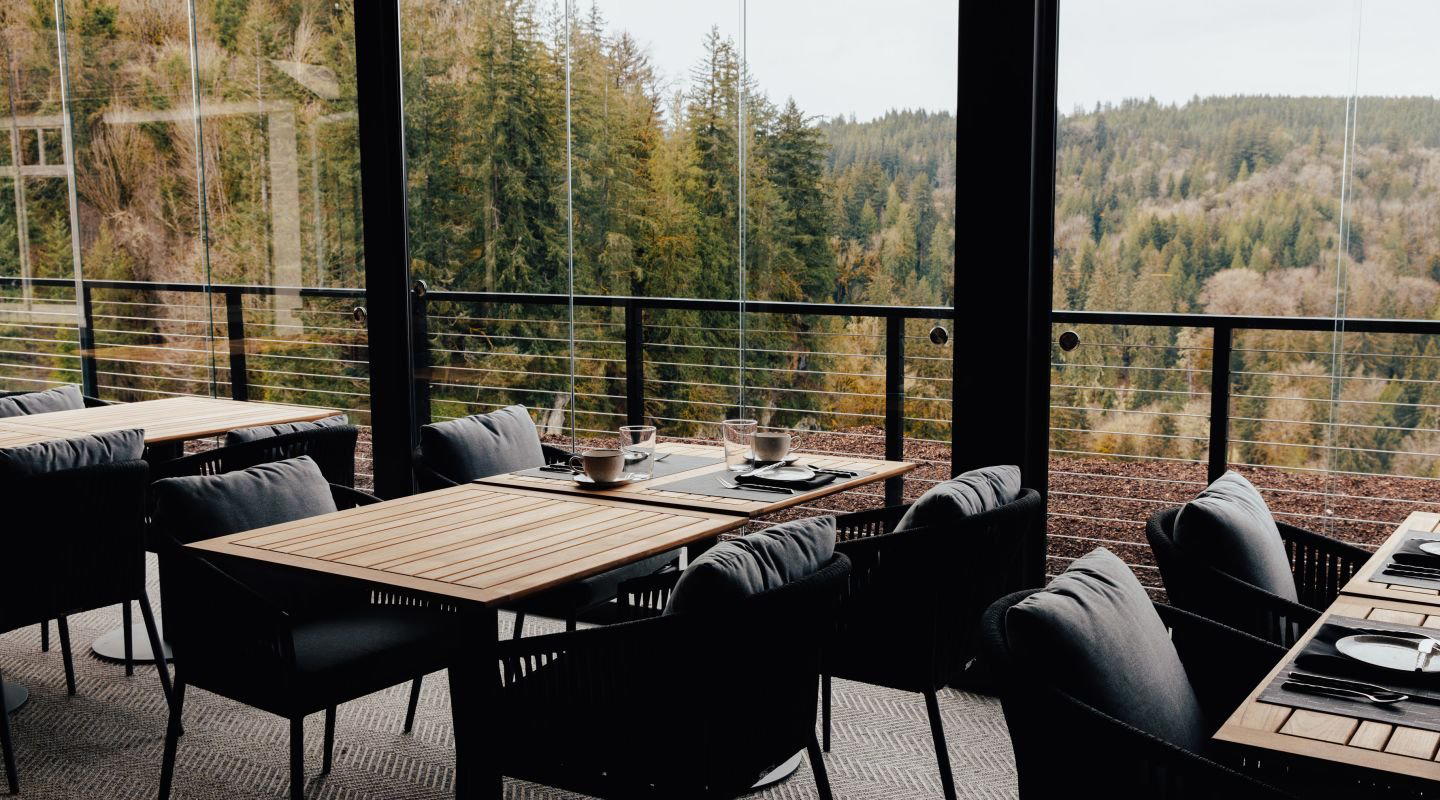
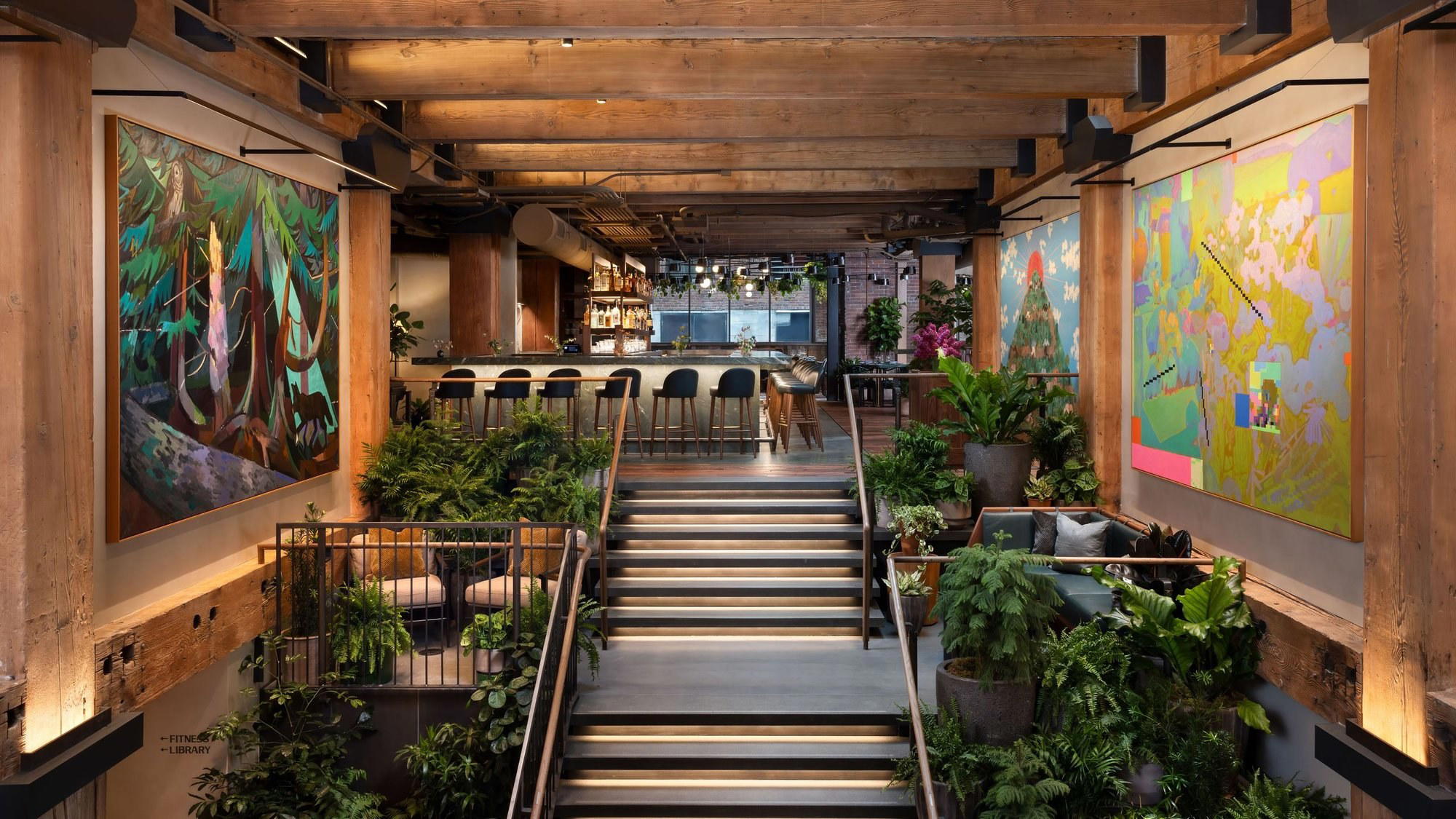
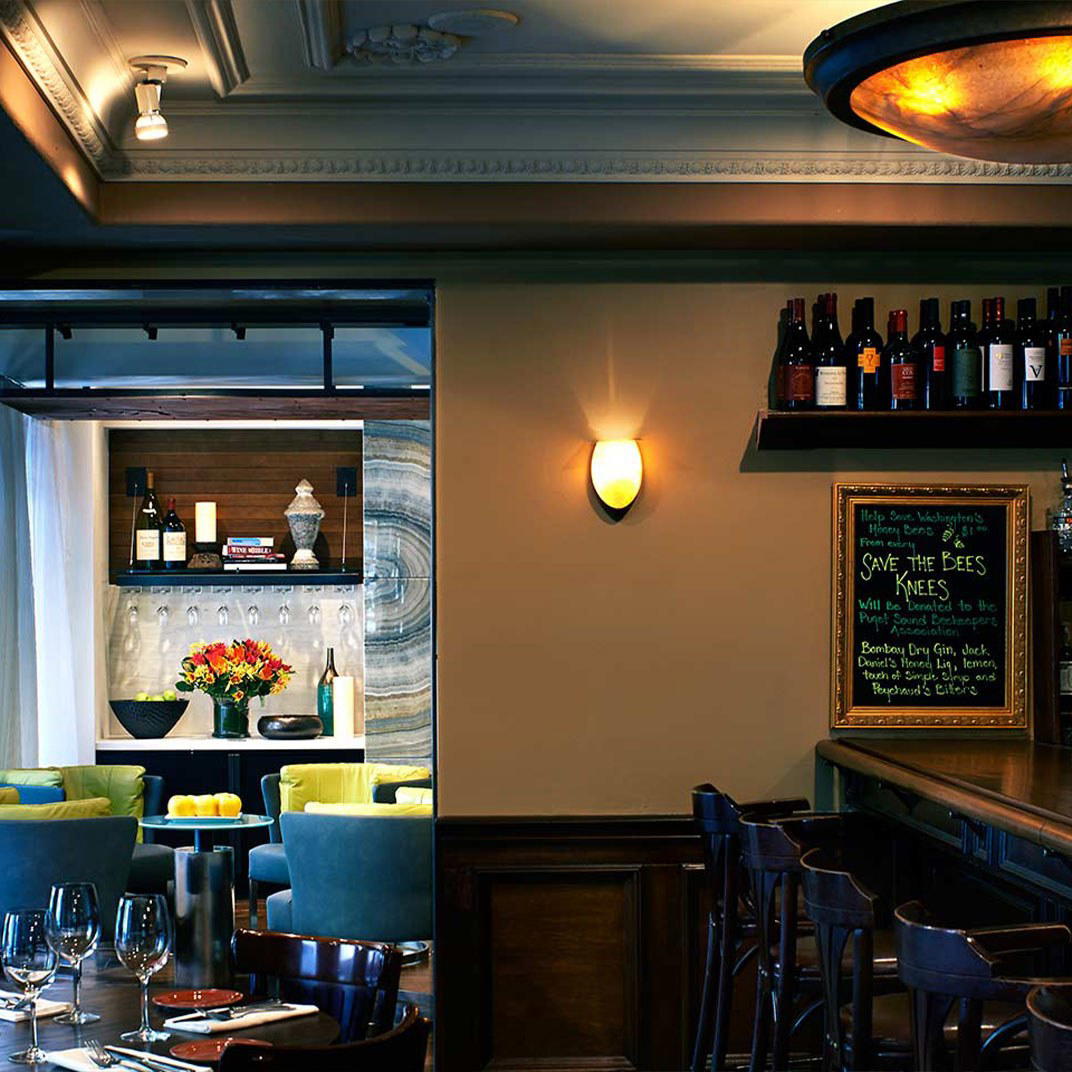
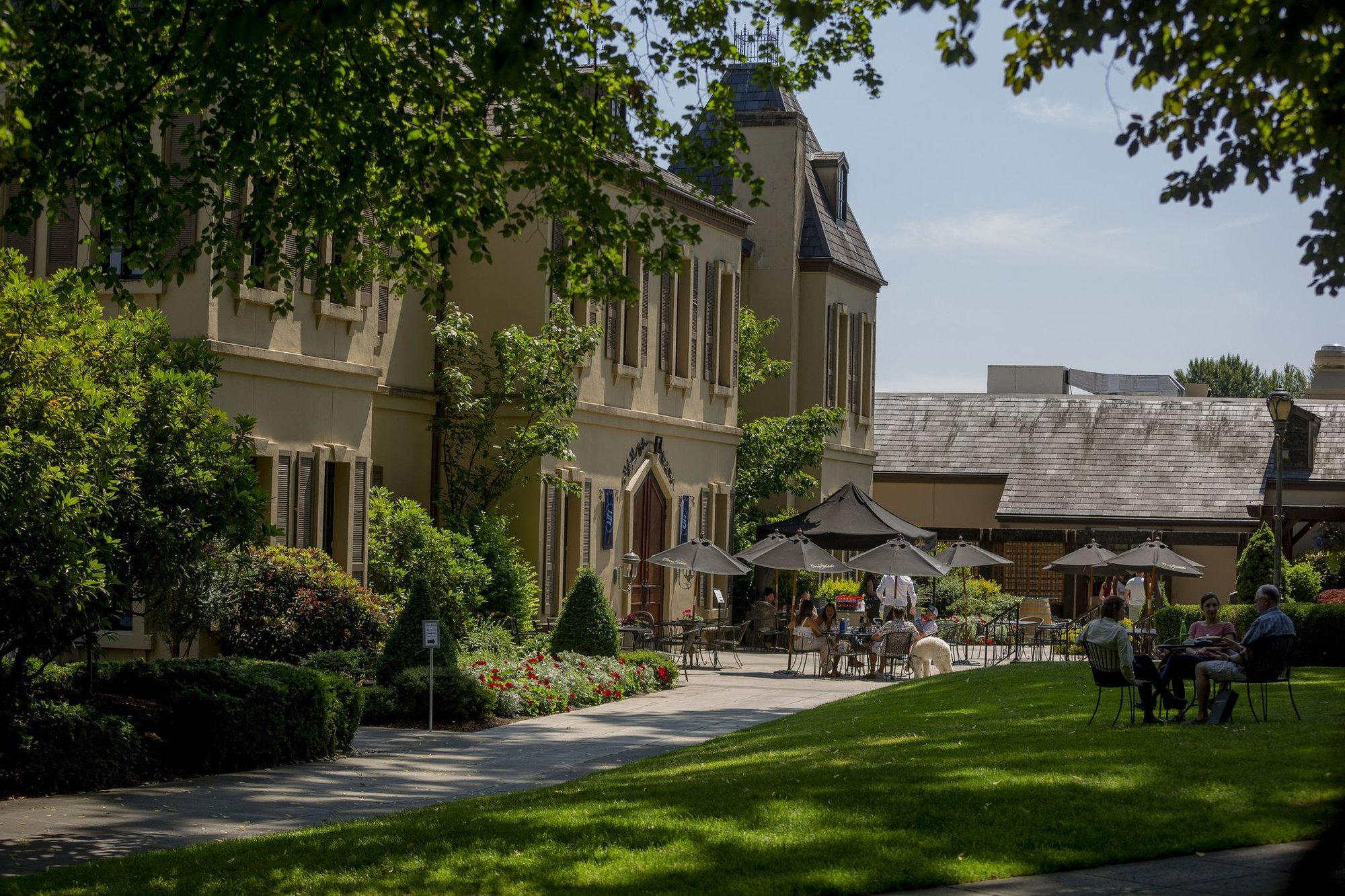
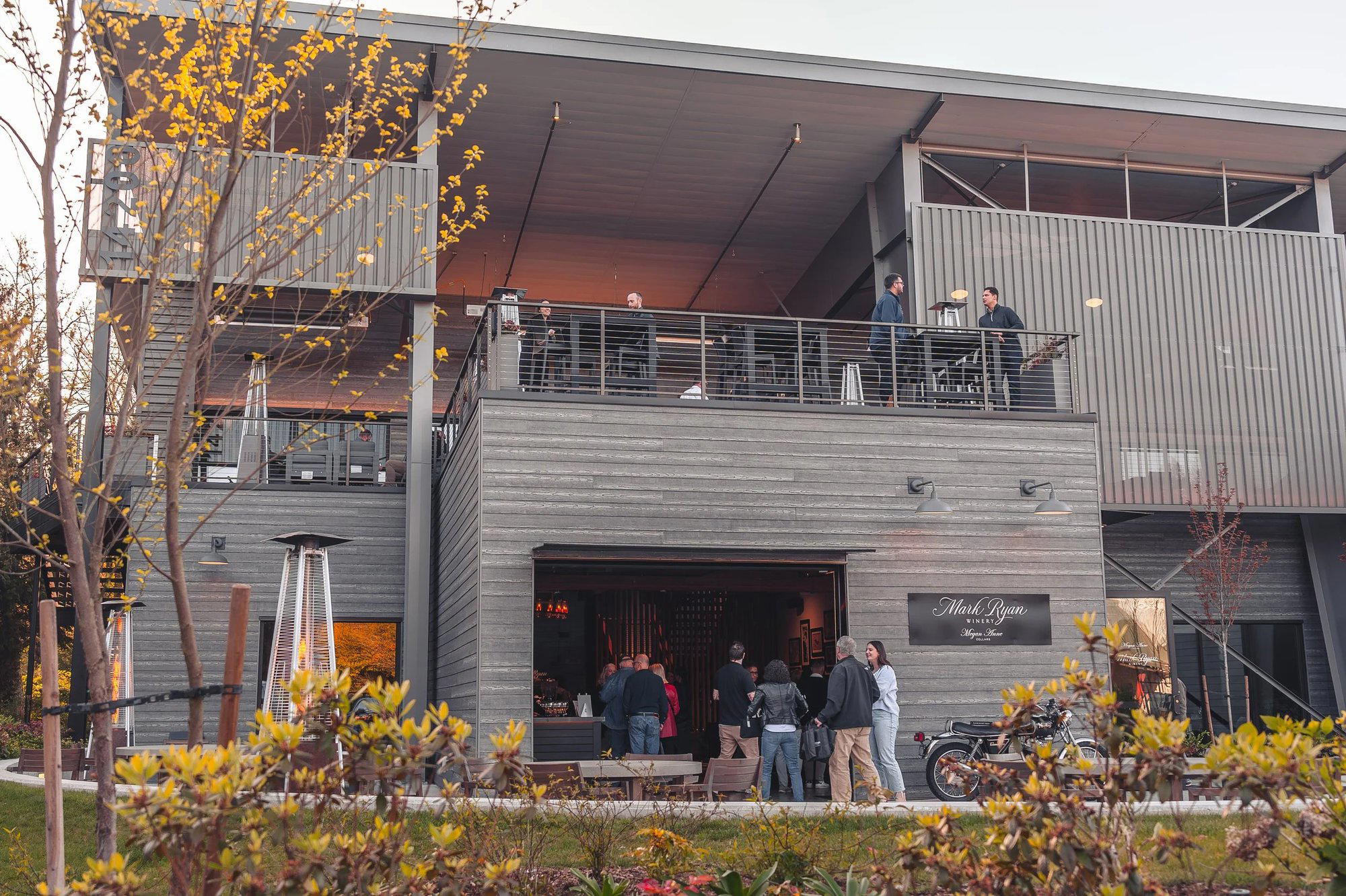
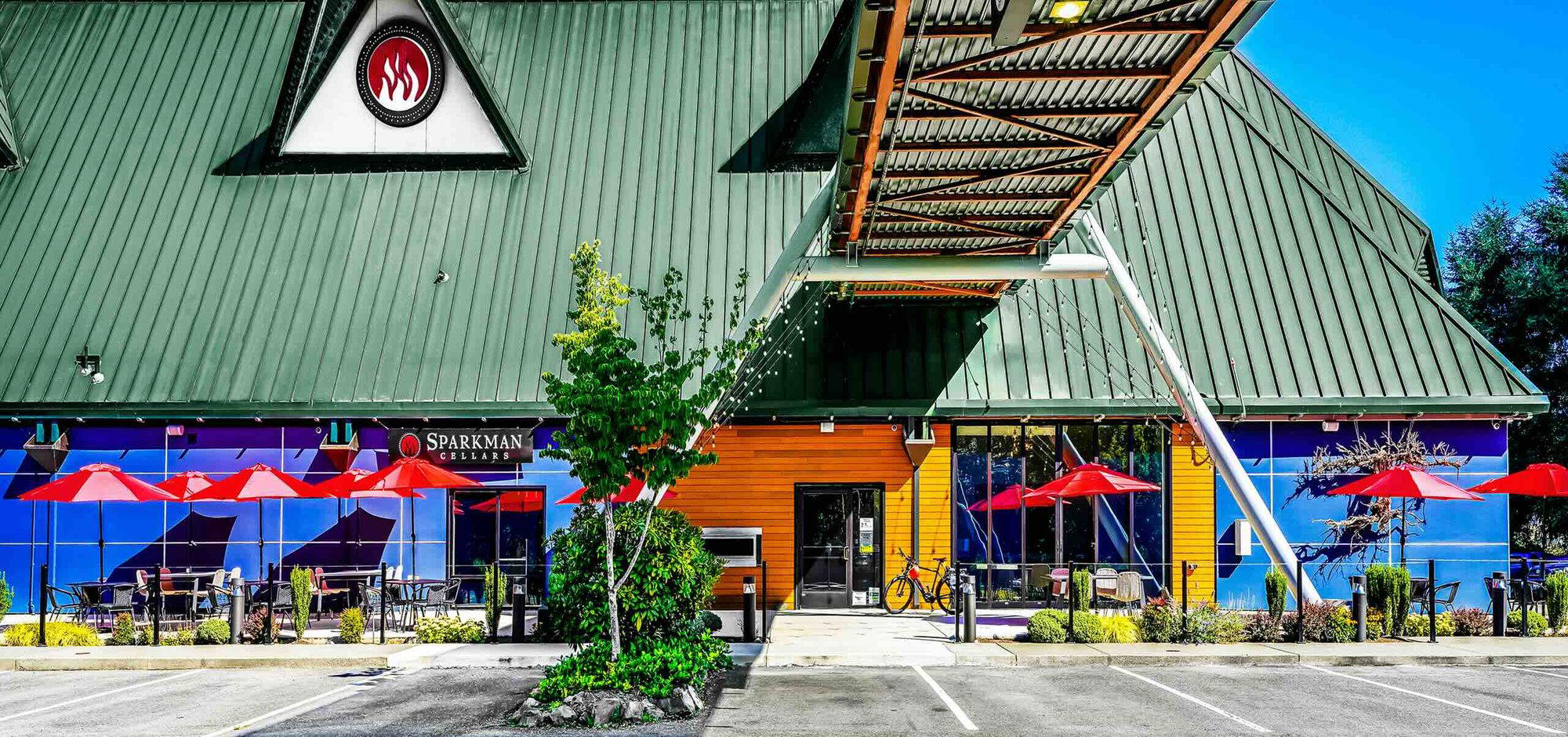
Warm and inviting with a lively bar area; lovely patio seating with street-level views and access to live music during summer Saturday events.