Visconti's Italian Restaurant

On Front Street in Leavenworth, Washington's Bavarian-themed village, Visconti's Italian Restaurant has maintained a clear identity among a dining scene otherwise dominated by German-inflected hospitality. The kitchen holds to Italian conventions in a town that leans hard into lederhosen and bratwurst, which makes it a consistent reference point for visitors seeking something outside the village's dominant culinary register.
Pearl is the En Primeur Club membership app — saves, bookings, and concierge access live there. Same editors, same standards.
- Address
- 636 Front St, Leavenworth, WA 98826
- Phone
- +1 509 548 1213
- Website
- viscontis.com
- Directions
- Get directions
 Saves & bookings on Pearl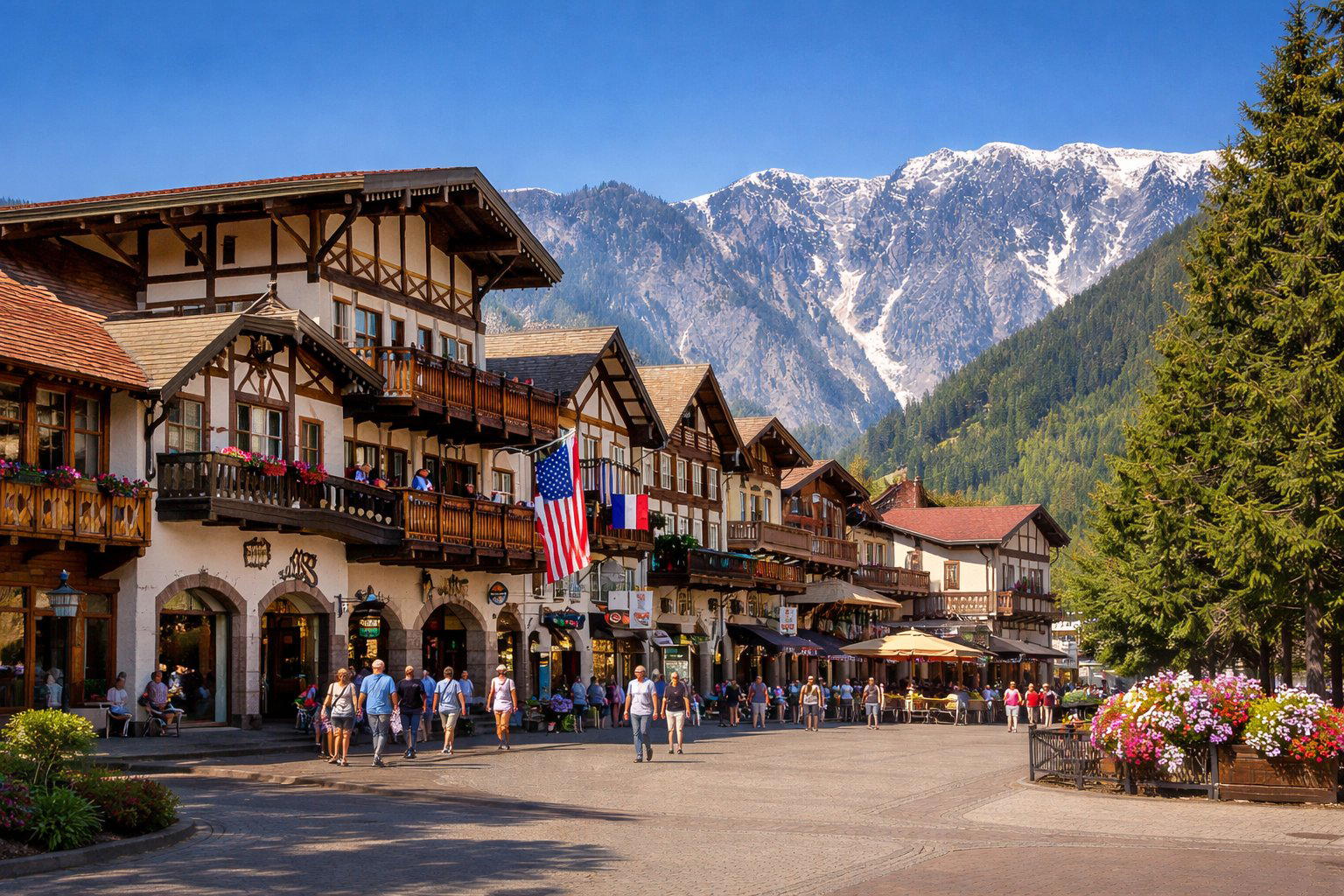
Italian Cooking in a Bavarian Setting
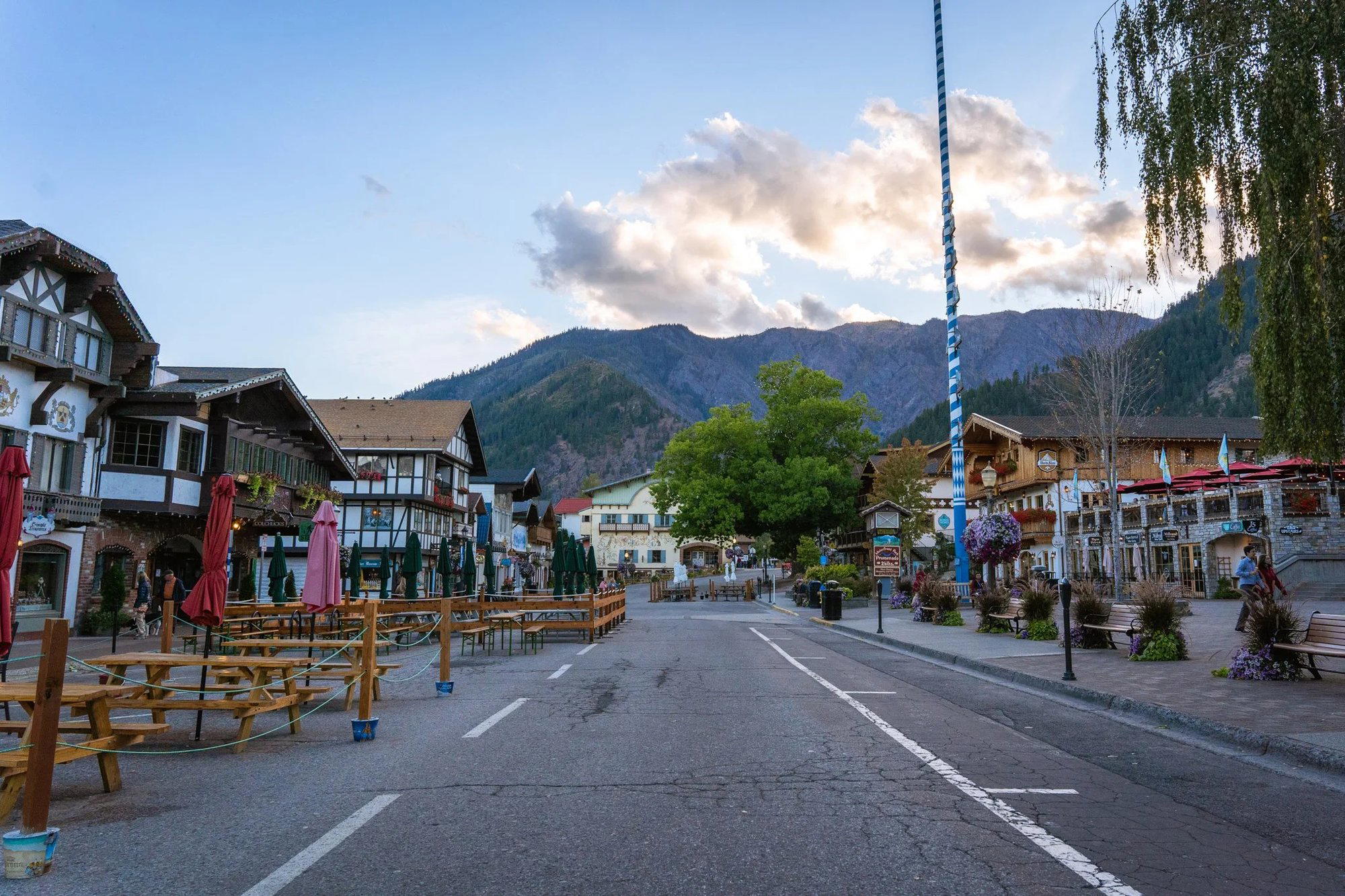
Leavenworth is a studied exercise in themed hospitality. The Cascade foothills town remodeled itself in the 1960s around an Alpine-Bavarian aesthetic, and the dining scene followed accordingly: München Haus and its counterparts anchor a Front Street food culture built on German sausage, pretzels, and lager. Against that backdrop, an Italian restaurant holding its position on the same main drag represents a deliberate counter-programming choice. The physical setting of Visconti's, at 636 Front St, places it squarely within the town's pedestrian core, but the kitchen's orientation points somewhere else entirely.
The broader dynamic here is one that plays out in small resort towns across the American West: a dominant hospitality theme creates both a market for differentiation and a risk of appearing incongruous. Italian cooking has found purchase in Leavenworth precisely because it offers a familiar comfort register that complements rather than competes with the surrounding Alpine theatrics. Pasta and wine translate easily to cold-weather mountain destinations, and the cuisine's European provenance rhymes well enough with the town's aesthetic that the contrast reads as complementary rather than jarring.
What Italian Cooking Means in This Context
The Italian-American restaurant tradition is one of the longest-running and most resilient in the United States. From its origins in late 19th-century immigrant communities, it has evolved through multiple registers: the red-checkered-tablecloth trattoria, the mid-century supper club, the upscale Northern Italian phase of the 1980s, and the more recent turn toward regional specificity that has driven places like Frasca Food & Wine in Boulder toward Friulian particularity. Where a given Italian restaurant sits within that continuum tells you a lot about what to expect on the plate.
In a town like Leavenworth, the relevant comparison is not the tasting-menu tier occupied by destination restaurants, where places such as The French Laundry in Napa or Le Bernardin in New York City define the outer edge of ambition. It is instead the reliable mid-market Italian format: a menu organized around pasta, protein, and composed starters, served in a room that prioritizes warmth over minimalism. That format has proven durable in resort contexts because it delivers satisfaction across a wide range of guests, from families on a weekend trip to couples looking for something quieter than a bustling biergarten.
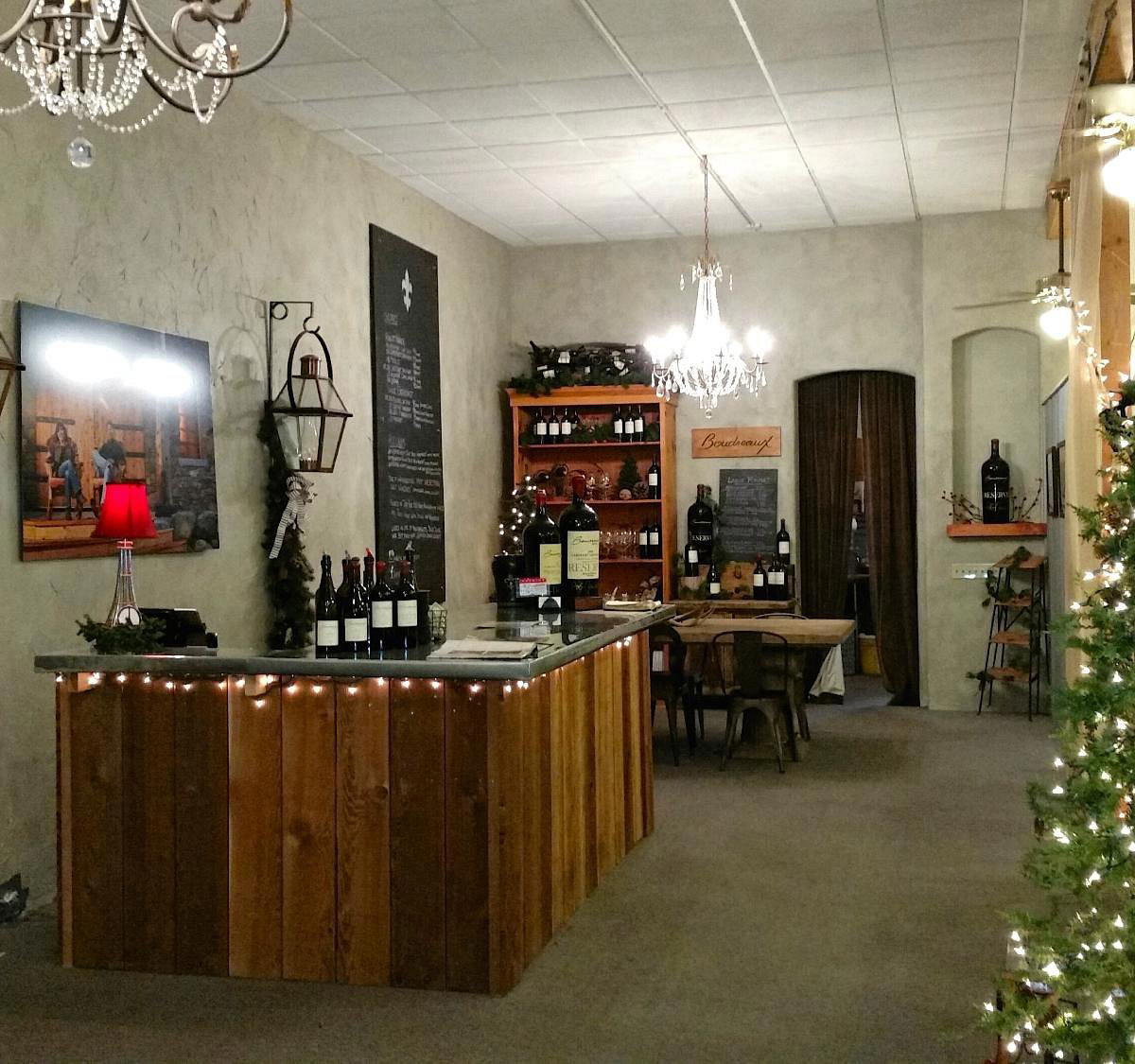
The cultural logic of Italian cooking also travels well. The cuisine's emphasis on shared plates, extended meals, and wine as a structural component of dinner rather than an optional add-on aligns naturally with resort-town dining rhythms, where guests are not rushing back to an office. Washington state's own wine industry, anchored in the Columbia Valley and Walla Walla AVAs, gives any Italian restaurant in the region access to a plausible by-the-glass and bottle program without reaching for imports. The pairing of Washington Sangiovese or Barbera-influenced blends with Italian-inflected food has become a regional talking point at a number of Washington venues, including the Boudreaux Cellars Tasting Room, which operates in Leavenworth alongside the restaurant scene and draws a wine-literate audience.
How Visconti's Fits the Leavenworth Dining Picture
For visitors working through the options on our full Leavenworth restaurants guide, Visconti's occupies a specific functional role: it is the Italian option at the top of Front Street, serving a town whose culinary identity is otherwise German by design. That position carries practical value. When a traveling party splits between those wanting bratwurst and those wanting pasta, having both options within walking distance on the same street resolves the argument efficiently.
Leavenworth draws heavily from the Seattle and Bellevue day-tripper market, and that audience arrives with dining expectations shaped by a city that has seen significant restaurant development over the past decade. Restaurants across Washington's broader resort corridor, from the wine country of Walla Walla to the mountain gateway towns, have responded to that audience by raising the floor on what counts as acceptable casual dining. Italian formats that might have coasted on nostalgia in an earlier era now need to execute pasta cookery and sauce work with more precision to satisfy the same guest who might otherwise be dining at a Lazy Bear in San Francisco or a Smyth in Chicago on a different weekend.
The reference tier for Italian cooking in the American fine-dining conversation has been shaped by places like The Inn at Little Washington, which operates in a similarly small-town resort context on the opposite coast and has used its setting to build a nationally recognized destination program. Few Italian restaurants in comparable markets aim for that level, but the existence of such benchmarks sets expectations for what serious Italian cooking looks like when it commits to a place rather than a trend.
Planning a Visit
Visconti's sits at 636 Front St in Leavenworth's main pedestrian zone, within easy walking distance of the town's hotels and the broader cluster of shops, wine bars, and casual dining that defines the Front Street experience. Leavenworth's peak seasons run through summer and the Christmas Lighting Festival period in late November and December, when the town draws visitors from across the Pacific Northwest. Those windows represent the highest-traffic dining periods in town, and Front Street restaurants fill quickly in the evenings. Booking ahead during peak season is the practical move for any sit-down dinner on Front Street, regardless of the specific restaurant. Shoulder season visits in spring or early fall offer more flexibility and a quieter version of the town.
For visitors whose weekend also includes other states, the broader Pacific Northwest Italian-influence conversation is worth mapping against the restaurant programs at Single Thread Farm in Healdsburg or the regional specificity pursued at destinations like Addison in San Diego and Providence in Los Angeles, all of which illustrate how European culinary traditions get reinterpreted through American regional ingredients. The contrast between those destination programs and the resort-town Italian format is a useful frame for calibrating expectations before arriving in Leavenworth.
Recognition history
Dated appearances from independent guides and award organizations, with the underlying list record or original source where available.
Wine Spectator Best of Award of Excellence
Wine Spectator
Continue exploring
More in Leavenworth
Restaurants in Leavenworth
Browse all →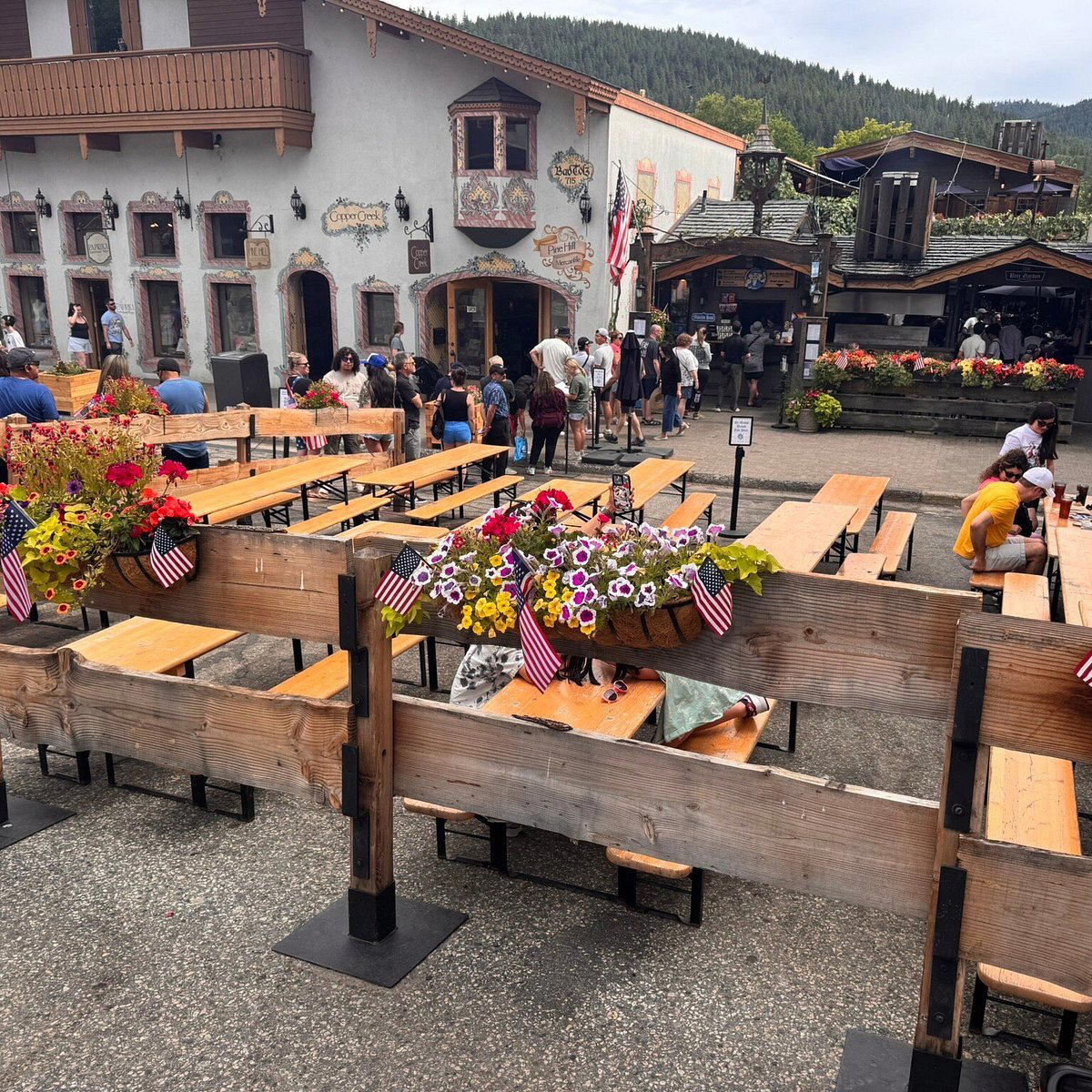
Hotels in Leavenworth
Browse all →
At a Glance
- Elegant
- Cozy
- Romantic
- Date Night
- Special Occasion
- Open Kitchen
- Extensive Wine List
- Local Sourcing
- Street Scene
Current opening hours
- Monday
- 3–9 PM
- Tuesday
- 3–9 PM
- Wednesday
- 3–9 PM
- Thursday
- 3–9 PM
- Friday
- 3–10 PM
- Saturday
- 3–10 PM
- Sunday
- 3–9 PM
Hours can change for holidays and private events. Last verified .
Charming Tuscan-inspired interior with moderate noise, window tables overlooking the main street, and a warm, elegant atmosphere.
Know Before You Go
- Getting there
- 636 Front St, Leavenworth, WA 98826