Bostonia Public House
Bostonia Public House sits at 131 State St in Boston's Financial District, positioned where the city's colonial waterfront history meets its contemporary pub culture. A gathering point for the downtown crowd, it occupies a neighbourhood defined by proximity to Faneuil Hall and the Rose Kennedy Greenway, placing it squarely in the path of both office workers and tourists moving through the city's historic core.
Pearl is the En Primeur Club membership app — saves, bookings, and concierge access live there. Same editors, same standards.
- Address
- 131 State St, Boston, MA 02109
- Phone
- +16179489800
- Website
- bostoniapublichouse.com
- Directions
- Get directions
 Saves & bookings on Pearl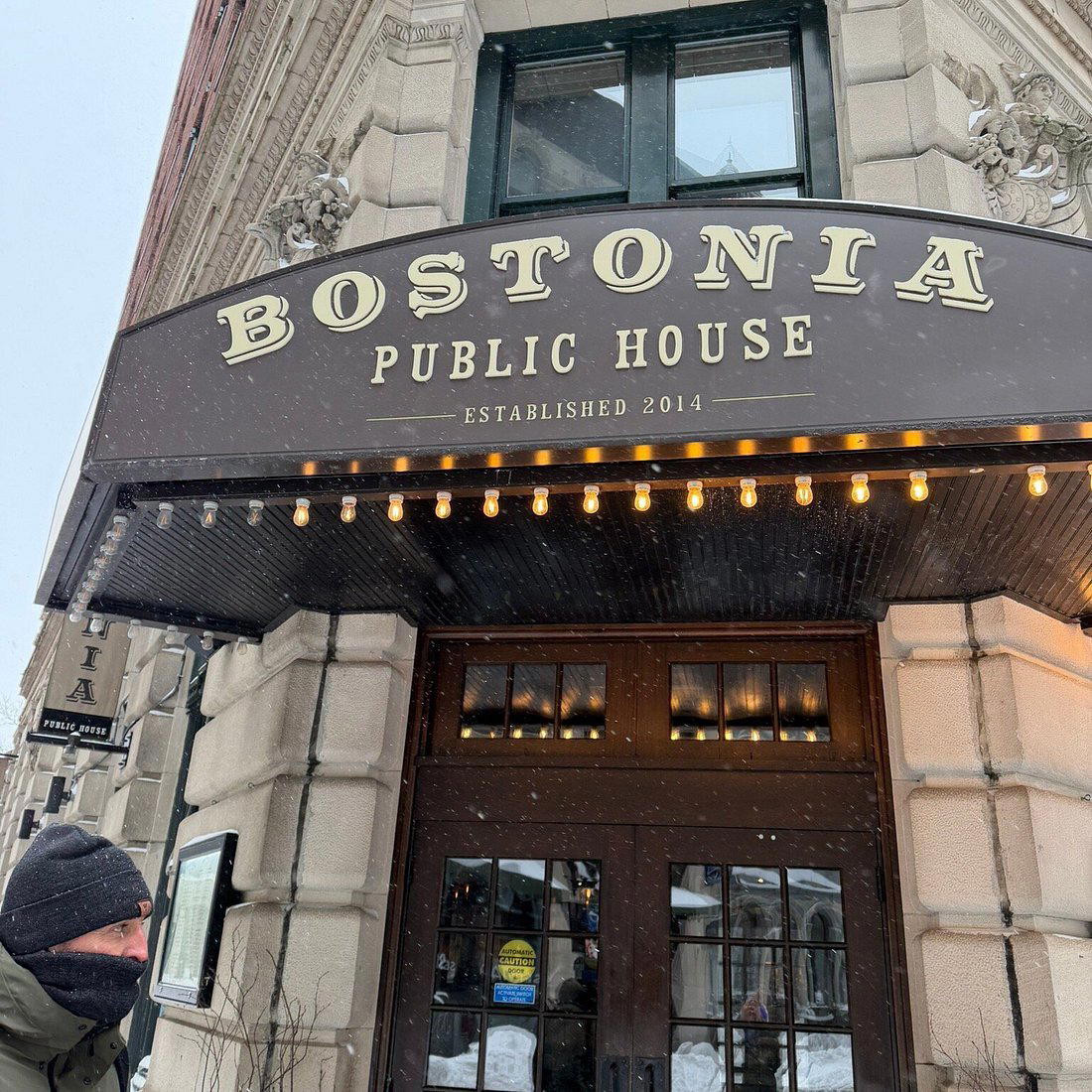
Where State Street Meets the Waterfront Tradition
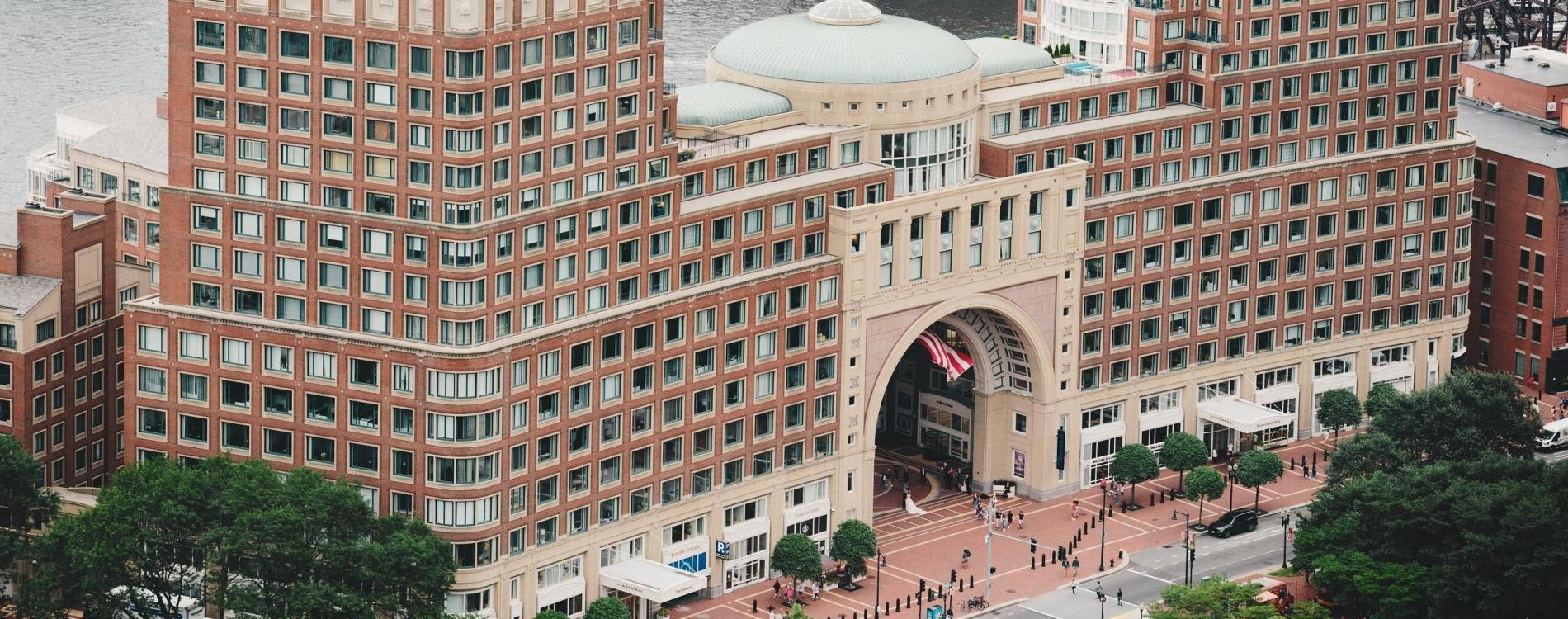
Boston's Financial District holds a particular tension that few American downtowns replicate: centuries-old brick facades pressed against glass towers, with the harbour never more than a few blocks away. The stretch of State Street running toward the water has, for generations, been the axis between commerce and the sea, the route merchants walked between counting houses and docks. Bostonia Public House at 131 State St occupies a spot inside that corridor, and the building itself communicates something about the neighbourhood's layered identity before a single plate arrives.
The public house format, as a category, has evolved considerably in American cities over the past two decades. Where the term once signalled a generic bar with televised sport and reheated pub fare, a more considered tier has emerged in cities like Boston, Chicago, and San Francisco, establishments that use the format's inherent accessibility as cover for more serious sourcing and kitchen discipline. In Boston specifically, proximity to New England's agricultural belt and the North Atlantic's fishing grounds gives any kitchen working in this tradition a credible supply chain to draw from, if it chooses to use it. That geographic reality shapes what serious public house dining in this city can be.
New England Sourcing and What It Actually Means Here
The case for ingredient sourcing as a framework for understanding Boston restaurants is not an abstract one. The region produces particularly distinctive raw material in North America: cod and haddock from Georges Bank, littleneck clams from Cape Cod and the Islands, oysters from Wellfleet and Duxbury, cranberries from the bogs of southeastern Massachusetts, and dairy from Vermont and western Massachusetts farms that supply much of the Northeast. For any kitchen operating within reach of these supply chains, the sourcing question is less philosophical than practical, it determines which ingredients are available at their freshest and what the menu's seasonal rhythm actually looks like.
Boston's dining scene has split, broadly, between restaurants that treat local sourcing as a marketing signal and those that build menus around it structurally. The former category includes venues that mention farms by name while running produce trucked from out of state; the latter builds dishes from what arrives that week, adjusting the menu accordingly. Restaurants operating in that more disciplined sourcing tier tend to cluster around the harbour and the market district, where proximity to incoming catch makes daily adjustments feasible rather than aspirational. Bostonia Public House, sitting at the edge of the old merchant waterfront, operates in a neighbourhood where that sourcing culture has deep historical roots. The Faneuil Hall Marketplace, a short walk away, was once Boston's primary wholesale market, the distribution point for goods arriving by sea. That commercial history gives the surrounding blocks a particular relationship with provenance that predates the farm-to-table movement by roughly two centuries.
For context on how Boston's waterfront dining has developed across different formats and price tiers, 1928 Rowes Wharf and 75 on Liberty Wharf both address similar harbour-adjacent positioning at different price points and registers. For raw-bar sourcing discipline specifically, our full Boston restaurants guide maps the city's seafood-led venues against each other with more granularity.
The Public House Format in a City That Takes Drinking Seriously
Boston's relationship with its drinking culture runs deeper than most American cities acknowledge. The city's pub tradition predates the republic, and the neighbourhood tavern has functioned here as a civic institution rather than purely a commercial one, a place where ward politics were settled, labour disputes argued, and sports loyalties cemented across generations. That cultural weight doesn't disappear in a city that now supports a serious cocktail bar scene alongside its heritage pubs. What it means is that the public house format carries expectations in Boston that it doesn't carry in, say, Los Angeles or Miami: regularity, accessibility, and a sense that the room belongs to the neighbourhood rather than to a demographic.
The Financial District presents a specific variant of that challenge. Its lunch crowd is dense and time-pressured; its after-work window is real but compressed; its weekend trade depends heavily on tourists moving through the Freedom Trail corridor. A public house in this location is essentially running three different services for three different audiences within a single format. That's a tighter operational constraint than it appears, and it distinguishes downtown Boston's F&B; market from, say, the South End's restaurant row, where the audience is more uniform and the pacing more leisurely.
For comparison outside Boston, the public house format at scale has been addressed differently in cities with analogous historic-commercial neighbourhoods. Emeril's in New Orleans navigated a similar tension between tourist-adjacent location and culinary seriousness in the Warehouse District. At the farm-and-sourcing end of the American dining spectrum, venues like Blue Hill at Stone Barns in Tarrytown and Single Thread Farm in Healdsburg represent structurally committed versions of supply-chain-driven menus, against which any sourcing claim elsewhere can be benchmarked.
Planning Your Visit
Bostonia Public House is located at 131 State St, Boston, MA 02109, a short walk from State Street Station on the Orange and Blue Lines, making it accessible from both the airport and the Back Bay. The Financial District positioning means the room is typically at its most active during weekday lunch and the early-evening window between 5 and 7pm; those arriving outside peak hours will find a different, quieter register to the space. For visitors using the restaurant as part of a broader Boston dining programme, Agosto offers Portuguese-inflected tasting-menu cooking in the same city at a different format and price tier, while Abe and Louie's addresses the steakhouse segment of the downtown market. 311 Omakase covers Boston's counter-format Japanese dining for those building a multi-night itinerary.
A Credentials Check
Comparable venues nearby, for context on price, style, and recognition.
| Venue | Cuisine | Price | Notes |
|---|---|---|---|
| Bostonia Public HouseThis venue — the venue you are viewing | American Contemporary Gastropub | $$ | Not listed |
| Reunion BBQ | Modern Boston BBQ | $$ | Bay Village |
| Back Deck | Charcoal-Grilled American Comfort Food | $$ | Downtown Crossing |
| Joe's Waterfront | New England Seafood | $$ | North End |
| Hurricane's at the Garden | American Sports Bar | $$ | West End |
| Blackbird Doughnuts | Artisanal Doughnuts | $$ | West Fens |
Continue exploring
More in Boston
Restaurants in Boston
Browse all →
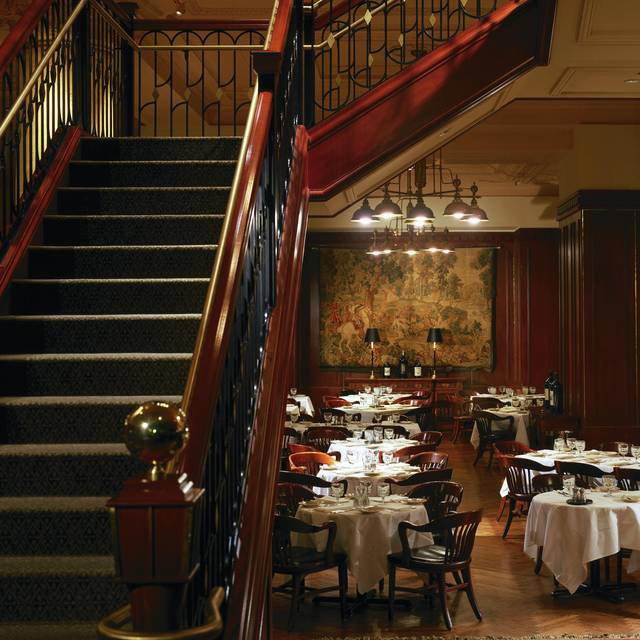
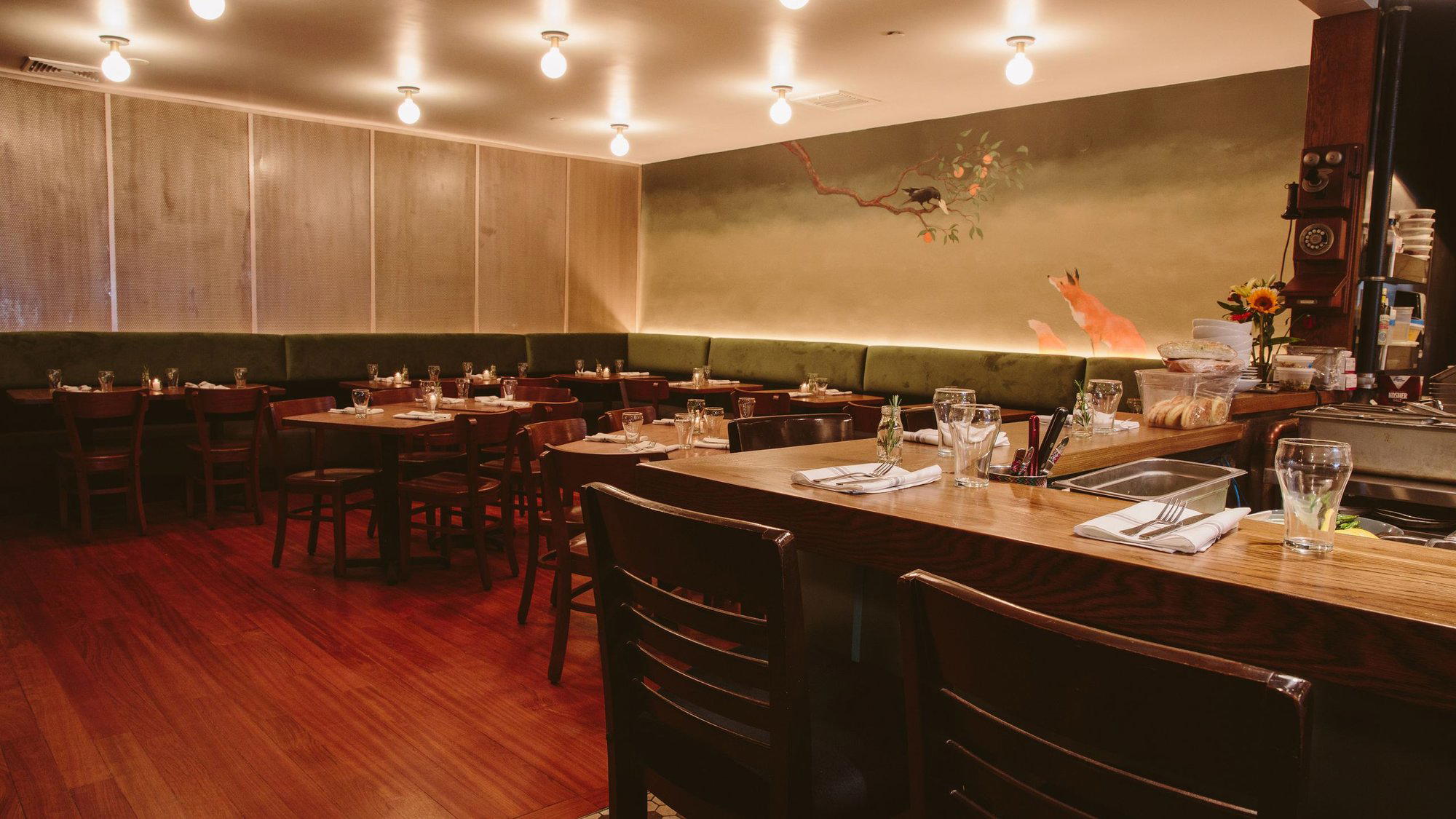
Bars in Boston
Browse all →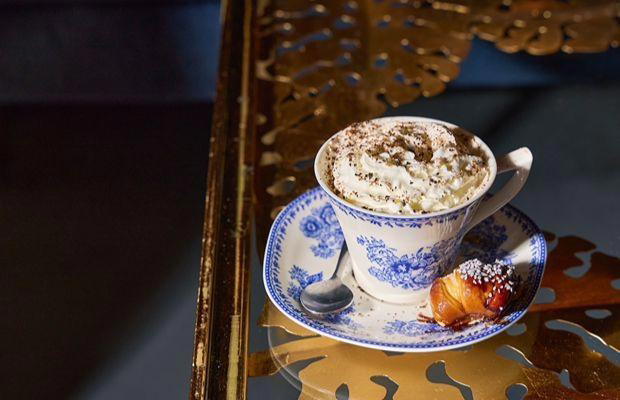
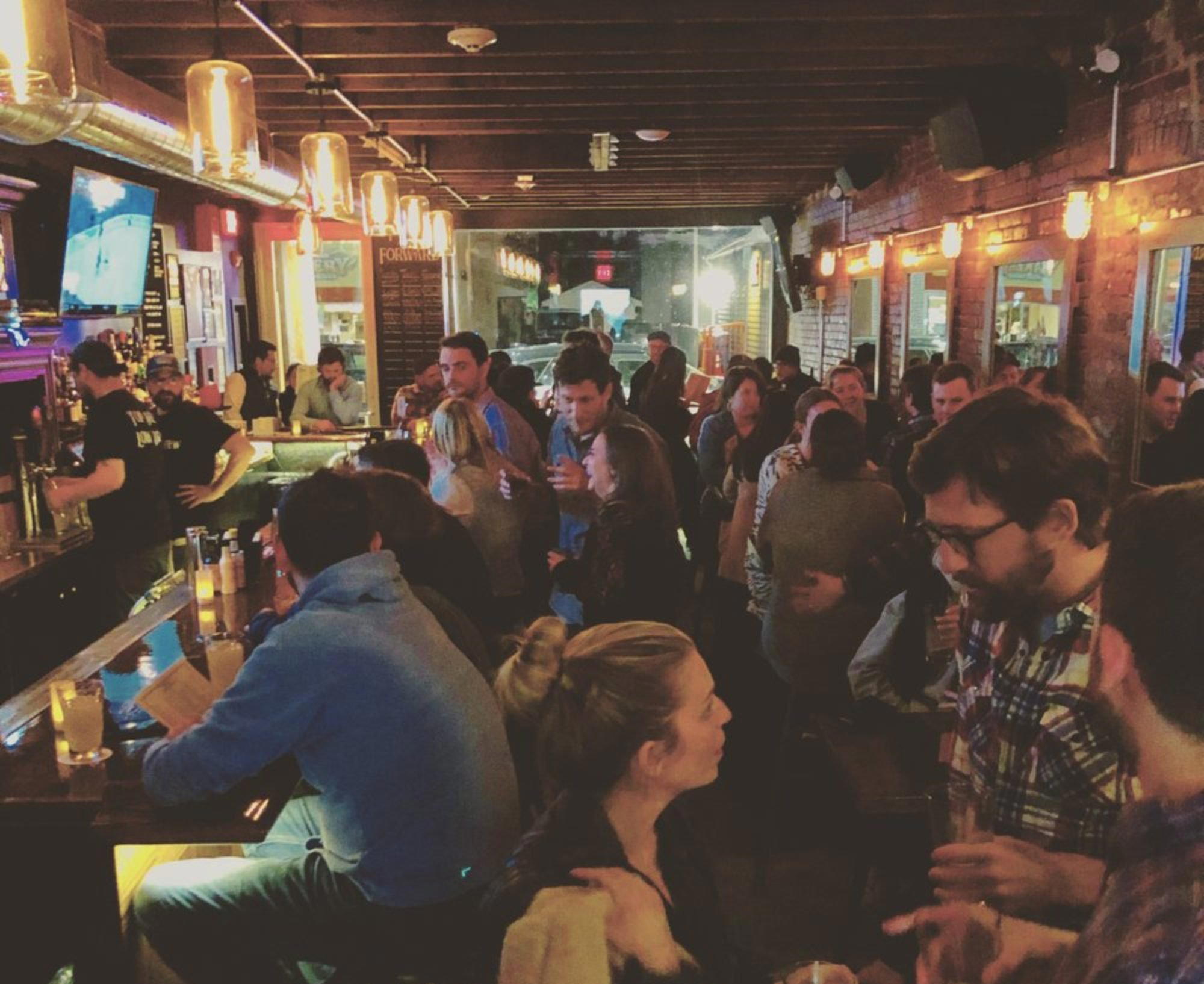
Hotels in Boston
Browse all →
Wineries in Boston
Browse all →
At a Glance
- Lively
- Classic
- Historic
- Energetic
- Sophisticated
- Group Dining
- Brunch
- Casual Hangout
- After Work
- Private Event
- Historic Building
- Private Dining
- Standalone
- Craft Cocktails
- Beer Program
- Local Sourcing
- Sustainable Seafood
- Street Scene
Current opening hours
- Monday
- 11:30 AM–12 AM
- Tuesday
- 11:30 AM–12 AM
- Wednesday
- 11:30 AM–12 AM
- Thursday
- 11:30 AM–2 AM
- Friday
- 11:30 AM–2 AM
- Saturday
- 9 AM–2 AM
- Sunday
- 9 AM–12 AM
Hours can change for holidays and private events. Last verified .
A polished, playful, and lively atmosphere in a historic downtown setting, with a lively bar energy and a warm pub feel.