Rincon Escondido Tapas & Restaurant
On Biscayne Boulevard in Miami's Upper Eastside corridor, Rincon Escondido delivers tapas-format dining where Spanish and Latin American culinary traditions converge in a neighborhood still defining its dining identity. The format rewards sharing and grazing, placing it alongside Miami's broader shift toward social, small-plate dining. For those working through the city's emerging mid-corridor restaurant scene, it earns a place in the rotation.
Pearl is the En Primeur Club membership app — saves, bookings, and concierge access live there. Same editors, same standards.
- Address
- 2697 Biscayne Blvd, Miami, FL 33137
- Phone
- +1 305 438 9300
- Website
- instagram.com
- Directions
- Get directions
 Saves & bookings on Pearl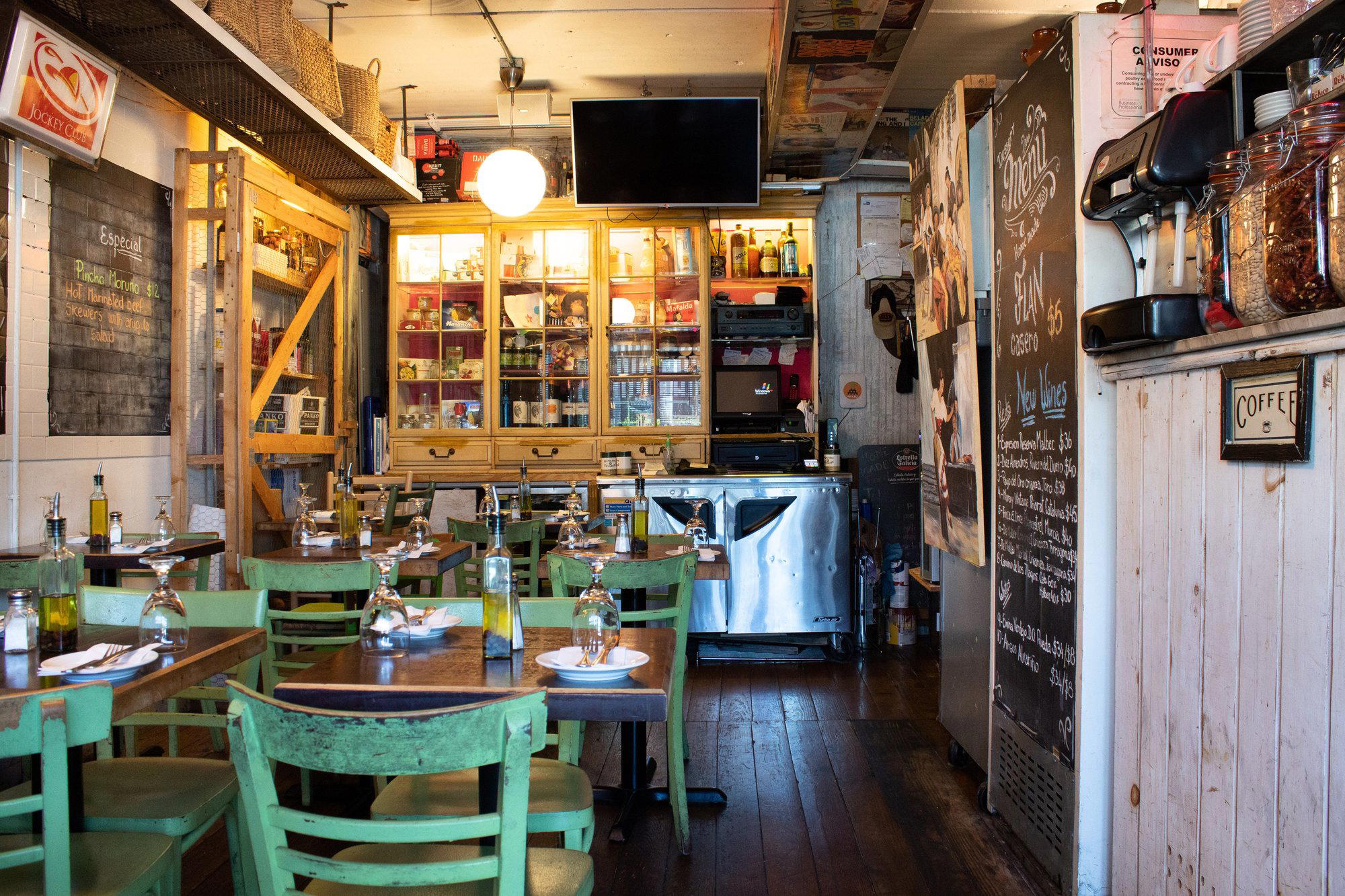
Biscayne Boulevard and the Case for Small-Plate Dining in Miami's Upper Eastside
Miami's dining geography has long been read as a tale of two anchors: the Design District's high-gloss tasting menus to the north and Wynwood's casual creative energy to the south. Biscayne Boulevard's Upper Eastside corridor sits between them, and it has accumulated the kind of neighborhood restaurants that actually get used, not reserved months ahead for special occasions, but visited on a Tuesday because the food is good and the format makes sense. Rincon Escondido Tapas & Restaurant, at 2697 Biscayne Blvd, occupies that practical, repeat-visit tier.
The tapas format itself carries an argument. Where prix-fixe tasting menus, the kind you'll find at L'Atelier de Joël Robuchon Miami or, outside Miami, at places like The French Laundry in Napa or Le Bernardin in New York City, impose a sequence and a contract, tapas demand active participation. The table decides pacing. The meal expands or contracts around appetite and conversation. In a city whose dining culture skews social and warm-weather casual, that flexibility has genuine appeal.
The Local-Global Tension at the Heart of Spanish-Latin Tapas
The intersection of Spanish technique and Latin American ingredients has become one of the more productive tensions in American cooking over the last decade. It shows up differently depending on city and lineage: at ITAMAE in Miami, Peruvian tradition is filtered through Japanese precision; at Ariete in Coconut Grove, Cuban-American heritage runs through a contemporary American lens. The tapas format, rooted in Iberian tradition, sits in productive conversation with Miami's Latin American majority culture, a city where Cuban, Colombian, Venezuelan, and Argentine culinary DNA is embedded in everyday eating.
Name itself signals something about positioning. "Rincón" translates roughly as corner or nook, a place apart, a retreat. That framing suggests an atmosphere pitched toward intimacy rather than spectacle, which aligns with how the Upper Eastside has developed: not as a destination for dining theater, but as a place for the kind of meal that doesn't announce itself. Compare this to the deliberate drama of Cote Miami's Korean steakhouse format or the produce-led intensity of Boia De's Italian-contemporary program, and the implied register is different: less event, more habit.
What the Tapas Tradition Offers Miami Diners
Spanish tapas as a dining architecture has proven durable across many transplanted contexts, partly because the format is genuinely modular. A kitchen can move between cured meats, fried bites, seafood preparations, and vegetable-forward dishes without asking the table to commit to any single direction. For Miami, where the diner demographic is broad and dietary preferences vary sharply by table, that range matters. A well-run tapas program lets a kitchen demonstrate technical range across shorter preparations, a discipline that, in its Spanish homeland, has produced particularly technically demanding restaurant cooking in the world.
The broader American interest in that technical tradition has been documented at properties far from Miami: Smyth in Chicago applies fermentation and preservation logic that echoes northern Spanish technique; Blue Hill at Stone Barns in Tarrytown has long argued for ingredient fidelity over elaboration in ways that parallel the leading pintxos bars in San Sebastián. These are different scales and different contexts, but they point to how deeply Spanish-influenced culinary thinking has penetrated serious American restaurant culture.
In Miami, that conversation takes on a specifically Latin American dimension. South Florida's access to tropical produce, from Homestead's farms to Caribbean-influenced markets, gives a kitchen working in this register genuine local material to engage with. A tapas format that draws on Spanish technique while incorporating plantain, yuca, tropical citrus, or local seafood isn't fusion in the pejorative sense; it's the natural outcome of technique meeting available ingredients, which is how most durable regional cuisines develop.
Placing Rincon Escondido in Miami's Mid-Tier Dining Conversation
Miami's restaurant scene has matured considerably since the South Beach era defined the city's dining identity by spectacle and celebrity. The current generation of neighborhood restaurants, particularly in corridors like Biscayne Boulevard, Little River, and the Upper Eastside, operates on different logic: lower profile, more focused menus, and a local clientele that returns because the cooking is consistent rather than because the room is photographable. Rincon Escondido's address places it squarely in that conversation.
For reference on how Miami's more ambitious kitchens approach the local-global intersection, Ariete provides one model: a chef-driven program that uses Cuban-American tradition as a departure point for contemporary technique. Boia De offers another: a tightly edited Italian-contemporary menu built around a fixed space and a loyal neighborhood following. Rincon Escondido appears to occupy a more accessible price point and a more convivial format, functioning as the kind of place that serves both the after-work crowd and the longer weekend dinner without requiring a commitment to either.
Across American cities, the venues that have built particularly durable reputations in this register tend to be those with genuine editorial consistency: Providence in Los Angeles, Addison in San Diego, and Single Thread Farm in Healdsburg all demonstrate how a clear point of view, sustained over time, builds a restaurant's standing independent of media cycles. At the neighborhood level, that same logic applies: clarity of format and consistency of execution tend to outlast novelty.
Planning a Visit
Rincon Escondido is located at 2697 Biscayne Blvd in Miami's Upper Eastside, a corridor that has become increasingly walkable from surrounding residential blocks and accessible by car from both Wynwood to the south and the Design District to the north. Rincon Escondido is recommended for reservations and generally fits a casual dress code. The tapas format means the meal can scale comfortably from a lighter two-person visit to a larger group spread, making advance thought about party size a useful part of planning.
Reputation First
Comparable venues nearby, for context on price, style, and recognition.
| Venue | Cuisine | Price | Notes |
|---|---|---|---|
| Rincon Escondido Tapas & RestaurantThis venue — the venue you are viewing | Spanish Tapas with Argentine Flair | $$ | Not listed |
| 100 Montaditos | Spanish Montaditos and Tapas | $ | Design District |
| GTMPR | Casual Stop | Not listed | Little Havana |
| Sahara Grill | Authentic Middle Eastern | $$ | Sweetwater |
| Panizza Bistro | Argentine-Italian-Spanish Bistro | $$ | South Beach |
| Cariflex Sports Diner | Jamaican Caribbean Sports Diner | $$ | West Kendall |
Continue exploring
More in Miami
Restaurants in Miami
Browse all →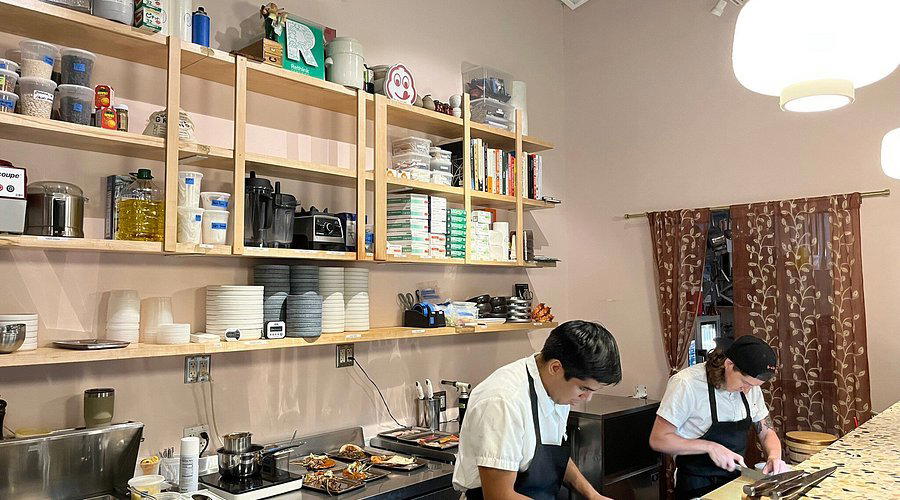




At a Glance
- Cozy
- Intimate
- Date Night
- Casual Hangout
- Group Dining
- Open Kitchen
- Craft Cocktails
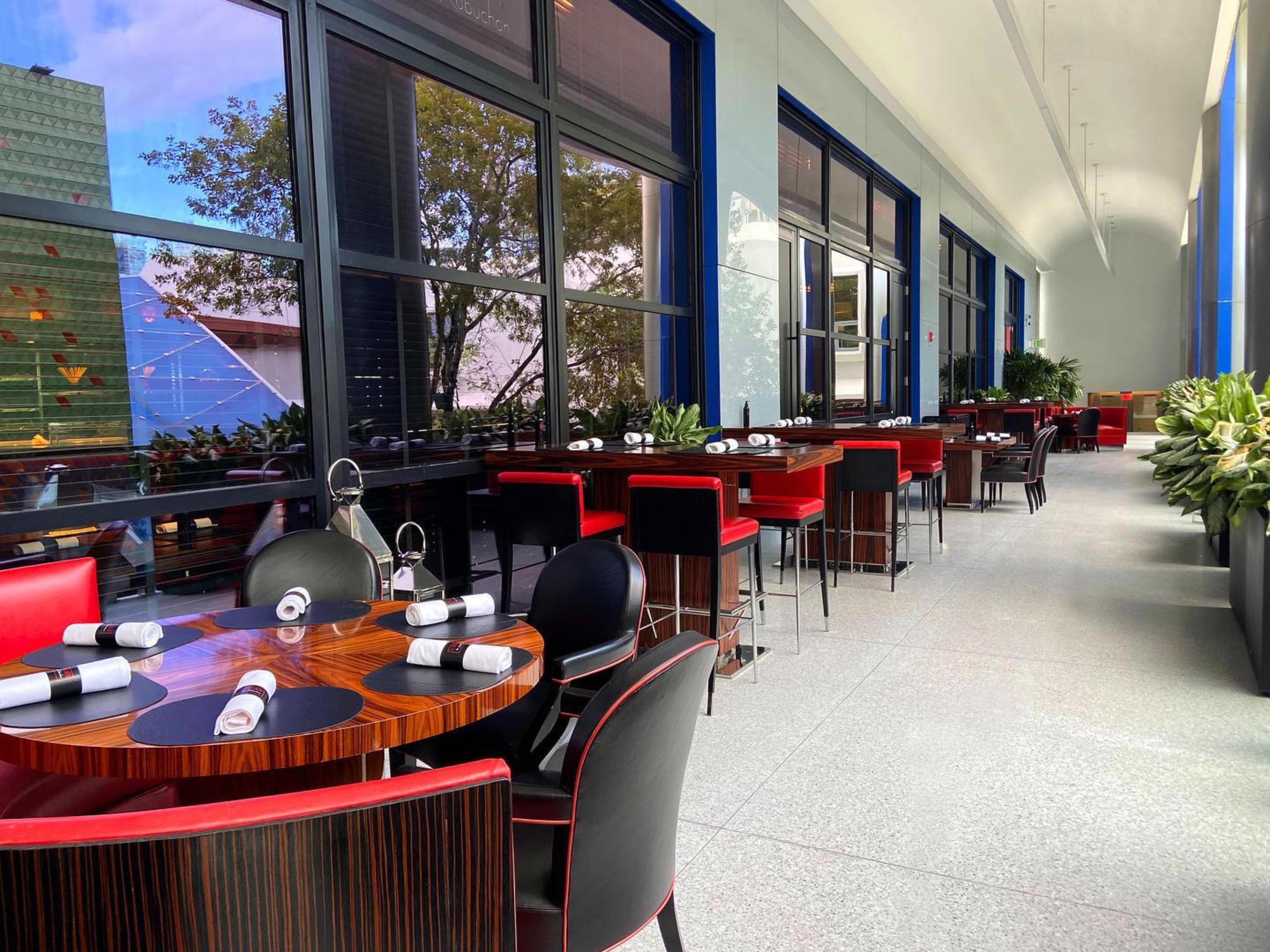
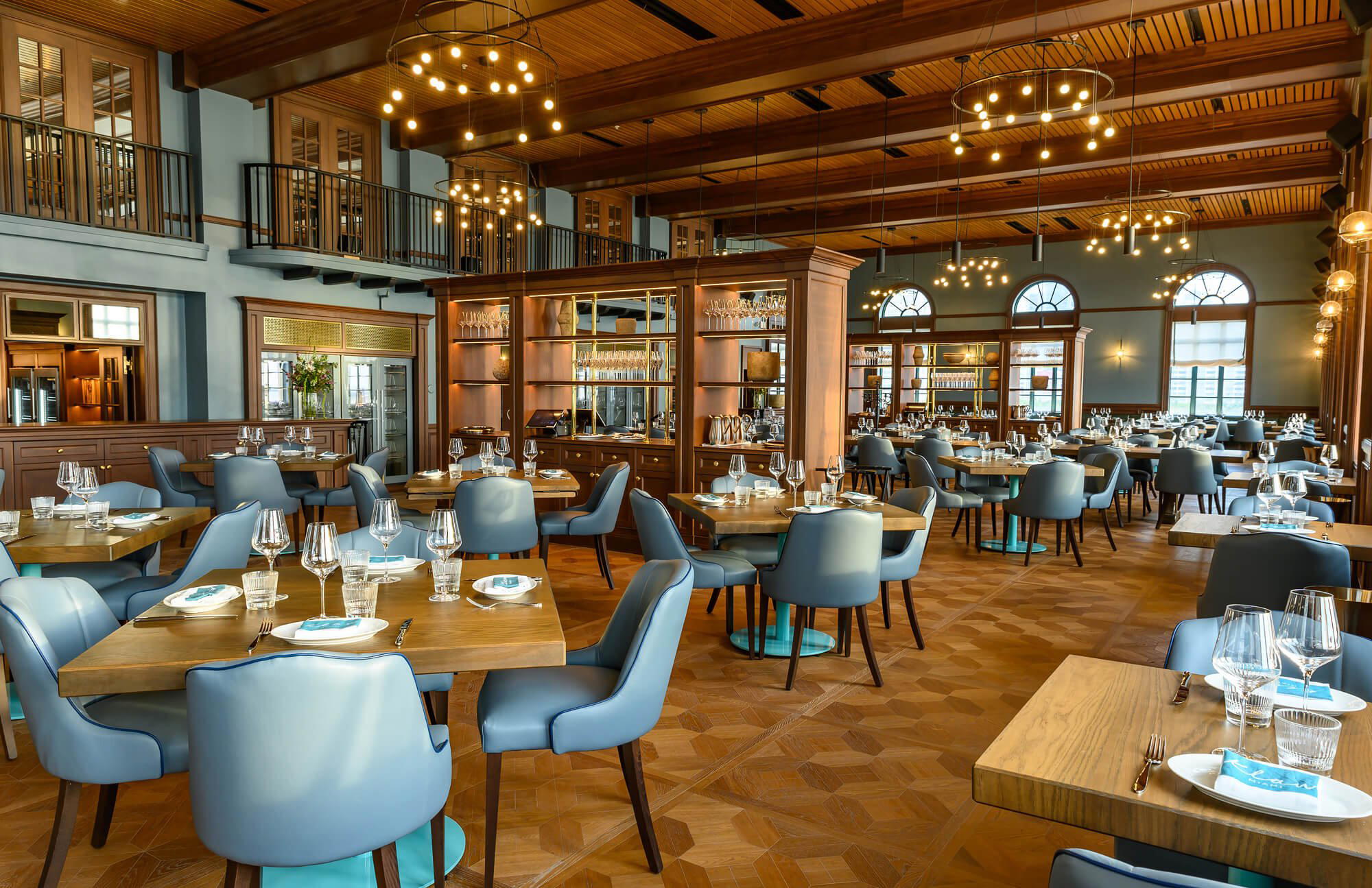
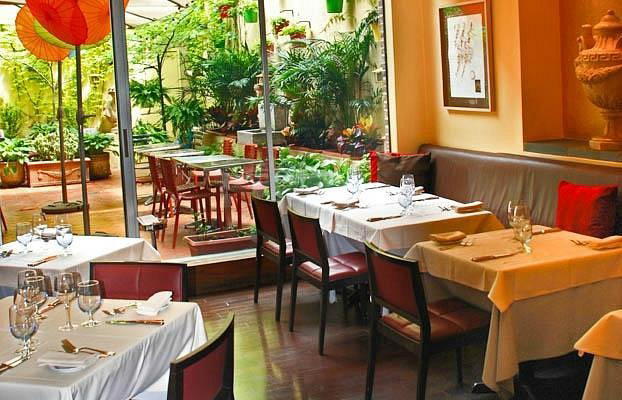
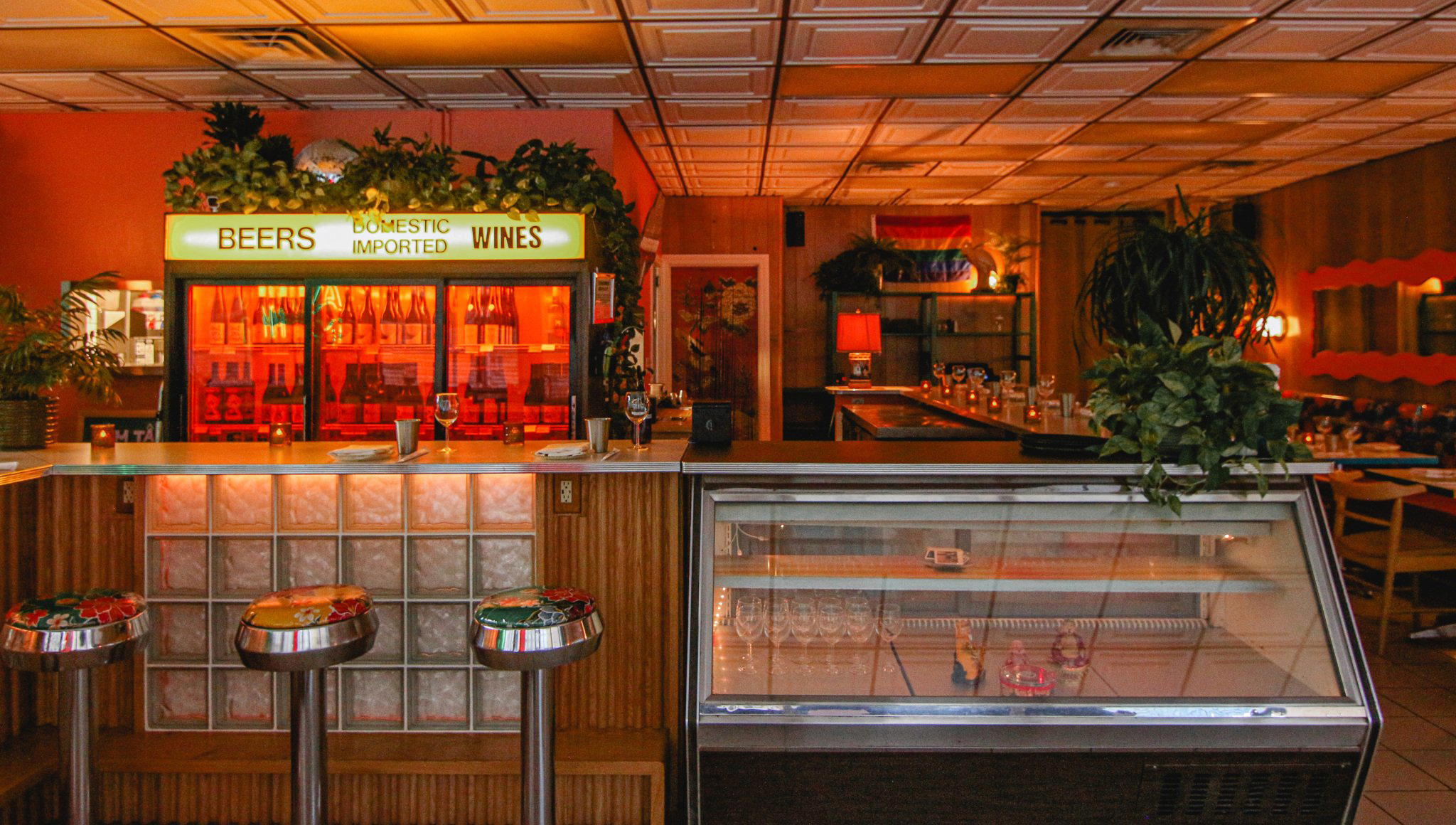
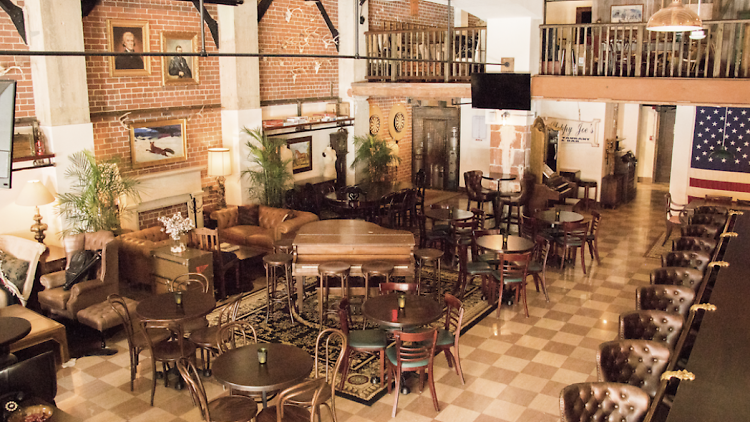
Warm environment with old-timey wooden exterior and open kitchen where you can hear the single chef cooking.