
A Michelin Plate-recognised French address in central Nara, Bon appétit Meshiagare applies classical techniques learned in Paris and the French regions to produce sourced from Gojo City, Soni Village, and the wild-game hunting grounds of Tsuge. The result sits at the mid-price tier of Nara's French dining circuit, occupying a distinct position between the city's kaiseki-dominated fine-dining and the broader Japanese-French fusion wave.
Pearl is the En Primeur Club membership app — saves, bookings, and concierge access live there. Same editors, same standards.
- Address
- 1 Juriincho, Nara, 630-8312, Japan
- Phone
- +81 742-27-5988
- Website
- facebook.com
- Directions
- Get directions
 Saves & bookings on Pearl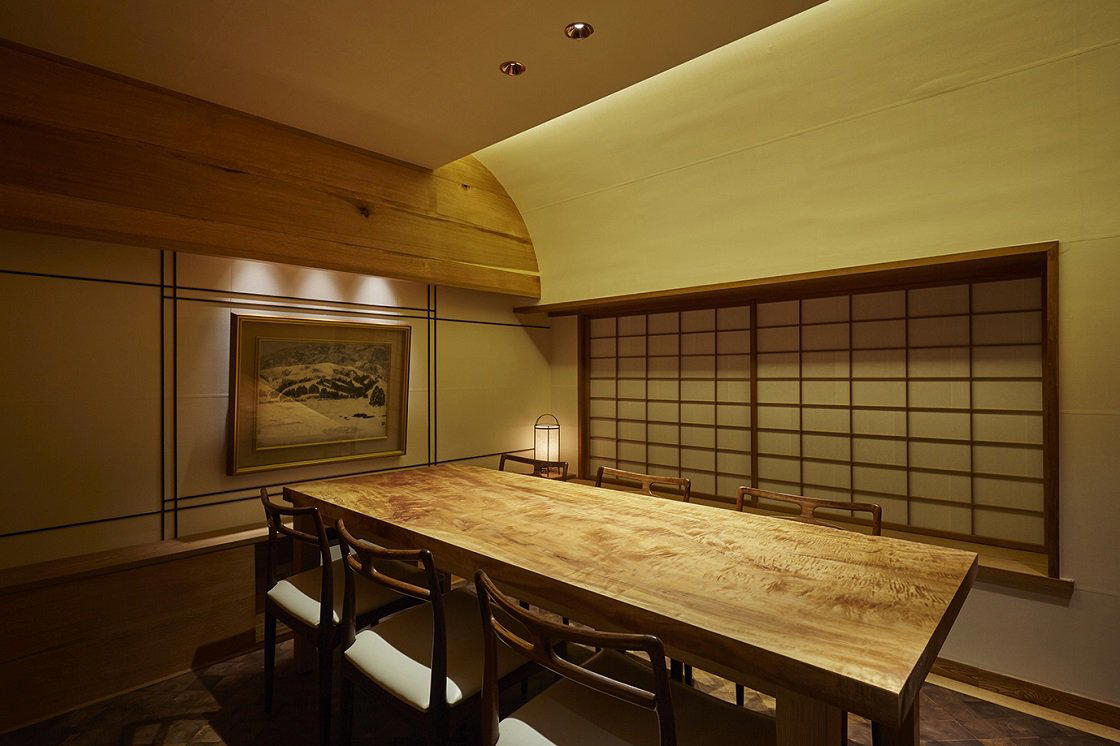
French Discipline in a Nara Context
Among Japan's ancient capitals, Nara has long sat in the shadow of Kyoto when it comes to culinary reputation. Kyoto commands the kaiseki conversation; Osaka owns the izakaya and the avant-garde. Yet Nara has quietly assembled a French dining circuit that rewards attention. The city now hosts a cluster of French addresses ranging from the two-Michelin-star Spanish-influenced work at akordu to the more contained, classically grounded cooking at Bon appétit Meshiagare.
The Logic of the Address: 1 Juriincho
The address, 1 Juriincho, places the restaurant within central Nara's walkable zone, accessible to visitors covering the park and temple circuit during the day and settling into dinner in the evening. This is not the kind of destination that demands navigational effort. Nara's dining geography is compact compared with Osaka or Kyoto, which means a venue at the ¥¥ price tier competes on substance rather than on exclusivity of location. That matters: at the mid-range, kitchen discipline and ingredient sourcing do more work than atmosphere or spectacle. Nearby French alternatives worth considering include La Terrasse irisée, LA TRACE, à plus, A VOTRE SANTE, and FAON, each occupying a slightly different corner of the city's French register.
Sourcing as Editorial Statement
The pattern of French-trained chefs returning to Japanese regional ingredients is well-established in cities like Tokyo and Kyoto, but in Nara it carries additional weight because the prefecture's food identity is less codified for international visitors. Nara lacks the global shorthand of Kyoto kaiseki or Osaka street food, which gives its French practitioners more interpretive latitude. The sourcing at Bon appétit Meshiagare reflects a deliberate regional logic: seasonal vegetables and fruits from Gojo City in the southern part of the prefecture, produce from the highland village of Soni, and wild game from the Tsuge area. Tsuge, in the northeastern Iga border region, has a tradition of hunting that extends beyond the deer of Nara Park into boar and other mountain game, material that integrates naturally into French charcuterie and stew traditions. River fish appear as well: ayu, the small sweetfish that defines early-summer eating across Japan's clear mountain streams, and tilefish (amadai), which has long been associated with Kyoto cooking. The presence of these two fish signals an engagement with regional Japanese seasonality that calibrates the cooking against the broader Kansai context.
What the Format Tells You About the Service Approach
French cooking in Japan tends to bifurcate sharply on service register. At the starred end, table choreography often mirrors Parisian grand-restaurant formality: multiple staff rotations, detailed verbal descriptions of each course, wine service with ceremony. At the mid-price tier, the better addresses shift toward a more direct, quieter front-of-house rhythm, less performance, more precision. The menu structure at Bon appétit Meshiagare, built around homemade-style charcuterie as a primary appetiser and roast and stew as the main meat category, describes a kitchen organised around craft repetition rather than à la minute showmanship. Charcuterie made in-house requires patience and technical consistency: curing times, fat ratios, seasoning at rest. The fact that it anchors the appetiser course reflects a kitchen that trusts its foundational preparation over spontaneous composition. Service at this register typically takes its cues from the kitchen's own pace, unhurried, attentive without formality, calibrated for a dining room that wants to eat well without theatre. The French training that informs the kitchen's technique, acquired in Paris and elsewhere in France, is most legible not in the plating but in the underlying structure: classical mise en place, defined course logic, and the discipline required to convert local wild game and river fish into coherent French forms. This is the kind of cooking where front-of-house confidence comes from knowing what the kitchen is doing, rather than from scripted patter.
Where It Sits in the Regional Fine-Dining Topology
Nara's upper dining tier is defined primarily by Japanese formats: the kaiseki tradition at addresses like Wa Yamamura (one Michelin star) and the two-star innovation of NARA NIKON sit at the leading. French cooking in the city operates as a secondary register, present and Michelin-recognised but positioned below the indigenous fine-dining peak. This is not a criticism; it reflects the way French cooking functions in most Japanese provincial cities, as a serious, technically grounded alternative rather than the dominant mode. Within that French secondary tier, the ¥¥ price point at the restaurant occupies the accessible end, making it one of the more approachable entry points to recognised French cooking in the city. For context on how French cooking plays at the highest level across the Kansai-adjacent circuit, Gion Sasaki in Kyoto and the European reference point of Hotel de Ville Crissier in Crissier both offer instructive comparisons. Further afield, Harutaka in Tokyo, Goh in Fukuoka, 1000 in Yokohama, and 6 in Okinawa map the range of how serious kitchens across Japan are interpreting non-Japanese culinary traditions with local ingredients.
Planning Your Visit
The restaurant is located at 1 Juriincho, Nara, 630-8312, Japan, within the central area that covers the principal cultural and temple sites. At the ¥¥ price tier, a meal here slots comfortably into a Nara visit without requiring a dedicated budget allocation beyond what the city's better kaiseki or starred restaurants would demand.
A Tight Comparison
Comparable venues nearby, for context on price, style, and recognition.
| Venue | Cuisine | Price | Notes |
|---|---|---|---|
| Bon appétit MeshiagareThis venue — the venue you are viewing | Nara, French with Nara Local Ingredients | $$$ | Not listed |
| LA PIE | Not listed | $$$ | Nara, Modern French Bistro with Local Japanese Ingredients |
| SHUN-GYO | Nara, Nara-Chinese Fusion Fine Dining | $$$ | Not listed |
| RISTORANTE Borgo KONISHI | Not listed | $$$ | Nara, Yamato Italian - Italian-Nara Fusion |
| ocu | Nara, Wood-fired Tuscan Italian | $$$ | Not listed |
| Kaiseki Kakomura | Nara, Traditional Setouchi Kaiseki | $$$$ | Not listed |
Recognition history
Dated appearances from independent guides and award organizations, with the underlying list record or original source where available.
Michelin Plate
Michelin
Michelin Plate
Michelin
Michelin Plate
Michelin
Continue exploring
More in Nara

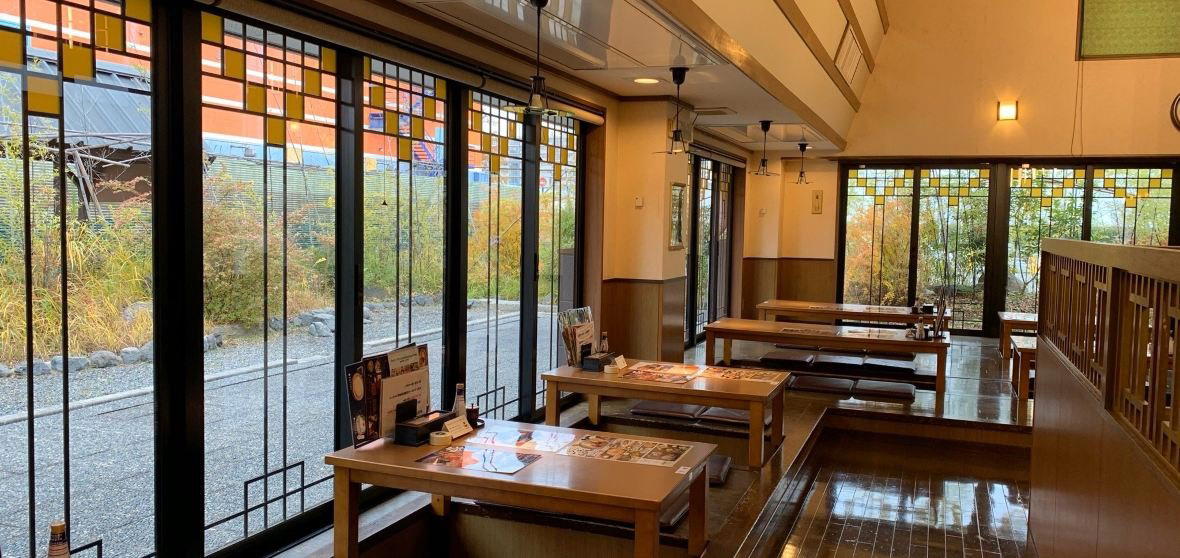
Bars in Nara
Browse all →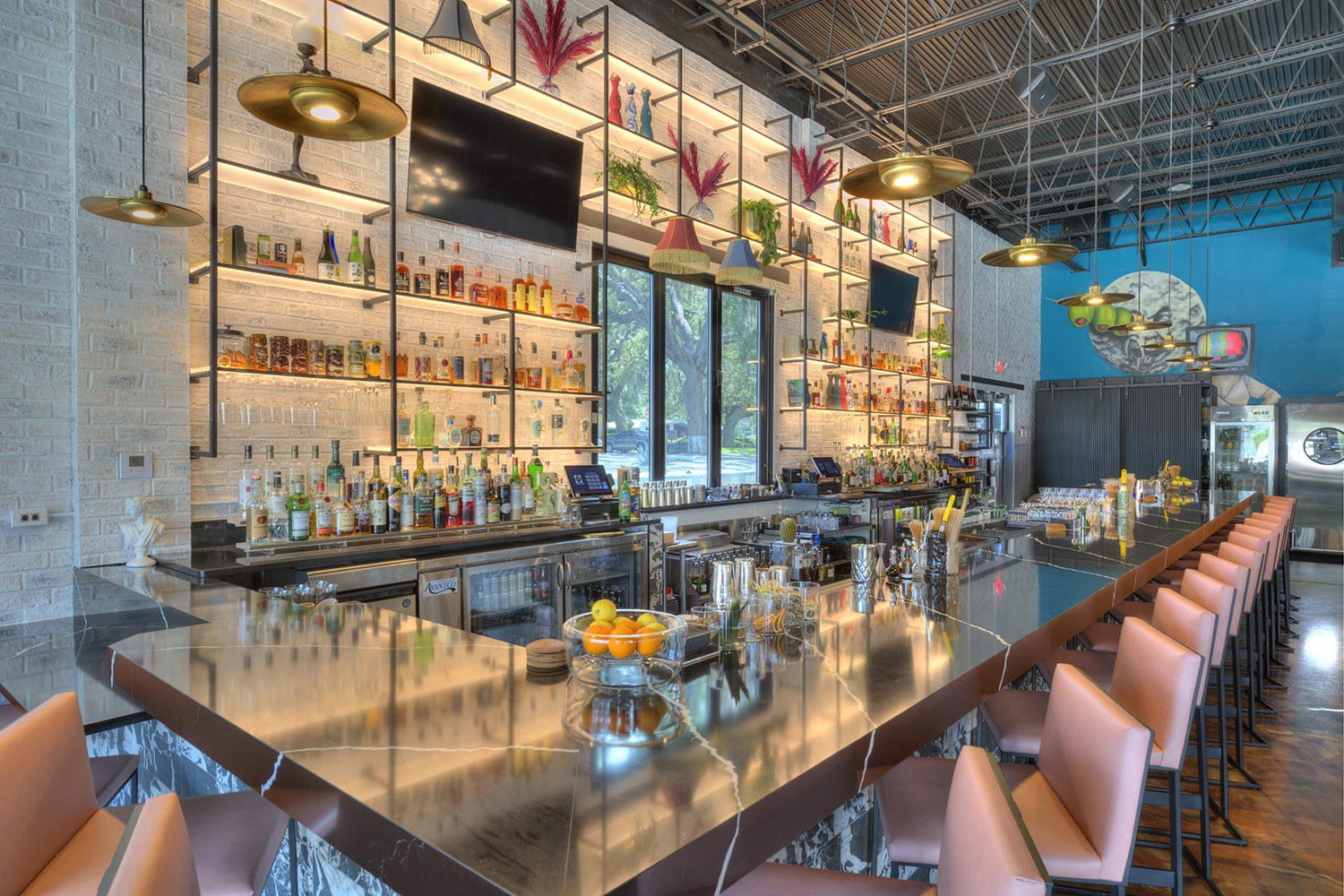
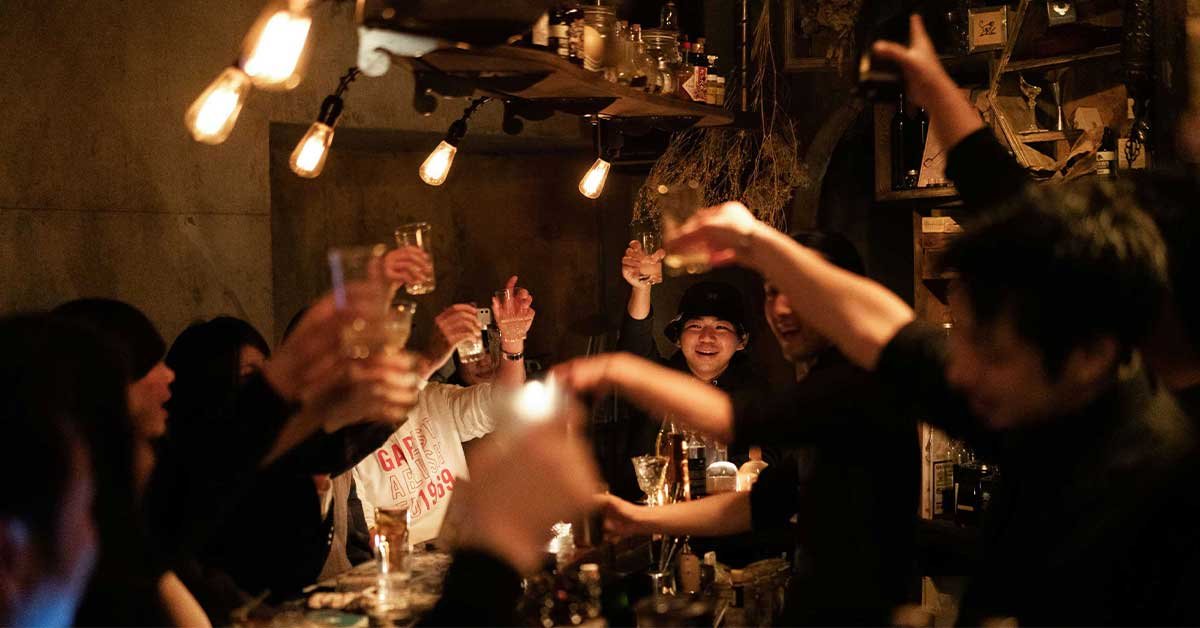
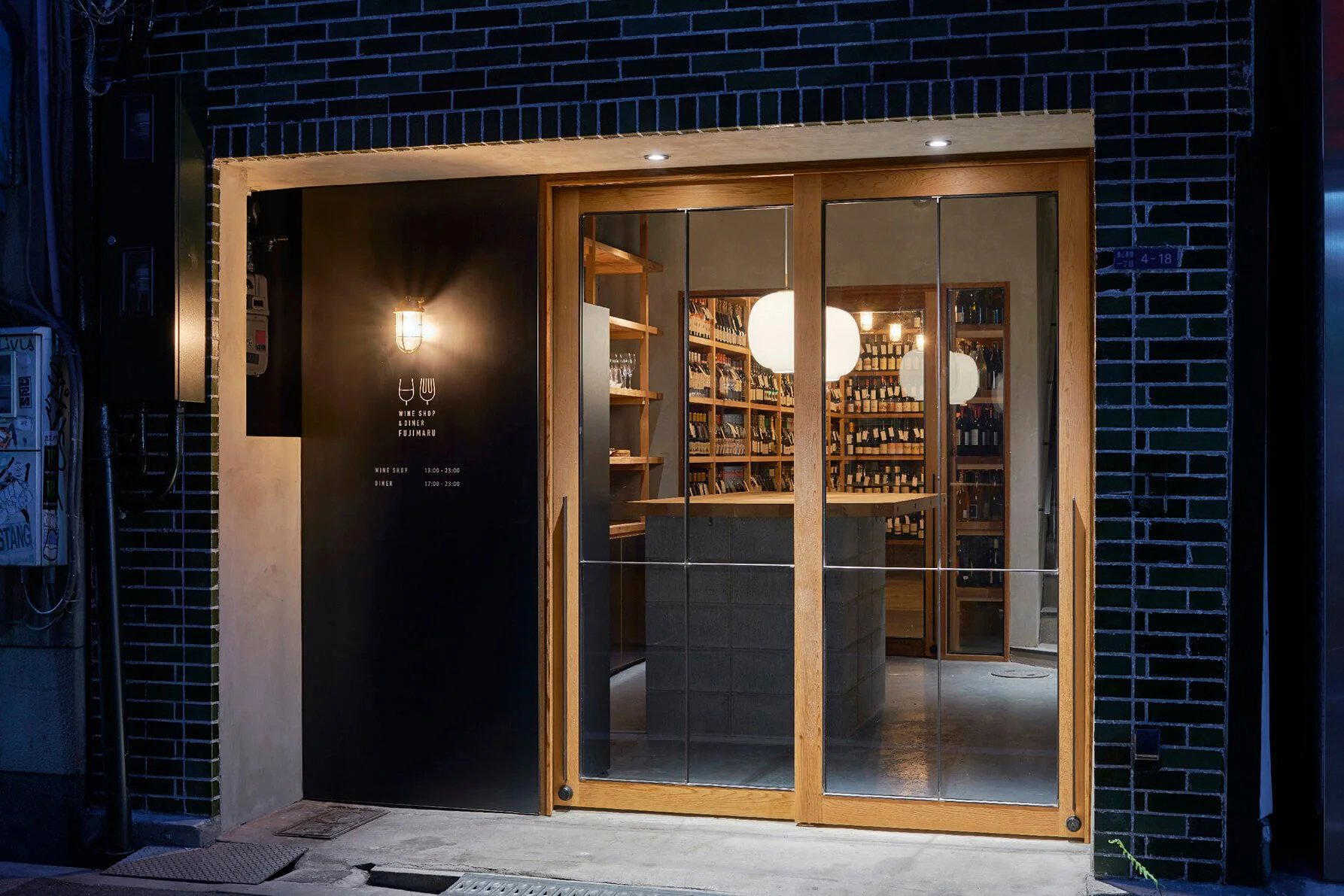
Hotels in Nara
Browse all →


Wineries in Nara
Browse all →
At a Glance
- Cozy
- Intimate
- Rustic
- Elegant
- Date Night
- Special Occasion
- Historic Building
- Sake Program
- Local Sourcing
Current opening hours
- Monday
- 12–3 PM, 6–9 PM
- Tuesday
- 12–3 PM, 6–9 PM
- Wednesday
- 12–3 PM, 6–9 PM
- Thursday
- 12–3 PM, 6–9 PM
- Friday
- 12–1:30 PM, 6–7:30 PM
- Saturday
- 12–3 PM, 6–9 PM
- Sunday
- 12–3 PM, 6–9 PM
Hours can change for holidays and private events. Last verified .
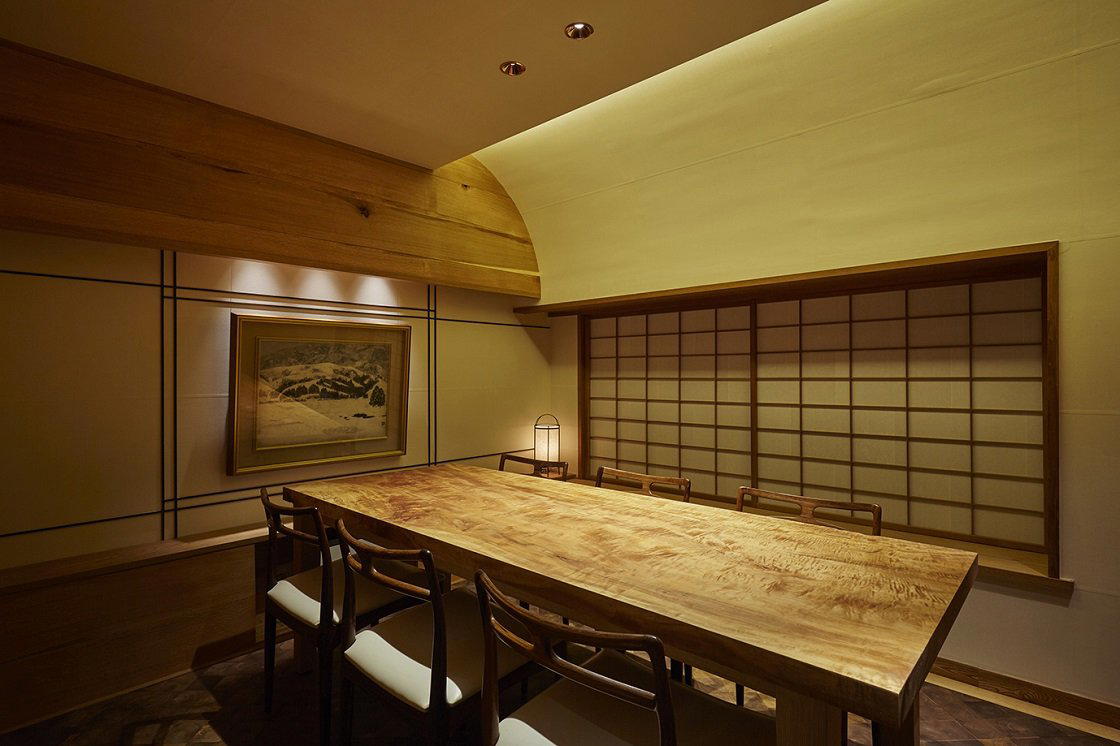
Warm, nostalgic atmosphere in a renovated private house with cozy, stylish interiors.