
1 Michelin Star
Our verdict
A Michelin-starred French restaurant in Gose, Nara's quieter southern reach, à plus earned its star in the 2025 guide while operating well outside the tourist circuit. The ¥¥¥ price tier. For anyone tracing Kansai's French dining thread beyond Osaka and Kyoto, this is a meaningful stop.

Pearl is the En Primeur Club membership app — saves, bookings, and concierge access live there. Same editors, same standards.
The menu
What to order
- Nara-style pickled vegetables
- Yamato beef
- Akitsuho rice paella
- Akitsuho rice risotto
French Cooking at the Southern Edge of Nara
Gose sits at the foot of the Yoshino mountain corridor, a town where the traffic of Nara's deer parks and temple complexes gives way to cedar-covered hillsides and rice terraces. It is not where you would expect to find Michelin-starred French cooking. That displacement is precisely the point. Japan's regional French restaurant tradition has long operated at a remove from the cities that typically generate culinary recognition, and à plus, awarded one Michelin star in the 2025 guide, belongs to that tradition: serious technique applied in a context where the surrounding land, rather than the prestige of an urban address, does much of the framing.
The address, Nishikubo-honmachi in Gose, places the restaurant in a low-density residential stretch that has almost nothing in common with the dense bar and restaurant blocks of Osaka's Kitahorie or Kyoto's Nakagyo ward. That context matters for how the cooking reads. French restaurants in provincial Japan often operate with a tighter, more personal relationship to local supply chains than their city counterparts, partly out of necessity and partly because the audience, a mix of knowledgeable locals and drive-in visitors from the wider Kansai region, rewards that specificity. Yamato beef, Yoshino cedar-smoked ingredients, foraged mountain vegetables, and seasonal river fish from the Kinokawa basin all circulate through Nara's higher-end kitchens. Whether and how à plus draws on that local material is something reviewers have noted with consistent appreciation, though the specifics of any given menu are, as with most Japanese tasting-format restaurants, subject to seasonal revision.
The Provenance Frame: Why Location Shapes the Plate
The Kansai region's relationship with French cuisine runs deeper than most visitors assume. HAJIME in Osaka holds three Michelin stars and has spent years building a reputation for French cooking inflected with Japanese philosophical frameworks. L'Effervescence in Tokyo represents a comparable strand in the capital. What distinguishes the regional tier, the one that à plus occupies, is a different competitive logic. These restaurants are not competing for the business-lunch account or the corporate entertainment budget. They draw guests who have made a deliberate detour, which concentrates the room and sharpens the incentive to cook with precision.
Nara Prefecture's agricultural identity is more varied than its tourist profile suggests. The prefecture produces Yamato-nishiki rice, multiple cultivars of persimmon, and a range of mountain greens that arrive in the Kinki markets through spring and autumn. Gose's position near the Kongō-Ikoma-Kii Quasi-National Park places it within reach of foraging-scale ingredient sourcing that urban French restaurants in Japan are increasingly trying to recreate artificially. A one-Michelin-star restaurant operating at this latitude and altitude has a more direct relationship with that material than most addresses in the tier.
For a broader sense of how Nara's French dining scene has developed, La Terrasse irisée, LA TRACE, and A VOTRE SANTE each represent distinct approaches to French cooking within the prefecture, all operating in a market where Michelin recognition is increasingly parcelled across smaller cities and towns rather than concentrating only in Tokyo, Osaka, and Kyoto.
Where à plus Sits in Nara's Michelin Tier
Nara's Michelin presence spans several categories. On the Japanese-cuisine side, NARA NIKON holds two stars and Wa Yamamura holds one, both representing the depth of kaiseki and traditional technique available in the prefecture. On the Western side, akordu has earned two Michelin stars for its Spanish-innovative approach, making it the highest-decorated Western restaurant in Nara's current guide. À plus, at one star, sits alongside that cohort rather than below it: a single star in a mid-sized Japanese city, particularly for French cuisine, signals kitchen discipline and consistency that the guide does not award casually.
The ¥¥¥ price tier places à plus in a bracket that, in Kansai terms, typically corresponds to a tasting menu in the 15,000 to 30,000 yen range per head before drinks, though actual pricing is subject to the restaurant's own structure and should be confirmed directly. That tier, in a non-urban setting, also tends to reflect a smaller operation: fewer seats, more focused sourcing, and a menu structure built around the kitchen's capacity rather than a large brigade producing at scale.
Visitors compiling a wider Kansai itinerary should also consider Gion Sasaki in Kyoto and Goh in Fukuoka for comparable levels of chef-driven precision in regional settings. Nara-specific alternatives with a French or cross-cultural approach include Bon appétit Meshiagare and FAON, both of which operate within the prefecture's dining circuit. For a reference point in the European French tradition, Hotel de Ville Crissier illustrates the classical benchmark that Japan's leading French kitchens are invariably measured against.
Getting There and Planning Your Visit
Gose is accessible from Osaka's Abenobashi terminal via the Kintetsu Minami-Osaka Line, with a journey time of approximately 50 minutes to Gose Station. From Nara city centre, the route is less direct: most visitors drive or take a combination of JR and local services via Takada. The address in Nishikubo-honmachi is in a quiet residential zone, and the restaurant is not embedded in any commercial strip that would make it findable by foot from a main street. Navigation by map app is strongly recommended.
À plus earned its Michelin star in the 2025 guide, which means it is operating in its earliest period of guide-level recognition. Restaurants in this position, particularly smaller operations outside major cities, can move quickly from accessible to heavily oversubscribed. Booking as early as your schedule allows is advisable. Contact details and current availability should be confirmed through local booking platforms or direct inquiry, as the restaurant's own web presence is not publicly listed at the time of writing.
For broader Nara trip planning, EP Club's guides cover the full range of options across dining, accommodation, and activities: see [our full Nara restaurants guide](), [our full Nara hotels guide](), [our full Nara bars guide](), [our full Nara wineries guide](), and our full Nara experiences guide. For other Michelin-level reference points across Japan, Harutaka in Tokyo and 1000 in Yokohama and 6 in Okinawa each demonstrate the geographic breadth of Japan's current guide recognition.
Frequently asked questions
What does dinner at à plus typically cost?
Pricing at à plus is listed as ¥¥¥.
Is à plus award-winning?
à plus has received recognition including: Michelin 1 Star (2025).
What dish is à plus famous for?
What the 2025 Michelin star confirms is that the French kitchen in Gose has earned peer-level recognition, placing à plus in a category where precision of execution rather than any single crowd-pleaser tends to define the reputation. For current menu specifics, check the venue's official channels before your visit.
How do I find à plus?
à plus is located at Japan, 〒639-2223 Nara, Gose, 西久保本町1137, Nara.
Can I walk in to à plus?
A Michelin star awarded in 2025 brings a level of demand that makes walk-ins a genuine risk, particularly at a ¥¥¥-tier French restaurant in a small town like Gose where covers are likely limited. Advance reservations are strongly advisable.
What's the standout thing about à plus?
The combination of location and recognition sets à plus apart within the Nara Michelin tier. French cuisine earning a star in Gose, a quiet town at the southern edge of Nara Prefecture rather than in Osaka or Kyoto, is unusual, and the 2025 award places it alongside a small number of Kansai restaurants making that case for French cooking outside the major urban centres.
Comparison Snapshot
Comparable options at a glance, pulled from our tracked venues.
| Venue | Cuisine | Price | Awards | Notes |
|---|---|---|---|---|
| à plusThis venue — the venue you are viewing | French with Nara Terroir | $150–200 | 1 Michelin Star | Not listed |
| akordu | Modern Spanish with Nara Influences | $150–200 | 2 Michelin Stars · La Liste Top Restaurants | Spanish, Innovative |
| Wa Yamamura | Traditional Kaiseki | $100–150 | 1 Michelin Star | Kaiseki, Japanese |
| Araki | Seasonal Japanese Tempura and Kaiseki | $100–150 | Michelin Plate · Tabelog Bronze #23 | Sushi, Japanese |
| Tama | French with Local Nara Ingredients | $50–100 | Michelin Plate | Okinawan, French |
| NARA NIKON | Kaiseki | $150–200 | 2 Michelin Stars · La Liste Top Restaurants | Japanese |
Recognition history
Dated appearances from independent guides and award organizations, with the underlying list record or original source where available.
Michelin 1 Star
Michelin
Full recognition history (2 entries)
Michelin 1 Star
Michelin
Continue exploring
More in Nara
Restaurants in Nara
All restaurants in Nara →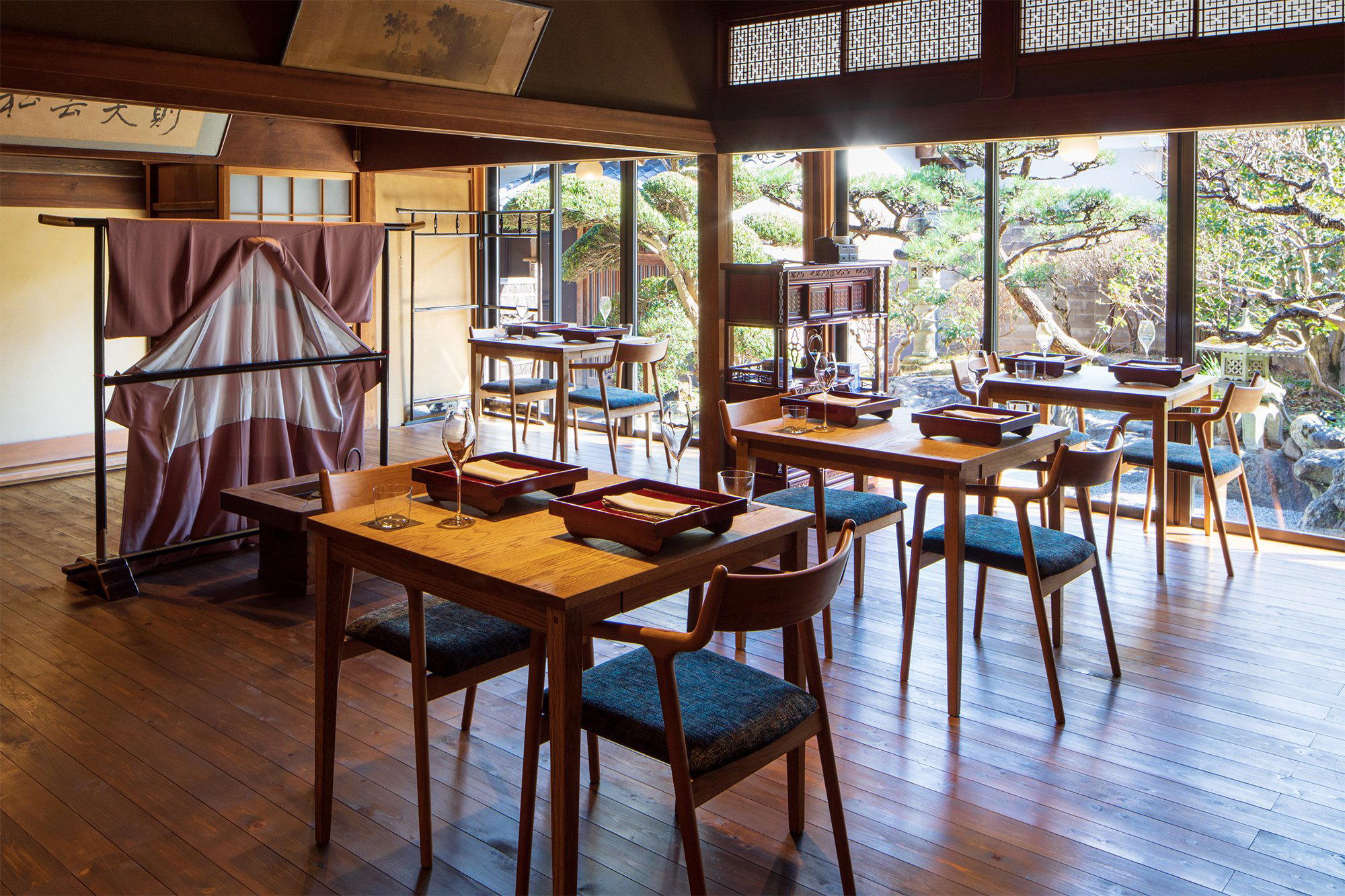
Bars in Nara
All bars in Nara →
Hotels in Nara
All hotels in Nara →
Wineries in Nara
Browse all →
Details
- Intimate
- Elegant
- Minimalist
- Solo
- Special Occasion
- Historic Building
- Sake Program
- Local Sourcing
- Prix Fixe
- Sake
Current opening hours
- Monday
- 12–2 PM, 6:30–9 PM
- Tuesday
- Closed
- Wednesday
- Closed
- Thursday
- 12–2:30 PM, 6:30–9 PM
- Friday
- 12–2:30 PM, 6:30–9 PM
- Saturday
- 12–2:30 PM, 6:30–9 PM
- Sunday
- 12–2:30 PM, 6:30–9 PM
Hours can change for holidays and private events. Last verified .
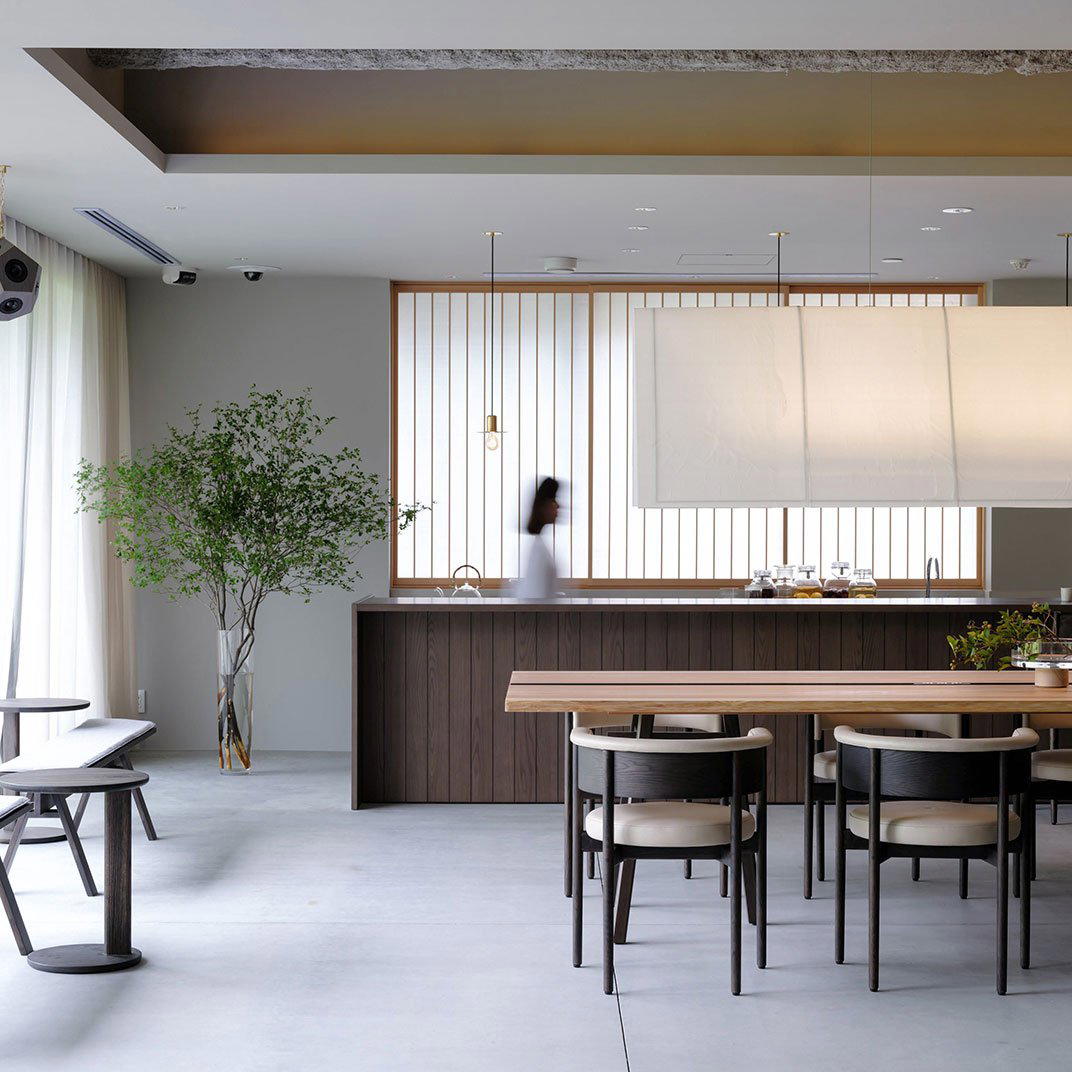
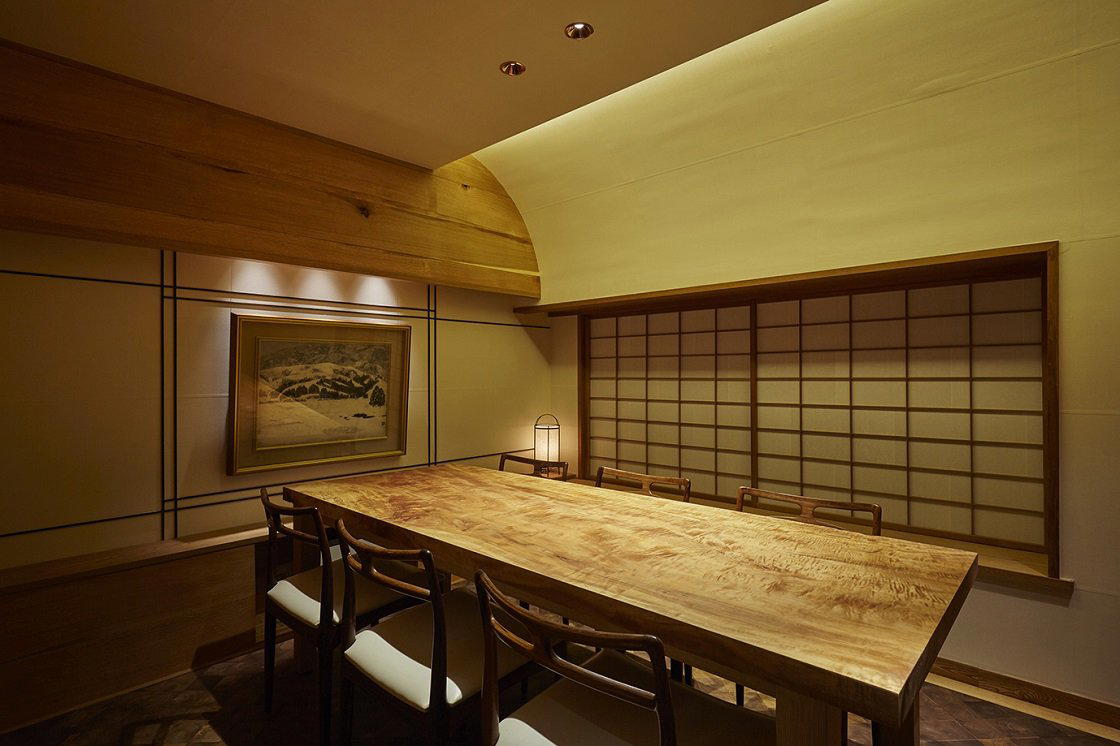
Refurbished traditional Japanese house featuring a reflective black counter that evokes a sophisticated, serene Japanese interior.