Our verdict
Boho Eatery occupies a corner of Nairobi's casual-creative dining tier, where the city's appetite for relaxed, all-day formats has grown steadily alongside its more formal restaurant scene. The name signals an aesthetic and a disposition: unhurried, genre-mixing, oriented toward grazing rather than ceremony. For visitors building an itinerary across the city, it sits in a different register from the game-meat theatre of a place like Carnivore or the polished produce-driven rooms that anchor Karen and Westlands.
The menu
What to order
- Mushroom ceviche
- Crispy chicken tacos
- Vegan cheesecake
- Falafel platter
Where Nairobi Eats Without Ceremony
Nairobi's dining scene has been splitting along a familiar axis for the better part of a decade. On one side, a tier of destination restaurants with formal architecture, tasting formats, and international reference points. On the other, a growing cohort of casual-creative rooms that resist that gravity entirely, preferring loose menus, open hours, and a tone closer to a well-stocked neighbourhood kitchen than a curated dining event. Boho Eatery belongs to the second group, and in a city where the middle ground between street-food informality and fine-dining ceremony is genuinely contested, that placement matters.
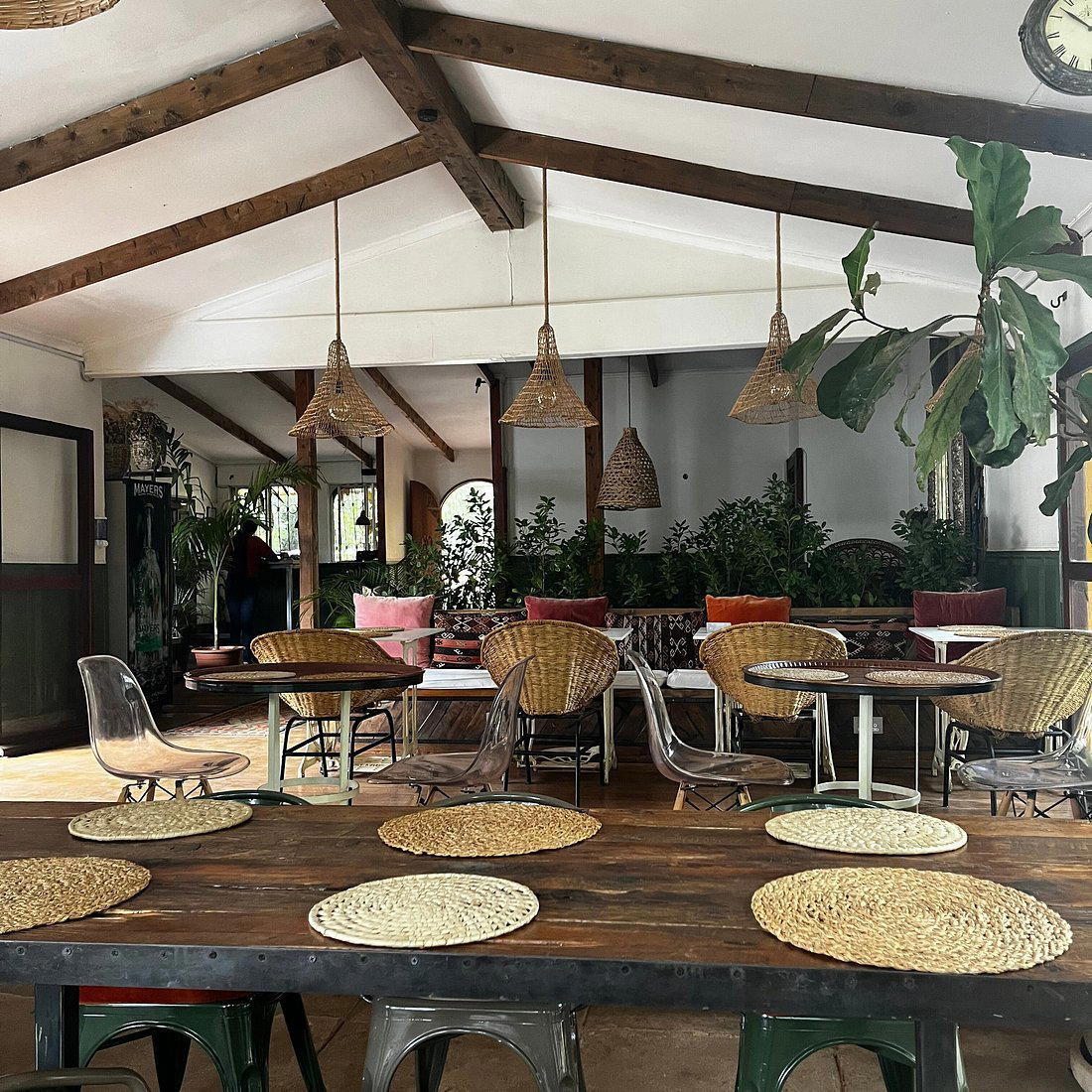
The name itself is a category signal. Bohemian as aesthetic shorthand has a specific meaning in the context of Nairobi's restaurant culture: it tends to indicate spaces where the design draws on craft materials and local texture rather than imported luxury finishes, where the music leans atmospheric rather than ambient, and where the menu is structured around flexibility rather than a fixed progression. Whether Boho Eatery hits all of those marks depends on information not publicly available at the time of writing, but the branding sits squarely within that genre. For context on how Nairobi's casual-creative tier compares across neighbourhoods, the full Nairobi restaurants guide maps the scene in more detail.
Menu Architecture as Editorial Statement
In the casual-creative segment, a menu's structure often communicates more than its individual dishes. Venues in this tier tend to organise food around sharing plates, day-part flexibility, or a loose global-local hybrid logic, rather than the starter-main-dessert orthodoxy that still governs most formal dining rooms. That structural choice is itself an argument: it tells the reader how the kitchen wants the meal to move, and it tells the diner how much agency they have over pacing and portion.
Nairobi's more genre-conscious casual rooms have borrowed from this playbook with varying degrees of commitment. Bao Box leans into a single format as its organising logic, while Artcaffé takes an all-day all-things approach that spreads the menu wide. Arbor Place and About Thyme Restaurant occupy different positions again, the latter skewing toward produce-led plating with a more considered kitchen sensibility. Where Boho Eatery positions itself within that spread is the operative question for anyone choosing between these rooms on a given evening.
The venue's name implies a menu that resists rigid categorisation, which in practice often means a selection that moves across continents without committing to any single culinary tradition. That format works when execution is consistent and sourcing is honest; it struggles when it reads as unfocused. The leading operators in this tier treat the hybrid menu as a discipline rather than a convenience, and the strongest Nairobi examples use local produce as an anchor that gives the broader influences something to push against.
Nairobi's Casual-Creative Context
Understanding where a venue like Boho Eatery fits requires a brief account of how Nairobi's restaurant geography has developed. The city's premium dining has historically concentrated in Karen, Westlands, and the Upper Hill corridor, with Karen in particular home to some of the longer-established destination rooms. Talisman in Karen has held its position as one of the area's consistent reference points for the kind of globally-inflected cooking that Nairobi's internationally-mobile dining public tends to favour.
The casual-creative tier, by contrast, has spread more diffusely across Westlands, Kilimani, and the newer mixed-use developments that have reshaped parts of the city's commercial middle. These spaces compete less on formal reputation and more on regularity: they are the rooms where Nairobi's professional class returns weekly rather than reserving a table for a special occasion. That repeat-visit dynamic changes the priorities of the kitchen. Consistency matters more than ambition; menu evolution needs to be frequent enough to hold attention without alienating the loyal regulars who order the same thing every time.
For travellers arriving from coastal Kenya, the contrast is sharp. A venue like Ali Barbour's Cave Restaurant in Kwale operates within a completely different set of expectations, where the setting is the dominant factor and the menu is secondary to the experience of eating inside a coral cave. The game lodges further afield, including ol Donyo Lodge in Chyulu Hills and Great Plains Mara in Maasai Mara, operate in a category defined by remote-location dining, which has its own logic entirely. Nairobi's urban casual rooms exist at a different register: proximate, repeatable, and judged on whether the kitchen can sustain quality across a broad menu without anchoring to any single showpiece.
The Broader Comparison Set
Nairobi is increasingly referenced alongside other African capitals as a city where a genuinely urban restaurant culture, not just an expatriate dining circuit, has taken shape. That shift changes the competitive dynamics: local diners with high standards and international frame-of-reference are a more demanding audience than the historically expatriate-heavy restaurant public. The casual-creative tier is where this audience tends to self-sort, because it offers the flexibility and price accessibility that weekly dining requires, without the ceremony that signals a special occasion.
Globally, the menu-architecture decisions that define this tier have been most visibly refined in cities like San Francisco, where venues like Lazy Bear have pushed format experimentation to its limit, or in New York, where the tasting-menu precision of a room like Atomix sits at the opposite pole from the casual sharing-plate rooms that fill the middle of the market. Nairobi's version of this spectrum is compressed, but the same basic tensions apply: between ambition and accessibility, between global reference and local identity, between the flexibility diners want and the focus kitchens need.
At the formal end of Nairobi's own range, Carnivore remains the city's most distinctive format, built around a theatrical meat-carving tradition that has few direct equivalents on the continent. Boho Eatery is not in that conversation. It occupies a quieter, more quotidian register, which is exactly where much of the interesting development in Nairobi's dining culture is happening.
Planning a Visit
As with most venues in Nairobi's casual-creative tier, walk-in access is more likely than at the city's formal rooms, but confirming availability before arriving, particularly on weekends when this segment draws its strongest covers, is advisable. Nairobi's traffic patterns make timing relevant: lunch on a weekday runs more smoothly than an early-evening arrival that coincides with the city's peak congestion. For a broader view of what the city's restaurant scene offers across formats and neighbourhoods, the full Nairobi guide covers the range from the coastal-adjacent rooms to the long-standing Karen institutions. Internationally, context on how destination restaurants at different levels approach menu structure can be found at venues like Le Bernardin in New York City, Emeril's in New Orleans, and HAJIME in Osaka, each of which represents a distinct approach to the question of how a menu communicates intent. For Europe's more produce-driven end of that spectrum, Dal Pescatore in Runate and Atelier Moessmer Norbert Niederkofler in Brunico are instructive reference points for what a kitchen can achieve when local sourcing is treated as the primary architectural decision rather than an afterthought. Also worth noting on the Kenya coast: Funky Monkey in Ukunda represents the casual-beach end of the spectrum that Nairobi's urban casual rooms indirectly compete with for the attention of visitors spending time in both locations.
Frequently asked questions
Where is Boho Eatery in Nairobi?
Boho Eatery is located at Nairobi, Kenya, Nairobi.
How does Boho Eatery fit into Nairobi's wider shift toward locally-rooted, urban restaurant culture?
Nairobi has been referenced alongside other African capitals as a city developing a genuinely urban restaurant culture, one no longer defined primarily by hotel dining rooms or expatriate demand. Boho Eatery sits within the casual-creative tier that has driven much of that shift, a segment where menu flexibility and an informal tone have replaced the formality that once dominated Nairobi's premium dining conversation. That context matters when assessing the venue: its significance is partly in what it represents about where the city's food culture is moving, not only what it serves.
What is Boho Eatery known for?
Boho Eatery is associated with Nairobi's casual-creative dining segment, a tier that has grown substantially over the past decade as the city's restaurant culture moved beyond the expatriate-focused and hotel-anchored model. Venues in this space trade on flexible menus and a relaxed tone that sits outside the formality of Nairobi's destination dining tier. That positioning connects it to a broader shift in how urban Nairobi eats.
How does Boho Eatery handle allergies?
Across Nairobi's restaurant scene, the most dependable approach is to check the venue's official channels ahead of your visit and confirm specific requirements in detail. That applies whether the concern is a severe allergy or a dietary preference.
Is Boho Eatery good value for money?
Within Nairobi's casual-creative segment broadly, this dining tier sits below the city's formal destination restaurants on price, with meals typically structured to allow flexible spending across smaller dishes rather than fixed tasting menus. For current pricing, reaching out to the venue directly is the practical step.
Standing Among Peers
| Venue | Cuisine | Price | Awards | Notes |
|---|---|---|---|---|
| Boho EateryThis venue (the venue you are viewing) | Modern Vegan Fusion | Not listed | Not listed | Not listed |
| Carnivore | Kenyan Rodizio Steakhouse | $50–100 | World's 50 Best #50 | African Traditional |
| Chowpaty Fast Foods Ltd | Pure Vegetarian Indian | $10–20 | Not listed | Not listed |
| About Thyme Restaurant | Contemporary Fusion | $20–30 | Not listed | Not listed |
| Arbor Place | Southeast Asian & Italian Fusion | $10–20 | Not listed | Not listed |
| Bao Box | Fusion Casual Dining with Games | Not listed | Not listed | Not listed |
Continue exploring
More in Nairobi
Restaurants in Nairobi
All restaurants in Nairobi →
Details
- Bohemian
- Cozy
- Trendy
- Scenic
- Date Night
- Brunch
- Casual Hangout
- Family
- Garden
- Terrace
- Open Kitchen
- Craft Cocktails
- Local Sourcing
- Garden
- A La Carte
- Small Plates
- Vegetarian Friendly
- Vegan Options
- Gluten Free Options
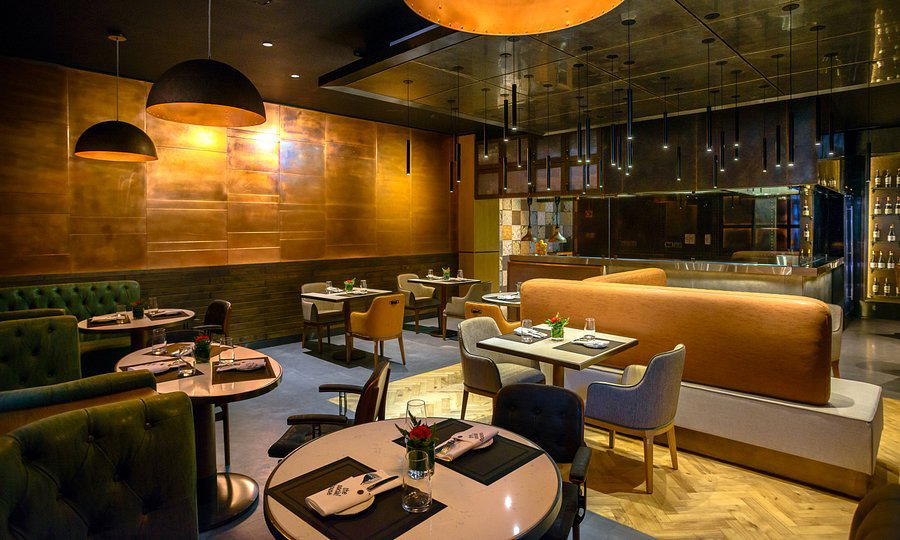
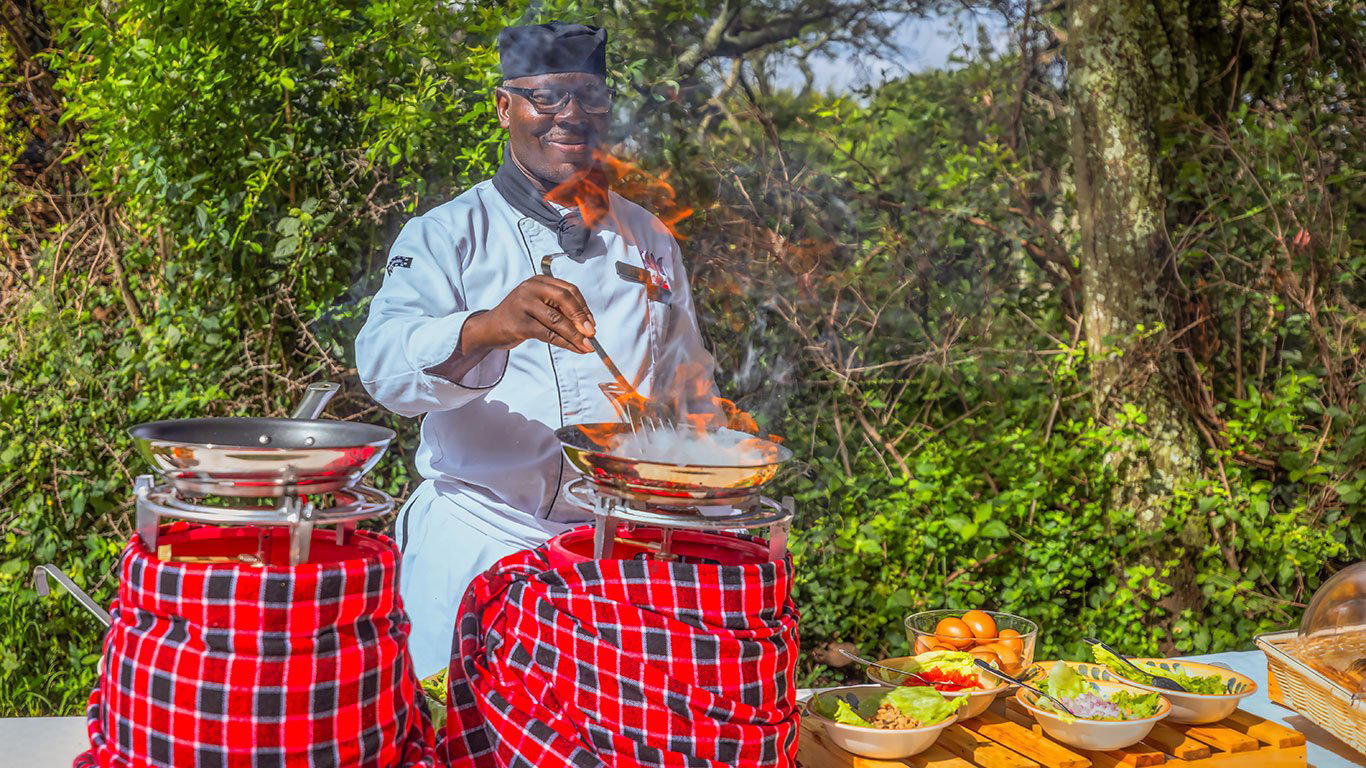
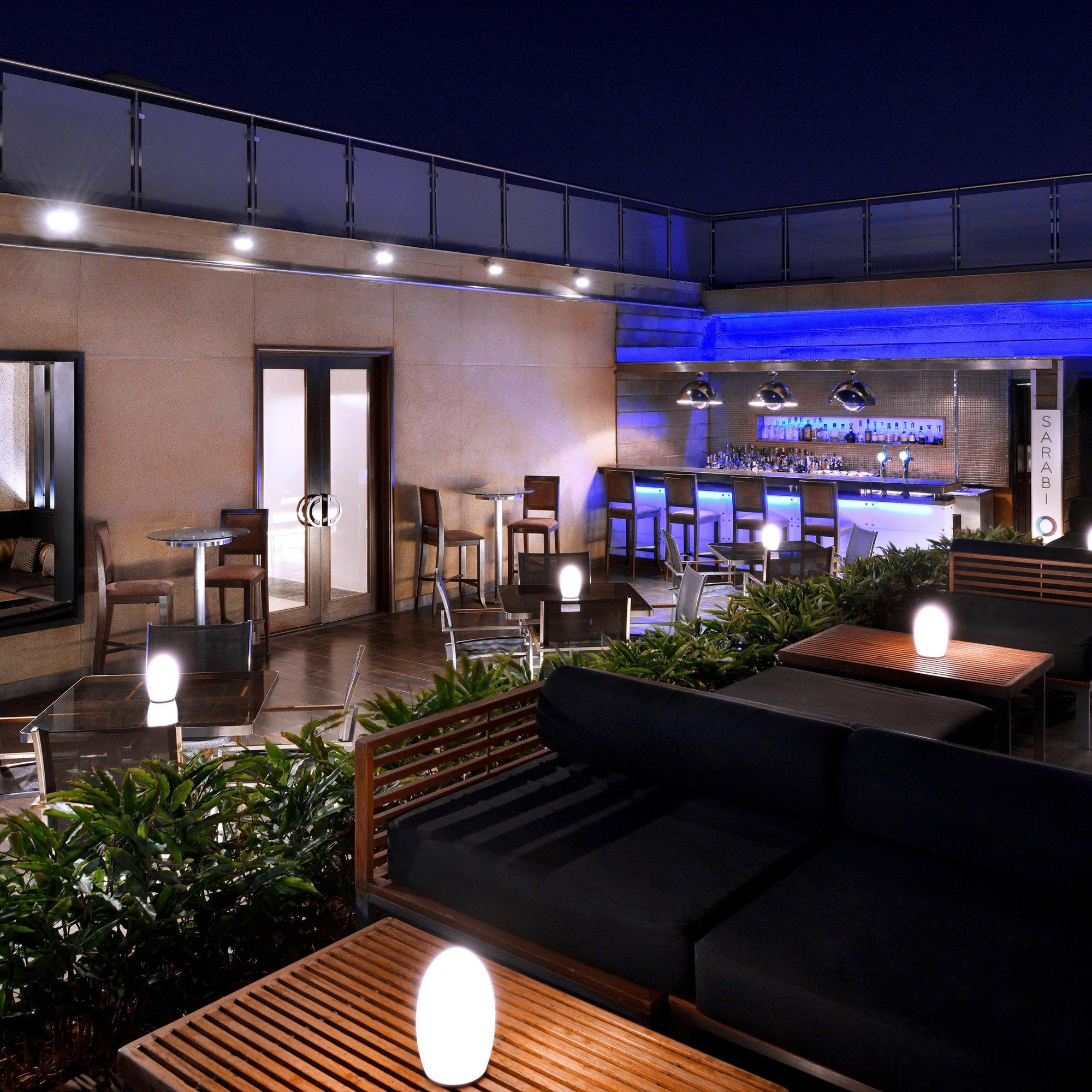
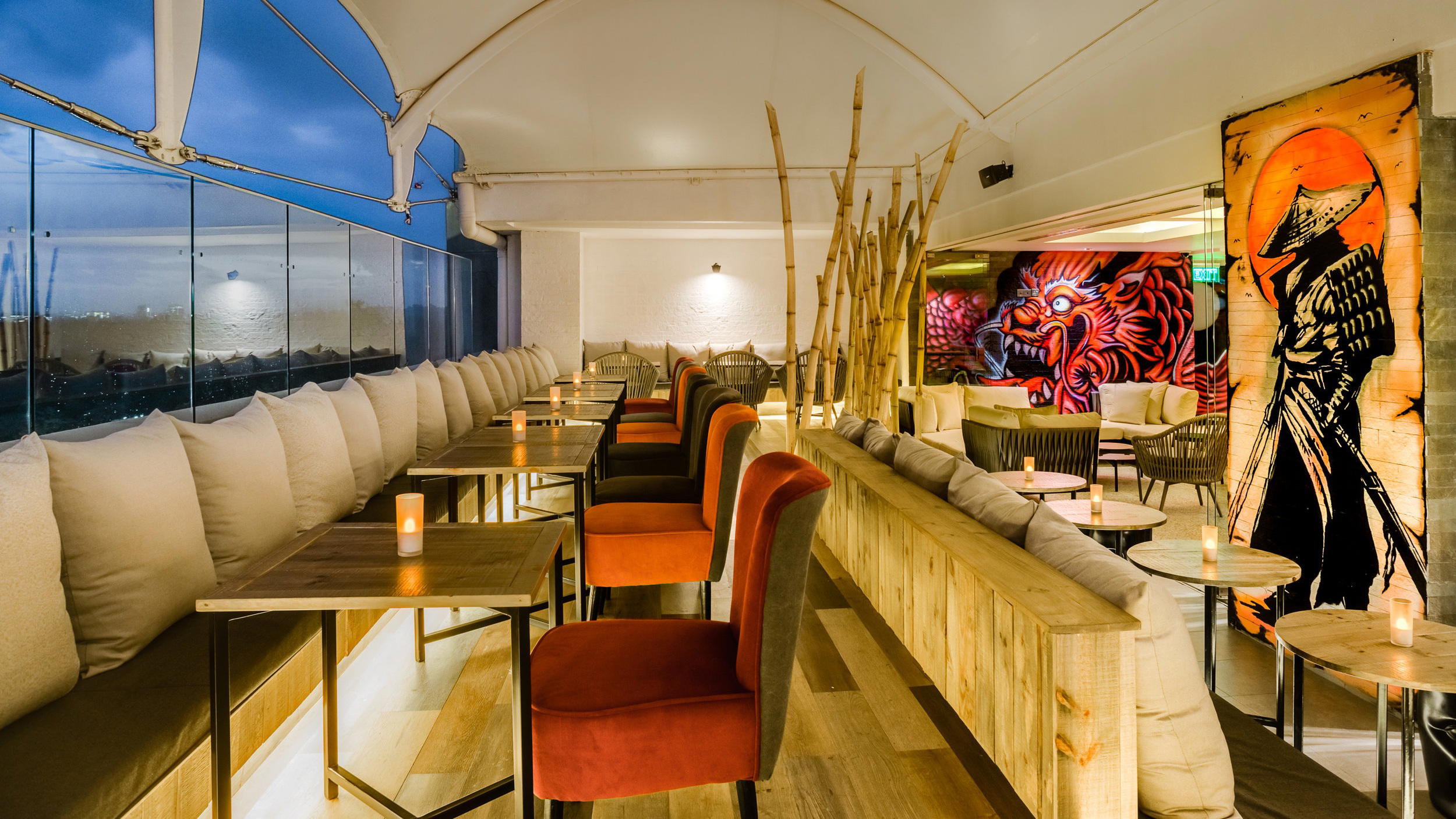
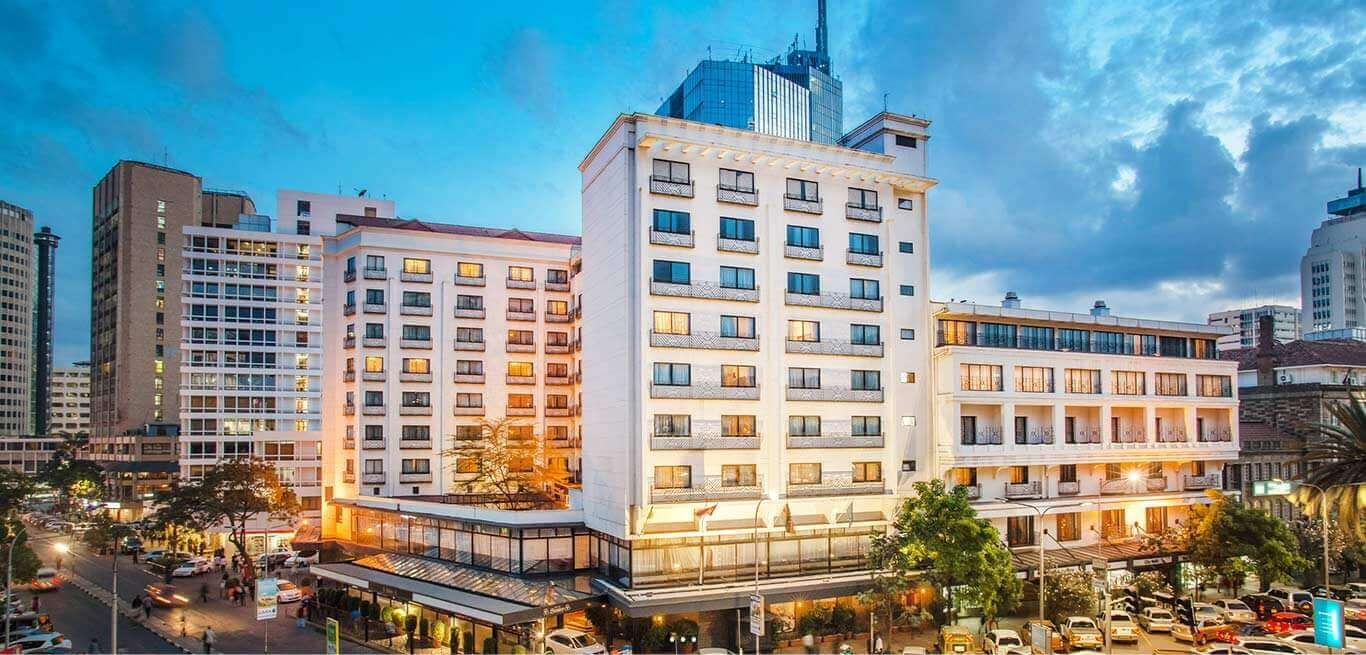
Serene and charming garden setting with lush greenery, outdoor patio, and elegant bohemian atmosphere.