Bodega Prime
On San Felipe Avenue, Bodega Prime occupies a corner of Santa Fe's dining scene where the sourcing conversation matters as much as what ends up on the plate. The restaurant sits in a city that has long treated local agriculture as a point of identity rather than a marketing angle, and Bodega Prime fits that tradition. For visitors working through the city's range of options, it belongs on the shortlist alongside the neighbourhood's more established names.
- Address
- 1291 San Felipe Ave A, Santa Fe, NM 87505
- Phone
- +1 505 303 3535
- Directions
- Get directions
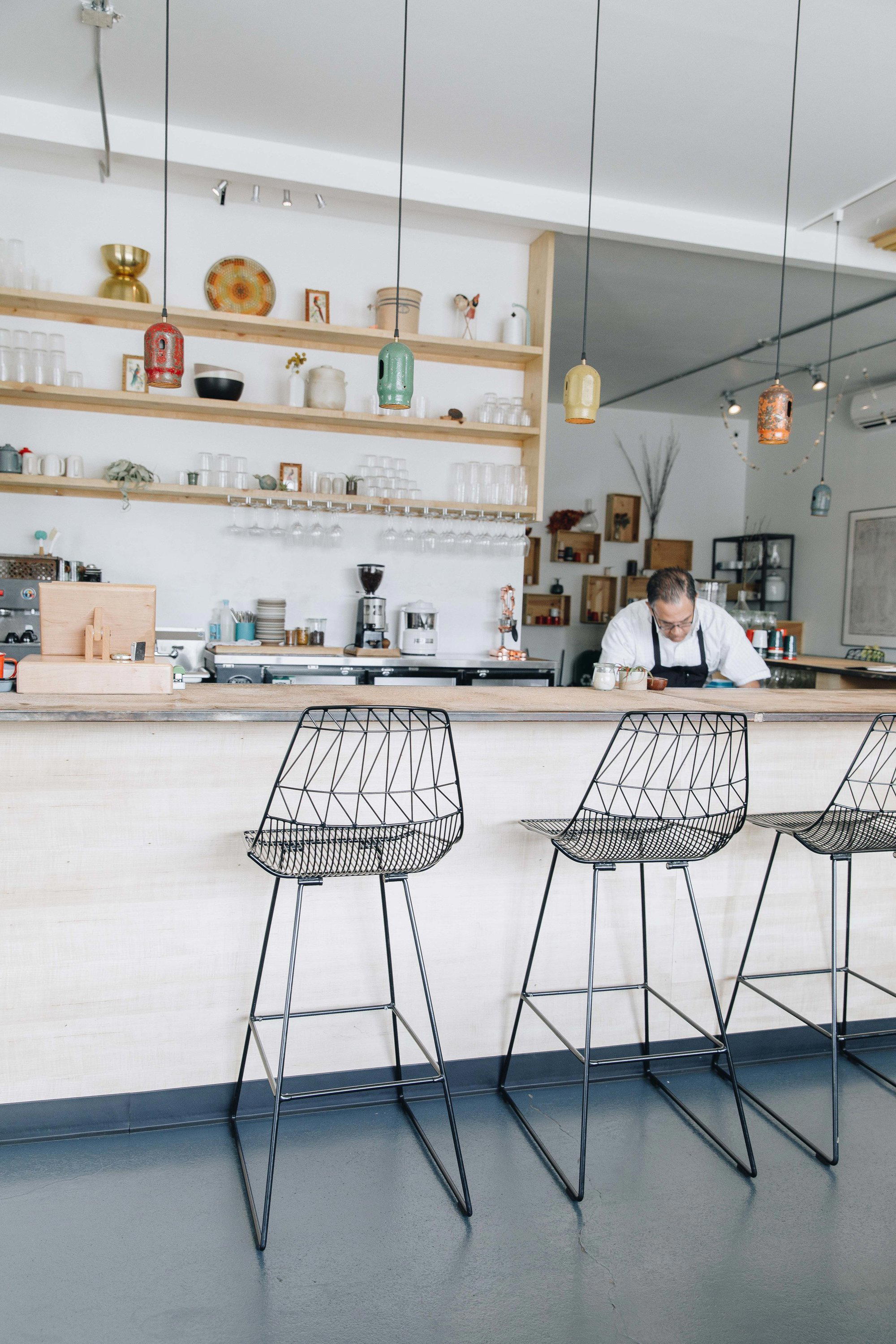
San Felipe Avenue and the Sourcing Argument
Santa Fe has spent decades building a dining identity around the idea that what grows here belongs on the plate here. The green and red chile question, which do you want, or both, or Christmas, is one famous expression of that philosophy, but the sourcing ethic runs deeper than capsaicin debates. It shows up in the way the city's better kitchens have treated New Mexican ranchers, dry farmers, and chile cultivators as primary suppliers rather than supplementary ones. Bodega Prime, at 1291 San Felipe Avenue, enters that conversation from a neighbourhood that sits slightly off the main Plaza circuit, which in Santa Fe usually signals either a destination draw or a genuine neighbourhood anchor.
San Felipe Avenue runs through a stretch of the city that mixes residential blocks with independent retail and a handful of food operations that serve both locals and the kind of visitor who has already done the obvious stops. The address places Bodega Prime at a remove from the densest tourist concentration around Canyon Road and the Plaza, which shapes its atmosphere before you even consider the menu. Restaurants that locate here tend to do so because the rent-to-table ratio makes sense for a program that prioritises what goes into the kitchen over how prominent the address looks on a map.
Where Bodega Prime Sits in Santa Fe's Dining Tiers
Santa Fe's restaurant scene organises itself into roughly three tiers. At the leading, places like Sazón (New Mexican) and 229 Galisteo St operate as full destination restaurants, drawing visitors specifically for their tables and holding their own against serious operations elsewhere in the Southwest. In the middle, a set of dependable neighbourhood operations, Alkemē among them, run consistent programs that reward regulars more than they reward casual passers-by. At the more casual end, Back Road Pizza and Bert's Burger Bowl hold territory that no amount of fine-dining ambition will displace.
The restaurant's positioning within that structure is worth thinking through carefully. The name itself signals something about intention: bodega as a term carries meaning in the American food world that ranges from corner-store utility to wine-focused gathering place, and the word prime adds a layer of deliberate quality signal. That combination suggests a kitchen interested in sourcing and produce quality without necessarily chasing the formal tasting-menu format that defines Santa Fe's upper tier. It is the kind of positioning that, when executed well, tends to build the loyal local following of any tier in a city's dining map.
The Sourcing Argument in New Mexico Context
New Mexico is one of the few American states where agricultural identity and restaurant identity have remained genuinely linked rather than merely marketed as linked. The Hatch Valley's chile harvest, the state's heritage ranching operations, and a dry-farming tradition that produces distinctive beans and corn give kitchens here access to ingredients with genuine provenance specificity. This is the same argument that animates particularly discussed farm-to-table programs in the country: Blue Hill at Stone Barns in Tarrytown has spent two decades making the case that the supply chain is the menu, and Single Thread Farm in Healdsburg runs an integrated farm-restaurant model that prices that argument at the highest tier of American dining.
New Mexico does not need that level of formality to make the same point. The ingredients are already here, embedded in local food culture in a way that California or New York had to manufacture through chef-farmer partnerships and premium positioning. A kitchen on San Felipe Avenue that takes its sourcing seriously has access to materials that restaurants like Smyth in Chicago or Providence in Los Angeles would need to import or approximate. The question for any Santa Fe kitchen in this tier is whether it uses that geographic advantage or treats it as background noise.
The broader American restaurant conversation about ingredient sourcing has moved well beyond the novelty phase. Operations like The French Laundry in Napa, Le Bernardin in New York City, and Addison in San Diego have each made supply chain specificity a central part of their editorial identity, whether through garden integration, named-supplier relationships, or seasonal menu architecture. At the other end of the format spectrum, even particularly regionally focused European programs, Atelier Moessmer Norbert Niederkofler in Brunico treats Alpine-only sourcing as a hard constraint, not a preference, demonstrate that geography-as-menu is a defensible long-term position rather than a trend cycle.
For a venue at the restaurant's address and apparent positioning, that context matters because it sets the bar for what sourcing-serious actually looks like at different price and format points. Comparisons with Lazy Bear in San Francisco, Atomix in New York City, or Emeril's in New Orleans are less about price tier and more about the underlying question: does the kitchen have a point of view about where its food comes from, and does that point of view show up in what arrives at the table? The Inn at Little Washington in Washington has maintained that clarity for decades; it is not a standard distinctive to coastal cities or large markets.
Planning a Visit
The restaurant's address at 1291 San Felipe Avenue puts it in a part of the city that is walkable from several of the major accommodation clusters but sits a comfortable distance from particularly congested visitor areas. That positioning typically means easier street parking than the Plaza corridor and a room that skews more toward regulars and intentional visitors than passing foot traffic.
Fast Comparison
Comparable venues nearby, for context on price, style, and recognition.
| Venue | Cuisine | Price | Notes |
|---|---|---|---|
| Bodega PrimeThis venue — the venue you are viewing | Southwestern Farm-to-Table | $$ | Not listed |
| Counter Culture | Eclectic American Comfort Food | $$ | Baca Street |
| Joe's Dining | European-influenced American Comfort Food | $$ | Rodeo Plaza |
| Restaurant Martin | Progressive American Fine Dining | $$$ | Downtown |
| Santa Fe Bite | New Mexico Green Chile Cheeseburgers | $$ | St. Michael's Village West |
| Mucho Gourmet Sandwich Shoppe | Gourmet American Sandwiches | $$ | St. Michael's Village |
At a Glance
- Intimate
- Cozy
- Casual Hangout
- Brunch
- Open Kitchen
- Farm To Table
- Local Sourcing
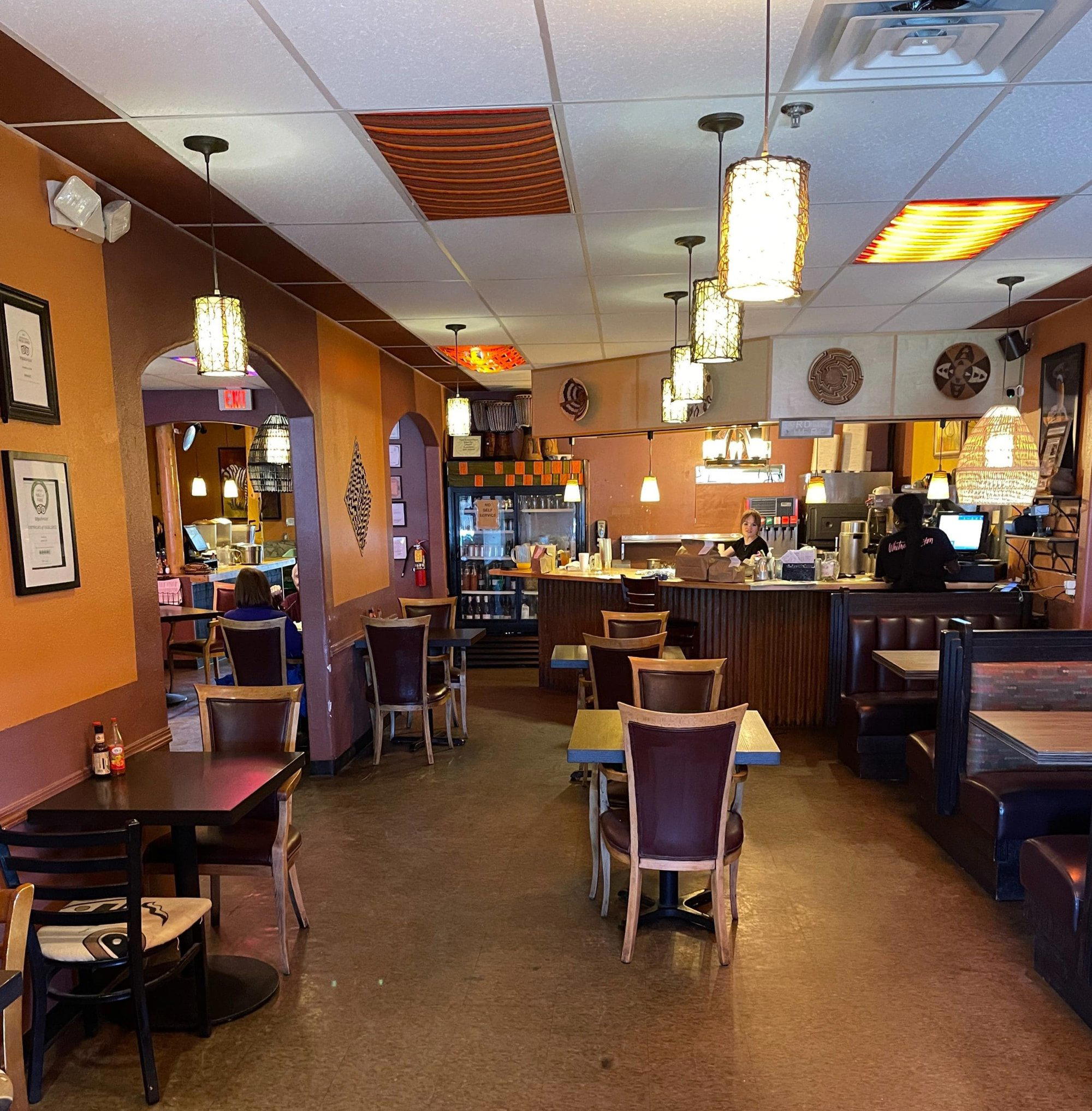
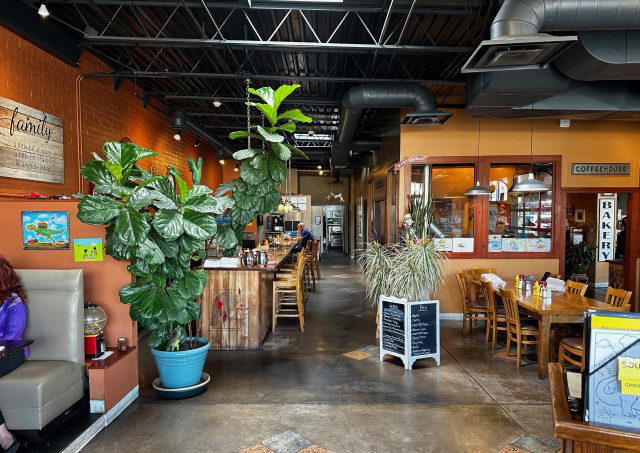
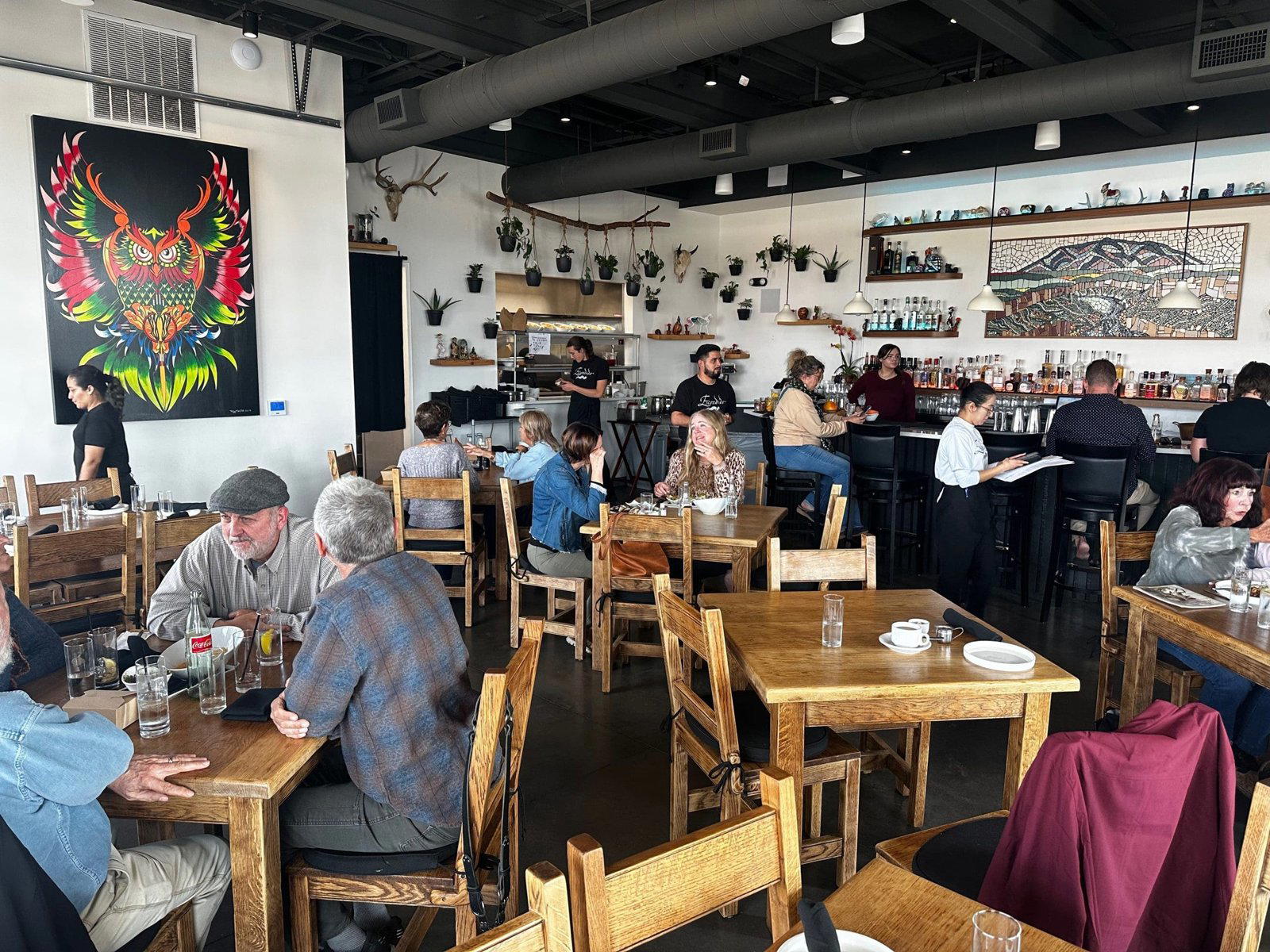
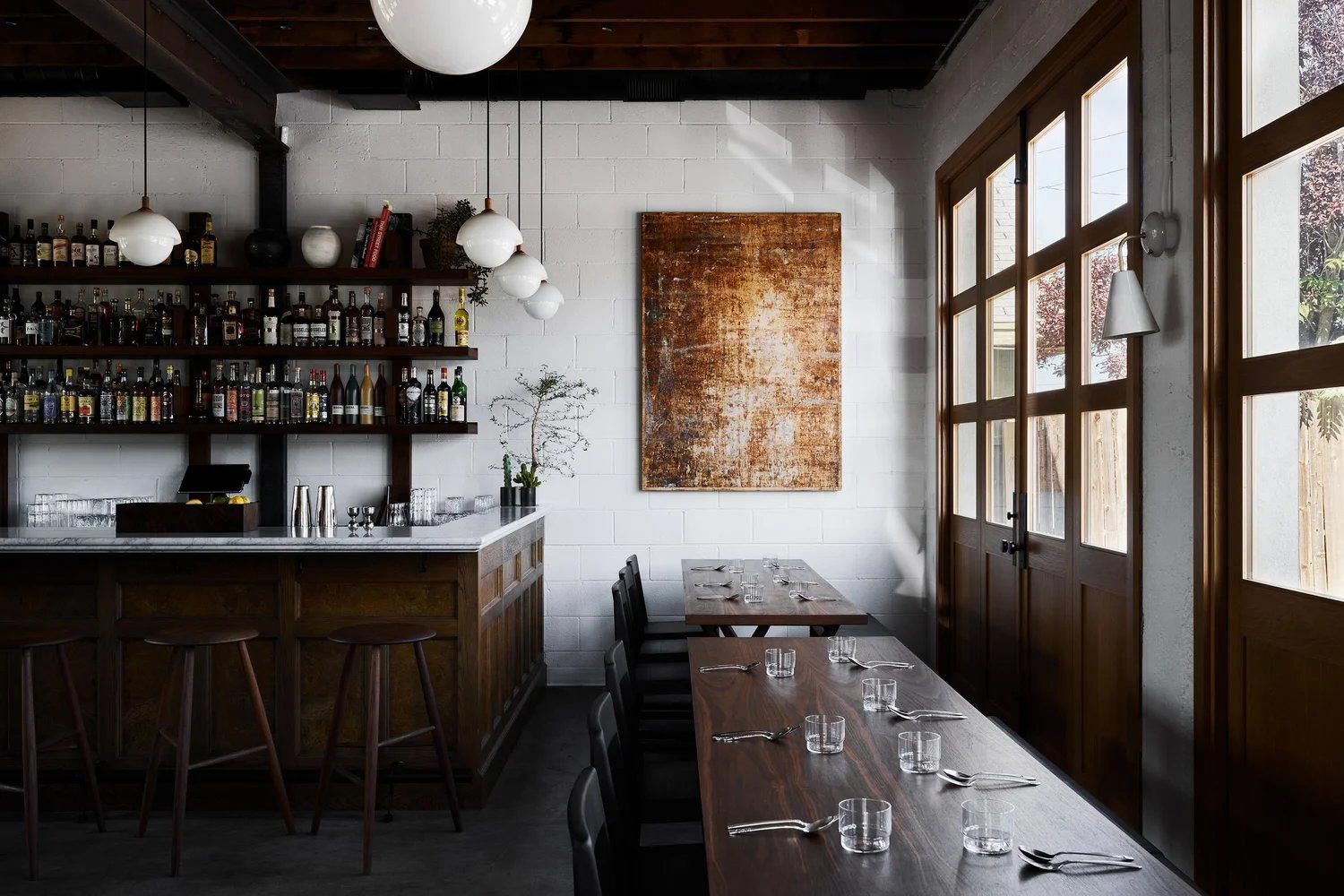
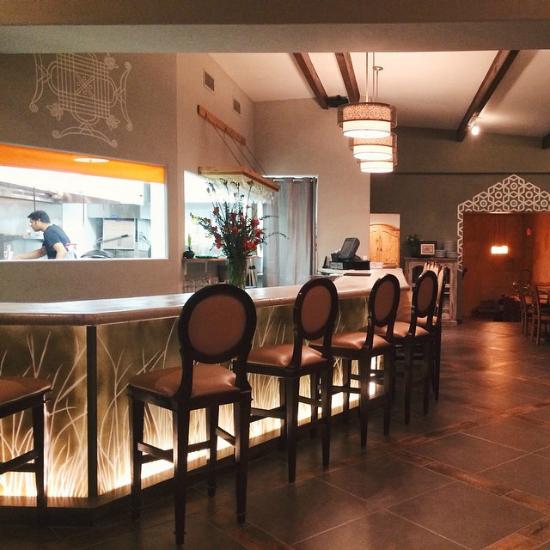
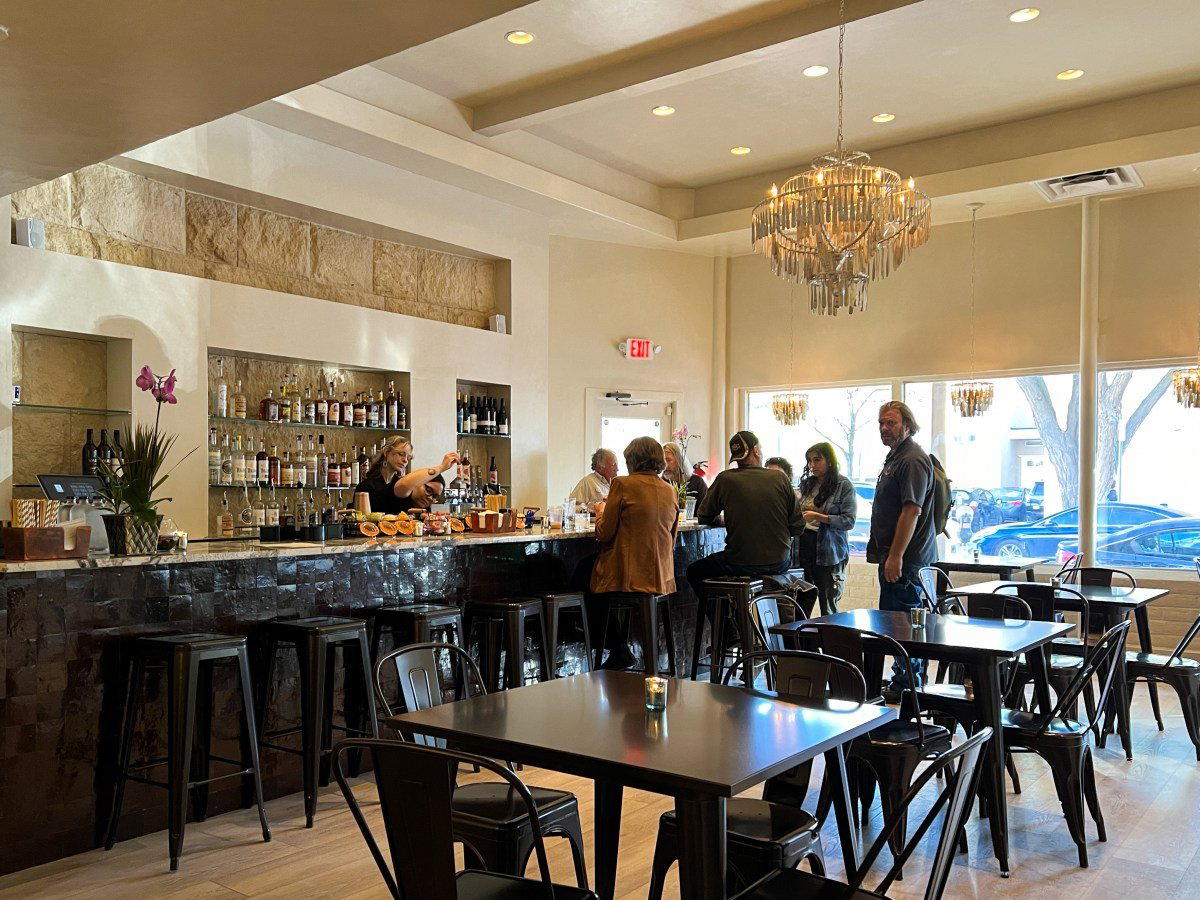
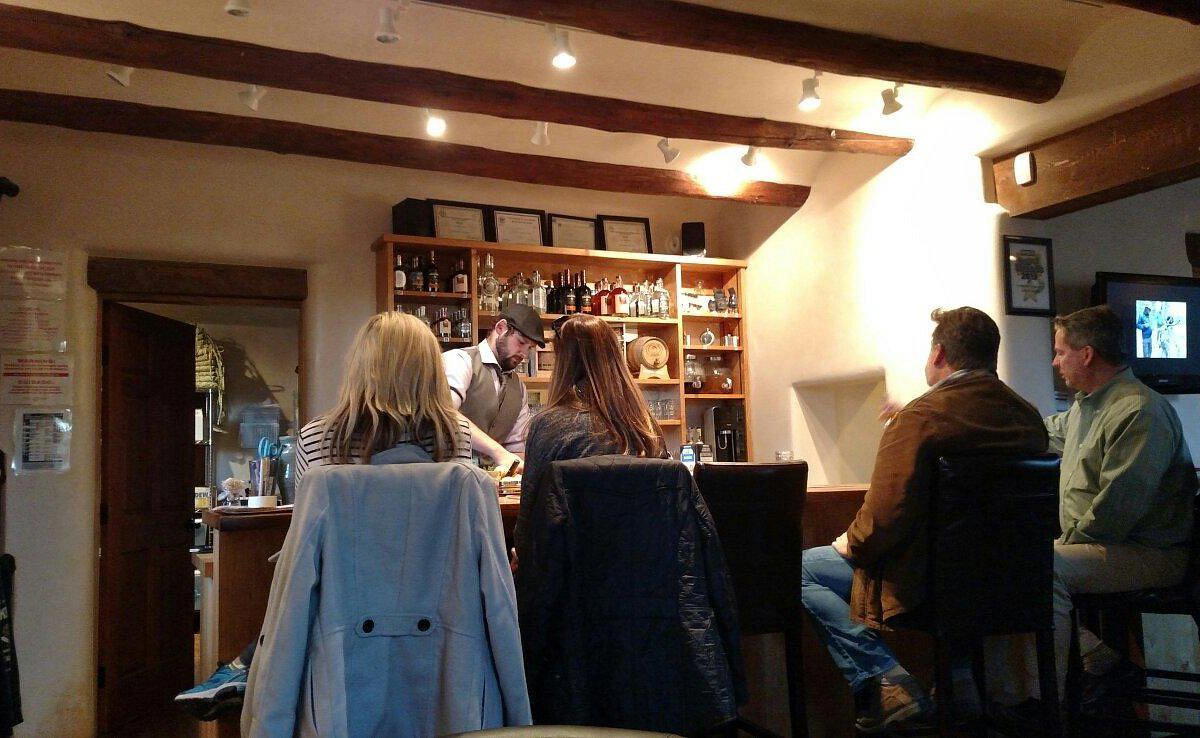
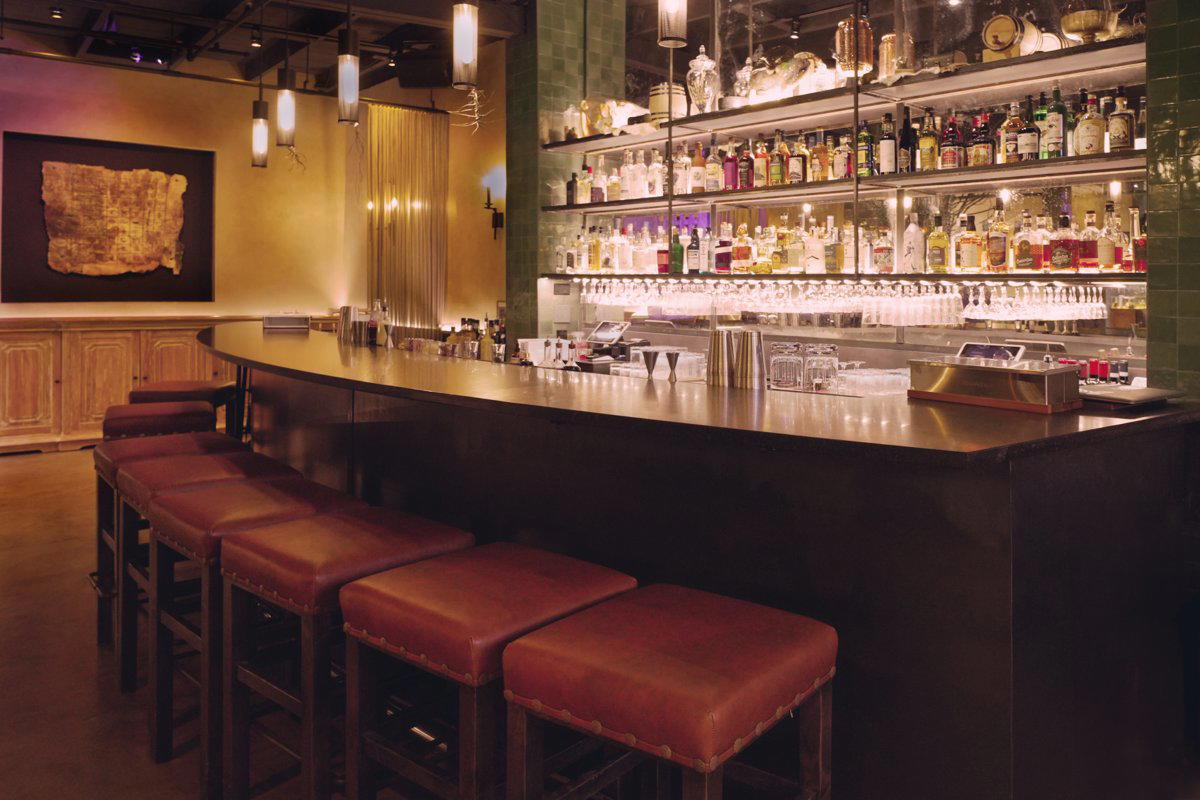
Intimate social setting with open kitchen and counter seating for watching preparation.