Hotel Santa Fe, Hacienda & Spa
Hotel Santa Fe, Hacienda & Spa sits at 1501 Paseo De Peralta in a city where adobe architecture and Indigenous heritage define the hospitality character. The hacienda format positions it within Santa Fe's mid-to-upper tier of independently spirited properties, where spa programming and New Mexican design tradition carry as much weight as thread count. For travelers arriving to decompress in high-altitude desert air, it occupies a specific and considered niche.
Pearl is the En Primeur Club membership app — saves, bookings, and concierge access live there. Same editors, same standards.
- Address
- 1501 Paseo De Peralta, Santa Fe, NM 87501
- Phone
- +1 855 825 9876
- Website
- hotelsantafe.com
- Directions
- Get directions
 Saves & bookings on Pearl
High Desert, Unhurried: The Retreat Logic of Santa Fe's Hacienda Hotels
Santa Fe sits at 7,000 feet, and that elevation is not incidental to how its hotels function. The thin air slows you down before the lobby does. In a city where the pace of the plaza, the weight of Indigenous artistic tradition, and the particular quality of afternoon light on adobe walls all conspire to recalibrate the visitor, hotels that lean into the retreat format tend to outperform those that simply offer rooms. Hotel Santa Fe, Hacienda & Spa at 1501 Paseo De Peralta occupies that retreat orientation, positioning itself as a hacienda-format property where the spa and the architectural vernacular carry the experience as much as the service tier does.
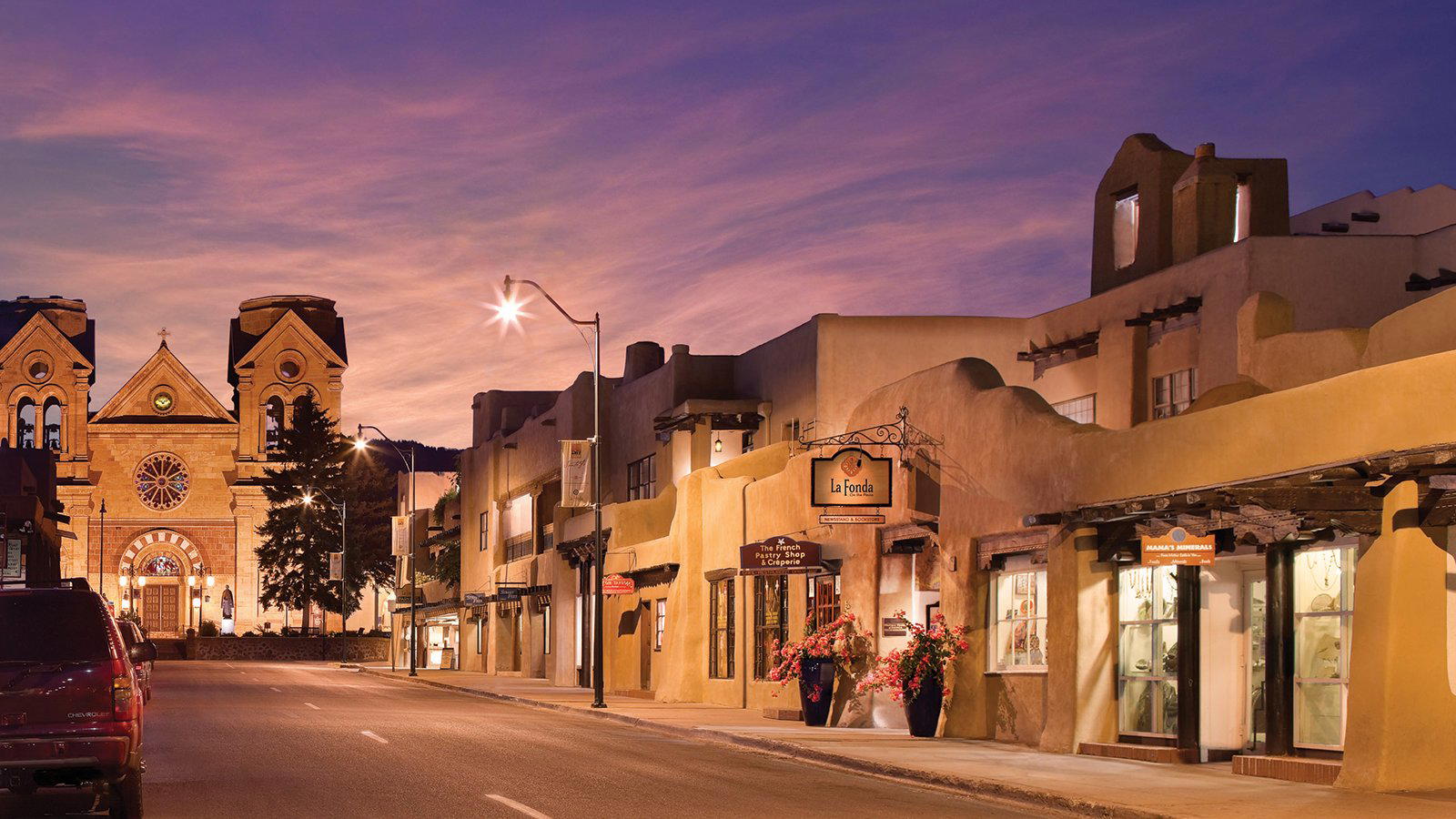
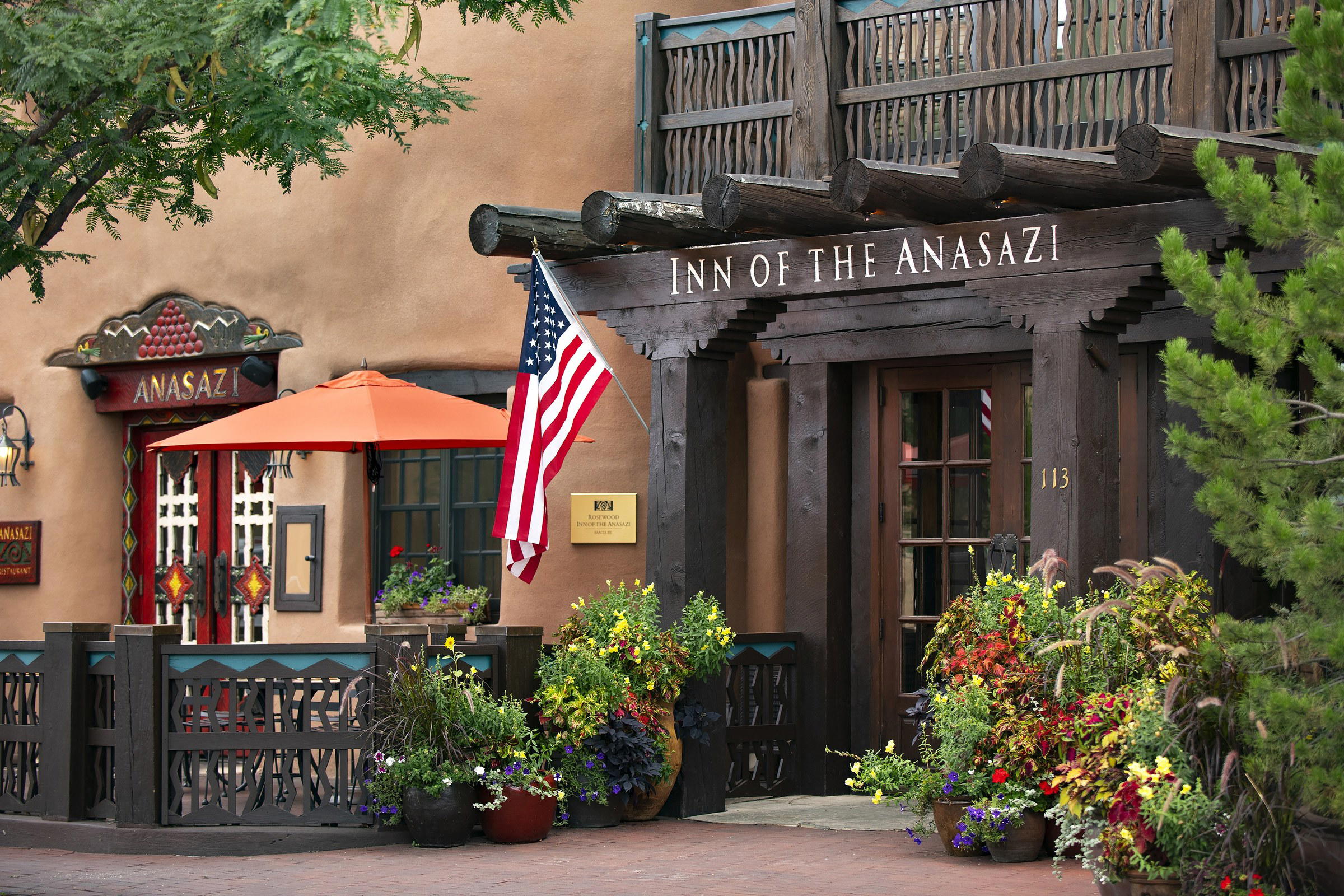
That hacienda designation matters in Santa Fe more than it might in other American cities. The hacienda typology here connects directly to the city's colonial Spanish land-grant history and to the Pueblo Revival architectural movement that codified adobe construction as the city's dominant visual language in the early twentieth century. A property using that framing is making a claim about rootedness in place, and Santa Fe's travelers tend to read that claim carefully. The city has enough history-adjacent theming to make the distinction between authentic engagement and surface decoration legible to anyone who has spent more than a day walking Canyon Road or the Palace of the Governors.
The Wellness Frame in a High-Altitude Desert City
Spa-forward hospitality in Santa Fe operates in a specific cultural register that differs from coastal or mountain wellness destinations. The reference points here are Indigenous healing traditions, the clean desert air, and the long tradition of artists and seekers who came to northern New Mexico specifically for what they described as a restorative quality in the environment. That cultural backdrop gives spa programming in this city a grounding that purely amenity-driven wellness properties in other markets sometimes lack.
The Southwest wellness corridor runs from Canyon Ranch Tucson in Tucson northward through New Mexico, and Santa Fe sits at a particularly legible point on that axis, where the desert landscape, the altitude, and the city's established art-and-contemplation identity make the case for slowing down almost automatically. Properties that align their spa offer with that environmental argument tend to feel more coherent than those that import generic wellness programming without local grounding.
For guests arriving from high-pressure urban contexts, the hacienda format itself functions as part of the wellness architecture. Courtyard-oriented layouts, natural material palettes, and the absence of the vertical scale common to city hotels all contribute to a decompression effect that begins before any treatment is booked. Compare this to properties like Amangiri in Canyon Point or Post Ranch Inn in Big Sur, where the physical environment does significant therapeutic work simply by existing around the guest. The hacienda model in Santa Fe operates on a related principle at a different price point and urban scale.
Santa Fe's Hotel Competitive Set: Where the Hacienda Sits
Santa Fe's premium hotel market divides broadly into three cohorts. The first is the nationally flagged luxury tier, represented by properties like the Four Seasons Resort Rancho Encantado Santa Fe on the city's northern edge, which brings international service standards and significant amenity depth to a landscape setting. The third is the spa-and-hacienda tier, where the wellness programming and the residential-scale design are the organizing logic.
Hotel Santa Fe, Hacienda & Spa occupies that third category. Its comparable set includes Inn and Spa at Loretto and La Posada de Santa Fe, a Tribute Portfolio Resort & Spa, both of which combine Santa Fe's adobe design tradition with spa infrastructure aimed at guests whose primary motivation is restorative rather than purely sightseeing. Bishop's Lodge, Auberge Resorts Collection occupies a related space with greater land acreage and the programming depth of the Auberge brand behind it.
Within that cohort, the Paseo De Peralta address places Hotel Santa Fe in a walkable but not-quite-central position. Paseo De Peralta is the road that loops the historic district, which means the property sits close enough to Canyon Road and the plaza to make both accessible on foot while sitting slightly removed from the tourist density of the core. That positioning suits the retreat logic: proximate to the city's cultural assets without being inside the foot-traffic of the main commercial zone. Guests who want to walk to the Georgia O'Keeffe Museum or the New Mexico Museum of Art can do so without booking a car, but the property does not feel like an extension of the plaza hotel experience.
Planning a Stay: What to Know Before You Book
Travelers considering the northern New Mexico wellness corridor will find useful reference points in comparing Santa Fe properties against destination spa experiences further afield: Little Palm Island Resort & Spa in Little Torch Key and Sage Lodge in Pray represent the remote-immersion model, while urban-adjacent retreat properties like Hotel Santa Fe offer the option of cultural programming alongside the spa schedule. That combination, where a guest might spend a morning in a treatment room and an afternoon at a gallery opening on Canyon Road, is a specifically Santa Fe proposition that few other American cities can match at this altitude and in this cultural density.
For guests comparing spa-forward stays across the American Southwest and beyond, the broader portfolio covers properties from Kona Village, A Rosewood Resort in Kailua Kona to Four Seasons at The Surf Club in Surfside, and for travelers whose itinerary extends beyond the Southwest, Troutbeck in Amenia, Raffles Boston in Boston, and Hotel Bel-Air in Los Angeles represent the broader range of retreat-minded hospitality across the country. For those extending their travels to European or international destinations, Aman Venice in Venice, Badrutt's Palace Hotel in St. Moritz, and Aman New York in New York City sit in a comparable premium-retreat orientation, albeit in markedly different cultural registers.
Accolades, Compared
Comparable venues nearby, for context on price, style, and recognition.
| Venue | Cuisine | Price | Awards | Notes |
|---|---|---|---|---|
| Hotel Santa Fe, Hacienda & SpaThis venue — the venue you are viewing | Pueblo-style hacienda with Native American cultural immersion | $$$ | 4-Star | Not listed |
| La Fonda on the Plaza | Historic Pueblo Revival with authentic New Mexican cultural elements. | $$$ | 4-Star | Santa Fe Plaza |
| Inn on the Alameda | Pueblo-style adobe architecture blended into residential neighborhood with courtyards and authentic southwestern design elements. | $$$ | 3-Star | Downtown Santa Fe |
| Inn and Spa at Loretto | Historic boutique resort epitomizing northern New Mexico culture with artist design and internationally prominent accommodations | $$$$ | 4-Star | Downtown Santa Fe |
| La Posada de Santa Fe, a Tribute Portfolio Resort & Spa | Historic Southwestern resort with Pueblo Revival adobe casitas | $$$$ | 4-Star | downtown |
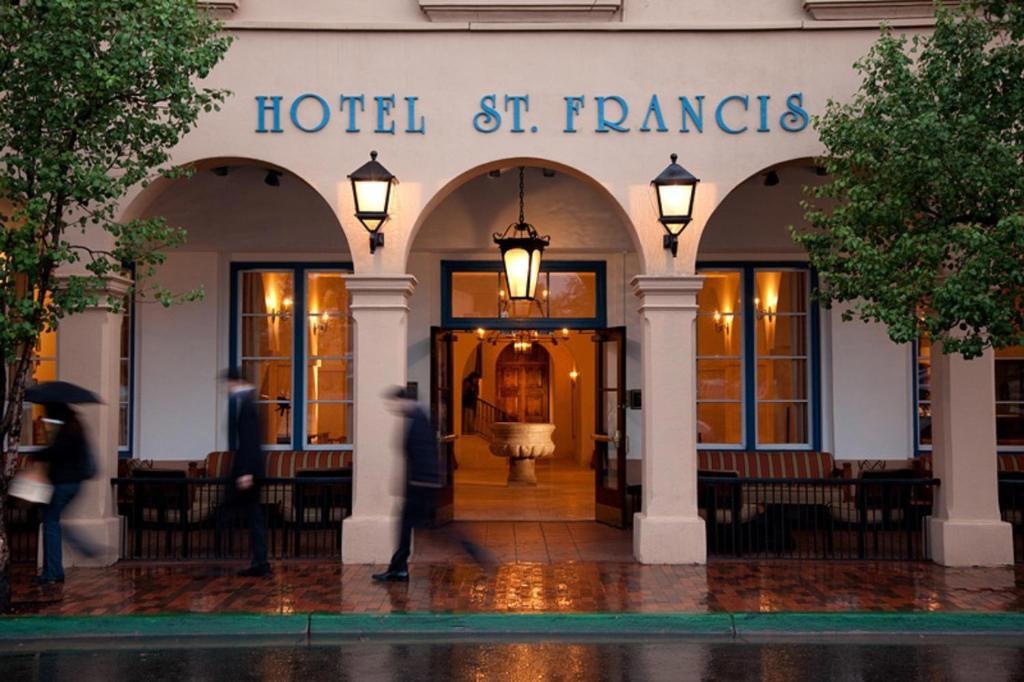
| Hotel St. Francis | Historic boutique hotel with Franciscan monastery theme and Mission Revival architecture. | $$ | 3-Star | Downtown |
At a Glance
- Rustic
- Scenic
- Cozy
- Elegant
- Romantic Getaway
- Wellness Retreat
- Weekend Escape
- Historic Building
- Panoramic View
- Destination Spa
- Terrace
- Spa
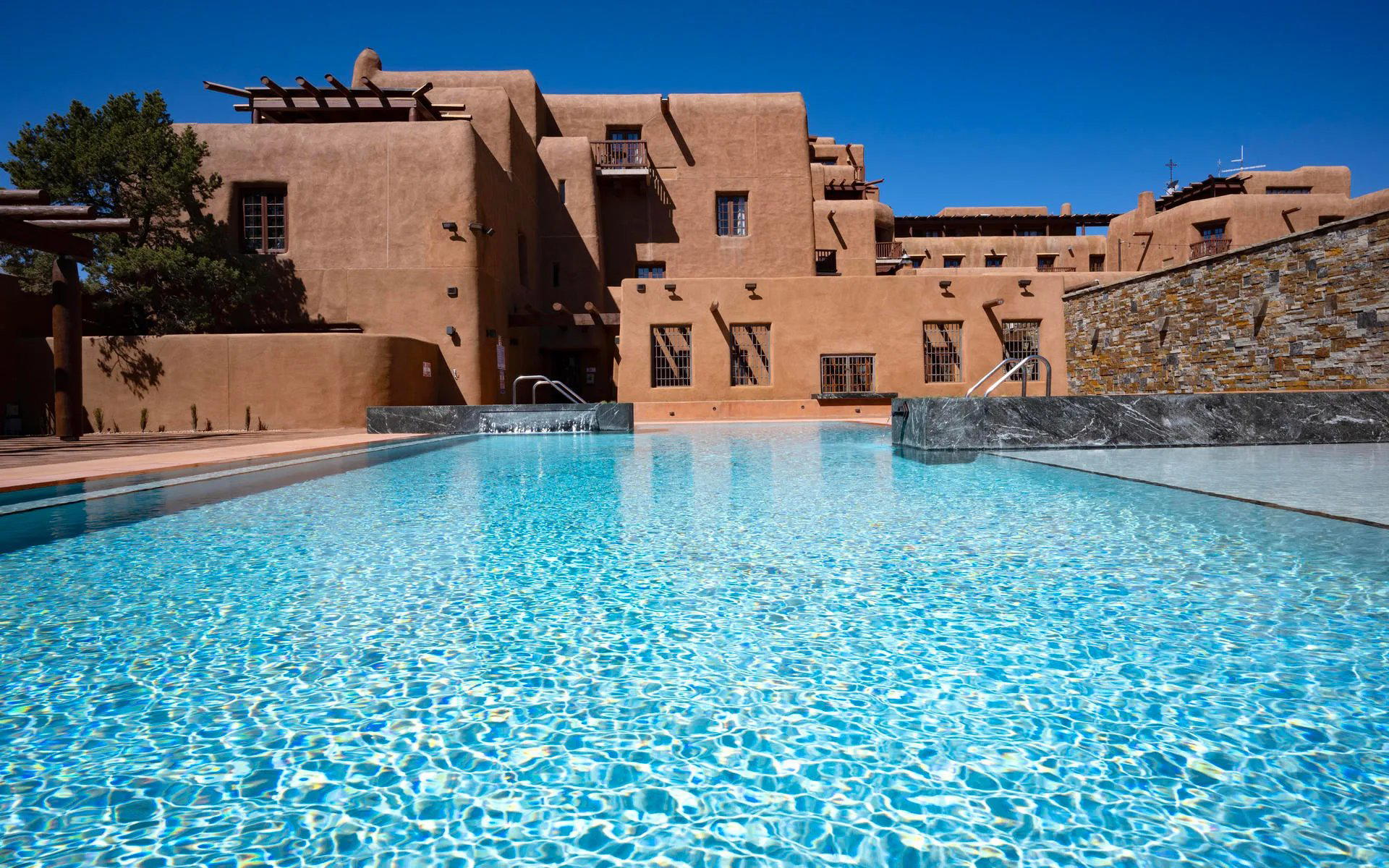
- Pool
- Fitness Center
- Wi Fi
- Room Service
- Concierge
- Pet Friendly
- Mountain
- Garden
- Spa
- Pool
- Fitness Center
- Wi Fi
- Room Service
- Concierge
- Pet Friendly
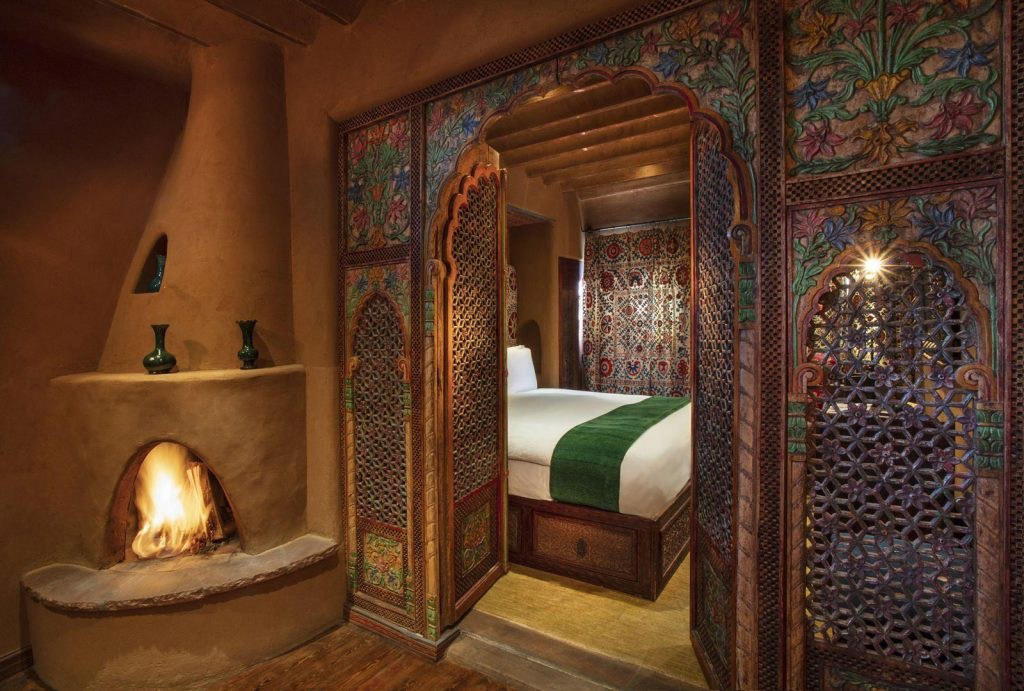
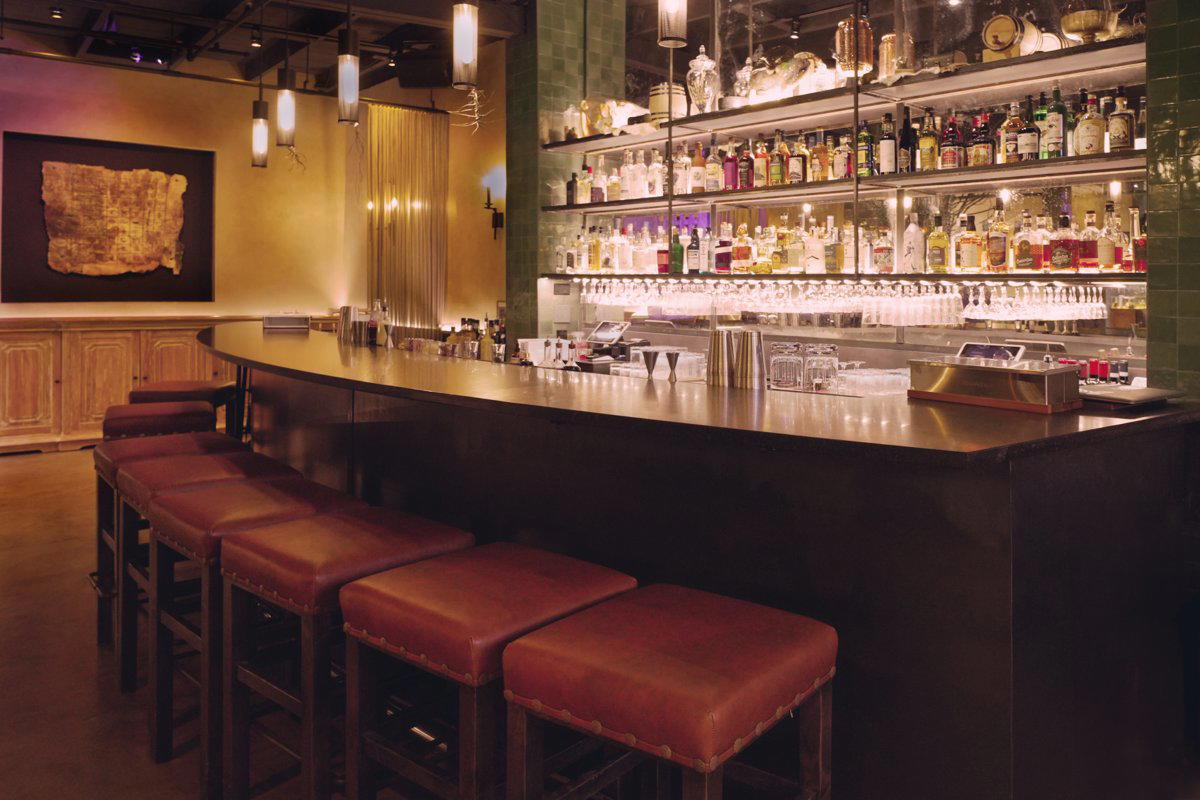
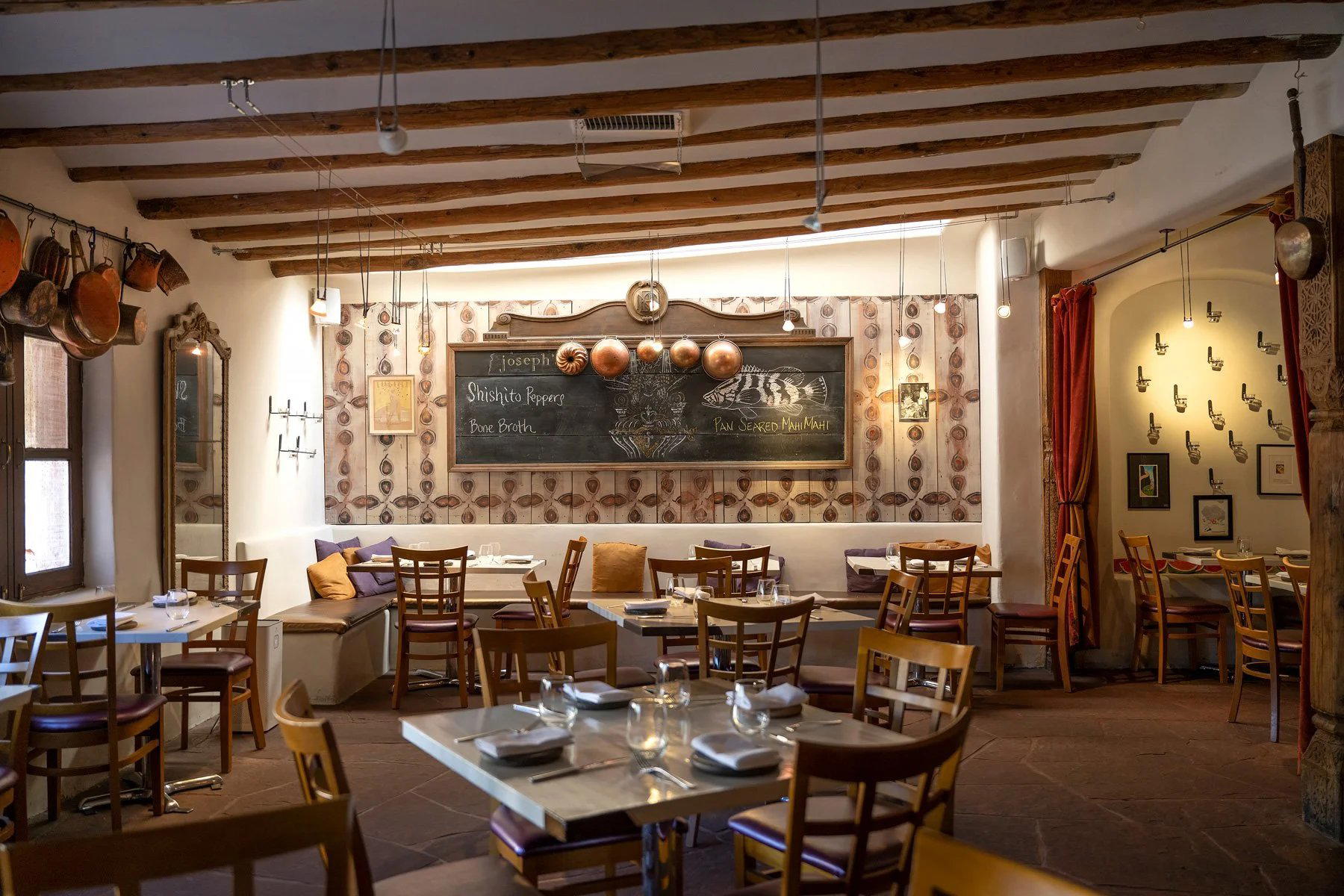
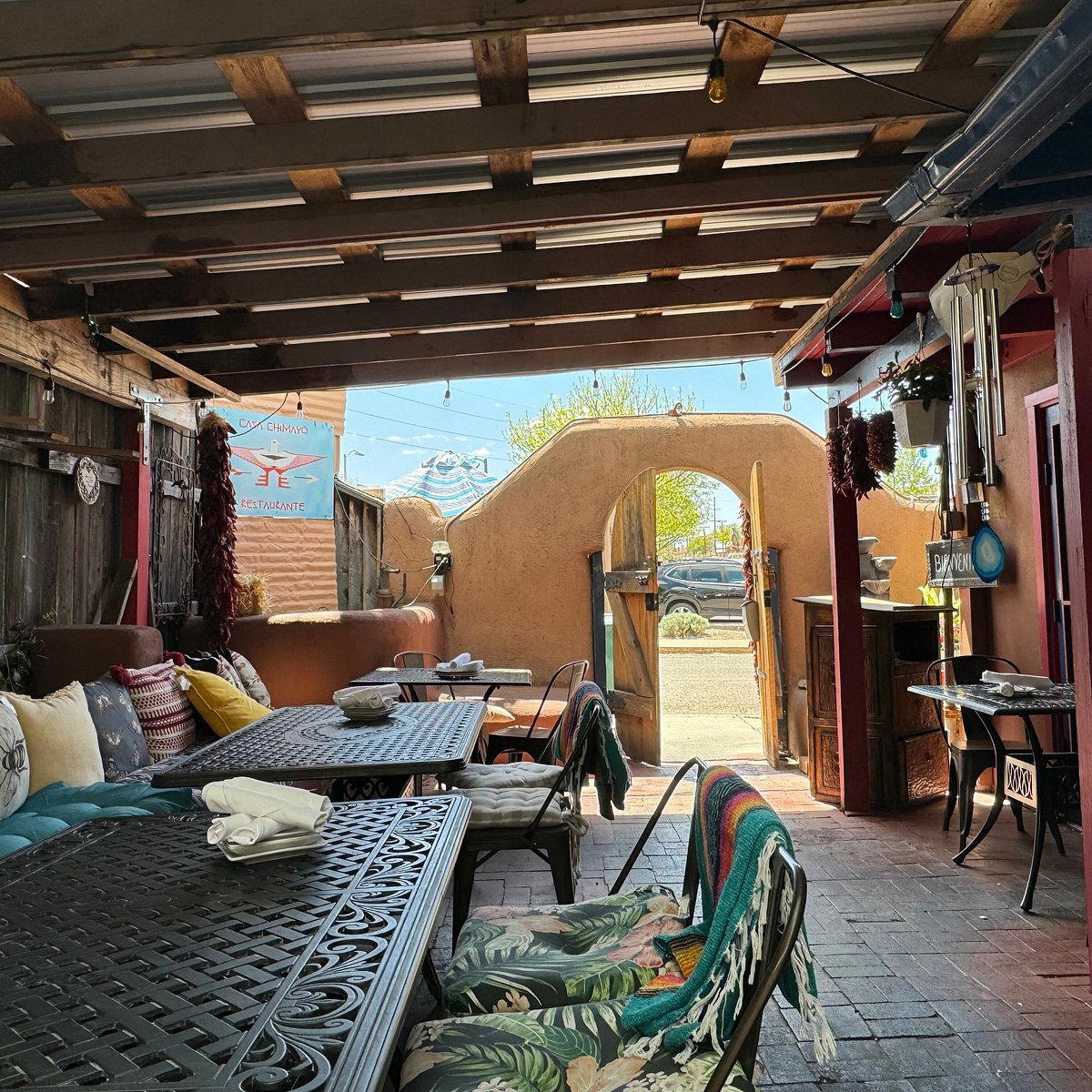
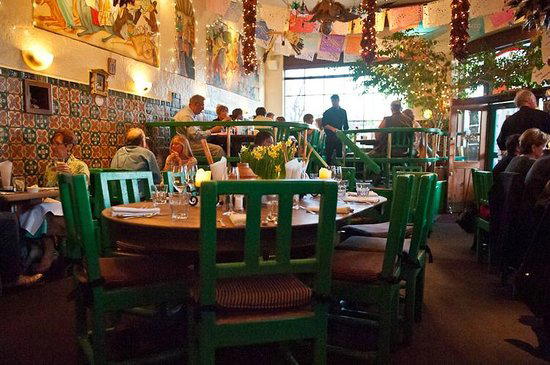
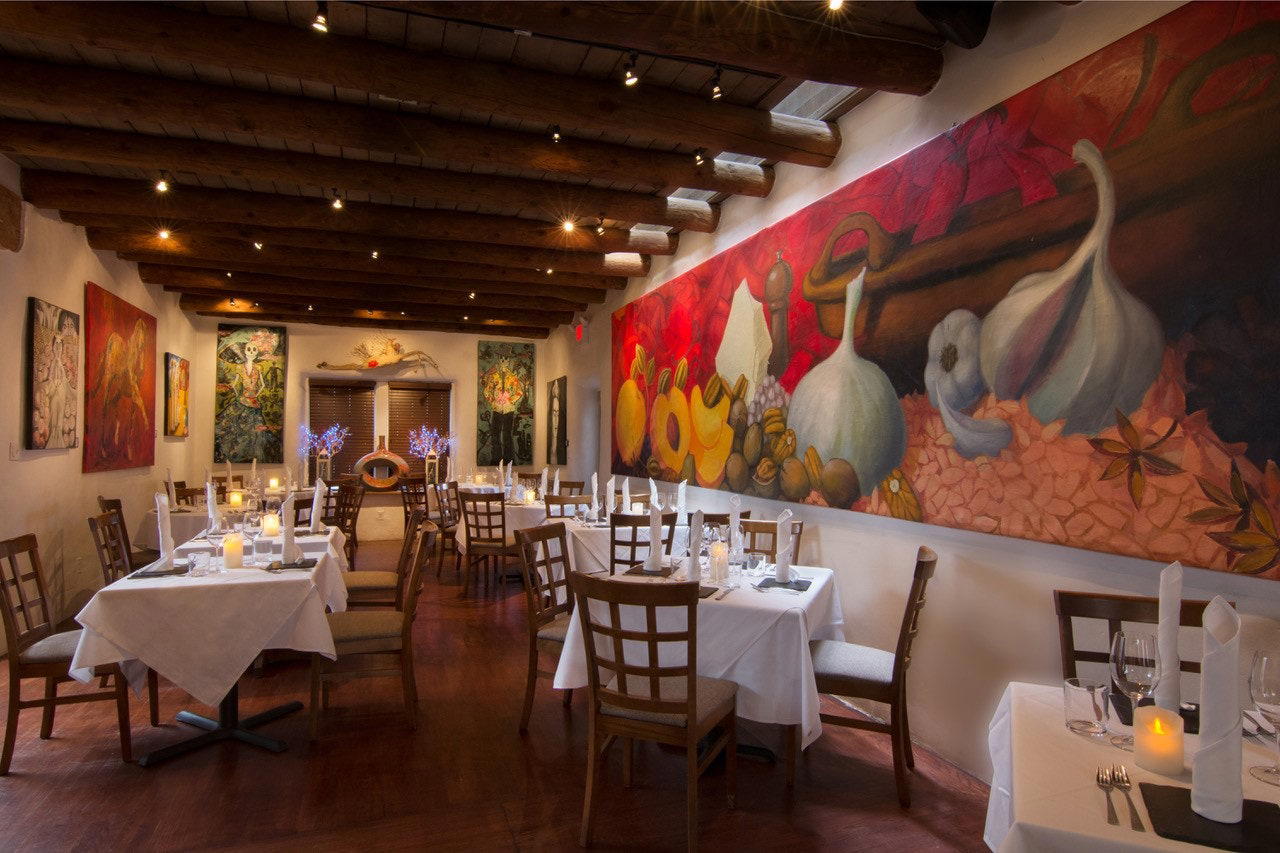
Rustic yet refined Southwestern atmosphere with warm tones, Native American decor, cozy fireplaces, and serene high-desert stillness enhanced by mountain views and garden settings.