LEO'S


Bon Appétit Best New Restaurant · Esquire Best New Restaurants
Our verdict
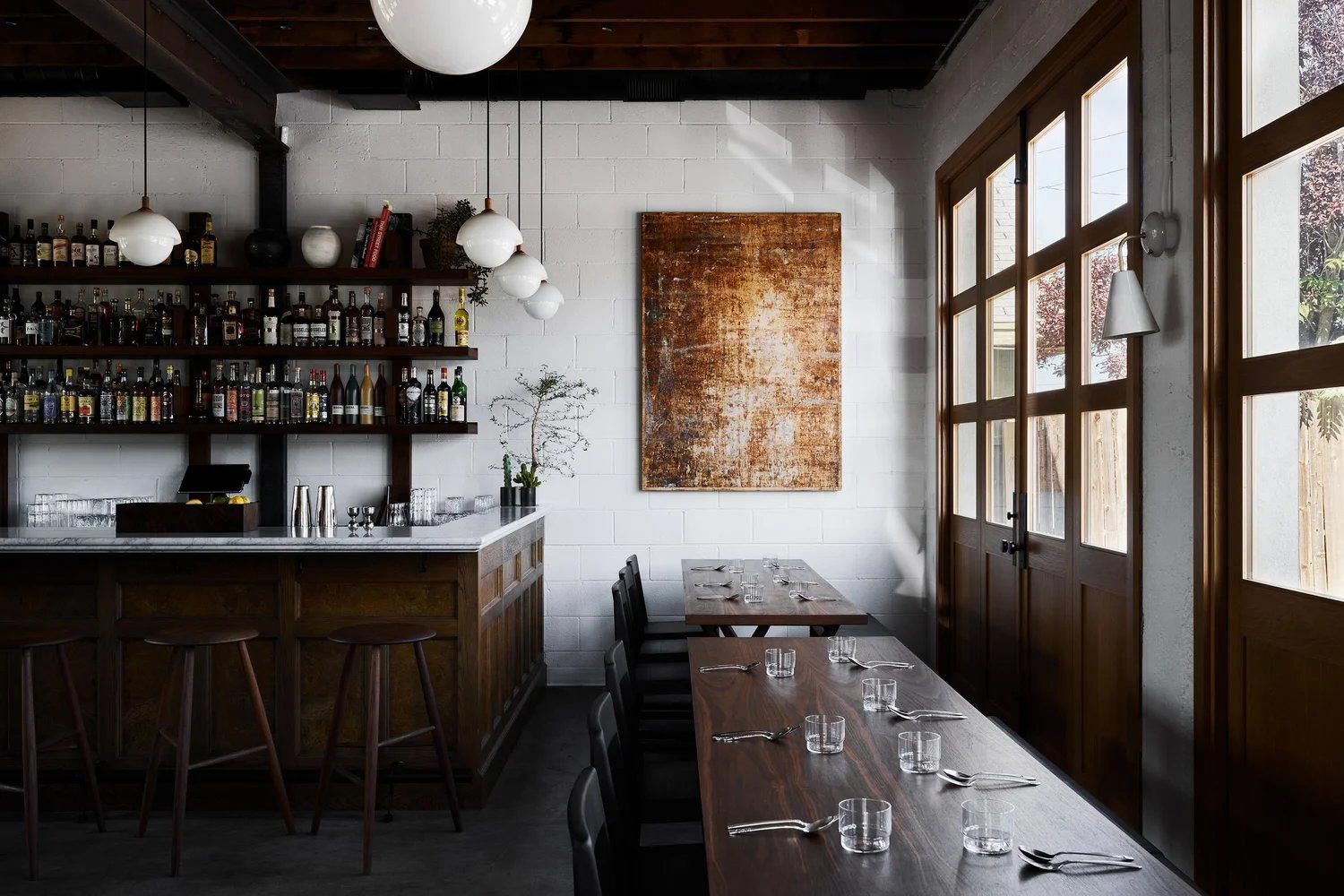
LEO'S on Hickox Street brings an unusual combination to Santa Fe's dining scene: homestyle cooking drawn from Thai and Malaysian traditions, served alongside natural wines and experimental cocktails in a serene interior designed and crafted by Jonathan Boyd. It operates as a neighborhood restaurant and bar rather than a destination showcase, which in a city dominated by New Mexican and Southwestern formats makes it a quietly distinctive option for those seeking something outside the local canon.

Pearl is the En Primeur Club membership app — saves, bookings, and concierge access live there. Same editors, same standards.
A Different Register on Hickox Street
Santa Fe's restaurant identity is built, almost entirely, around a single culinary axis. The city's most-discussed dining rooms run from upscale New Mexican at places like Sazón through Southwestern comfort at Cafe Pasqual's and down to quick-service regional staples at spots like El Parasol. That axis has depth and genuine regional authority. But it also means that a restaurant operating outside that tradition occupies a different kind of position in the city, one that requires building its own context from scratch rather than inheriting an established frame of reference.
LEO'S, at 1200 Hickox St, does exactly that. The kitchen draws on Thai and Malaysian homestyle cooking rather than the red and green chile vocabulary that defines so much of Santa Fe's dining conversation. That choice places Leo's Santa Fe in a small peer group within the city: restaurants that ask the local audience to follow them somewhere other than the regional default, and make a convincing enough case to hold the room.
The Interior as Argument
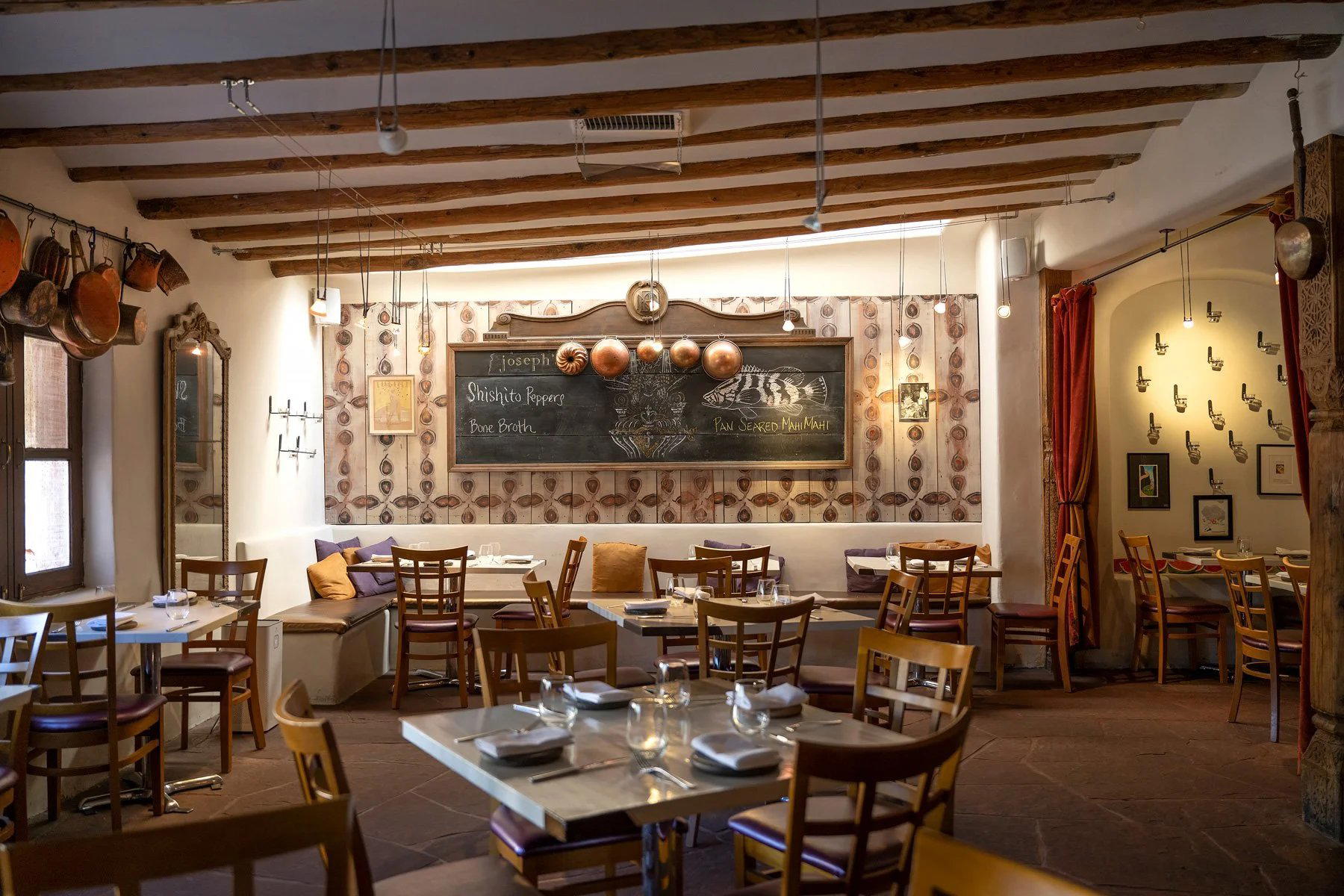
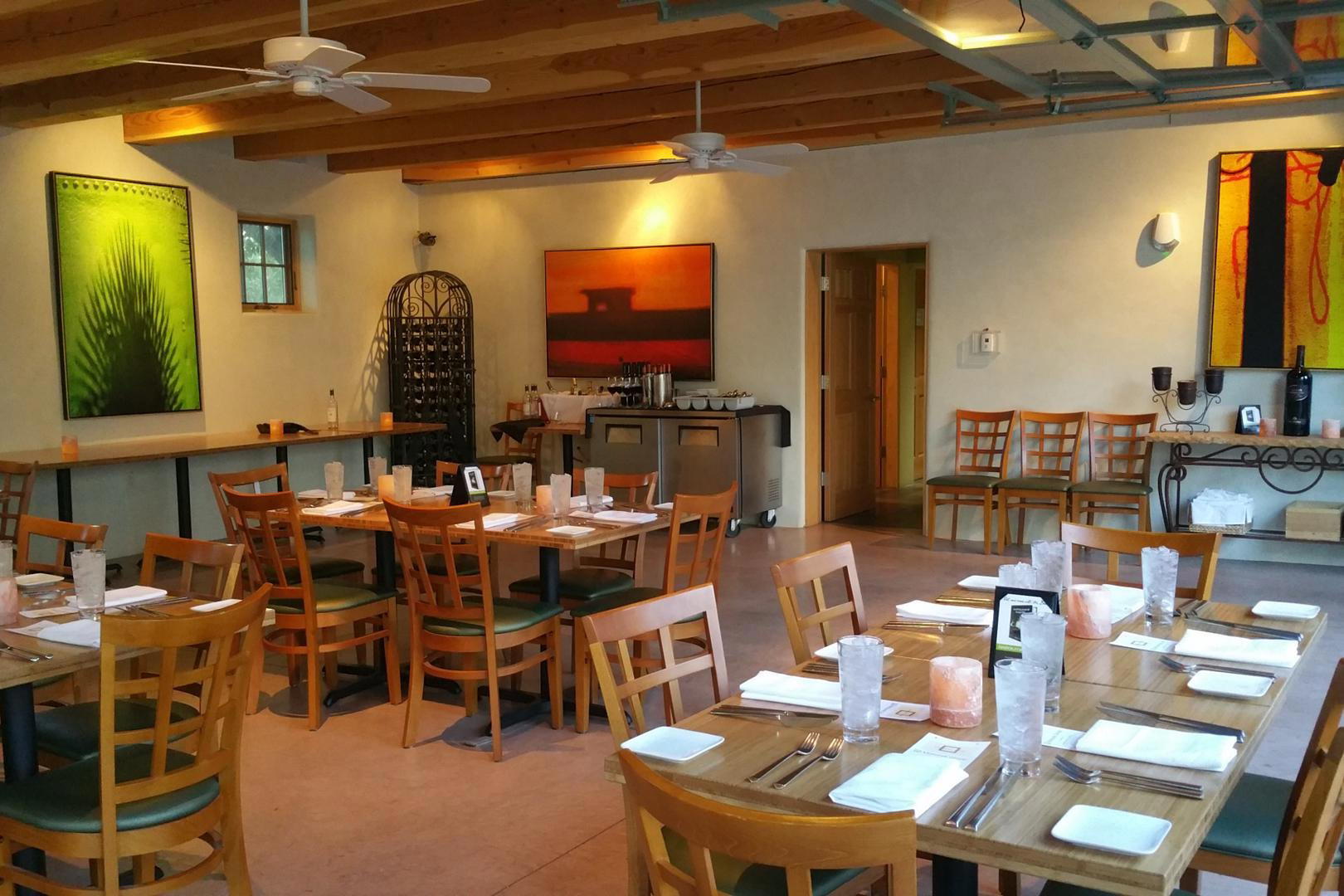
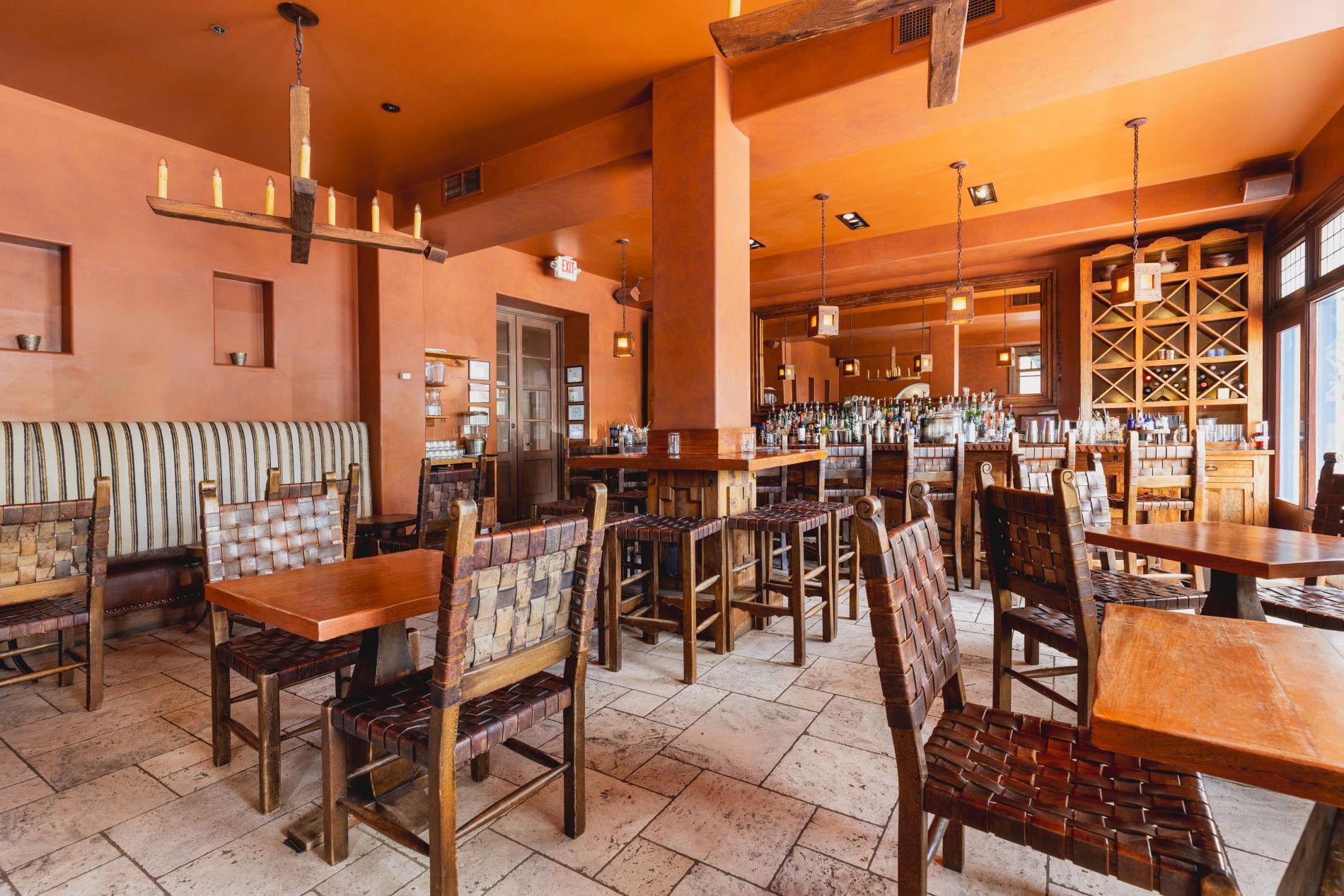
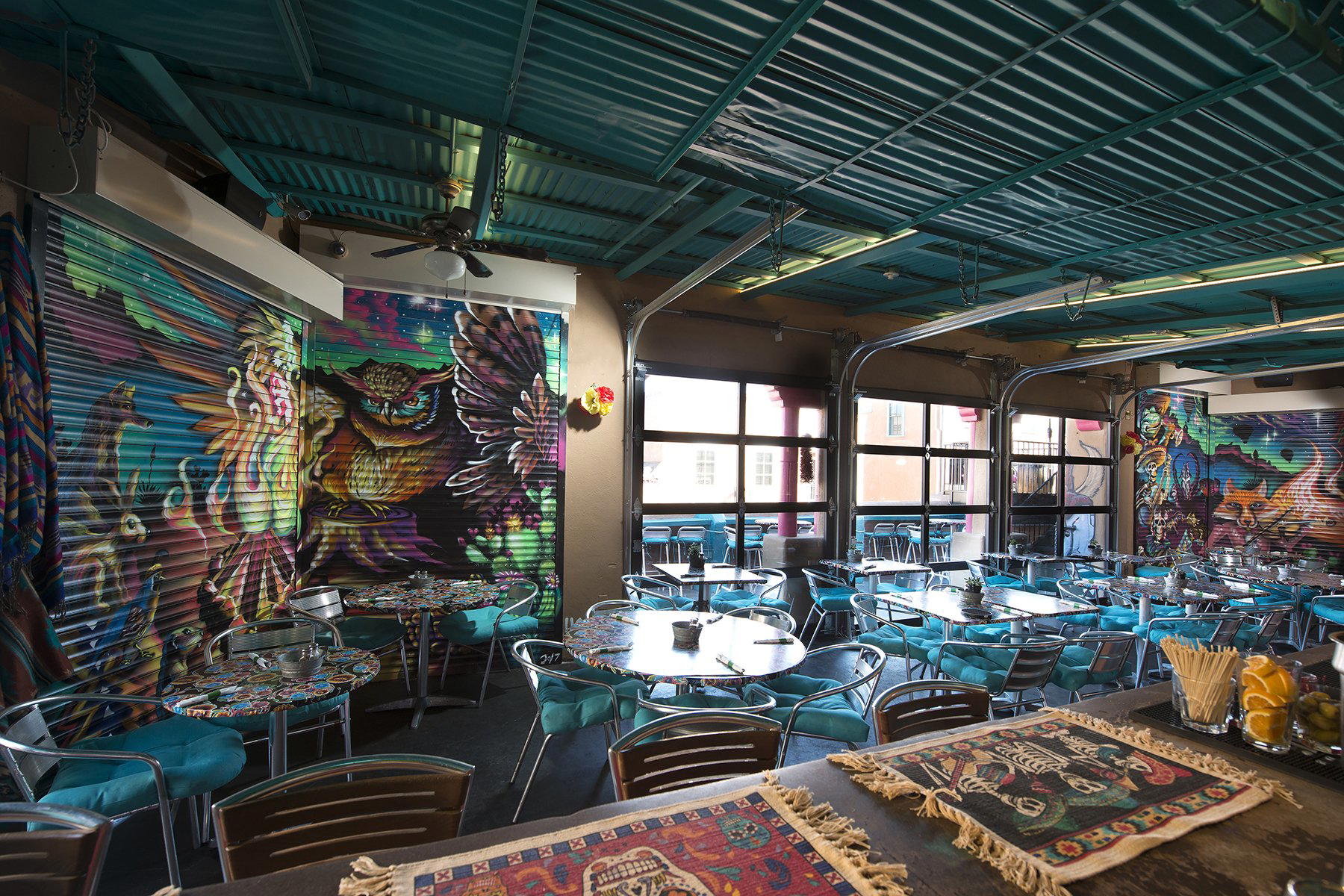
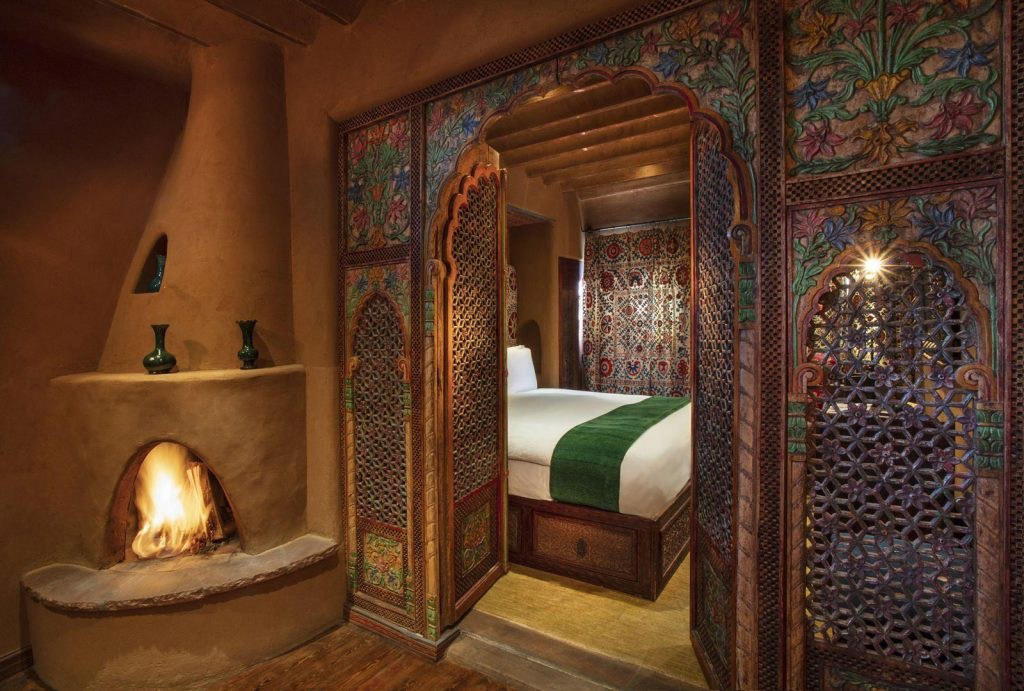
The physical space at LEO'S makes a case before the food arrives. The interior was designed and crafted by Jonathan Boyd, and the result is described as serene — a term that carries specific weight in a city where tourism-facing restaurants often lean into maximalist Southwestern décor as a shorthand for local character. A serene space in Santa Fe is a deliberate counter-choice. It signals that the room is meant to slow the meal down rather than perform one, and that the design is in service of the food and drink program rather than competing with it.
That kind of design discipline is more common in mid-sized cities with established chef-driven restaurant cultures — the sort of environment that produces places like Lazy Bear in San Francisco or Atomix in New York City, than in markets where neighborhood restaurants typically defer to familiar formulas. At LEO'S, the room and the menu appear to be working toward the same idea.
Thai and Malaysian Homestyle in a New Mexican City
The cuisines of Thailand and Malaysia share a reliance on layered aromatics, fermented condiments, and the kind of balance between fat, acid, heat, and sweetness that takes time to execute at the level that makes it feel effortless. Homestyle cooking within those traditions means something specific: it prioritizes comfort and repetition over technical showmanship, favors dishes that reward familiarity, and assumes a diner who is paying attention to flavor rather than presentation alone.
Bringing that approach to Santa Fe is not a neutral decision. The city already has one of the most distinct regional food cultures in the American Southwest, with a cuisine, New Mexican, that is itself built on layered chile-forward flavors and slow-cooked technique. The audience at places like Geronimo and Five & Dime General Store has calibrated expectations around those flavors. LEO'S asks for a recalibration, which is either a risk or an opportunity depending on how well the kitchen delivers on the core promise of the cuisine it has chosen.
The answer, based on LEO'S positioning as a neighborhood restaurant rather than a destination concept, is that the kitchen is playing a long game. Neighborhood restaurants succeed on repeat visits, on becoming part of someone's weekly rotation, not on single-occasion spectacle. Thai and Malaysian homestyle cooking is well-suited to that model: the dishes that define it tend to deepen in the diner's appreciation over time, in the same way that a great bowl of khao soi or a well-made laksa becomes more compelling the more often you order it.
The Drinks Program
The beverage side of LEO'S adds another layer to its positioning. Natural wines and experimental cocktails are a pairing that has become recognizable in a specific tier of the American restaurant scene: the independent, chef-adjacent neighborhood room that treats the bar as a serious program rather than an afterthought. These are not incidental choices. Natural wine, with its preference for minimal intervention and site-specific character, tends to appeal to the same sensibility as homestyle cooking that foregrounds ingredient quality over technical complexity. Experimental cocktails signal a bar team that is treating the drink as a considered object, not a commodity.
The comparison set is restaurants like those that have built reputations on exactly this combination of unpretentious cooking and serious, curatorial drinks programming, from Emeril's in New Orleans to the ambitious neighborhood-focused formats emerging across the country. Within Santa Fe specifically, LEO'S appears to occupy that space largely on its own terms.
What the Recognition Signals
LEO'S does not carry a Michelin star or a spot on a ranked national list. The restaurant's reputation within its city appears to rest on the neighborhood trust it has built: the kind of recognition that comes not from critics visiting once but from regulars returning consistently. That form of reputation is harder to manufacture and harder to sustain than award-cycle attention, and it tends to indicate that the kitchen is executing reliably rather than performing for an audience.
For context, the restaurants that accumulate that kind of neighborhood authority in cities with strong culinary identities often go under-examined by national media precisely because they are not competing in the categories national media tends to cover. The tasting-menu format restaurants, the high-concept destinations, the places that read well in a round-up, those attract coverage. LEO'S, by contrast, has chosen a format and a scale that rewards presence over press.
Visitors to Santa Fe who have already covered the expected range of the city's dining scene, from the chile-forward Southwestern rooms to the upscale American formats, will find in LEO'S a different kind of meal. Our full Santa Fe restaurants guide covers the broader field; see also our Santa Fe bars guide for the city's wider cocktail and drinks scene, our Santa Fe hotels guide for where to stay, our Santa Fe wineries guide for regional wine, and our Santa Fe experiences guide for beyond the table.
Planning Your Visit
LEO'S is located at 1200 Hickox St in Santa Fe, in a part of the city that sits outside the immediate Plaza-area concentration of tourist-facing restaurants. That address places it closer to the rhythm of the actual neighborhood than to the visitor circuit, which is consistent with the restaurant's positioning as a local room rather than a destination concept. Current hours, reservation availability, and booking method are best confirmed directly with the restaurant, as these details are subject to change. Given the format and scale typical of independent neighborhood restaurants in this category, booking ahead is advisable, particularly on weekends.
Frequently asked questions
Is LEO'S award-winning?
LEO'S has received recognition including: Leo’s is a neighborhood restaurant and bar offering homestyle cooking inspired by the cuisines of Thailand and Malaysia, featuring natural wines, experimental cocktails, and a serene interior designed and crafted by Jonathan Boyd.
What part of town is LEO'S in?
LEO'S is located at 1200 Hickox St, Santa Fe, NM 87505, Santa Fe.
What do people recommend at LEO'S?
The kitchen's focus is homestyle cooking rooted in Thai and Malaysian traditions, meaning dishes built around layered aromatics, fermented condiments, and fat-acid-heat balance rather than fine-dining showmanship. The drinks program draws equal attention: natural wines and experimental cocktails are a deliberate pairing that defines the bar side of the operation. Given that LEO'S functions as a neighborhood restaurant and bar, the full experience runs across both food and drink.
How hard is it to get a table at LEO'S?
LEO'S sits at 1200 Hickox St, outside the Plaza-area concentration of tourist-facing restaurants in Santa Fe, which means its audience skews local. No booking data is publicly confirmed, but neighborhood restaurants with a specific identity and a drinks program this considered tend to fill on weekends. Checking directly before visiting is advisable.
What's the defining dish or idea at LEO'S?
The organizing idea is homestyle Southeast Asian cooking — specifically the cuisines of Thailand and Malaysia — placed inside a Santa Fe context that rarely makes room for either. The serene interior, designed and crafted by Jonathan Boyd, reinforces that positioning: the physical space signals intent before the menu does. Natural wines and experimental cocktails complete a beverage program that matches the kitchen's specificity.
Is LEO'S allergy-friendly?
Thai and Malaysian cooking regularly involves fish sauce, shrimp paste, peanuts, and tree nuts as foundational ingredients, so guests with shellfish, nut, or soy allergies should contact LEO'S directly before visiting. No allergy policy or menu detail is publicly confirmed. The address is 1200 Hickox St, Santa Fe, NM 87505.
How does LEO'S fit into Santa Fe's dining scene compared to its New Mexican food restaurants?
Santa Fe's most-discussed dining rooms are built almost entirely around New Mexican and upscale Southwestern cooking, making LEO'S position as a Thai and Malaysian homestyle restaurant a genuine departure from the city's culinary default. Rather than competing on that axis, LEO'S operates as a neighborhood bar and restaurant with a specific Southeast Asian reference point, a Jonathan Boyd-designed interior, and a drinks program centered on natural wines and experimental cocktails — a combination that has no direct peer in Santa Fe.
Quick Comparison
Comparable venues nearby, for context on price, style, and recognition.
| Venue | Cuisine | Price | Awards | Notes |
|---|---|---|---|---|
| LEO'SThis venue (the venue you are viewing) | Thai-Malaysian Inspired | $30–50 | Bon Appétit Best New Restaurant · Esquire Best New Restaurants | Not listed |
| Alkemē | Asian Heritage Reimagined | $50–100 | Not listed | Downtown |
| The Bull Ring | Classic Prime Steakhouse | $50–100 | Wine Spectator Award of Excellence | Downtown |
| Arroyo Vino | Contemporary American | $30–50 | Michelin Plate | Las Campanas |
| Plaza Cafe | New Mexican Diner | $20–30 | Not listed | Downtown |
| Santacafé | Modern American with Southwestern Flair | $50–100 | Not listed | Downtown Santa Fe |
Recognition history
Dated appearances from independent guides and award organizations, with the underlying list record or original source where available.
Bon Appétit Best New Restaurant
Bon Appétit
Esquire Best New Restaurants
Esquire
Continue exploring
More in Santa Fe
Restaurants in Santa Fe
All restaurants in Santa Fe →
Bars in Santa Fe
All bars in Santa Fe →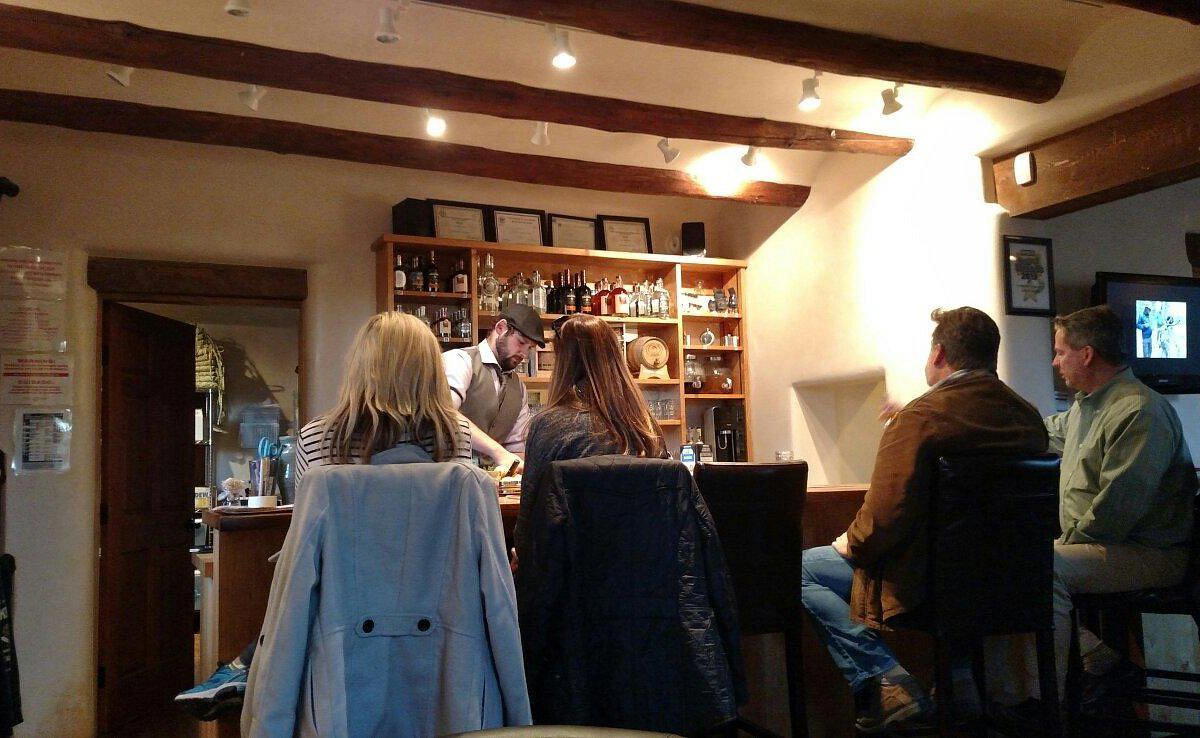
LEO'S
The wine
- Wine program
- Curated wine list
- Natural wine
- Craft cocktails
Details
- Cozy
- Lively
- Trendy
- Date Night
- Group Dining
- Casual Hangout
- Craft Cocktails
- Natural Wine
- Local Sourcing
- Small Plates
- Cocktails
- Natural Wine
Current opening hours
- Monday
- 5–10 PM
- Tuesday
- Closed
- Wednesday
- Closed
- Thursday
- 5–10 PM
- Friday
- 5–10 PM
- Saturday
- 5–10 PM
- Sunday
- 5–10 PM
Hours can change for holidays and private events. Last verified .
Serene interior designed by Jonathan Boyd, cozy and unpretentious with a warm welcoming vibe, though some note noise issues.