The Pantry Rio
Located on a quiet stretch of Galisteo Street in the heart of Santa Fe, 229 Galisteo St sits within a city where adobe walls, high-desert light, and the slow pace of the Southwest set the tone for dining. The address places it steps from the historic Plaza district, where New Mexican culinary tradition runs deep and the local restaurant scene spans everything from red-chile Southwestern to ambitious contemporary cooking.
Pearl is the En Primeur Club membership app — saves, bookings, and concierge access live there. Same editors, same standards.
- Address
- 229 Galisteo St, Santa Fe, NM 87501
- Phone
- +1 505 989 1919
- Website
- pantryrio.com
- Directions
- Get directions
 Saves & bookings on Pearl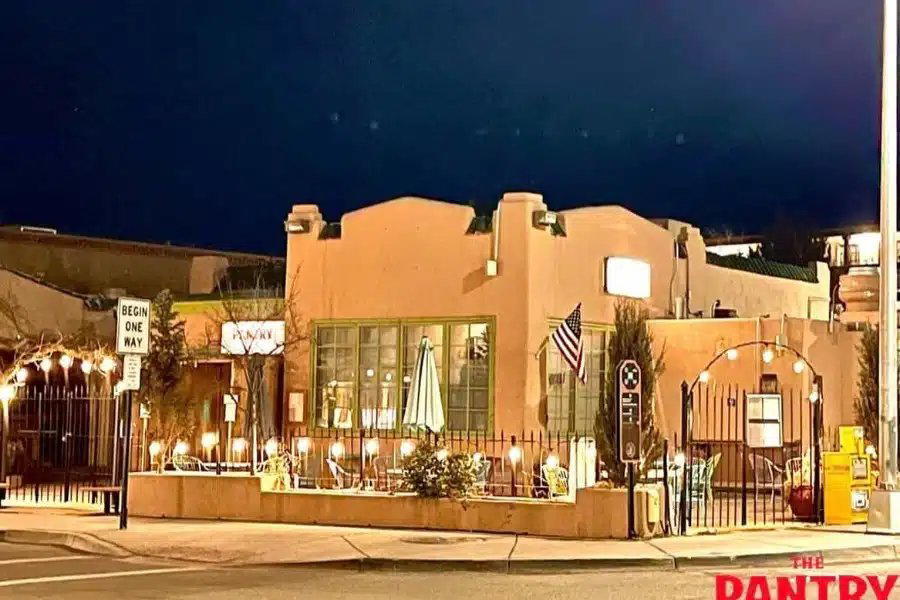
Galisteo Street and the Texture of Santa Fe Dining
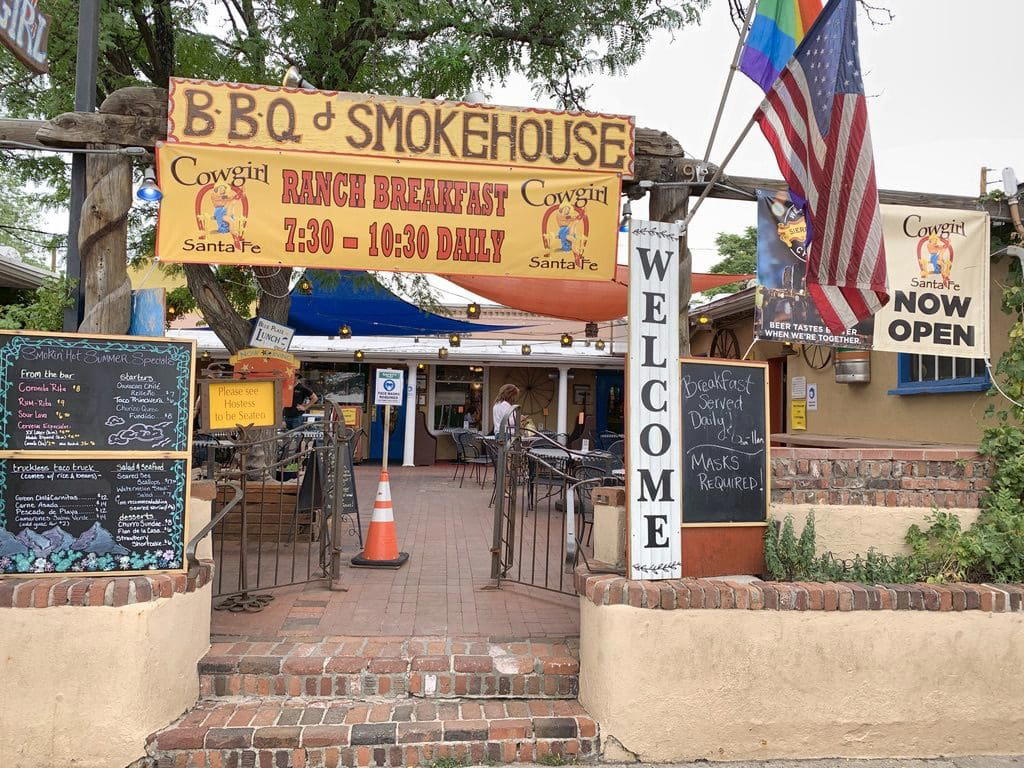
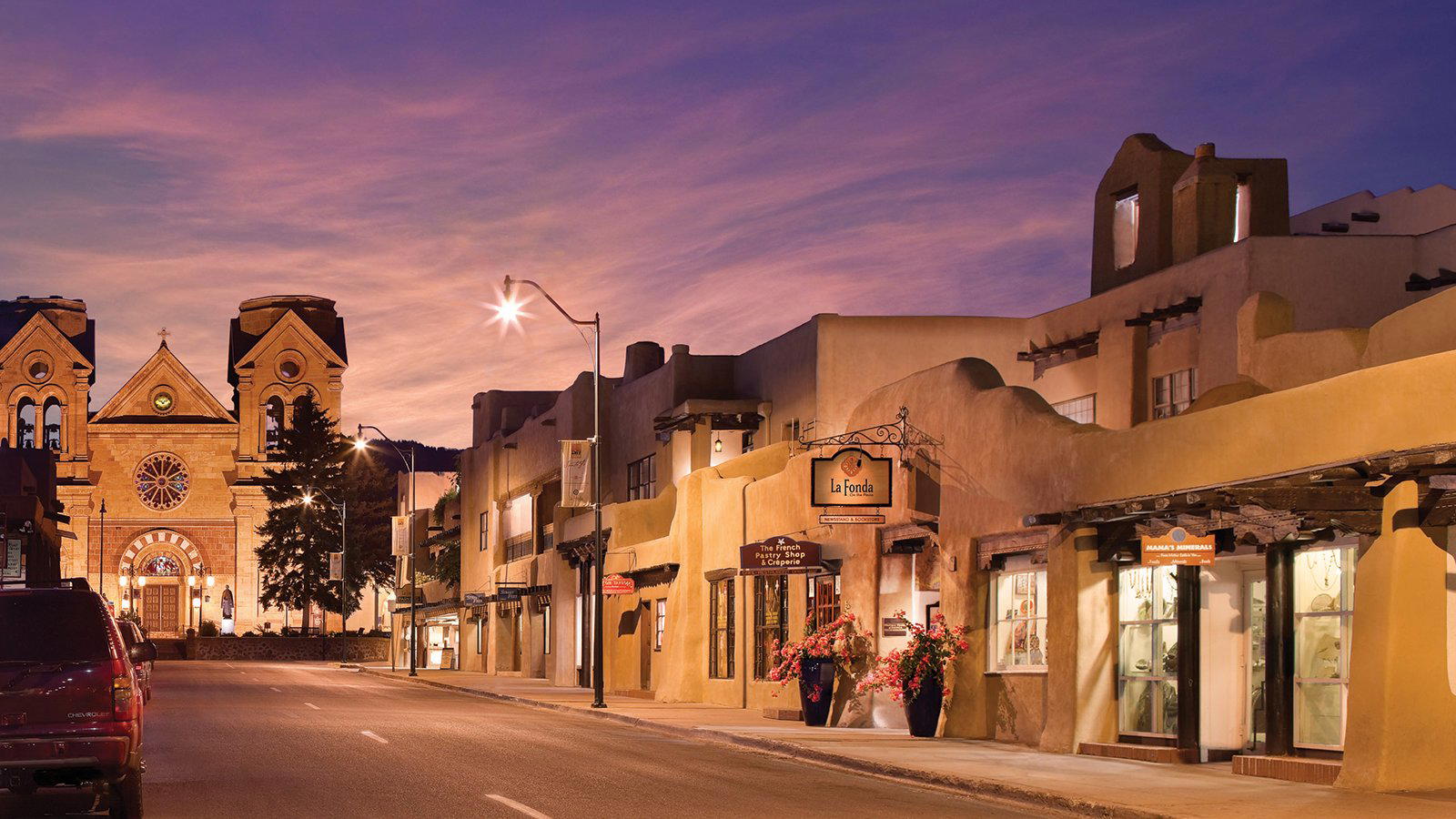
229 Galisteo St is a Classic New Mexican restaurant in Santa Fe, with a casual dress code and walk-in-friendly service. Galisteo Street, running south from the Plaza toward the Railyard district, catches that shift in a way that feels unhurried. Adobe facades absorb the warmth of the afternoon and hold it into the evening. This is the physical environment that frames 229 Galisteo St, and it matters, because in Santa Fe, atmosphere is not decoration, it is the baseline expectation.
Santa Fe's dining scene has long operated on two registers that sit comfortably side by side. The first is rooted in the chile-forward, corn-and-bean traditions of New Mexican cooking, a cuisine with deep Indigenous and Spanish colonial roots that distinguishes this state from anywhere else in the American Southwest. The second is a more recent wave of contemporary restaurants that draw on those traditions while building toward something more self-consciously ambitious. The city's position as a cultural capital, home to the Georgia O'Keeffe Museum, a dense gallery circuit, and a summer opera season that draws visitors from across the country, has created a dining public with appetite for both registers. That tension produces some of the more interesting restaurant decisions in the region.
The Galisteo Corridor: Context and Competition
The stretch of central Santa Fe that includes Galisteo Street sits within walking distance of the Plaza, where the city’s restaurant traditions are concentrated. New Mexican food here is not a novelty category but a serious culinary lineage: red and green chile sauces prepared from locally grown pods, posole, tamales, and sopaipillas that carry the weight of regional identity. Sazón (New Mexican) represents one of the more polished contemporary takes on this tradition in the city, holding its own in a comparable set that includes casual staples and more formal dining rooms alike.
Elsewhere in the Santa Fe scene, the contrast between accessible and ambitious is sharp. Back Road Pizza and Bert's Burger Bowl anchor the casual end, while Alkemē and Bodega Prime push toward a more curated, ingredient-forward approach. The Galisteo address places 229 within that broader spectrum, in a part of the city where foot traffic from the Plaza and the surrounding gallery district creates a natural audience for dinner.
For readers who follow destination dining more broadly, Santa Fe sits at a different point on the American restaurant map than, say, the tasting-menu circuits of Alinea in Chicago, The French Laundry in Napa, or Lazy Bear in San Francisco. It is not a city built around Michelin recognition. What Santa Fe offers instead is a coherent regional culinary identity, one strong enough that visitors arriving from the coasts often find the local vernacular more interesting than the attempts to replicate a national fine-dining template. Places like Blue Hill at Stone Barns in Tarrytown or Single Thread Farm in Healdsburg have made their reputations partly on the strength of a defined sense of place. Santa Fe's leading dining makes a similar argument, but through a different regional vocabulary.
What the Address Signals
An address on Galisteo Street in central Santa Fe carries certain practical implications. The street sits within the walkable core of the city, which means proximity to the major hotels along Old Santa Fe Trail and the Paseo de Peralta loop, as well as easy access on foot from Canyon Road to the east and the Railyard arts district to the southwest. Parking in this part of the city is available on surrounding streets, though summer months and the opera season, which runs July through August and draws significant out-of-town visitors, compress availability. Anyone visiting during the July-August peak, or during the Indian Market weekend in late August (one of the largest Native American art markets in the country), should expect a busier version of the city across all restaurant categories.
The proximity to the Plaza also means the 229 Galisteo address sits within a cluster of restaurants that serve a mix of locals and visitors throughout the week, with weekend evenings drawing the heavier covers. That pattern is consistent across the central Santa Fe dining zone, where the lunch and early-dinner windows tend to move faster than in larger metropolitan restaurant markets.
Santa Fe in the Wider American Dining Frame
Readers who track American dining at the level of Le Bernardin in New York City, Providence in Los Angeles, or Atomix in New York City sometimes underestimate what a city like Santa Fe offers precisely because it operates outside the formats those restaurants have made familiar. The same is true of destination-driven properties like Addison in San Diego, Emeril's in New Orleans, or The Inn at Little Washington, which each carry a strong regional identity but operate within more recognized fine-dining conventions. Santa Fe's contribution to American cuisine sits in a different register, one where the ingredients, techniques, and cultural references belong to the Southwest in a way that is not easily replicated elsewhere.
Santa Fe dining ranges from casual New Mexican to contemporary tasting formats. Whether you are working from the Plaza, Canyon Road, or the Railyard, Galisteo Street is a natural starting point for understanding how the city organizes its dining geography.
Planning Your Visit
229 Galisteo Street sits in the walkable core of Santa Fe, within a short distance of the Plaza and the surrounding hotel district. The city is most active between May and October, with July and August representing peak visitor volume due to the Santa Fe Opera season and Indian Market. Spring and early autumn offer cooler temperatures and reduced competition for reservations across the central dining zone, making those windows the more comfortable periods for deliberate restaurant exploration. Open daily from 7:30 AM to 9 PM. The address itself, in the heart of the historic district, is consistent with the walkable, gallery-adjacent character that defines this part of the city.
Comparable Spots
Comparable venues nearby, for context on price, style, and recognition.
| Venue | Cuisine | Price | Notes |
|---|---|---|---|
| 229 Galisteo StThis venue — the venue you are viewing | Classic New Mexican | $$ | Not listed |
| Maria's New Mexican Kitchen | New Mexican Kitchen | $$ | Santa Fe |
| Horseman's Haven Cafe | New Mexican | $$ | Cerrillos Road |
| Paloma Restaurant | Modern Mexican | $$$ | Guadalupe Street |
| Café Castro | Northern New Mexican | $$ | Downtown |
| The Pantry | New Mexican Diner | $$ | Cerrillos Road |
At a Glance
- Cozy
- Rustic
- Classic
- Brunch
- Casual Hangout
- Street Scene
Current opening hours
- Monday
- 7:30 AM–9 PM
- Tuesday
- 7:30 AM–9 PM
- Wednesday
- 7:30 AM–9 PM
- Thursday
- 7:30 AM–9 PM
- Friday
- 7:30 AM–9 PM
- Saturday
- 7:30 AM–9 PM
- Sunday
- 7:30 AM–9 PM
Hours can change for holidays and private events. Last verified .
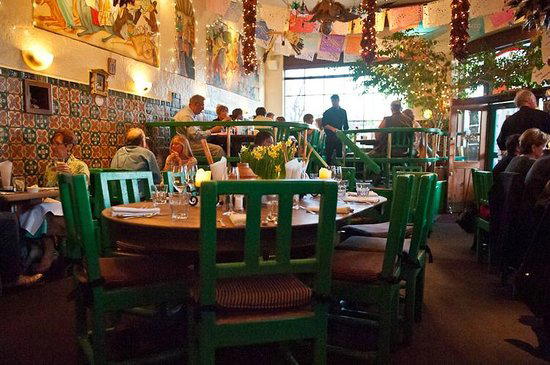
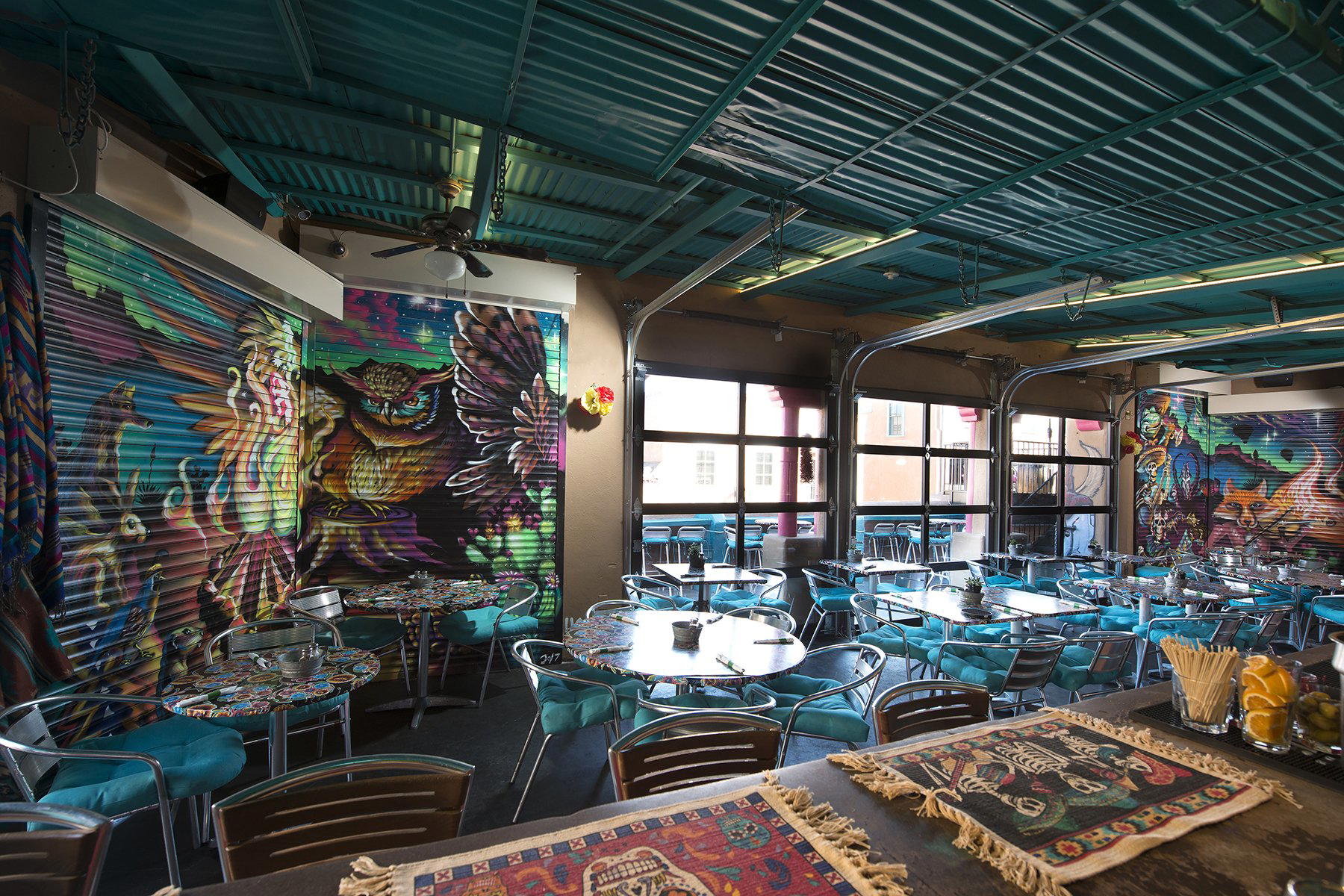
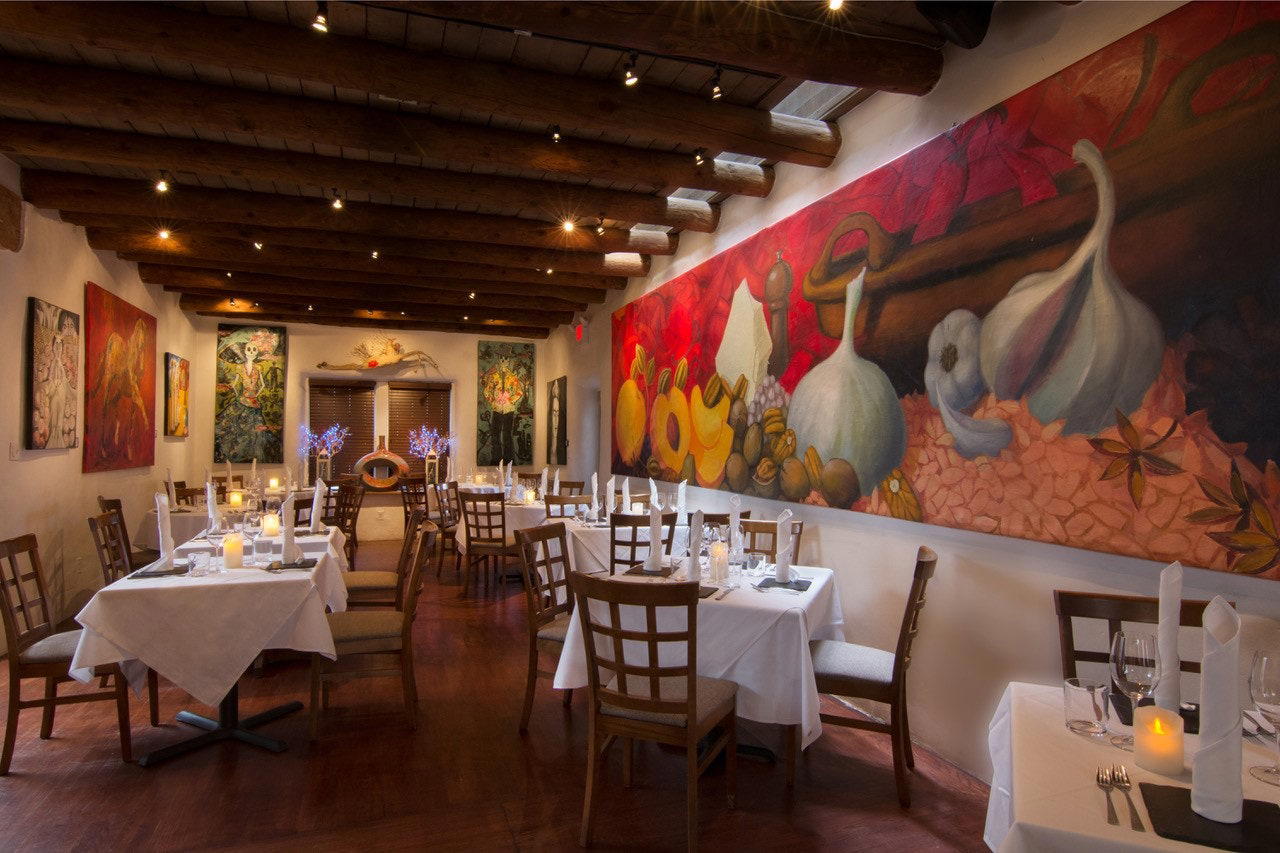
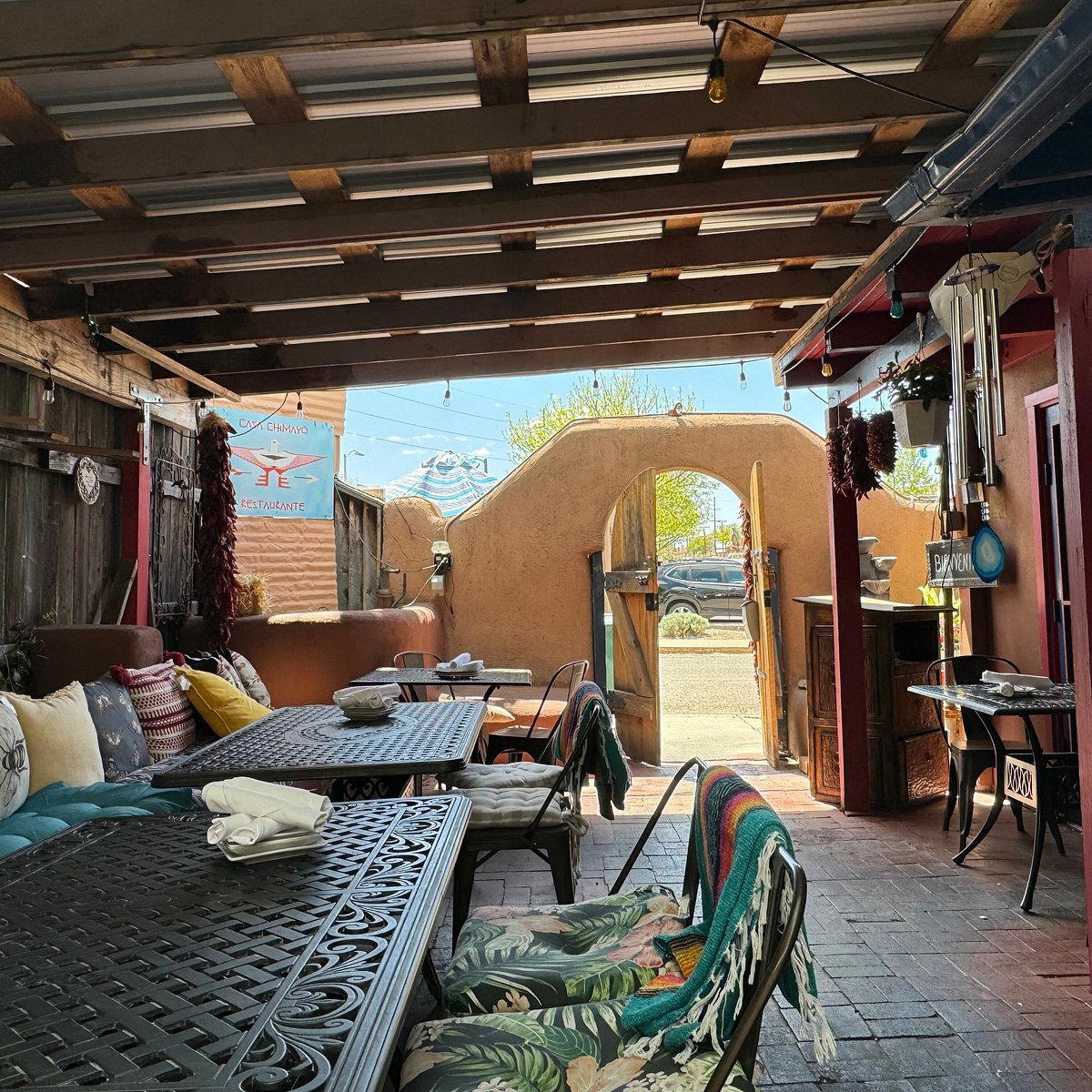
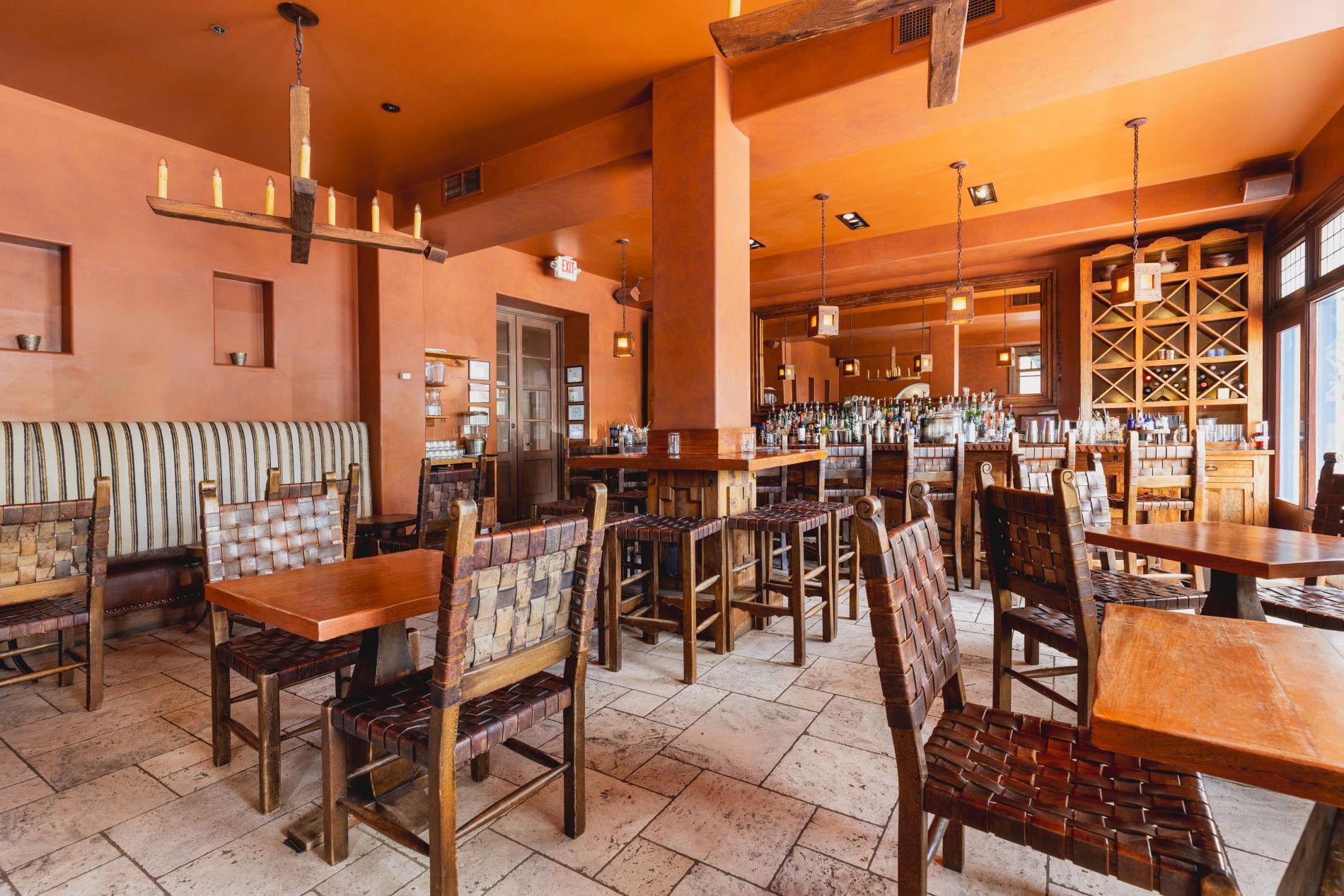
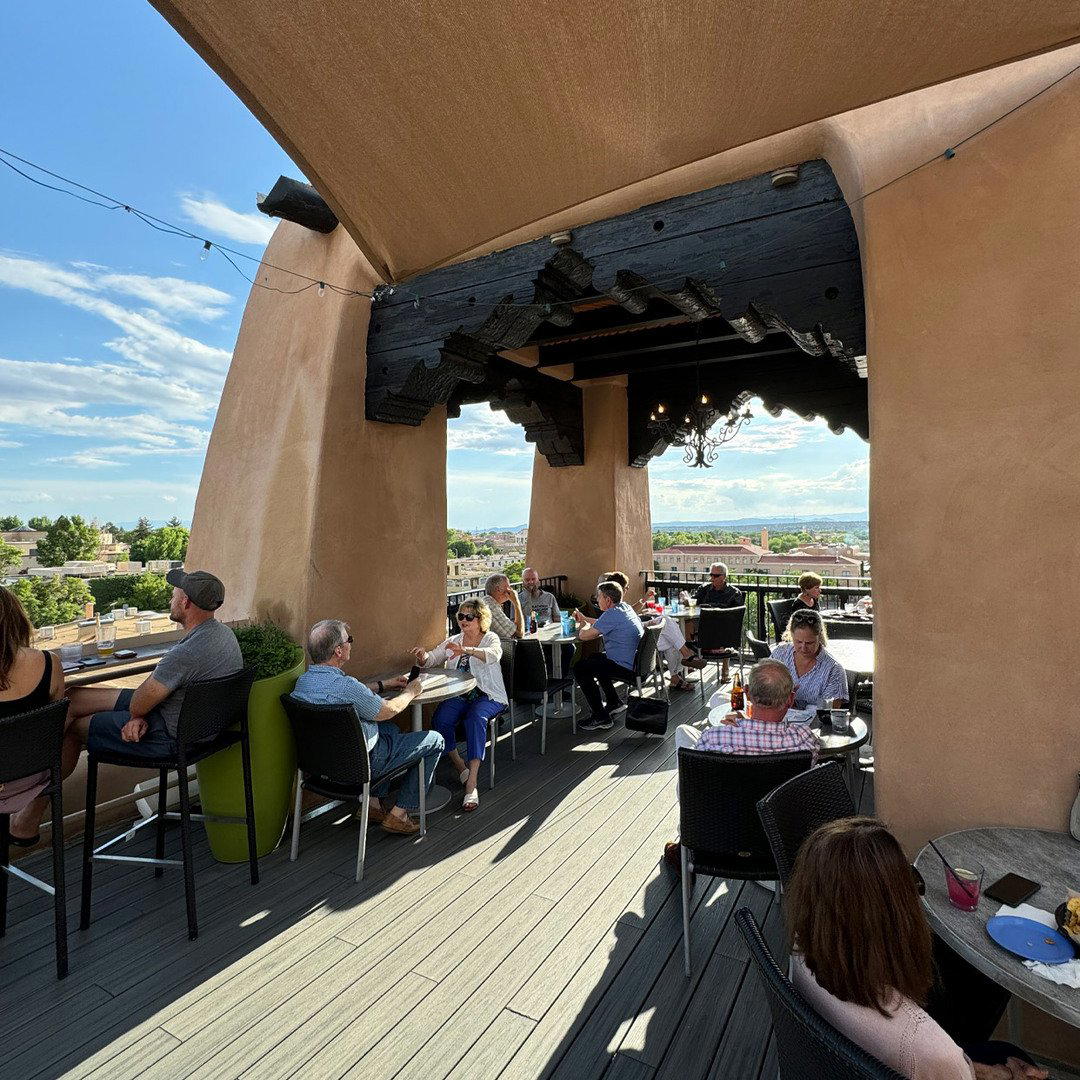
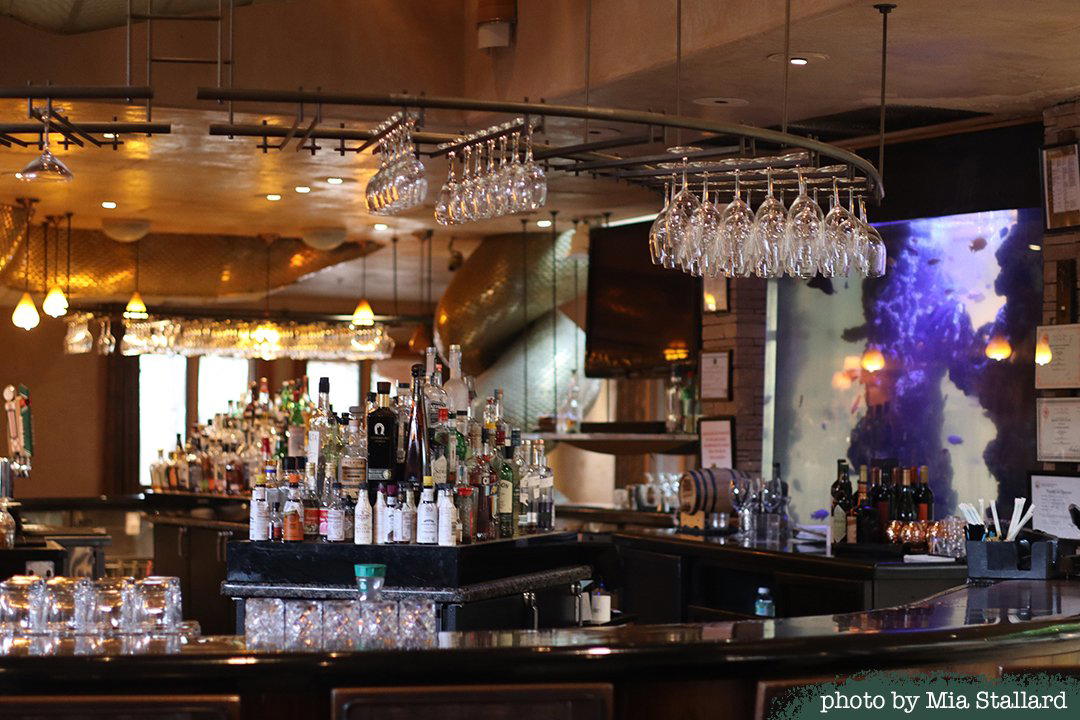
Laid-back and airy with high ceilings, large windows, and a comfortable casual atmosphere.