Bobbique
Our verdict
Bobbique brings serious barbecue and American comfort cooking to Patchogue's Main Street, where Long Island's south shore dining scene has quietly developed well beyond its beach-town reputation. The setting rewards those who treat it as a destination rather than an afterthought, with sourcing and technique that reflect a broader regional shift toward ingredient-conscious casual dining. See our full Patchogue guide for context on where it sits in the local picture.

Pearl is the En Primeur Club membership app — saves, bookings, and concierge access live there. Same editors, same standards.
- Address
- 70 W Main St, Patchogue, NY 11772
- Phone
- (631) 447-7744
- Hours
- Mon–Fri 12 PM–12 AMSat–Sun 1 PM–12 AM
- Website
- bobbique.com
- Directions
- Get directions
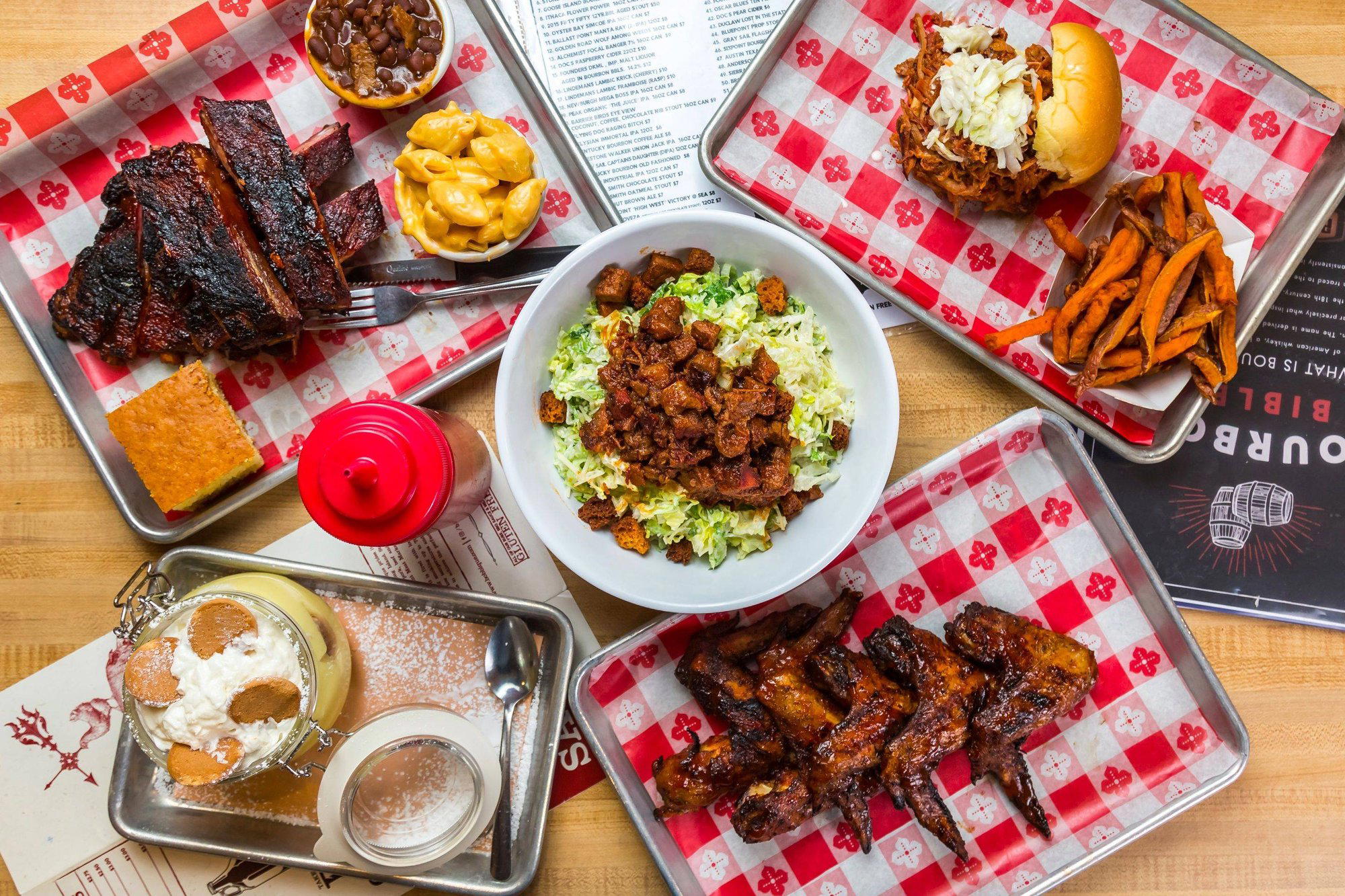
Main Street, Long Island: Where the South Shore Eats Seriously
West Main Street in Patchogue runs close enough to the Great South Bay that the air carries a faint salt note on humid evenings. The strip has been one of Long Island's more consistent success stories in casual dining, attracting operators who understand that the south shore audience — equal parts year-round residents and weekend arrivals from the city — demands more than tourist-season minimalism. Bobbique sits inside this pattern at 70 W Main St, occupying a position in Patchogue's dining lineup that rewards the reader who cross-references it with our full Patchogue restaurants guide before booking.
American barbecue and smoke-forward cooking have undergone a quiet rehabilitation on the East Coast over the past decade. What was once the domain of highway-adjacent sheds and county-fair booths has fractured into a more serious tier, one where sourcing questions, what breed of animal, which farm, how it was finished, are as common as they are at prix-fixe counters. That shift is visible across a wide range of American restaurants right now. Blue Hill at Stone Barns in Tarrytown represents the most formal expression of that thinking, where the farm is the menu. Single Thread Farm in Healdsburg integrates agriculture and hospitality into a single operation. Bobbique works in a different register, casual, accessible, Long Island, but the underlying question about where the food comes from belongs to the same conversation.
The Sourcing Argument in Casual American Cooking
The ingredient-sourcing movement has never been exclusively the property of fine dining. Some of the most consequential shifts in how Americans think about what ends up on the plate have happened at the casual end of the market, where price constraints force a different kind of discipline. A restaurant that cannot hide behind elaborate technique or luxury ingredients must get its sourcing right from the start, because the food has nowhere to hide.
Long Island's agricultural context is more significant than its proximity to New York City might suggest. The East End's farm corridor between Riverhead and Montauk produces vegetables, poultry, and pork that circulate through the island's better kitchens, and the Great South Bay has historically been one of the northeast's more productive shellfish environments. Operators positioned in Patchogue have geographic access to that supply chain in a way that Manhattan restaurants, paying premium logistics costs for the same product, do not. This is a real structural advantage, and it shapes what serious casual dining on the south shore can do when it chooses to use it.
Compare that regional specificity to what restaurants at the formal end of the American spectrum are doing with provenance. Smyth in Chicago builds its tasting menu around hyper-local sourcing as a philosophical commitment. Lazy Bear in San Francisco frames its progressive American format around seasonal ingredient windows. Oyster Oyster in Washington, D.C. has made plant-forward, locally sourced cooking its entire identity. At the other end of the format spectrum, the logic is simpler but no less real: the closer the kitchen is to the source, the shorter the lag between harvest and plate.
Barbecue as a Serious Category
Smoke-driven American cooking sits in an interesting position right now. The category earned renewed critical attention during the 2010s, partly through the elevation of Texas brisket culture into something that serious food writers treated with the same granularity they applied to ramen or natural wine. That attention has since spread outward from its regional strongholds, and coastal operators have had to decide how seriously they want to engage with the tradition versus how casually they want to borrow its aesthetics.
The distinction matters because technique in barbecue is unforgiving in a specific way. A kitchen can approximate the visual language of smoke cooking with shortcuts, but the result reads differently to anyone who has eaten their way through the real thing. Restaurants that treat it seriously, proper wood selection, genuine smoke penetration, resting protocols, produce results that occupy a different tier than those applying a surface interpretation. Across the United States, places that have treated American regional cooking with this level of respect have built durable reputations. Emeril's in New Orleans built its identity around regional American tradition long before that framing became fashionable. Bacchanalia in Atlanta has held its position for decades by grounding itself in southern sourcing. Frasca Food and Wine in Boulder demonstrates that regional commitment translates across different cuisine types entirely.
Patchogue is not a city where the critical infrastructure for evaluating these distinctions is as developed as it is in New York or Chicago, which means places like Bobbique operate somewhat under the radar of the national food press. That creates a different kind of opportunity for the reader: the dining public here has not been conditioned to treat the room as a performance, which tends to produce a more honest interaction between kitchen and table.
Placing Bobbique in the Broader American Picture
The American restaurant map rewards category thinking. At the formal end, venues like The French Laundry in Napa, Le Bernardin in New York City, Atomix in New York City, Addison in San Diego, The Inn at Little Washington, and Providence in Los Angeles operate in a tier where the sourcing story is central to the editorial identity of the room. At the casual end, the sourcing story is quieter but not absent, it just expresses itself differently, through the quality of the smoke ring on a rib or the freshness of a side dish rather than through tableside narration.
Restaurants with genuine ingredient commitments at the casual tier tend to develop loyal local audiences faster than their fine-dining equivalents, because the repeat-visit economics work differently. A guest returning to a prix-fixe tasting menu is making a significant financial commitment each time. A guest returning to a well-executed barbecue spot is making a low-friction choice, and frequency builds the kind of relationship between kitchen and regular that produces the most useful intelligence about what a place actually does well. Operations as far afield as The Wolf's Tailor in Denver, ITAMAE in Miami, and Atelier Moessmer Norbert Niederkofler in Brunico each illustrate, in their own formats and price tiers, how regional ingredient identity becomes the foundation of a restaurant's long-term argument.
Planning a Visit
Bobbique is located at 70 W Main St in Patchogue, NY 11772, on a stretch of West Main that has enough dining options around it to anchor an evening out on the south shore. Patchogue is accessible from New York City via the Long Island Rail Road's Montauk Branch, making it a reasonable day-trip or weekend destination for city-based readers who want to eat outside the five boroughs without committing to the Hamptons prices and distances.
Frequently asked questions
Is Bobbique okay with children?
Bobbique's setting on West Main Street in Patchogue fits the casual, community-oriented character of the South Shore dining strip, which tends to welcome families. The format of smoke-driven American cooking generally suits a range of ages.
What is the atmosphere like at Bobbique?
Bobbique sits on W Main St in Patchogue, a stretch with enough surrounding dining options to anchor a full evening out. The South Shore context sets expectations: this is relaxed, neighbourhood-anchored American eating rather than formal service. The proximity to the Great South Bay gives the immediate area a low-key coastal character that carries into the dining strip itself.
Is Bobbique a good option for barbecue on Long Island's South Shore?
Bobbique at 70 W Main St, Patchogue occupies a stretch of the South Shore where dining options have grown more considered over the past decade. Within the American barbecue category on Long Island, smoke-focused kitchens are still relatively sparse outside of Brooklyn and the North Fork, which gives a dedicated operation in Patchogue a clear position in the regional picture. For specifics on current menu and hours, check the venue's official channels.
What's the signature dish at Bobbique?
Bobbique's focus on smoke-driven American cooking positions barbecue preparations as the core of the menu. Specific dish details are best confirmed directly with the restaurant at 70 W Main St, Patchogue, NY 11772, as menus in this category shift with sourcing and season. The smoked proteins typical of serious American barbecue operations are the category to start with.
A Quick Peer Check
Comparable venues nearby, for context on price, style, and recognition.
| Venue | Cuisine | Price | Awards | Notes |
|---|---|---|---|---|
| BobbiqueThis venue — the venue you are viewing | Memphis-Style Southern BBQ | $20–30 | Not listed | Not listed |
| Barry's restaurant | American Gastropub | Not listed | Not listed | Wakefield-Woodlawn |
| The Bonnie | American Bar Food and Cocktails | $30–50 | Not listed | Astoria (North)-Ditmars-Steinway |
| Londel's | Soul Food and Creole | $20–30 | Not listed | Harlem (North) |
| GERTIE | Modern New York Bagels & Jew-ish Deli | $20–30 | Star Wine List | Williamsburg |
| Brooklyn Bowl | American Comfort Food | $30–50 | Not listed | Williamsburg |
Continue exploring
More in Patchogue
Restaurants in Patchogue
Browse all →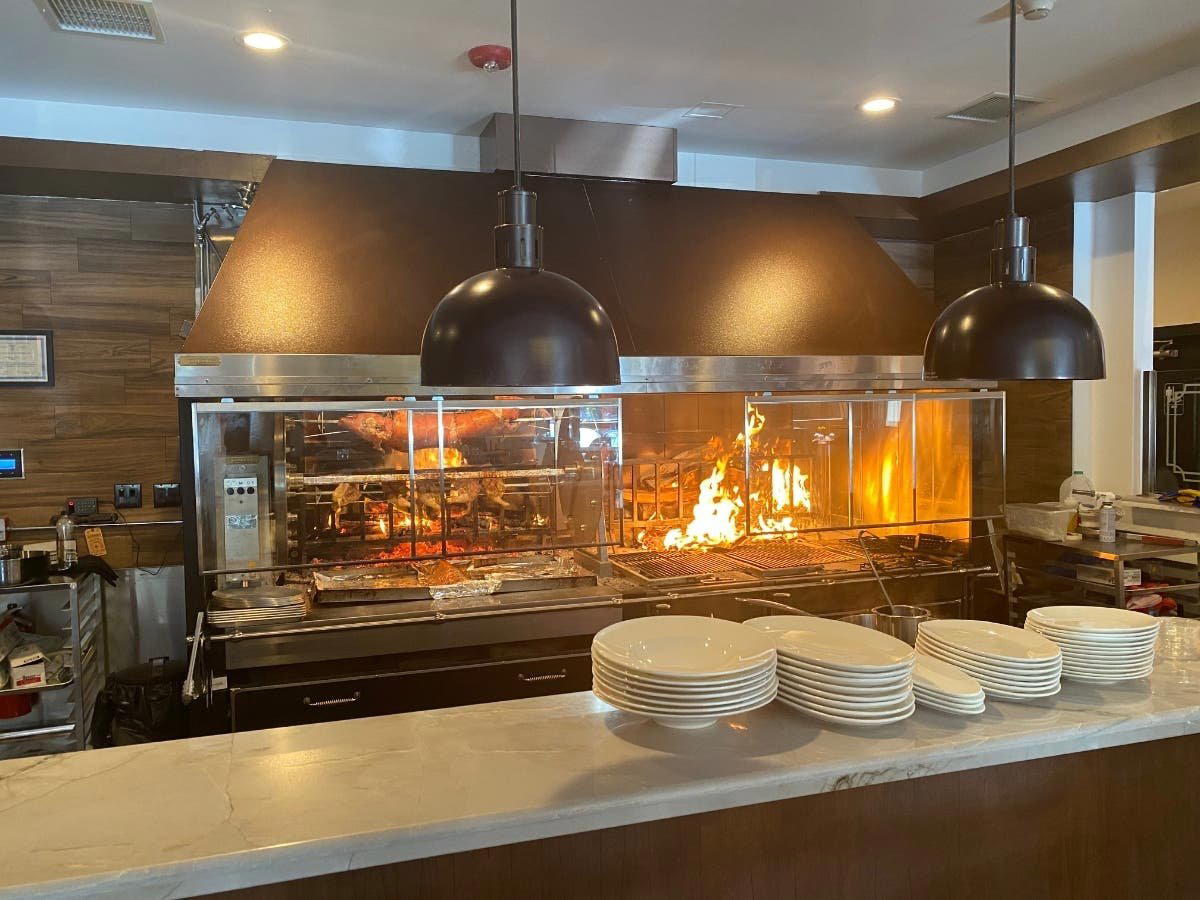


Bars in Patchogue
Browse all →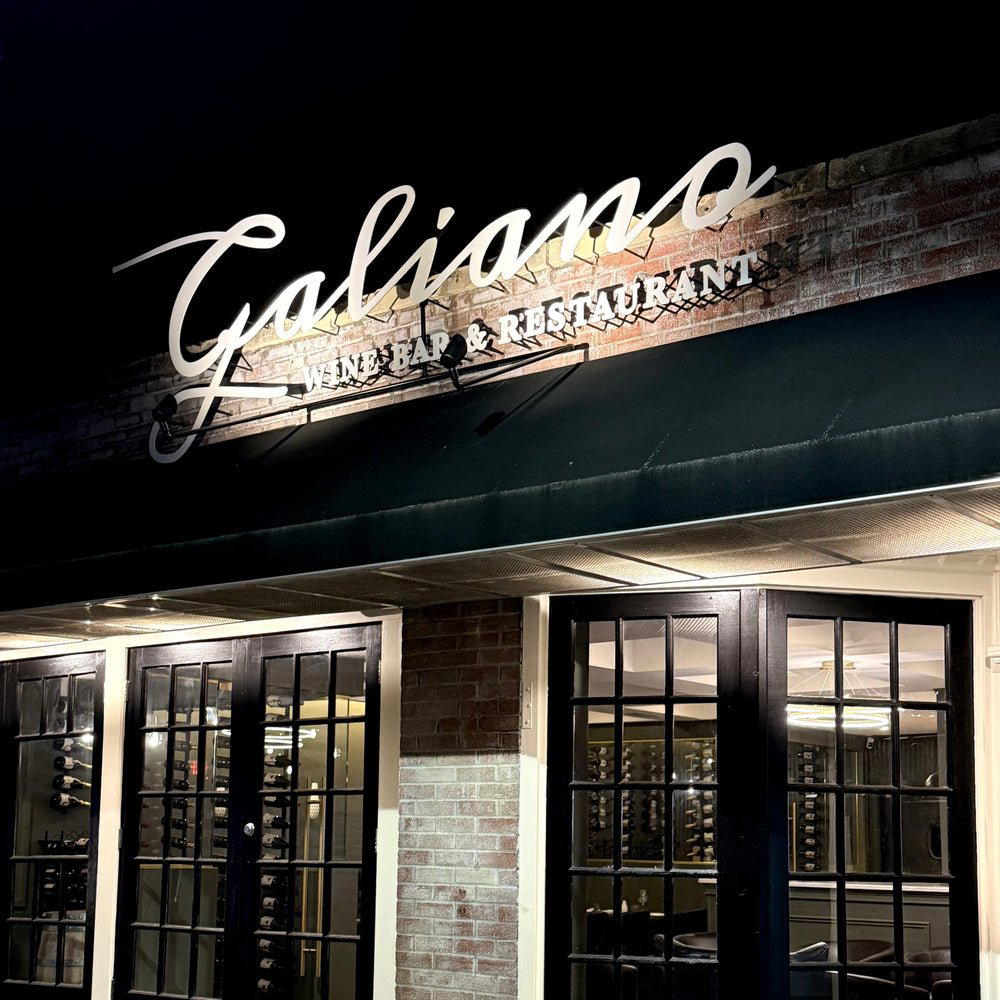
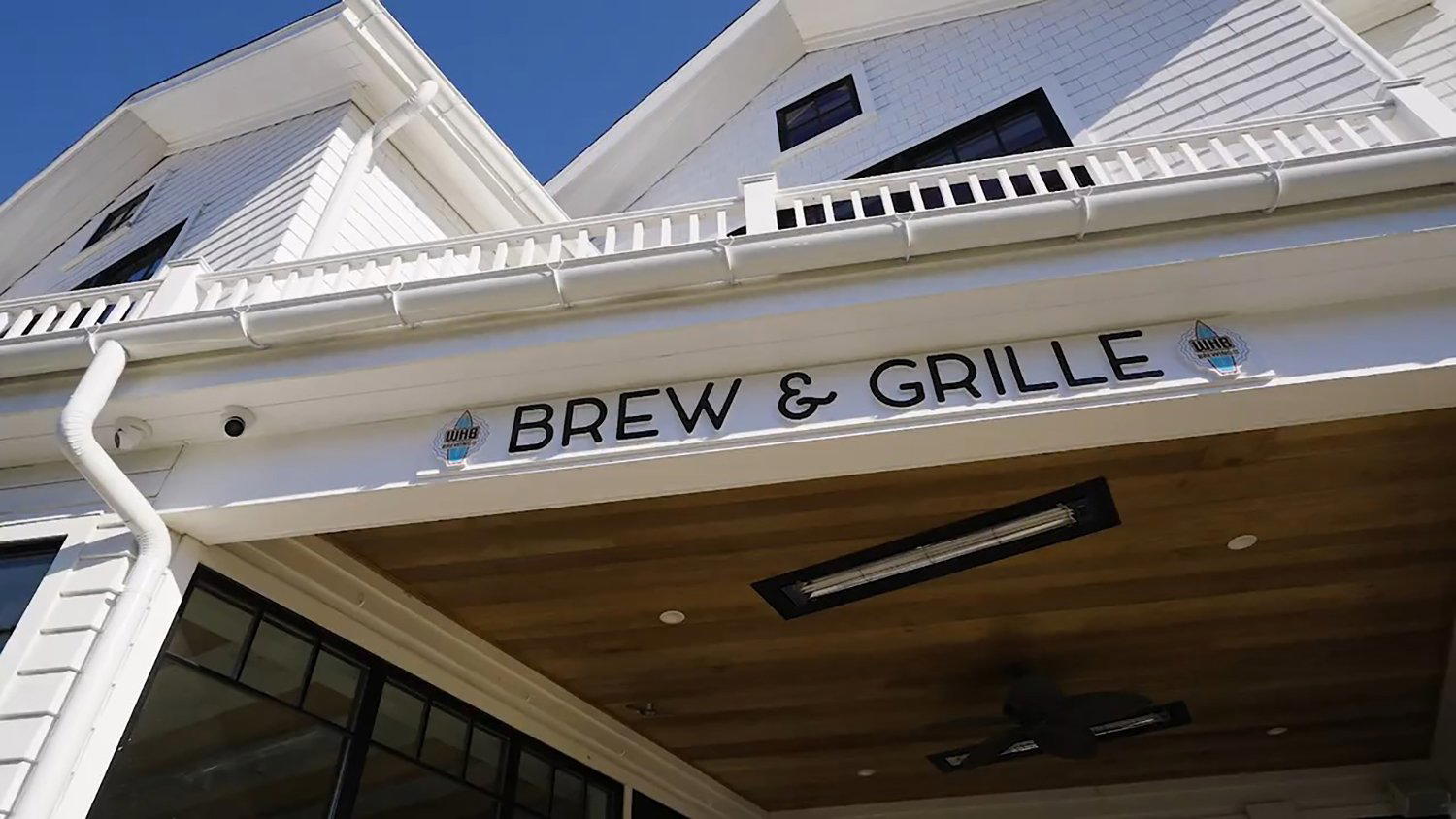
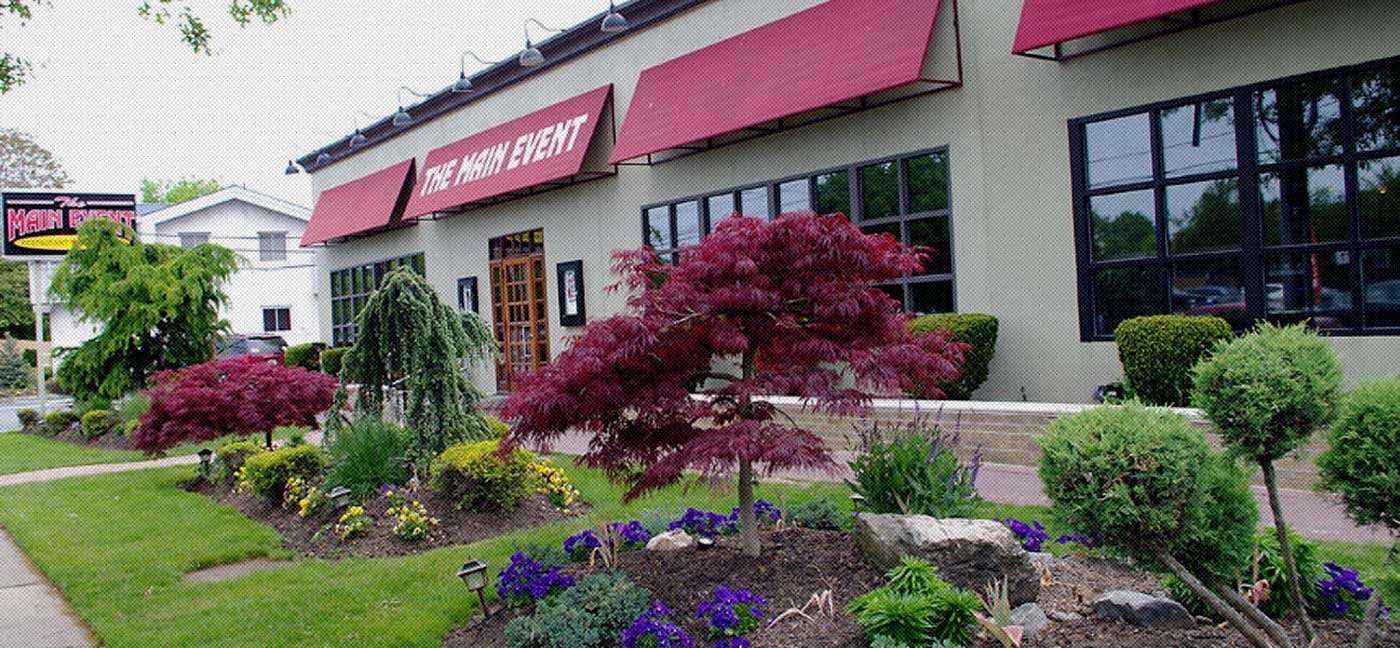
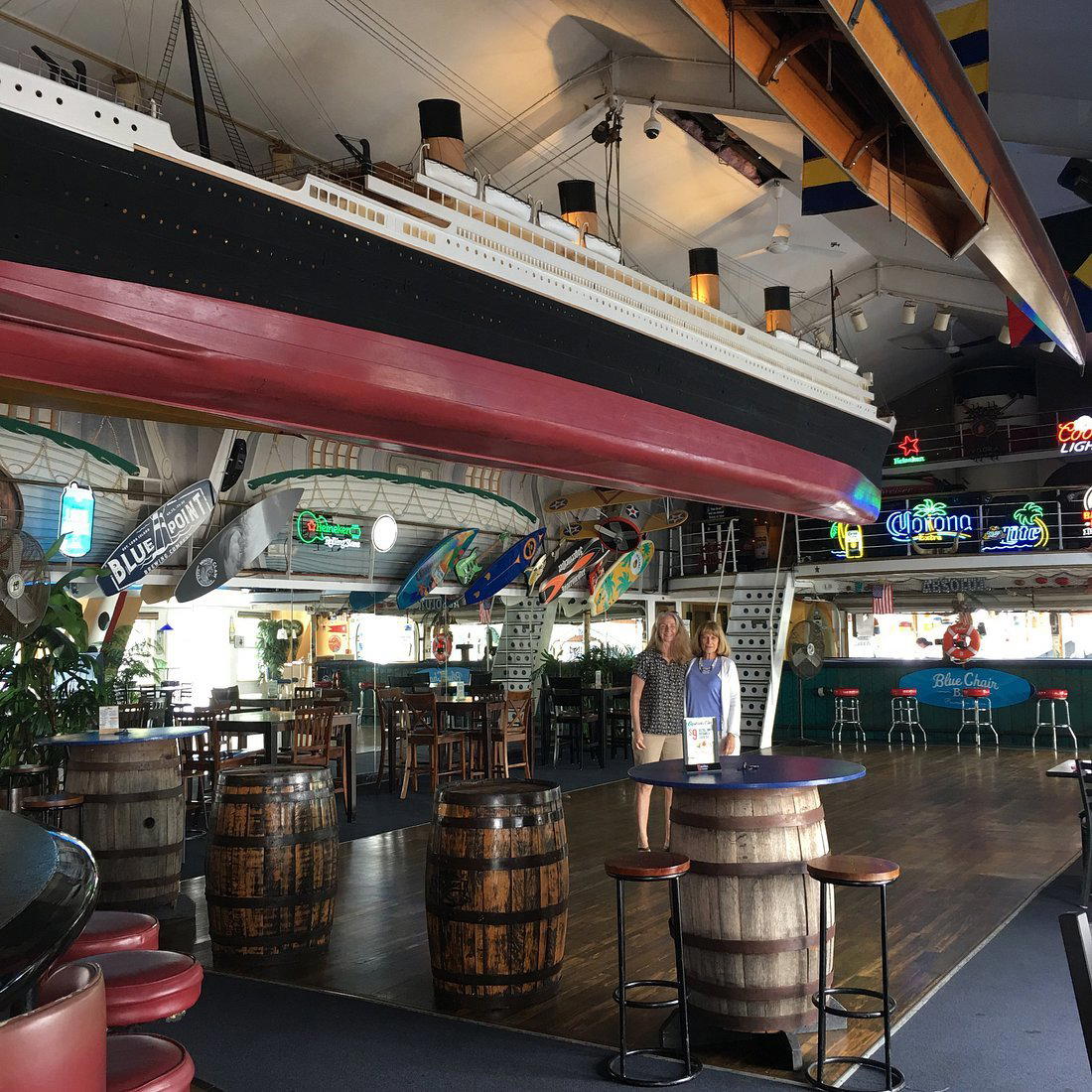
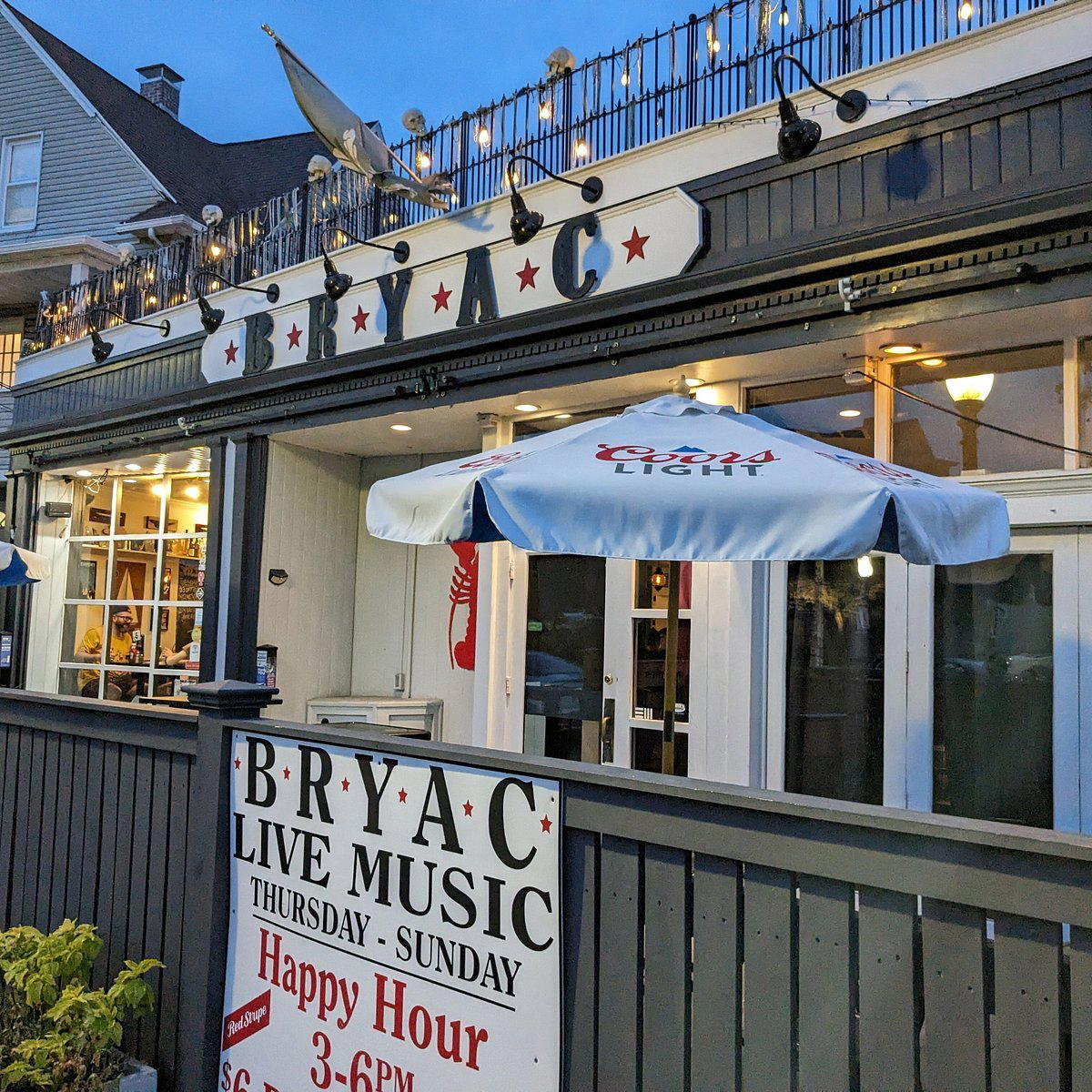
Hotels in Patchogue
Browse all →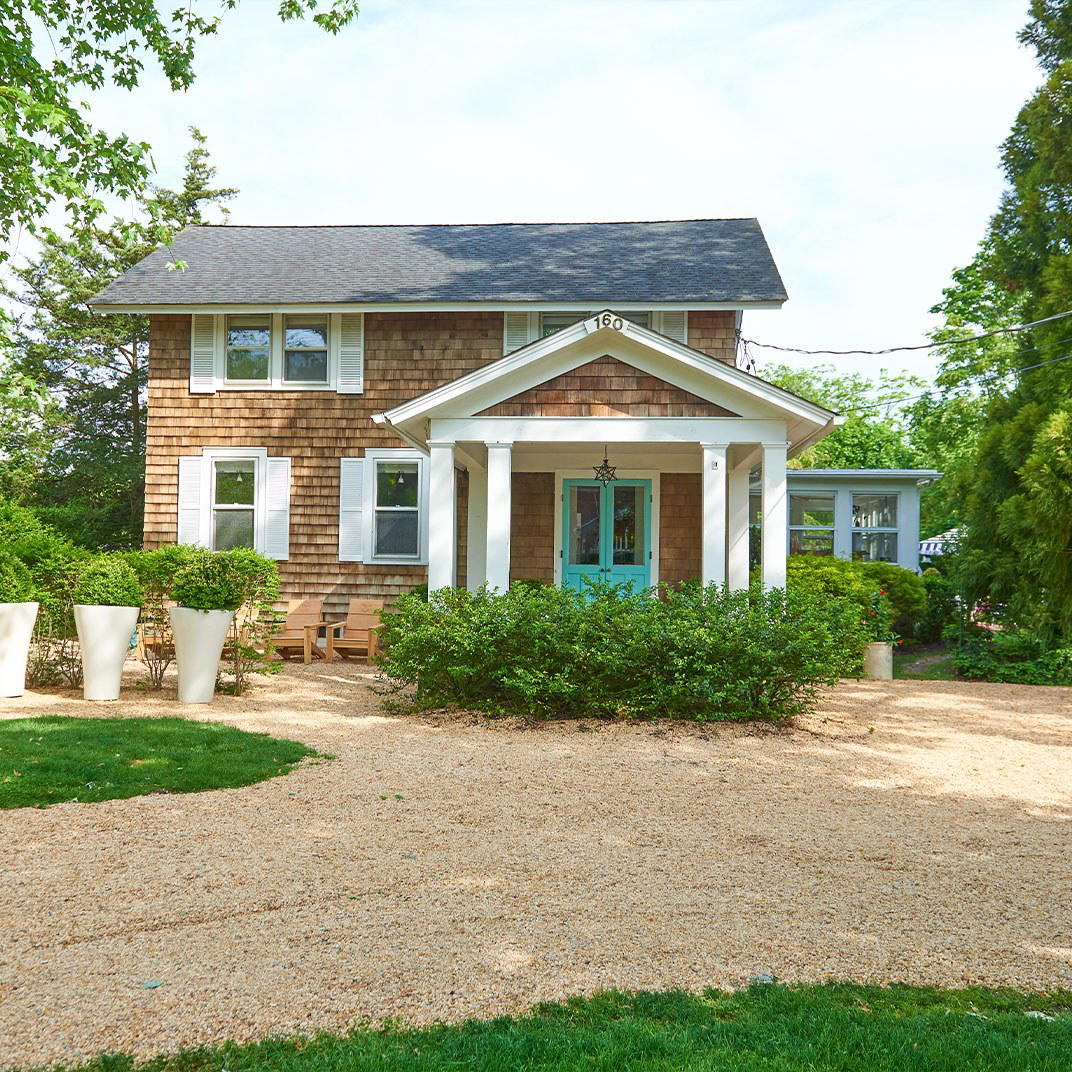
Details
- Lively
- Rustic
- Energetic
- Group Dining
- Casual Hangout
- Celebration
- Open Kitchen
- Beer Program
- Local Sourcing
- A La Carte
Current opening hours
- Monday
- 12 PM–12 AM
- Tuesday
- 12 PM–12 AM
- Wednesday
- 12 PM–12 AM
- Thursday
- 12 PM–12 AM
- Friday
- 12 PM–12 AM
- Saturday
- 1 PM–12 AM
- Sunday
- 1 PM–12 AM
Hours can change for holidays and private events. Last verified .
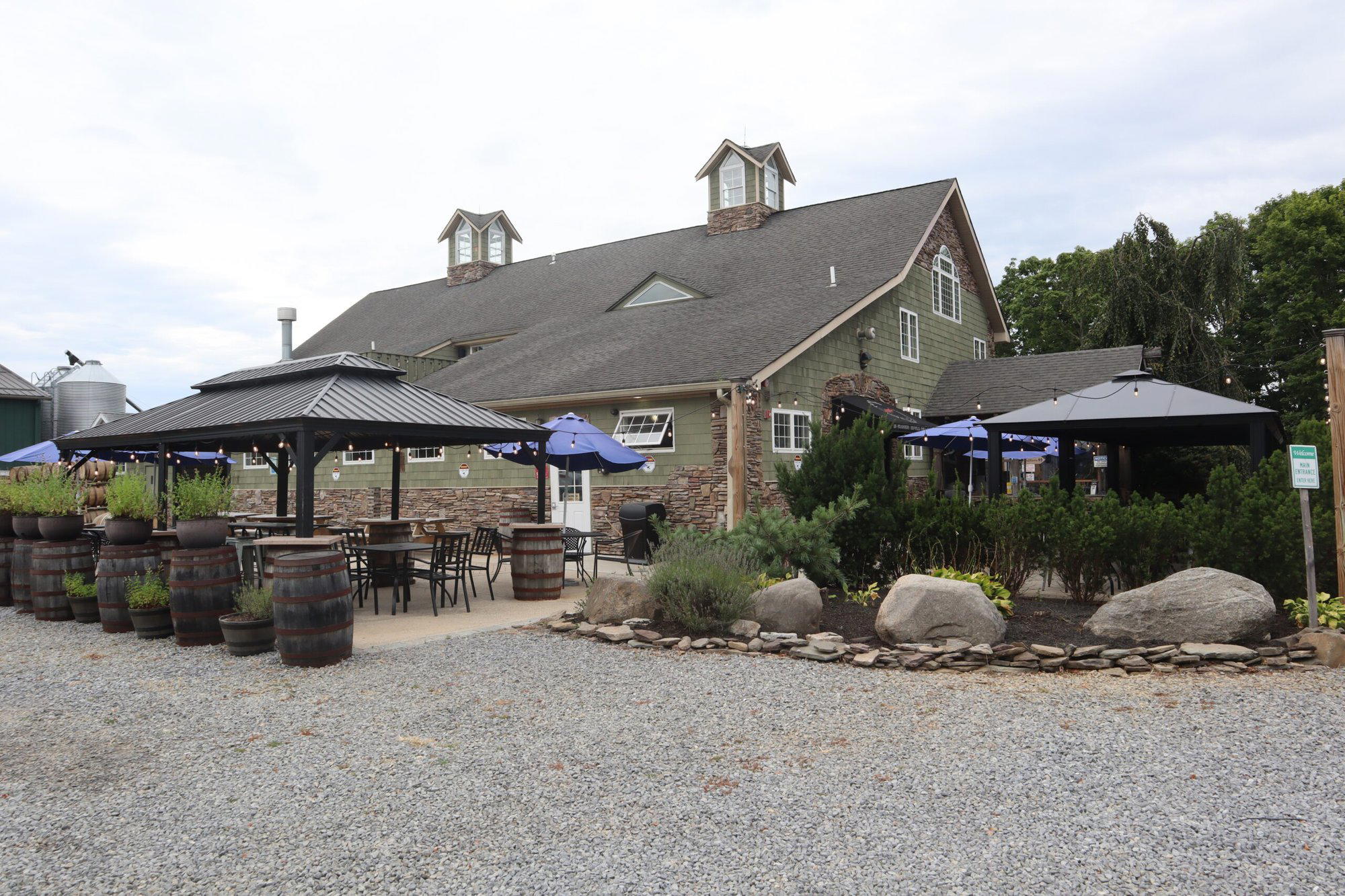
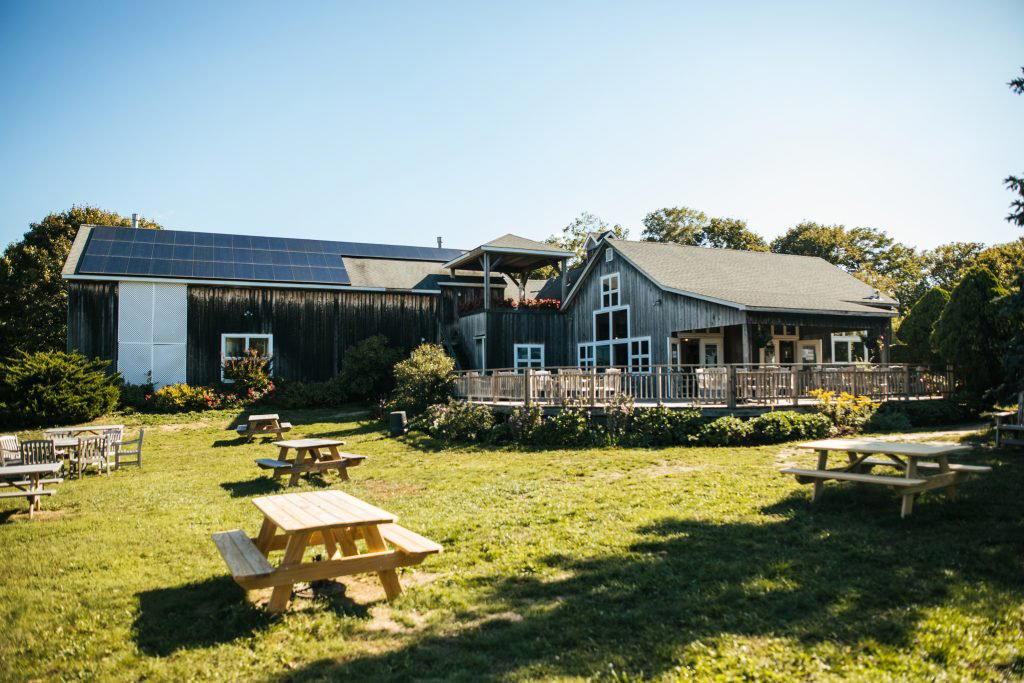
Soulful blues music fills the air with a rustic, fire-pit warmed atmosphere well-suited for southern barbecue indulgence.