Del Vino Vineyards

Del Vino Vineyards sits on Long Island's Gold Coast in Northport, bringing a winemaking tradition that traces back to the early 1800s into a family-run setting with a tasting room and culinary program. The Tuscan-inflected approach places it within a small comparable set of estate wineries on this stretch of the North Shore that prioritize heritage and hospitality over volume production.
Pearl is the En Primeur Club membership app — saves, bookings, and concierge access live there. Same editors, same standards.
- Address
- 29 Norwood Rd, Northport, NY 11768
- Phone
- (844) 335-8466
- Website
- delvinovineyards.com
- Directions
- Get directions
 Saves & bookings on Pearl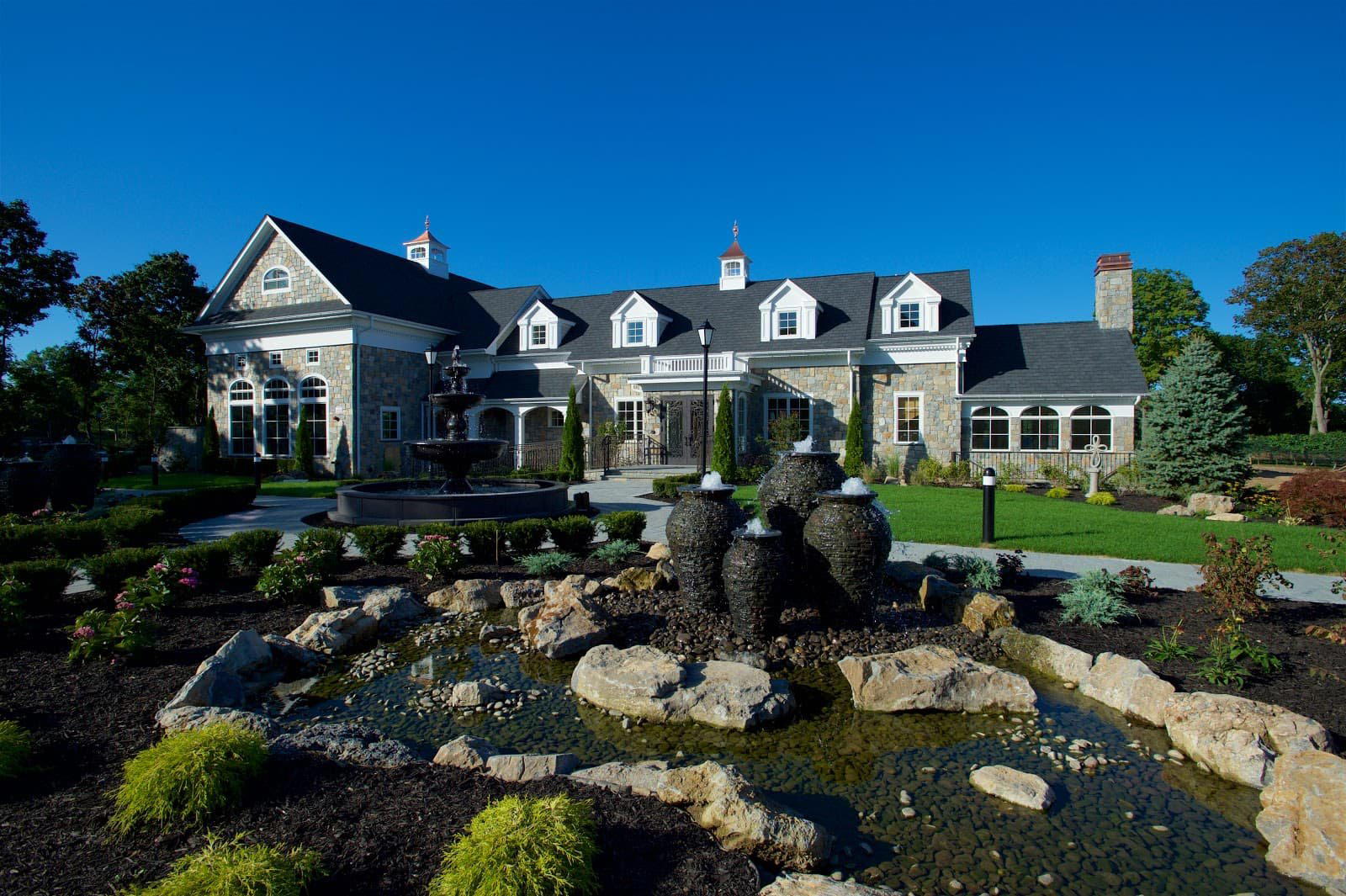
Where the Gold Coast Grows Its Own Glass
The drive along Norwood Road in Northport passes the kind of residential hedgerows and established tree cover that signal old Long Island money, the Gold Coast of Fitzgerald's imagination, now quieter but no less composed. Del Vino Vineyards is a restaurant in Northport, New York, with. It is a family-run estate property that frames its identity through land, lineage, and a winemaking tradition the family traces to the early 1800s. The tasting room functions as both entry point and anchor, the kind of space that earns its keep not through architectural spectacle but through what's poured inside it.
Sourcing Before the Bottle: What the Land Argument Actually Means Here
The editorial case for estate and family-run wineries on Long Island's North Shore has sharpened over the past two decades as the region's identity has coalesced around maritime-influenced growing conditions rather than any single varietal. The Gold Coast's proximity to Long Island Sound creates a moderating microclimate, cooler summers and extended autumns relative to the South Fork, that shapes grape development in ways the Hamptons corridor handles differently. Del Vino's positioning within that northern stretch matters because it links sourcing directly to a specific terroir argument, rather than simply a brand story.
The Tuscan reference point the winery invokes is more than decorative framing. Central Italian viticulture, particularly the Sangiovese-led tradition of Chianti and its neighbors, shares a philosophical emphasis on restraint, acidity, and food compatibility that translates reasonably well to the maritime Northeast. It signals a production orientation: wines made to accompany food rather than to perform in isolation.
That culinary orientation matters when assessing what Del Vino offers beyond the glass. The property includes a culinary experience alongside its tasting program, which places it in a category of estate operations that treat food and wine as a single hospitality proposition rather than sequential offerings. This pairing-first approach has become more common among serious small producers, and it shifts the sourcing conversation from the vineyard alone to the kitchen table as well.
The Family-Owned Model in a Market That Rewards Scale
Long Island's wine industry has always been split between operations pursuing distribution scale and those anchored to the estate model. Del Vino falls squarely in the latter category. Family ownership carries practical implications: decisions about harvest timing, production volume, and hospitality format stay within a smaller decision loop, which tends to produce more consistent tasting-room experiences even if it limits geographic reach.
The early-1800s heritage claim is worth noting for what it implies about continuity. Whether that lineage runs unbroken or represents a revival of earlier practice, winemaking knowledge transmitted across generations tends to produce producers who hold strong views about site-specific farming, a perspective that distinguishes estate operators from those who source fruit regionally. It also positions Del Vino against a different competitive set than the volume producers of the South Fork: the relevant peer comparison here is the small-lot, tasting-room-focused estates that treat visitor experience as the core product.
For travelers building a broader Long Island itinerary, that positioning matters.
Placing Del Vino in the National Farm-to-Glass Conversation
The sourcing-first ethos Del Vino embodies connects it to a broader shift across American dining and drinking culture, where provenance transparency has moved from marketing edge to baseline expectation. At the high end of that spectrum, operations like Single Thread Farm in Healdsburg and Blue Hill at Stone Barns in Tarrytown have made the farm-to-table circuit a distinct format with its own architecture and price tier. Del Vino does not occupy that bracket, it operates as an accessible estate destination rather than a destination-dining venue, but it draws on the same underlying argument: that where something grows, and who tends it, shapes what ends up in the glass or on the plate in ways that matter to the informed visitor.
That conversation runs through serious American wine and dining programs from The French Laundry in Napa to Lazy Bear in San Francisco, Alinea in Chicago, Le Bernardin in New York City, and Providence in Los Angeles, all of which treat ingredient origin as a structural element of the experience rather than an afterthought. For a family-run estate on the North Shore of Long Island, operating at a different scale and price point than those venues, the argument is simpler and more direct: the wine in the glass grew here, and the people pouring it have been farming this land for generations.
Planning a Visit
Del Vino Vineyards is located at 29 Norwood Rd in Northport, New York. As a family-operated tasting room with a culinary component, the experience rewards visitors who treat it as a half-day destination rather than a quick stop. The Gold Coast corridor makes it a natural pairing with other North Shore itinerary points; Northport village itself, a short drive away, offers waterfront dining and independent retail that extend the day.
For visitors calibrating expectations, the relevant frame is the American estate winery experience rather than the urban tasting-menu format represented by a different category of venues. Del Vino operates in a category defined by land access and family stewardship, where the value proposition is estate hospitality at a human scale.
Comparable Spots, Quickly
Comparable venues nearby, for context on price, style, and recognition.
| Venue | Cuisine | Price | Notes |
|---|---|---|---|
| Del Vino VineyardsThis venue — the venue you are viewing | Italian Tapas & Wine | $$$ | Not listed |
| Maroni Cuisine | Eclectic Italian Tasting Menu | $$$$ | Northport |
| Bistro 44 | New American Bistro | $$$ | Northport Village |
| Angelo's Italian Restaurant | Italian Trattoria with Seafood Fusion | $$$ | Huntington Village |
| Dario's | Classic Italian | $$$ | Rockville Centre |
| Cafe Ginori at Bergdorf Goodman | Contemporary Italian | $$$ | Midtown-Times Square |
Recognition history
Dated appearances from independent guides and award organizations, with the underlying list record or original source where available.
OpenTable Top 100 Restaurants
OpenTable
Continue exploring
More in Northport
Restaurants in Northport
Browse all →
Bars in Northport
Browse all →
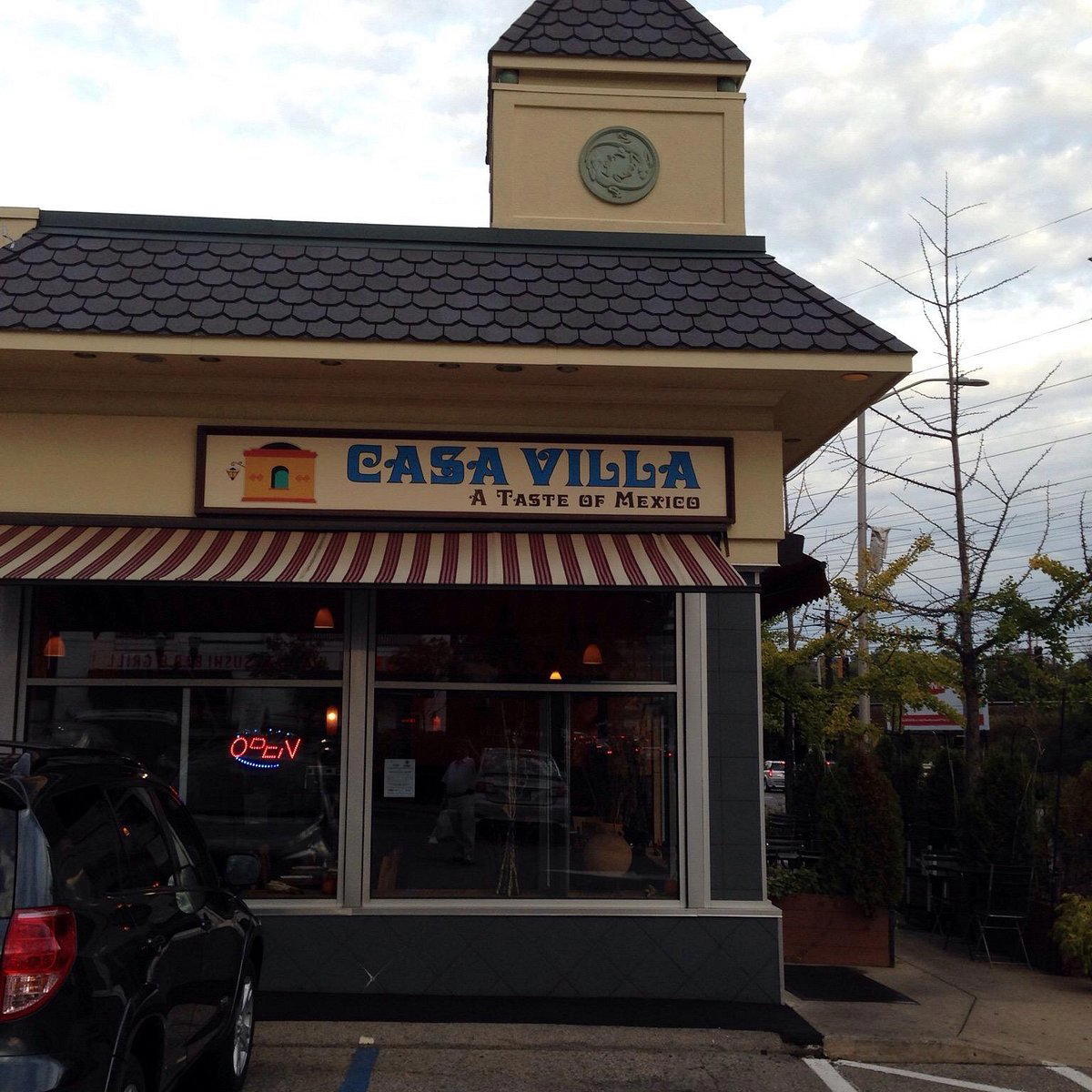
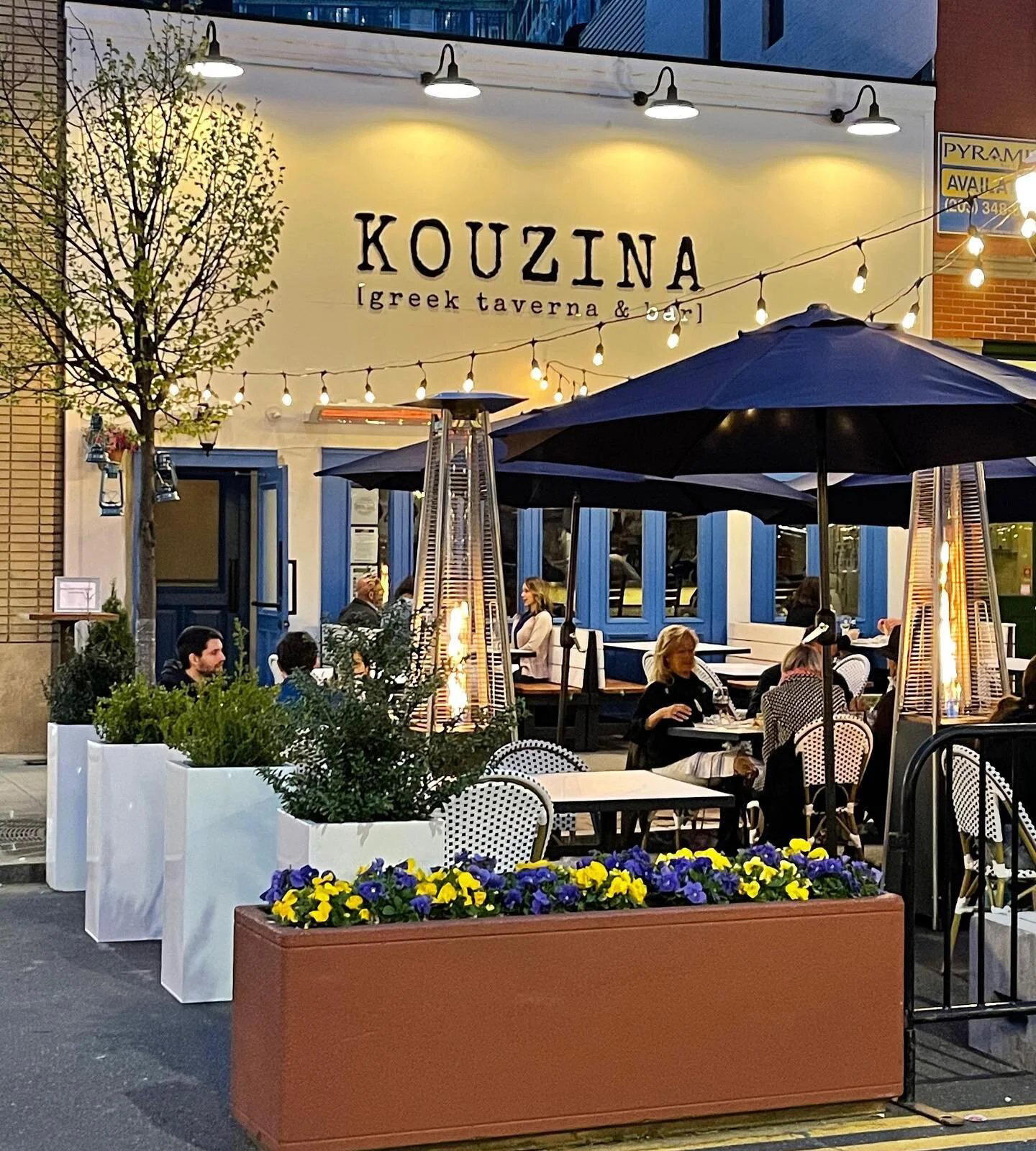
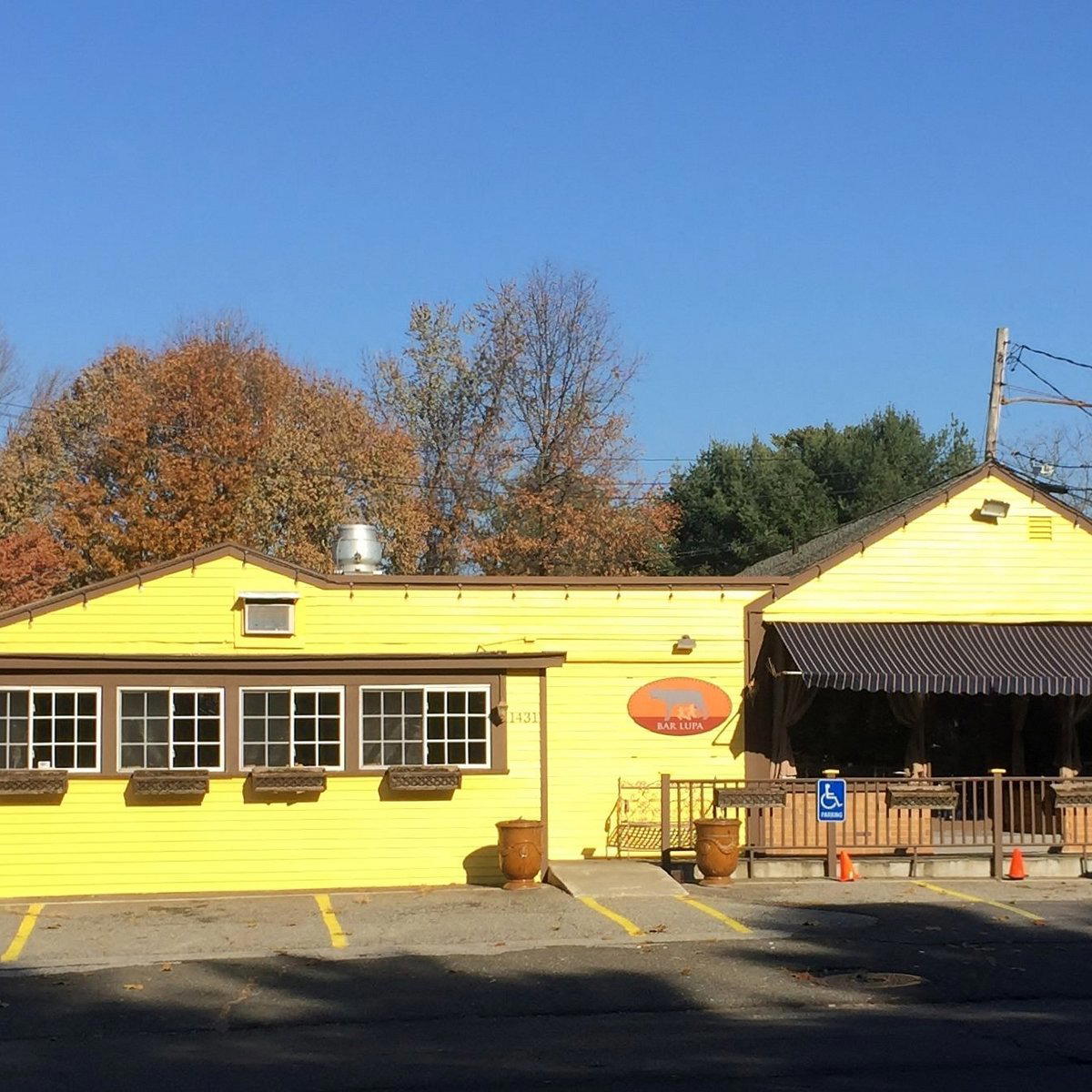
Hotels in Northport
Browse all →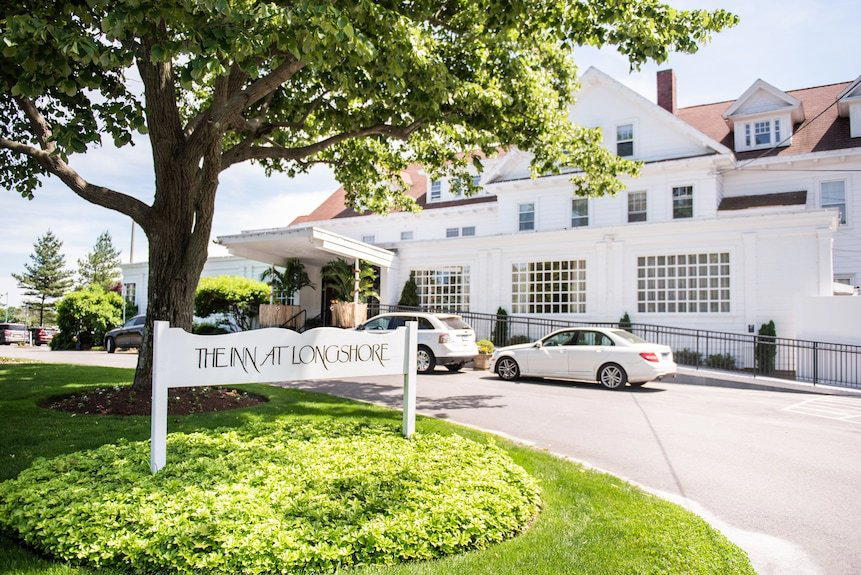
Wineries in Northport
Browse all →
At a Glance
- Romantic
- Scenic
- Elegant
- Lively
- Date Night
- Group Dining
- Celebration
- Special Occasion
- Private Event
- Wine Cellar
- Garden
- Private Dining
- Terrace
- Panoramic View
- Extensive Wine List
- Sommelier Led
- Beer Program
- Local Sourcing
- Vineyard
- Garden
Current opening hours
- Monday
- Closed
- Tuesday
- Closed
- Wednesday
- Closed
- Thursday
- Closed
- Friday
- 4–10:30 PM
- Saturday
- 11 AM–10:30 PM
- Sunday
- 11 AM–7:30 PM
Hours can change for holidays and private events. Last verified .
Lively and joyful atmosphere with natural lighting from expansive outdoor spaces; elegant interior bar with patio extensions, fireplace, and tent coverage; decorated beautifully during seasonal events.