
Michelin Plate
Our verdict
Béni occupies a focused corner of Singapore's French contemporary dining scene, where chef Kenji Yamanaka applies French technique to ingredients sourced from both France and Japan. The result is a set-menu format that shifts with market availability, earning. For French dining with Japanese precision at the $$$ price tier, Béni earns its place alongside the city's most considered restaurants.

Pearl is the En Primeur Club membership app, where members save venues, book tables and use the concierge.
A Quiet Room With a Clear Point of View
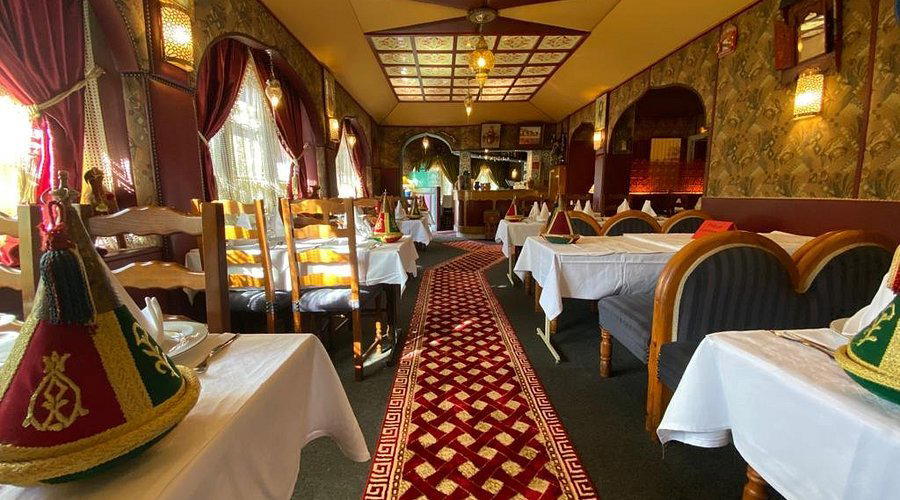
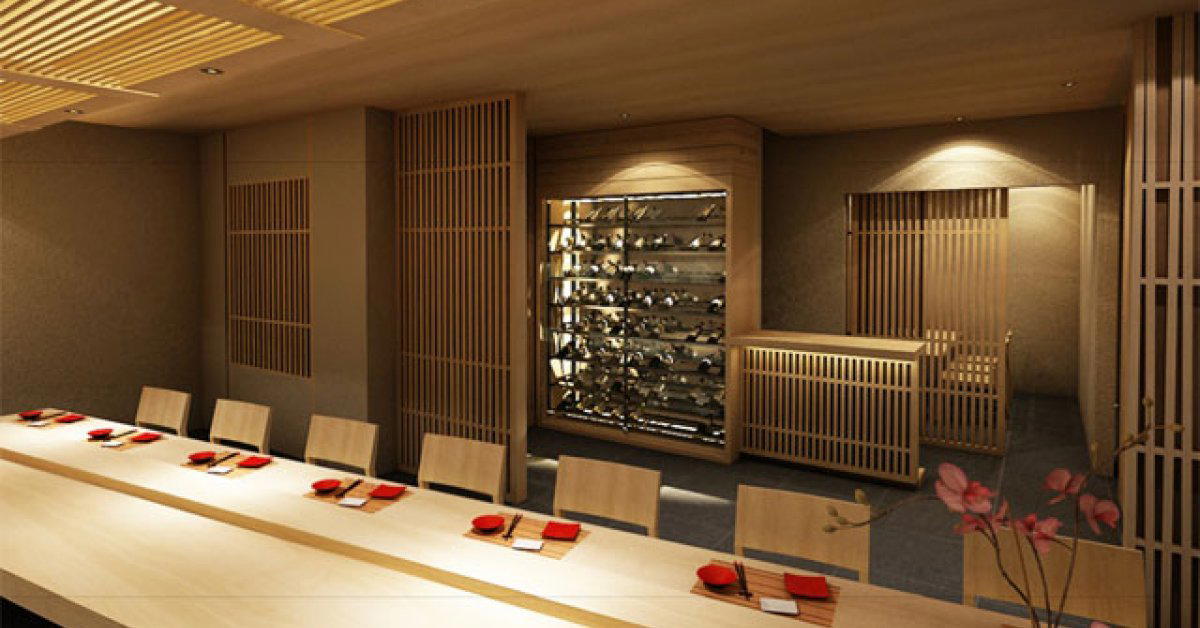
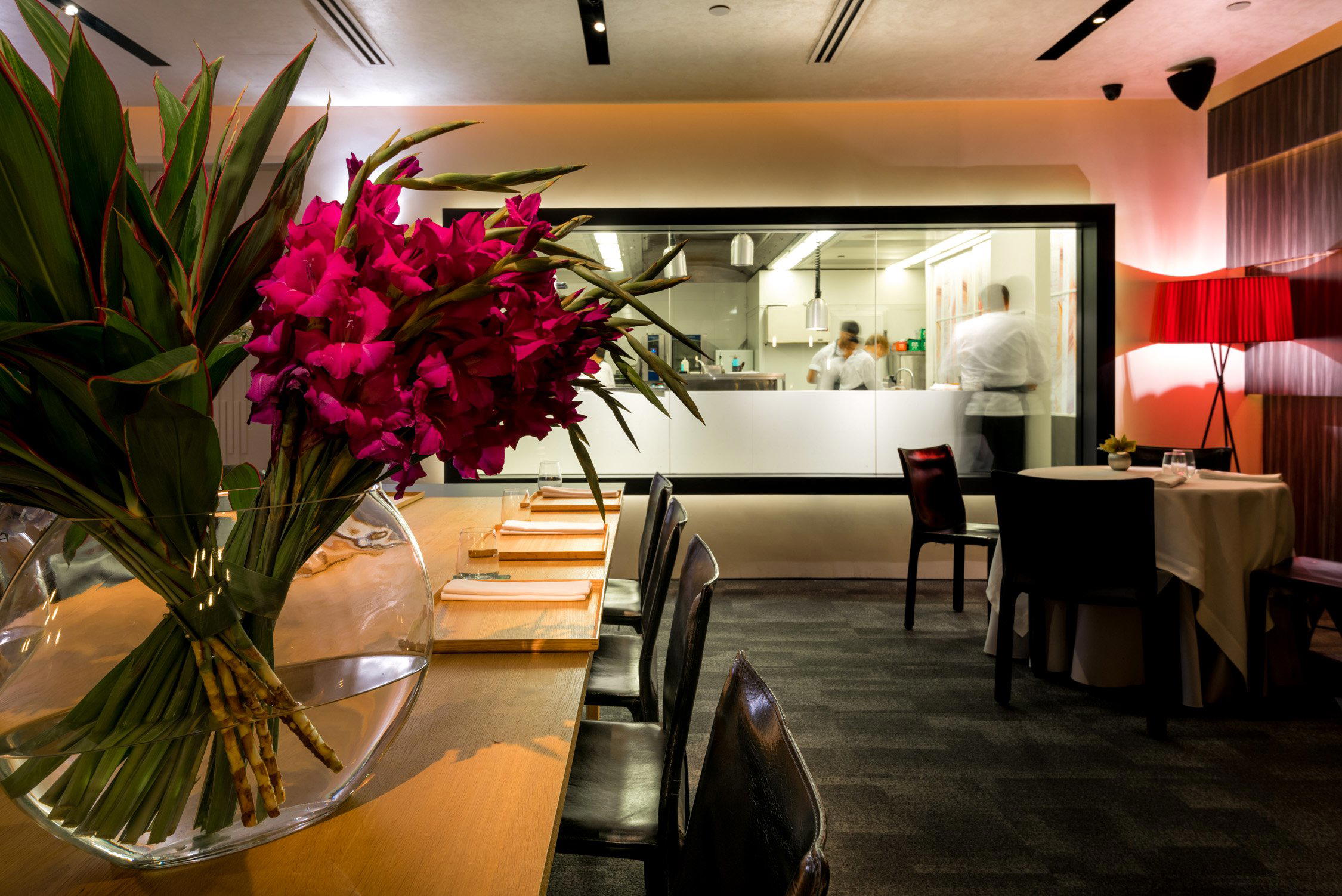
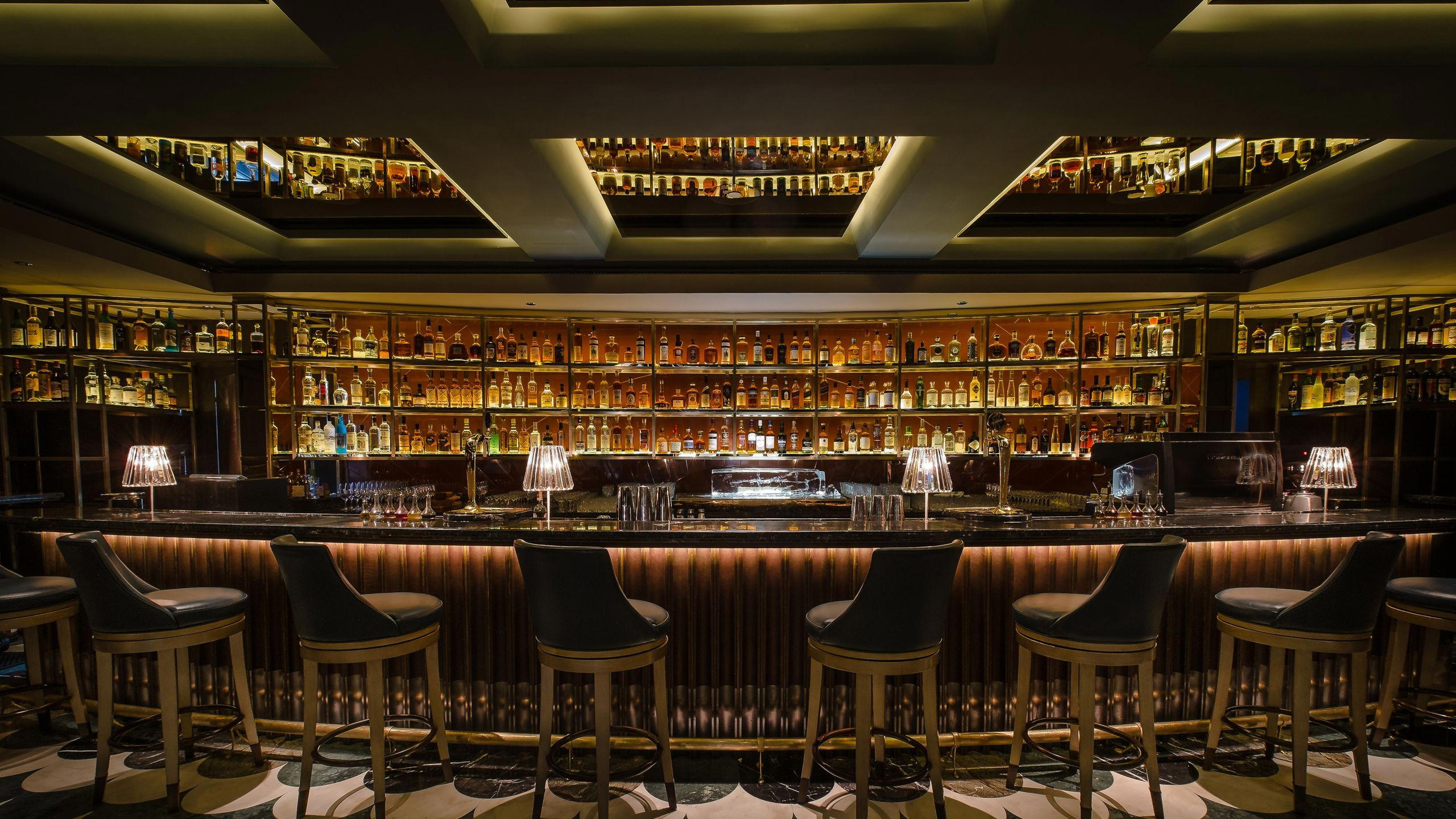
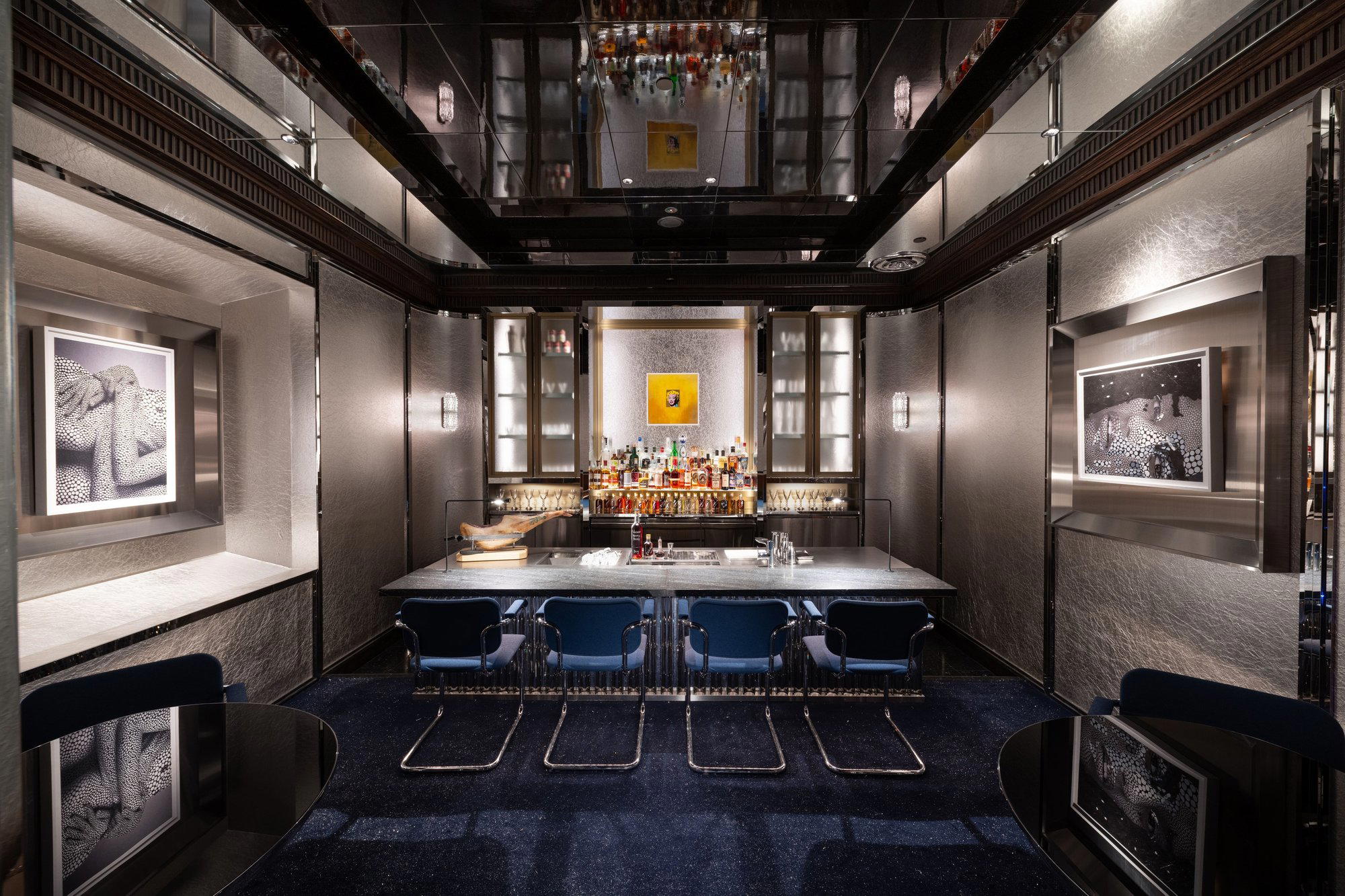
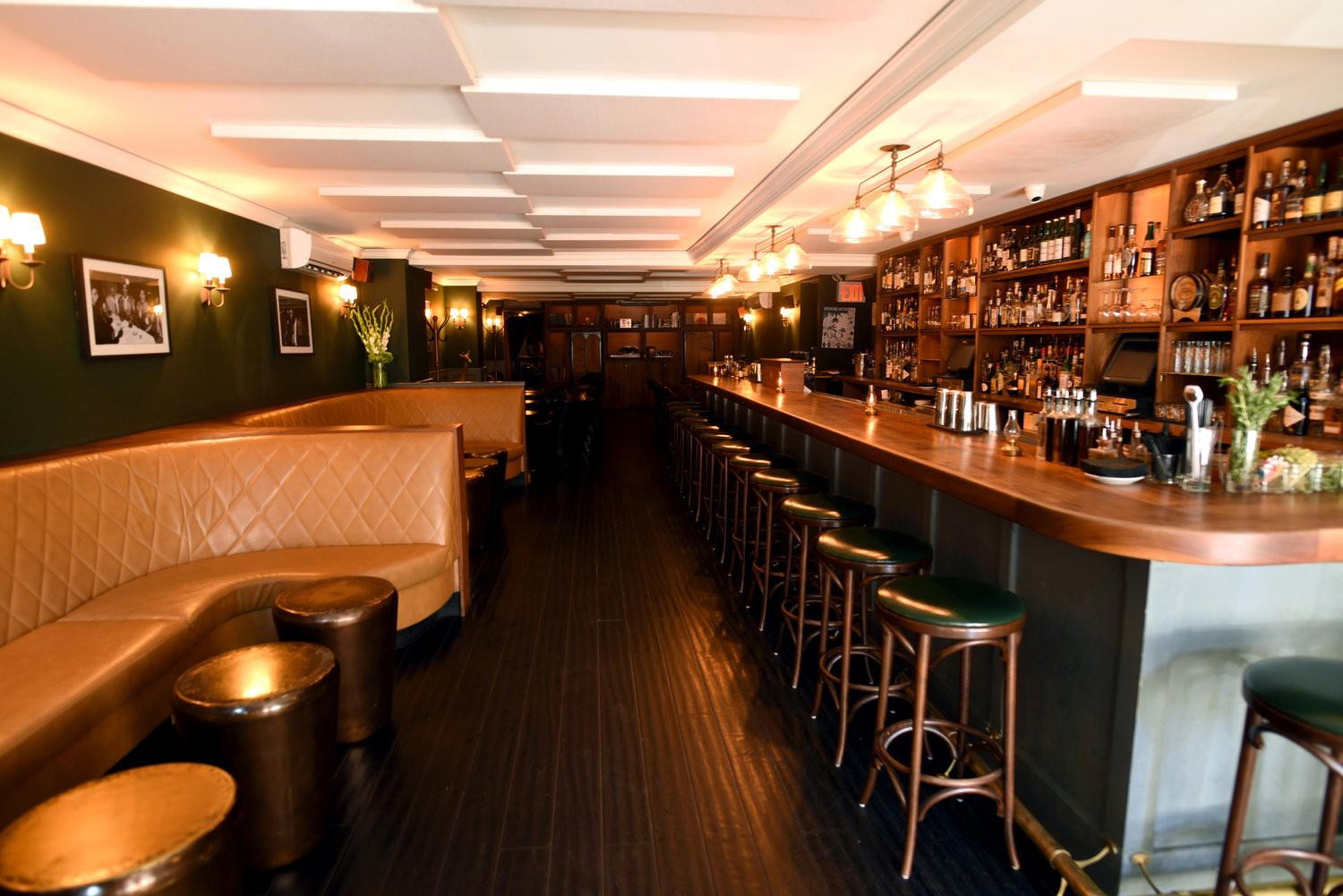
Along the shophouse stretch of North Canal Road, the dining scene operates at a different register from the grand hotel rooms that define much of Singapore's formal French cooking. The setting at Béni is deliberate in its restraint: minimalist décor with no visual competition for what arrives on the plate. This is a recognisable architectural choice in a particular strand of Japanese-influenced fine dining, where the room functions as negative space around the food. At comparable counters in Tokyo, the same logic produces intimate, almost monastic environments. In Singapore, Béni applies that discipline within a city that generally rewards spectacle.
The address at 18 North Canal Road places it in the Boat Quay corridor, a neighbourhood with more tourist-facing casual dining than serious tasting-menu rooms. The audience is finding it deliberately.
French Method, Japanese Precision
The French contemporary category in Singapore is well-populated. Odette holds three Michelin stars and operates at the top of the city's formal French register. Saint Pierre has long anchored a European fine-dining tradition with Asian ingredient integration. Newer entrants like Jag and Whitegrass occupy the same $$$ tier with their own takes on European cooking in a tropical context. What separates these restaurants is less price point and more the specific cultural lens each applies to French classical foundations.
Béni's editorial angle within this peer group is the Japan-France axis. Chef Kenji Yamanaka works at the intersection where French classical structure meets Japanese ingredient literacy and craft sensibility. This is not a novel pairing in global fine dining: the French-Japanese fusion school has a documented history running through Paris restaurants and into properties like Amber in Hong Kong and Feuille in Hong Kong, where different chefs have approached the same dialogue. What Béni pursues is a version of that exchange grounded in sourcing: top-quality ingredients from both France and Japan meet in the kitchen with the explicit goal of transformation through technique, not novelty through juxtaposition. The distinction matters. Restaurants that lead with the concept of fusion often produce menus where the cultural reference is the point. Here, the sourcing and the skill are the point.
The Set Menu as Seasonal Document
The format at Béni is set menus that shift with ingredient availability, including seafood adapted to the catch of the day. This is a structurally honest approach to fine dining: it acknowledges that the kitchen's leading work happens in response to what is available rather than what is scheduled. Across the wider French contemporary category in Asia, the degree to which a restaurant genuinely adjusts to market availability versus marketing the idea of seasonal cooking is a reliable quality indicator. A menu that adapts seafood to the day's catch requires kitchen flexibility and supplier relationships that a fixed menu does not.
For diners, this creates an experience closer to trusting the kitchen than selecting from a fixed programme. The trade-off is predictability: you cannot research specific dishes in advance with confidence they will appear. The reward is that what arrives has a better chance of being at its actual peak. Restaurants like Roia operate on similar seasonal principles within Singapore's contemporary European dining tier, and the approach connects Béni to a broader movement away from signature-dish dependency toward kitchen-led menus.
Beyond Southeast Asia, the French contemporary format follows similar logic in other markets: Chef's Table in Bangkok and L'Atelier Robuchon in Geneva both work within structured French frameworks that nonetheless leave room for ingredient-driven adaptation. The category is large enough globally to contain very different approaches, from the grand-hotel formalism of Alain Ducasse at Morpheus in Macau and Robuchon au Dôme in Macau to more intimate rooms where the kitchen's day-to-day judgment is the product.
The Wine List as Secondary Menu
One of the more specific pieces of intelligence available about Béni is the recommendation to consult the sommelier for unusual choices not shown on the wine list. This is a meaningful signal. A restaurant that keeps bottles off the printed list, accessible only through conversation with the floor team, is operating a cellar programme rather than a transactional one. It suggests inventory with depth and specificity that the sommelier considers worth presenting contextually rather than cataloguing. At the $$$ tier in Singapore's fine-dining market, wine programmes vary considerably in ambition: some are built primarily around recognisable labels, others around genuine curation. The instruction to ask the sommelier is an invitation to the latter.
Where Béni Sits in Singapore's Fine Dining Picture
Singapore's upper-tier restaurant scene has expanded significantly over the past decade, with the Michelin Guide entry (the city received its first edition in 2016) accelerating both recognition and competition. The $$$ tier, where Béni operates, sits below the $$$$ rooms like Zén (three Michelin stars, European contemporary) but is populated with strong, award-tracked kitchens. Jaan by Kirk Westaway holds two Michelin stars at the $$$ price tier. Iggy's has carried one Michelin star at the same price level. The category is competitive rather than clearly stratified.
They accumulate through consistent execution over repeat visits from a dining public that is, in Singapore, comparatively experienced with formal restaurant formats.
For readers orienting to the broader scene, our full Singapore restaurants guide maps the city's dining tiers across cuisine categories. Those planning around dining should also consult our full Singapore hotels guide, our full Singapore bars guide, our full Singapore experiences guide, and our full Singapore wineries guide for a complete picture of the city's premium offering. The Bagatelle in Trier and L'Envol in Hong Kong offer useful comparison points for travellers tracking the French contemporary format across different Asian and European markets.
Planning Your Visit
Béni is at 18 North Canal Road, Singapore 048830, in the Boat Quay area of the central business district, within walking distance of Clarke Quay MRT. The price tier is $$$, placing it in the mid-to-upper bracket of Singapore's serious restaurant options. The set menu format means booking in advance is the practical approach; given the market-driven menu changes, it is also worth arriving open to whatever the kitchen has prioritised for the day rather than with specific dish expectations. The sommelier conversation about wines not on the printed list is worth initiating early in the meal rather than at the end.
Frequently asked questions
What kind of setting is Béni?
Béni occupies a small, focused room at 18 North Canal Road in Singapore's Boat Quay district, within walking distance of Clarke Quay MRT. The décor is deliberately minimal, placing the emphasis on Kenji Yamanaka's French cooking with Japanese precision rather than the room itself. Pricing sits at the $$$ tier, positioning it in Singapore's upper-mid formal dining bracket.
Who runs the kitchen at Béni?
The chef associated with Béni is Kenji Yamanaka.
What's the must-try dish at Béni?
The set menu at Béni shifts according to ingredient availability, with seafood dishes adapted to the daily catch, so the kitchen's output changes regularly rather than anchoring around fixed signatures. The more reliable instruction is to arrive with the menu format in mind: you're eating what's good that day, guided by French technique and Japanese sourcing. For the most current picture of what's on, check the venue's official channels before visiting.
How It Stacks Up
Comparable venues nearby, for context on price, style, and recognition.
| Venue | Cuisine | Price | Awards | Notes |
|---|---|---|---|---|
| BéniThis venue (the venue you are viewing) | French-Japanese Fusion | $200–300 | Michelin Plate | Not listed |
| Roia | Modern French-Indian Fusion | Not listed | Michelin Plate | TYERSALL |
| Mustard Seed | Modern Singaporean (Mod-Sin) | $150–200 | Michelin Guide Plate · Michelin Plate | SERANGOON GARDEN |
| Fiamma | Italian Family Dining | $100–150 | Michelin Guide Plate · Michelin Plate | SENTOSA |
| Fleur de Sel | Modern French Fine Dining | $150–200 | Michelin Plate · Michelin Guide Plate | CHINATOWN |
| Tunglok Heen | Modern Chinese Fine Dining | $100–150 | Michelin Guide Plate · Michelin Plate | SENTOSA |
Recognition history
Dated appearances from independent guides and award organizations, with the underlying list record or original source where available.
Michelin Plate
Michelin
Continue exploring
More in Singapore
Restaurants in Singapore
All restaurants in Singapore →
Bars in Singapore
All bars in Singapore →
Details
- Intimate
- Elegant
- Sophisticated
- Date Night
- Special Occasion
- Chefs Counter
- Open Kitchen
- Sake Program
- Tasting Menu
- Wine
- Sake
- Vegetarian Friendly
Warm, homely, and rustic classic European feel with soft lighting, white tablecloths, and an intimate atmosphere focused on the open kitchen.