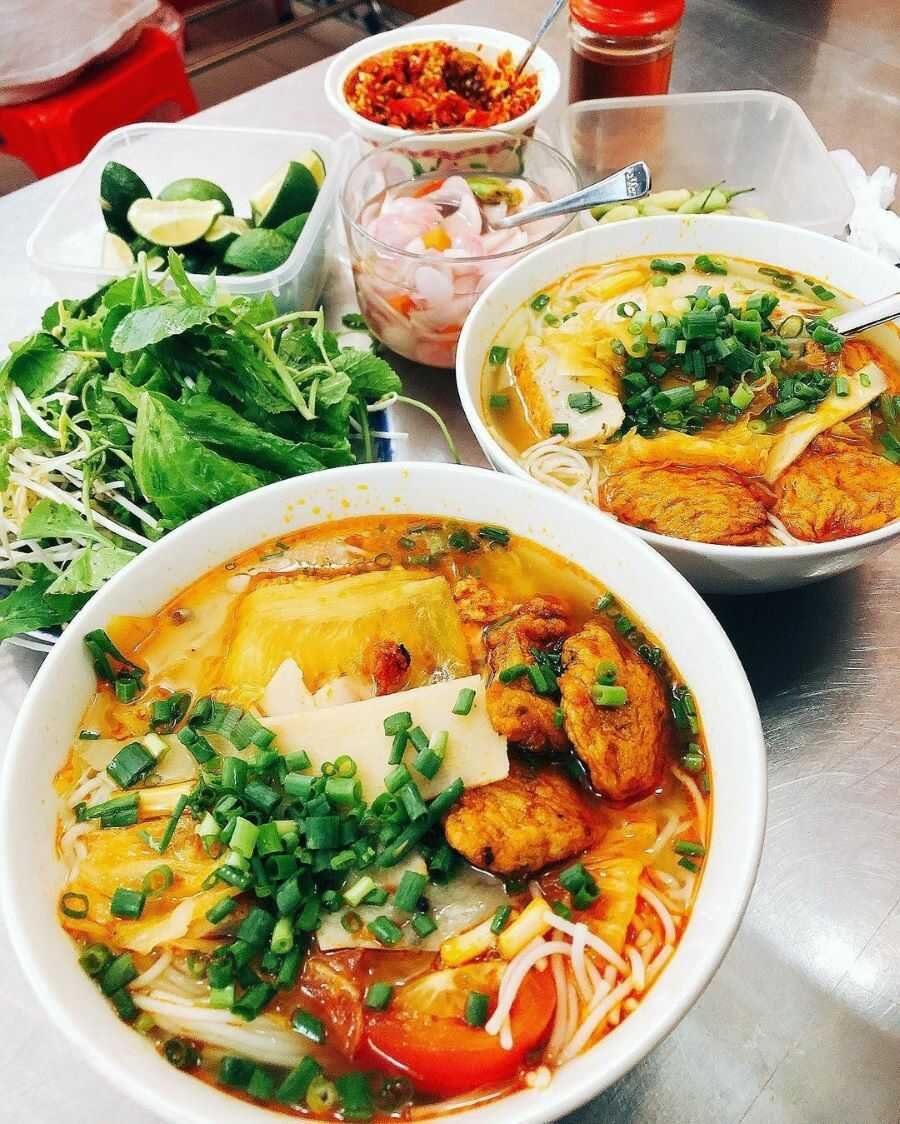
Da Nang's street-level bún chả cá tradition runs deep, and this address on Nguyễn Chí Thanh sits squarely within it. The bowl centres on fish cake noodle soup, a Central Vietnamese staple that relies on fresh coastal catch rather than broth complexity. For visitors looking beyond the tourist circuit, it represents the everyday cooking that locals return to without hesitation.

Pearl is the En Primeur Club membership app — saves, bookings, and concierge access live there. Same editors, same standards.
Where the Morning Bowl Begins
Nguyễn Chí Thanh is one of Da Nang's working arteries: wide enough for motorbike traffic in both directions, lined with the kind of low-fronted shophouses that signal neighbourhood eating rather than tourist accommodation. Approaching a bún chả cá address here means passing the rhythms of ordinary city life, vendors, commuters, the ambient noise of a Vietnamese street before the midday heat settles in. The environment is not curated. That is, in part, the point.
Bún chả cá is a Central Vietnamese noodle dish that deserves more attention than it typically receives from visitors concentrating their efforts on phở or bánh mì. The format is direct: round rice vermicelli in a clear, savoury broth, topped with fish cakes in varying preparations, fried, steamed, or grilled, alongside aromatics and often a hit of fresh chilli. The dish lives and dies by the quality of the fish used to make the cakes, which is why Da Nang's coastal position matters to every bowl served in the city. Fish landed at the Han River market or from the city's active fishing fleet enters the preparation chain quickly, and that proximity shapes flavour in ways that inland versions of the dish cannot replicate.
The Sourcing Logic Behind Chả Cá
Central Vietnam's coastline runs the length of the country's narrowest point, and Da Nang sits at its midpoint. The city's fish market supply is a daily variable, what arrives determines what gets made into chả cá that morning. Traditional recipes for the fish cakes call for white-fleshed fish with a firm enough texture to hold shape after pounding and frying: cá thác lác and cá thu (mackerel) are common choices in the Central style, each contributing a different density and salt level to the finished cake.
This ingredient dependency is what separates an address like Bún Chả Cá 109 Nguyễn Chí Thanh from tourist-adjacent dining. When the supply chain is local and daily, the dish reflects the actual catch rather than a standardised product sourced further afield. The broth in a properly made bún chả cá is light rather than long-simmered; the fish cake carries the flavour weight. This is the inverse of northern broth-heavy noodle traditions, and it asks something different of both the cook and the diner.
Da Nang's street-level noodle circuit includes specialists across formats. Bà Diệu and its Trần Tống Street location work the same neighbourhood-specialist register, while Ba Be covers the city's steamed rice cake traditions. Each represents a different corner of Central Vietnamese flour-and-fish cooking, and none overlaps significantly with the others. The bún chả cá format is distinct in its broth clarity and its fish cake focus.
Da Nang's Street Food Position
Da Nang's eating culture sits in an interesting position within Vietnam's broader food geography. It lacks Hanoi's centuries-old phở orthodoxy and Ho Chi Minh City's layered French-colonial café culture, but it has its own set of regional signatures that are less diluted by tourism than either of those cities. Bún chả cá is one of them. So is mì Quảng, the turmeric-yellow noodle dish from Quảng Nam province. So is bánh xèo, the sizzling pancake that Da Nang cooks differently from Saigon versions.
Street-level addresses on residential corridors like Nguyễn Chí Thanh serve a different function from the tourist-facing restaurants near the Han River promenade or the refined dining at properties like La Maison 1888, which operates at the opposite end of the price and formality spectrum in French Contemporary territory. The former exist because locals eat there every week. That durability is its own credential in a city where food businesses turn over quickly when the quality drops. Neighbourhood regulars are a more demanding audience than tourists who will not return.
For context on Vietnam's wider dining register, Gia in Hanoi and Akuna in Ho Chi Minh City represent how northern and southern Vietnamese cooking is being reframed at a more formal level. The Central Vietnamese street tradition at an address like this operates without that kind of institutional framing, and it does not require it.
Eating Here: What to Know
Da Nang's street-food addresses on residential streets typically operate on a morning-through-early-lunch schedule. Bún chả cá is breakfast food in this city's rhythm, which means the bowl is at its freshest in the hours before noon. Timing matters more than booking at an address like this: walk-in is standard, and seating turns over quickly at plastic tables and low stools.
For visitors building a wider street food itinerary in Da Nang, Banh Mi Ba Lan covers the bánh mì end of the city's street spectrum, while Da Nang's broader Central Vietnamese context can be extended into Hội An with a visit to White Rose, which specialises in the shrimp dumpling format particular to that town. Each of these addresses anchors a different tradition within the same regional cooking language.
Elsewhere in Vietnam, seafood-forward addresses like Bien 14 Seafood Buffet in Hạ Long operate at a different scale and format. The street-level single-dish specialist, by contrast, concentrates all its effort into one preparation repeated daily until it is done correctly. That narrowness is a quality signal rather than a limitation.
A Quick Peer Check
Comparable venues nearby, for context on price, style, and recognition.
| Venue | Cuisine | Price | Notes |
|---|---|---|---|
| Bún Chả Cá 109 Nguyễn Chí ThanhThis venue — the venue you are viewing | Central Vietnamese Fish Cake Noodles | $ | Not listed |
| Phi Banh Mi | Vietnamese Banh Mi Sandwiches | $ | Minh An Ward |
| Bà Diệu | Traditional Vietnamese Bún Bò Huế | $ | Thanh Khe District |
| Bún Bò Bà Rơi | Huế-Style Beef Noodle Soup (Bún Bò) | $ | Hai Chau District |
| Banh Mi Ba Lan | Classic Vietnamese Banh Mi | $ | Hai Chau |
| La Sen | Contemporary Vietnamese | $$$ | An Hoi |
Continue exploring
More in Da Nang
Restaurants in Da Nang
Browse all →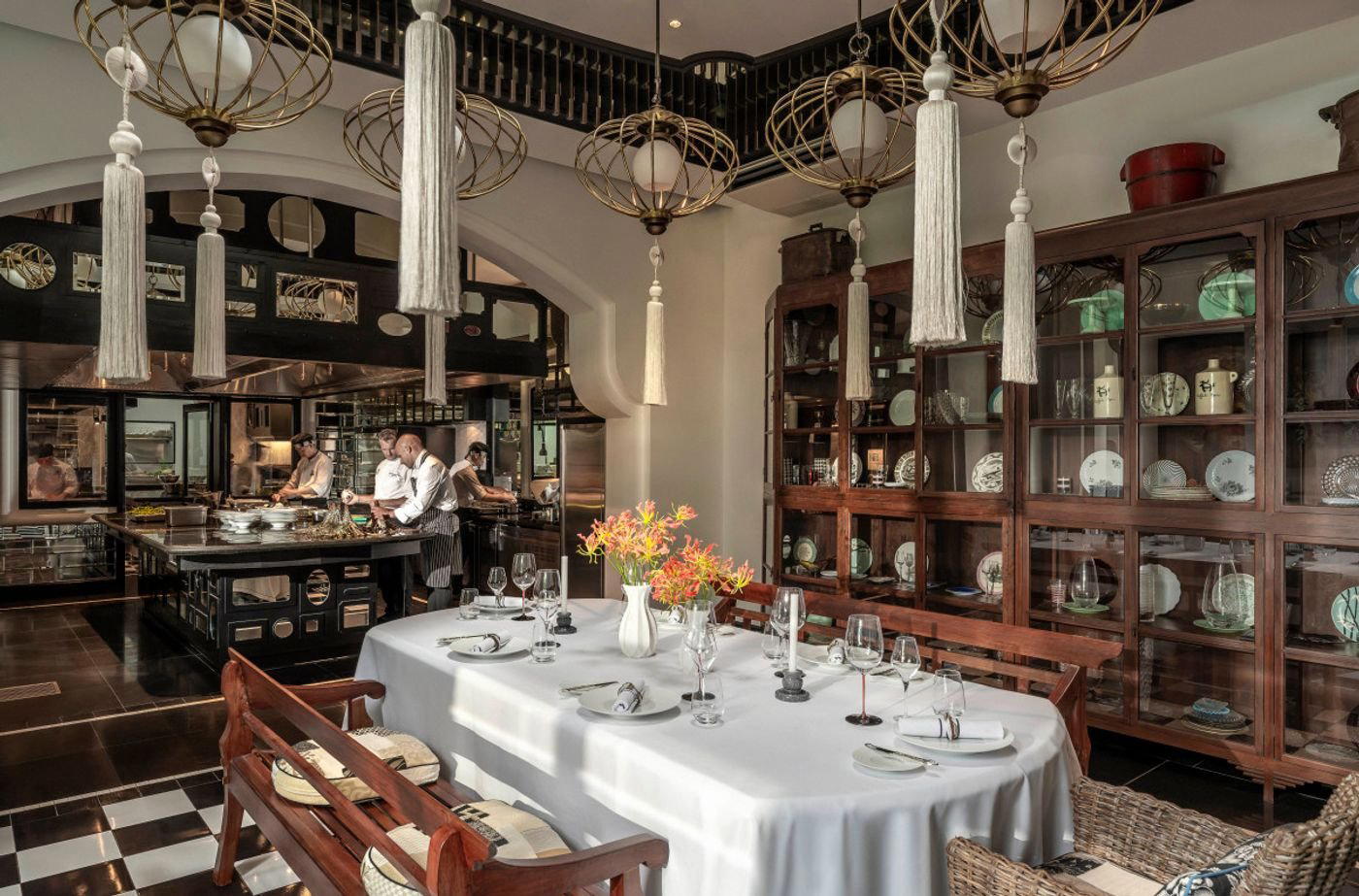
At a Glance
- Classic
- Casual Hangout
- Standalone
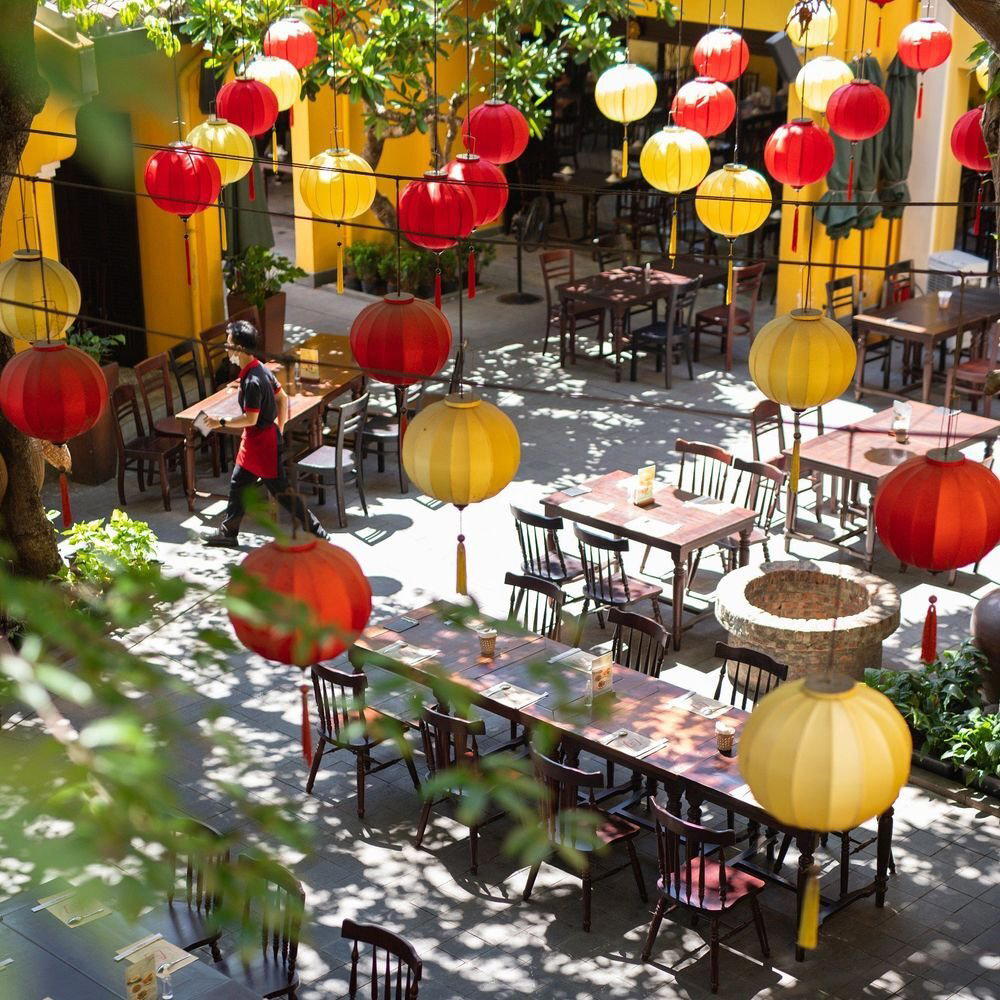
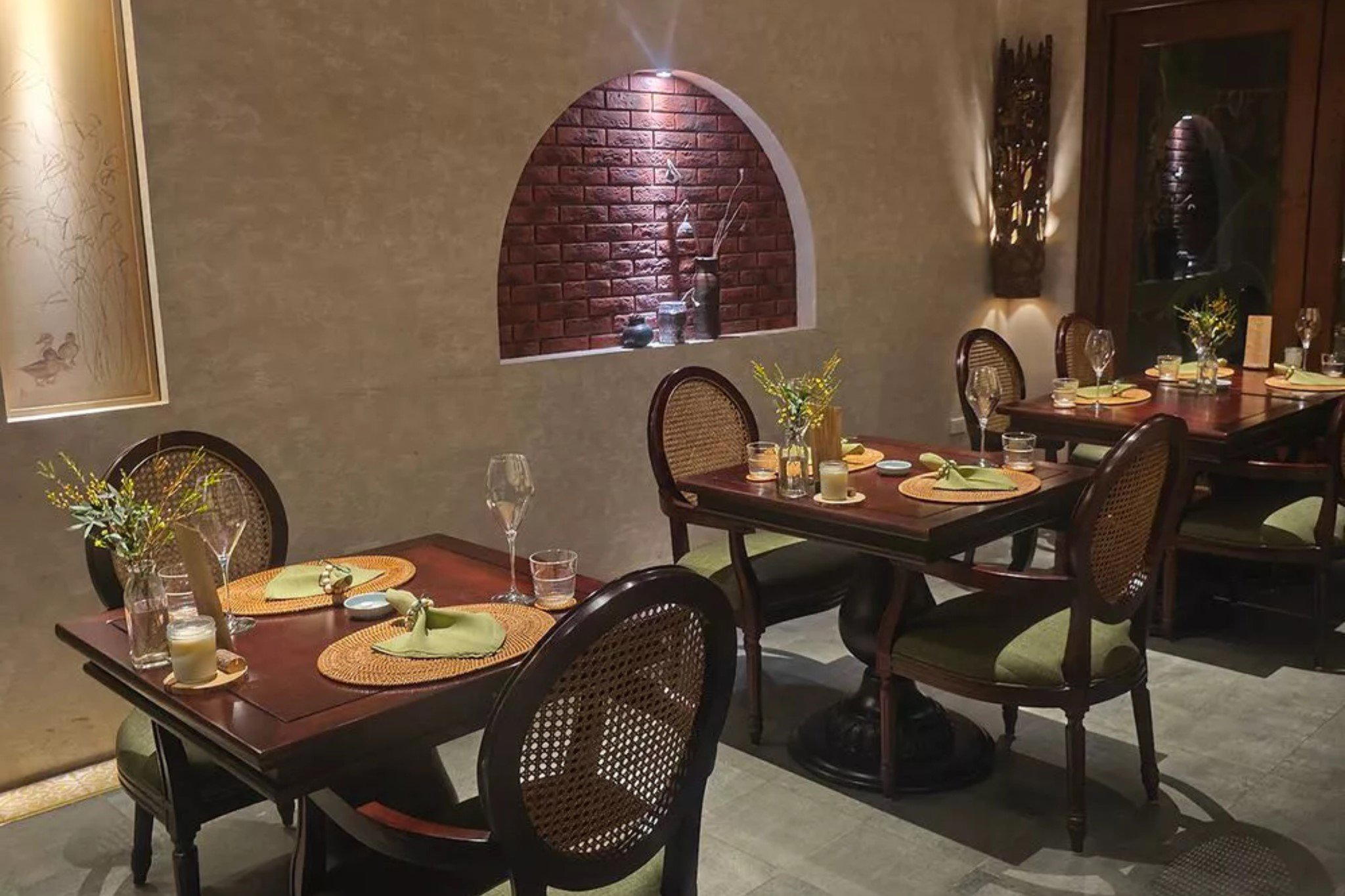
Casual street-food noodle house atmosphere focused on authentic local flavors.