

La Sen is the plant-based restaurant at Four Seasons Resort The Nam Hai, set on a stretch of coastline south of Da Nang. The menu draws on Vietnamese produce and global influences, with a fully plant-based lunch and dinner format that has earned recognition as one of the more considered dining programs in central Vietnam's premium hotel tier.
Pearl is the En Primeur Club membership app — saves, bookings, and concierge access live there. Same editors, same standards.
- Address
- Block Ha My Dong B, Dien Ban Dong, Ward, Điện Dương, Ward, Đà Nẵng 50000, Vietnam
- Phone
- +84 235 3959 879
- Website
- fourseasons.com
- Directions
- Get directions
 Saves & bookings on Pearl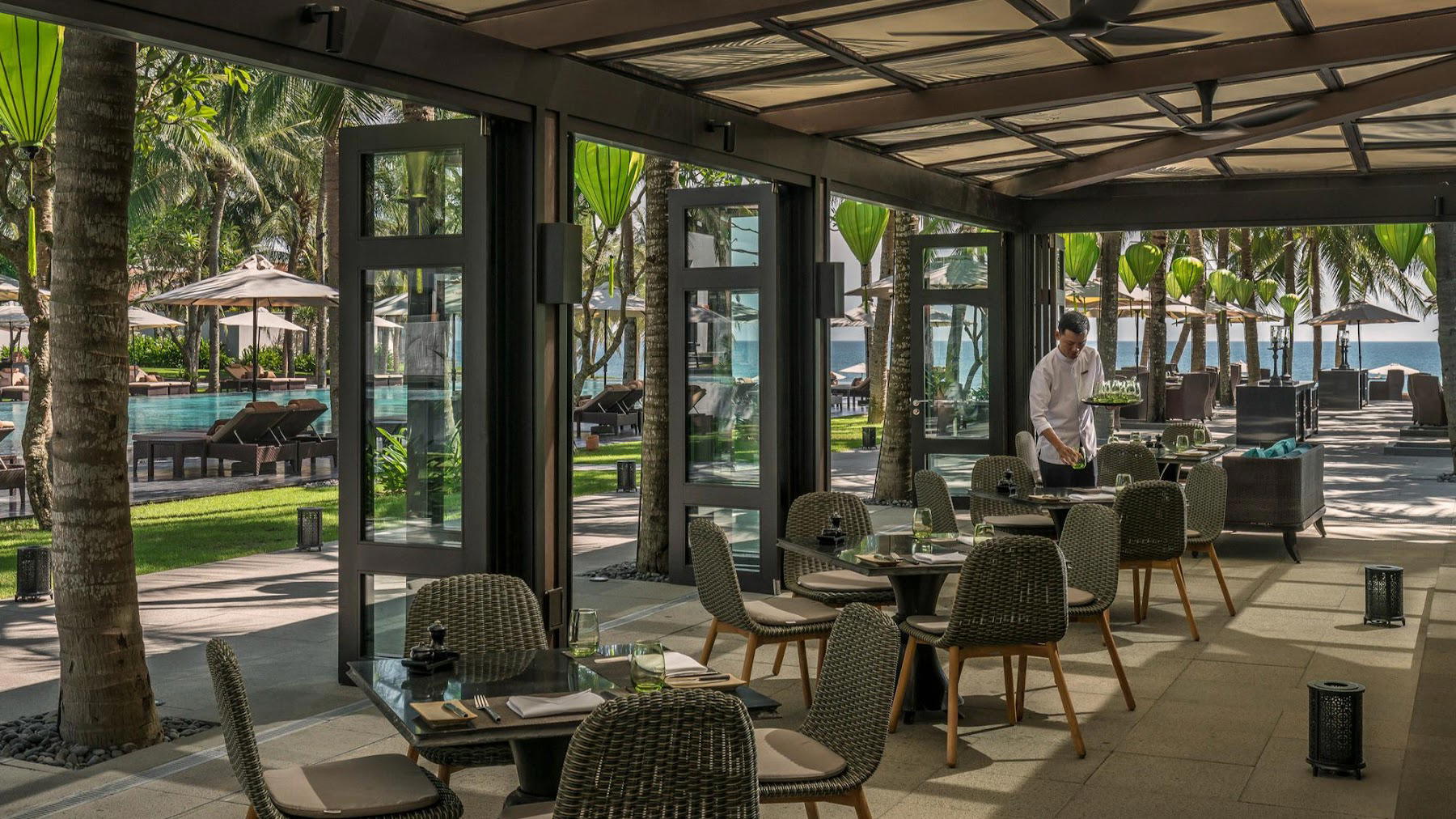
Where the Setting Does Half the Work
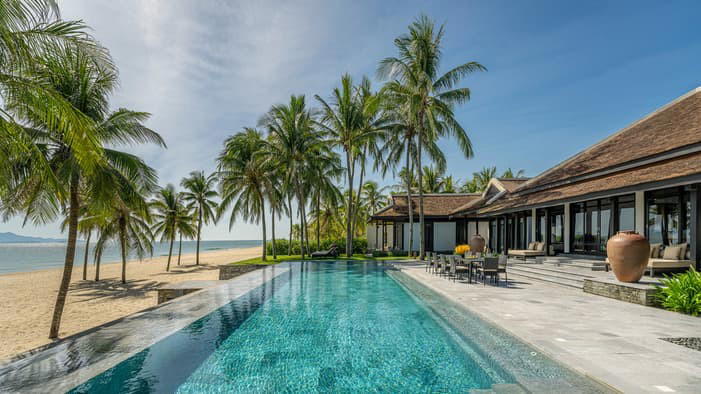
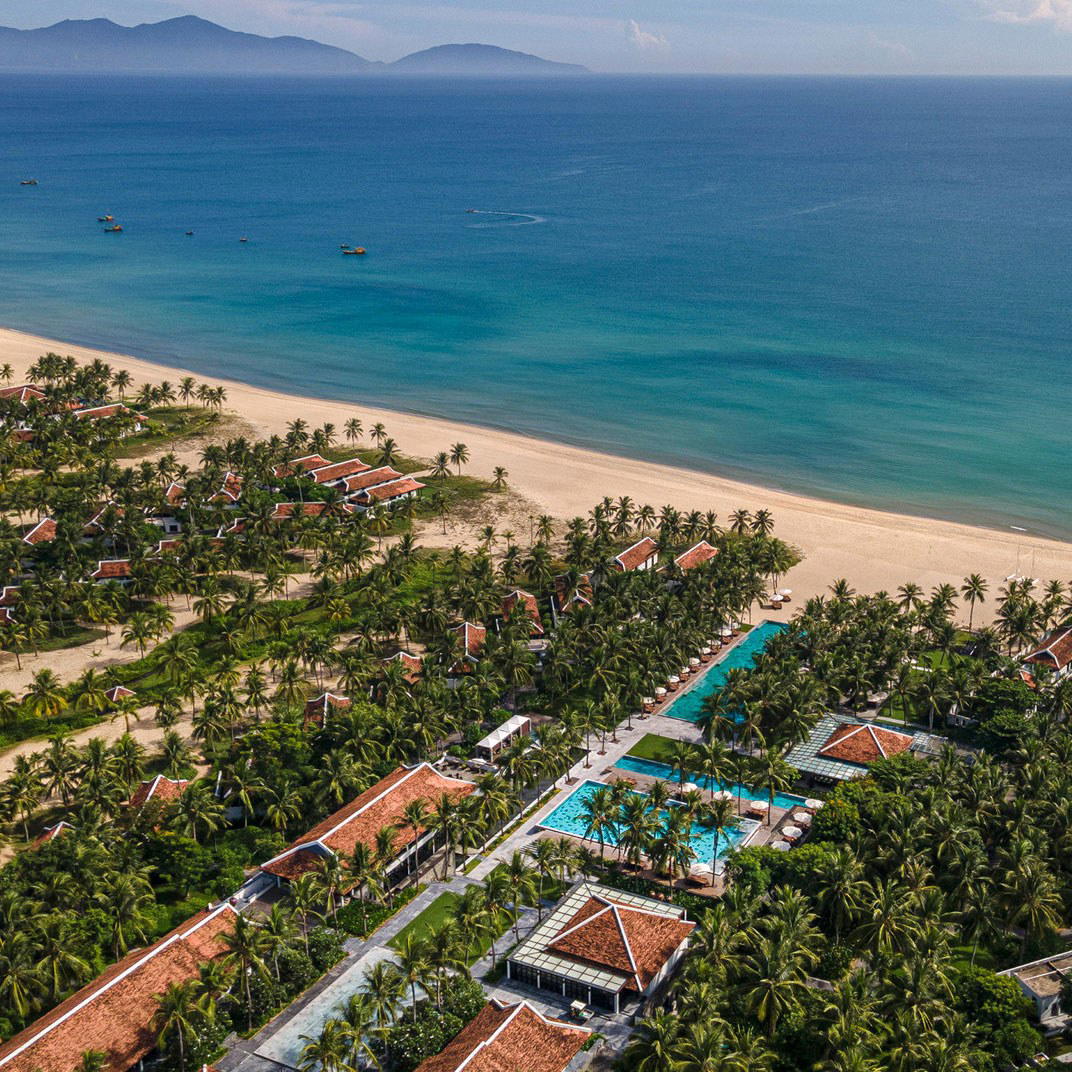
La Sen is a restaurant in Đà Nẵng, Vietnam, serving contemporary Vietnamese cuisine with a price tier around $60 per person. The drive south from Da Nang along the coast road, past the quieter stretches of Dien Ban Dong, gives some indication of what to expect at Four Seasons Resort The Nam Hai before you arrive. The resort sits on a coastal plot that keeps the surrounding landscape open rather than built over, and the restaurant La Sen operates within that wider spatial logic: a dining room that orients itself toward the environment rather than away from it. In a region where premium hotel dining often defaults to sealed interiors and imported references, that orientation is a deliberate editorial choice about where the food comes from and why.
Plant-based dining in Southeast Asia carries a different cultural weight than it does in, say, San Francisco or New York. Buddhist vegetarian traditions have shaped Vietnamese food for centuries, and the country's agricultural diversity, fresh herbs, aromatic roots, river vegetables, tropical fruit in many forms, provides a sourcing base that European plant-based programs have to work considerably harder to assemble. La Sen draws on that baseline, combining Vietnamese produce with global technique in a format that runs through both lunch and dinner.
The Case for Sourcing as a Menu Strategy
Ingredient provenance has become one of the more contested claims in premium dining globally. Hotels in particular tend to list suppliers and origins as brand signals rather than as actual drivers of what arrives on the plate. The more useful question is whether a menu's sourcing constraints shape its structure, and at La Sen, the fully plant-based commitment does appear to do exactly that. When meat and seafood are removed from the equation entirely, the kitchen has to find complexity, weight, and satisfaction from what the land and sea's plant life can provide. In central Vietnam, that means working with ingredients that change with the growing season across the Quang Nam province, alongside a climate that supports year-round production of herbs and vegetables that would be seasonal rarities elsewhere.
Gia in Hanoi has built a reputation on modern Vietnamese cooking that foregrounds produce relationships, and Akuna in Ho Chi Minh City works within a similar premium-ingredient framework. But those are urban restaurant programs operating independently; La Sen operates inside one of the more recognized resort properties in Southeast Asia, where the hotel's own sustainability commitments provide both the context and the operational infrastructure for the sourcing approach.
Four Seasons Nam Hai and the Resort Dining Question
Resort dining in Southeast Asia tends to split into two categories: the hotel restaurant that exists primarily for guests who do not want to leave the property, and the destination dining room that draws visitors from outside. The latter is the harder model to sustain, and it typically requires either a signature chef program (as at La Maison 1888, the Michel Roux Jr.-affiliated French contemporary restaurant also on the Da Nang coast) or a genuinely differentiated format that justifies the logistics of getting there.
La Sen's plant-based format functions as that differentiator. Across the broader Da Nang dining scene, where excellent street-level options exist at places like Bánh Canh Yến, Bánh Xèo 76, and noodle specialists including Bà Diệu on Tran Tong Street and Bà Đông, there is many honest, ingredient-led cooking at low price points. What La Sen offers instead is a resort-level execution of plant-based cooking within a property whose environmental program adds credibility to the sourcing claims.
For context, La Sen sits within a broader regional conversation about produce-driven dining and resort restaurants that take full advantage of their location.
Planning a Visit
La Sen is open for lunch and dinner, and the Four Seasons Nam Hai address means the experience is open to non-staying guests, though the drive from central Da Nang runs roughly 30 kilometres south. The fully plant-based format means the menu works for vegetarians and vegans as a primary dining choice rather than an accommodation, which distinguishes it from most hotel restaurants in the region that treat plant-based options as a secondary consideration. Reservations are recommended, especially for dinner and weekend service. The coastal location and resort format make lunch a practical visit, with time to enjoy the grounds before or after eating.
At-a-Glance Comparison
Comparable venues nearby, for context on price, style, and recognition.
| Venue | Cuisine | Price | Awards | Notes |
|---|---|---|---|---|
| La SenThis venue — the venue you are viewing | Contemporary Vietnamese | $$$ | Not listed | Not listed |
| Phi Banh Mi | Vietnamese Banh Mi Sandwiches | $ | Not listed | Minh An Ward |
| Madame Lân | Authentic Vietnamese Regional Cuisine | $$ | Michelin Plate | Hai Chau District |
| Bếp Cuốn | Authentic Vietnamese Street Food | $ | Michelin Plate | Phuoc My |
| Bếp Hên | Authentic Vietnamese Home-Cooked | $ | Michelin Plate | Hai Chau District |
| Bánh Xèo Tôm Nhảy Năm Hiền | Central Vietnamese Bánh Xèo | $ | Not listed | Thanh Khe District |
Recognition history
Dated appearances from independent guides and award organizations, with the underlying list record or original source where available.
Wine Spectator Award of Excellence
Wine Spectator
We're Smart World 3 Radishes
We're Smart World
At a Glance
- Elegant
- Sophisticated
- Modern
- Special Occasion
- Date Night
- Open Kitchen
- Garden
- Extensive Wine List
- Local Sourcing
- Farm To Table
Current opening hours
- Monday
- 12–3:30 PM, 6–10 PM
- Tuesday
- 12–3:30 PM, 6–10 PM
- Wednesday
- 12–3:30 PM, 6–10 PM
- Thursday
- 12–3:30 PM, 6–10 PM
- Friday
- 12–3:30 PM, 6–10 PM
- Saturday
- 12–3:30 PM, 6–10 PM
- Sunday
- 12–3:30 PM
Hours can change for holidays and private events. Last verified .
Breezy beachside setting with open kitchen, elegant simplicity, and immersive relaxed atmosphere.