Google: 4.5 · 402 reviews
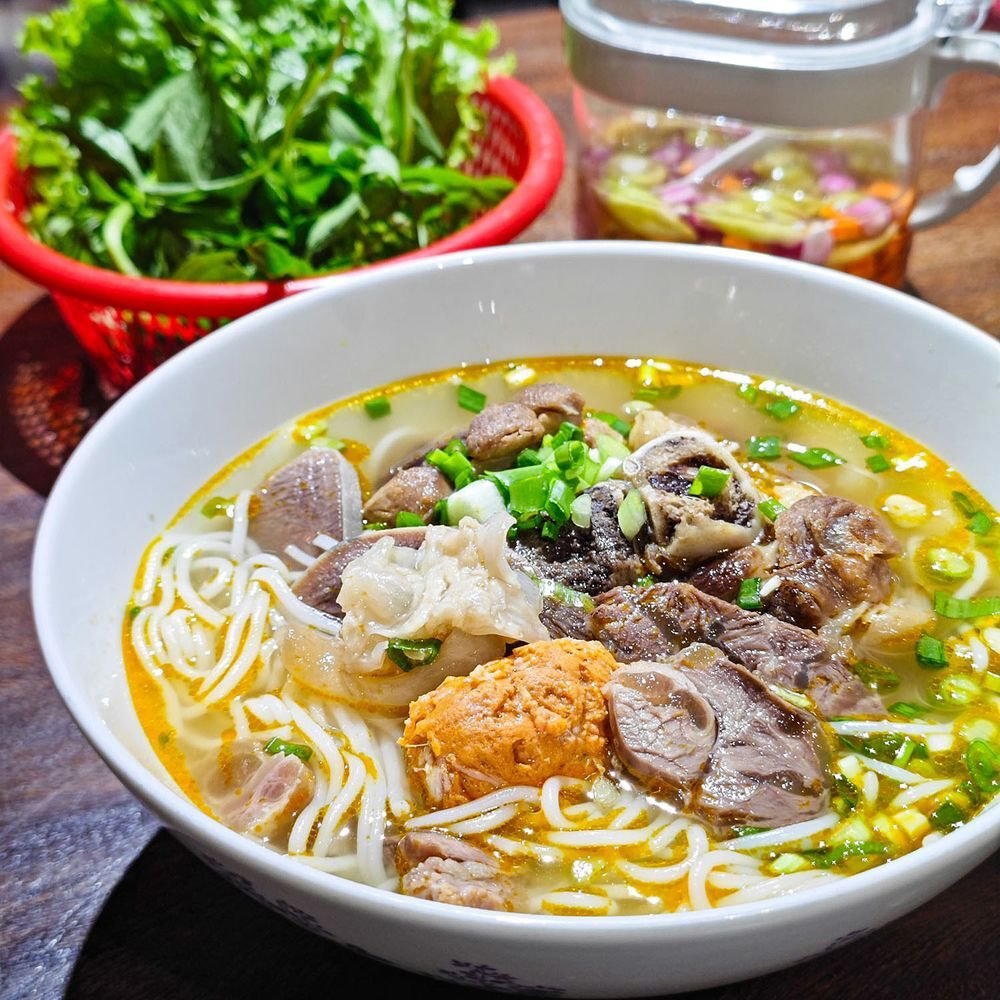
In Hải Châu's street-food corridor, Bún Bò Bà Rơi is one of Da Nang's address-specific draws for bún bò Huế, the spiced beef and pork noodle soup that Central Vietnam does differently from everywhere else in the country. At a price point that puts it alongside the city's single-dong noodle counters, it draws a cross-section of locals and visitors who know where to look. A direct alternative to the tourist-facing dining strips closer to the river.
 Discover on Pearl
Pearl is the En Primeur Club membership app — saves, bookings, and concierge access live there. Same editors, same standards.
Where Hải Châu Eats: The Street-Food Logic of Phan Thành Tài
Da Nang's dining geography splits along predictable lines. The riverfront and beachside corridors around Mỹ Khê serve the resort crowd, with international menus and English signage designed for visitors arriving from Hội An day trips or beach hotels. The inland districts of Hải Châu and Thanh Khê operate on different terms: plastic stools, fluorescent lighting, and cooking that answers to a neighbourhood rather than a tourism board. Phan Thành Tài sits squarely in the latter category. It is a short commercial street in Bình Thuận ward where the lunch trade runs on speed and repetition, and where a single dish done well every day is the business model.
Bún Bò Bà Rơi occupies number 5 on that street. Nothing about the address announces itself to passing traffic. There is no English menu in the window, no QR code placard propped on the table. What draws people here is the bowl — specifically, bún bò Huế, the lemongrass-and-shrimp-paste-scented beef noodle soup that originated in the former imperial capital up the coast and has been interpreted differently in every city it has travelled to since.
Bún Bò Huế and the Central Vietnamese Noodle Tradition
Central Vietnam runs a parallel noodle culture to the rest of the country. While phở dominates in Hanoi and the north, and hủ tiếu anchors the south, the central stretch from Huế down through Da Nang and Hội An leans on a different set of reference points. Bún bò Huế is the most structured of these: a broth built on beef bones and pork hocks, coloured and flavoured with annatto oil and fermented shrimp paste (mắm ruốc), finished with lemongrass. The result is richer and more assertively spiced than phở, with a funk and depth that the northern soup rarely attempts.
Da Nang sits in an interesting position relative to Huế's culinary tradition. Close enough geographically to share the vocabulary, but operating as a faster, more commercial city, it tends to adapt rather than preserve. The bún bò you find here often runs slightly lighter on the shrimp paste intensity than what you encounter in Huế proper, and the accompaniments — banana blossom, fresh herbs, chilli paste , are served on the side rather than dropped into the bowl, giving the diner more control over the final composition. Spots like Bà Diệu and Bà Diệu on Trần Tống Street represent the city's more established noodle counters; Bún Bò Bà Rơi operates at the same functional tier.
For comparison, the banh-based dishes covered at Ba Be show how Central Vietnamese cooking approaches rice-flour preparations , a different format but the same instinct toward textural precision and fermented flavour notes. Bún bò is the hot, broth-based counterpart to those cold steamed preparations.
The Hải Châu Context: What the Neighbourhood Tells You
Hải Châu is Da Nang's administrative and commercial core, and it eats accordingly. The district contains the city's main market infrastructure, its older residential blocks, and the kind of street-food density that you find in neighbourhoods where people live and work rather than just visit. Nhà hàng Madame Lân, also in the district, represents the sit-down, tourist-aware end of the Hải Châu spectrum; the small-bowl counters like Bún Bò Bà Rơi represent the other end.
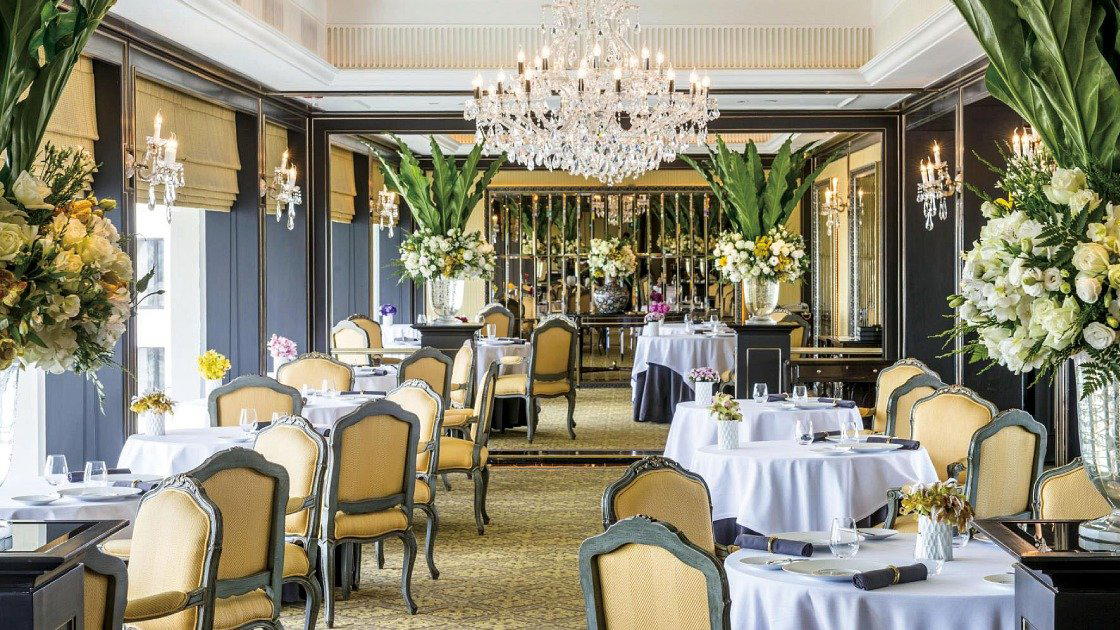
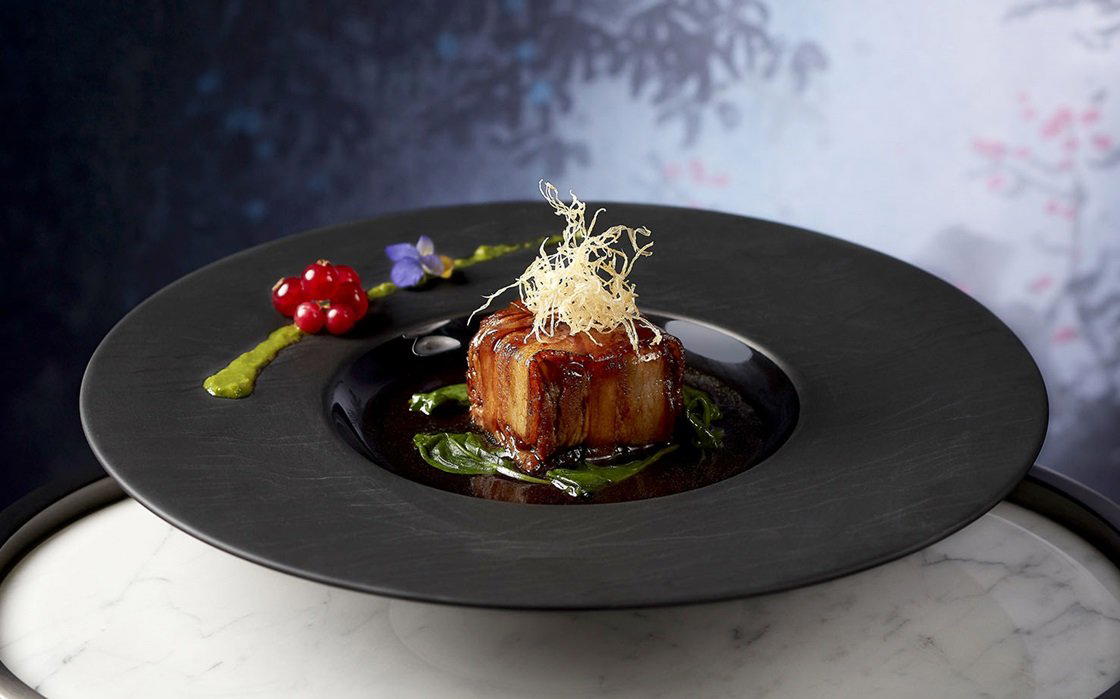
The practical implication for visitors: this is not a restaurant where you book ahead or arrive in resort wear. It is a counter where you show up, observe what the regulars are having, and order accordingly. The geographic context matters because it sets the expectation correctly. You are not in the dining room of La Maison 1888, where a French Contemporary tasting menu runs at the leading of the city's price brackets. You are at a neighbourhood institution where the transaction is simple, fast, and priced for the local working population.
Visitors arriving from across Da Nang who want this type of experience should plan their visit for morning or early lunch, when bún bò counters in Vietnam typically operate at their peak and broth freshness is at its highest. Many single-dish noodle spots in Central Vietnam sell out and close by early afternoon , arriving late risks missing service entirely.
Positioning in Da Nang's Street-Food Tier
Da Nang's noodle scene covers a wide range of formats. At the lower end sit the sidewalk-only operations: plastic stools on the pavement, no interior seating, cash only, and a menu that often runs to one or two items. Above that sits the small-shopfront tier, where there is a proper address, some interior seating, and a slightly more legible operation for visitors. Bún Bò Bà Rơi reads as the latter: a fixed address on Phan Thành Tài with enough regularity to have built a local reputation, but without the formality or pricing of the city's restaurant tier.
For reference, Mi Quang Ba Vi in Thanh Khê occupies a similar functional position for mì quảng, the turmeric-yellow noodle dish that is Da Nang's other signature preparation. Both represent the specific-address, single-dish model that defines Central Vietnamese street eating at its most focused. Banh Mi Ba Lan applies the same logic to the sandwich format. The pattern across all of them is consistency over variety: one thing, done repeatedly, refined by volume.
Further afield, the broader Vietnamese dining scene shows how this street-counter model sits within a national context. Akuna in Ho Chi Minh City and Gia in Hanoi represent the contemporary restaurant end of Vietnamese cooking; Saffron in Huế City sits at the refined regional end. Bún Bò Bà Rơi operates in an entirely different register from all three, and that contrast is part of what makes the Da Nang eating picture complete.
Planning a Visit
The address is 5 Phan Thành Tài, Bình Thuận ward, Hải Châu district. No booking mechanism is listed, which is consistent with the format: this is a walk-in counter. Visitors should arrive in the morning or at the latest by midday, given the typical operating rhythms of single-dish Vietnamese noodle spots. Payment will almost certainly be cash only, a standard expectation at this price tier across Da Nang. No dress code applies. The experience is functional: arrive, sit, eat, move on.
The Essentials
These are the closest comparables we have in our database for quick context.
| Venue | Price | Notes |
|---|---|---|
| Bún Bò Bà RơiThis venue — the venue you are viewing | ||
| La Maison 1888 | ₫₫₫₫ | French Contemporary, ₫₫₫₫ |
| Cô Chủ Nhỏ | ₫ | Street Food, ₫ |
| Le Comptoir | ₫₫₫ | French, ₫₫₫ |
| Rang | ₫₫ | Indian, ₫₫ |
| Bún Chả Cá Hờn | ₫ | Noodles, ₫ |

At a Glance
- Hidden Gem
- Quiet
- Rustic
- Classic
- Casual Hangout
- Solo
- Group Dining
- Standalone
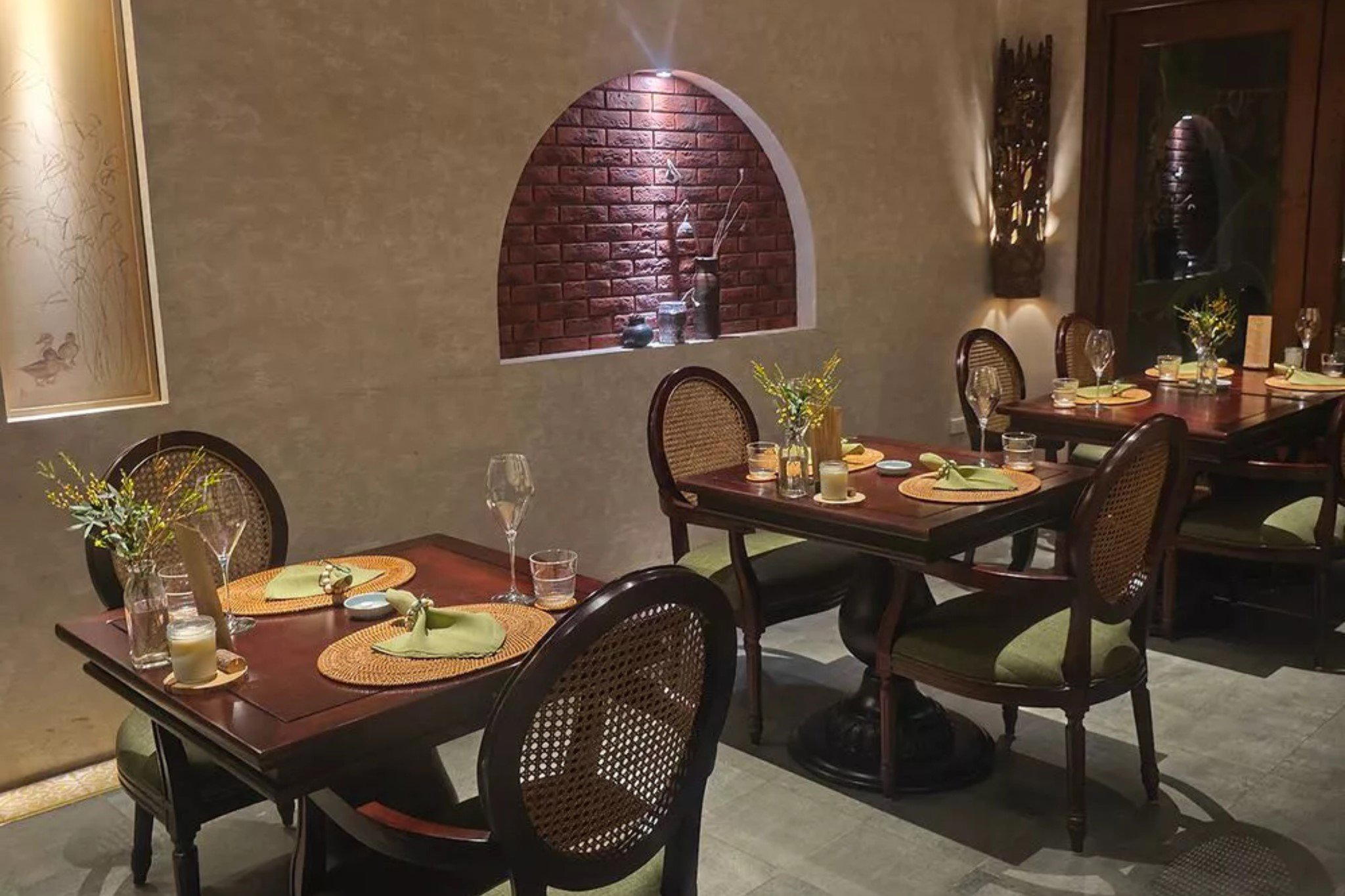
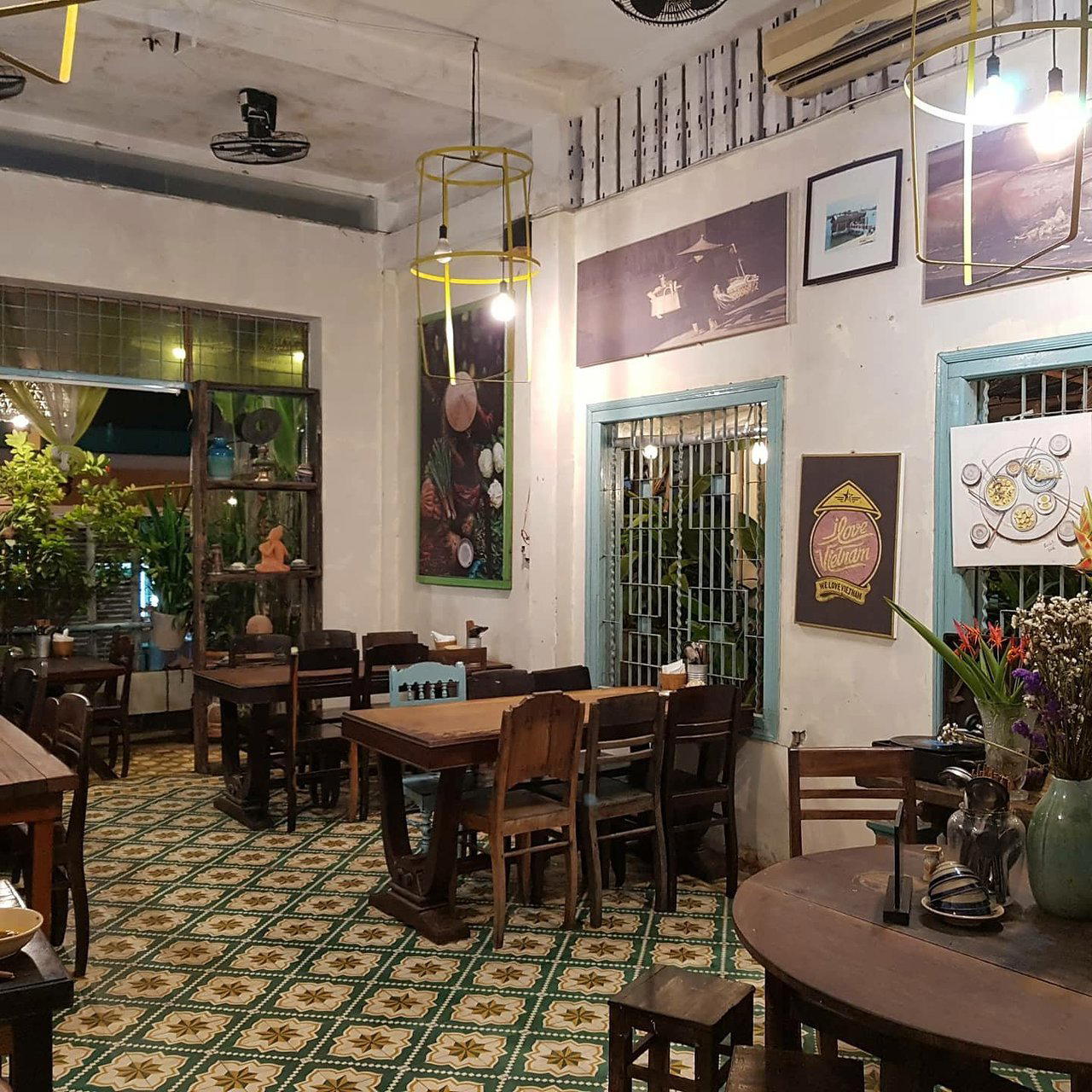
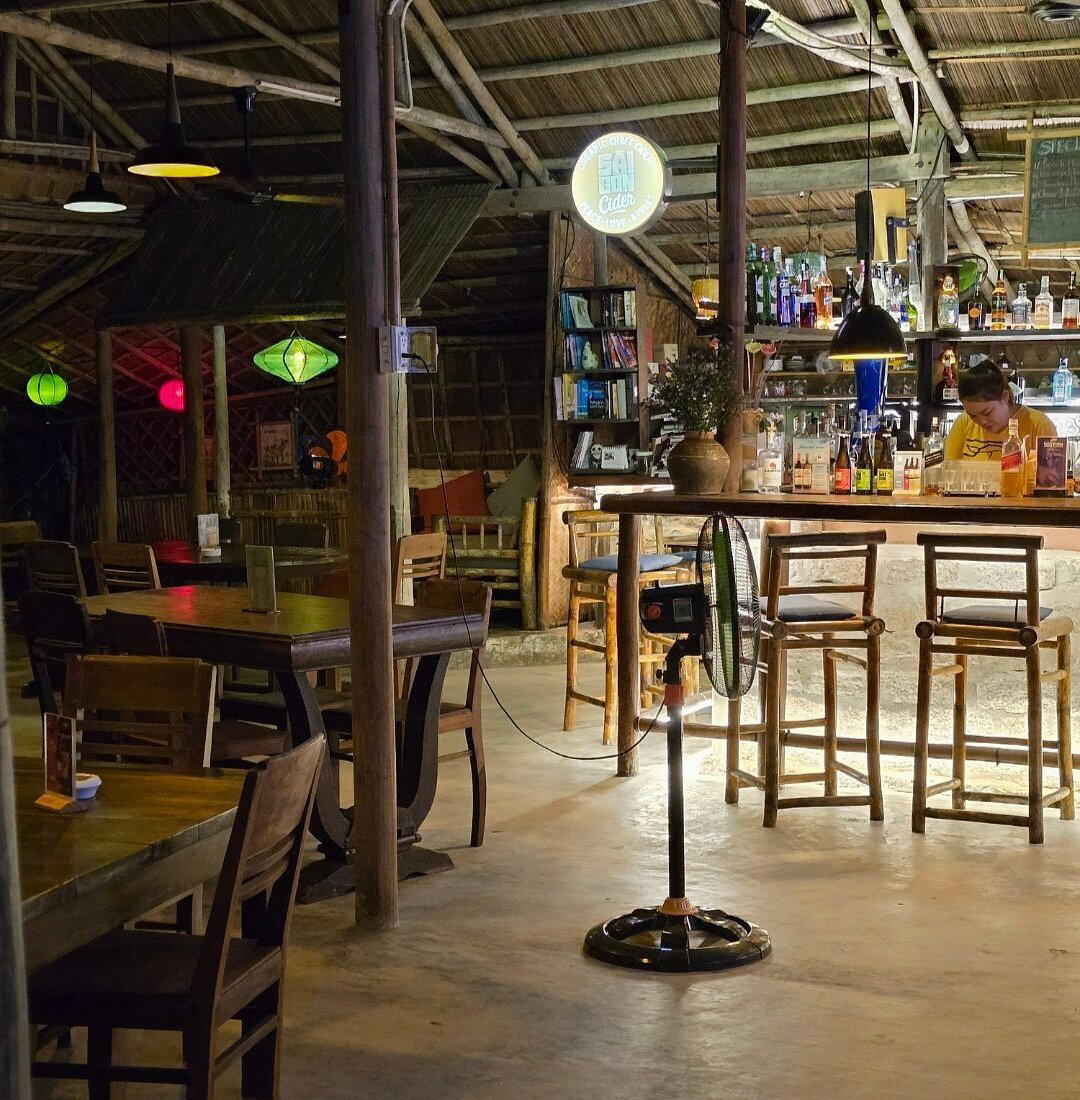
Serene, unpretentious street-level noodle shop with a no-frills, authentic local dining atmosphere.