
Michelin Plate
Our verdict
A Michelin Plate-recognized family restaurant on Lê Hồng Phong, Bếp Hên has been turning out home-style Vietnamese cooking since 2015. The menu spans the length of the country, from central staples to northern and southern dishes, all prepared by the family matriarch.

Pearl is the En Primeur Club membership app — saves, bookings, and concierge access live there. Same editors, same standards.
- Address
- 47 Lê Hồng Phong, Phước Ninh, Hải Châu, Đà Nẵng 84236, Vietnam
- Phone
- +84 935 337 705
- Hours
- Daily 10 AM–3 PM, 5–9 PM
- Website
- bephenrestaurant.com
- Directions
- Get directions
The menu
What to order
- Pork belly lemongrass
- Pork stuffed eggplant
- Fried garlic prawn
- Stir-fried morning glory
Where the Decade Sits on the Walls
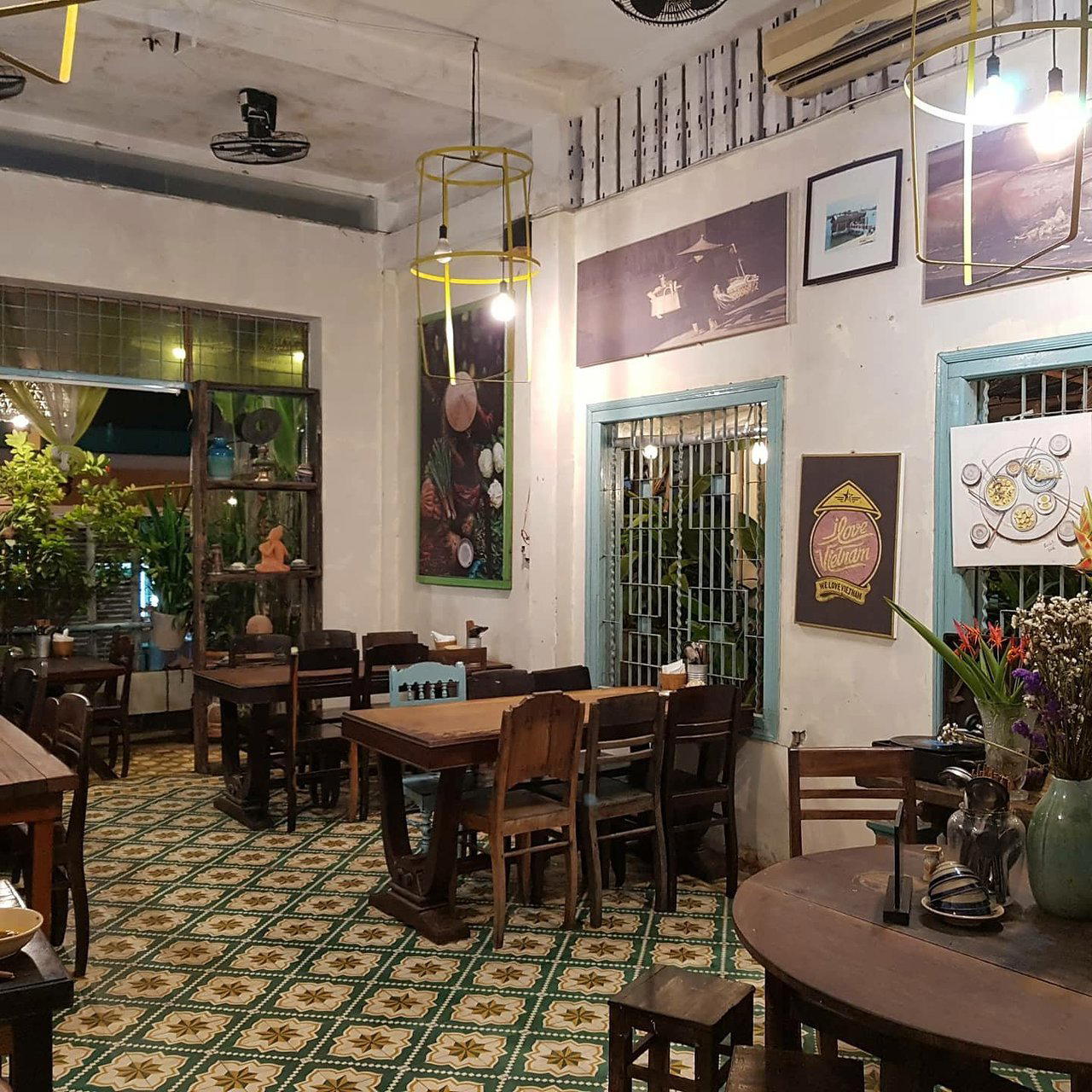
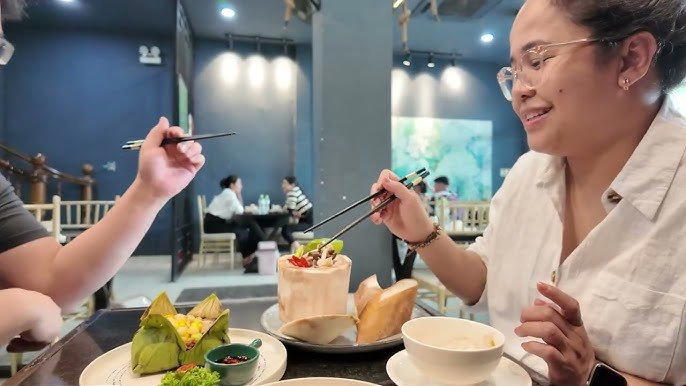
Walk into 47 Lê Hồng Phong and the first thing that registers is not the menu but the room. Vintage memorabilia from the 1990s lines the walls, and the overall effect is less designed nostalgia and more genuinely preserved domestic atmosphere. That physical texture is a reasonable preview of what the kitchen delivers: Vietnamese home cooking that treats comfort as a standard rather than a selling point. In a city where the dining offer ranges from street-level bún bò stalls to La Maison 1888's French Contemporary tasting menus at the city's leading price tier, Bếp Hên occupies a different register entirely. It is a family business, operating since 2015, with a matriarch in the kitchen and a menu that covers the entire country.
A Menu That Maps the Country
Vietnamese cooking is often discussed as a north-south contrast, with Hanoi's subtler, herb-forward broths on one end and Saigon's sweeter, more abundant plates on the other. What gets less attention is how central Vietnam, and Da Nang specifically, functions as its own culinary zone, shaped by the Cham legacy, the cooler upland influence coming off the Trường Sơn range, and a fishing coast that supplies ingredients daily. Bếp Hên draws from all three registers on a single menu, which means that rather than anchoring to one regional identity, the kitchen sources conceptually from the whole country. That breadth makes the menu appear overwhelming at first read, but it also means the kitchen is making a claim: that Vietnamese home cooking at its most expressive is not regional but national.
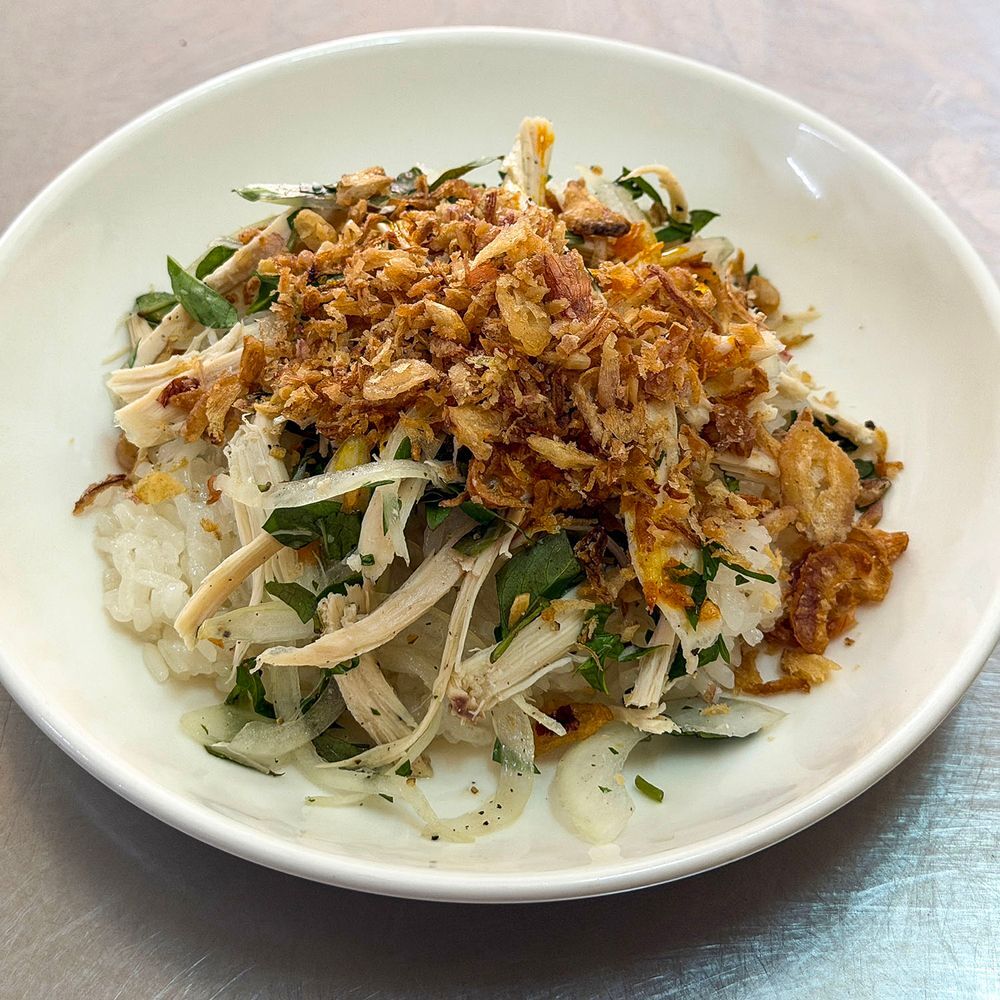
The practical entry point for first-time visitors is the section marked as the matriarch's personal selections. Dishes flagged there include fried garlic prawns and stir-fried morning glory with garlic, both of which reflect a sourcing logic common to Vietnamese home kitchens: high-quality base protein or vegetable, prepared simply, with aromatics doing the heavy lifting. Morning glory, known locally as rau muống, is a plant cultivated across the Mekong Delta and central coastal provinces, and the garlic pairing is a technique that lets the freshness of the vegetable register directly. In dishes like these, the sourcing is the cooking. There is no sauce architecture to compensate for ingredient quality; the ingredient either shows up or it does not.
This approach places Bếp Hên within a broader pattern visible across Vietnamese home-style restaurants that have earned Michelin recognition in recent years. Venues like Tầm Vị in Hanoi and 1946 Cua Bac in Hanoi operate on a similar premise: that the authority of Vietnamese domestic cooking comes from mastery of sourcing and technique, not from novelty or fusion. The Michelin Plate awarded to Bếp Hên in 2025 sits in that context. The designation does not imply fine dining; it signals that the kitchen is performing its own format with consistency and intention.
The Sharing Format and What It Implies
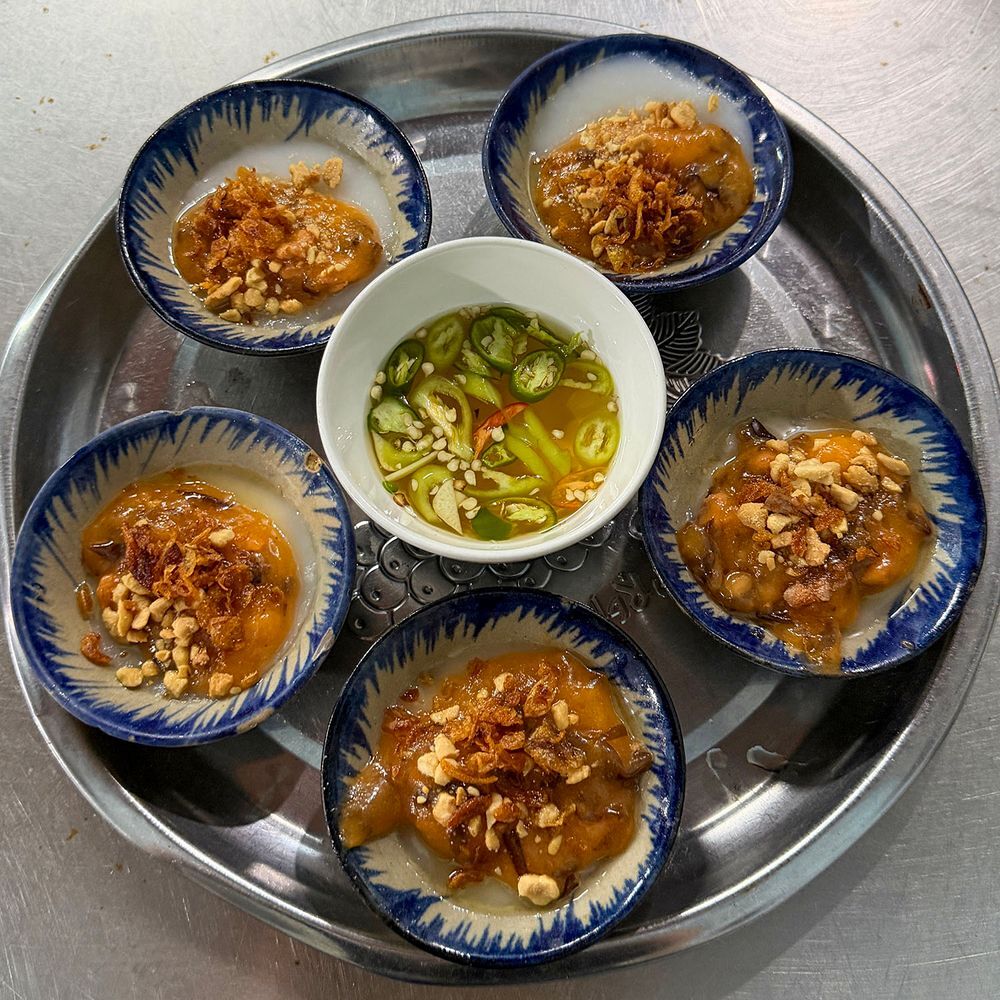
All dishes at Bếp Hên are designed for sharing, which is structurally consistent with how Vietnamese family meals function at home. The table becomes a range of small plates, with each person building their meal from the collective spread rather than ordering individually. That format requires the kitchen to maintain consistent quality across a wide range of preparations simultaneously, which is a harder technical proposition than it might appear. The extensive menu, covering dishes from multiple Vietnamese regions, means the sourcing load is also broad: proteins, vegetables, aromatics, and condiments sourced from different climatic zones, all moving through a single kitchen run by the family.
For comparison within Da Nang's more casual dining tier, venues like Bếp Cuốn and the bánh xèo specialists including Bánh Xèo 76, Bánh Xèo Bà Dưỡng, and Bánh Xèo Tôm Nhảy Cô Ba each work within a narrower, more focused menu. Bếp Hên's point of difference is scope: the breadth of the menu is itself an editorial statement about Vietnamese food's national range. That scope is, in part, why the Michelin recognition matters, because maintaining quality across a menu that size requires genuine kitchen discipline.
Da Nang's Mid-Tier and Where Bếp Hên Fits
Da Nang's dining scene has diversified considerably over the past decade. At the lower end, single-dish street food stalls like Bún Bò Bà Rơi operate with minimal overhead and maximum focus. At the leading end, hotel-anchored fine dining commands prices comparable to major regional cities. The middle range, where Bếp Hên operates at a single ₫ price tier, is where most of the city's character actually lives. This is the tier where family-run operations, often with decades of accumulated technique, serve food that is simultaneously the most representative of local life and the least marketed toward international visitors.
Vietnamese home-style cooking in this tier also shows up in very different contexts internationally. Berlu in Portland and Camille in Orlando both work with Vietnamese culinary traditions in diaspora contexts, adapting technique and sourcing to entirely different supply chains. At Akuna in Ho Chi Minh City and Gia in Hanoi, the approach is more refined in format and price. Bếp Hên operates none of those frameworks. It is source-proximate, low-cost, and organized around the logic of a family table. That is not a limitation; it is the format's defining strength.
For those exploring other dimensions of the city, Luk Lak offers a different casual dining register in Da Nang. The full Da Nang restaurants guide maps the wider scene across price tiers and cuisines, while the Da Nang hotels guide, bars guide, and experiences guide cover the rest of the city's offer. For completeness, the Da Nang wineries guide documents the regional wine picture. And for those building a broader Vietnam itinerary, A Bản Mountain Dew in Hanoi and Agave in Ubon Ratchathani represent adjacent regional traditions worth comparing.
Planning a Visit
Bếp Hên is located at 47 Lê Hồng Phong in the Phước Ninh ward of Hải Châu district, which is one of Da Nang's central urban areas. The price tier sits at the accessible end of the city's range, meaning a full shared meal across several plates remains affordable by any measure. The Michelin Plate designation from 2025 will likely sustain demand, so later evening arrivals on weekends carry more uncertainty than a mid-week lunch.
Frequently asked questions
What does dinner at Bếp Hên typically cost?
Pricing at Bếp Hên is listed as ₫.
What distinctions does Bếp Hên have?
Bếp Hên has received recognition including: Michelin Plate (2025); Step back in time and immerse yourself in the room’s vintage circa 1990s decor and memorabilia. The family business has been in operation since 2015 and the kitchen is helmed by mum. The extensive menu, which covers a….
What's the signature dish at Bếp Hên?
The kitchen does not push a single set-piece dish, but the section labelled 'mum's favourites' is the clearest editorial signal of where to start. Fried garlic prawn and stir-fried morning glory with garlic appear there by name. Given that the Michelin Plate recognition in 2025 cited hearty, authentic sharing plates across all of Vietnam, these garlic-led dishes represent the kitchen's most documented calling card.
Where do I go for Bếp Hên?
Bếp Hên is located at 47 Lê Hồng Phong, Phước Ninh, Hải Châu, Đà Nẵng 84236, Vietnam, Da Nang.
How far ahead should I plan for Bếp Hên?
Bếp Hên sits at the ₫ price tier, which in Da Nang's central Hải Châu district means it draws a steady local crowd rather than a destination-dining queue. Same-day or next-day timing is generally workable for casual visits, though weekend evenings at a Michelin Plate address at 47 Lê Hồng Phong warrant calling ahead if your group is larger than four.
Recognition Snapshot
| Venue | Cuisine | Price | Awards | Notes |
|---|---|---|---|---|
| Bếp HênThis venue — the venue you are viewing | Authentic Vietnamese Home-Cooked | Not listed | Michelin Plate | Not listed |
| La Maison 1888 | Michelin-Starred French Contemporary | $150–200 | 1 Michelin Star · La Liste Top Restaurants | French Contemporary, ₫₫₫₫ |
| Ăn Thôi | Authentic Vietnamese | $10–20 | Michelin Bib Gourmand | Not listed |
| Bé Ni 2 | Fresh Local Seafood | $10–20 | Michelin Bib Gourmand | Not listed |
| Bún Bò Bà Rơi (Hai Chau) | Noodles, ₫ | Not listed | Not listed | Not listed |
| Cô Chủ Nhỏ | Vietnamese Duck Street Food | $1–10 | Michelin Bib Gourmand | Not listed |
Recognition history
Dated appearances from independent guides and award organizations, with the underlying list record or original source where available.
Michelin Plate
Michelin
Full recognition history (3 entries)
Michelin Plate
Michelin
Michelin Plate
Michelin
Details
- Cozy
- Rustic
- Retro
- Family
- Casual Hangout
- Group Dining
- Historic Building
- Local Sourcing
- A La Carte
- Family Style
- Vegetarian Friendly
- Vegan Options
Current opening hours
- Monday
- 10 AM–3 PM, 5–9 PM
- Tuesday
- 10 AM–3 PM, 5–9 PM
- Wednesday
- 10 AM–3 PM, 5–9 PM
- Thursday
- 10 AM–3 PM, 5–9 PM
- Friday
- 10 AM–3 PM, 5–9 PM
- Saturday
- 10 AM–3 PM, 5–9 PM
- Sunday
- 10 AM–3 PM, 5–9 PM
Hours can change for holidays and private events. Last verified .
Cozy and nostalgic with vintage 1990s decor, memorabilia, lush greenery at entrance, and a warm home-like atmosphere.