
Michelin Plate
Our verdict
Breaded crispy rice with shiitake and avocado, futomaki with pesto, and vegetable gyoza in kimchi sauce define the menu. The format sits at a deliberate crossroads of Japanese technique and plant-forward cooking.

Pearl is the En Primeur Club membership app, where members save venues, book tables and use the concierge.
The menu
What to order
- Spinach broccoli almond gorgonzola risotto
Where Japanese Technique Meets Plant-Forward Thinking in Paris's 17th
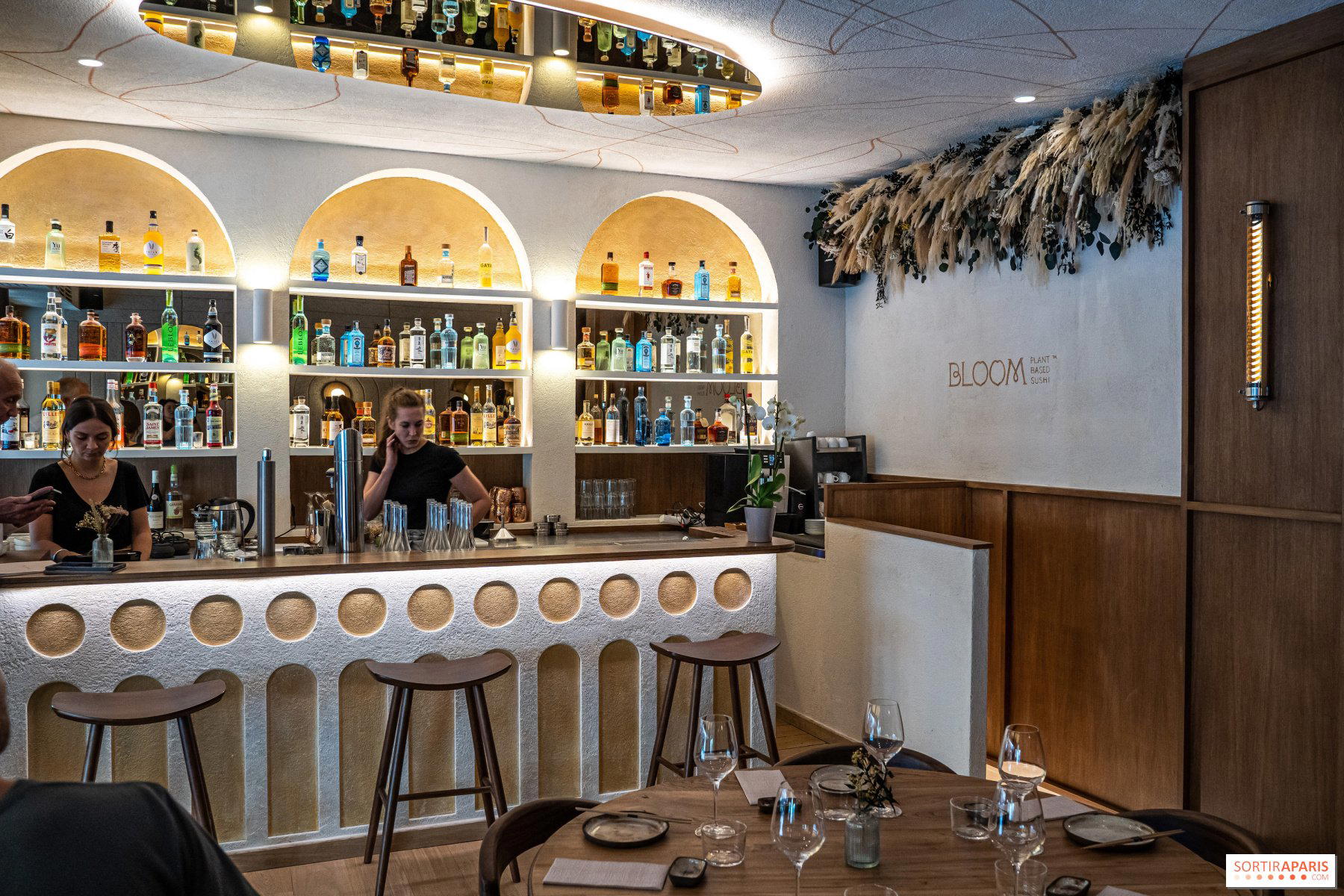
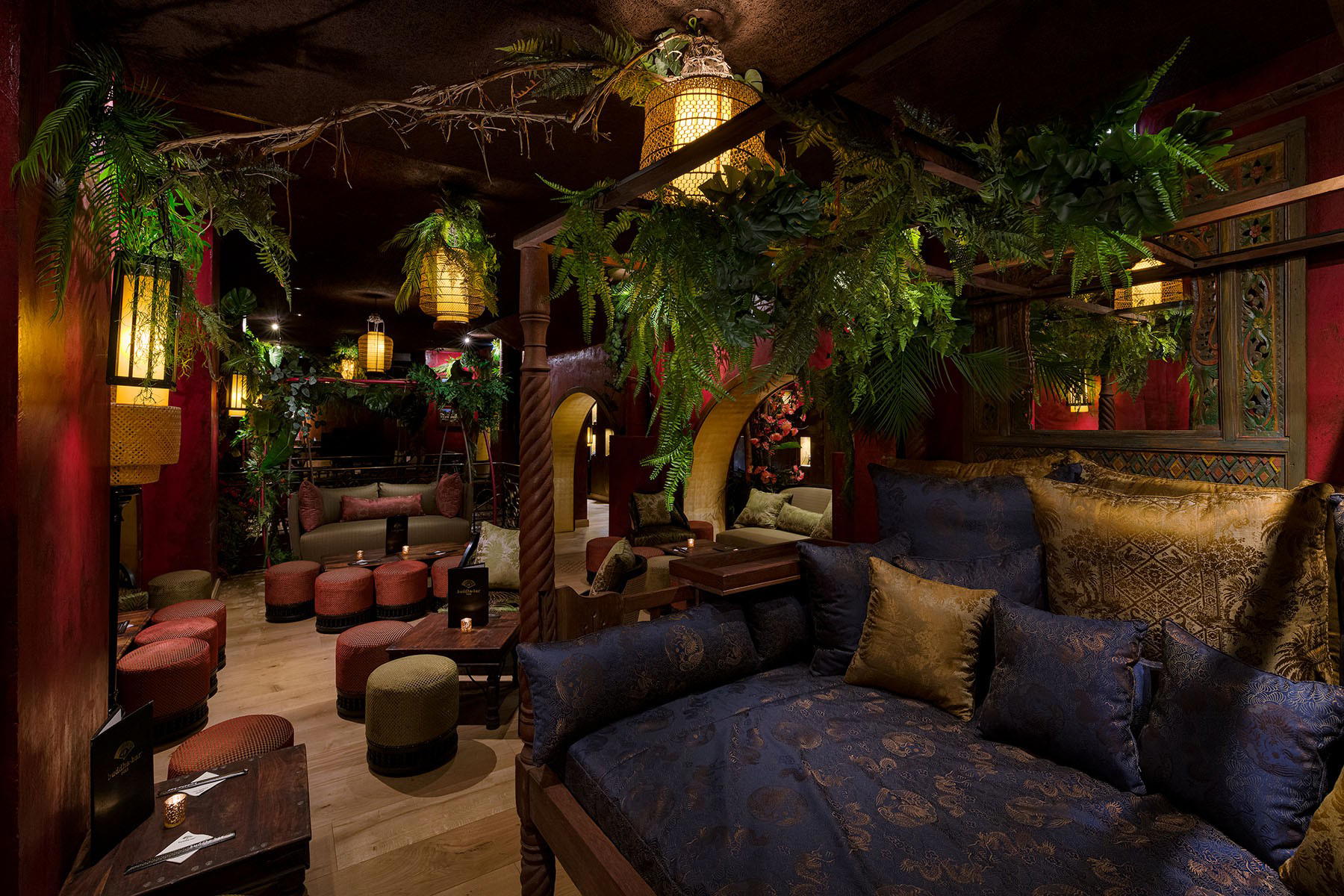
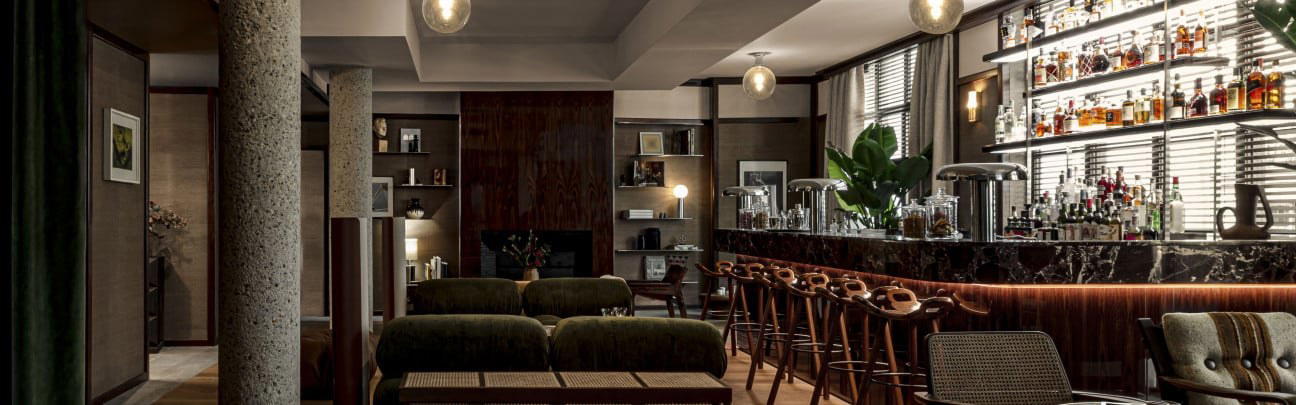
Paris has long processed foreign culinary traditions through its own institutional filters, producing results that range from faithful to something altogether new. The city's Japanese dining scene is a case in point: it moved from mid-century curiosity to a serious category anchored by precision technique, and today it spans everything from austere omakase counters to the kind of loose, cross-cultural formats that feel native to a city that has absorbed ingredients and ideas from every direction. The format is vegetarian sushi, and the chef behind it is Mexican. Neither fact is incidental to what the restaurant is doing. The interior at Bloom, built around wood with layered textures rather than the cooler minimalism that typifies Paris's more formal Japanese addresses, reads as deliberate positioning. The material warmth signals a different kind of attention: less ceremony, more focus on what arrives on the plate. For a format that is already asking the diner to suspend conventional expectations of sushi, the room's accessibility matters. It does not perform exclusivity.
The Cultural Argument Behind Vegetarian Sushi
Sushi carries significant cultural freight. In Japan, the omakase tradition rests on the chef's relationship with fish: the sourcing, the aging, the temperature at service. The counter is a stage and the seafood is the text. Vegetarian sushi, then, is not simply a substitution exercise. It requires rebuilding the logic of the format from different materials while preserving the underlying discipline of rice preparation, balance, and restraint. The Parisian context adds another layer. The city's leading Japanese restaurants, from the Franco-Japanese synthesis at Kei to more strictly traditional formats elsewhere, tend to orient around imported Japanese craft. Bloom operates on different ground, asking what vegetable-forward cooking can do within the structural vocabulary of sushi rather than alongside it.
Christian Ventura, who is Mexican by origin, brings a perspective shaped outside the orthodox lines of either Japanese or French tradition. The menu items on record, breaded crispy rice dressed in vinegar with finely diced shiitake, oyster mushroom and avocado; futomaki finished with pesto; vegetable gyoza in a kimchi sauce, show a sensibility that draws from fermentation, umami, and textural contrast rather than from protein as the primary carrier of flavor. The kimchi reference is Korean in origin, pesto Italian, avocado broadly Mexican in association. These are not random collisions. They are the vocabulary of a cook working across multiple fermented and pickled traditions simultaneously, and finding sushi as the format elastic enough to hold them.
How Bloom Sits in Paris's Broader Dining Picture
At the other pole, and increasingly between, a category of independent, format-driven restaurants has emerged that does not compete on those terms at all. Bloom belongs to this second tier. The competitive set is not L'Ambroisie or Arpège. It is the growing body of Paris restaurants that have taken a non-French culinary tradition and done something with it that is specific to this city and its current moment.
France's broader culinary tradition has its own relationship with plant-forward cooking, but it has tended to run through the haute cuisine register rather than through street-level or counter formats. Bras in Laguiole made the gargouillou a national conversation about vegetables and terroir decades ago. What Bloom proposes is different in register and address: it is not making the case for vegetables within a French tasting menu architecture, but working that argument through a Japanese counter format in a mid-city Parisian neighborhood. The scale of ambition is smaller; the specificity of the proposition is sharper.
For international reference points, the cross-cultural mixing of technique and ingredient that Bloom practices is not unlike what has happened at high-profile restaurants elsewhere. The fusion energy at Le Bernardin in New York, or the Louisiana-meets-French register at Emeril's in New Orleans, both demonstrate that serious cooking has long operated across culinary borders. Bloom's version is lower in register but consistent in logic: take one tradition's technique, apply another tradition's ingredients, and let the result be evaluated on its own terms. The neighborhood is residential and quiet relative to the tourist-heavy parts of the city, which means foot traffic is lower and the room functions without the ambient noise that defines many central Paris dining rooms. Given that the format sits outside mainstream Paris dining categories, it attracts a diner who has specifically sought it out rather than one passing by, and the room reflects that. Reservation data is not publicly listed, but given the format's specificity and the limited scale typical of restaurant interiors built around wood counter aesthetics, booking ahead is the practical approach rather than the cautious one. The restaurant is at a price point that has not been publicly disclosed in available data, but the format and neighborhood position it well below the palace-hotel tier.
For those building a broader Paris itinerary, EP Club's full Paris restaurants guide covers the city's dining across categories and price points. The Paris hotels guide, Paris bars guide, Paris wineries guide, and Paris experiences guide cover the rest of the city's premium offer. Beyond Paris, the French dining picture extends to three-star addresses including Flocons de Sel in Megève, Mirazur in Menton, Troisgros in Ouches, Auberge de l'Ill in Illhaeusern, and the historic Paul Bocuse in Collonges-au-Mont-d'Or.
Frequently asked questions
Where exactly is Bloom?
Bloom is located at 99 rue Jouffroy-d'Abbans, Paris.
What kind of recognition has Bloom received?
Bloom has received recognition including: Bloom is an apt name for a restaurant whose Mexican chef, Christian Ventura, crafts vegetarian sushi! Breaded crispy rice, delicately dressed in vinegar with finely diced shiitake, oyster mushroom and avocado, futomaki and pesto sauce or ve….
What do regulars order at Bloom?
The anchor preparation is breaded crispy rice dressed in vinegar with finely diced shiitake, oyster mushroom, and avocado. Beyond that, futomaki with pesto sauce and vegetable gyoza in a kimchi sauce are the documented signature dishes from chef Christian Ventura's menu.
Do I need a reservation for Bloom?
No booking contact or online reservation system appears in publicly available data for Bloom at 99 rue Jouffroy-d'Abbans. Given the specificity of the format, vegetarian sushi from a chef with a clear point of view, visiting early or on a weekday is the practical approach until direct contact details surface.
What has Bloom built its reputation on?
Bloom's identity rests on a precise intersection: Mexican chef Christian Ventura applying vegetarian sushi technique in a Paris neighbourhood setting, with a menu built around vegan dishes that draw on Japanese formats while avoiding fish entirely. The premise is documented and specific enough to have earned editorial recognition for its defense of plant-based sourcing.
Price Lens
Comparable venues nearby, for context on price, style, and recognition.
| Venue | Cuisine | Price | Awards | Notes |
|---|---|---|---|---|
| BloomThis venue (the venue you are viewing) | Organic Vegetarian Brunch | Not listed | Michelin Plate | Not listed |
| Vinello | Transalpine Bistronomy | $30–50 | Michelin Plate | Batignolles, Transalpine Bistronomy |
| Ippudo | Authentic Japanese Ramen | $20–30 | Not listed | 1st arrondissement, Authentic Japanese Ramen |
| L'Arpaon | French | Not listed | Michelin Plate | Dining |
| Habile. | Contemporary French Bistro | $50–100 | Michelin Plate | 10eme, Contemporary French Bistro |
| Lao Lane Xang 2 | Laotian-Thai-Vietnamese | $20–30 | Michelin Plate | 13th arrondissement, Laotian-Thai-Vietnamese |
Recognition history
Dated appearances from independent guides and award organizations, with the underlying list record or original source where available.
Michelin Plate
Michelin · 2026 Michelin Plate
Bloom
Featured Guides
Continue exploring
More in Paris
Restaurants in Paris
All restaurants in Paris →

Bars in Paris
All bars in Paris →




Details
- Cozy
- Quiet
- Charming
- Brunch
- Casual Hangout
- Organic
- A La Carte
- Vegetarian Friendly
Current opening hours
- Monday
- 12–2 PM, 7–10 PM
- Tuesday
- 12–2 PM, 7–10 PM
- Wednesday
- 12–2 PM, 7–10 PM
- Thursday
- 12–2 PM, 7–10 PM
- Friday
- 12–2 PM, 7–10 PM
- Saturday
- 12–2 PM, 7–10 PM
- Sunday
- 12–2 PM, 7–10 PM
Hours can change for holidays and private events. Hours as of .
Cozy charming quiet environment with peaceful atmosphere praised by guests.