Blend on the Water
Our verdict
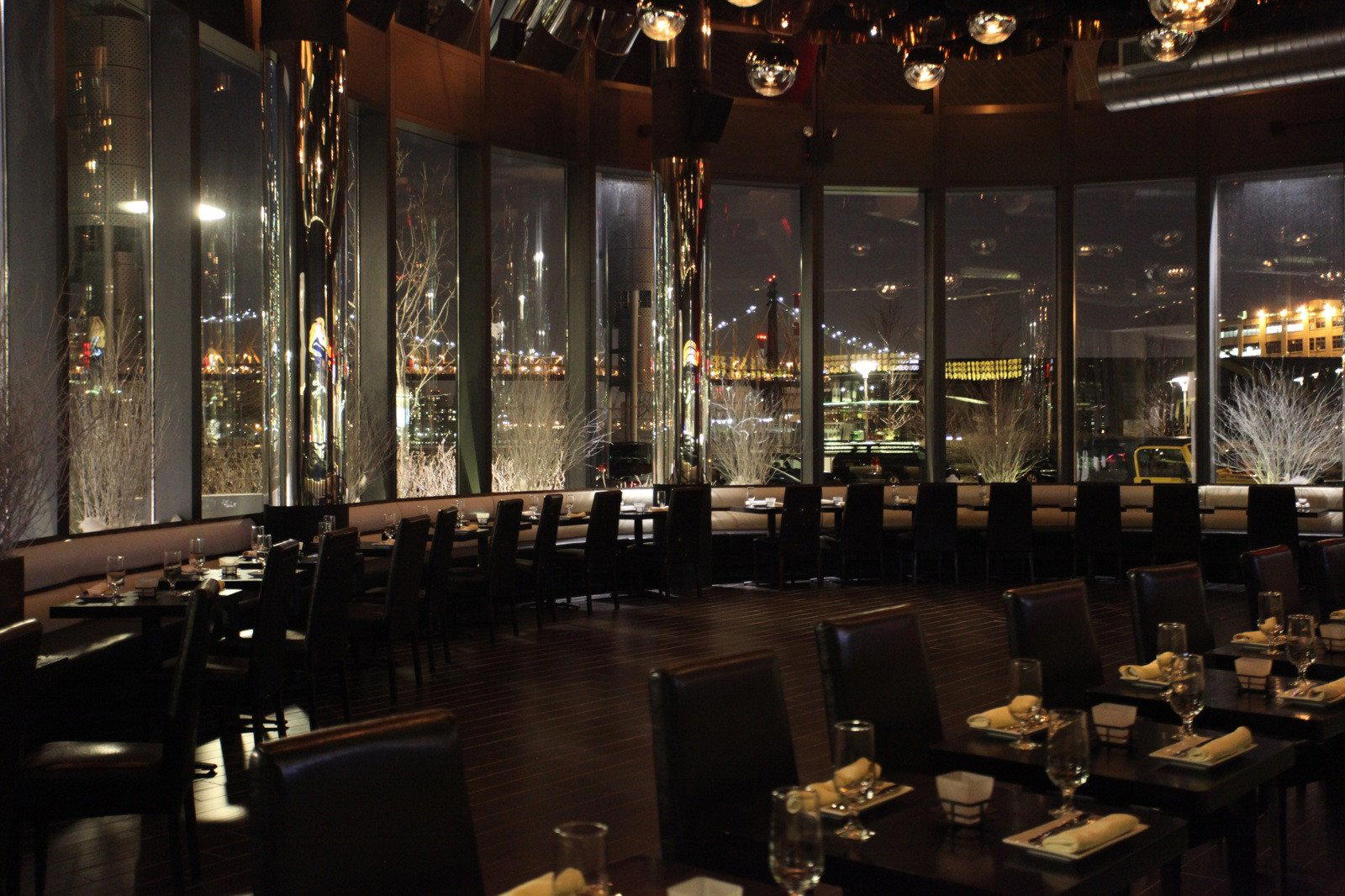
Positioned on the Long Island City waterfront at 45-40 Center Blvd, Blend on the Water occupies a stretch of Queens shoreline that looks directly across the East River toward Midtown Manhattan. The address places it outside the dense concentration of fine-dining rooms in Manhattan proper, in a neighbourhood that has drawn a different kind of restaurant ambition over the past decade.

Pearl is the En Primeur Club membership app, where members save venues, book tables and use the concierge.
Long Island City and the Waterfront Dining Shift
New York's serious dining scene spent most of its modern history concentrated on a narrow band of Manhattan real estate, from the seafood precision of Le Bernardin in Midtown to the tasting-menu formalism of Eleven Madison Park and Per Se on the Upper West Side. The outer boroughs, for most of that period, operated as a separate category: good food, different economics, a different relationship to spectacle. Long Island City changed some of that calculus. The rapid residential build-out along Center Boulevard through the 2010s created a customer base with Manhattan-level spending capacity but a preference for proximity, and a handful of restaurants moved in to meet it.
Blend on the Water sits at 45-40 Center Blvd, on the Queens waterfront with direct sightlines to the Midtown skyline. That position is not incidental. Waterfront dining in New York has historically competed on view rather than on depth of program, and the better waterfront rooms in the city have had to work harder to be taken seriously as dining destinations rather than occasion venues. The address sets the context for how Blend on the Water needs to be read: a room that operates at the intersection of neighbourhood destination and destination restaurant, in a borough that has been building both categories simultaneously.
The Wine Lens: What Cellar Depth Signals in This Market
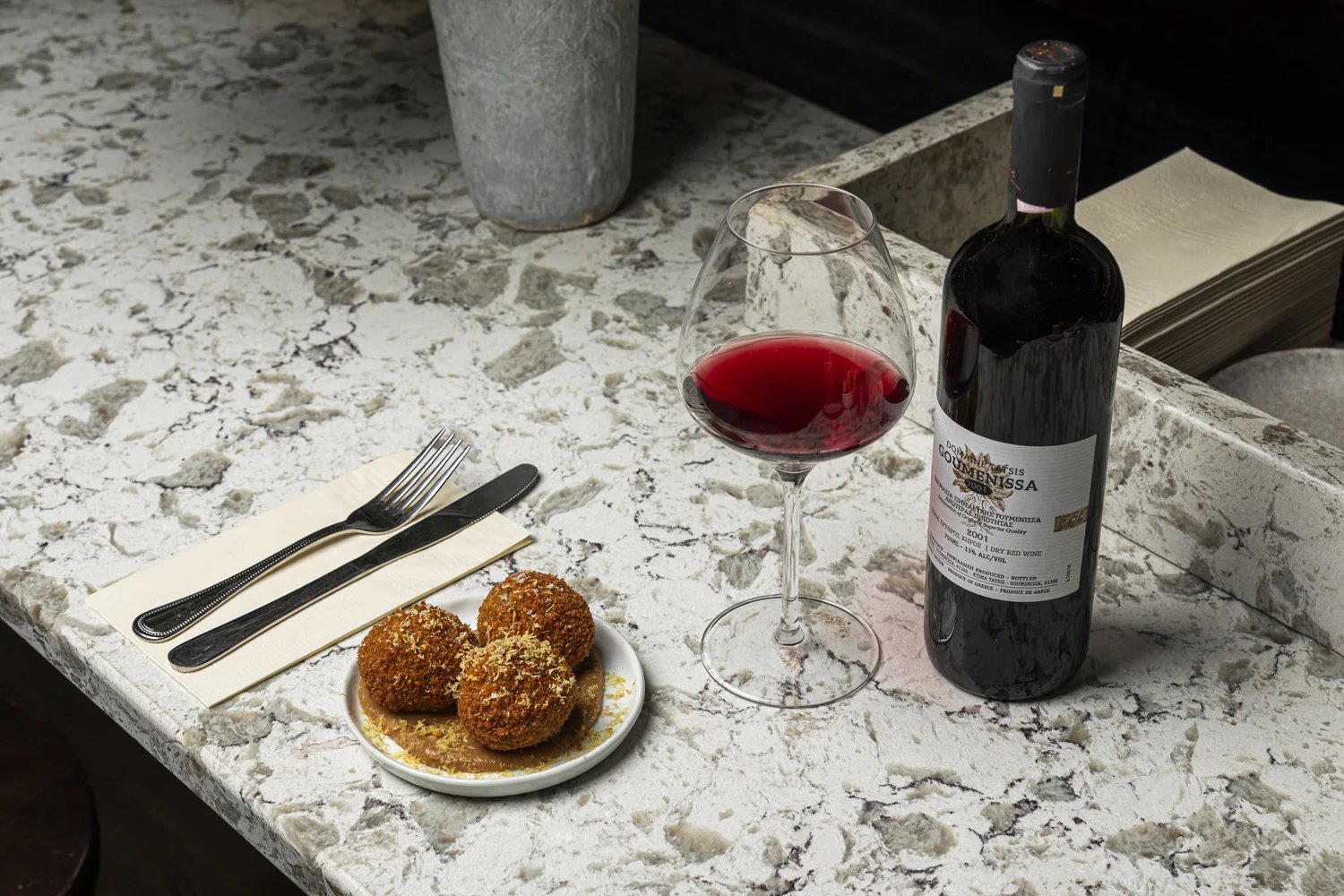
Among the markers that separate serious dining rooms from occasion restaurants in New York, the wine program is one of the most telling. Manhattan's top tier, including Atomix with its Korean fine dining and Masa at the far end of the omakase spectrum, each maintain wine and beverage programs proportionate to their overall ambition. The question for any room operating outside the Manhattan core is whether its cellar can hold its own against that peer group, or whether it defaults to the safe, short lists that characterise most occasion-driven waterfront dining.
The wine tradition that New York's serious rooms draw from is genuinely global. Restaurants like Blue Hill at Stone Barns in Tarrytown have demonstrated that proximity to the city does not require deference to it on beverage ambition. Further afield, Frasca Food and Wine in Boulder built its entire identity around a specific regional cellar focus, a model that has influenced how American fine dining thinks about wine as editorial rather than service. The rooms that earn repeat visits from serious wine drinkers tend to be those where the list reflects genuine curation rather than category coverage.
Because the venue data available for Blend on the Water does not include verified specifics on cellar depth, sommelier credentials, or list structure, no claims about those particulars are made here. What the address and positioning do suggest is that the room competes in a market where wine program depth is a meaningful differentiator, and where proximity to a growing residential population of wine-literate customers creates both the demand and the commercial rationale for investing in the cellar.
Neighbourhood Context and the LIC Dining Pattern
Long Island City's dining development over the past decade followed a recognisable pattern: fast-casual and neighbourhood staples first, then mid-range restaurants serving the new apartment density, then a smaller number of rooms with higher ambition. That pattern has played out in other cities where residential investment preceded restaurant investment. Lazy Bear in San Francisco built its audience in a neighbourhood undergoing similar transition, and the model of a destination room in a non-traditional district has become more viable as reservation culture has decoupled serious dining from specific postcodes.
The waterfront strip along Center Boulevard is a specific micro-environment within LIC. It draws both residents of the new towers and visitors from Manhattan making a deliberate crossing, a mixed audience with different expectations. Rooms in this position tend to develop dual programming needs: a daily neighbourhood offer and a special-occasion register. Managing both without losing coherence in either is one of the harder operational challenges in New York dining outside the Manhattan core.
For comparison, Smyth in Chicago operates at a similar intersection of neighbourhood restaurant and destination dining room, and has resolved the tension partly through menu architecture and partly through a beverage program deep enough to justify the journey from anywhere in the city. Providence in Los Angeles made a similar move in a different urban context. The lesson across those rooms is that the beverage and food programs need to carry equal weight if the room is going to hold both audiences.
Positioning in the New York Fine Dining Spectrum
New York's fine dining spectrum runs from the tasting-menu formalism at the very leading, represented by rooms like Per Se and Eleven Madison Park, down through a broad middle tier of chef-driven rooms that operate without Michelin recognition but at comparable price points. Waterfront rooms in the outer boroughs have historically occupied a separate category: good neighbourhood dining with a view premium built into the pricing.
The rooms that have broken that pattern, including internationally Atelier Moessmer Norbert Niederkofler in Brunico and Dal Pescatore in Runate, both of which operate at significant remove from metropolitan centres, have done so through program depth rather than location compromise. In the American context, Addison in San Diego and The Inn at Little Washington both demonstrate that serious dining ambition is not confined to the obvious urban addresses. Single Thread Farm in Healdsburg and Emeril's in New Orleans fill out a picture of American fine dining that is genuinely distributed across geography.
For the full picture of where Blend on the Water sits within New York's dining options, see our full New York City restaurants guide.
Planning a Visit
Blend on the Water is located at 45-40 Center Blvd, Long Island City, NY 11109, on the Queens waterfront directly across the East River from Midtown Manhattan. The address is accessible from Manhattan via the 7 train to Hunters Point Avenue or the East River Ferry, which stops at the LIC landing a short walk from Center Boulevard.
Quick reference: 45-40 Center Blvd, Long Island City, NY 11109. Closest transit: 7 train (Hunters Point Ave) or East River Ferry (LIC stop). Verify hours and reservations directly with the venue.
Frequently asked questions
Would Blend on the Water be comfortable with kids?
Waterfront dining rooms on the Queens waterfront at Center Blvd tend to draw a predominantly adult crowd in the evening, particularly at the mid-to-upper end of the price spectrum. Families with children are generally better served during earlier seatings or weekend lunch, where the pace and noise level are more forgiving.
Is Blend on the Water better for a quiet night or a lively one?
The address at 45-40 Center Blvd places the restaurant on the Long Island City waterfront, where the draw is partly the view across the East River to Midtown Manhattan. Rooms in this position tend to attract a mixed crowd: local residents on a regular rotation and visitors making a deliberate trip for the setting. The balance between quiet and lively typically shifts by day of the week, with weekends running louder.
Does Blend on the Water's East River location offer outdoor seating with Manhattan views?
The restaurant sits at 45-40 Center Blvd on the Queens waterfront in Long Island City, directly across the East River from Midtown Manhattan, a position that makes outdoor seating one of the most discussed aspects of the dining experience. New York waterfront restaurants at this latitude typically operate seasonal terraces, with summer the peak period for al fresco service.
What's the must-try dish at Blend on the Water?
For current menu information, the restaurant at 45-40 Center Blvd, Long Island City is the most reliable source.
How do I find Blend on the Water?
Blend on the Water is located at 45-40 Center Blvd, Long Island City, NY 11109, New York City.
How hard is it to get a table at Blend on the Water?
Booking difficulty in New York correlates closely with awards recognition and price positioning. The waterfront setting at Center Blvd does drive demand on warm-weather weekends, so advance booking during summer months is the practical move.
The Quick Read
Comparable venues nearby, for context on price, style, and recognition.
| Venue | Cuisine | Price | Notes |
|---|---|---|---|
| Blend on the WaterThis venue (the venue you are viewing) | Latin Fusion | Not listed | Not listed |
| Empanada Mama LES | Latin Empanadas | $20–30 | Lower East Side, Latin Empanadas |
| YAYOS LATIN CUISINE | Latin American | $20–30 | Park Slope, Latin American |
| Double Knot | Japanese Sushi & Robatayaki Izakaya | $50–100 | Midtown, Japanese Sushi & Robatayaki Izakaya |
| George McNally restaurant | Tribeca, american | Not listed | Not listed |
| Nostos | Modern Greek | Not listed | East Midtown-Turtle Bay, Modern Greek |
Continue exploring
More in New York City
Restaurants in New York City
All restaurants in New York City →
Bars in New York City
All bars in New York City →




Details
- Scenic
- Elegant
- Lively
- Date Night
- Group Dining
- Brunch
- Celebration
- Waterfront
- Live Music
- Terrace
- Craft Cocktails
- Waterfront
- Skyline
- A La Carte
- Small Plates
- Vegetarian Friendly
- Vegan Options
Current opening hours
- Monday
- 11 AM–10:30 PM
- Tuesday
- 11 AM–10:30 PM
- Wednesday
- 11 AM–10:30 PM
- Thursday
- 11 AM–10:30 PM
- Friday
- 11 AM–10:30 PM
- Saturday
- 11 AM–10:30 PM
- Sunday
- 11 AM–10:30 PM
Hours can change for holidays and private events. Hours as of .
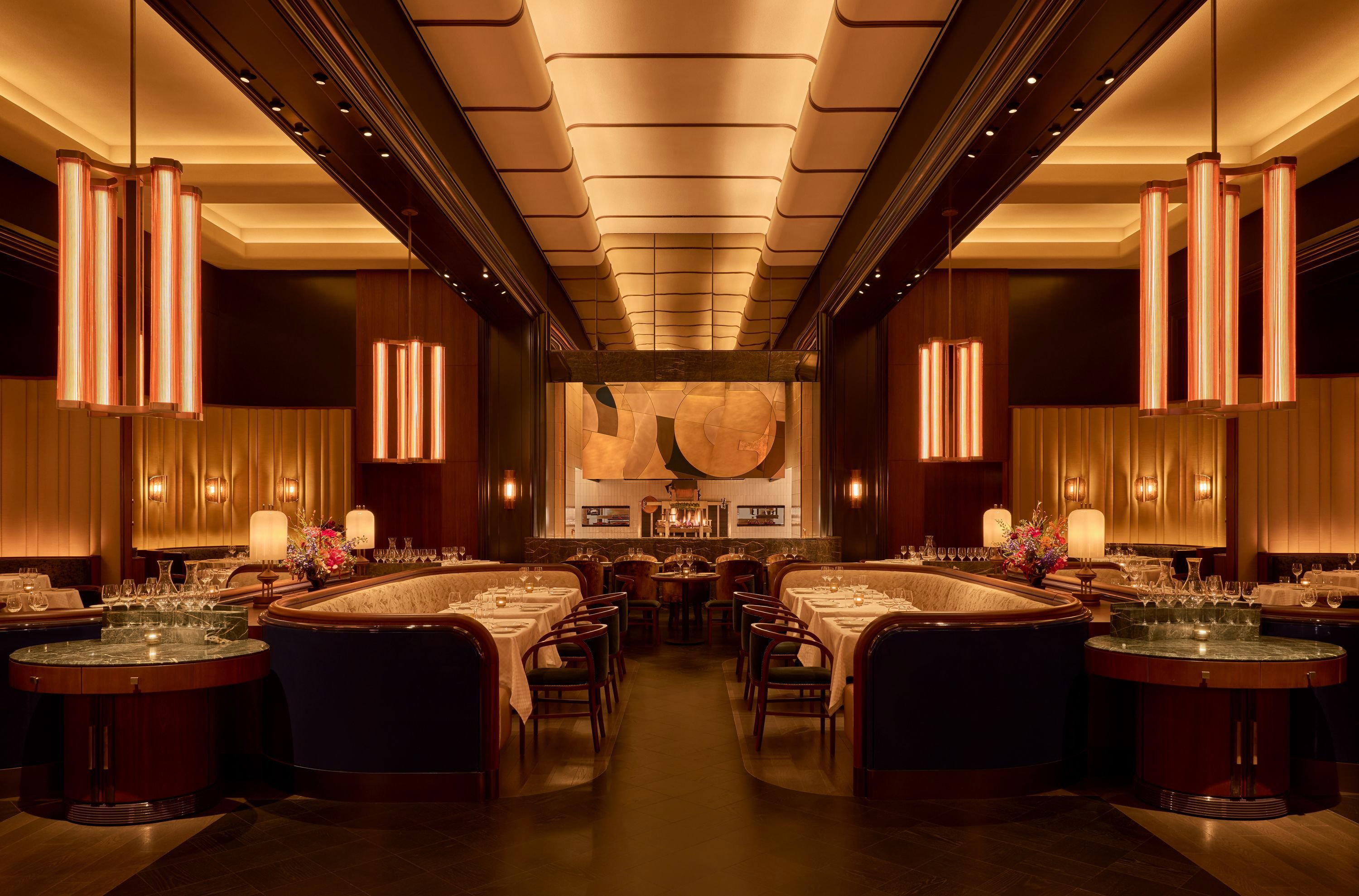
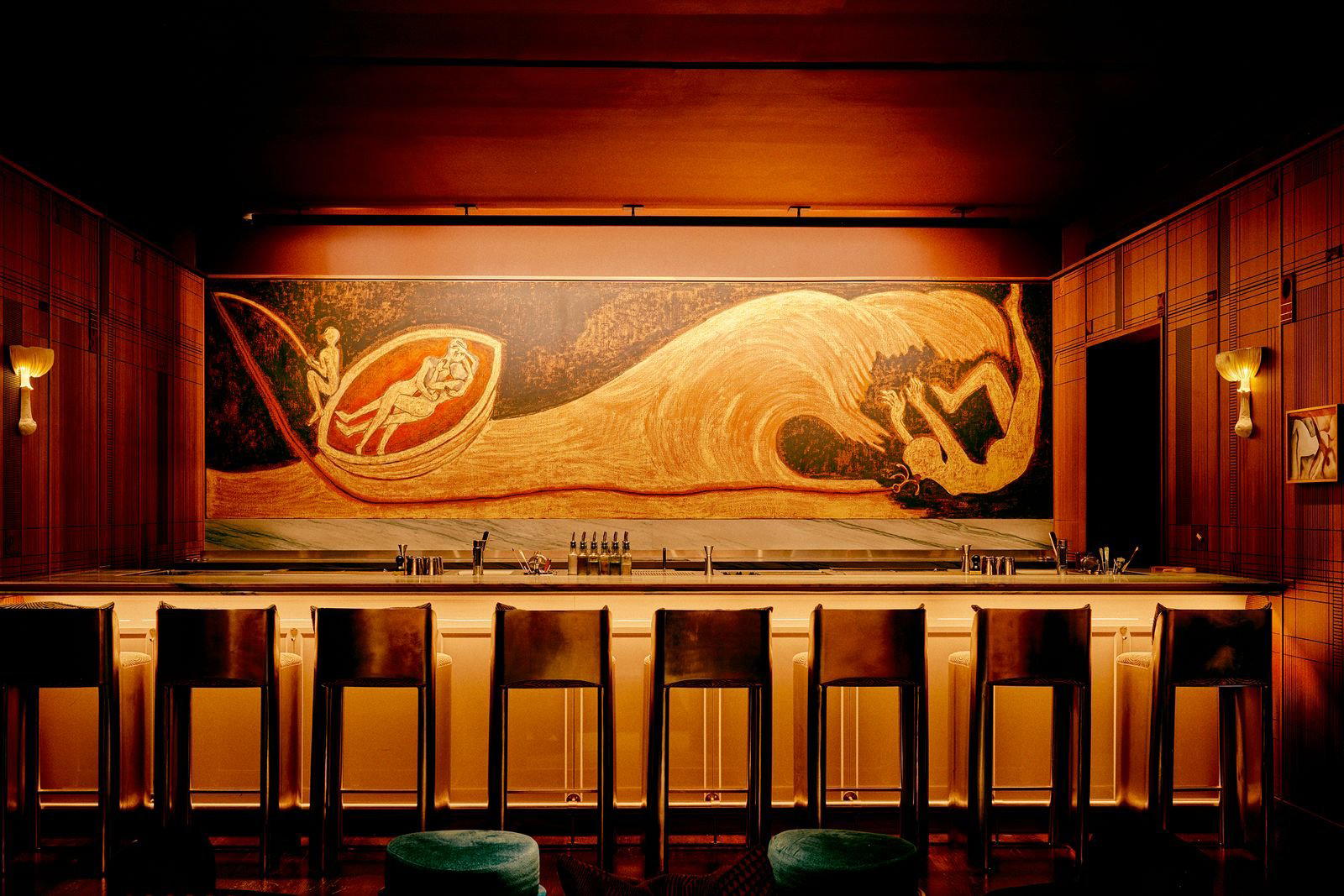
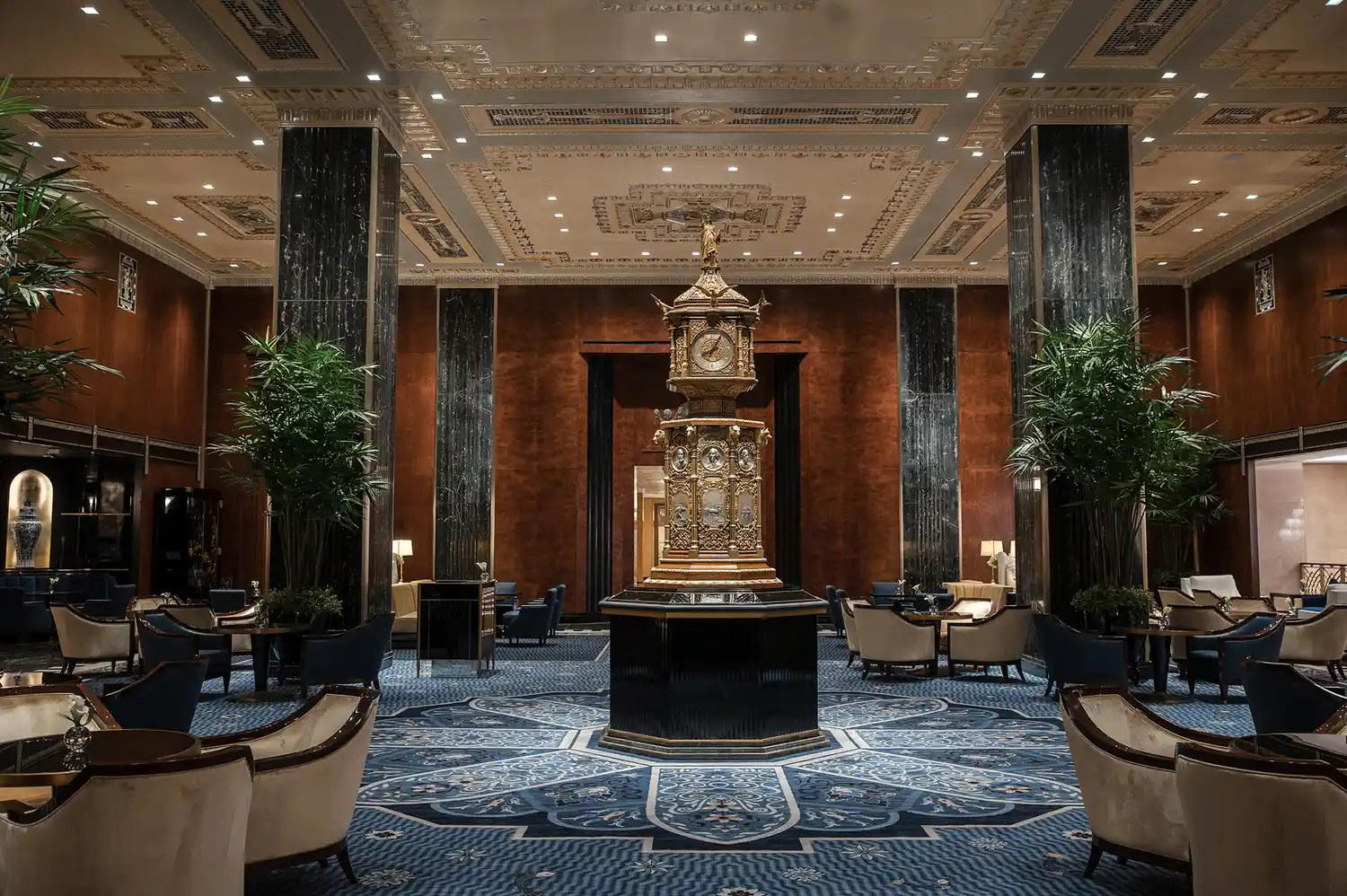
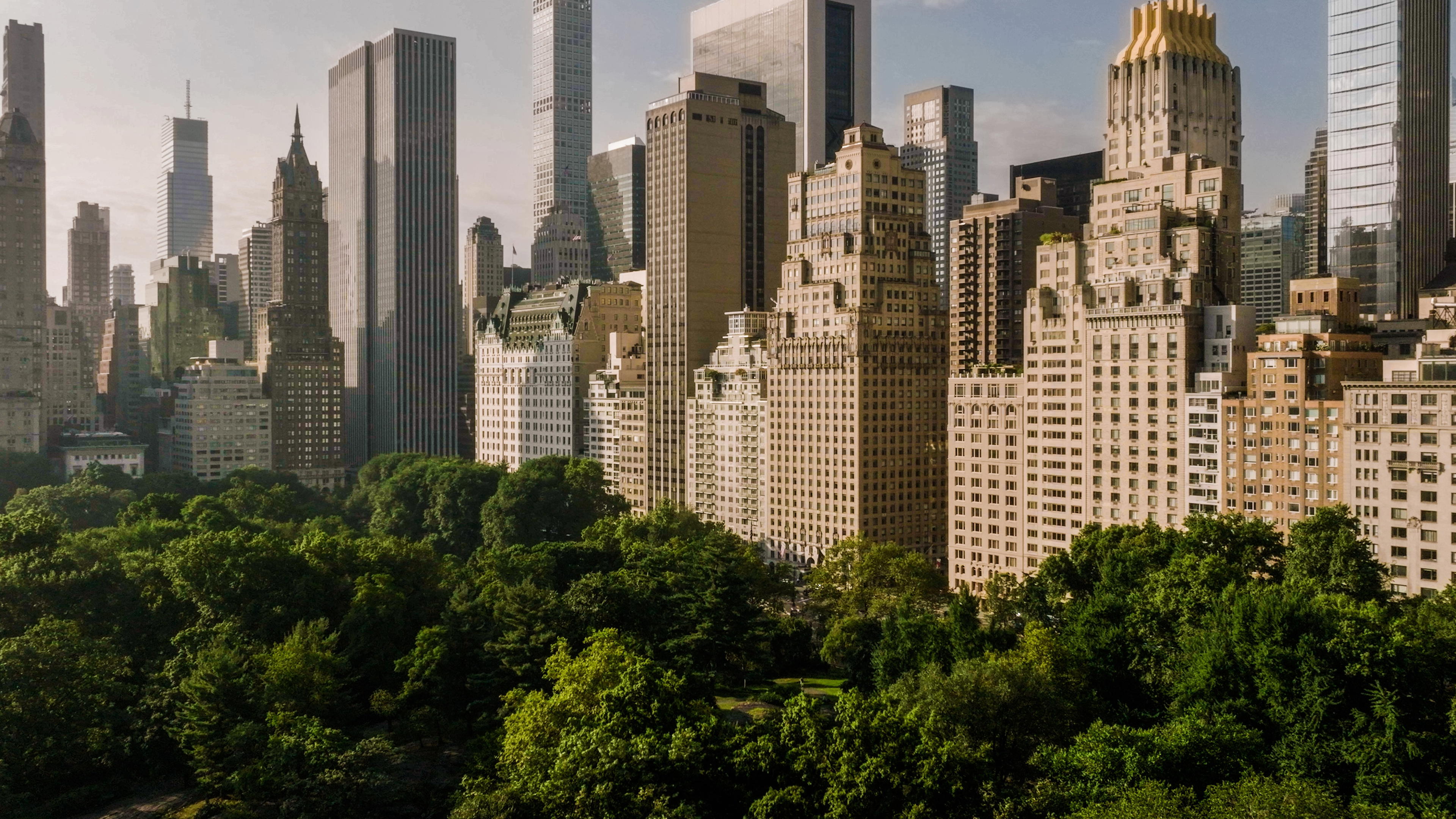
Dimly lit interior with lively atmosphere, live music, and dramatic waterfront views of the NYC skyline.