Black Swan








A Michelin-starred inn on the edge of the North York Moors, Black Swan has redrawn the line between country pub and serious destination restaurant. The tasting menu, priced at £175 per person, draws entirely from the Banks family's 160-acre farm, kitchen garden, and foraged wild ingredients.
Pearl is the En Primeur Club membership app — saves, bookings, and concierge access live there. Same editors, same standards.
- Address
- Oldstead, York YO61 4BL, United Kingdom
- Phone
- +44 1347 868387
- Website
- blackswanoldstead.co.uk
- Directions
- Get directions
 Saves & bookings on Pearl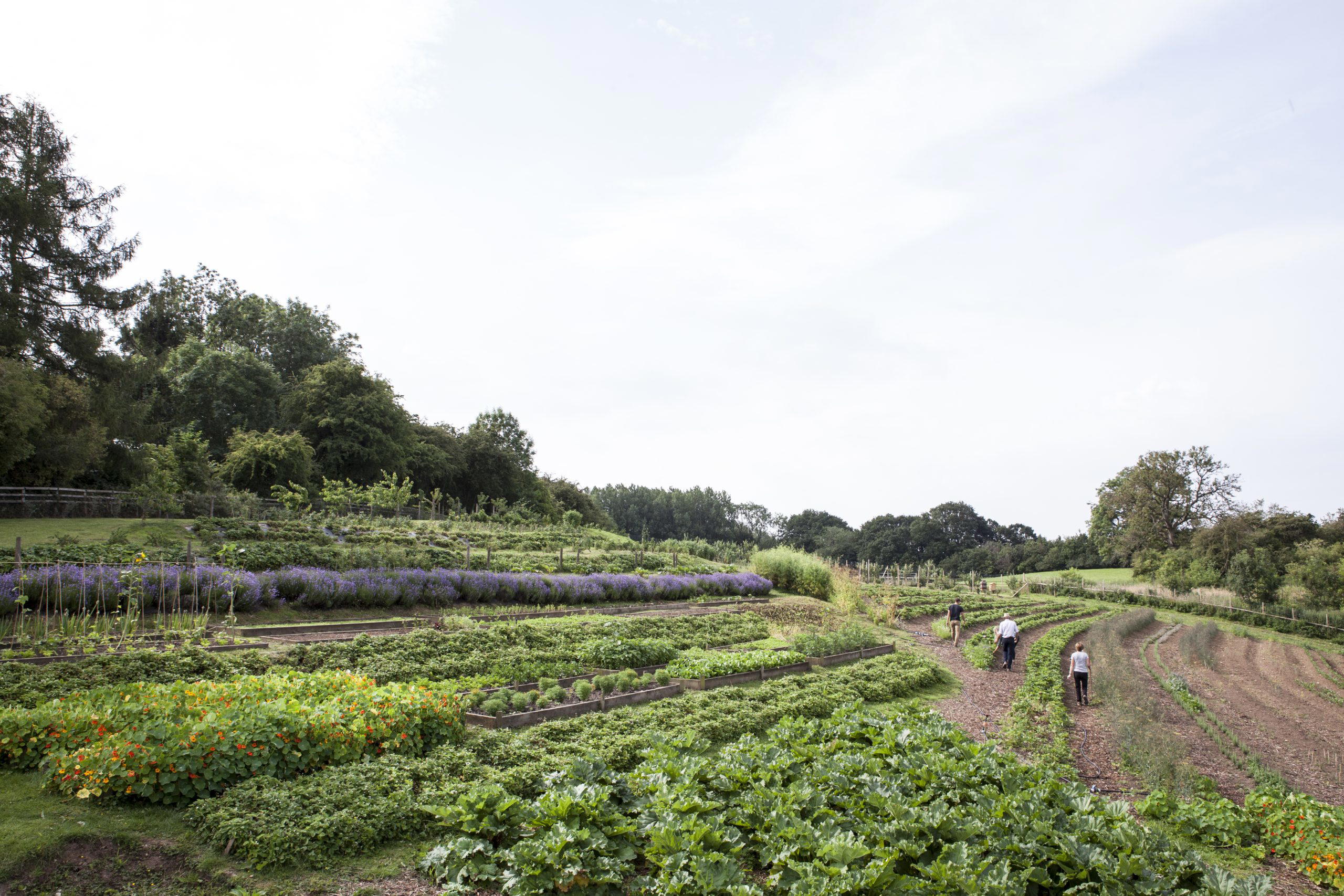
Stone Walls, Open Fires, and a Tasting Menu Built From the Ground Up
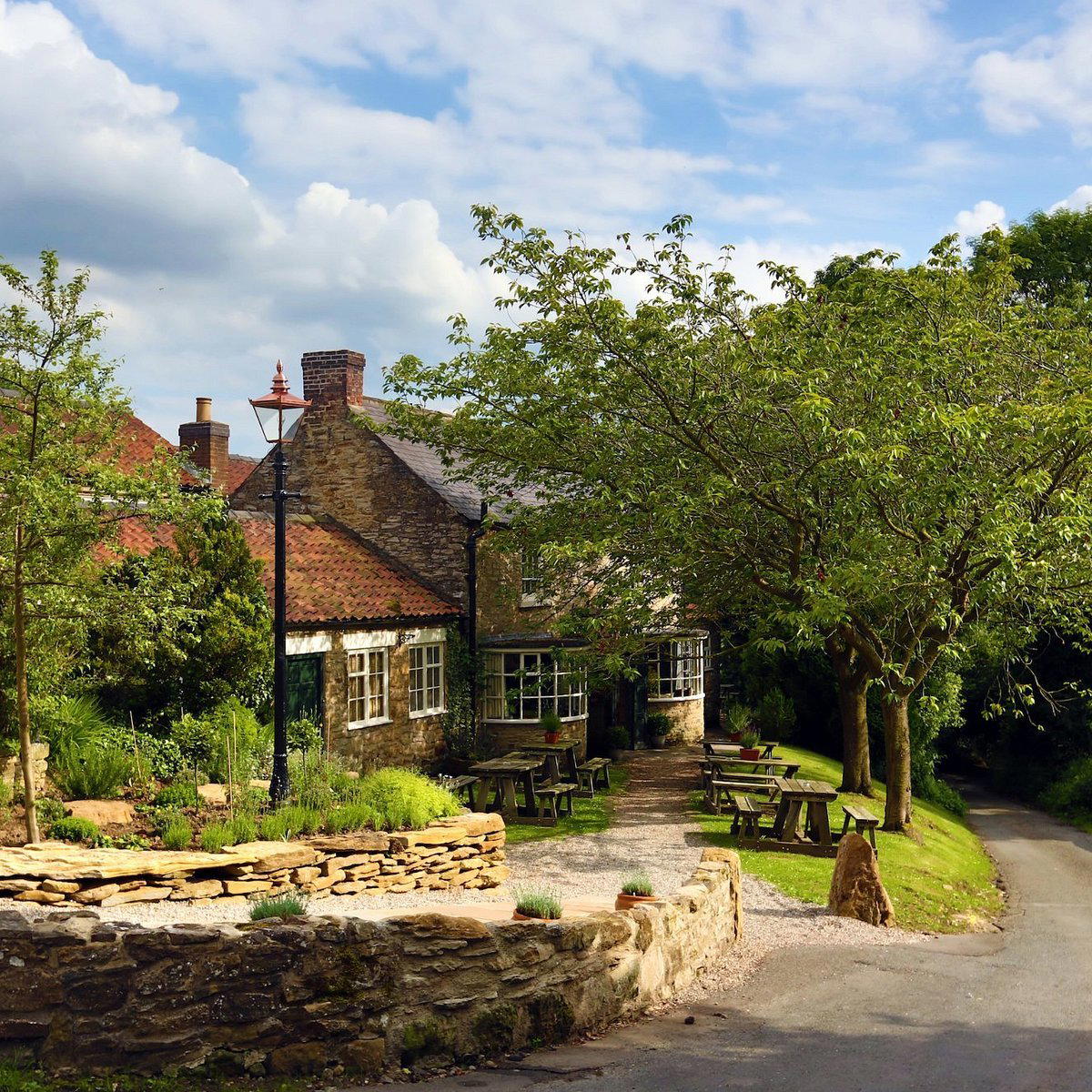
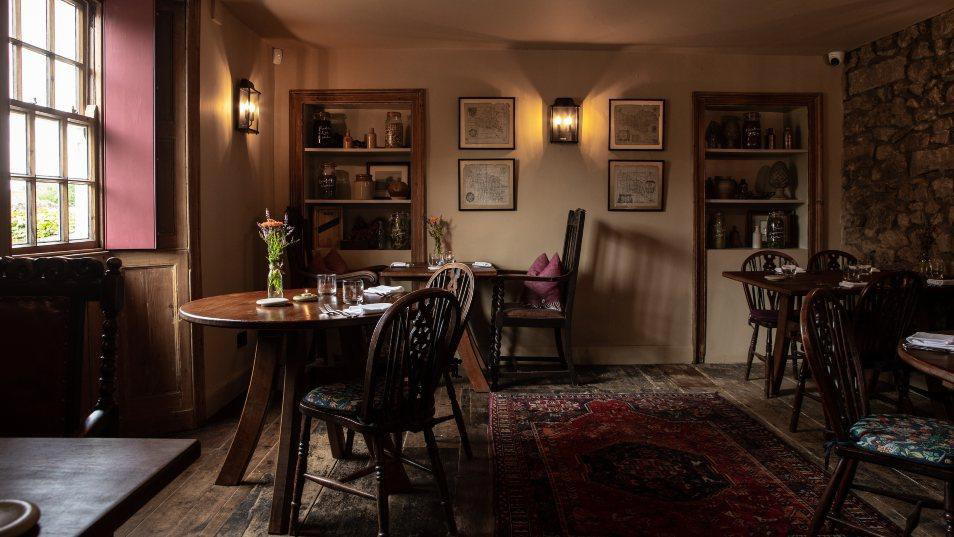
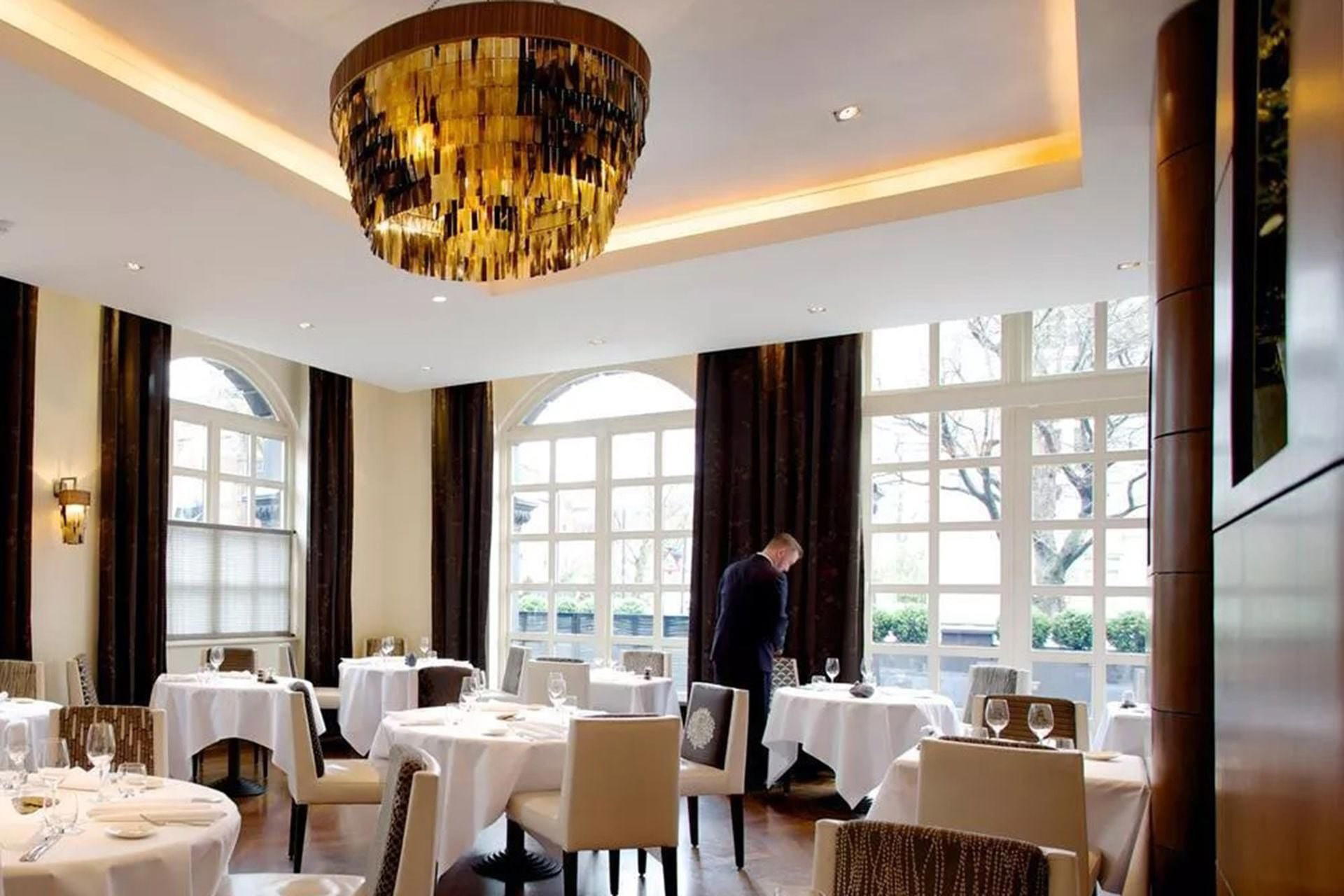
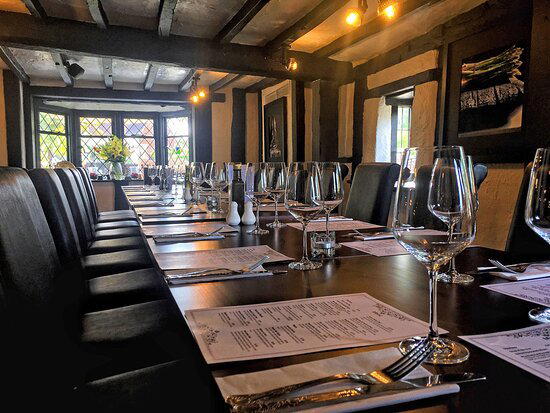
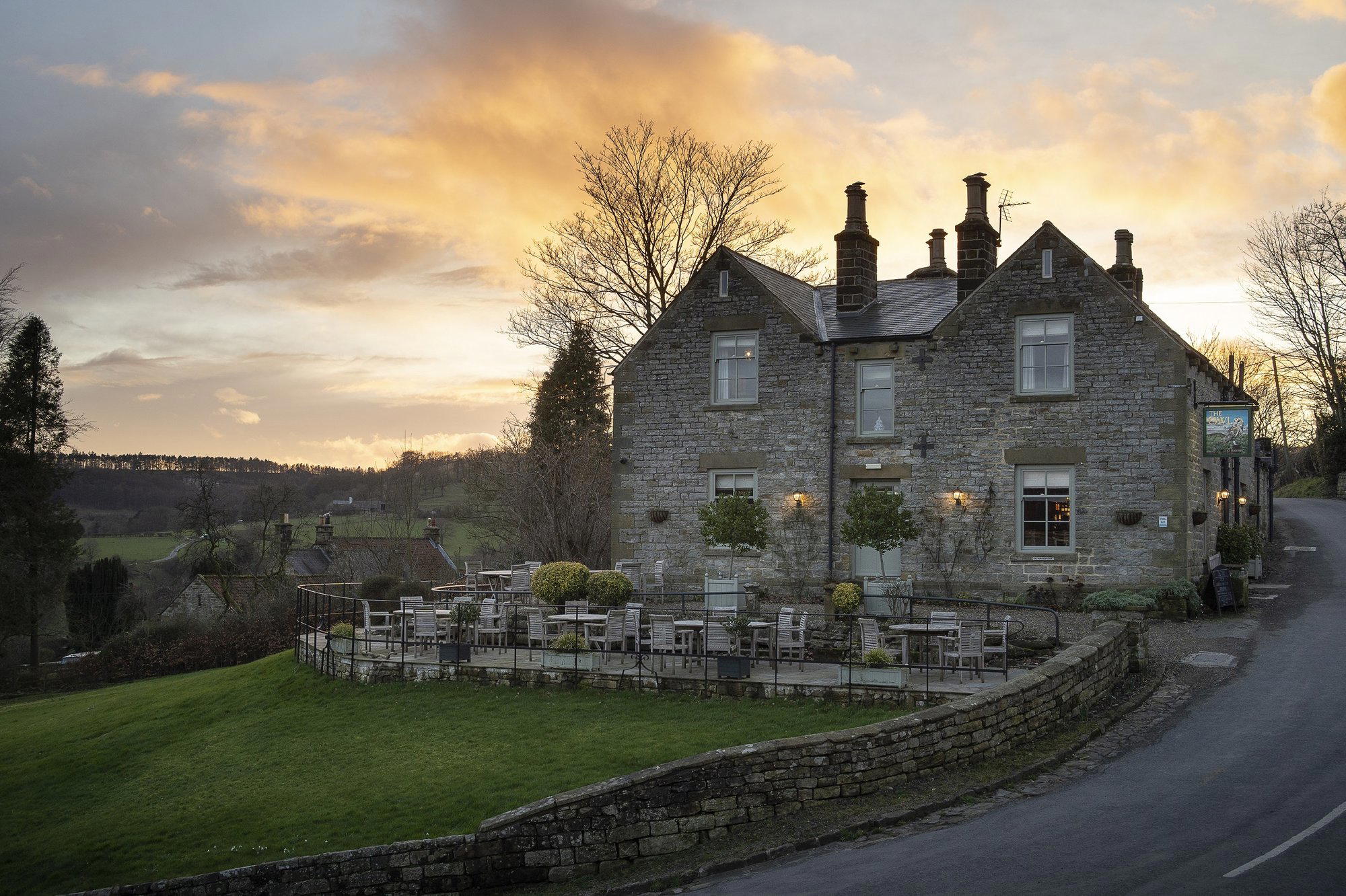
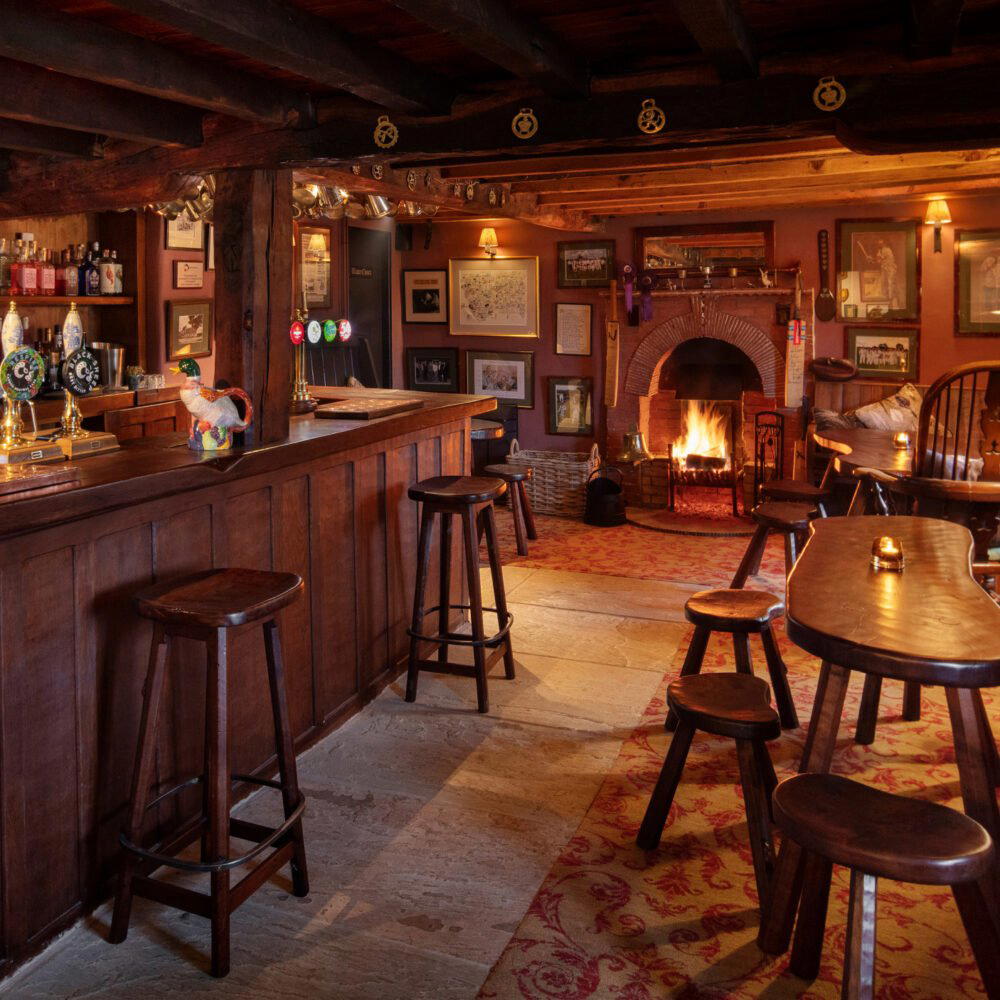
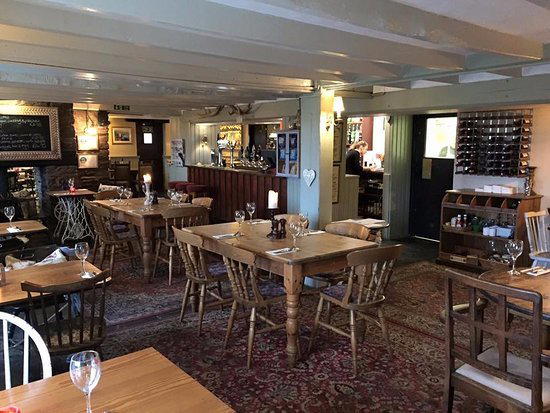
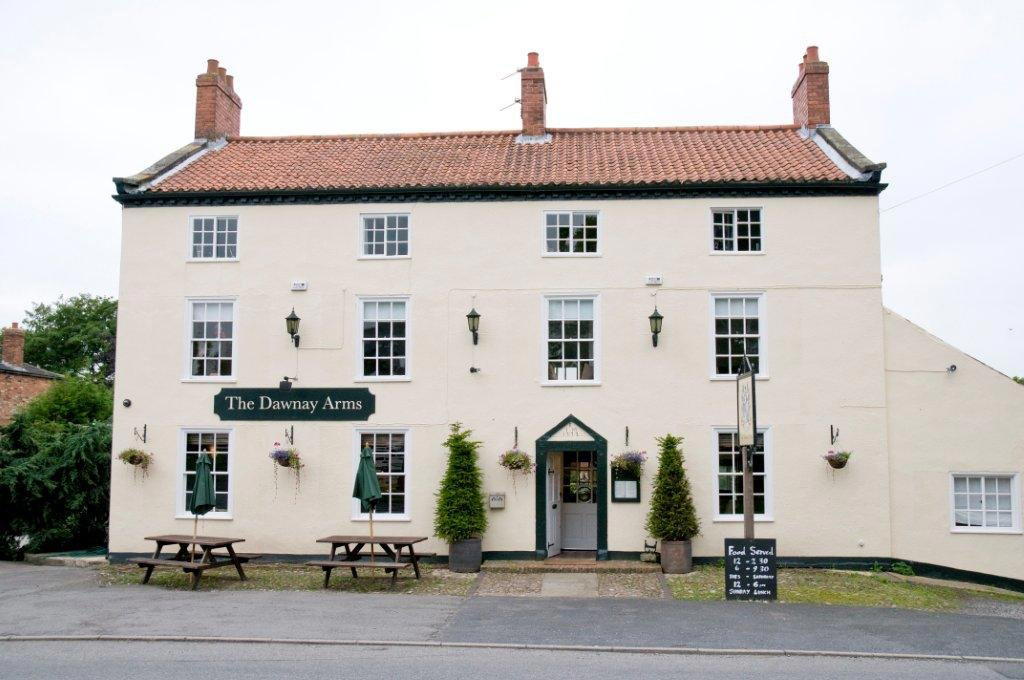
The road into Oldstead runs through the kind of countryside that makes the North York Moors feel deliberately remote. No village centre to speak of, no signposted tourist trail. The Black Swan arrives as a stone-built inn that reads, from the outside, as exactly what it always was: a proper Yorkshire pub. Inside, the reconfiguration is considered rather than aggressive. Exposed beams and flagged floors remain. Tables are unclothed. The open fire is real. But the furniture is spare and modern, and the room has been reorganised around a tasting counter format that has no interest in pretending to be casual. The tension between those two registers, ancient fabric and contemporary intent, is what defines the dining experience before a single dish arrives.
This tension is not accidental. It reflects a broader shift in British hospitality over the past two decades, in which a generation of chefs reclaimed the village pub or country inn as a serious culinary platform rather than abandoning it for a city postcode. Hand and Flowers in Marlow did it with a two-Michelin-star gastropub format. L'Enclume in Cartmel transformed a former smithy in a village of a few hundred people into among the more discussed restaurant-with-rooms in the country. Black Swan sits in that lineage, though its farm-to-table proposition is more literal and more constrained than most. The 160-acre farm is not a branding exercise; it is the menu's actual boundary.
The Farm as Editorial Statement
The gastropub revolution in Britain ran two distinct tracks. One track was about cooking technique applied to pub classics, two-Michelin-star pie and chips notwithstanding. The other was about sourcing discipline as the organising principle, the idea that what grows on or near the land defines what goes on the plate. Black Swan belongs firmly to the second track, and has recently sharpened its position further. Fish no longer features on the tasting menu. The kitchen's stated rationale is direct: a commitment to sustainability and hyper-local sourcing that focuses exclusively on land-based ingredients, drawing from the farm, the kitchen garden, foraged wild ingredients, and preserved seasonal produce. For a restaurant in Yorkshire rather than coastal Cornwall or a Scottish island, that decision narrows the pantry considerably, and the menu is more coherent for it.
The format is a lengthy tasting menu of around a dozen stages. Head Chef Alice Power oversees two acres of kitchen garden, a foraging operation that runs year-round, and an extensive programme of preservation techniques used to carry summer and autumn harvests into the leaner months. The kitchen works in close coordination with the farm's gardeners, and that relationship shows in how foraged aromatics function in the dishes: not as garnish but as structural flavour. Partridge, for example, can appear across multiple stages of a single service, moving through broth, offal with chestnuts, leg with elderberry and fir, and finally roasted breast with beetroot and bread sauce. That kind of nose-to-tail sequencing within one bird reflects a thrift that the leading farm-driven kitchens treat as an aesthetic position rather than a constraint.
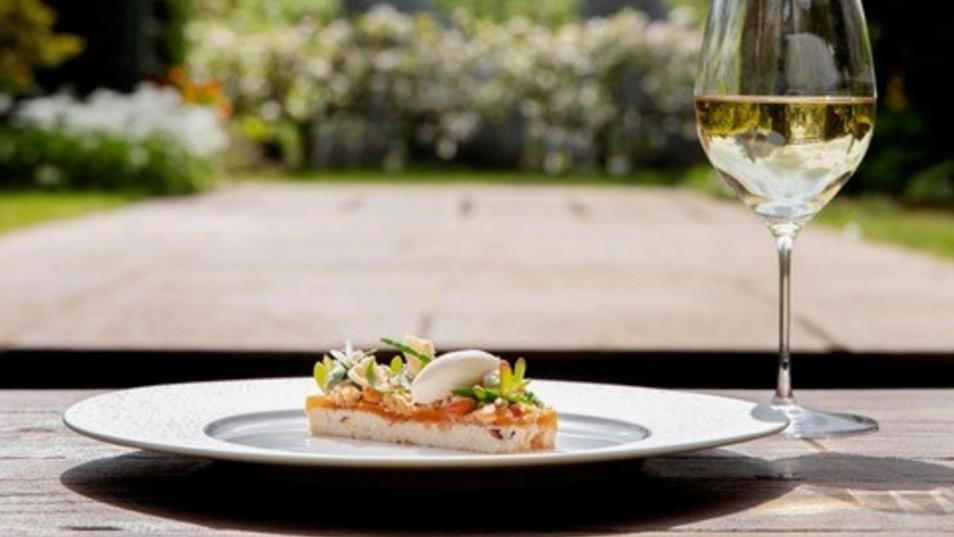
Dessert courses are among the more technically ambitious sections of the menu. Mushroom-dusted chocolate ganache with meringue, and yoghurt ice cream with wood sorrel and Douglas fir oil finished tableside, suggest a kitchen using foraged and preserved ingredients not just in savoury courses but as flavour architecture throughout. The wine programme runs to three flights: experimental and adventurous, grand and classic, and rare and notable, priced at different levels. A Naoussa Xinomavro might accompany game on the first flight; a 2009 Beaune premier cru on the second; Calera's 2008 Pinot Noir from Sonoma on the third. The range is genuine rather than performative.
Where It Sits in the Regional and National Conversation
Creative British cooking at the £175 tasting menu price point places Black Swan in a competitive bracket that includes restaurants operating in far larger cities with greater population density and infrastructure. Moor Hall in Aughton, Midsummer House in Cambridge, and Gidleigh Park in Chagford represent comparable propositions: destination restaurants in non-metropolitan settings, built around chef-led tasting menus and rooms, where the journey to the table is part of the proposition. Nationally, the conversation about Modern British tasting menus tends to anchor on London addresses, The Ledbury and its European Modern peers among them, but the case that serious cooking requires a city address has been comprehensively undermined by the crop of destination restaurants that emerged across England and Scotland in the 2010s.
Tommy Banks became the UK's youngest Michelin-starred chef in 2012, a credential that positioned the restaurant early in that decade's wave of young-chef destination restaurants. The Michelin star (confirmed in the 2024 guide) has held across years in which the kitchen has seen generational change. The current team, with Head Chef Tommy Banks working alongside Executive Chef Callum Leslie and Head Chef Alice Power, operates a format that La Liste rated at 86.5 points in 2025 and 85 points in 2026, placing it among Europe's ranked restaurants in both editions. Opinionated About Dining placed it at 258th in Europe in 2025, 196th in 2024. Google's 4.8 rating across 628 reviews suggests the reputation translates to the actual dining experience at a high rate of consistency.
For context on how the Creative British category has developed beyond its metropolitan centres, The Whitebrook in Whitebrook and CHAPTERS in Hay-on-Wye offer comparable rural-sourcing propositions, while hide and fox in Saltwood represents the smaller-scale end of the same farm-to-tasting-menu trajectory. At the Scottish end of the destination-restaurant spectrum, Restaurant Andrew Fairlie in Auchterarder holds a comparable position in terms of remoteness and formal commitment. Opheem in Birmingham and Le Manoir aux Quat' Saisons in Great Milton represent different vectors of the same broader shift in how British fine dining situates itself outside London.
Planning a Visit
The restaurant operates as a restaurant with rooms, and the antique-furnished bedrooms with private patios make an overnight stay the more practical option for most guests travelling from outside Yorkshire, given Oldstead's position on the edge of the North York Moors with no meaningful public transport link. The tasting menu is priced at £175 per person at dinner and £135 per person at lunch. Lunch represents the more accessible entry point financially, and the format at both services is the same extended tasting structure. The team works at a level of enthusiasm that reviewers consistently note.
The broader Banks family operation in the area has grown since 2012, which means Oldstead now sits within a small hospitality cluster rather than existing as a single destination. Guests travelling further for a comparison across the country's leading destination restaurants might also consider The Fat Duck in Bray, which occupies a different quadrant of the same creative British tasting-menu category.
Comparable Venues
Comparable venues nearby, for context on price, style, and recognition.
| Venue | Cuisine | Price | Awards | Notes |
|---|---|---|---|---|
| Black SwanThis venue — the venue you are viewing | Farm-to-Table British Fine Dining | $$$$ | Michelin 1 Star | Not listed |
| Forest Side | Modern British Fine Dining | $$$$ | Michelin 1 Star | Grasmere |
| Northcote | Modern British Fine Dining | $$$$ | Michelin 1 Star | Ribble Valley |
| House of Tides | Modern British Fine Dining | $$$$ | Michelin 1 Star | Quayside |
| Roots York | Modern British Seasonal Tasting Menu | $$$ | Michelin 1 Star | Marygate |
| Gravetye Manor | Modern British Fine Dining | $$$$ | Michelin 1 Star | West Hoathly |
Recognition history
Dated appearances from independent guides and award organizations, with the underlying list record or original source where available.
Harden's Top 100 UK Restaurants #31
Harden's
La Liste Top Restaurants
La Liste
Michelin 1 Star
Michelin
SquareMeal UK Top 100 Restaurants #72
SquareMeal
Star Wine List
Star Wine List
La Liste Top Restaurants
La Liste
Michelin 1 Star
Michelin
National Restaurant Awards Top 100 #81
National Restaurant Awards
Opinionated About Dining Top Restaurants in Europe Ranked #258
Opinionated About Dining
The Good Food Guide GFG Very Good
The Good Food Guide
We're Smart World 2 Radishes
We're Smart World
Michelin 1 Star
Michelin
Opinionated About Dining Top Restaurants in Europe Ranked #196
Opinionated About Dining
Opinionated About Dining Top New Restaurants in Europe Highly Recommended
Opinionated About Dining
At a Glance
- Rustic
- Cozy
- Elegant
- Intimate
- Special Occasion
- Celebration
- Open Kitchen
- Sommelier Led
- Farm To Table
- Local Sourcing
Cozy and charming country pub atmosphere with exposed beams, flagged floors, open fire, and antique furnishings.