Bistrot Iodé
Our verdict
Bistrot Iodé brings a seafood-forward sensibility to Avenue de Flandre in Villeneuve-d'Ascq, a city whose dining scene has grown steadily more serious over the past decade. The name signals the kitchen's orientation: iodé, meaning briny or sea-tinged in French, pointing to a coastal culinary register planted firmly in the Nord. Check the venue directly for current hours and reservations.

Pearl is the En Primeur Club membership app, where members save venues, book tables and use the concierge.
The menu
What to order
- John Dory
- Monkfish
- Langoustines
- Sardines
- Snacked Tuna
- Hake
The Nord's Coastal Kitchen, Planted Inland
There is a particular tradition in northern France of bringing the sea's produce deep into land-locked cities. Lille and its satellites have long maintained a market culture built around the catch from Boulogne-sur-Mer, one of France's most active fishing ports, and the flat rail and road corridors of the Hauts-de-France region mean that shellfish, sole, and brill move from dock to kitchen with unusual speed. Bistrot Iodé, on Avenue de Flandre in Villeneuve-d'Ascq, operates squarely within this tradition. The name itself is a declaration: iodé, an adjective the French use to describe that mineral, saline quality that clings to oysters, sea air, and the leading coastal cooking. Placed on a menu or a sign, it functions as a promise about orientation.
Villeneuve-d'Ascq is often read as an extension of the Lille metropolitan area rather than a destination in its own right, which means restaurants that anchor themselves here tend to draw a local, repeat clientele rather than the weekend dining tourists who fill tables in the old city. That audience tends to be more demanding in a specific way: they know the food, they know the region's produce, and they return when the kitchen delivers. A bistrot framing matters here, too. Across northern France, the bistrot format has remained a genuine category rather than an affectation, defined by a tighter menu, a shorter supply chain, and a pricing logic more closely tied to the neighbourhood than to a destination-dining bracket. Compare that with the tasting-menu architecture of Mirazur in Menton or Alléno Paris au Pavillon Ledoyen in Paris, where the price point and format are inseparable from the prestige address, and the distinction in approach becomes clear.
What Iodé Means on the Plate
Seafood-forward cooking in northern France carries its own grammar. It is not the butter-rich classicism of Normandy, nor the herb-driven Mediterranean idiom you find at places like L'Oustau de Baumanière in Les Baux. The Nord's version tends toward directness: produce at or near peak condition, preparations that preserve rather than transform, and a willingness to let the brine speak without correction. The great houses of French gastronomy in other regions, from Bras in Laguiole to Flocons de Sel in Megève, built their identities on the produce of their specific terroir. Northern coastal cooking operates on the same principle, except the terroir is the Channel and the North Sea.
A bistrot working in this register typically keeps its menu short and adjusts it frequently, since the central argument depends on freshness. Catch quality from Boulogne fluctuates by week and by season, and kitchens serious about that supply chain tend to build menus that can absorb those fluctuations without losing coherence. This is a different operational discipline from the high-volume production model that characterises larger restaurant groups, and it is one reason why smaller neighbourhood seafood bistrots often attract a more loyal diner base. The brevity of the menu is not a limitation; it is evidence that the kitchen is making choices.
Villeneuve-d'Ascq's Dining Context
The city's restaurant offer is more varied than its relatively low profile in French dining guides would suggest. Within the local scene, venues like Ami Asie Food and La Table represent different corners of the market, and the broader competition for a serious weekday dinner or weekend lunch sits mostly within the Lille metro area rather than nationally. That geographical reality positions a place like Bistrot Iodé as a neighbourhood anchor rather than a regional draw, which is a respectable and often more sustainable position than aiming for destination status.
For context on how French regional bistrots relate to the wider national scene, it helps to consider how kitchens in less-celebrated cities have historically operated in the shadow of the grandes maisons. Restaurants like Auberge de l'Ill in Illhaeusern, Paul Bocuse in Collonges-au-Mont-d'Or, or Georges Blanc in Vonnas defined the prestige benchmark for their regions, but the bistrots and neighbourhood tables that cluster around those reputations often do the more consistent, quotidian work of sustaining a local food culture. The Nord has never had that singular prestige anchor in the way Lyon or Alsace has, which has arguably kept its bistrot culture more intact and less self-conscious about format.
It is also worth noting where Villeneuve-d'Ascq sits geographically relative to French fine dining in other formats. The high-altitude or resort-context kitchens, like Le 1947 à Cheval Blanc in Courchevel, operate with a very different customer and seasonal logic. Closer to Bistrot Iodé's register, in terms of format if not geography, are places like Auberge du Vieux Puits in Fontjoncouse or Les Prés d'Eugénie in Eugénie-les-Bains, each rooted in a regional identity that functions partly as insulation against the homogenising pull of capital-city dining trends. Internationally, seafood-anchored restaurants working at the bistrot register, such as Le Bernardin in New York City at the formal end of the spectrum, show how far the oceanic cooking tradition can travel when taken seriously.
Planning Your Visit
Bistrot Iodé is located at 73 Avenue de Flandre, Villeneuve-d'Ascq, accessible from central Lille via the Lille Métro Line 1 toward the eastern suburbs. Given the bistrot format, walk-in dining may be possible on quieter weekday services, but seafood-led kitchens at this scale often run limited covers and fill quickly at weekend lunchtimes, which is the busiest period for this category of restaurant in northern France. For a broader sense of what the city offers across cuisines and formats, our full Villeneuve-d'Ascq restaurants guide provides additional context and comparisons. Those travelling from further afield who want to combine the visit with other serious tables in the region will find that the Lille metropolitan area can be reached from Paris in under an hour by TGV, making a day or weekend trip from the capital logistically manageable.
Frequently asked questions
What part of town is Bistrot Iodé in?
Bistrot Iodé is located at 73 Av. de Flandre, 59491 Villeneuve-d'Ascq, France, Villeneuve D Ascq.
How do I get to Bistrot Iodé from central Lille?
Bistrot Iodé sits at 73 Avenue de Flandre in Villeneuve-d'Ascq, reachable from central Lille via Metro Line 1 heading east toward the suburban stops that serve this part of the city. The journey takes under 20 minutes from Lille's main interchange stations, making it a practical dinner destination without requiring a car.
What dish is Bistrot Iodé famous for?
Bistrot Iodé is oriented around seafood-forward northern French cooking, a tradition with deep roots in the Lille metropolitan area and its connections to the Nord coast.
Is Bistrot Iodé reservation-only?
For a bistrot of this scale in Villeneuve-d'Ascq, booking ahead is advisable, particularly for weekend services when local demand tends to concentrate.
What is Bistrot Iodé known for?
Bistrot Iodé is known for bringing seafood-centred cooking into Villeneuve-d'Ascq, a city whose dining offer is more varied than its relatively low profile in French guides suggests. The name itself, iodé meaning iodine-tinged, the scent and flavour marker of fresh sea produce, signals a kitchen that takes its coastal sourcing seriously within a distinctly northern French register.
Can Bistrot Iodé handle vegetarian requests?
Given that Bistrot Iodé's identity is built around seafood and the produce of the Nord coast, vegetarian options are likely limited rather than a menu priority. Guests with specific dietary requirements should check the venue's official channels at 73 Avenue de Flandre before visiting to confirm what the kitchen can accommodate on a given day.
Budget and Context
Comparable venues nearby, for context on price, style, and recognition.
| Venue | Cuisine | Price | Awards | Notes |
|---|---|---|---|---|
| Bistrot IodéThis venue (the venue you are viewing) | Marine Bistro with Irish & Southern Influences | $50–100 | Not listed | Not listed |
| La Table | Contemporary French Fine Dining | $50–100 | Not listed | Villeneuve-d'Ascq, Contemporary French Fine Dining |
| Harmonie | Modern French Gastronomic | $50–100 | 1 Michelin Star | Avenue de Flandres, Modern French Gastronomic |
| Ami Asie Food | Authentic Chinese Adapted for European Tastes | $20–30 | Not listed | Villeneuve d'Ascq, Authentic Chinese Adapted for European Tastes |
| Laksøn | Scandinavian Seafood | $50–100 | Not listed | Vieux Lille 3, Scandinavian Seafood |
| Tortuga | Wild-Caught Seafood & Fish | $50–100 | Not listed | 9th Arrondissement (Opéra), Wild-Caught Seafood & Fish |
Continue exploring
More in Villeneuve-d'Ascq
Restaurants in Villeneuve-d'Ascq
All restaurants in Villeneuve-d'Ascq →
Bars in Villeneuve-d'Ascq
Browse all →
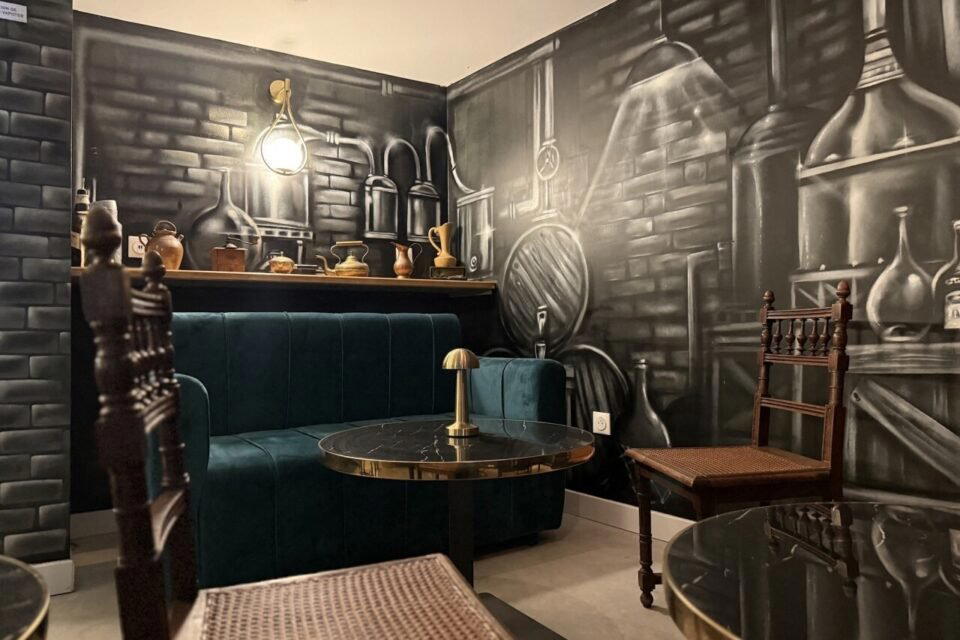
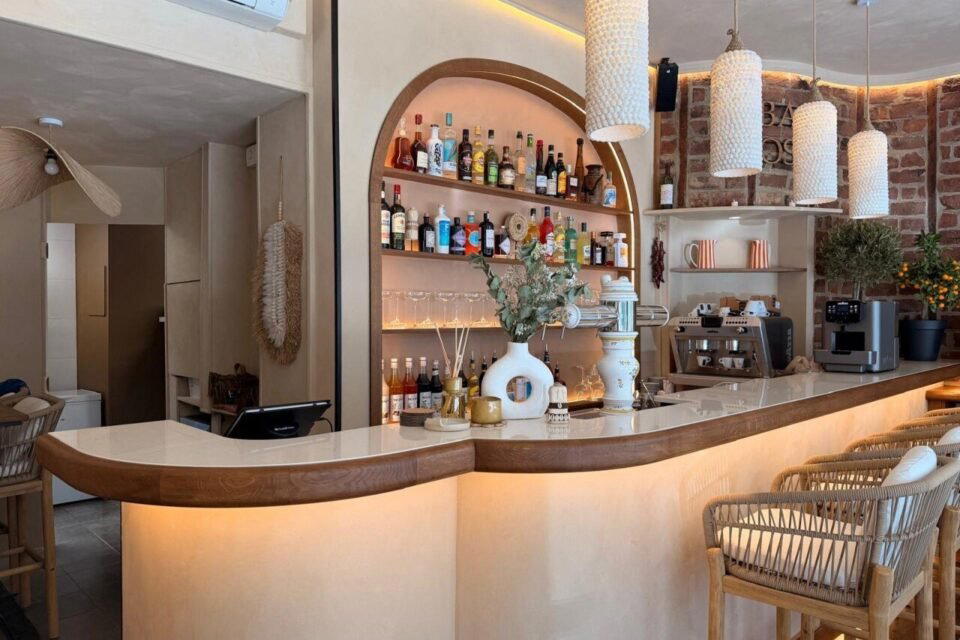
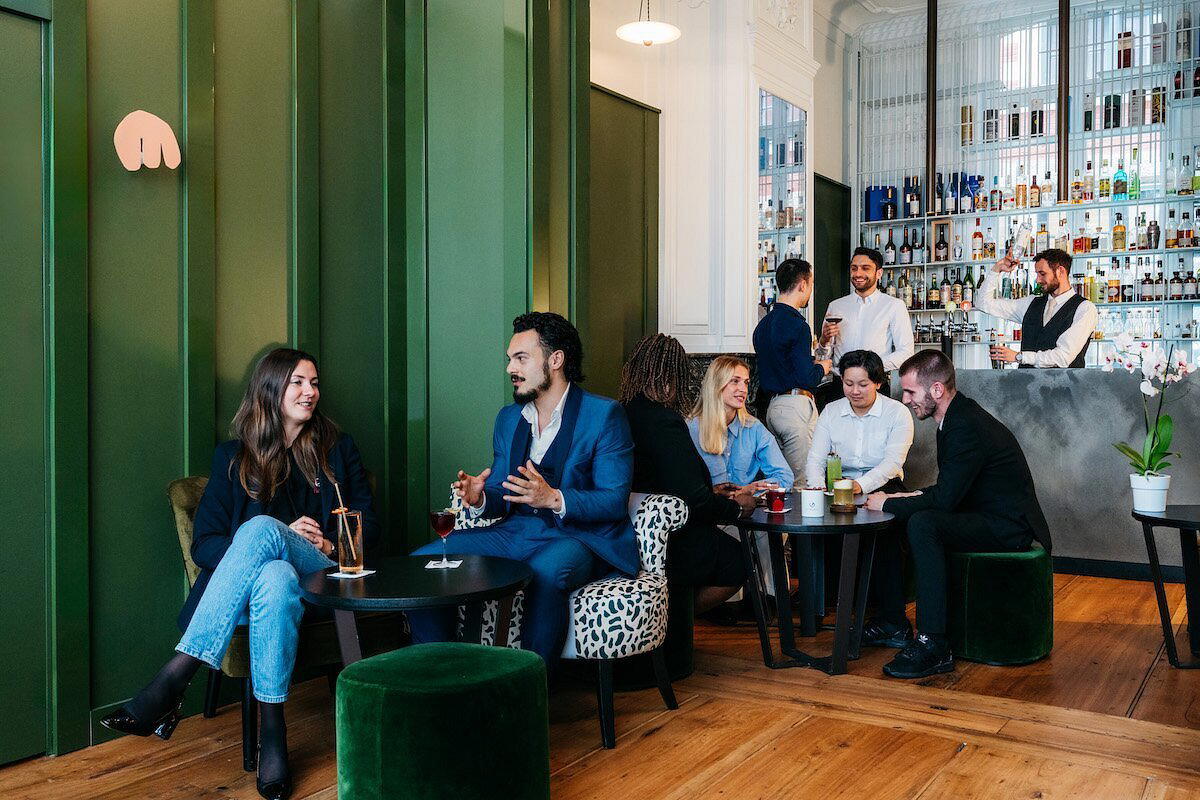
Hotels in Villeneuve-d'Ascq
Browse all →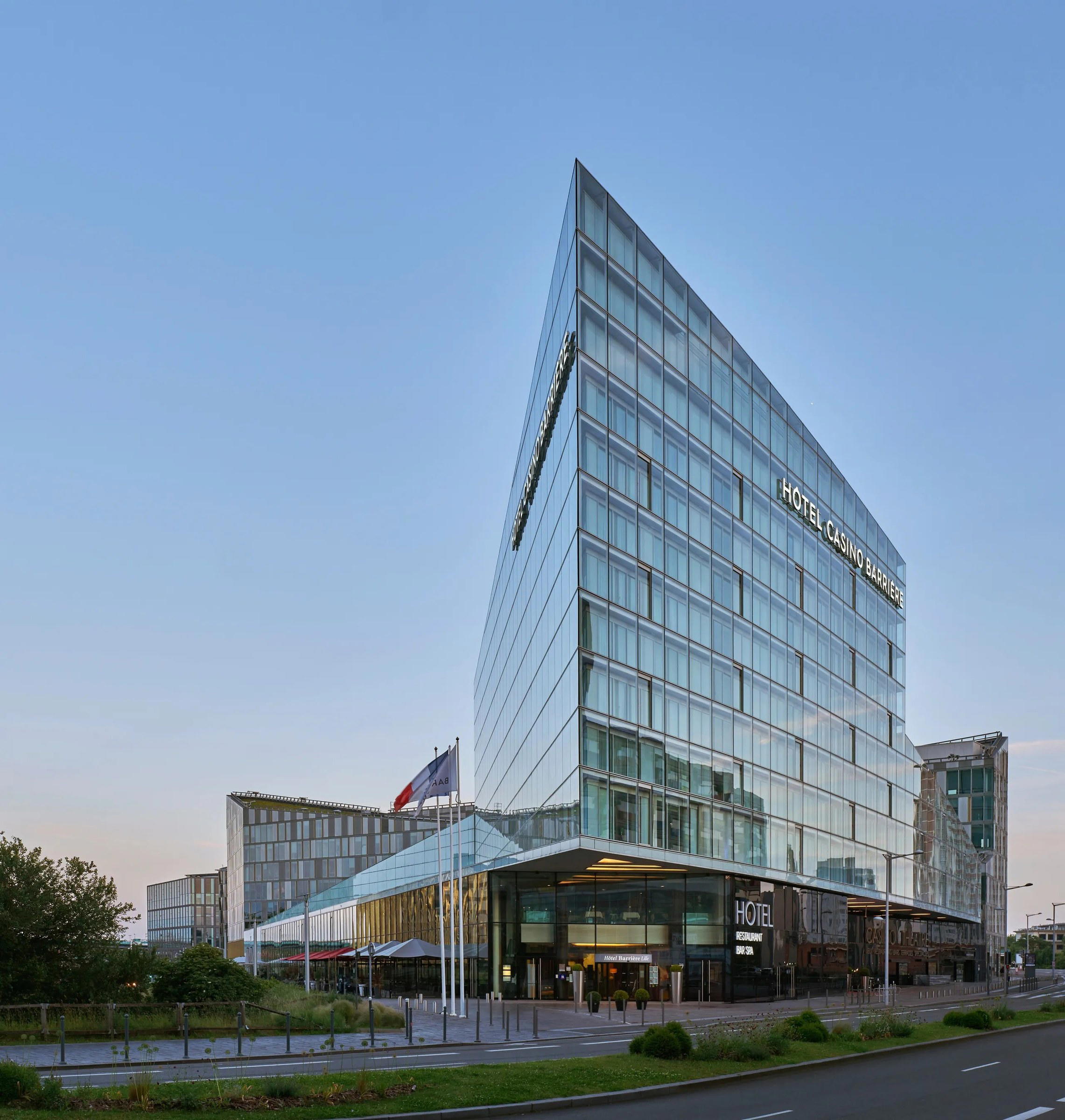
Wineries in Villeneuve-d'Ascq
Browse all →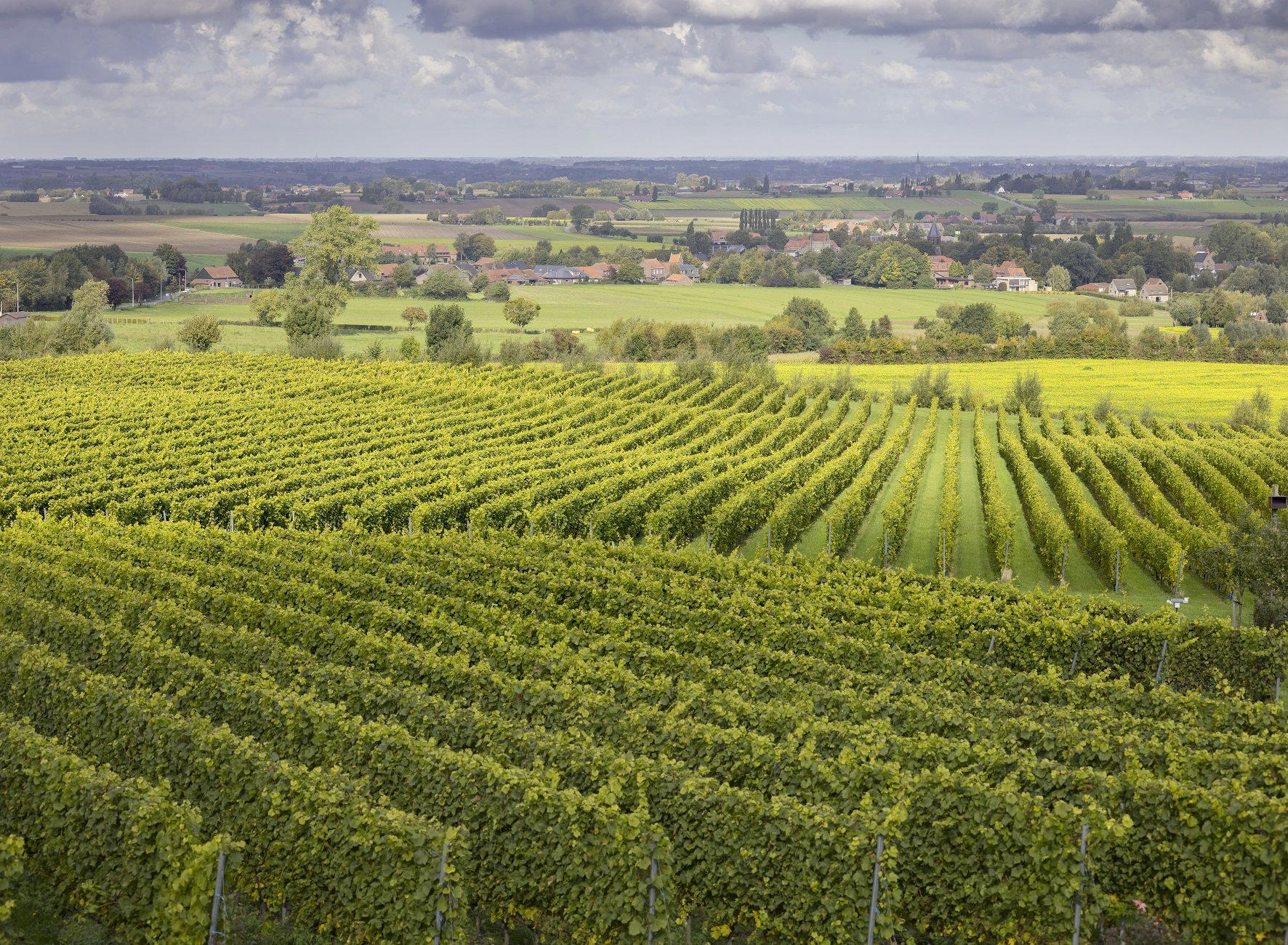
Details
- Romantic
- Elegant
- Sophisticated
- Intimate
- Date Night
- Special Occasion
- Group Dining
- Standalone
- Open Kitchen
- Natural Wine
- Sommelier Led
- Organic
- Local Sourcing
- Sustainable Seafood
- Biodynamic
- A La Carte
- Prix Fixe
- Biodynamic Wines
- Natural Wine
- Organic Focus
- Pescatarian Friendly
Current opening hours
- Monday
- Closed
- Tuesday
- Closed
- Wednesday
- 7:45–9 PM
- Thursday
- 12:15–1:30 PM, 7:45–9 PM
- Friday
- 12:15–1:30 PM, 7:45–9 PM
- Saturday
- 12:30–1:30 PM, 7:45–9 PM
- Sunday
- 12:30–1:30 PM
Hours can change for holidays and private events. Hours as of .
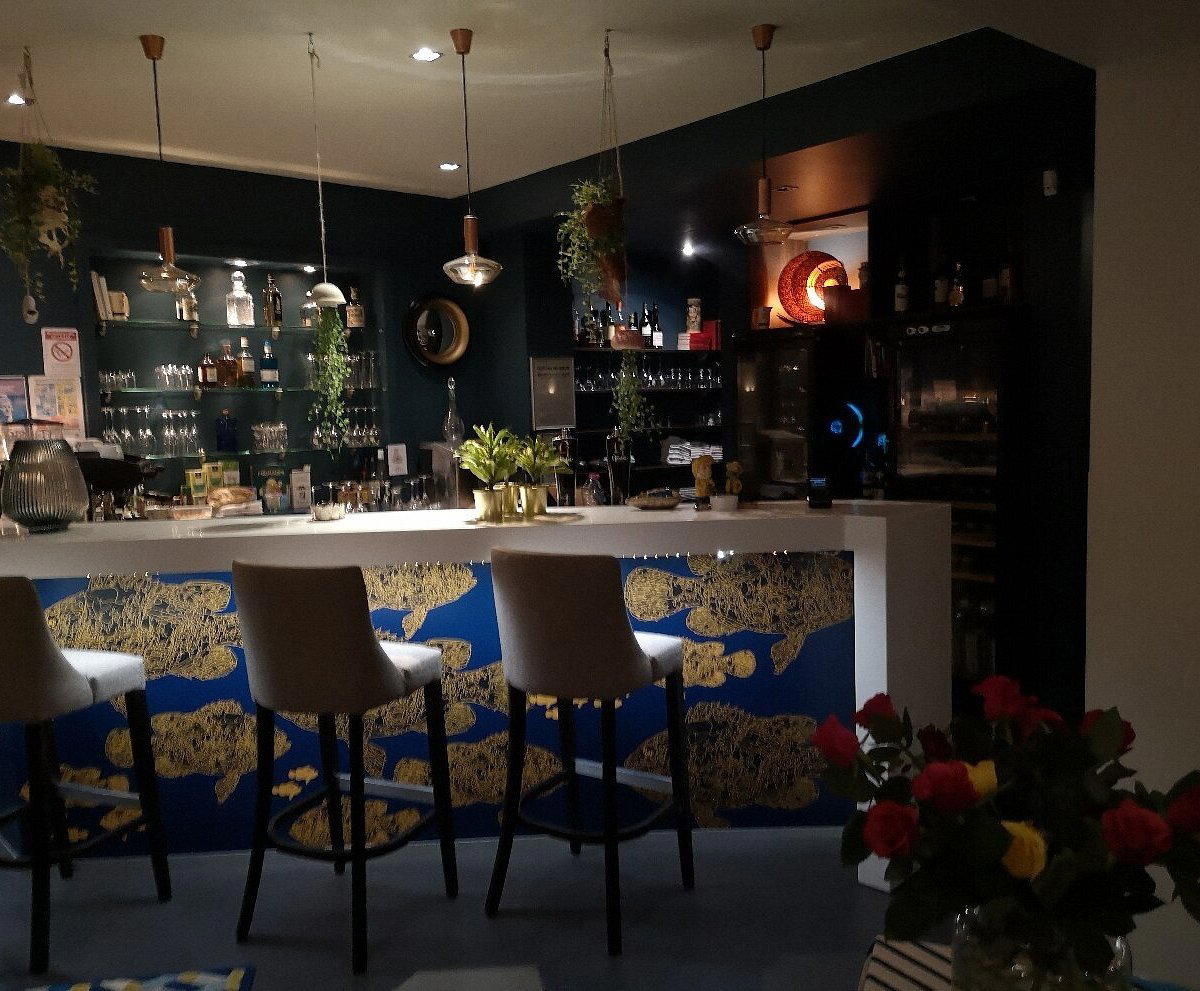
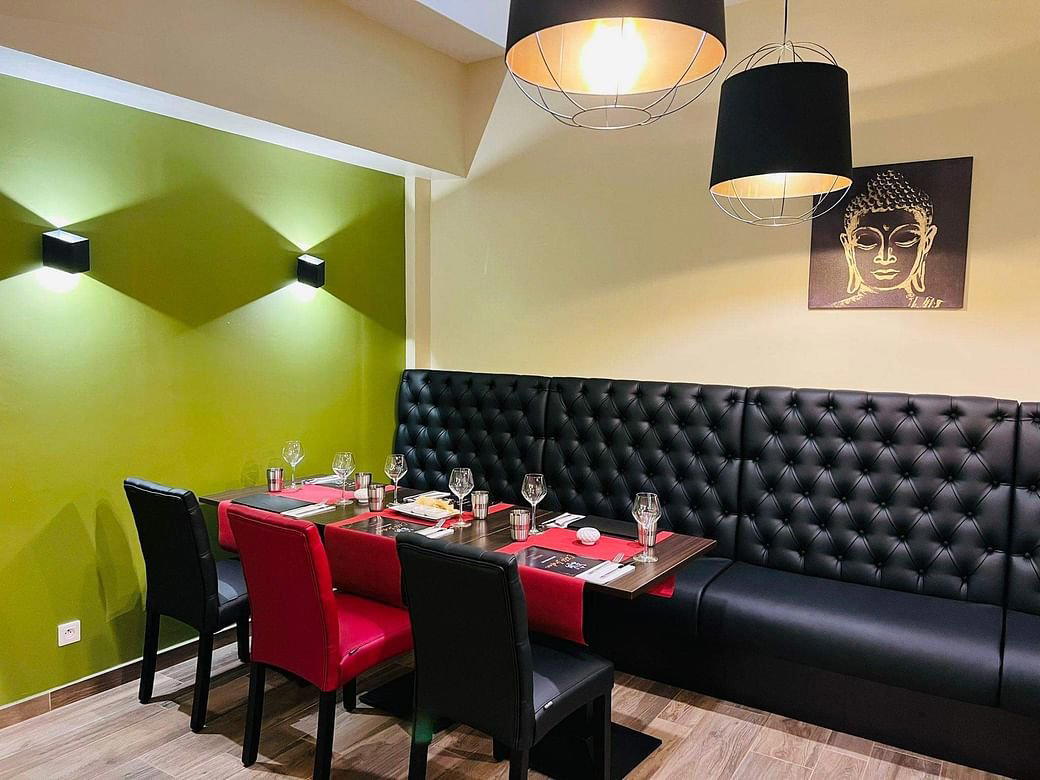
Warm and contemporary with graphic artworks evoking the sea; calm and charming atmosphere with attentive, friendly service from owner-operators.