Ami Asie Food
Our verdict
Ami Asie Food sits on the Chaussée de l'Hôtel de Ville in Villeneuve-d'Ascq, within easy reach of the Métro Hôtel de Ville stop, serving Asian cuisine in a northern French city better known for Flemish brasseries than pan-Asian cooking. For a city shaped by Ch'ti comfort food, this kind of offer fills a different slot in the local dining rotation.

Pearl is the En Primeur Club membership app, where members save venues, book tables and use the concierge.
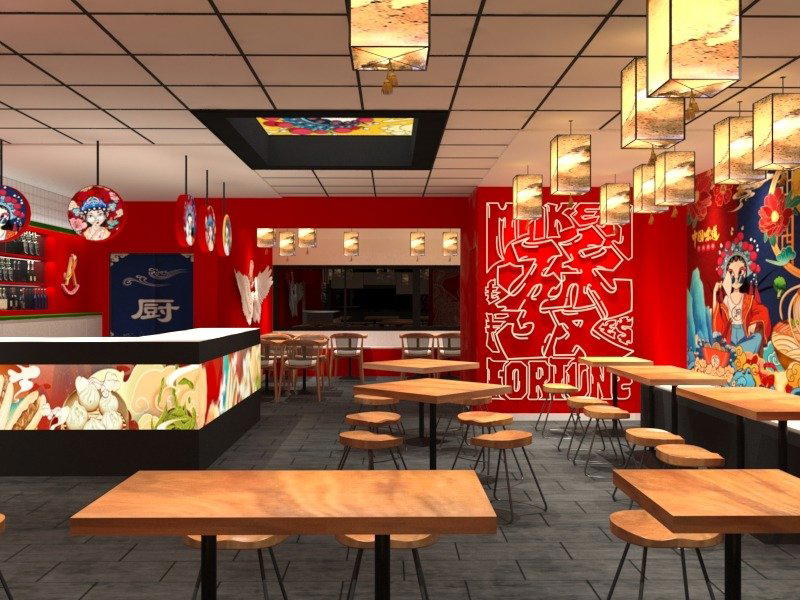
Asian Cooking in the Flemish North
Villeneuve-d'Ascq occupies an unusual position in French dining geography. The city is administratively part of the Lille metropolitan area, yet it functions as a distinct suburban hub with its own commercial corridors, university population, and a dining scene that sits at a meaningful remove from the grand restaurant culture that defines cities further south. When French critics write about the country's restaurant tradition, the reference points tend to cluster: Mirazur in Menton, Alléno Paris au Pavillon Ledoyen, Flocons de Sel in Megève, or the generation-spanning houses like Troisgros in Ouches and Paul Bocuse in Collonges-au-Mont-d'Or. Villeneuve-d'Ascq operates in a different register entirely, one shaped by everyday demand rather than destination dining.
In that context, Asian restaurants serve a particular function. The Hauts-de-France region has a longer history of Southeast Asian communities than many outsiders assume, a legacy of postwar migration patterns that seeded Vietnamese, Chinese, and Cambodian kitchens across Lille and its suburbs well before pan-Asian cooking became a broader European trend. The practical question for a restaurant like Ami Asie Food is not whether Asian cuisine fits the neighbourhood, but how its sourcing, format, and scope position it within that existing tradition.
The Address and How to Read It
Ami Asie Food is located at 56 Chaussée de l'Hôtel de Ville, on one of Villeneuve-d'Ascq's main commercial arteries. The Métro Hôtel de Ville stop provides direct access without needing a car, which matters in a suburban city where the gap between transit-connected and car-dependent venues shapes who actually shows up. That the address references the Auchan V2 exit signals a retail-corridor rather than a destination-neighbourhood context: this is everyday dining infrastructure, not a place people travel across the city to reach.
That positioning is neither a criticism nor a consolation. Some of the most ingredient-serious Asian kitchens in France operate out of exactly these kinds of commercial strips, where rent structures allow investment in product rather than in interior design. Whether Ami Asie Food falls into that category is a separate question, but the address alone does not preclude it. For comparison, the broader Villeneuve-d'Ascq dining offer includes French options like Bistrot Iodé and La Table, which operate closer to a bistro-and-brasserie tradition. Asian cooking at Ami Asie Food fills a different part of the city's weekly dining rotation. See the full Villeneuve-d'Ascq restaurants guide for broader context on where this fits.
Sourcing and the Logic of Pan-Asian Kitchens in Northern France
The ingredient question in pan-Asian cooking is more complicated in northern France than it looks. Unlike Paris, which has dedicated wholesale markets supplying Chinese, Vietnamese, and Japanese produce to hundreds of kitchens, the Lille metropolitan area relies on a smaller and less specialised supply chain. Restaurants in this category typically source aromatics, sauces, and specialty proteins through regional Asian wholesalers concentrated around Roubaix and Lille proper, supplemented by what the northern French agricultural corridor offers seasonally: root vegetables, pork, poultry from nearby farms.
This creates a distinctive dynamic. The better Asian restaurants in the region tend to adapt their menus to what is actually available and fresh rather than importing an entirely static ingredient list from a fixed culinary template. Kitchens that do this well end up producing something with more regional character than a carbon copy of a Parisian Chinatown template would allow. Those that do not end up with menus that feel thin in winter or over-reliant on frozen product. What the address and format suggest is a volume-oriented rather than artisan-scale operation, which in turn implies a sourcing model built around consistency and accessibility rather than specialty procurement.
The wider French restaurant world provides useful contrast here. Kitchens like Bras in Laguiole, Auberge de l'Ill in Illhaeusern, or Les Prés d'Eugénie in Eugénie-les-Bains have built their identities substantially around hyper-local sourcing and the discipline that comes with it. That is a different category of ambition than what most neighbourhood Asian restaurants in suburban France are attempting. Places like La Table du Castellet, Georges Blanc in Vonnas, Auberge du Vieux Puits in Fontjoncouse, Le 1947 à Cheval Blanc in Courchevel, and L'Oustau de Baumanière in Les Baux each represent a model of fine dining in which the ingredient story is inseparable from the kitchen's identity. Pan-Asian restaurants in a suburban transit corridor serve a different purpose, and should be read on those terms. For comparison across the Atlantic, the sourcing discipline at Le Bernardin in New York City or the community-driven format at Lazy Bear in San Francisco illustrates how radically the ambition spectrum runs even within a single genre.
Planning a Visit
Ami Asie Food is accessible directly from the Métro Hôtel de Ville stop, following the Auchan V2 exit toward the Porte Hôtel de Ville. The address on the Chaussée de l'Hôtel de Ville puts it squarely on a commercial strip that sees consistent foot traffic through lunch and early evening. Given the suburban commercial context, walk-in availability is likely more flexible than at the city's French-format restaurants, but that should not be assumed during weekend lunch periods.
Frequently asked questions
Does Ami Asie Food work for a family meal?
The 56 Chaussée de l'Hôtel de Ville address sits on one of Villeneuve-d'Ascq's main commercial arteries, which puts it in a practical, accessible part of the city rather than a destination-dining enclave. Pan-Asian formats generally offer broad menus with enough range to accommodate mixed groups and varying appetites. Direct access from the Métro Hôtel de Ville stop also removes logistical friction for groups travelling together.
Is Ami Asie Food better for a quiet night or a lively one?
The location on Chaussée de l'Hôtel de Ville places it within a commercial corridor rather than a secluded side street, so the ambient energy tends to follow the rhythm of the surrounding neighbourhood. Pan-Asian restaurants on active urban arteries in the Lille metropolitan area typically run at a moderate pace on weekdays and pick up on weekends. For a quieter experience, a weekday visit is the more reliable choice.
How do you get to Ami Asie Food by public transport from central Lille?
Ami Asie Food is reached via the Villeneuve-d'Ascq Métro Hôtel de Ville stop, using the Auchan V2 exit toward the Porte Hôtel de Ville, the address at 56 Chaussée de l'Hôtel de Ville is on the same artery. The Lille metropolitan metro network connects the city centre directly to Villeneuve-d'Ascq, making a car unnecessary for visitors staying in Lille proper.
What's the best thing to order at Ami Asie Food?
Pan-Asian kitchens in northern France typically anchor their menus around a few well-sourced protein dishes, often drawing on Chinese, Vietnamese, or Thai traditions depending on the kitchen's focus. Asking staff which dishes are made fresh that day is a reliable way to identify the kitchen's current strengths.
Where is Ami Asie Food in Villeneuve D Ascq?
Ami Asie Food is located at Métro Hôtel de ville sortie auchan V2 porte hotel de ville FR, 56 Chau. de l'Hôtel de ville, 59650 Villeneuve-d'Ascq, France, Villeneuve D Ascq.
Fast Comparison
| Venue | Cuisine | Price | Awards | Notes |
|---|---|---|---|---|
| Ami Asie FoodThis venue (the venue you are viewing) | Authentic Chinese Adapted for European Tastes | $20–30 | Not listed | Not listed |
| Mirazur | Modern French Fine Dining | $300–500 | 3 Michelin Stars · World's 50 Best #1 | Modern French, Creative |
| Alléno Paris au Pavillon Ledoyen | Modern French Fine Dining | $150–200 | 3 Michelin Stars · World's 50 Best #79 | Creative |
| Kei | Modern French with Japanese Influences | $300–500 | 3 Michelin Stars · World's 50 Best #93 | Contemporary French, Modern Cuisine |
| L'Ambroisie | Classic French Haute Cuisine | $300–500 | 2 Michelin Stars · World's 50 Best #23 | French, Classic Cuisine |
| Le Cinq - Four Seasons Hôtel George V | Modern French Fine Dining | $300–500 | 3 Michelin Stars · World's 50 Best #24 | French, Modern Cuisine |
Continue exploring
More in Villeneuve-d'Ascq
Restaurants in Villeneuve-d'Ascq
All restaurants in Villeneuve-d'Ascq →
Bars in Villeneuve-d'Ascq
Browse all →
Hotels in Villeneuve-d'Ascq
Browse all →
Wineries in Villeneuve-d'Ascq
Browse all →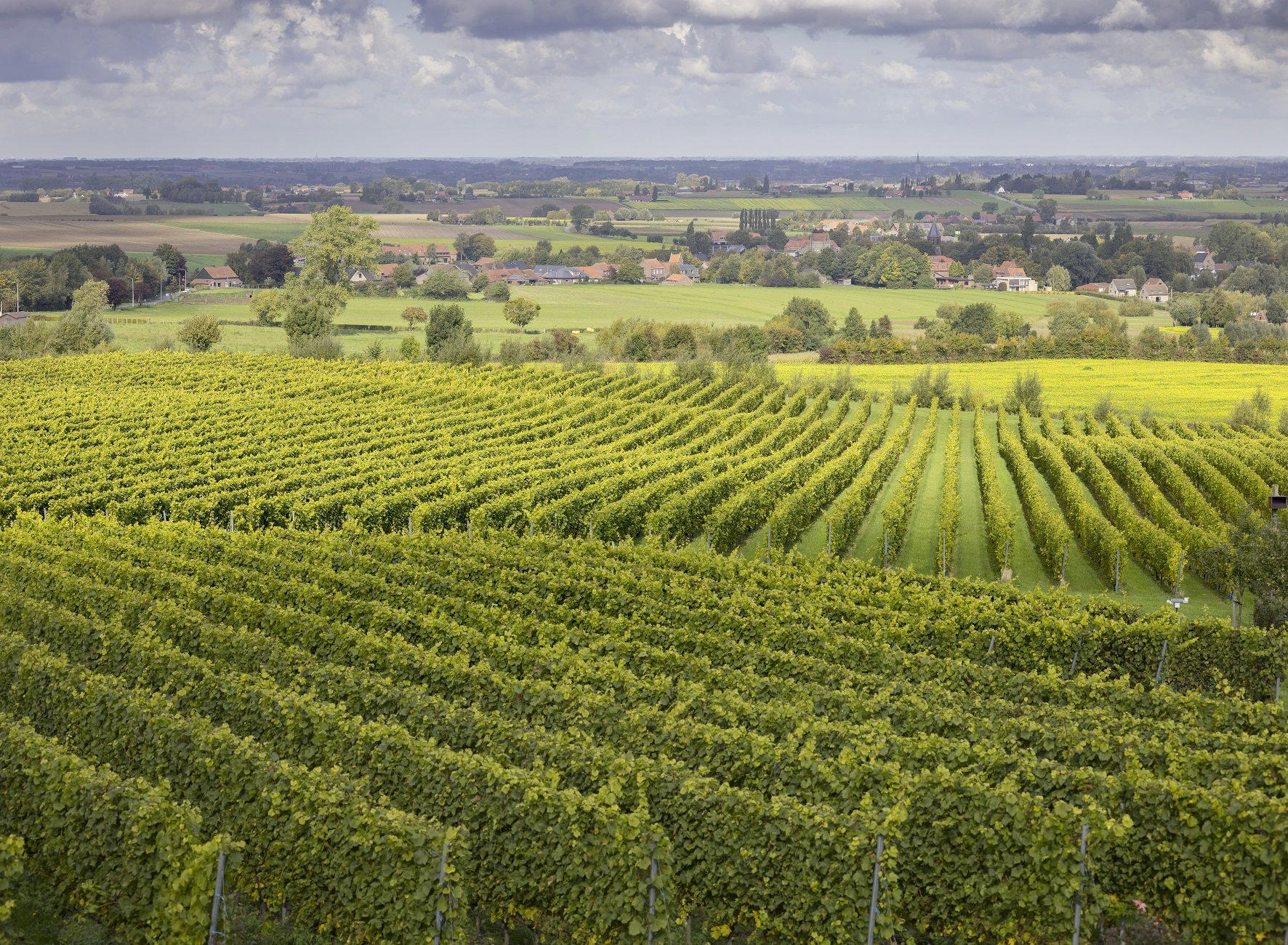
Details
- Casual Hangout
- A La Carte
- Vegetarian Friendly
Current opening hours
- Monday
- 12–2:30 PM, 7–10 PM
- Tuesday
- 12–2:30 PM, 7–10 PM
- Wednesday
- 12–2:30 PM, 7–10 PM
- Thursday
- 12–2:30 PM, 7–10 PM
- Friday
- 12–2:30 PM, 7–10 PM
- Saturday
- 12–2:30 PM, 7–10 PM
- Sunday
- Closed
Hours can change for holidays and private events. Hours as of .
Comfortable dining environment offering a well-suited menu progression like visiting an old friend's home.