On the Rue des Tournelles in the 4th arrondissement, Bistrot de l'Oulette occupies a quieter register than the grand-room French institutions a few arrondissements west. Where addresses like L'Ambroisie operate at the apex of classic French formality, Bistrot de l'Oulette positions itself in the neighbourhood bistrot tradition, a format that rewards coordination between kitchen, cellar, and floor in equal measure.
Pearl is the En Primeur Club membership app — saves, bookings, and concierge access live there. Same editors, same standards.
- Address
- 38 Rue des Tournelles, 75004 Paris, France
- Phone
- +33142714333
- Website
- bistrot-de-l-oulette.fr
- Directions
- Get directions
 Saves & bookings on Pearl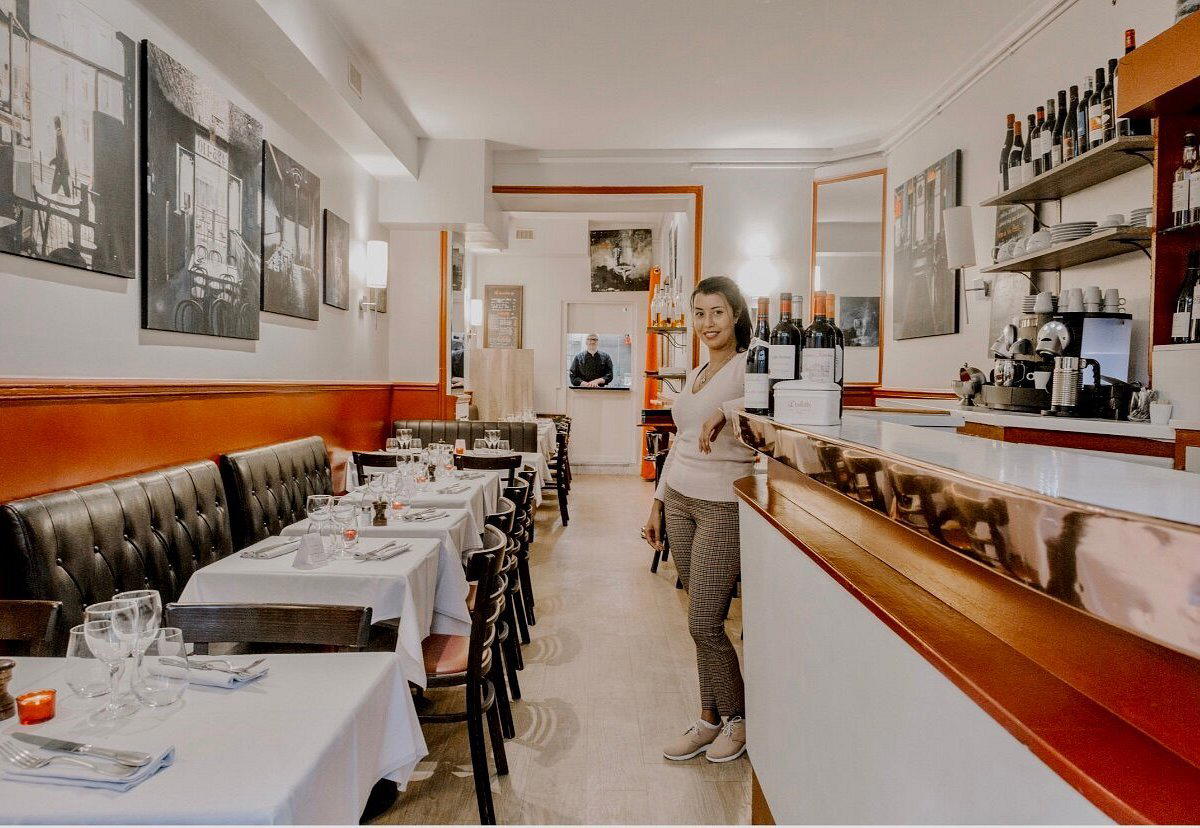
The Marais Bistrot in Context
Bistrot de l'Oulette is a Southwestern French Bistro in Paris's 4th arrondissement, at 38 Rue des Tournelles near Place des Vosges. Paris's dining geography has always been legible by arrondissement. The 4th is not the address of grand palatial rooms or tasting menus priced against international expense accounts. It is, instead, where the bistrot tradition has survived with the integrity, partly because the neighbourhood draws a mix of Parisian residents and culturally curious visitors who know the difference between a bistrot and a brasserie, and partly because rents and foot traffic patterns have allowed smaller, owner-led operations to persist. Rue des Tournelles, where Bistrot de l'Oulette sits at number 38, is a short walk from the Place des Vosges and runs through a section of the Marais that retains more of its daily-life character than the more tourist-saturated blocks closer to the Centre Pompidou.
The bistrot format in France has its own internal hierarchy. At one end sit the casual zinc-counter addresses where the plat du jour changes by chalkboard. At the other end, a set of proprietor-driven rooms that operate with the kitchen discipline of a serious restaurant but without the ceremony, no amuse-bouche parade, no sommelier in formal whites, no prices that require a conversation with your bank. Bistrot de l'Oulette belongs to this second register, which is the more demanding one: the informality is real, but so is the expectation of quality. It is the kind of address that earns local loyalty rather than anniversary-dinner bookings from out-of-towners.
How the Room Functions
The editorial angle that makes sense for a bistrot of this type is the operational triangle: what happens when a kitchen, a wine program, and a floor team are aligned around the same point of view. In Paris's higher-stakes tier, addresses like Alléno Paris au Pavillon Ledoyen or Le Cinq at the Four Seasons George V, that alignment is structured through large brigade systems, dedicated sommeliers with deep cellars, and front-of-house managers who have come up through formal hospitality training. In a bistrot, the same coordination happens in a compressed space with a smaller team. The margin for error is narrower precisely because there is no brigade infrastructure to absorb it.
This compression, when it works, produces a specific kind of dining experience: the room feels coherent rather than assembled from parts. The wine list and the food share a logic. The person who seats you may also explain the menu. The pace is set by the kitchen's rhythm rather than by a choreographed service sequence. For diners accustomed to the more elaborate formalism at Kei or the deep-pocketed classicism of L'Ambroisie, the bistrot register can initially read as informal to the point of casualness. But the better bistrot addresses in Paris are not casual about their cooking, they are simply uninterested in the performance of seriousness.
The Southwestern Thread
The name Oulette is a regional reference: it points toward the culinary traditions of the southwest of France, a zone that runs from the Basque Country through Gascony into the Languedoc. This is not a marginal tradition. Southwestern French cooking produced some of the country's most durable culinary exports, duck confit, cassoulet, foie gras preparations, Armagnac, and continues to generate serious regional restaurants, from Les Prés d'Eugénie in Eugénie-les-Bains to Auberge du Vieux Puits in Fontjoncouse. A Paris bistrot that draws on this tradition is making a specific choice: it is aligning with fat-forward, product-led cooking rather than the cream-and-butter richness of the north or the olive oil and herb profiles of Provence.
The practical implication for the guest is a menu that tends toward depth of flavour rather than lightness, and a wine list that logically reaches toward the southwest's own appellations: Madiran, Cahors, Jurançon, Côtes de Gascogne. These are not the appellations that dominate Paris wine lists, which tilt heavily toward Burgundy and Bordeaux. A bistrot that takes its regional identity seriously enough to support it through the wine program is making a coherent editorial statement about what it is and what it is not. That coherence is a form of team alignment: the person building the list and the person cooking the food are working from the same premise.
For a wider map of where French regional cooking achieves its most concentrated expression outside Paris, the contrast is instructive: Bras in Laguiole, Flocons de Sel in Megève, and Troisgros in Ouches each anchor their menus in a specific landscape and its produce. A Paris bistrot cannot replicate the supply chain or the setting of those destinations, but it can maintain fidelity to a regional tradition through sourcing choices and menu discipline. The question worth asking of any regionally-identified Paris address is whether the southwestern reference is genuine or decorative. Bistrot de l'Oulette belongs in the former category.
Where It Sits Among Paris Bistrot Addresses
The Paris bistrot scene has fragmented considerably over the past two decades. The neo-bistrot wave of the 2000s brought a generation of younger chefs into smaller rooms, and some of those addresses have since migrated upward in ambition and price. Others have stayed in the middle register, competing on value and consistency rather than novelty. The restaurant has not pursued the celebrity-chef trajectory or the natural-wine-bar identity that now defines a significant portion of younger Paris dining coverage. It operates in a quieter register that rewards repeat visits over first-impression spectacle. This is a different competitive posture from the grands restaurants, Arpège at the vegetable-forward apex, Mirazur across the border in Menton, and also distinct from the more theatrical end of contemporary Paris dining.
For context beyond France, the bistrot model has parallels in other cities where small, chef-driven rooms build loyal audiences through consistency rather than spectacle. Lazy Bear in San Francisco operates on a similar principle of team alignment in a compressed format, though its idiom is contemporary American rather than French regional. Le Bernardin in New York represents the opposite end of the French export spectrum: formal, brigade-driven, and priced at the city's upper tier. The restaurant is neither of these things, and that clarity of position is itself a form of editorial confidence.
Planning Your Visit
The restaurant is located at Address: 38 Rue des Tournelles, 75004 Paris, in the 4th arrondissement, a short walk from the Place des Vosges and the Bastille metro station (lines 1 and 5). Reservations: Given the bistrot format and the neighbourhood's steady local demand, booking ahead is advisable, particularly for dinner midweek and at any point over the weekend. Dress: Smart casual is the appropriate register, the room does not require formal dress but rewards a degree of care consistent with the cooking. Budget: With a price tier of €€ and an average spend of about $25 per person, it remains one of the more accessible serious-cooking addresses in the central arrondissements. Expect a lunch formula or à la carte options that make this one of the more accessible serious-cooking addresses in the central arrondissements. Timing: The southwestern French tradition is a year-round proposition, but richer preparations sit more naturally in the autumn and winter months when the market supply tilts toward game and root vegetables.
Compact Comparison
Comparable venues nearby, for context on price, style, and recognition.
| Venue | Cuisine | Price | Notes |
|---|---|---|---|
| Bistrot de l'OuletteThis venue — the venue you are viewing | Le Marais, Southwestern French Bistro | $$ | Not listed |
| RESTAURANT AU PASSAGE | Not listed | $$ | 11e Arrondissement, Modern French Bistrot |
| Le Petit Célestin | Le Marais, Classic French Bistro | $$ | Not listed |
| Glou | Le Marais, Modern French Bistro | $$ | Not listed |
| Chez Gladines Saint Germain | Quartier Latin, Basque Bistro | $$ | Not listed |
| Les Zygomates | Picpus, Classic French Bistro | $$ | Not listed |
Continue exploring
More in Paris
Restaurants in Paris
Browse all →
Bars in Paris
Browse all →
Hotels in Paris
Browse all →

At a Glance
- Classic
- Cozy
- Rustic
- Date Night
- Casual Hangout
- Special Occasion
- Historic Building
- Extensive Wine List
Current opening hours
- Monday
- 12–2 PM, 6:30–11 PM
- Tuesday
- 12–2 PM, 6:30–11 PM
- Wednesday
- Closed
- Thursday
- 12–2 PM, 6:30–11 PM
- Friday
- 12–2 PM, 6:30–11:30 PM
- Saturday
- 12–2 PM, 6:30–11:30 PM
- Sunday
- Closed
Hours can change for holidays and private events. Last verified .
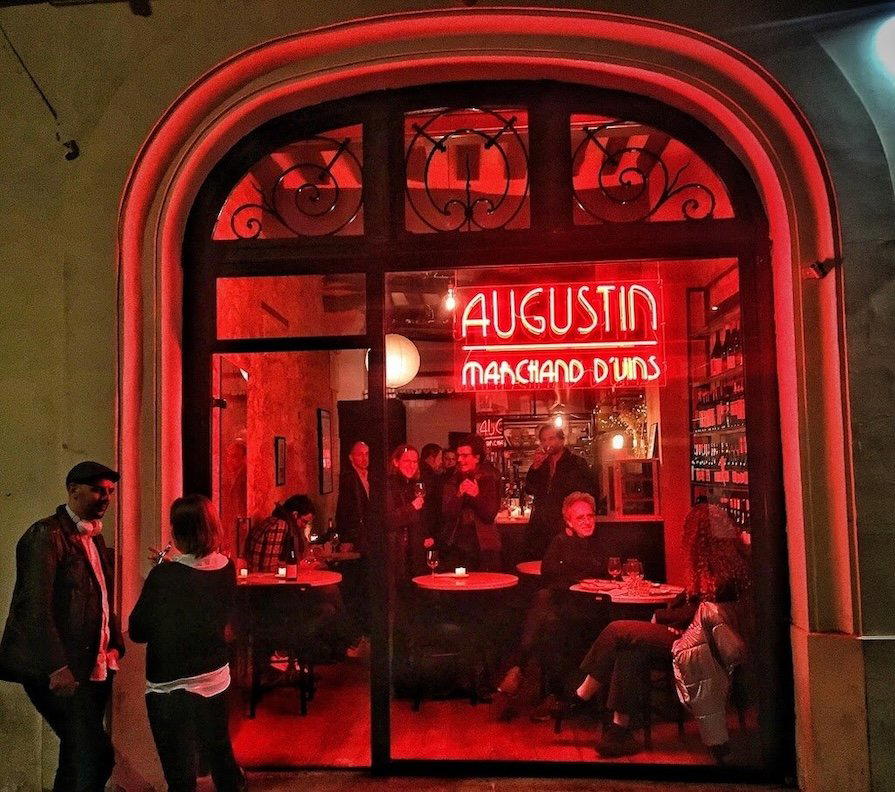
Chaleureuse et authentique bistro atmosphere with a convivial Parisian feel, described as charming and welcoming by diners.