Bistro Le Tap Room

Rugged decor of old tools frames the menu charm.
Pearl is the En Primeur Club membership app — saves, bookings, and concierge access live there. Same editors, same standards.
- Address
- 575 Rue Hovey, North Hatley, QC J0B 2C0, Canada
- Phone
- +18198422421
- Website
- manoirhovey.com
 Saves & bookings on Pearl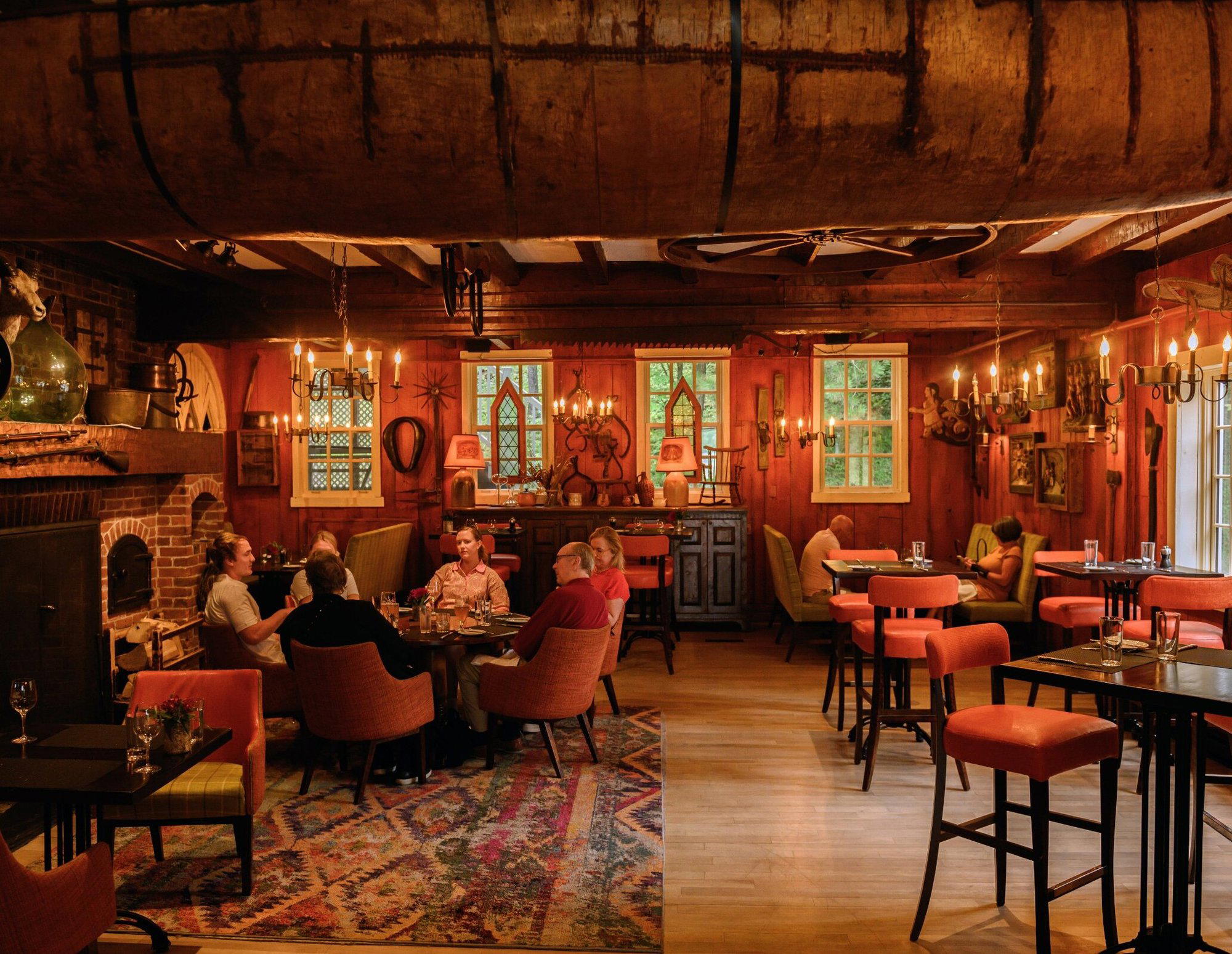
Where the Eastern Townships Table Begins Outside the Door
The village of North Hatley sits at the northern tip of Lake Massawippi, a narrow glacial lake that cuts through the Eastern Townships south of Sherbrooke. Arriving along Rue Hovey in any season, the physical relationship between the water, the surrounding farmland, and the kitchens that draw from both is impossible to miss. This part of Quebec has built a dining identity around that proximity: producers who supply restaurants they can see from the road, and kitchens that treat geography as a sourcing strategy rather than a marketing line. Bistro Le Tap Room, at 575 Rue Hovey, is a Traditional Québec Bistro in North Hatley, Quebec, with a $50 per person price point.
The Eastern Townships Sourcing Logic
Quebec's Eastern Townships have developed one of the more coherent regional food economies in Canada. The combination of a short but intense growing season, dairy heritage running back through generations of farming families, and a restaurant culture shaped by proximity to Montreal's competitive dining scene has produced a supply chain that rewards kitchens willing to work close to home. Ingredients travel short distances here not as a philosophical statement but because the infrastructure for local exchange, from small-scale cheesemakers to market gardeners, is genuinely present in ways that are less common in more isolated rural settings.
Within this context, a bistro format on Lac Massawippi is positioned to draw on a different register than the fine-dining operators who have long anchored North Hatley's table. Where Le Hatley pursues Quebecois French ambition in the formal sense, and Le Tap Room at Manoir Hovey operates within a heritage hotel frame, a bistro register opens space for a more direct relationship between what is growing or aging in the region and what appears on the plate without the architecture of multi-course tasting menus around it.
That directness is a feature of the better bistros across Quebec, from neighbourhood rooms in Montreal's Plateau to the handful of destination-worthy addresses scattered through the Laurentians and the Townships. The model depends on the kitchen reading the week's supply rather than locking in a static menu months ahead, which in turn requires supplier relationships built over time and renewed seasonally. In a village the size of North Hatley, those relationships are geographically compressed in ways that can work either for or against consistency.
North Hatley in the Wider Canadian Small-Town Dining Picture
The pattern of serious kitchens operating in small Canadian communities, far from urban review infrastructure, has expanded noticeably over the past decade. Eigensinn Farm in Singhampton established an early template for destination dining in rural Ontario. The Pine in Creemore demonstrated that a small-town address could compete on terms set by urban peers. In Atlantic Canada, Fogo Island Inn's dining room in Joe Batt's Arm has pushed the logic further, treating extreme remoteness as a sourcing asset rather than a constraint. Narval in Rimouski represents a similar impulse on the south shore of the St. Lawrence.
North Hatley benefits from a specific advantage: it is close enough to Montreal (roughly two hours by road) to draw a weekend audience with urban dining expectations, yet far enough removed to sustain its own character rather than functioning as a satellite of the city's restaurant scene. That positioning supports a bistro format that can hold its own against what visitors have eaten recently at Europea in Montreal or, for those arriving from further afield, at Alo in Toronto or AnnaLena in Vancouver.
The comparison set for a bistro in this position is not the ambitious tasting-menu rooms. It is the category of casual-serious addresses that reward regularity and regional loyalty: places like Cafe Brio in Victoria, which has built a long reputation on market-driven menus in a mid-scale format, or Restaurant Pearl Morissette in Lincoln, where the farming context shapes what the kitchen can offer on any given day. Those comparisons suggest what a regionally committed bistro can achieve when sourcing discipline is treated as a structural constraint rather than an optional extra.
Planning a Visit to North Hatley
North Hatley is a small village, and the dining options are concentrated. The most practical approach for visitors is to plan around a stay in the area rather than a single-day drive from Montreal, which allows for both a meal at a formal address and a more relaxed experience at a bistro-format room. The Lac Massawippi shoreline is at its most accessible between late May and mid-October; the shoulder seasons of early June and September offer lighter visitor pressure. For the wider context of where Bistro Le Tap Room sits among the village's options, our full North Hatley restaurants guide maps the competitive set in more detail. Those seeking comparison points further afield in Quebec will find Tanière³ in Quebec City a useful reference for what ambitious regional sourcing can produce at the top end of the province's dining range. For seafood-focused regional dining in Atlantic Canada, Catch22 Lobster Bar in Moncton and Cat's Fish and Chips in Ottawa offer different points on the regional-produce spectrum. For international context on ingredient-led bistro cooking at the highest register, Le Bernardin in New York City and Lazy Bear in San Francisco demonstrate what the format can become when sourcing and technique operate at full stretch. Closer to home and worth noting for its parallel commitment to regional barbecue traditions, Busters Barbeque in Kenora rounds out the national picture of kitchens working with what their geography provides.
Comparison Snapshot
Comparable venues nearby, for context on price, style, and recognition.
| Venue | Cuisine | Price | Awards | Notes |
|---|---|---|---|---|
| Bistro Le Tap RoomThis venue — the venue you are viewing | Traditional Québec Bistro | $$$ | , | |
| Le Tap Room - Manoir Hovey | Rustic Quebecois Bistro | $$$$ | Michelin Plate | North Hatley |
| Le Hatley | Modern French Terroir | $$$$ | Michelin Plate | North Hatley |
| Parcelles | Contemporary Canadian Farm-to-Table | $$$$ | Austin | |
| Charcut Roast House | Urban-rustic roast house with Italian & Portuguese influences | $$$ | , | Downtown |
| Provisions Restaurant | Seasonal Canadian Tasting Menu | $$$ | , | Outremont |
Continue exploring
More in North Hatley
Restaurants in North Hatley
Browse all →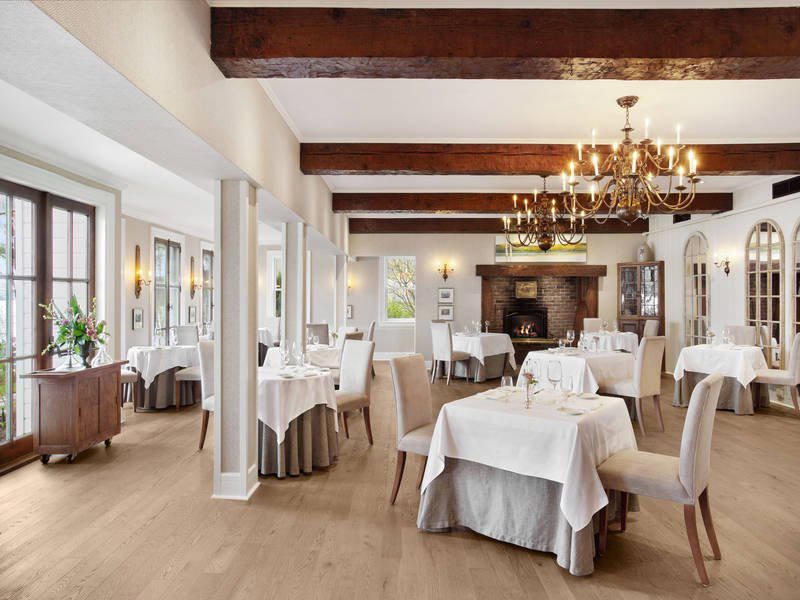
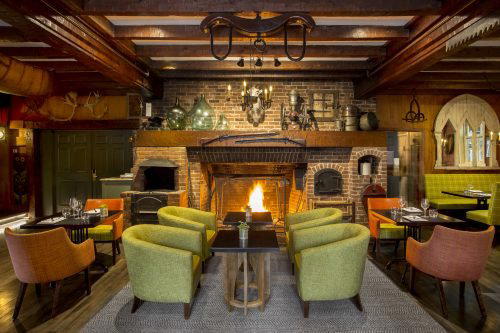
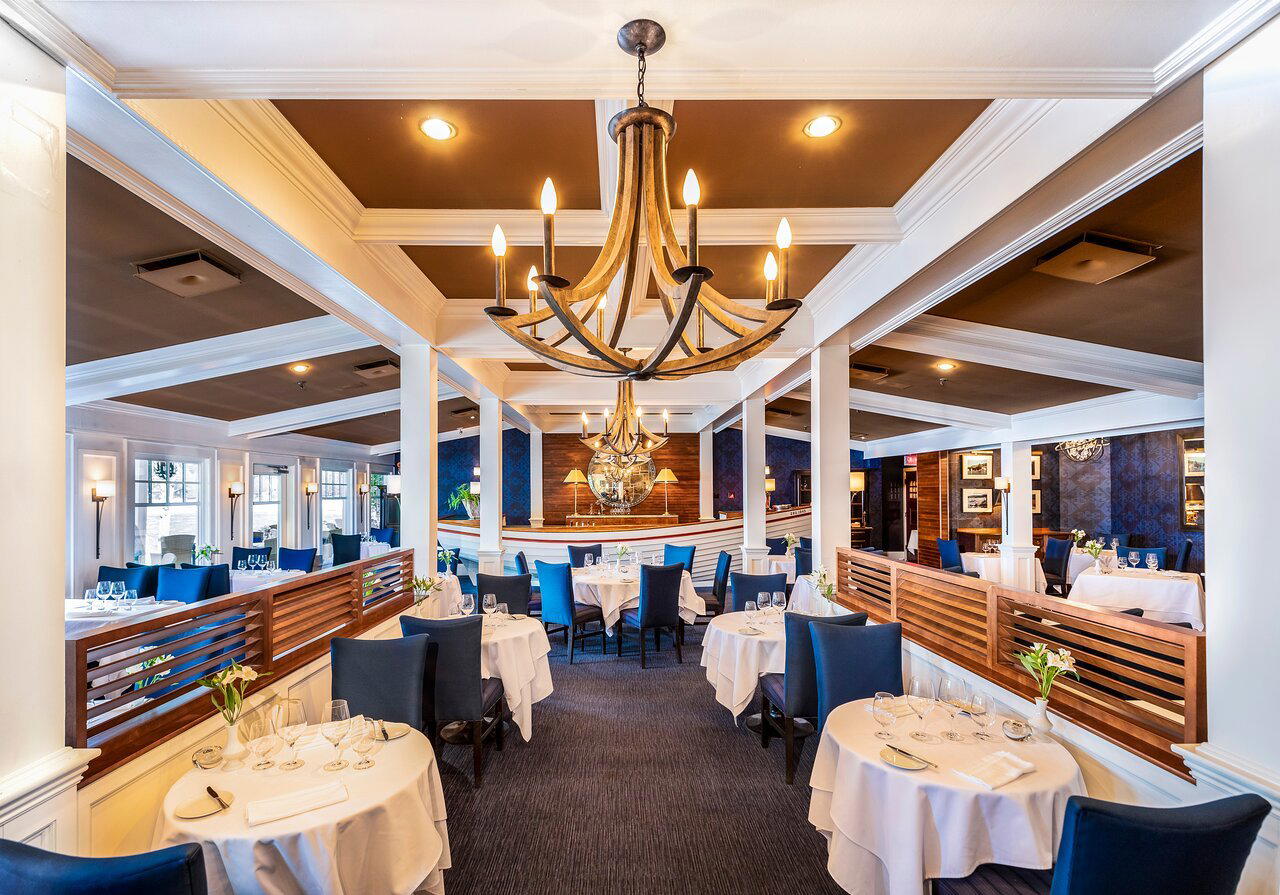
Hotels in North Hatley
Browse all →
At a Glance
- Rustic
- Cozy
- Historic
- Intimate
- Date Night
- Casual Hangout
- Family
- Terrace
- Historic Building
- Panoramic View
- Craft Cocktails
- Local Sourcing
- Organic
- Garden
Warm and inviting with rustic decor of old tools and artifacts on walls, 10,000-brick fireplace, and historic charm.