Bistro J.E.T.T.

Michelin Plate
Our verdict
A small, ingredient-led bistro on the Belgian coast where Gallic technique meets the produce of the North Sea hinterland. The menu at Bistro J.E.T.T. reads as a quiet argument for sourcing over spectacle: pan-fried turbot with smoked eel, fennel-pollen beurre blanc, and a kitchen approach that treats sharing as the natural format for serious cooking.

Pearl is the En Primeur Club membership app, where members save venues, book tables and use the concierge.
Where the Plate Starts: Ingredient Logic on the Flemish Coast
The Belgian coast between Knokke-Heist and Westkapelle sits at a culinary crossroads that rarely gets the attention it deserves. The North Sea supplies flatfish and shellfish in abundance; the Flemish interior contributes a tradition of rich, product-led cooking; and the proximity to France means that classical technique is not imported affectation but a generations-deep inheritance. In this context, a small bistro on Dorpsstraat that takes ingredient provenance as its organizing principle is less a novelty than a logical outcome of where it happens to be.
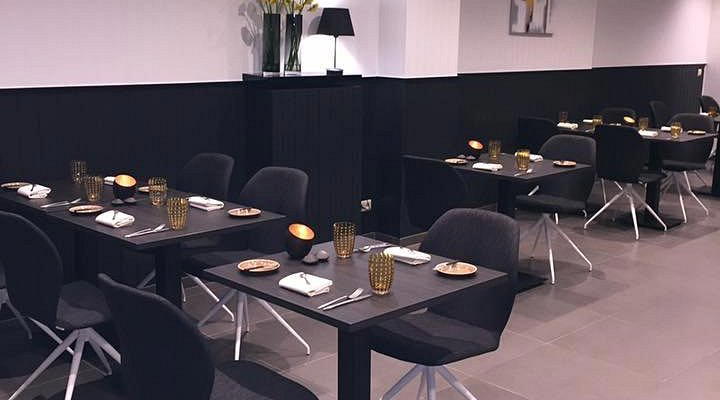
Bistro J.E.T.T. occupies that territory deliberately. The name, standing for "just enjoying time together", signals the format before you walk in: this is not a destination for ceremony. The room reads as small and considered, with an open kitchen that makes the sourcing argument visible rather than decorative. Watching the kitchen work from the dining room is the norm here, and it changes the rhythm of a meal. You understand that the turbot on your plate came in close to whole, that the smoked eel arrived as an ingredient rather than a garnish, that the beurre blanc was built rather than poured.
Sourcing as the Central Argument
The cooking at Bistro J.E.T.T. follows a recognisable strand in contemporary Belgian bistro culture: classical French structure used as a scaffold, then loaded with ingredient choices that pull from a broader range of influences and textures. The benchmark combination in the kitchen's repertoire, pan-fried turbot paired with smoked eel, a beurre blanc infused with fennel pollen alongside a range of contrasting textures, makes this approach legible in a single plate. Turbot is the prestige flatfish of the North Sea; smoked eel is a northern European curing tradition; fennel pollen is a borrowing from central Italian and Mediterranean pantries. The logic connecting them is ingredient quality rather than geographical coherence, which is a different and arguably more demanding standard to meet.
Belgium's coastal dining scene sits at an interesting distance from the country's most decorated tables. Boury in Roeselare operates at three Michelin stars with a Modern Flemish and creative French vocabulary at the €€€€ tier. Castor in Beveren and Cuchara in Lommel each carry two stars with modern European frameworks at the same price ceiling. De Jonkman in Sint-Kruis brings the same two-star weight to a Modern Flemish and creative format. Bistro J.E.T.T. sits a tier below at €€€, which in practical terms means the ingredient-led ambition is absorbed into a more approachable price point, one that makes the sharing format feel proportionate rather than performative.
Further afield, Bartholomeus in Heist and Willem Hiele in Oudenburg represent the coastal and near-coastal end of serious Flemish cooking, each with their own relationship to North Sea produce.
The Gallic Frame and Its Departures
French classical technique has always been the default grammar of Belgian fine dining, a fact that gets discussed less often than it should be. The culinary proximity to France is not merely geographical, Belgium's kitchen culture absorbed the vocabulary of sauces, mise en place discipline, and product-first sourcing at an institutional level. What the current generation of Belgian cooks has done with that inheritance varies considerably: some, like the kitchen at Hof van Cleve in Kruishoutem, have pushed it toward precision and ambition; others have returned it to the bistro register where it arguably belongs.
Bistro J.E.T.T. sits in the latter camp. The recipes described as combining "the rich classicism of Gallic tradition with exotic influences and a scattering of original ideas" is a useful shorthand for a mode that treats French technique not as the end point but as the reliable base from which departures are made. The fennel pollen in the beurre blanc is a small example of this: a classically structured sauce inflected by an ingredient with no French genealogy, used because the flavor logic works rather than because the combination is expected. This is ingredient-sourcing thinking applied to seasoning as much as to protein.
The comparison set for this approach extends internationally. Frantzén in Stockholm and FZN by Björn Frantzén in Dubai represent the extreme upper register of modern cuisine that treats classical European structure as a launching point for ingredient diversity. Bozar Restaurant in Brussels and d'Eugénie à Emilie in Baudour each represent distinct inflections of Belgian cooking at different price tiers. Bistro J.E.T.T. connects to the same tradition at a register where the priority is the quality of what's on the plate rather than the architecture around it.
The Room and Its Logic
The front-of-house at Bistro J.E.T.T. operates on a model that several of Belgium's better small restaurants have converged on: the dining room is managed with attentiveness rather than formality, and the kitchen is visible as a deliberate signal. The open kitchen format in a small restaurant is not purely aesthetic. It anchors the meal in process, makes the sourcing argument tactile, and creates a different kind of accountability. When the cooking is ingredient-led, showing the kitchen confirms that the ingredients are real, that the turbot is turbot, that the eel was smoked rather than simulated.
Sharing format that the restaurant's name implies also does specific work here. Sharing dishes at a table changes how ingredient quality registers: a single piece of pan-fried turbot portioned for the table becomes an event rather than a component. The texture contrast built into a plate, the softness of turbot against the density of smoked eel, the richness of beurre blanc against the delicacy of fennel pollen, reads differently when the plate crosses multiple forks. Bistro J.E.T.T. has built its format around this dynamic rather than treating sharing as a secondary option.
Planning a Visit
Bistro J.E.T.T. is at Dorpsstraat 113, 8300 Knokke-Heist, in Westkapelle. The €€€ price positioning places it above the casual coastal restaurant tier but below the multi-star tables that anchor Flemish fine dining. Given the small room size signalled by the format and ethos, booking ahead is advisable, particularly in the summer coastal season when Knokke-Heist draws significant visitor numbers. For those exploring the wider area, the full Westkapelle restaurants guide covers the local dining range, while the Westkapelle hotels guide, bars guide, wineries guide, and experiences guide fill out the broader picture of what the area offers.
Frequently asked questions
What's Bistro J.E.T.T.'s location?
Bistro J.E.T.T. is located at Dorpsstraat 113, 8300 Knokke-Heist, Belgium, Westkapelle.
How much does it cost to eat at Bistro J.E.T.T.?
Pricing at Bistro J.E.T.T. is listed as €€€.
What distinctions does Bistro J.E.T.T. have?
Bistro J.E.T.T. has received recognition including: “Just enjoying time together” is the thinking behind this small, elegant eatery. Cheerful Sarah supervises the dining room, while Dries can be seen in the open kitchen crafting dishes to be shared with friends and family. Convincing recipes….
What dish is Bistro J.E.T.T. famous for?
The kitchen's most referenced plate is pan-fried turbot paired with smoked eel, finished with a beurre blanc infused with fennel pollen and a series of contrasting textures. It captures the restaurant's approach in a single dish: classical French structure as the base, with ingredient combinations that push outside the Gallic canon. At the €€€ price tier, it sits alongside the kind of sourcing-led cooking that defines Belgium's stronger small bistros.
In Context: Similar Options
| Venue | Cuisine | Price | Awards | Notes |
|---|---|---|---|---|
| Bistro J.E.T.T.This venue (the venue you are viewing) | Modern French-Belgian Bistro | $50–100 | Michelin Plate | Not listed |
| Boury | Creative French Fine Dining | $300–500 | 3 Michelin Stars · La Liste Top Restaurants | Modern Frlemish, Creative French |
| Comme chez Soi | French - Belgian, Classic Cuisine | Not listed | Michelin 1 Star | Not listed |
| Hertog Jan at Botanic | Modern Japanese Omakase Fine Dining | Not listed | 2 Michelin Stars · La Liste Top Restaurants | Modern Flemish, Creative |
| L'Eau Vive | Modern French Fine Dining | $150–200 | 2 Michelin Stars · La Liste Top Restaurants | French, Modern French |
| La Durée | Modern French Fine Dining | $150–200 | 2 Michelin Stars · La Liste Top Restaurants | French-Belgian, Creative |
Recognition history
Dated appearances from independent guides and award organizations, with the underlying list record or original source where available.
Michelin Plate
Michelin
Full recognition history (2 entries)
Michelin Plate
Michelin
Continue exploring
More in Westkapelle
Restaurants in Westkapelle
All restaurants in Westkapelle →
Details
- Elegant
- Cozy
- Sophisticated
- Intimate
- Date Night
- Special Occasion
- Open Kitchen
- A La Carte
- Vegetarian Friendly
- Vegan Options
- Gluten Free Options
Current opening hours
- Monday
- Closed
- Tuesday
- 12–2 PM, 7–9 PM
- Wednesday
- 12–2 PM, 7–9 PM
- Thursday
- 12–2 PM, 7–9 PM
- Friday
- 12–2 PM, 7–9 PM
- Saturday
- 12–2 PM, 7–9 PM
- Sunday
- Closed
Hours can change for holidays and private events. Hours as of .
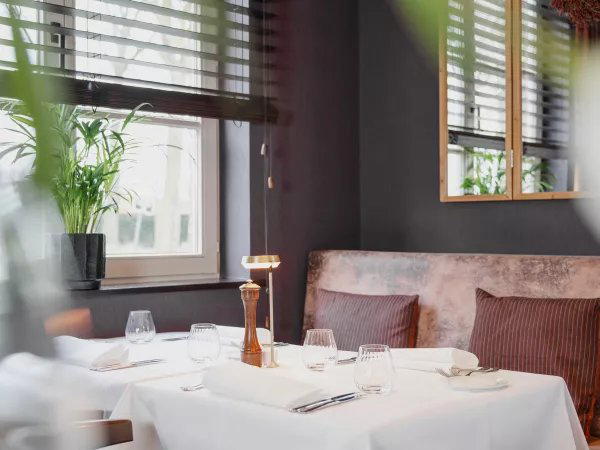
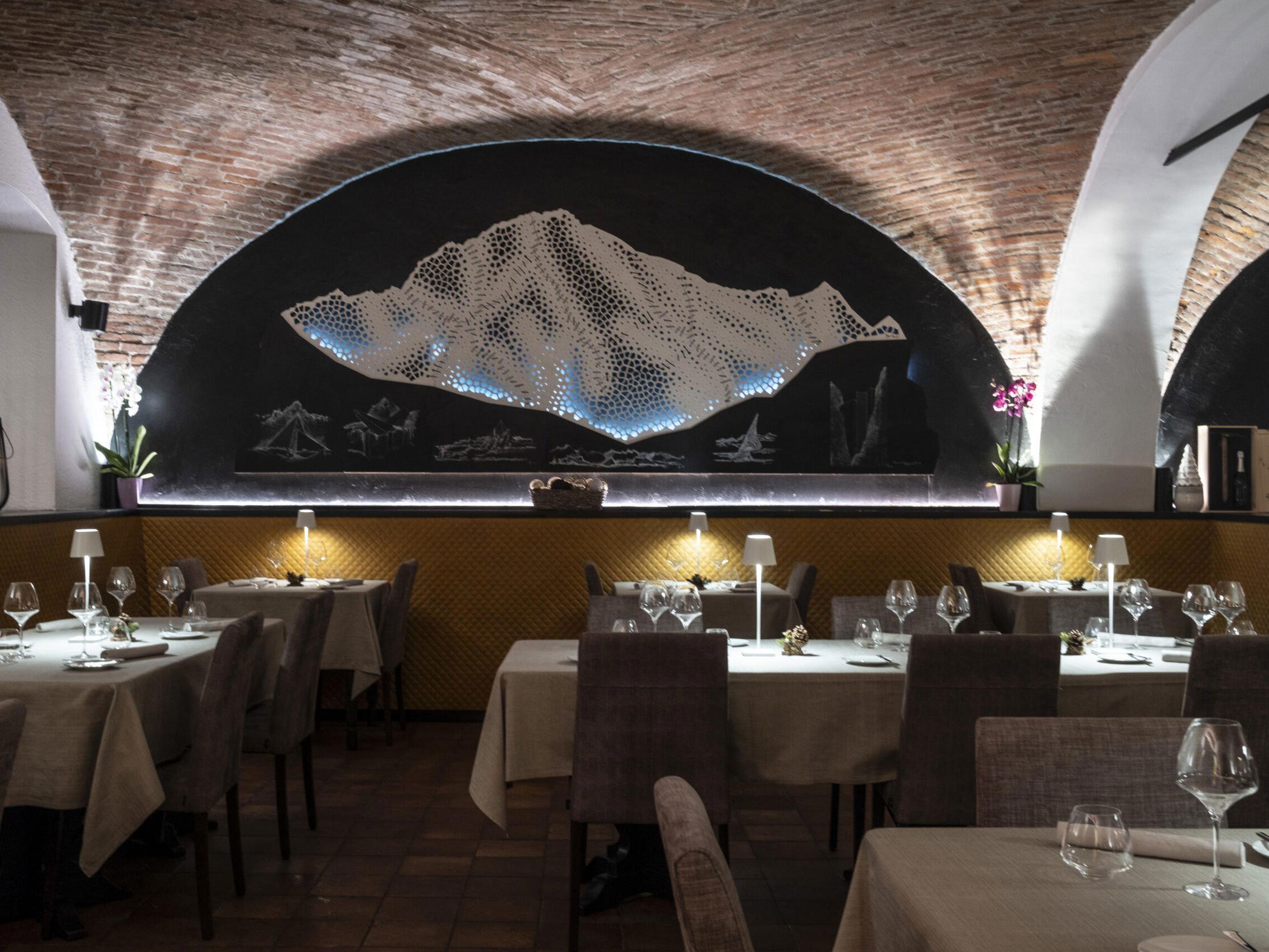
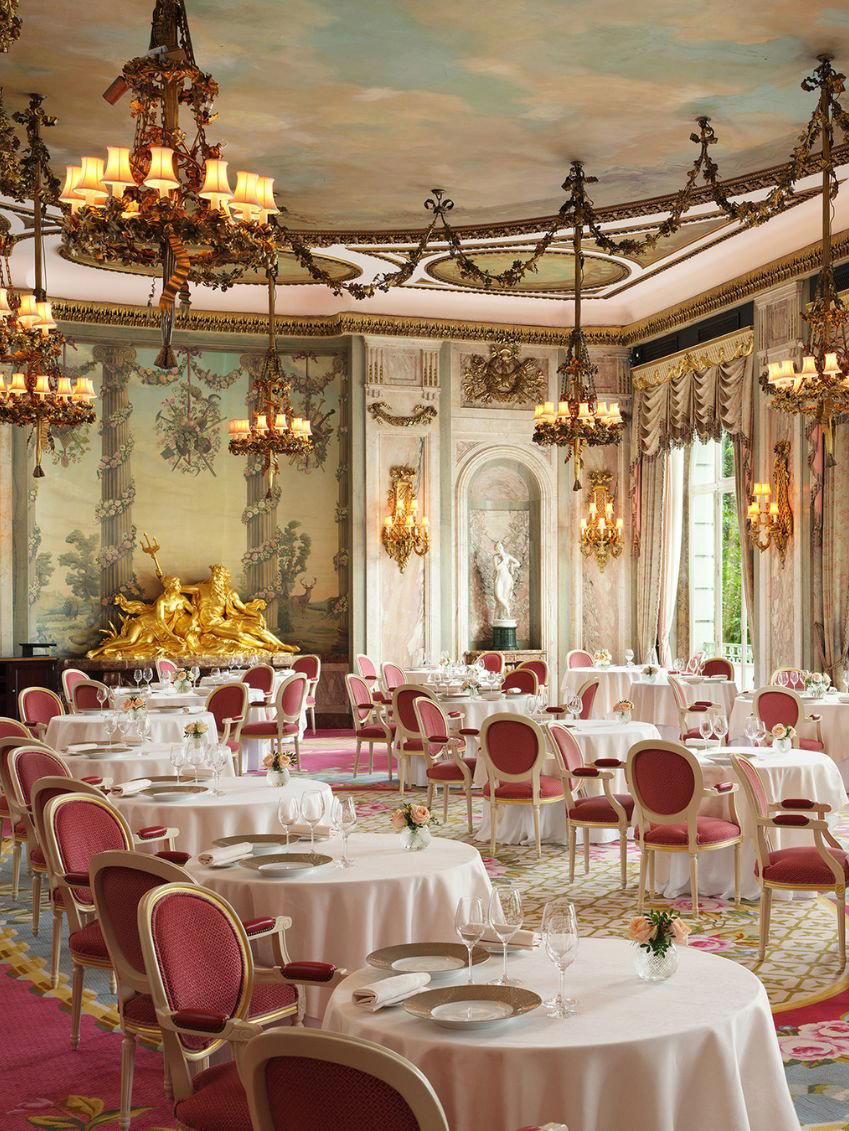
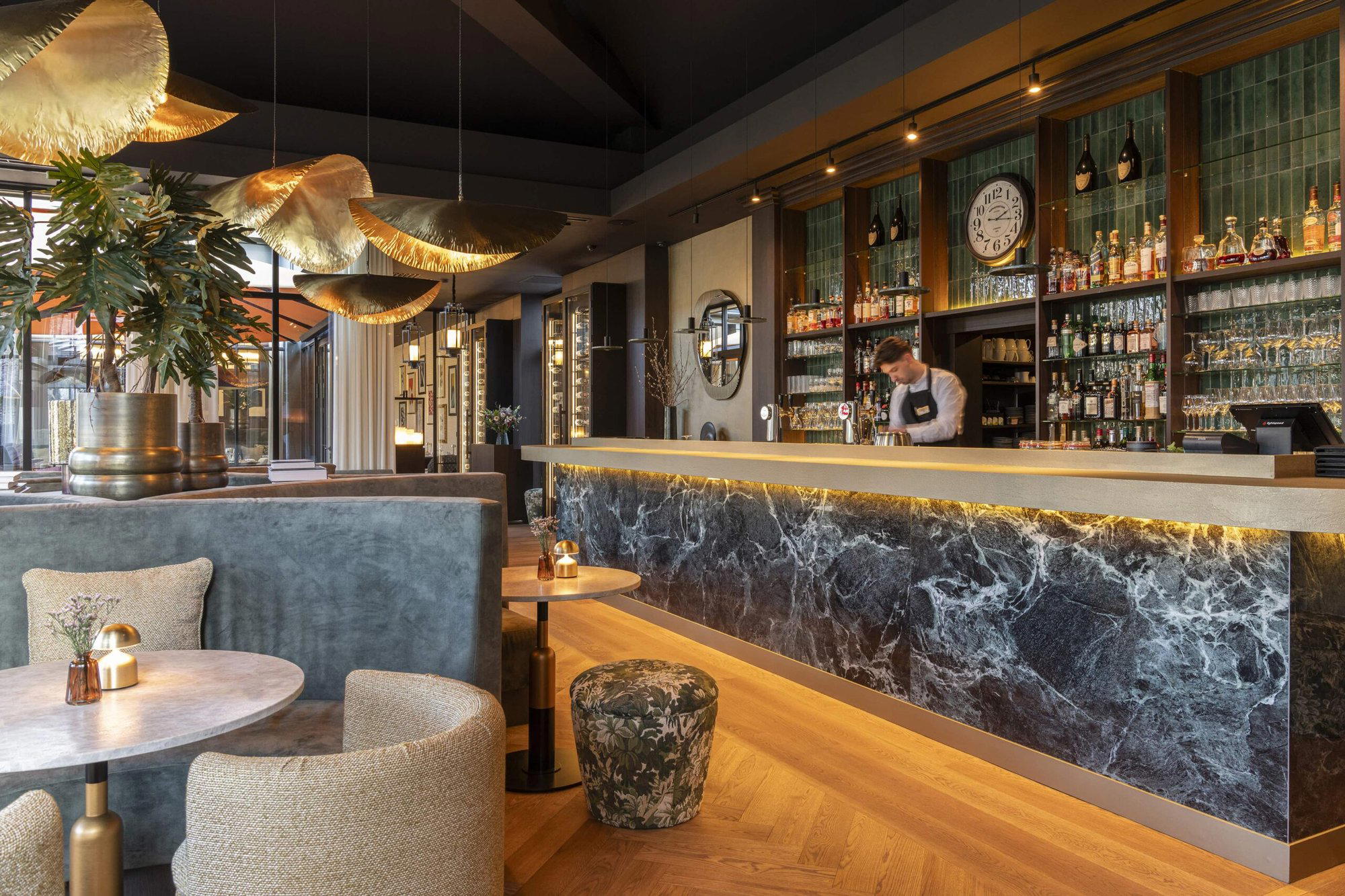
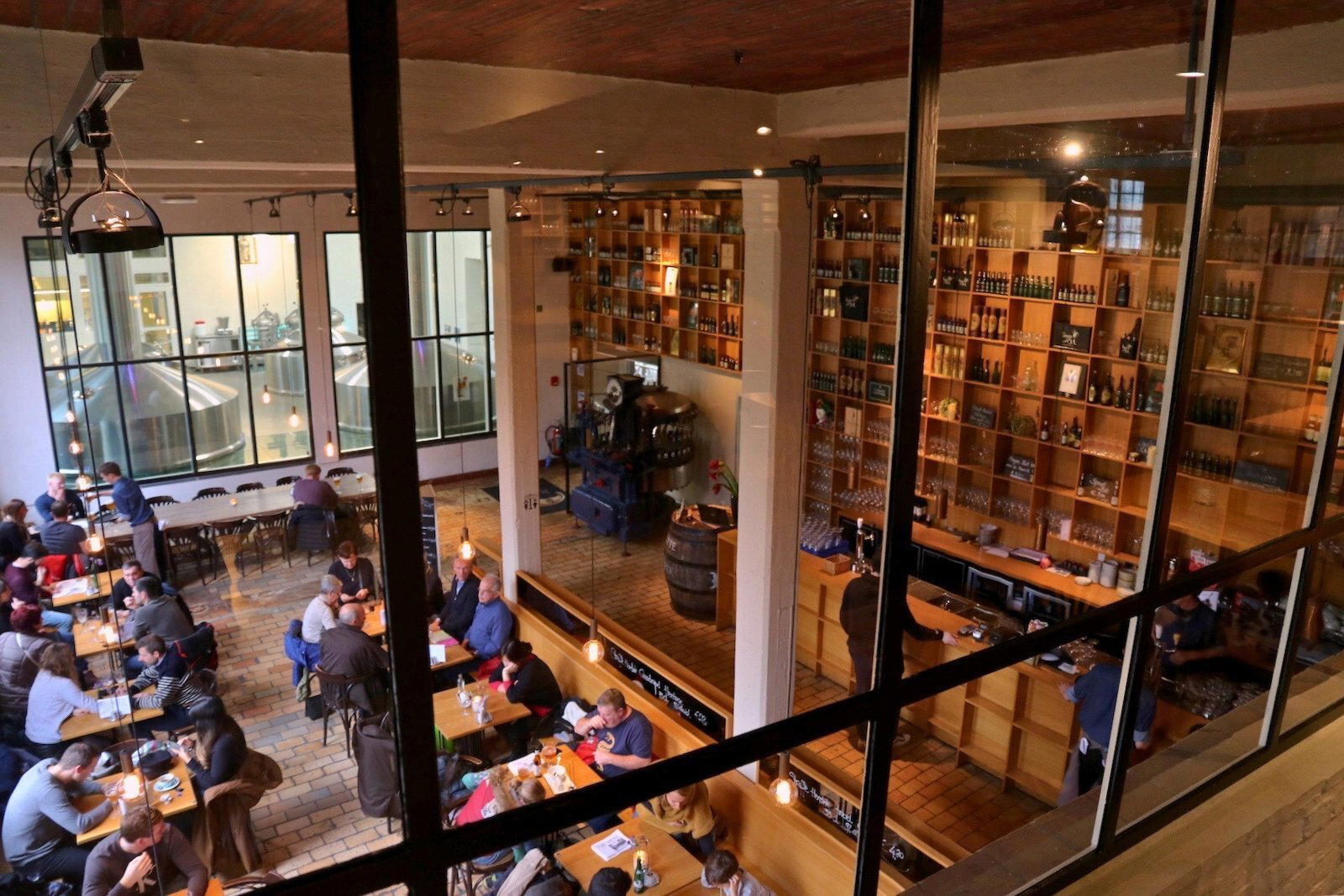
Chic yet warm interior with open kitchen view, professional and friendly service creating a serene and welcoming atmosphere.