

Michelin Plate · We're Smart World 4 Radishes
Our verdict
Bistro de Montcaud operates from the grounds of Château de Montcaud in Sabran, southern France, serving traditional cuisine at a mid-range price point with two consecutive Michelin Plate recognitions. The kitchen applies a personalised menu approach, adapting each service to guests' preferences in advance, with a particularly committed plant-based offering that distinguishes it from comparable rural bistros in the Gard.

Pearl is the En Primeur Club membership app — saves, bookings, and concierge access live there. Same editors, same standards.
- Address
- Moncaut, 30200 Sabran, France
- Phone
- +33 4 66 89 18 00
- Hours
- Mon–Tue ClosedWed–Sat 7:15 AM–11:15 PMSun 7:15 AM–5:30 PM
- Website
- chateaudemontcaud.com
- Directions
- Get directions
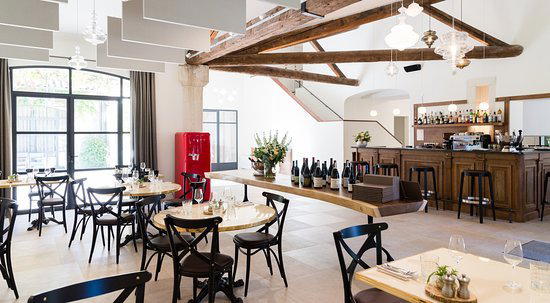
The menu
What to order
- Bouillabaisse
- Côte de Boeuf
- Filet de Boeuf Rossini
- Sole
- Scallops
- Pâté en Croûte
Stone, Shade, and the Southern Rhône Table
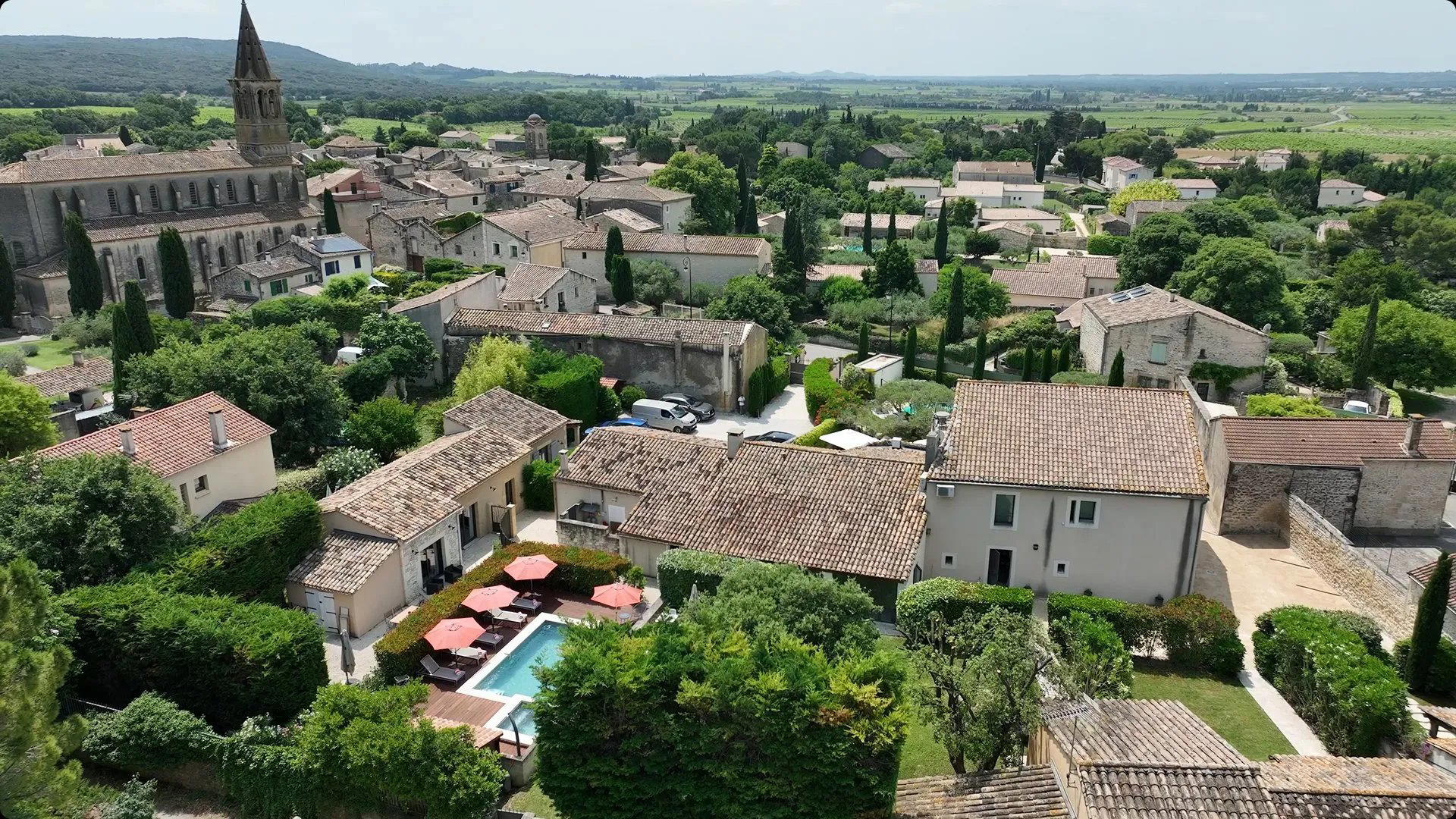
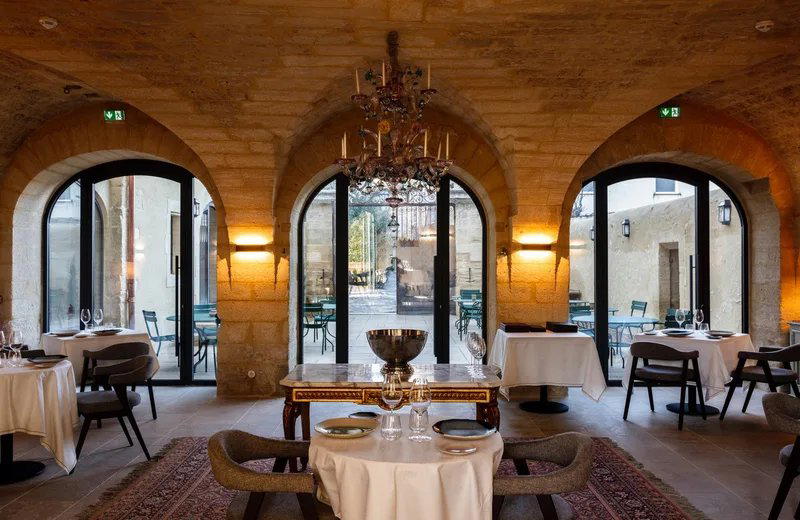
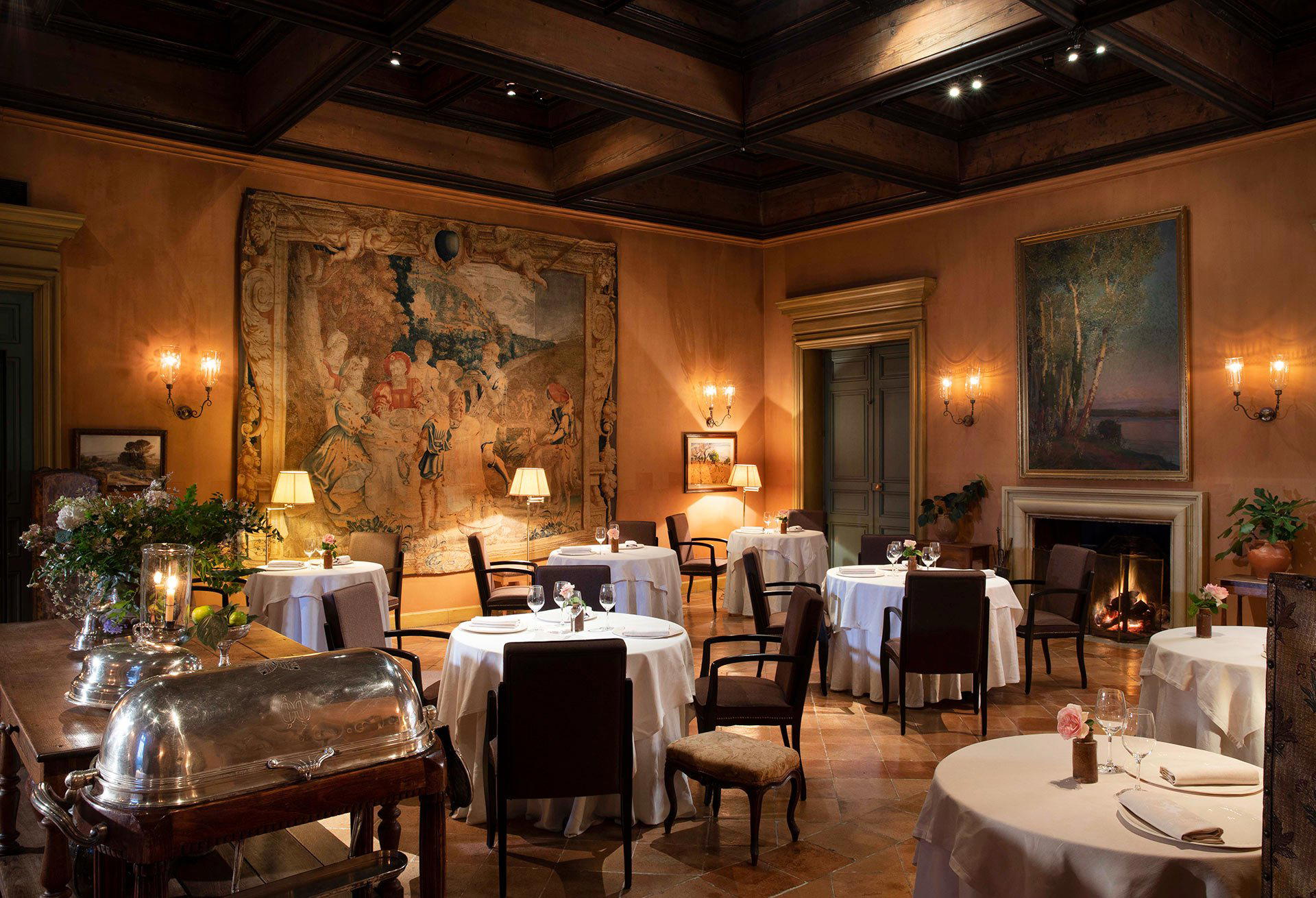
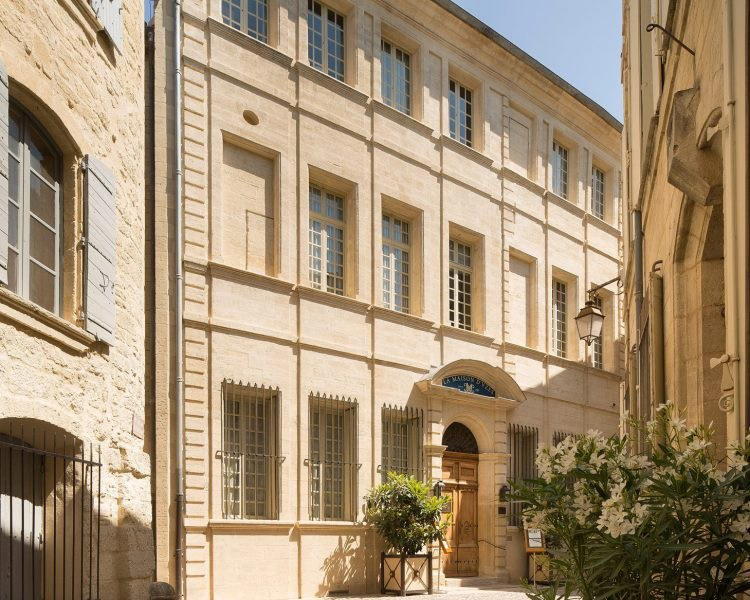
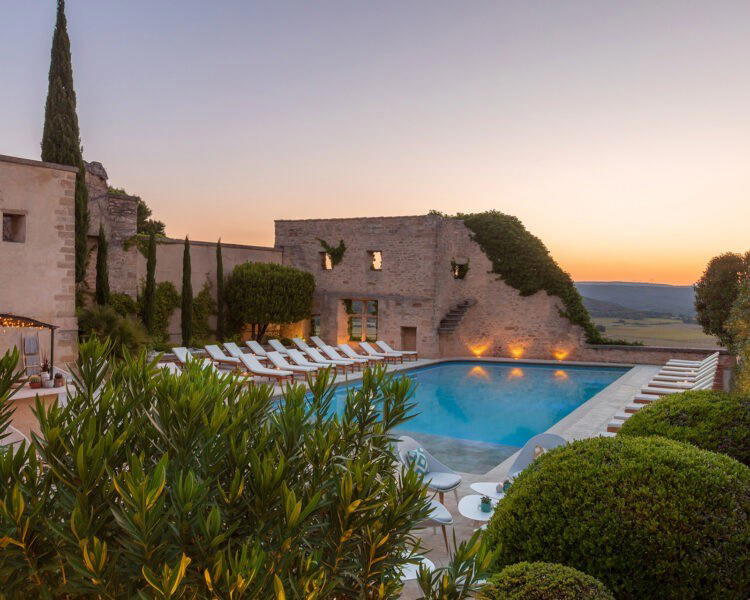
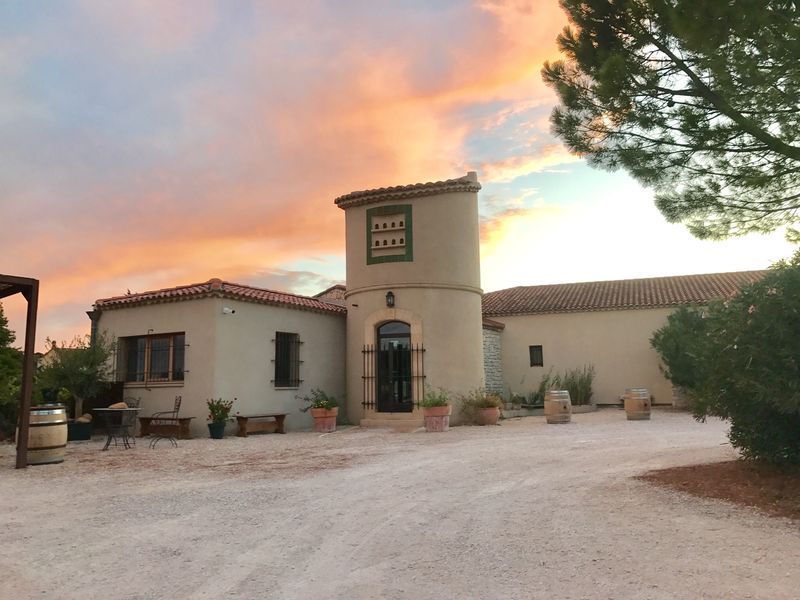
Arriving at Château de Montcaud in Sabran is, above all, a lesson in what the Gard does quietly well. The département sits between the Rhône and the Cévennes foothills, far enough from the tourist circuits of Avignon and Uzès to move at its own pace. The château's grounds set the register before a dish appears: mature trees, warm limestone, the particular afternoon stillness of inland Occitanie in summer. Bistro de Montcaud operates within this environment, sharing the estate with Le Cèdre de Montcaud (Modern Cuisine), the estate's more formally ambitious dining room. Where Le Cèdre aims at the region's higher culinary attention, the Bistro functions as the more approachable, daily-rotation counterpart, pitched at the €€ price range and designed to draw in guests who want the château setting without the full ceremony of a tasting menu.
Where the Ingredients Come From — and Why That Shapes the Plate
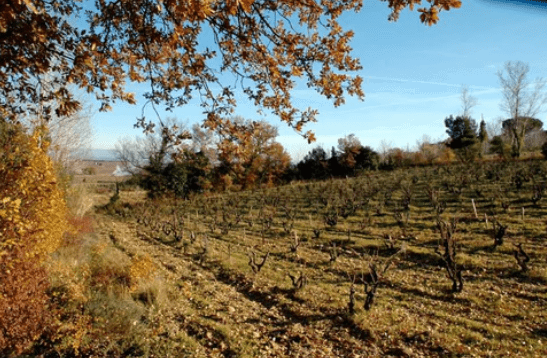
Traditional cuisine in this part of southern France has always been anchored by what the surrounding land produces. The Gard and its neighbours in the southern Rhône corridor supply stone fruit, wild herbs, alliums, and legumes through most of the year. That agricultural proximity matters here in a concrete way: the kitchen's documented commitment to a plant-based menu strand is not a token gesture but a considered engagement with what the region grows abundantly. Across France, the bistro format has historically been defined by animal protein at its centre, and plant-based cooking has often been treated as a constraint rather than a direction. The approach at Bistro de Montcaud shifts that framing, treating the vegetable as the primary subject of composition rather than its supporting character.
This orientation has drawn attention from reviewers, including the observation, recorded in the awards notes, that the kitchen's enthusiasm for showcasing what the team can achieve sometimes leads to combining more ingredients and flavours than the main vegetable strictly requires. The critique is instructive: it points to a kitchen confident in its sourcing and technique but still calibrating the editorial discipline that restraint demands. The trajectory matters more than any single service, and the note ends with an expressed intention to return to follow the evolution, which is the kind of qualified endorsement that tells you something useful about a restaurant at an interesting stage of its development.
Michelin awarded the Bistro a Plate in both 2024 and 2025, the recognition that denotes good cooking without the starred hierarchy. In the context of a rural bistro in a village of fewer than three thousand people, two consecutive Plate awards signal a consistency worth noting. For context on the broader range of recognised kitchens across France, Alléno Paris au Pavillon Ledoyen in Paris, Mirazur in Menton, and Flocons de Sel in Megève occupy the starred tier, while Bistro de Montcaud represents the category of regionally serious, nationally listed cooking that forms the wide base of French culinary recognition. Closer in register are places like Auberge Grand'Maison in Mûr-de-Bretagne and Auga in Gijón, traditional-format tables recognised for consistent quality within their regional contexts.
The Personalised Menu Format — a Practical Commitment
The kitchen's approach to menu construction is notably guest-directed. Rather than presenting a fixed carte or a set tasting sequence, each menu is discussed and adapted to the wishes of each customer in advance. This format sits at the opposite end of the spectrum from the omakase-style counter, where the kitchen's sequence is non-negotiable. In a French bistro context, it is relatively uncommon to formalise this degree of pre-service dialogue. The practical upshot is that dietary requirements, preferences, and ingredient interests can be communicated before arrival, making the visit more structured as an experience than an impromptu walk-in. Anyone with strong preferences around plant-based eating, or any specific dietary restriction, should make contact ahead of time to take full advantage of what the format allows.
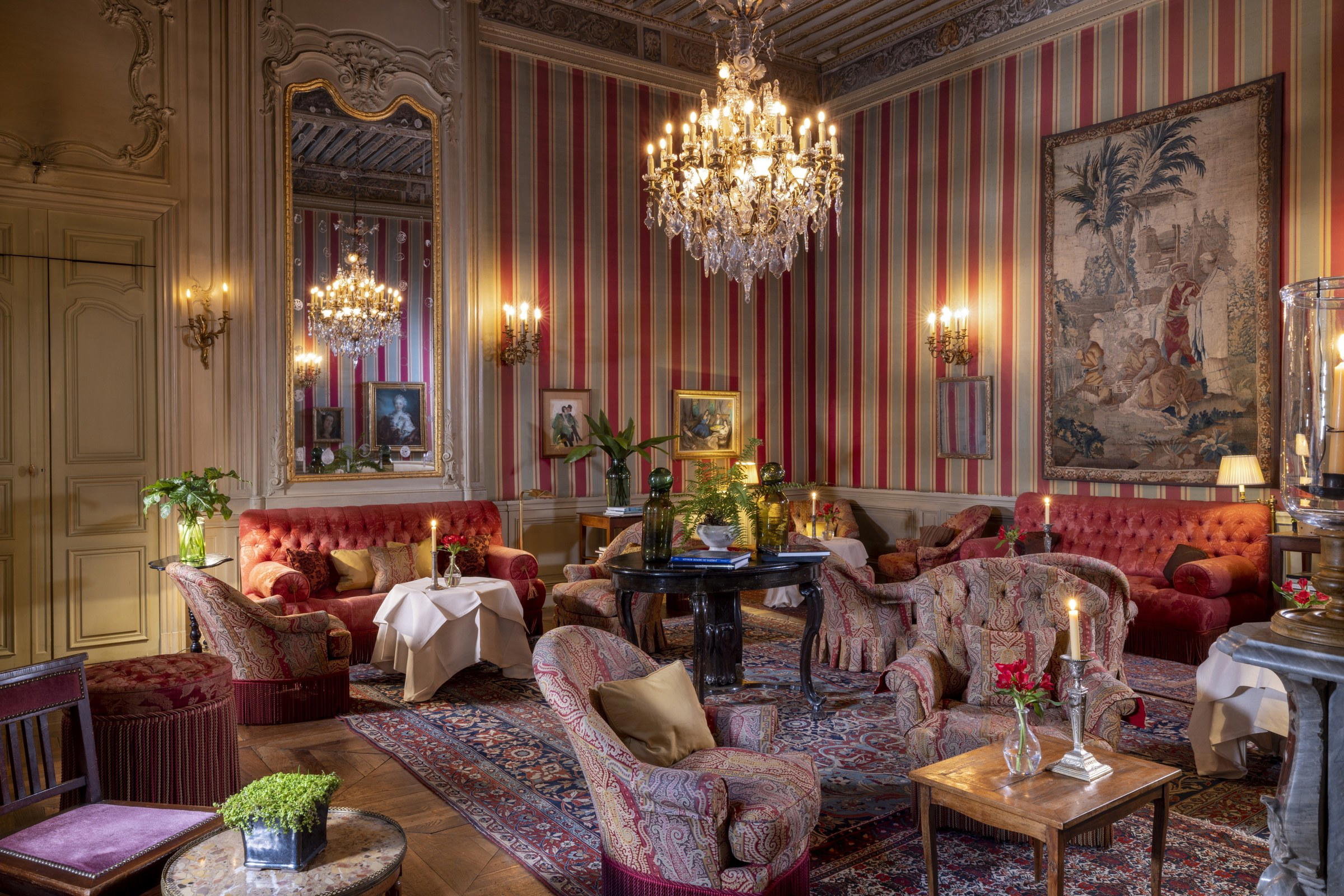
This also positions Bistro de Montcaud within a strand of French hospitality that prioritises the guest's comfort over the kitchen's authorial control. It is a hospitality posture that has deeper roots in country auberge culture than in urban fine dining, and it fits the château context, where the expectation is one of ease rather than performance. Chef Matthieu Hervé, named in the awards documentation in connection with Le Cèdre and the estate's culinary ambitions, brings the same broader intent to both rooms: to make Château de Montcaud a point of culinary reference for the region.
The Setting as Context for the Meal
The Gard is not a region that announces itself loudly to international visitors. It lacks the marketing reach of Provence to the east or the Languedoc wine belt to the west, though it borders both and draws from both traditions. Sabran itself sits above the Cèze valley, a quieter waterway than the Rhône but one that has shaped the agricultural patterns of this part of the region for centuries. Dining at an estate like Château de Montcaud carries the context of that geography into the room without needing to make a statement about it. The ingredients on the plate, the pace of the service, and the physical material of the building all carry the same information.
For visitors planning around the estate, the château is the main accommodation anchor in the area. Those considering the wider local scene can find our full orientation across the region's dining, accommodation, drinking, and winery options through our full Sabran restaurants guide, our full Sabran hotels guide, our full Sabran bars guide, our full Sabran wineries guide, and our full Sabran experiences guide. For those cross-referencing against other regionally rooted French tables, Bras in Laguiole and Troisgros - Le Bois sans Feuilles in Ouches represent the benchmark for what a kitchen anchored to its specific landscape can achieve at the highest tier. AM par Alexandre Mazzia in Marseille, Assiette Champenoise in Reims, Au Crocodile in Strasbourg, Auberge de l'Ill in Illhaeusern, and Paul Bocuse - L'Auberge du Pont de Collonges in Collonges-au-Mont-d'Or complete the broader map of France's formally recognised traditional and regional tables worth knowing.
Given the estate's relative remove from major travel flows, those reviews skew toward guests with some prior intention rather than passing visitors, which adds modest weight to the aggregate score.
Planning a Visit
The €€ price range makes the Bistro the more accessible of the estate's two dining formats, and the pre-service menu dialogue means arriving with a clear sense of your preferences will improve the experience. The plant-based menu is available and clearly a point of kitchen interest, making this an option worth knowing for guests who find such choices sparse in rural French contexts. Given the personalised menu structure, booking in advance and communicating preferences at that stage is the practical approach rather than deciding on arrival.
Frequently Asked Questions
- Would Bistro de Montcaud be comfortable with kids?
- At the €€ price point in a château bistro setting in Sabran, it is reasonable family territory, though the personalised menu format and estate dining room suggest a relaxed rather than a casual atmosphere.
- What's the overall feel of Bistro de Montcaud?
- If you want a meal shaped around your preferences in a historic estate setting in the Gard, with Michelin Plate recognition behind it and a price range that stays accessible, this is a comfortable fit. It is not a high-ceremony room, but it is not a casual terrace either.
- at Bistro de Montcaud?
- Based on the Michelin documentation and the cuisine type, the plant-based menu strand is the direction the kitchen has committed most visibly to developing. For guests open to it, that is where the kitchen's current creative focus appears to sit.
Frequently asked questions
Is Bistro de Montcaud expensive?
Pricing at Bistro de Montcaud is listed as €€.
Where is Bistro de Montcaud in Sabran?
Bistro de Montcaud is located at Moncaut, 30200 Sabran, France, Sabran.
Comparable Spots, Quickly
| Venue | Cuisine | Price | Awards |
|---|---|---|---|
| Bistro de MontcaudThis venue — the venue you are viewing | Traditional Southern French Bistro | $50–100 | Michelin Plate · We're Smart World 4 Radishes |
| Alléno Paris au Pavillon Ledoyen | Creative | Not listed | Michelin 3 Star |
| Kei | Contemporary French, Modern Cuisine | Not listed | Michelin 3 Star |
| L'Ambroisie | French, Classic Cuisine | Not listed | Michelin 3 Star |
| Le Cinq - Four Seasons Hôtel George V | French, Modern Cuisine | Not listed | Michelin 3 Star |
| Plénitude | Contemporary French | Not listed | Michelin 3 Star |
Recognition history
Dated appearances from independent guides and award organizations, with the underlying list record or original source where available.
Michelin Plate
Michelin
We're Smart World 4 Radishes
We're Smart World
Full recognition history (4 entries)
Michelin Plate
Michelin
Michelin Plate
Michelin
Continue exploring
More in Sabran
Restaurants in Sabran
Browse all →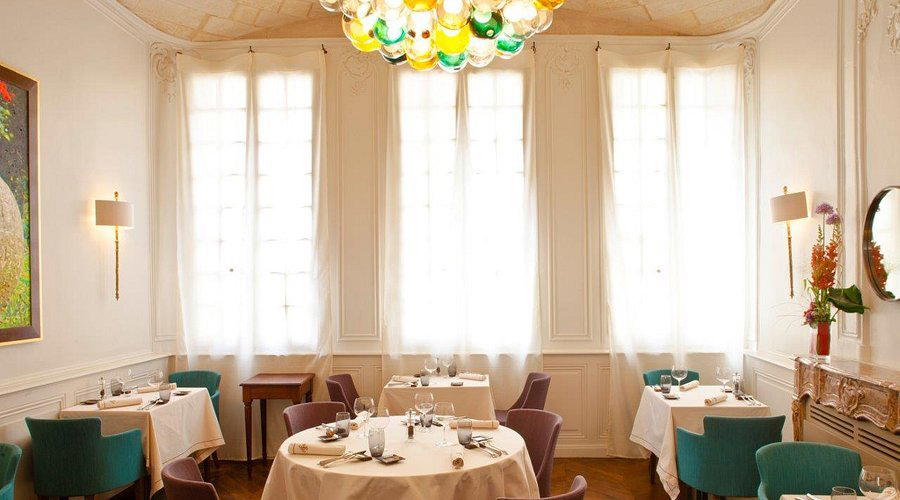
Bars in Sabran
Browse all →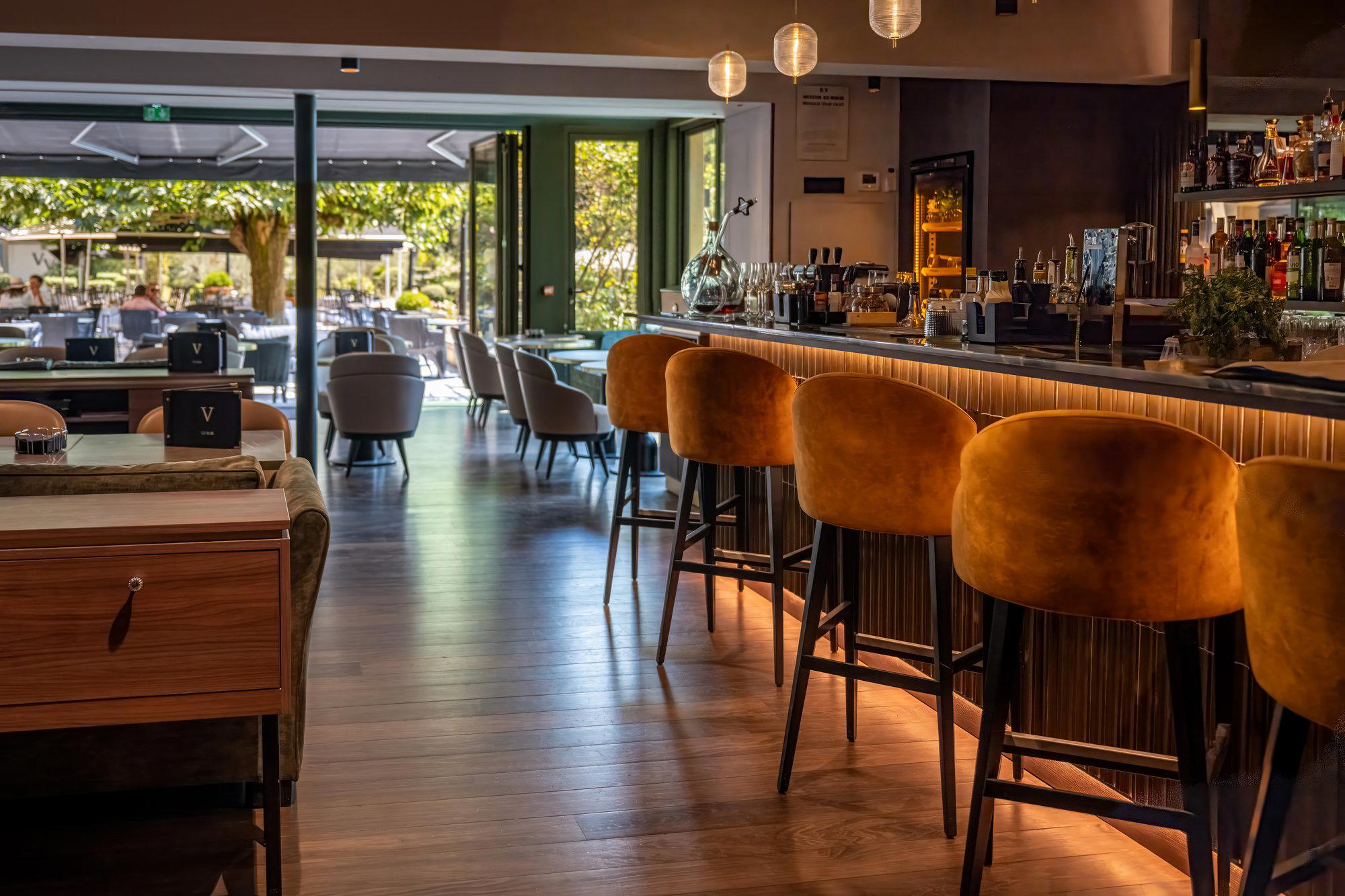
Hotels in Sabran
Browse all →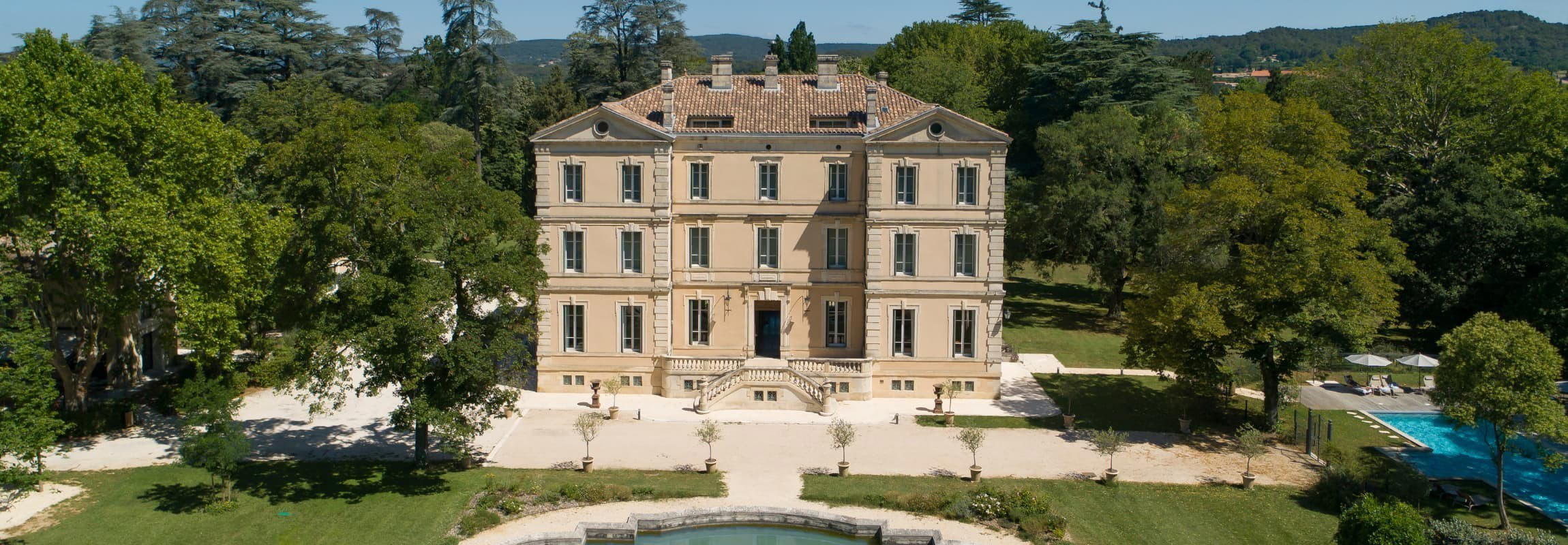
Details
- Classic
- Romantic
- Elegant
- Scenic
- Date Night
- Business Dinner
- Group Dining
- Family
- Celebration
- Special Occasion
- Terrace
- Garden
- Private Dining
- Historic Building
- Sommelier Led
- Local Sourcing
- Organic
- Farm To Table
- Garden
- A La Carte
- Prix Fixe
- Set Menu
- Wine
- Gluten Free Options
- Vegetarian Friendly
- Allergy Accommodating
- Organic Focus
Current opening hours
- Monday
- Closed
- Tuesday
- Closed
- Wednesday
- 7:15 AM–11:15 PM
- Thursday
- 7:15 AM–11:15 PM
- Friday
- 7:15 AM–11:15 PM
- Saturday
- 7:15 AM–11:15 PM
- Sunday
- 7:15 AM–5:30 PM
Hours can change for holidays and private events. Last verified .
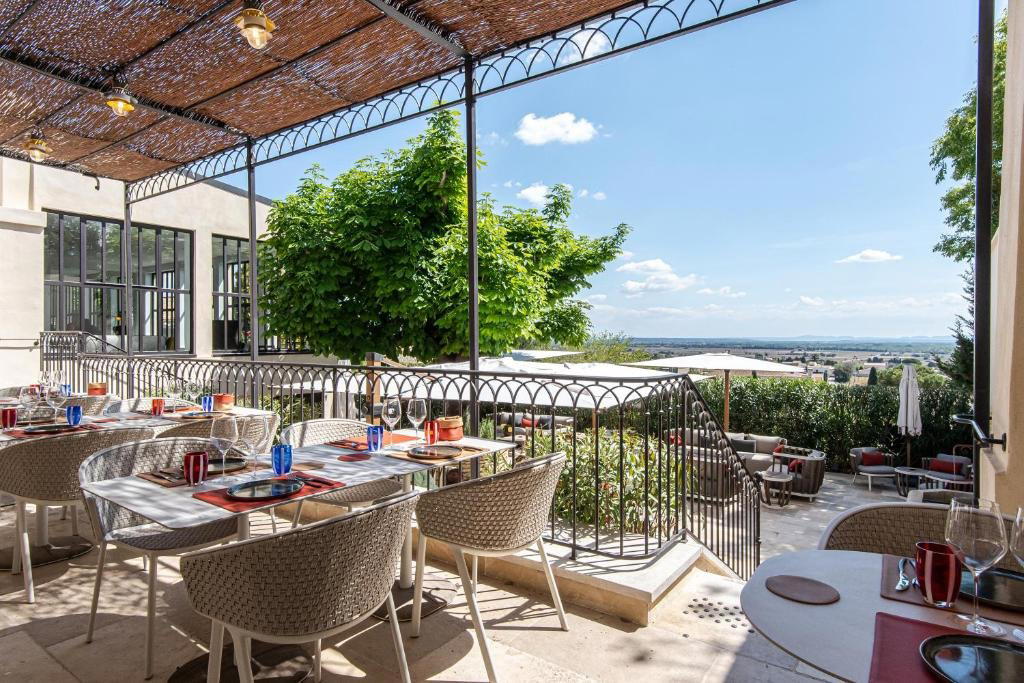
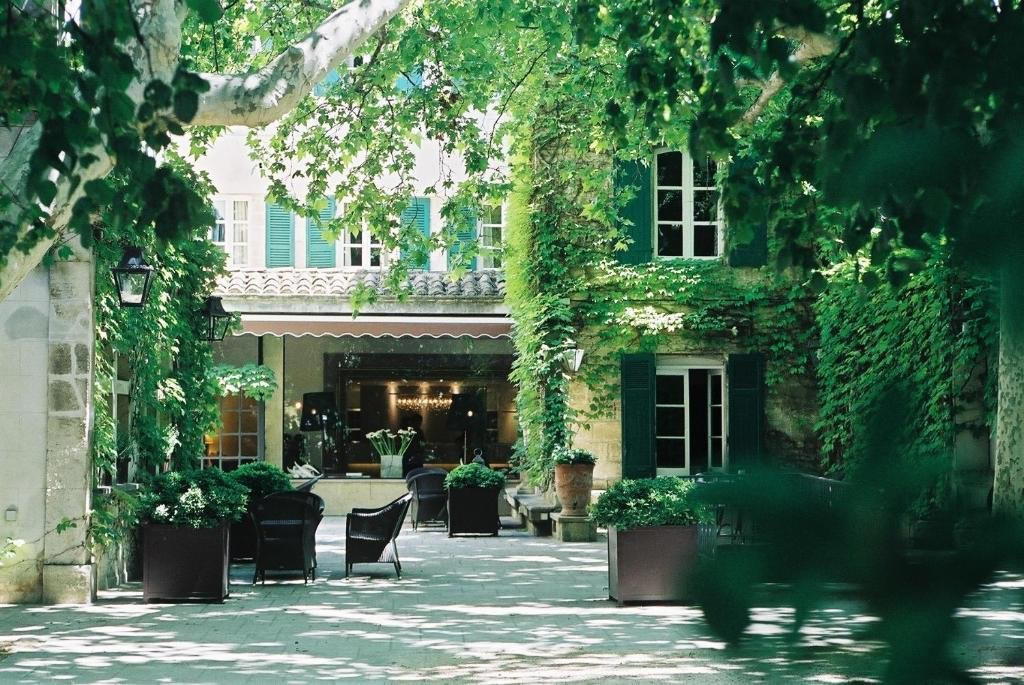
Warm and welcoming with pleasant natural lighting from the shaded terrace under sycamore and chestnut trees; elegant yet relaxed atmosphere emphasizing the luxury of simplicity.