Bistro Bianca sits on Velenje's Stari trg, a city square that carries more industrial history than tourist footfall, which is precisely what makes a considered restaurant here worth paying attention to. In a Slovenian dining scene increasingly defined by farm-to-table sourcing and regional identity, Bianca positions itself as a local counterpoint to the country's better-known destination kitchens. For visitors to the Šalek Valley, it functions as the area's most credible sit-down address.
Pearl is the En Primeur Club membership app — saves, bookings, and concierge access live there. Same editors, same standards.
- Address
- Stari trg 3, 3320 Velenje, Slovenia
- Phone
- +38640795118
- Website
- bistrobianca.si
- Directions
- Get directions
 Saves & bookings on Pearl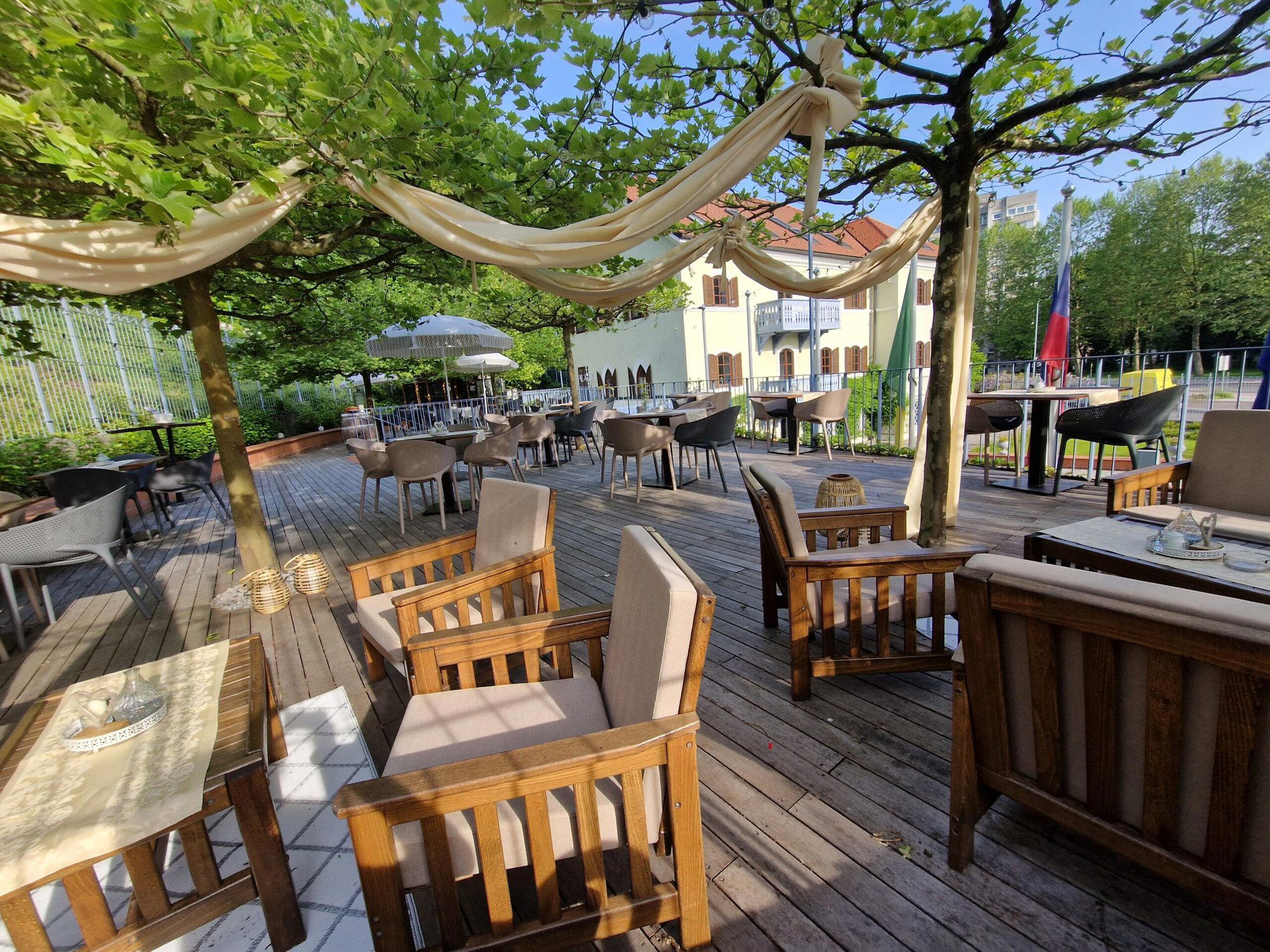
Stari trg and the Case for Eating in Velenje
Velenje is not a city that appears on most Slovenian dining itineraries. Built as a model socialist city in the mid-twentieth century to house workers from the Velenje coal mine, it carries a particular architectural confidence, wide boulevards, a lake at its edge, a castle above, that has little to do with the medieval market-town grammar of better-known Slovenian stops. Yet that same remove from the tourist circuit is exactly why a restaurant holding a Stari trg address warrants attention. Bistro Bianca operates on the old square at number 3, in a city where dining options are shaped by local demand rather than visitor expectations. What ends up on the plate in rooms like this tends to reflect what the region actually grows, raises, and preserves.
The broader Šalek Valley sits within the Savinja statistical region, a stretch of Slovenia that produces significant agricultural output: hop gardens supply Slovenian breweries, forest margins yield mushrooms and game, and smallholders maintain vegetable and dairy operations that rarely make it into marketing materials but do make it into restaurant kitchens. For a bistro at this address, that supply geography is the defining condition of the menu, not a choice, exactly, but a structural reality that shapes what a kitchen can source quickly and affordably. In that respect, Bistro Bianca occupies the same position that a well-run provincial bistro occupies in rural France: a place where the sourcing radius is short by necessity, and the food is often better for it.
Where the Food Comes From, and Why It Matters Here
Slovenia's most discussed restaurants, Hiša Franko in Kobarid, Milka in Kranjska Gora, Gostilna Pri Lojzetu in Vipava, have built national and international profiles around hyper-local sourcing presented as a formal culinary program. At that tier, provenance is named and credited, often down to the specific farm or forager. Further down the price ladder, the sourcing logic is the same but the presentation is quieter. A bistro in Velenje is unlikely to list supplier names on the menu card, but it operates within the same regional food web: Slovenian dairy, central European smoking and curing traditions, and seasonal produce cycles that shift the kitchen toward heavier preparations in autumn and winter.
That pattern is consistent across the central and eastern Slovenian dining scene. Pavus in Lasko, roughly 30 kilometres southwest of Velenje along the Savinja River, offers a reference point for how a regionally grounded restaurant in this part of the country approaches the relationship between local ingredients and contemporary presentation. Gostilna Francl in Celje, the nearest substantial city to Velenje, represents the gostilna tradition, traditional Slovenian inn kitchens, that still anchors much of the region's everyday dining. Bistro Bianca's name and format suggest something lighter and more international in register than a gostilna, while remaining grounded in the same provincial supply chain.
Reading the Room at Stari trg 3
The bistro format, as it has evolved across Central Europe, occupies a specific social register: more relaxed than a formal restaurant, more considered than a café, and priced to accommodate regulars as well as occasional visitors. In a city like Velenje, population around 25,000, with a working-population demographic shaped by the energy and manufacturing sectors, that positioning makes practical sense. The room at Stari trg 3 is in a square that functions as a civic anchor, the kind of address that draws both lunch trade and evening tables without requiring the city to have a tourist economy to sustain it.
That civic embeddedness is a quality shared by the better bistros across Slovenia's secondary cities. Hiša Linhart in Radovljica and Hiša Denk in Zgornja Kungota each operate in smaller population centres, sustained by a combination of local loyalty and destination visits from further afield. The difference is that both carry formal recognition, Michelin coverage, critical profiles, that drives outside traffic. That is not a limitation so much as a different operating model, and for a visitor arriving in Velenje without a pre-set dining agenda, it is the more honest read of what the room is for.
Planning a Visit
Velenje is accessible by train from Celje, a journey of roughly 30 minutes that connects the Šalek Valley to the broader Slovenian rail network. From Ljubljana, the route runs through Celje with a change; direct road access is faster and more practical for visitors with a car. The restaurant's address on Stari trg places it within easy walking distance of the city centre. The restaurant is open Monday through Saturday from 8 AM to 10 PM, and on Sunday from 9 AM to 3 PM. For a bistro of this type in a city of Velenje's size, advance booking is advisable on weekend evenings, less so for weekday lunch.
Visitors constructing a broader eastern Slovenia itinerary might pair Velenje with Celje, which offers Gostilna Francl as a complement, or route toward the Savinja valley to reach Pavus in Lasko. For those approaching from Ljubljana, the capital's own fine dining tier, including Restavracija Strelec, provides a high-end baseline against which provincial bistro cooking reads differently, and usually more generously.
The wider Slovenian scene extends from the Karst and Vipava wine regions in the west, where Dam in Nova Gorica and Ošterija Debeluh in Brezice represent distinct regional approaches, through to the coast, where Stara Gostilna in Piran anchors Adriatic-inflected cooking. For context on how Slovenia's restaurant scene sits globally, Hiša Franko remains a major reference point, and international restaurants like Le Bernardin in New York or Lazy Bear in San Francisco illustrate how tasting-menu formats at the other end of the formality spectrum operate. The restaurant sits well outside that bracket by design, which is exactly what Velenje needs it to be.
Quick Comparison
Comparable venues nearby, for context on price, style, and recognition.
| Venue | Cuisine | Price | Notes |
|---|---|---|---|
| Bistro biancaThis venue — the venue you are viewing | Contemporary Slovenian with International Influences | $$ | Not listed |
| Allegria | Slovenian & Mediterranean | $$ | Downtown Ljubljana |
| Gostilnica 5-6 kg | Traditional Slovenian & Wood-Fired Pizza | $$ | Trnovo |
| JB Restaurant | Modern Slovenian Fine Dining | $$$ | Downtown Ljubljana |
| Gostilna Muha | Traditional Slovenian Karst Cuisine | $$ | Lokev |
| Gostilna Karjola | Traditional Istrian Mediterranean with Refosco | $$ | Marezige |
Continue exploring
More in Velenje
Restaurants in Velenje
Browse all →
Bars in Velenje
Browse all →
Hotels in Velenje
Browse all →

At a Glance
- Cozy
- Elegant
- Classic
- Casual Hangout
- Brunch
- Business Dinner
- Group Dining
- Terrace
- Open Kitchen
- Standalone
- Extensive Wine List
- Local Sourcing
- Farm To Table
Current opening hours
- Monday
- 8 AM–10 PM
- Tuesday
- 8 AM–10 PM
- Wednesday
- 8 AM–10 PM
- Thursday
- 8 AM–10 PM
- Friday
- 8 AM–10 PM
- Saturday
- 8 AM–10 PM
- Sunday
- 9 AM–3 PM
Hours can change for holidays and private events. Last verified .
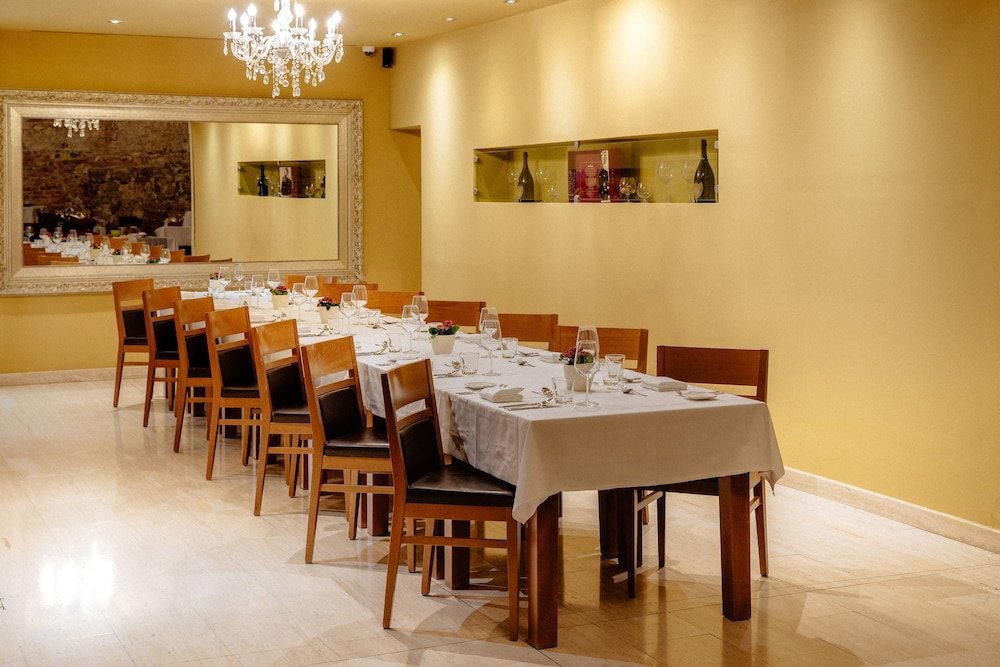
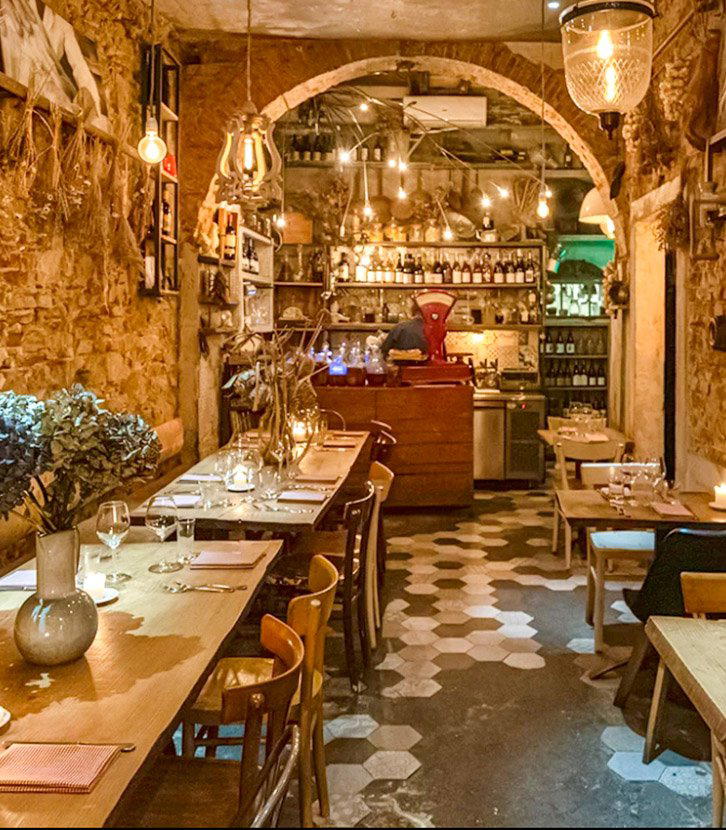
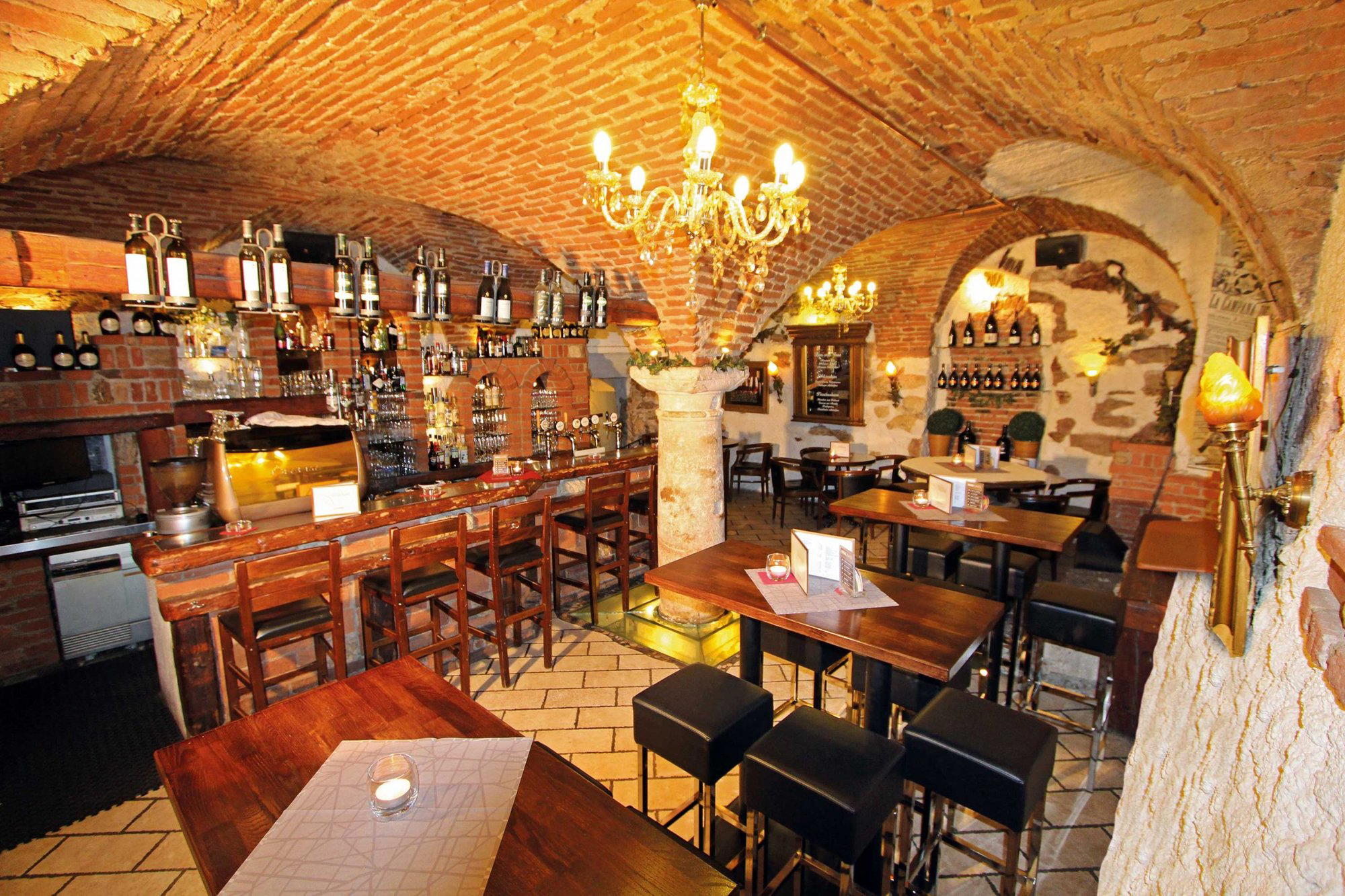
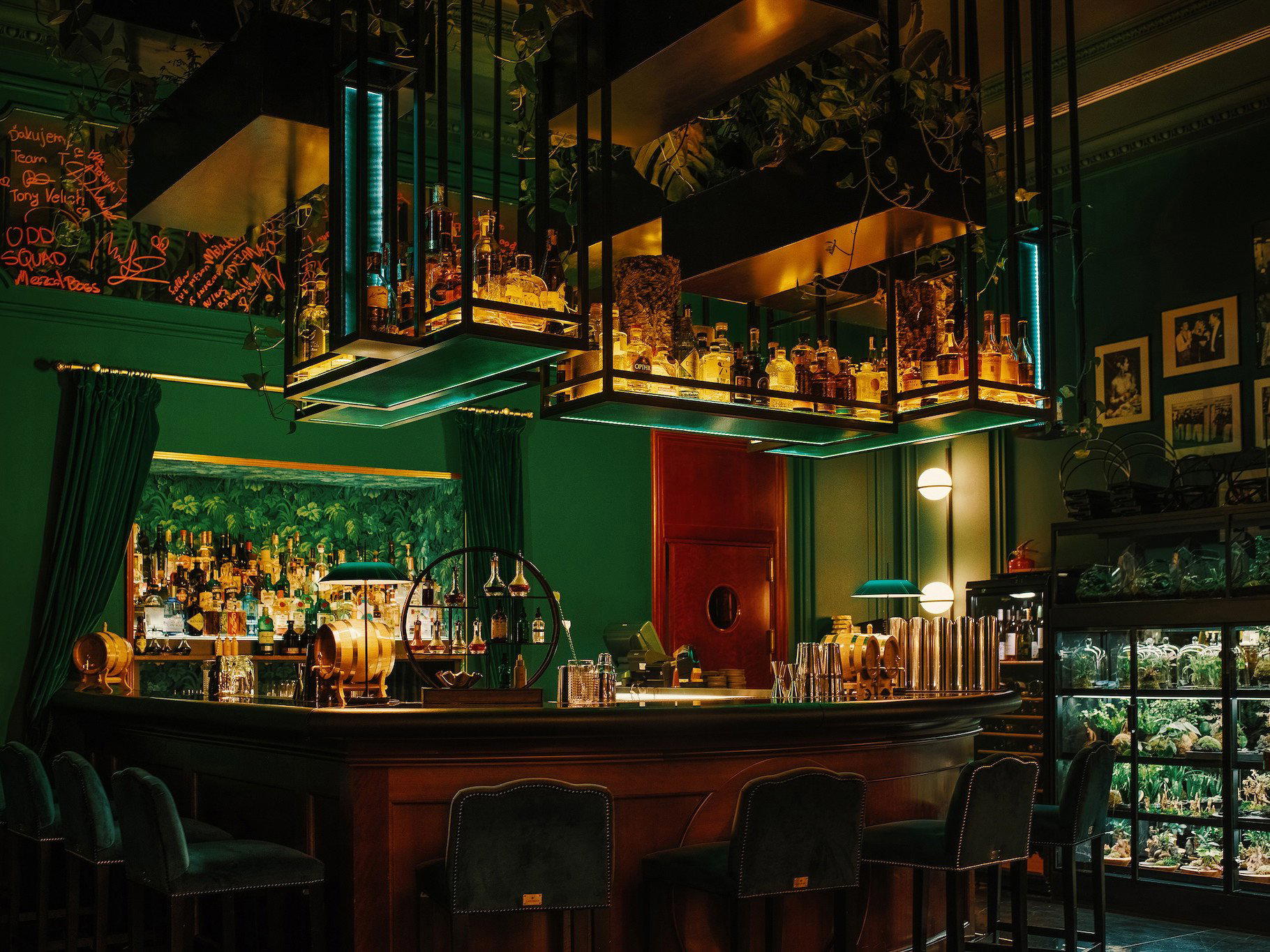
Brick dining room with arches offering a light and classy atmosphere; glass bistro upstairs for socializing; large terrace with views; open kitchen visible from dining areas.