Element Gastropub
Our verdict
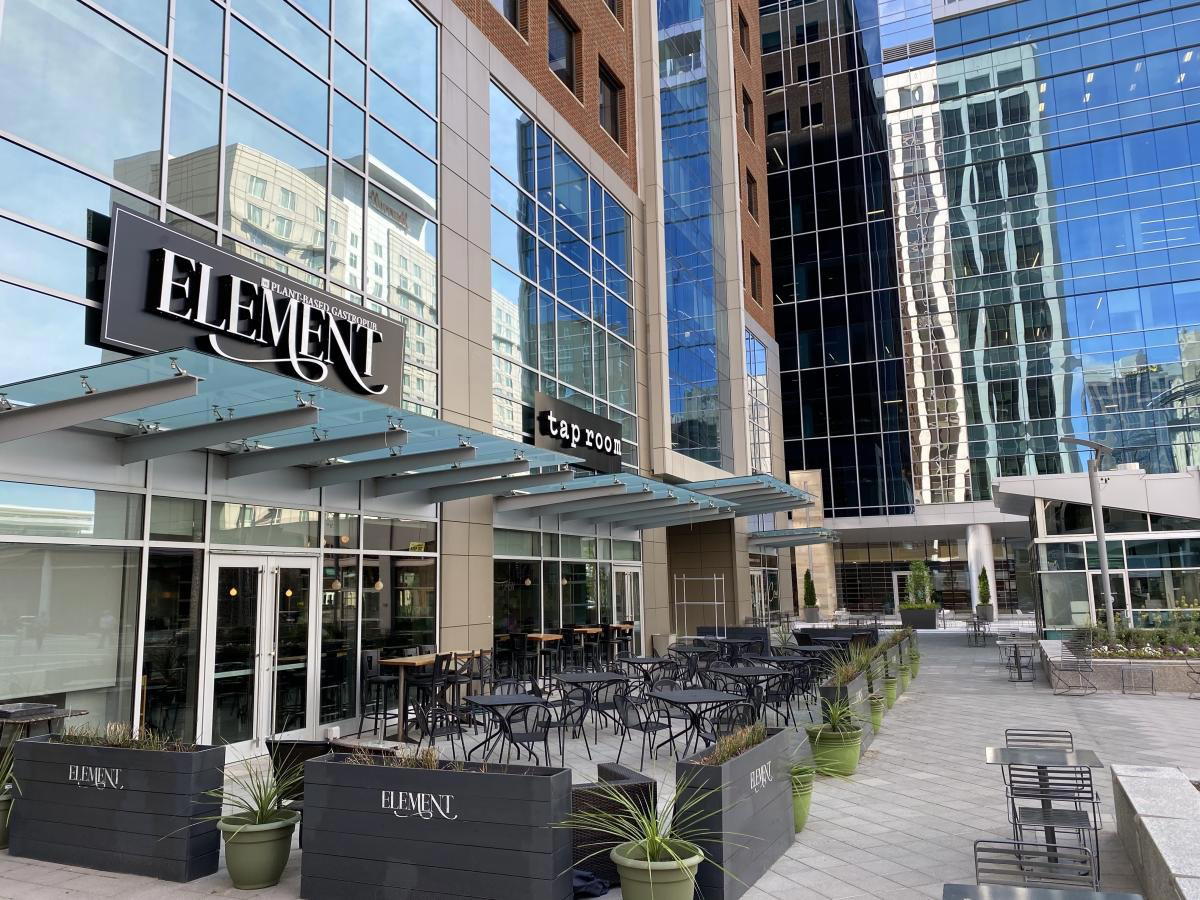
Element Gastropub occupies a ground-floor suite on Fayetteville Street in downtown Raleigh, positioning itself within the city's growing corridor of chef-driven casual dining. The gastropub format, as practiced in Raleigh's competitive New American scene, draws on local North Carolina produce and applies broader culinary technique to familiar pub-style frameworks. It sits among a cluster of destination-worthy addresses in the 27601 zip code.

Pearl is the En Primeur Club membership app — saves, bookings, and concierge access live there. Same editors, same standards.
- Address
- 421 Fayetteville St Suite 103, Raleigh, NC 27601
- Phone
- (919) 703-6538
- Hours
- Mon–Thu 11 AM–9 PMFri 11 AM–10 PMSat 8 AM–10 PMSun 11 AM–9 PM
- Website
- elementgastropub.com
- Directions
- Get directions
- Booking
- Book on OpenTable
The menu
What to order
- Chik'n N Waffles
- Black Garlic Steak Plate
- Marry Me Butter Beans
- Philly Cheesesteak
- BBQ Nachos
- Pimiento Cheese Rangoons
Fayetteville Street and the Gastropub Question
Downtown Raleigh's main commercial spine has spent the better part of a decade sorting itself out. Fayetteville Street runs from the state capitol south through a corridor that has cycled through convention-adjacent chains, ambitious independent openings, and the occasional casualty of the city's rapid demographic shift. What it has produced, gradually, is a denser cluster of chef-driven casual addresses than most mid-sized American cities can claim in a single walkable stretch. Element Gastropub, at 421 Fayetteville Street, occupies a suite-level space in that corridor and belongs to a specific category the street has been quietly developing: the gastropub that takes its kitchen more seriously than its pub identity.
The gastropub format, imported from British pub culture and then thoroughly re-engineered by American kitchens over two decades, now means something fairly specific in cities like Raleigh. It signals a full bar program alongside a food menu that treats technique as a given rather than a differentiator. What separates the category's better practitioners from its middling ones is whether the kitchen uses those techniques in service of local ingredients or simply to produce a more polished version of generic comfort food. In Raleigh, where the agricultural hinterland runs to sweet potatoes, peanuts, heirloom corn, Eastern-style pork, and a coastal seafood supply chain that most landlocked cities would envy, the raw material argument is strong. The question is always what a kitchen does with that access.
The Local-Global Axis in North Carolina Kitchens
North Carolina's dining scene has matured in a pattern recognizable from other Southern cities: a first wave of New American openings in the 2000s gave way to a more considered engagement with regional identity in the 2010s, and the current moment is defined by kitchens that treat local sourcing as infrastructure rather than concept. Comparison venues in Raleigh illustrate the range. Death and Taxes anchors the wood-fire end of New American cooking. Poole's Downtown Diner made diner format into something considered and precise. Fairview Dining Room and Gravy each occupy different positions on the Southern American spectrum. Brewery Bhavana demonstrated that a serious beer and dumpling program could coexist in the same room without either element suffering.
What these addresses share is an orientation toward place. The gastropub model, when it works at this level, applies imported technique — French saucing, Japanese umami awareness, modernist textural thinking — to ingredients that are resolutely from somewhere specific. That intersection is where the more interesting Southern gastropub kitchens operate, and it is the frame through which Element Gastropub is leading understood: not as a bar that serves food, but as a kitchen that happens to have a serious bar around it.
Nationally, that approach has been developed most rigorously at restaurants like Blue Hill at Stone Barns in Tarrytown and Single Thread Farm in Healdsburg, where the supply chain is essentially inseparable from the menu. In a more casual register, kitchens at Smyth in Chicago and Lazy Bear in San Francisco have shown how informal formats can carry serious culinary ambition. The gastropub tier in cities like Raleigh inherits from all of these, operating at a different price point but with access to equally compelling regional products.
Downtown Raleigh's Dining Density
The 27601 zip code now contains enough serious restaurants to support genuine comparison shopping, which is itself a sign of a maturing dining culture. Within walking distance of Fayetteville Street, a visitor can move between the Mediterranean-Indian register at Ajja, the Italian-American formats at Anthony's La Piazza and Anthony's La Piazza Prime, the Indian-influenced cooking at Azitra, and the Spanish wine-bar model at Barcelona Wine Bar Raleigh. This density matters for Element Gastropub's positioning: it operates in a neighborhood where the competition is real and where diners have enough alternatives to be genuinely selective.
For a broader survey of where the city's dining is currently strongest, the full Raleigh restaurants guide covers the range across neighborhoods and formats. Elsewhere in the EP Club network, the local-ingredient-global-technique argument has been made most forcefully at Le Bernardin in New York City, Providence in Los Angeles, Emeril's in New Orleans, Addison in San Diego, The Inn at Little Washington, Atomix in New York City, The French Laundry in Napa, and Atelier Moessmer Norbert Niederkofler in Brunico, each at a different register and with a different regional ingredient base, but all demonstrating how seriously a kitchen can take its geography.
Planning Your Visit
Element Gastropub sits in Suite 103 at 421 Fayetteville Street, in the heart of downtown Raleigh's most walkable dining corridor. Current booking details, hours, and pricing are best confirmed directly through the venue, as operational specifics are subject to change in a market where restaurant conditions have shifted considerably in recent years. The Fayetteville Street address is accessible from the Raleigh Convention Center area and within easy reach of several downtown hotels, making it a practical option for visitors staying in the central business district. For locals, the location sits at a natural midpoint between the southern end of Fayetteville and the capitol end, putting it in proximity to pre- and post-theatre traffic as well as the city's growing residential downtown population.
Those planning around the seasons should note that North Carolina's agricultural calendar makes late summer and early autumn particularly productive for kitchens sourcing locally: peak tomato, corn, and pepper harvests from the Piedmont region arrive in August and September, and kitchens that track the supply chain tend to show their leading work during this window. The winter months, by contrast, favor root vegetables, peanut-based preparations, and the state's year-round access to Eastern pork, a different register but no less compelling for kitchens built around regional product.
Frequently asked questions
Where is Element Gastropub located?
Element Gastropub is located at 421 Fayetteville St Suite 103, Raleigh, NC 27601, Raleigh.
Is Element Gastropub a good option for a group dinner near the Raleigh Convention Center?
Element Gastropub at 421 Fayetteville Street, Suite 103, sits within the downtown Raleigh dining corridor that runs close to the convention centre district, making it a practical option for groups already in the area. The gastropub format — food-forward with a full bar — tends to accommodate varied group preferences more flexibly than single-concept restaurants. Group booking policies and capacity details should be confirmed directly with the venue.
What dish is Element Gastropub famous for?
Element Gastropub's specific signature dishes aren't catalogued in current editorial records. As a gastropub on Fayetteville Street in downtown Raleigh, the format typically centres on elevated bar food with local sourcing — a pattern consistent with North Carolina's broader dining evolution.
Should I book Element Gastropub in advance?
Element Gastropub sits at 421 Fayetteville Street, Suite 103, in one of downtown Raleigh's most active dining corridors. Foot traffic on Fayetteville Street is consistent on weekends and during events near the state capitol. Contacting the venue directly for reservation availability is advisable for Friday and Saturday evenings.
What's the signature at Element Gastropub?
Reaching out to Element Gastropub directly will give you the clearest picture of what drives the menu.
Can Element Gastropub handle vegetarian requests?
Gastropubs in the 27601 zip code have generally kept pace with North Carolina's shift toward broader dietary options, but it's worth calling ahead to confirm what's available on the current menu at 421 Fayetteville Street.
Peers You’d Cross-Shop
Comparable venues nearby, for context on price, style, and recognition.
| Venue | Cuisine | Price | Notes |
|---|---|---|---|
| Element GastropubThis venue — the venue you are viewing | Plant-Based Comfort Food Gastropub | $20–30 | Not listed |
| Overlook | Globally Inspired Modern American | $30–50 | Warehouse District |
| Simply Crepes Cafe of Raleigh | Crepes & American Comfort | $20–30 | North Raleigh |
| Tenth & Terrace | Contemporary American Fusion | $30–50 | Warehouse District |
| Braise | Contemporary Southern with American Influences | $30–50 | Crabtree Valley |
| Bittersweet | Dessert & Cocktail Lounge | $20–30 | Fayetteville Street |
Details
- Trendy
- Lively
- Modern
- Casual Hangout
- Group Dining
- After Work
- Brunch
- Late Night
- Open Kitchen
- Terrace
- Craft Cocktails
- Beer Program
- Local Sourcing
- A La Carte
- Small Plates
- Craft Cocktails
- NC Craft Beer
- Vegan Options
- Vegetarian Friendly
Current opening hours
- Monday
- 11 AM–9 PM
- Tuesday
- 11 AM–9 PM
- Wednesday
- 11 AM–9 PM
- Thursday
- 11 AM–9 PM
- Friday
- 11 AM–10 PM
- Saturday
- 8 AM–10 PM
- Sunday
- 11 AM–9 PM
Hours can change for holidays and private events. Last verified .
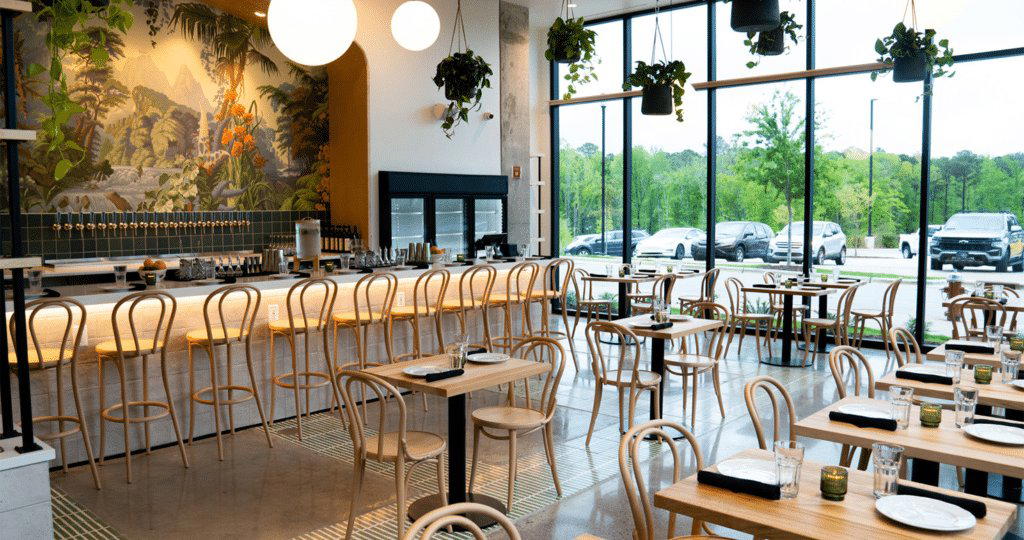
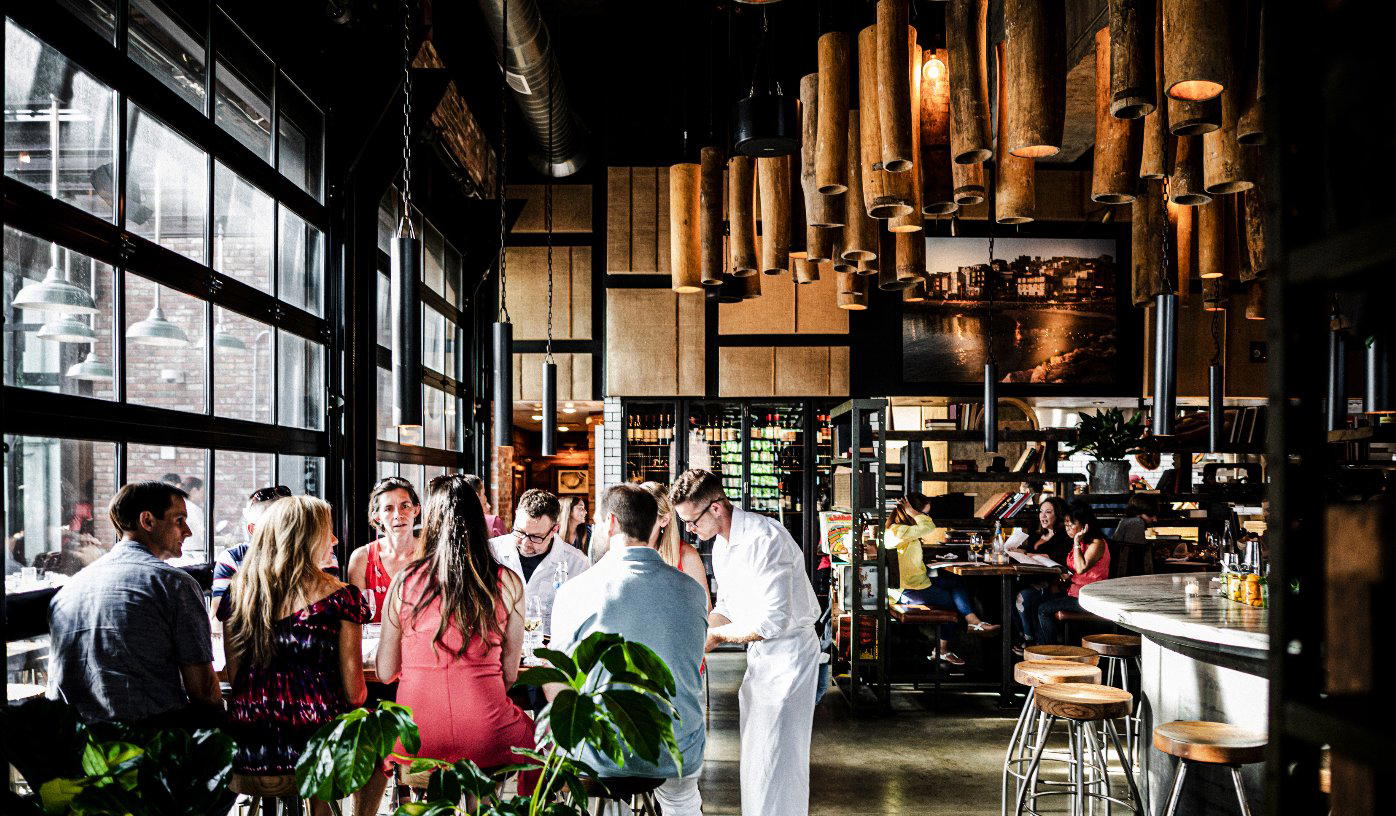
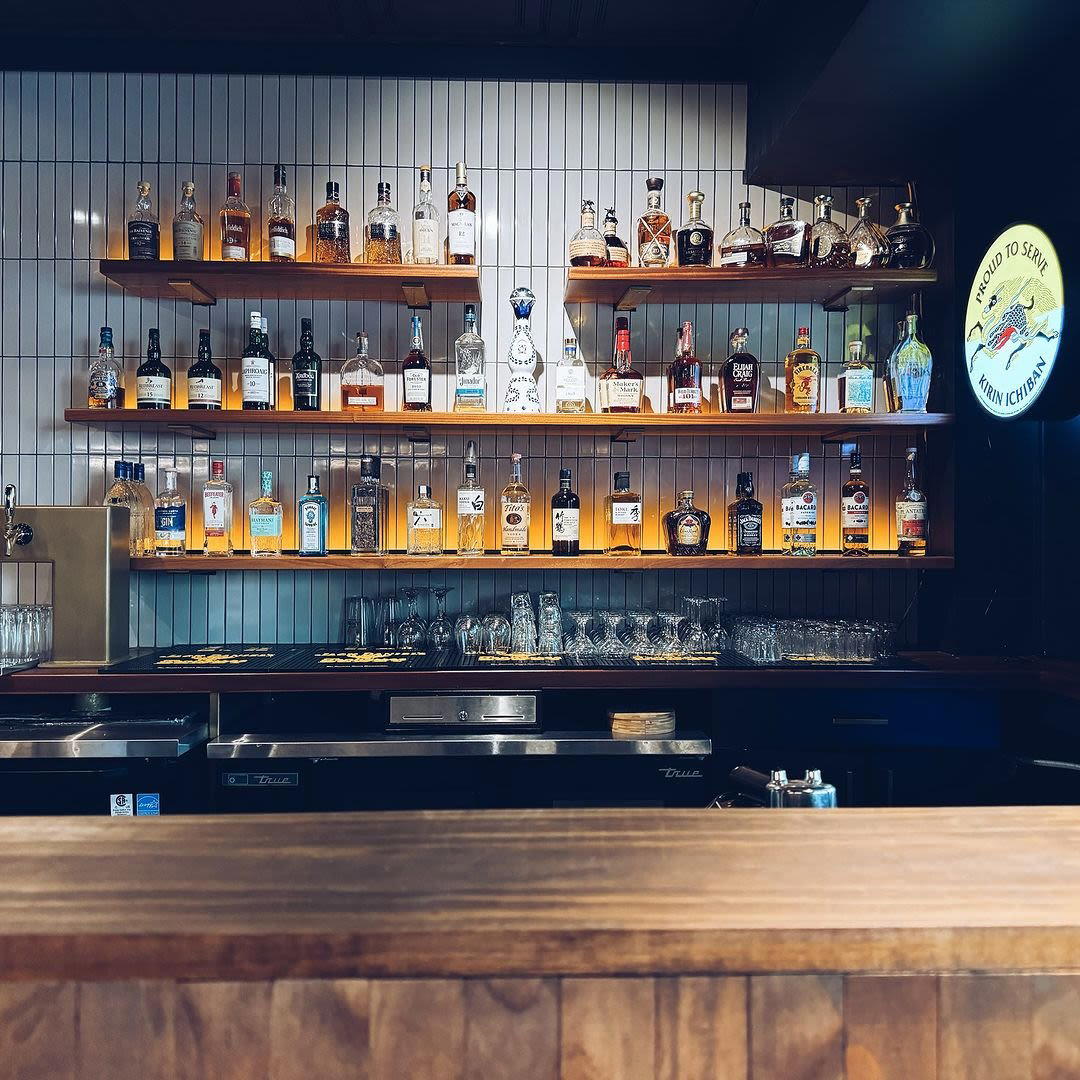
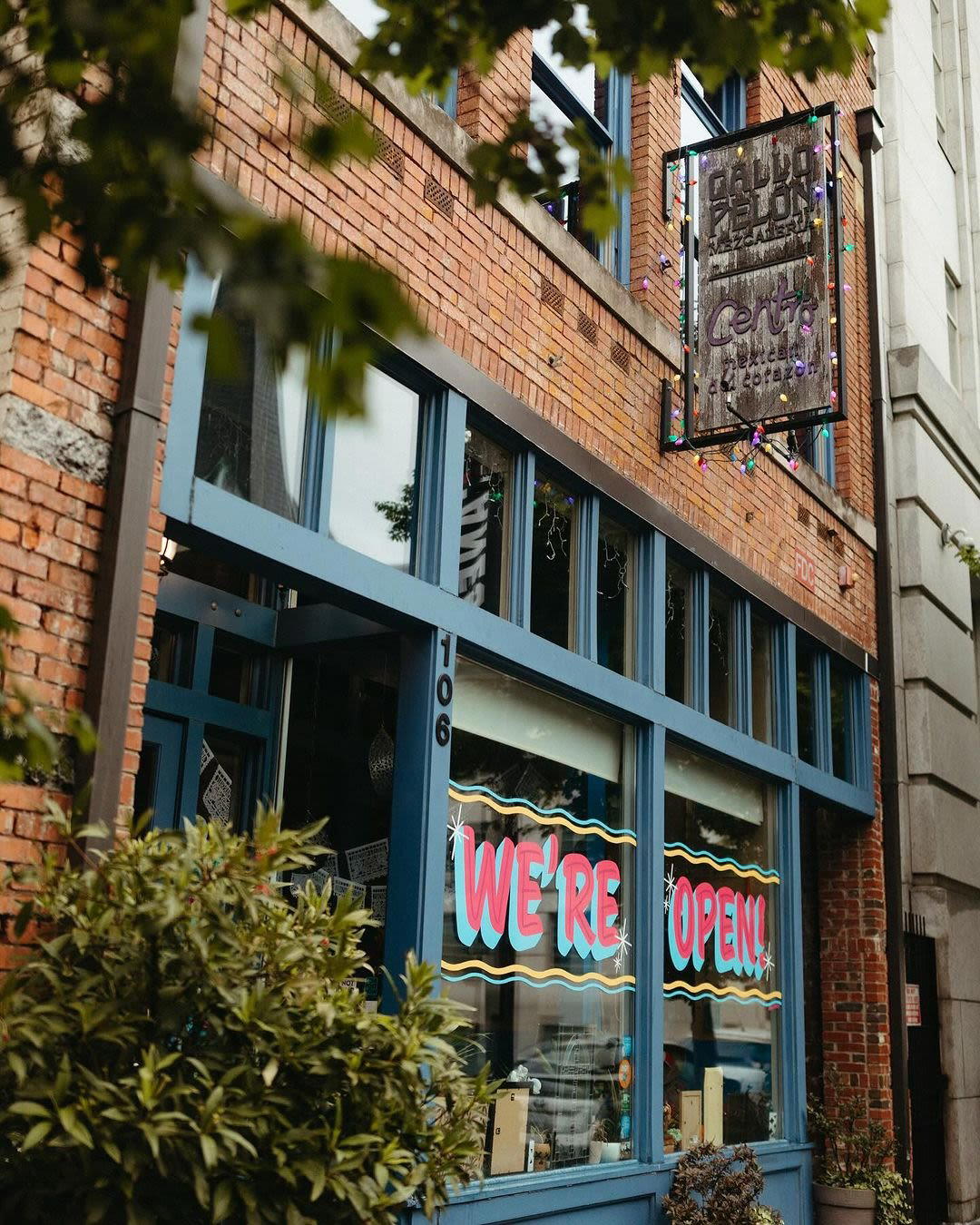
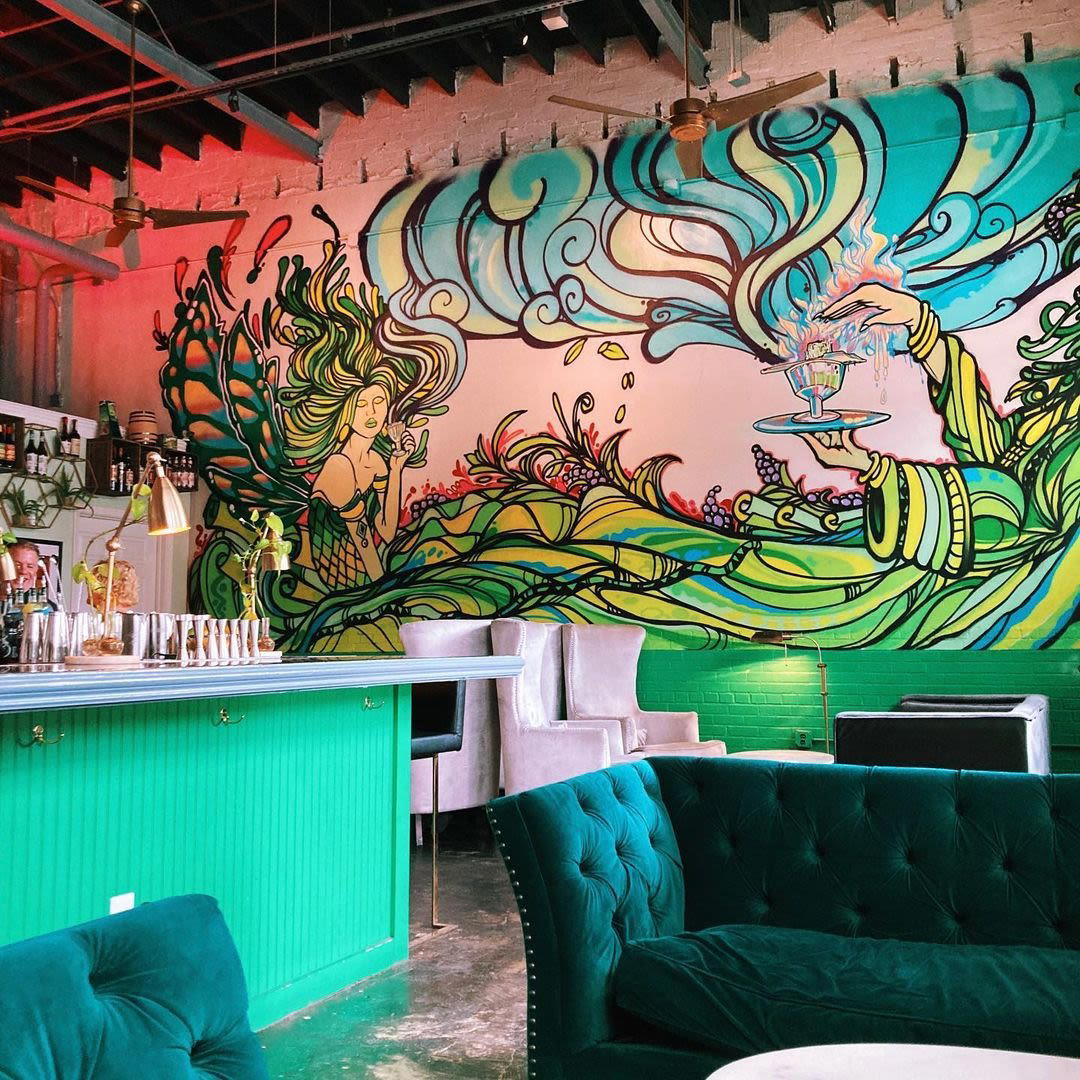
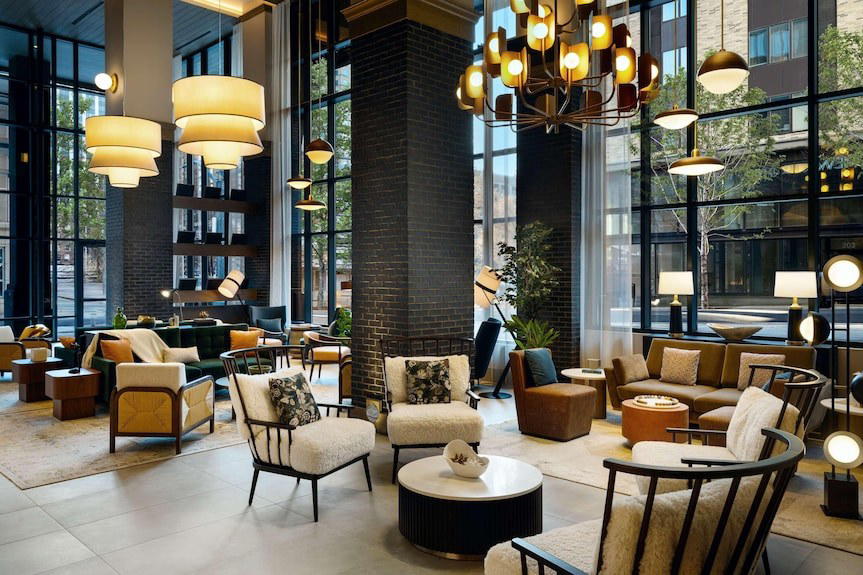
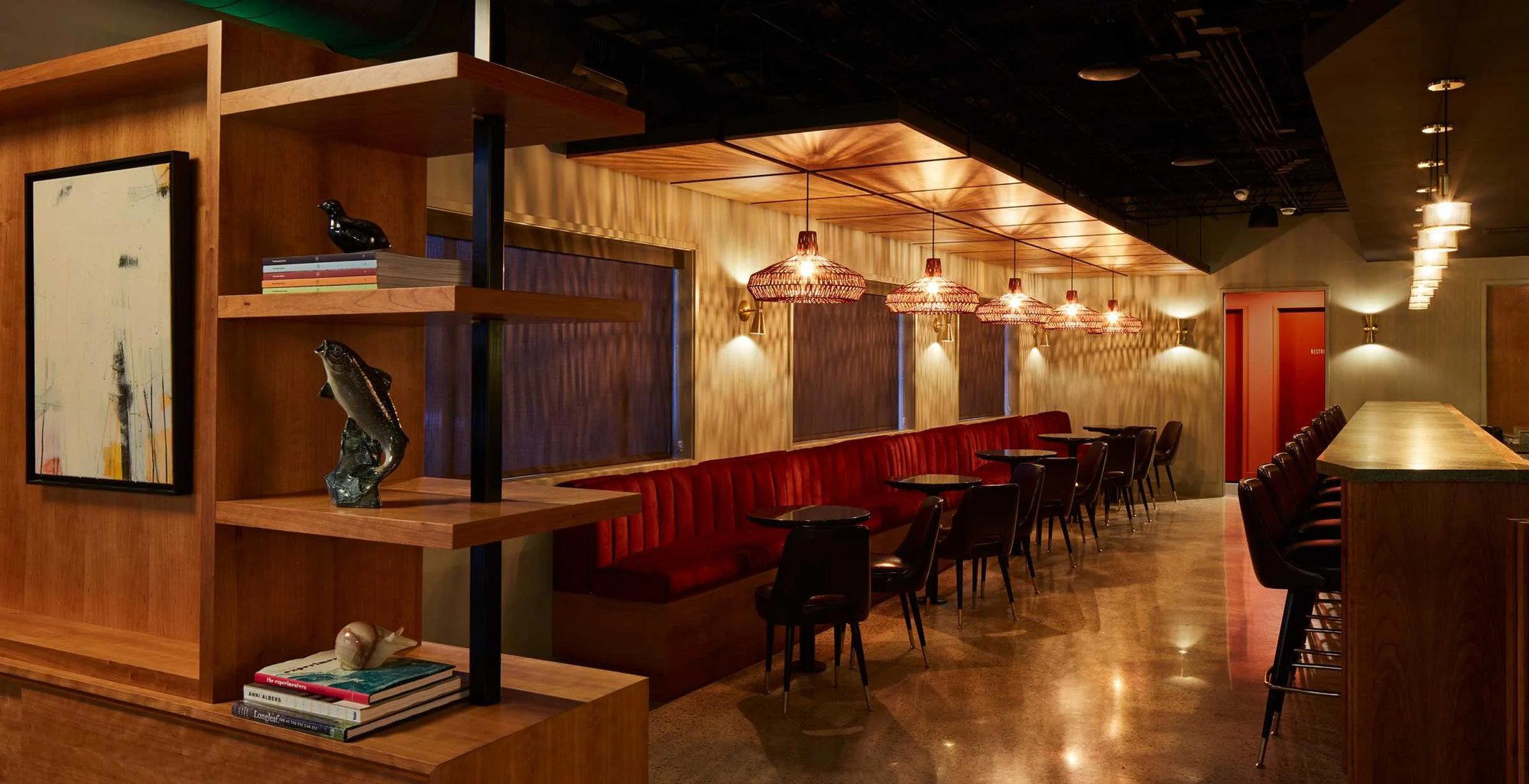
Trendy and inviting with a beautiful patio in City Plaza, featuring a lively 20-tap craft beer wall and modern gastropub aesthetic.