

BiBo Madrid brings the Andalucian-rooted, globally inflected cooking of Marbella chef Dani García to the Salamanca district, inside a theatrical space designed by Lázaro Rosa-Violán and lit by some 7,000 bulbs. The format is sharing-focused and informal, with a Michelin Plate in 2024 and 2025 signalling consistent kitchen standards. On Paseo de la Castellana, it sits in a different price tier from Madrid's multi-starred rooms but holds its own as a serious casual option in a demanding neighbourhood.
Pearl is the En Primeur Club membership app — saves, bookings, and concierge access live there. Same editors, same standards.
- Address
- P.º de la Castellana, 52, Salamanca, 28046 Madrid, Spain
- Phone
- +34 918 05 25 56
- Website
- grupodanigarcia.com
- Directions
- Get directions
 Saves & bookings on Pearl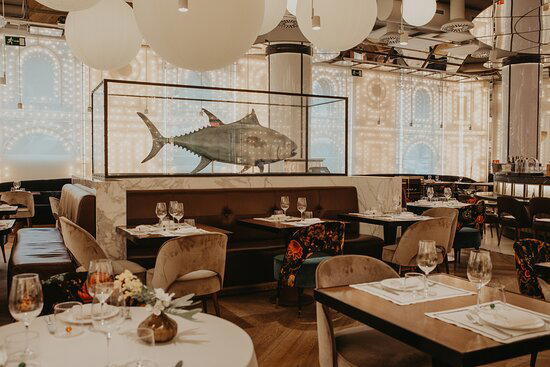
Seven Thousand Bulbs on the Castellana
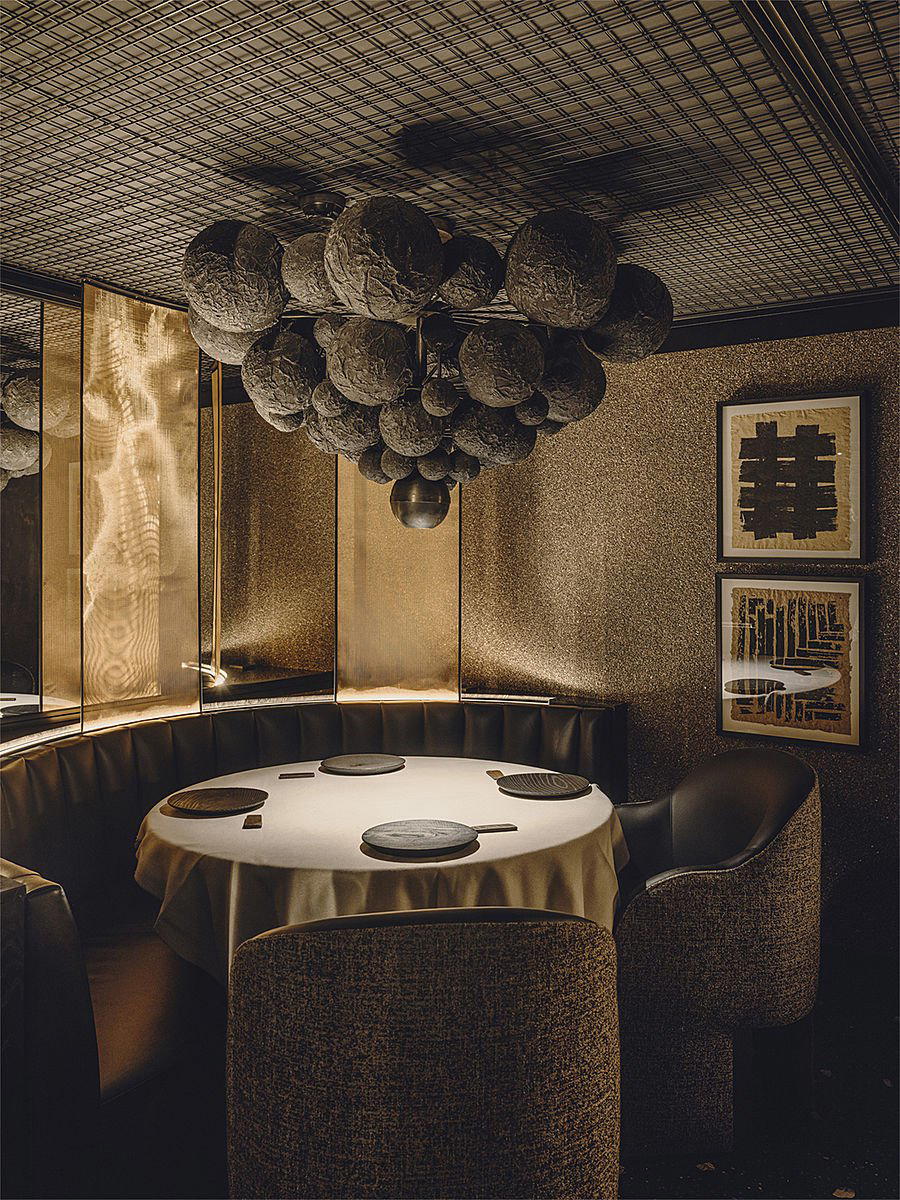
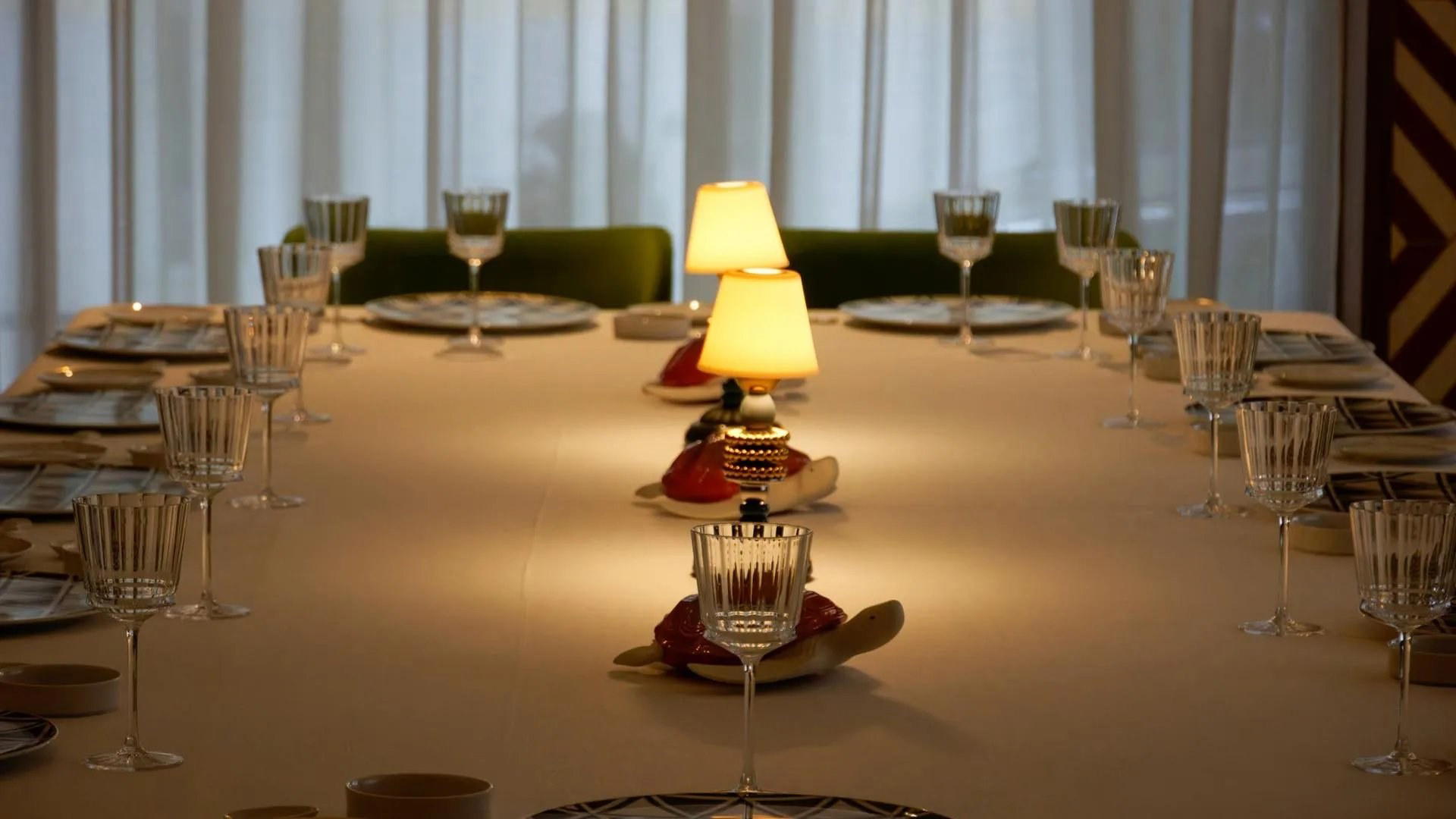
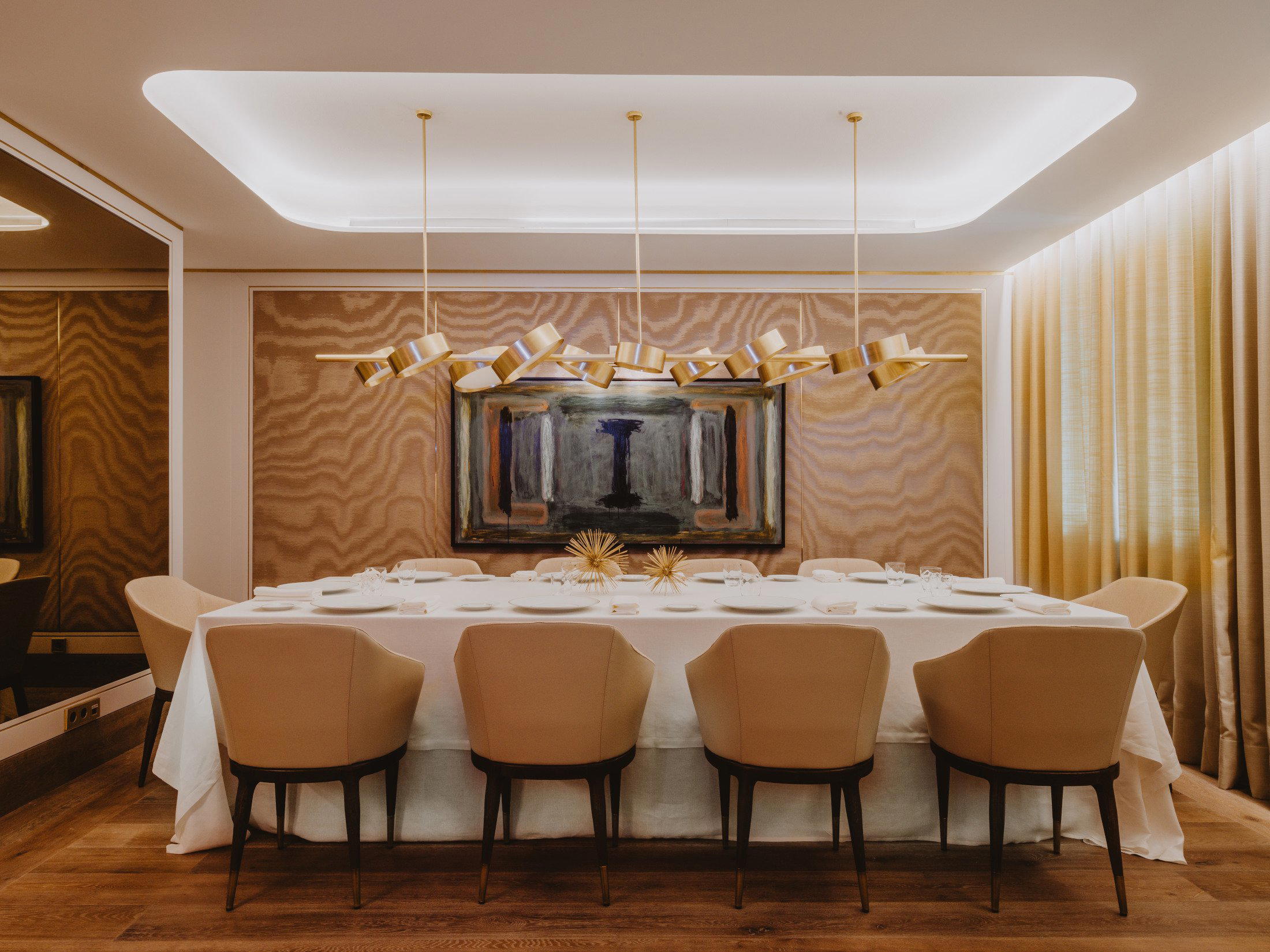
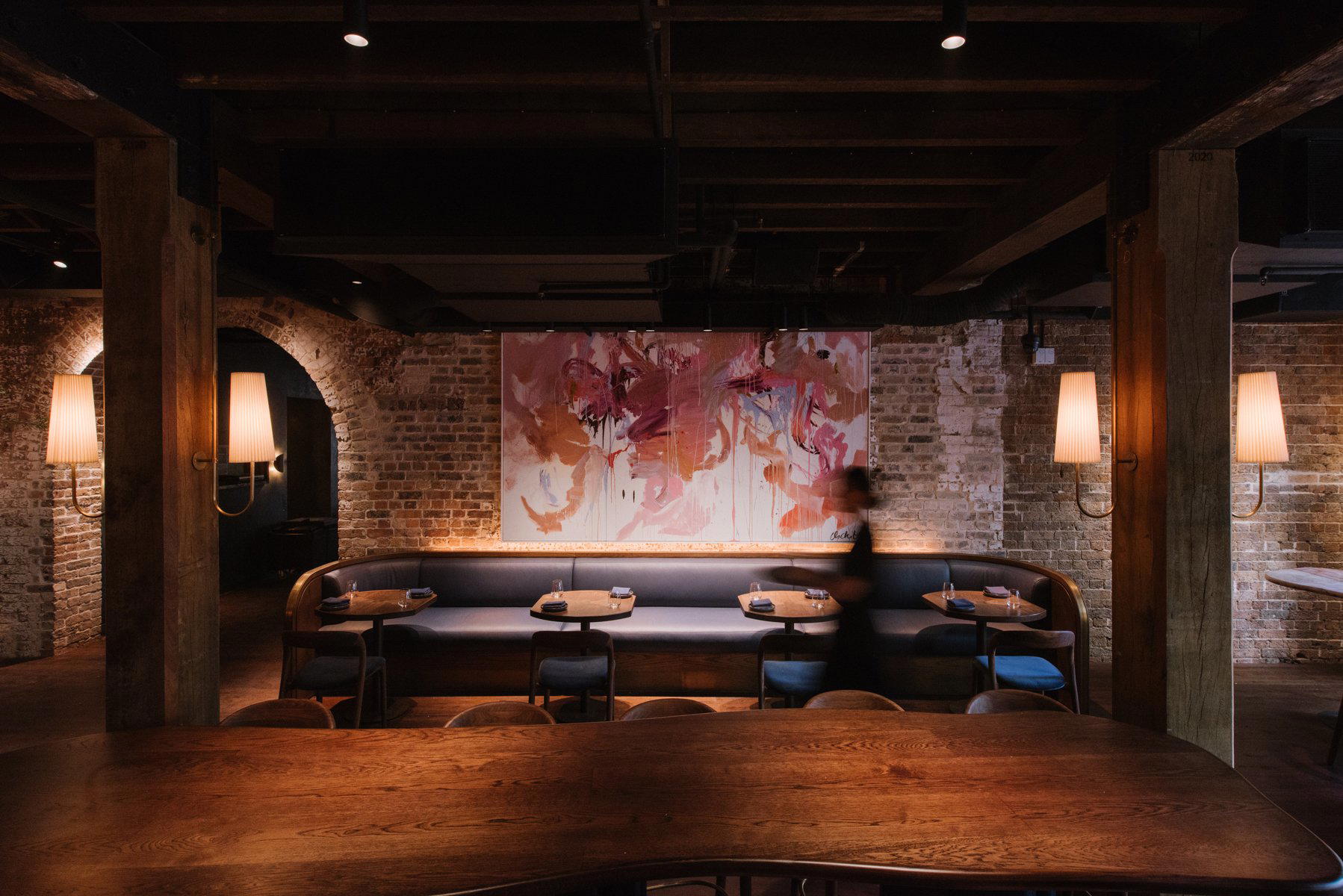
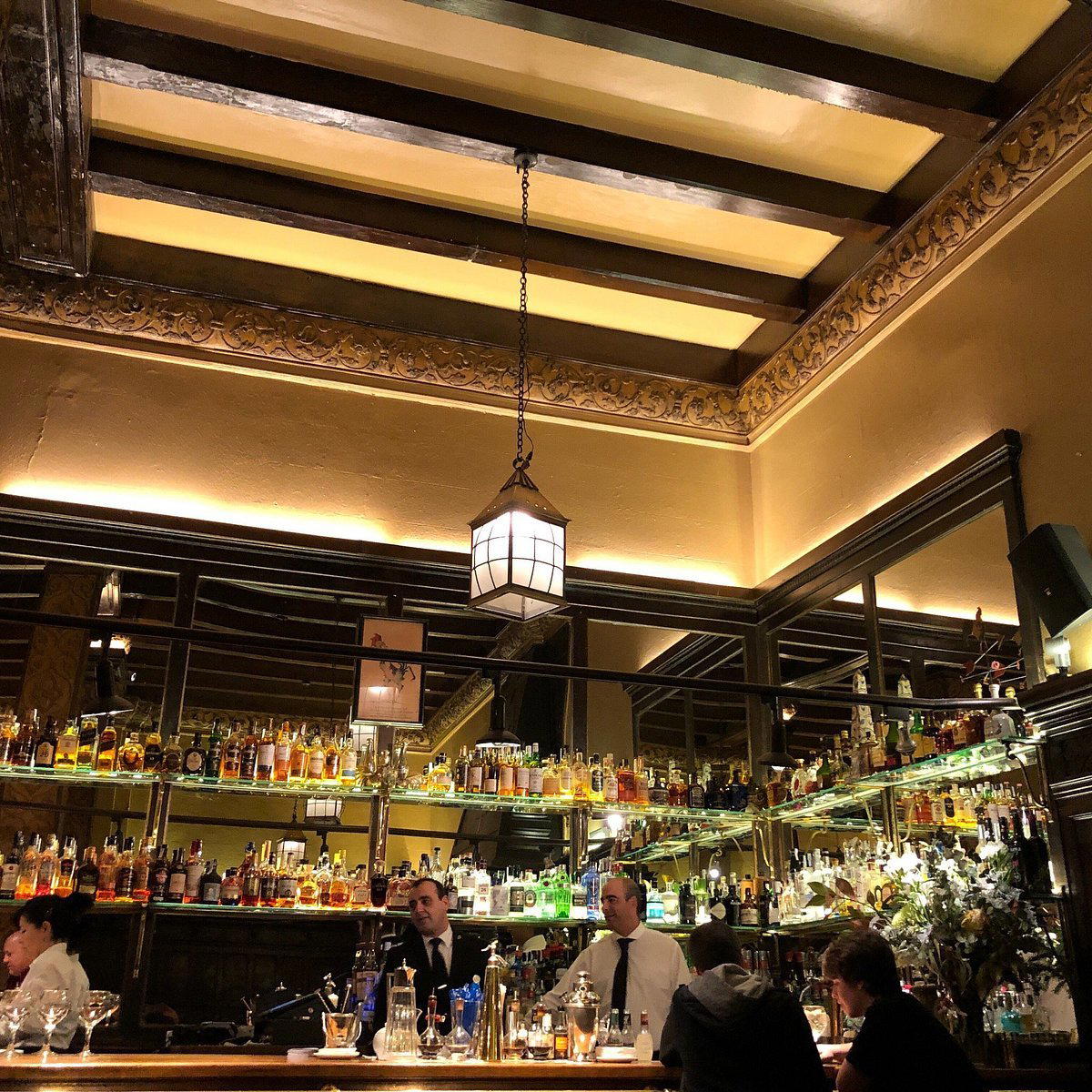
Along Paseo de la Castellana, where Madrid's business and cultural identity compress into a single boulevard, the dining options tend to announce themselves quietly. BiBo Madrid does the opposite. The interior, designed by Lázaro Rosa-Violán, deploys around 7,000 light bulbs suspended overhead alongside an aerostatic globe, drawing a direct visual reference to the illuminated spectacle of the Málaga fair. Approaching the room, the effect is carnival-adjacent without tipping into kitsch, a difficult balance in a city that rewards restraint in most of its serious restaurants.
That contrast between theatrical setting and substantive cooking is precisely where BiBo positions itself in Madrid's mid-tier modern-cuisine bracket. The room is built for a certain kind of evening: sociable, informal, designed around shared plates rather than the ceremony of a tasting menu. In a city where the distance between a casual neighbourhood restaurant and a multi-starred room can feel abrupt, BiBo occupies a deliberate middle register.
Where It Sits in Madrid's Restaurant Hierarchy
Madrid's upper end is anchored by rooms operating at €€€€ price points with significant tasting-menu commitments. DiverXO holds three Michelin stars in the progressive-Asian creative tier; Coque, Deessa, Paco Roncero, and Smoked Room each hold two, all pricing into the same bracket. BiBo operates at €€, which in the Salamanca district represents a considered value position rather than a compromise. The Michelin Plate recognition in 2024 and 2025 confirms kitchen consistency without implying the restaurant is trying to compete on the starred circuit. It is not. The format actively resists that comparison.
For a broader picture of where BiBo fits among Madrid's dining options, the full Madrid restaurants guide maps the city across price tiers and cuisine types. Other Salamanca-adjacent options worth considering include Alabaster, which takes a more traditional Spanish approach, and Clos Madrid, which operates in a similar modern-cuisine register.
The Cooking: Andalucia as a Starting Point
The menu at BiBo traces its lineage to Dani García, the Marbella chef whose Andalucian roots shape the sourcing and flavour references even when the dishes lean cosmopolitan. The kitchen's approach is not strictly regional, it draws from a wider set of influences, but the Andalucian thread surfaces in specific choices: almadraba-caught tuna tartare, which references one of Spain's most celebrated tuna-fishing traditions off the Cádiz coast, and fried hake prepared in a style consistent with southern Spanish coastal cooking.
Elsewhere on the menu, the influences widen. Foie gras and goat's cheese millefeuille reads as Franco-Spanish, while 100% acorn-fed Iberian pork pluma grounds the plate in the premium end of Spanish charcuterie and meat tradition. The à la carte includes a dedicated section of García's signature dishes, which functions as an anchor for repeat visitors and a useful orientation point for first-timers less familiar with the broader BiBo restaurant group. The format across all dishes is designed for sharing, which shapes how you should approach ordering: expect to work through several plates across a table rather than building a conventional three-course structure.
García's standing in Spanish gastronomy is well-documented, his Marbella flagship accumulated serious recognition before he shifted toward a more accessible multi-format model, which gives BiBo a credible kitchen pedigree without requiring it to operate at fine-dining register. For context on how Spanish chefs have developed similar internationally inflected, sharing-focused formats, see Cocina Hermanos Torres in Barcelona and El Celler de Can Roca in Girona, both of which demonstrate how Michelin-credentialled Spanish chefs have built flagship-adjacent projects that carry the parent kitchen's standards into different formats.
Planning Your Visit: What to Know Before You Book
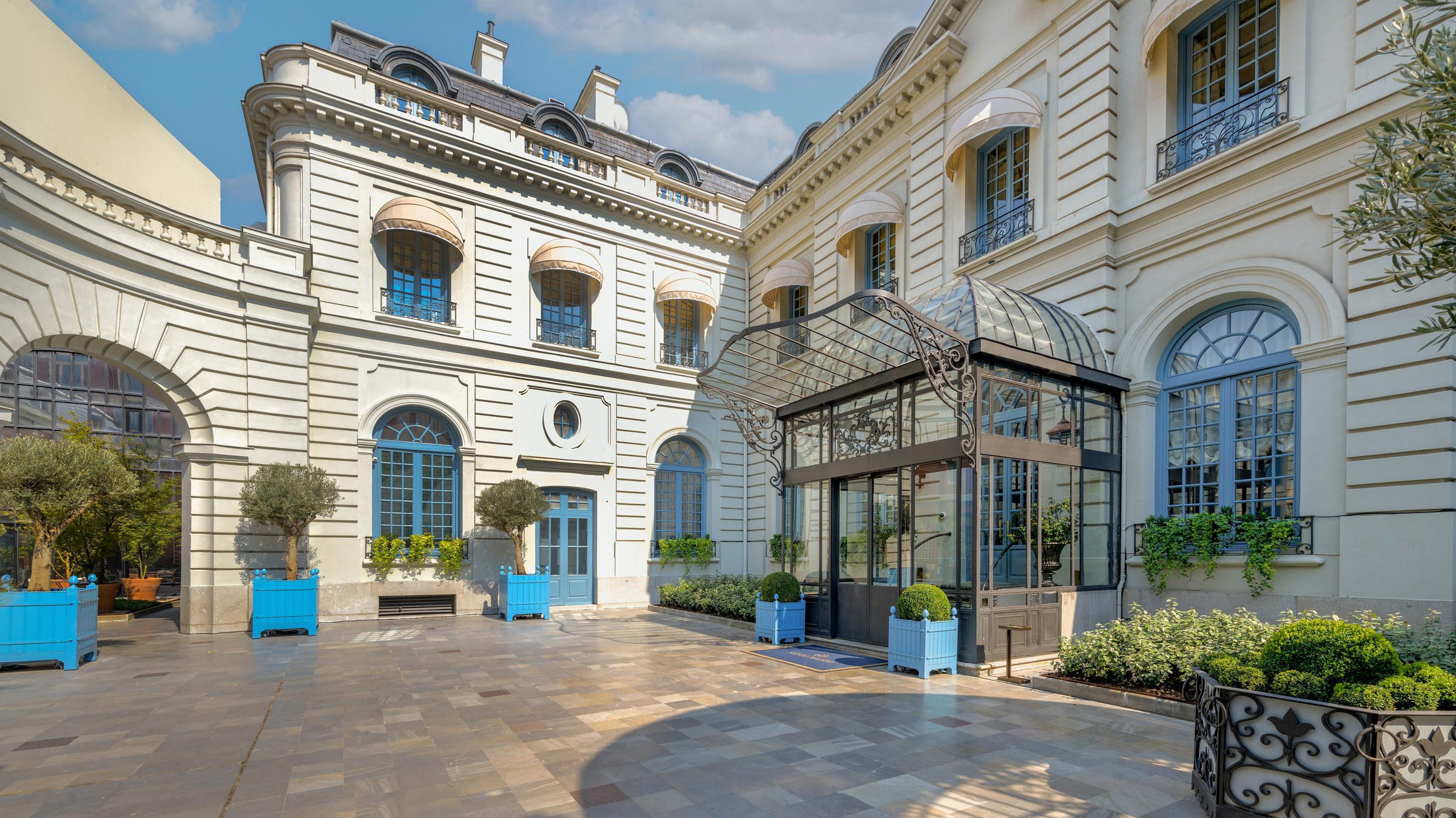
BiBo Madrid sits at Paseo de la Castellana 52, in the Salamanca district, which places it within direct reach of the neighbourhood's hotels and within walking distance of the Rubén Darío and Gregorio Marañón metro stations. The address is one of Madrid's more recognisable stretches, which means the restaurant benefits from consistent foot traffic but also operates inside a competitive dining corridor where expectations run high.
The price point makes BiBo one of the more accessible options on the Castellana for a full dinner rather than a quick lunch, and the sharing format means the final bill depends significantly on how the table orders. Groups willing to cover the menu broadly will spend differently from couples ordering selectively. That flexibility is part of the format's appeal compared to fixed tasting-menu rooms, where the price is non-negotiable.
The Salamanca neighbourhood draws a mixed crowd of Madrid residents and hotel guests, and the room's visual drama means it attracts visitors who have been recommended the space specifically for its design. Arriving without a reservation on a busy night is a reasonable risk only on quieter mid-week slots.
Diners planning a broader Madrid trip should note that the city's bar and hotel offering around Castellana is dense. The full Madrid hotels guide, full Madrid bars guide, and full Madrid experiences guide cover the district and surrounding neighbourhoods in detail.
BiBo in the Wider Context of Modern Spanish Cooking
The direction BiBo represents, Andalucian roots, global register, accessible price point, informal sharing format, reflects a broader shift in how Spain's recognised chefs have chosen to extend their reach. The generation that built reputations through technically demanding tasting menus has, in several cases, developed parallel projects that carry culinary ambition into formats with lower barriers to entry. García's BiBo group is one of the clearest examples of this pattern.
Elsewhere in Spain, the multi-starred tier remains concentrated in the Basque Country and Catalonia. Arzak in San Sebastián, Azurmendi in Larrabetzu, and Martin Berasategui in Lasarte-Oria each anchor that upper tier, as does Aponiente in El Puerto de Santa María, which demonstrates that serious Michelin recognition is achievable from an Andalucian base. BiBo Madrid does not position itself in that company, the format makes no claim to it, but García's association with that broader ecosystem of Spanish gastronomic credibility is relevant context for understanding what the kitchen is working from.
Within Madrid itself, restaurants like Chispa Bistró, La Tasquería, and Gaytán each demonstrate how the city's mid-tier modern-cuisine segment has developed its own distinct vocabulary. BiBo's Andalucian-cosmopolitan register is one thread in that wider conversation. For comparison from outside Spain, Frantzén in Stockholm and FZN by Björn Frantzén in Dubai show how comparable chef-led multi-format expansion plays out in other markets and at different price registers. The full Madrid wineries guide is also worth consulting for those building a longer itinerary around Spanish wine and food.
What to Eat at BiBo Madrid
The menu's Andalucian-rooted dishes are one coherent place to start. The almadraba-caught tuna tartare references a centuries-old trap-fishing method practised off the Cádiz coast each spring, making it one of the more culturally specific items on the menu. The acorn-fed Iberian pork pluma is cut from the shoulder end of the loin and is among the more prized cuts in Spanish pork butchery, which gives it a different texture and fat content from more common Iberian preparations. For the table's first order, the sharing format rewards a spread across two or three plates from the main section alongside one signature dish, which provides a useful reference point for García's broader culinary direction without committing the entire meal to a single register.
Compact Comparison
Comparable venues nearby, for context on price, style, and recognition.
| Venue | Cuisine | Price | Notes |
|---|---|---|---|
| BiBo MadridThis venue — the venue you are viewing | Castellana, Modern Andalusian Tapas | $$$$ | Not listed |
| Adaly | Not listed | $$$$ | Castellana, Modern Spanish with Contemporary Technique |
| Fonda de la Confianza | Nueva Espana, Traditional Spanish | $$$ | Not listed |
| Treze | Goya, Modern Spanish Market Cuisine | $$$ | Not listed |
| La Maruca - Velázquez | Not listed | $$$ | Recoletos, Modern Cantabrian Spanish Tapas |
| Bascoat | Hispanoamerica, Modern Basque | $$$$ | Not listed |
Recognition history
Dated appearances from independent guides and award organizations, with the underlying list record or original source where available.
Macarfi 7.2 Food Rating
Macarfi
Michelin Plate
Michelin
Michelin Plate
Michelin
Michelin Plate
Michelin


At a Glance
- Trendy
- Elegant
- Modern
- Lively
- Sophisticated
- Date Night
- Group Dining
- Special Occasion
- Open Kitchen
- Extensive Wine List
- Craft Cocktails
- Local Sourcing
Current opening hours
- Monday
- 1–4 PM
- Tuesday
- 1–4 PM
- Wednesday
- 1 PM–1 AM
- Thursday
- 1–4 PM
- Friday
- 1 PM–1 AM
- Saturday
- 11 AM–1 AM
- Sunday
- 11 AM–1 AM
Hours can change for holidays and private events. Last verified .
Stylish and upscale with bubbly atmosphere, lovely decor, and open kitchen views.