Al Kasbah
Our verdict
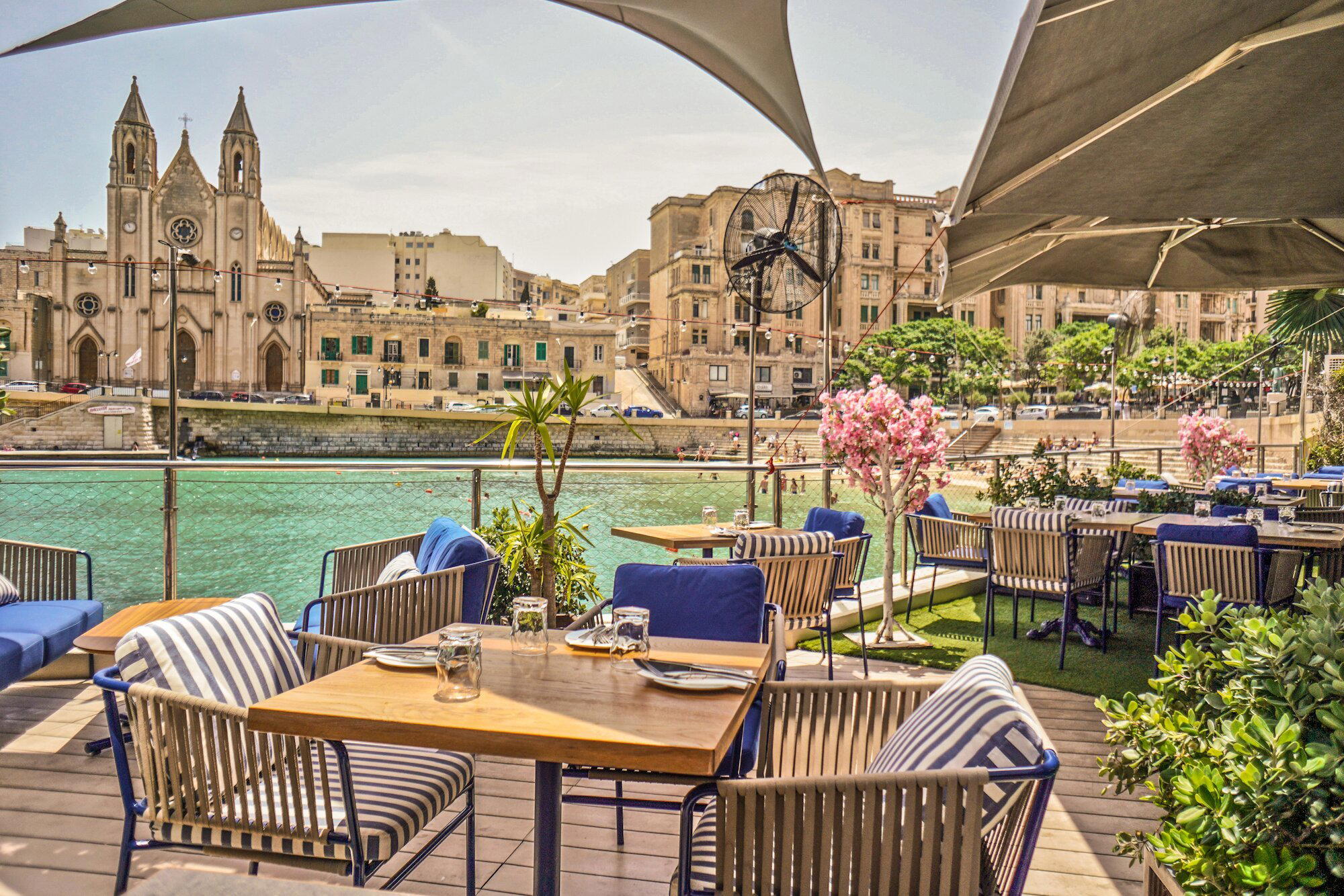
Lebanese cooking in St Julian's occupies a specific niche, and Al Kasbah is where the city directs that appetite. The kitchen anchors its identity in the mezze tradition, dips, flatbreads, and charcoal-fired plates that map closely to Beirut's neighbourhood restaurants rather than the westernised versions that dominate European capitals. For visitors working through Malta's dining options, it reads as the area's clearest Lebanese address.

Pearl is the En Primeur Club membership app, where members save venues, book tables and use the concierge.
The menu
What to order
- Cous cous
Where the Mezze Tradition Lands in St Julian's
Lebanese restaurants in European resort cities tend to drift toward approximation: hummus loosened with too much water, baba ganoush stripped of its char, fattoush dressed in generic vinaigrette. The leading Lebanese kitchens resist that drift by treating the mezze spread not as a preamble but as the meal's structural centre of gravity. Al Kasbah, operating in St Julian's on the Maltese coast, occupies that more serious position within the local dining scene. In a neighbourhood where the restaurant offer runs heavily toward Mediterranean grills, Italian plates, and contemporary tasting menus, a kitchen committed to the discipline of Lebanese mezze fills a specific and underserved slot.
St Julian's dining has broadened considerably over the past decade. The area now fields venues across a wide range of price tiers and cooking traditions, from ION Harbour by Simon Rogan in Valletta at the premium end of contemporary cooking, to mid-tier creative addresses like Rosamì in St Julian's, to neighbourhood-level options covering Mediterranean staples. Lebanese sits outside those dominant currents, which is precisely what gives Al Kasbah its coherence as a choice. You are not choosing between three versions of the same thing; you are choosing a tradition with its own logic and its own pleasures. For a fuller map of what the area offers, our full St Julian's restaurants guide covers the range.
The Logic of the Mezze Table
The mezze spread functions differently from a Western starter course. It is not a warm-up act. In Lebanese dining culture, the table fills incrementally, cold dips first, then warm plates, then grilled proteins, and the pacing is social rather than sequential. A proper hummus is made to order or turned over quickly enough that the chickpea base retains body; a good baba ganoush carries the smoke of flame-roasted aubergine rather than the flat, almost sweet taste of oven-cooked versions. Fattoush, the salad built on toasted flatbread shards and sumac-spiked dressing, is time-sensitive: the bread should still carry some crunch when it reaches the table. These are the benchmarks against which a Lebanese kitchen measures itself, and they are harder to hit consistently than they appear.
What distinguishes the stronger mezze kitchens from the weaker ones in European settings is sourcing discipline and production speed. Ingredients like pomegranate molasses, dried mint, sumac, and good-quality tahini are not interchangeable with approximations, and the dips that depend on them expose the difference immediately. Al Kasbah's position as St Julian's primary Lebanese address means it is carrying the tradition largely on its own in this postcode, without the competitive pressure that tends to sharpen quality in cities where Lebanese restaurants cluster. That context matters when setting expectations.
For comparison across a wider geography, Al Mandaloun in Dubai and Almayass in Abu Dhabi both operate Lebanese kitchens in Gulf cities where Lebanese dining is a major category with dense internal competition. Measuring a St Julian's restaurant against those peer sets is not the right frame, but understanding where the tradition can reach at its most rigorous gives context for evaluating any version of it.
Al Kasbah in Its St Julian's Context
St Julian's is a coastal town that functions simultaneously as a residential neighbourhood, a hotel district, and a nightlife zone. The restaurant crowd is mixed: Maltese regulars, hotel guests, long-stay visitors, and tourists passing through from Valletta or Sliema. That mix produces demand for reliable, mid-register cooking rather than experimental tasting formats, which is the correct environment for a Lebanese restaurant anchored in the mezze tradition. The cuisine scales well for groups, handles dietary variety without much strain, and provides a meal structure that works across two hours or four.
Across the St Julian's dining scene, the dominant price tiers cluster at €€ for casual Mediterranean and Italian addresses, venues like Sessions covering all-day formats, and at €€€€ for the ambitious contemporary end. Lebanese at Al Kasbah occupies the middle of that range in terms of likely spend, depending on how extensively the mezze selection is ordered. Sharing plates structures costs differently from à la carte mains, and a table ordering broadly across cold and warm mezze will spend more than one that treats the dips as incidental. That spending pattern is part of the cuisine's logic, not an anomaly.
The wider St Julian's and Malta dining network includes Aegean-inflected seafood at CYANA Aegean Cuisine, Mediterranean cooking at Commando in Mellieħa, and creative tables at Le GV in Sliema and Bahia in Balzan. Further afield, AYU in Gzira, Giuseppi's in Naxxar, Al Sale in Xagħra, and Grotto Tavern in Rabat fill out the Maltese mid-range with different regional emphases. None of them replicate the Lebanese mezze format, which is what makes Al Kasbah a distinct choice rather than a substitutable one.
For visitors building an itinerary around St Julian's, the hotels guide, bars guide, wineries guide, and experiences guide for the area provide the surrounding context for a full stay.
Planning Your Visit
Al Kasbah is leading approached as a table-sharing format: the mezze structure works with three or more diners ordering across multiple categories. A two-person visit can work equally well, but the breadth of the spread is harder to explore. Reservations during peak season in St Julian's, summer months when the harbour area and hotel strip fill quickly, are advisable. The Lebanese kitchen format is generally accommodating for vegetarian diners, given how many of the foundational mezze dishes are plant-based, but specific dietary confirmations should be made at the time of booking.
Frequently asked questions
Is Al Kasbah suitable for a group dinner in St Julian's?
Lebanese cuisine is built around the group format: the mezze table is designed to be ordered across multiple categories with dishes arriving continuously and shared among diners. Al Kasbah's Lebanese kitchen in St Julian's suits groups of three or more particularly well, where the spread can cover cold dips, hot starters, and grilled mains simultaneously. Pairs dining here will find the format works, though the full range of the menu reads better with more people at the table.
What should I eat at Al Kasbah?
Start with the cold mezze: hummus, baba ganoush, and fattoush establish the kitchen's baseline, and a Lebanese restaurant earns its credibility here before anything goes near heat. From there, grilled meats and hot mezze dishes extend the spread. The format rewards ordering broadly across categories rather than treating the meal as a linear sequence of courses.
Should I book Al Kasbah in advance?
St Julian's fills reliably on summer evenings and weekends year-round, driven by its dual role as a hotel district and a go-to dining zone for Valletta and Sliema residents. Lebanese restaurants in resort towns tend to attract both tourists and regulars simultaneously, which compresses availability faster than the table count suggests. Booking ahead for Friday and Saturday evenings is the safer approach.
What's the standout thing about Al Kasbah?
In a St Julian's dining scene built largely around Mediterranean, Italian, and contemporary formats, Lebanese cooking occupies its own category, and Al Kasbah holds that position in a town where the format is otherwise absent. The mezze structure itself is the differentiator: it's a communal, multi-dish model that functions differently from both the shared-plates trend and the conventional starter-main sequence.
Is Al Kasbah overpriced or worth every penny?
Lebanese mezze pricing is driven by volume ordered rather than a fixed per-head cover, which means the bill scales with the table's appetite. A conservative order of two or three dips and a shared grill will land at the lower end; a full spread across cold mezze, hot mezze, and mains pushes the total higher but feeds more people proportionally. In St Julian's, where Italian and Mediterranean restaurants often charge premium rates for the postcode, Lebanese mezze generally offers stronger value per dish.
Side-by-Side Snapshot
Comparable venues nearby, for context on price, style, and recognition.
| Venue | Cuisine | Price | Awards | Notes |
|---|---|---|---|---|
| Al KasbahThis venue (the venue you are viewing) | North African | Not listed | Not listed | Not listed |
| Sessions | Tex-Mex | $20–30 | Not listed | St Julian's |
| Zest | Asian Fusion and Japanese-Peruvian Nikkei | Not listed | Michelin Plate | St Julian's |
| Sale e Pepe Tradizione Italiana | Authentic Sicilian Italian | $50–100 | Not listed | St. Julian's |
| CYANA Aegean Cuisine | Mediterranean Aegean Seafood | $30–50 | Not listed | St Julian |
| Caviar & Bull | Modern Mediterranean Fine Dining with Caviar & Beef | $50–100 | Michelin Plate | St Julian's |
Continue exploring
More in St Julian's
Restaurants in St Julian's
All restaurants in St Julian's →
Bars in St Julian's
All bars in St Julian's →
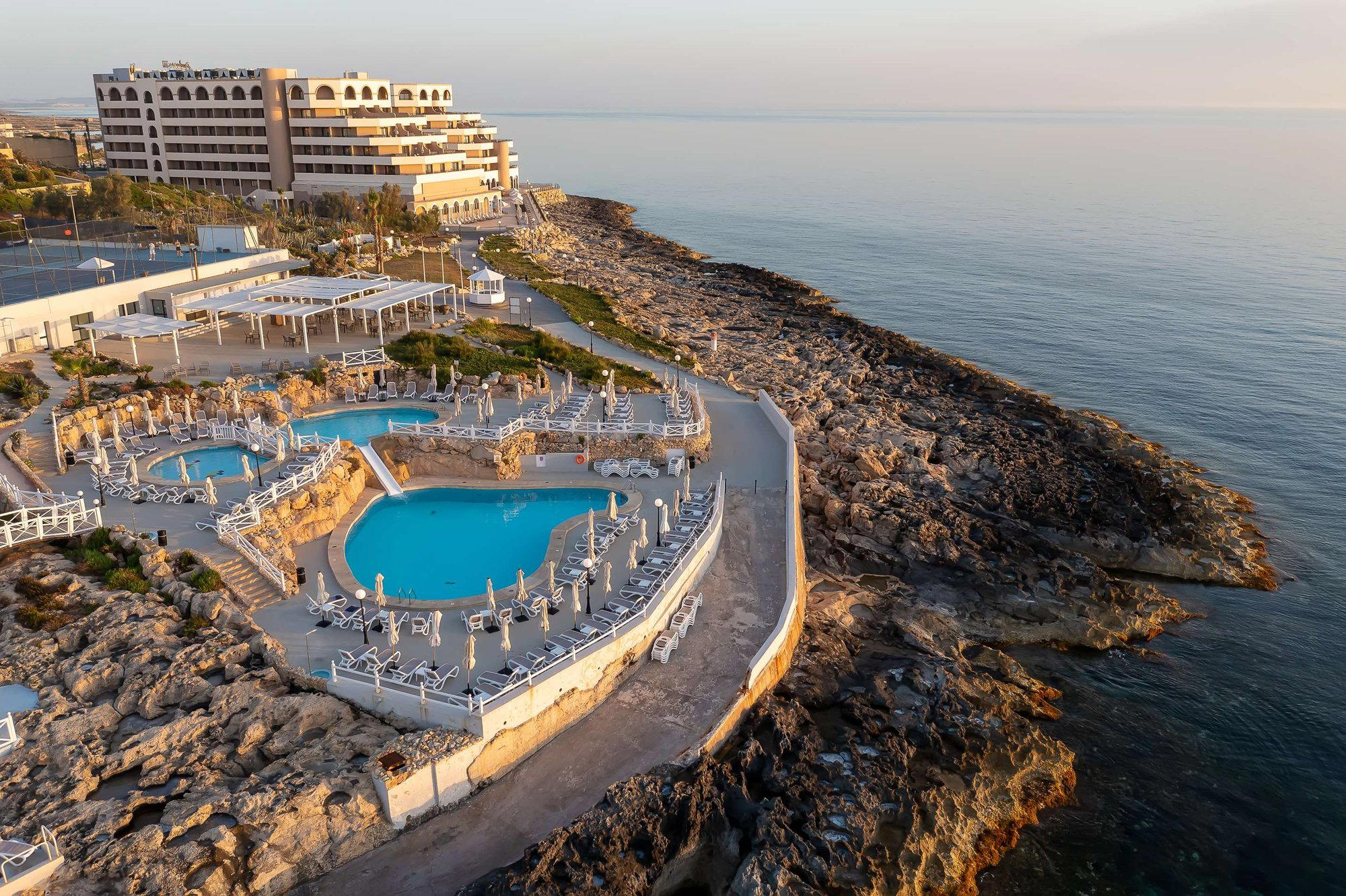
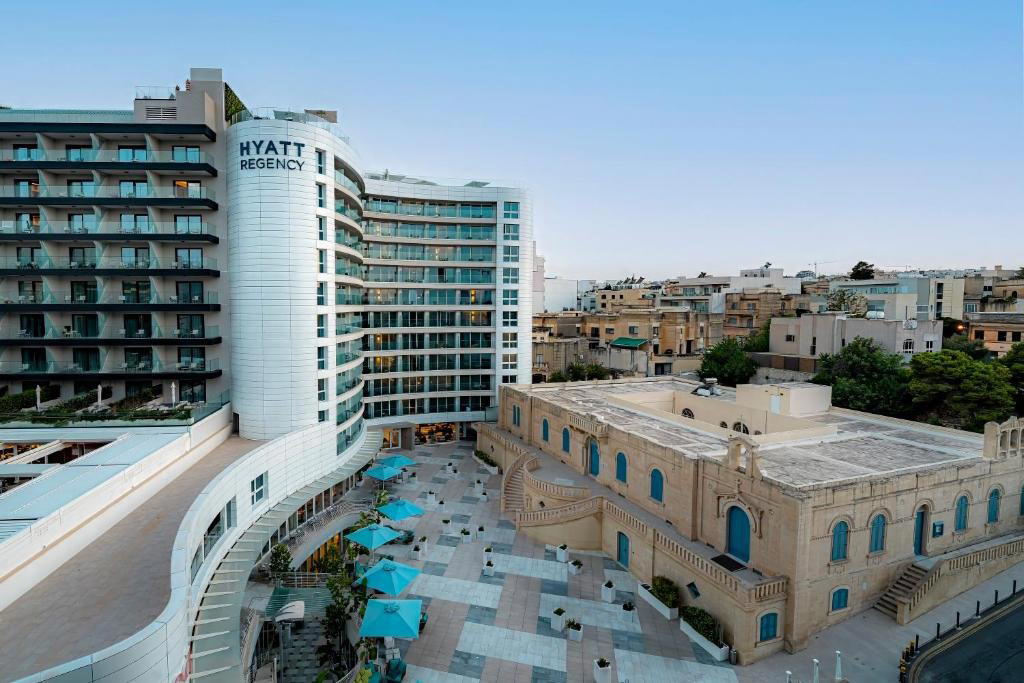
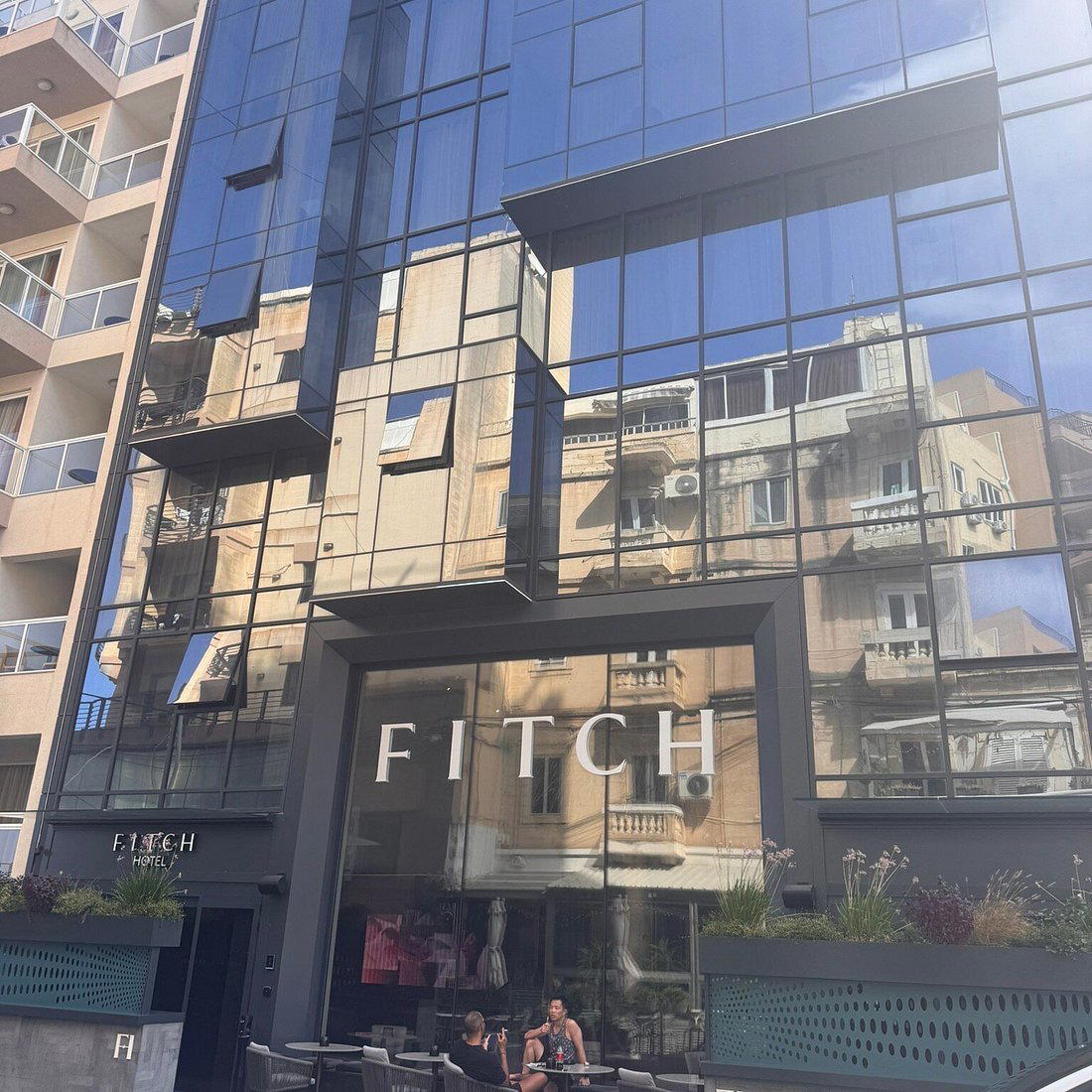
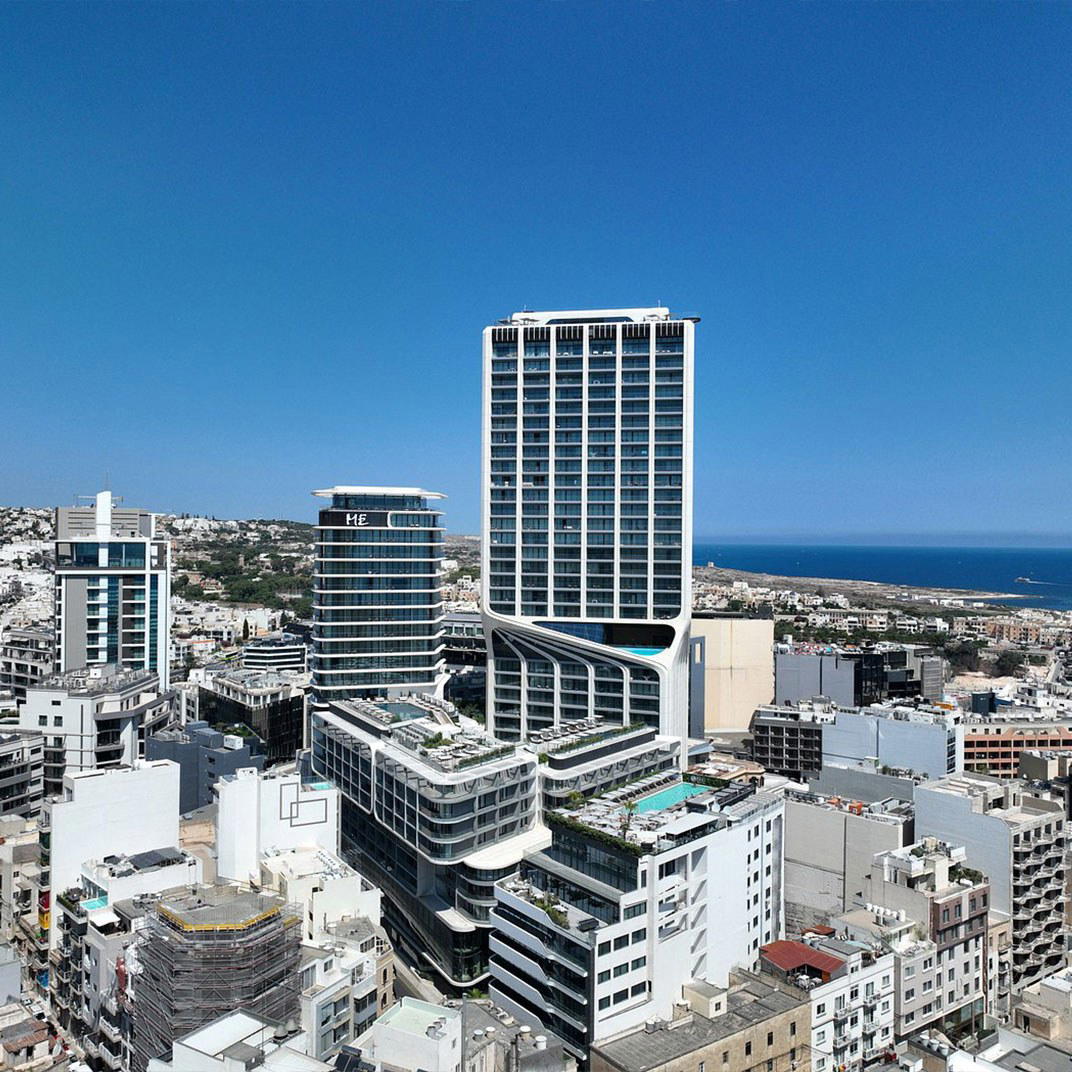
Hotels in St Julian's
All hotels in St Julian's →
Wineries in St Julian's
Browse all →
Details
- Casual Hangout
- Terrace
- A La Carte
Clean and friendly with nice outdoor seating options.