
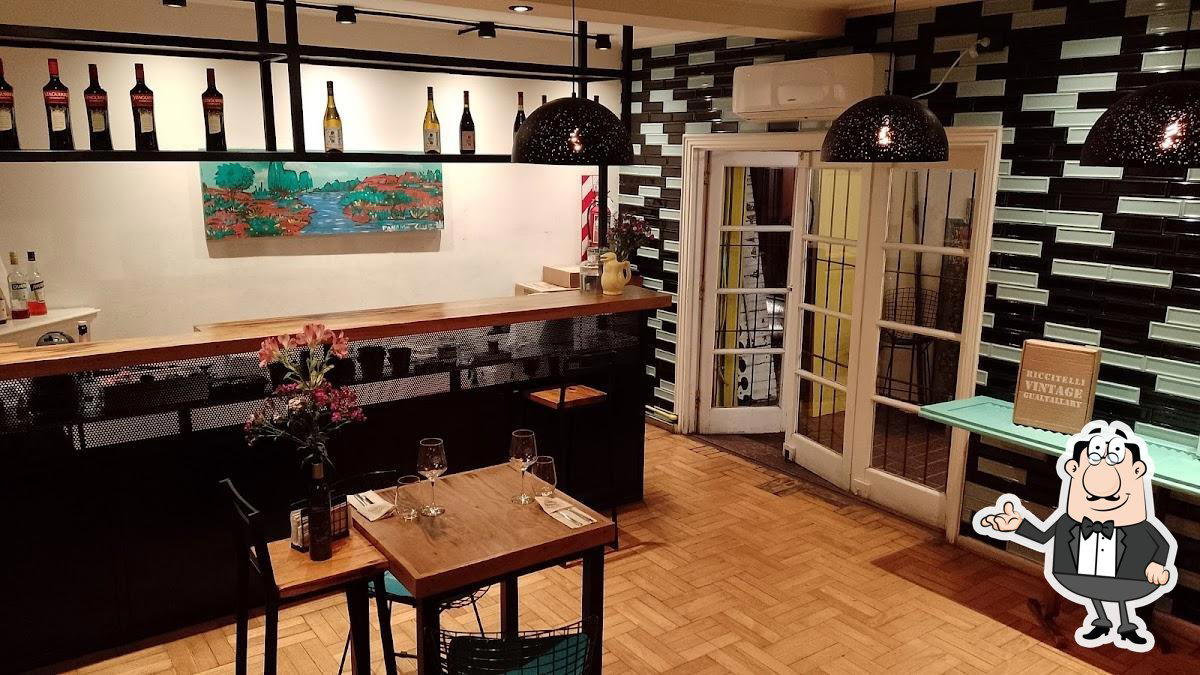
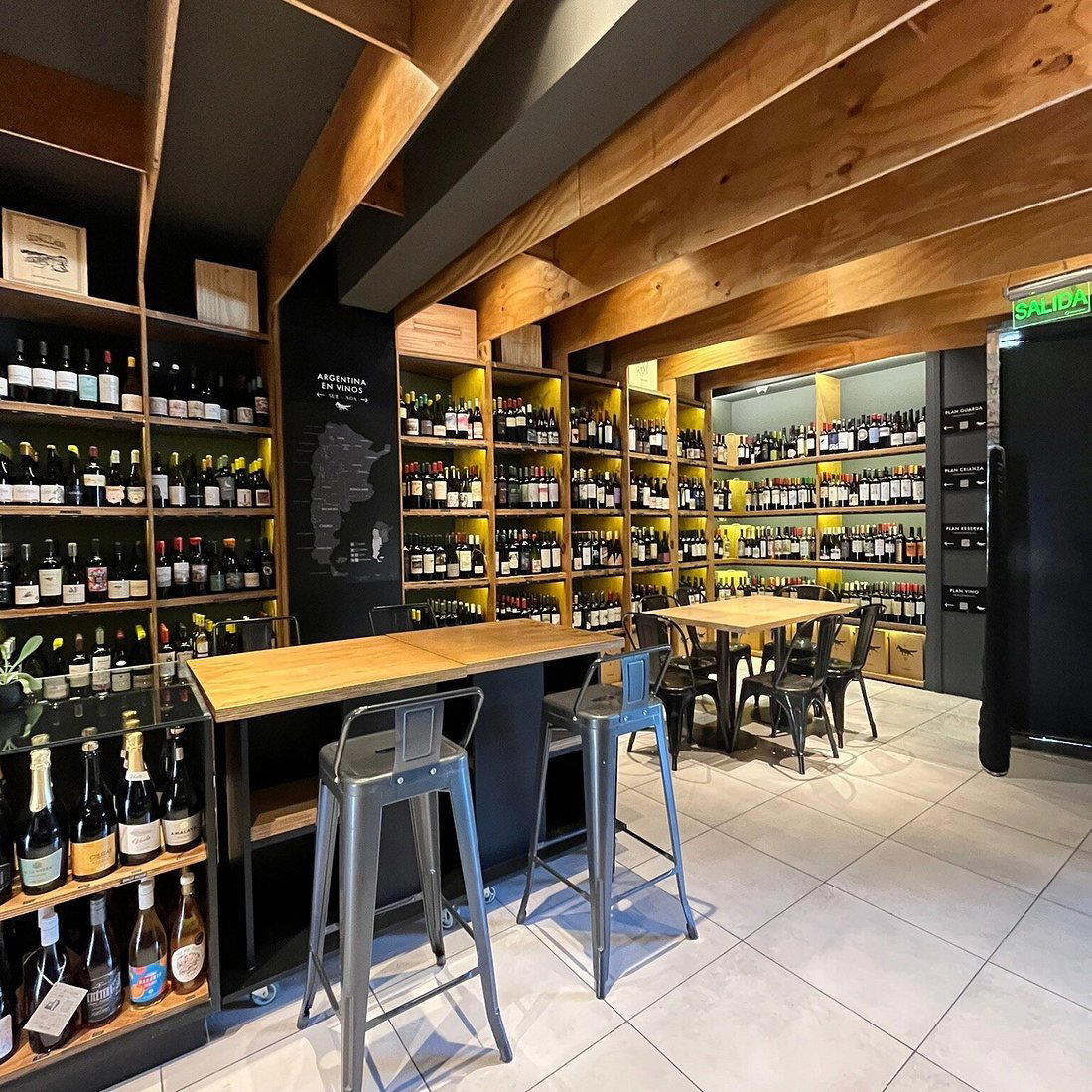
Bernardino Gourmeteria on Av. Perú is one of Mendoza's more focused addresses for natural wine and small-producer bottles, served in a laidback room that sits well outside the city's formal dining circuit. The selection skips the usual commercial labels in favour of growers who rarely appear on restaurant lists, making it a useful stop for anyone already deep in the region's wine scene.
- Address
- Av. Perú 989, M5500 CIUDAD, Mendoza, Argentina
- Phone
- +54 261 206-9751
- Website
- instagram.com
- Directions
- Get directions
A Different Frequency on Av. Perú
Mendoza's restaurant scene has long been organised around a familiar hierarchy: the polished tasting-menu rooms attached to wine estates in Luján de Cuyo and Valle de Uco, the ambitious modern kitchens in the city centre that compete on the same $$$$ tier as Azafrán and Casa Vigil, and then everything else. Bernardino Gourmeteria occupies a register that doesn't map cleanly onto any of those tiers. The address on Av. Perú reads like a neighbourhood spot, and the room carries that energy: low-key, unhurried, the kind of place where the wine conversation outlasts the food conversation without either feeling incidental.
That positioning is deliberate. In a city where most serious restaurants treat the wine list as a supporting document to a chef's cooking programme, Bernardino inverts the emphasis. The food earns its place, but the bottles are the reason the room fills. For a visiting drinker already familiar with Mendoza's commercial face — the Malbec-heavy lists at every estancia table d'hôte — this is a recalibration.
Small Producers, No Menu: How the Wine Programme Works
The natural wine movement arrived in Mendoza later than in Buenos Aires, and it remains a smaller cohort here than in the capital. Argentina's wine identity is still anchored in Luján de Cuyo and the high-altitude plots of the Valle de Uco, where estates like those behind Riccitelli Bistró have built reputations on measured intervention and terroir transparency. But the natural-wine tier, lower sulphur additions, minimal fining, producers working outside the certification mainstream, occupies a narrower, more specific niche.
Bernardino is one of the more reliable places in the city to find that niche represented in depth. There is no wine menu in the conventional sense. What you encounter instead is a rotating selection that reflects what the kitchen and floor staff are currently interested in, weighted toward small producers who don't distribute widely and who rarely appear on the lists at the city's higher-profile rooms. That format requires a degree of trust in whoever is pouring: the absence of a printed list shifts the interaction from selection to conversation, and the room is built around that dynamic.
The contrast with Mendoza's more formal wine-focused restaurants is instructive. Angélica Cocina Maestra and Brindillas both operate serious wine programmes, but they're structured around a different logic, curated lists, regional breadth, pairing discipline. Bernardino is more interested in the producers themselves than in the architecture of a pairing menu, which gives the experience a looser, more exploratory quality.
The Sourcing Argument: Why Small Producers Matter Here
Mendoza produces roughly 70 percent of Argentina's wine output, which means the distance between mass-market production and small-grower viticulture is sometimes measured in kilometres rather than philosophies. A producer working 3,000 metres above sea level in the Uco Valley with two hectares of Torrontés is operating in a completely different register from the brands that fill Argentine wine export statistics, even if both vineyards sit within the same appellation boundary.
Restaurants that commit to sourcing from that smaller tier take on a different kind of curatorial burden. The supply is irregular, the vintages are small, and the labels change faster than a printed list can track. That's partly why no printed list exists at Bernardino. It's also why the experience rewards repeat visits: the selection shifts as producers release and as the room's relationships with growers evolve. This is a pattern visible at wine-led addresses elsewhere in Argentina, Don Julio in Buenos Aires built its reputation in part on a similar commitment to treating the wine programme as a living document rather than a fixed catalogue, though the contexts differ significantly in scale and category.
For travellers arriving from other wine regions, the small-producer focus at Bernardino offers access to a version of Mendoza that the winery tasting circuit doesn't usually surface. The estates that dominate the Mendoza wineries guide tend to be the ones with visitor infrastructure, tasting rooms, harvest experiences, hotel facilities. The producers represented at a room like this one rarely have any of that.
Reading the Room Against Its Peers
Placing Bernardino in its competitive context requires acknowledging that it's not competing directly with the city's formal dining addresses. The $$$$-tier rooms, Azafrán, Angélica, Casa Vigil, are structured around a tasting-menu or multi-course format where the experience is built around sequence and progression. Bernardino's laidback character suggests a different relationship with time and formality, closer in spirit to a wine bar with serious kitchen intent than to a destination restaurant.
The closest analogue in Argentina's broader dining scene might be found among the more relaxed natural-wine addresses that have appeared in Buenos Aires over the past decade, though Mendoza's visitor profile skews toward wine tourists arriving with estate appointments already booked, which gives a room like this a different kind of utility: it's where you go after the estate visit, when you want to keep drinking without the formality of another structured tasting.
For travellers building a longer Mendoza itinerary, the room fits naturally alongside a visit to the Cavas Wine Lodge in Alto Agrelo or an evening at one of the city's more ambitious kitchens. The full Mendoza restaurants guide maps the broader field; Bernardino represents a specific node within it rather than a starting point for the uninitiated.
Planning a Visit
Bernardino Gourmeteria is at Av. Perú 989, in the Ciudad area of Mendoza. No phone or website is currently listed in public directories, which makes walk-in the default approach for most visitors, though that also fits the laidback character of the room. Given the small-producer focus and the absence of a fixed wine menu, the experience is more consistent on quieter evenings when the floor has bandwidth for the kind of conversation the format requires. For those building a broader Mendoza itinerary, the full Mendoza hotels guide, bars guide, and experiences guide cover the surrounding territory.
Fast Comparison
| Venue | Cuisine | Price | Awards |
|---|---|---|---|
| Bernardino GourmeteriaThis venue — the venue you are viewing | What makes this laidback restaurant one to hunt down is that it has one of the better selections of natural wines and small producers in Mendoza. Although there’s no wine menu per se, you’ll find some... | This venue | Not listed |
| 1884 Francis Mallmann | Argentinian Steakhouse, Traditional Cuisine | $$$$ | World's 50 Best |
| Azafrán | Modern Cuisine | $$$$ | Michelin 1 Star |
| Angélica Cocina Maestra | Creative | $$$$ | Michelin 1 Star |
| Brindillas | Modern Cuisine | $$$ | Michelin 1 Star |
| Casa Vigil | Contemporary | $$$$ | Michelin 1 Star |
Recognition history
Dated appearances from independent guides and award organizations, with the underlying list record or original source where available.
Star Wine List
Star Wine List
Continue exploring
More in Mendoza
Restaurants in Mendoza
Browse all →
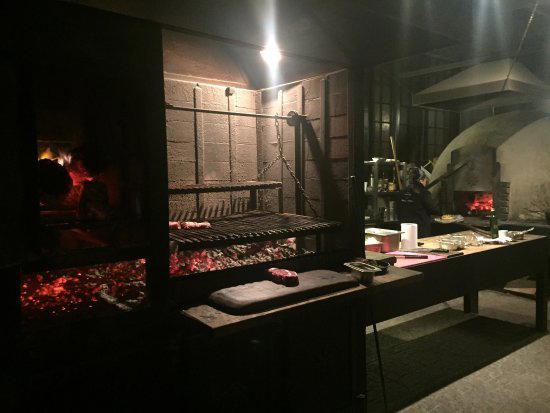
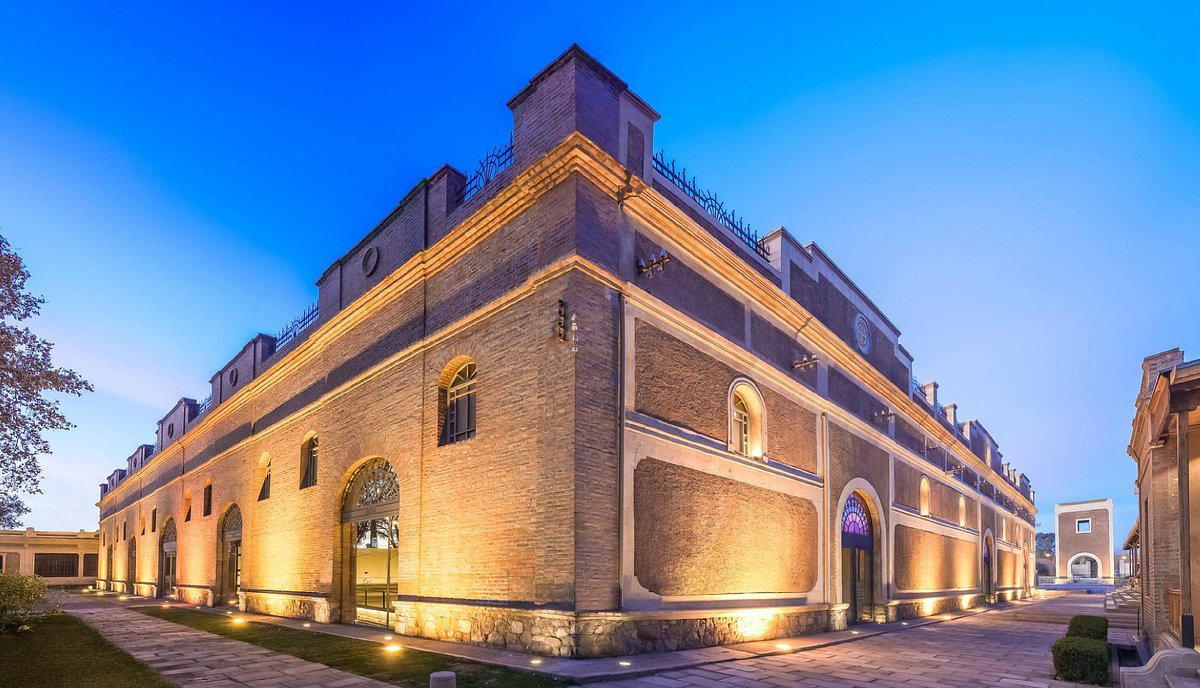
Bars in Mendoza
Browse all →
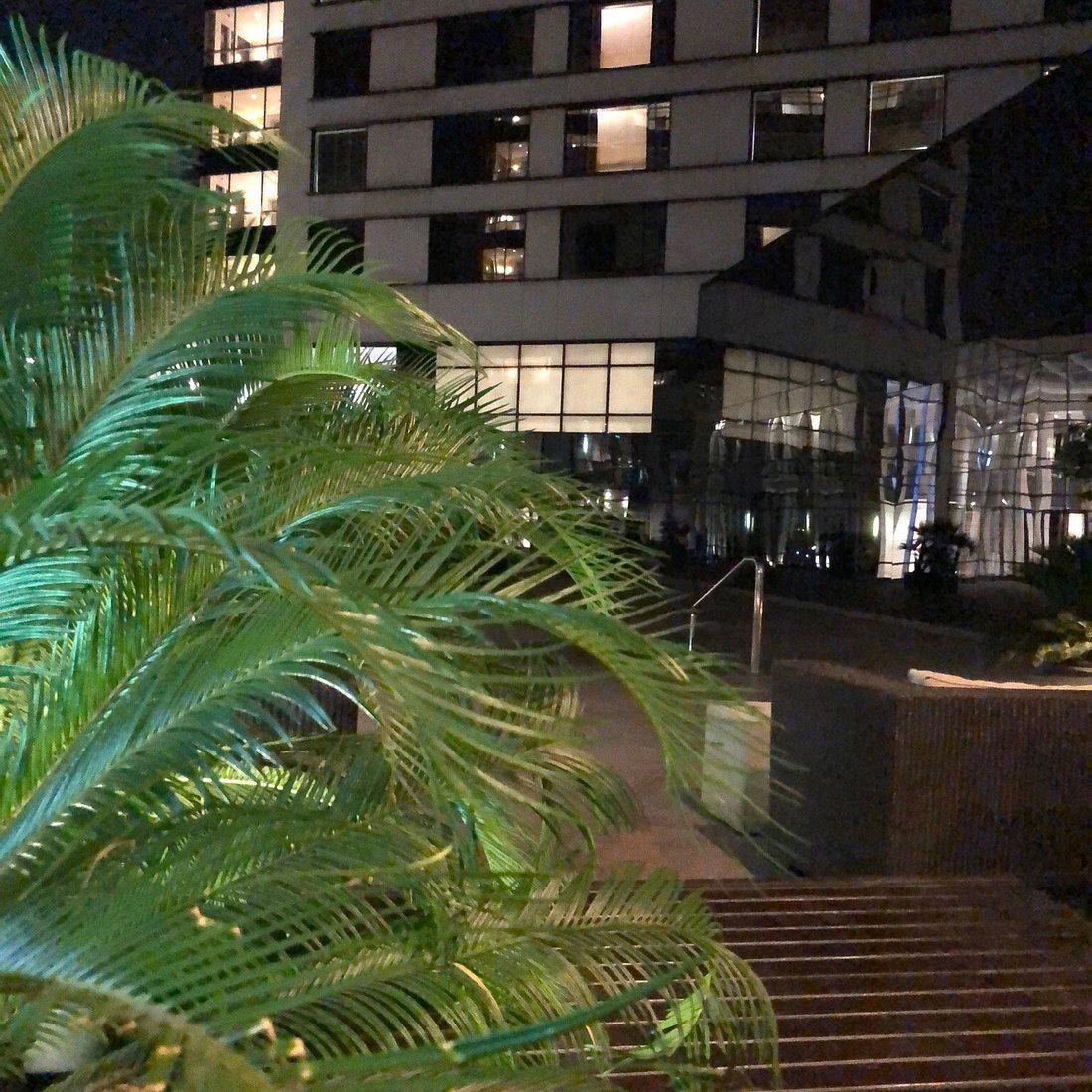
Hotels in Mendoza
Browse all →
At a Glance
- Cozy
- Casual Hangout
- Brunch
- After Work
- Open Kitchen
- Natural Wine
- Extensive Wine List
- Natural Wine
- Local Sourcing
- Street Scene
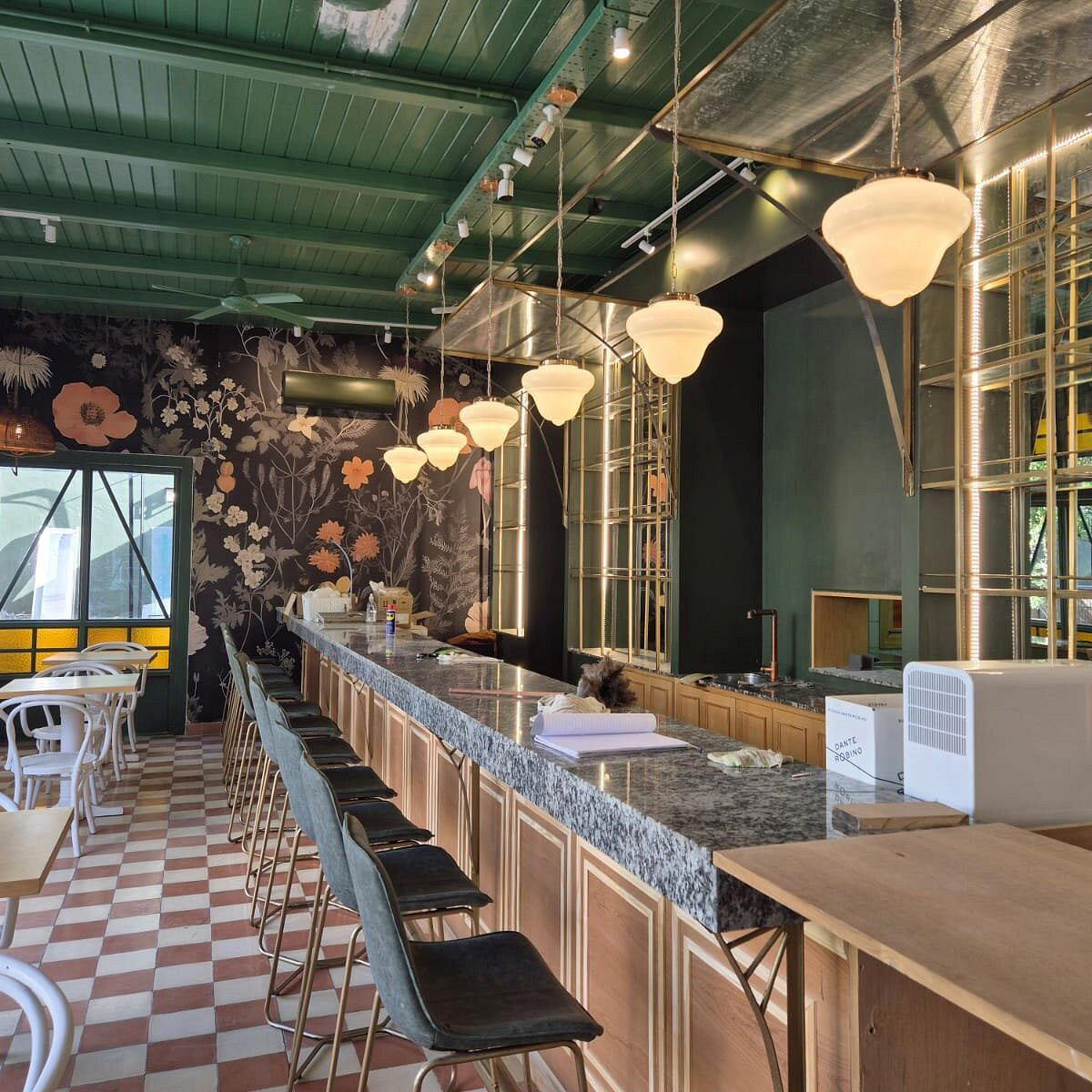
Laidback atmosphere in a converted townhouse with indoor and street-side outdoor seating.
Know Before You Go
- Getting there
- Av. Perú 989, M5500 CIUDAD, Mendoza, Argentina