Bengara
Bengara brings Japanese binchotan charcoal and genshiyaki cooking to the Arts District, where fire rather than ornament sets the tone. The draw is a restrained approach to Japanese comfort and grill culture: direct heat, careful timing, and a menu language closer to everyday mastery than ceremony-heavy luxury dining.
Pearl is the En Primeur Club membership app — saves, bookings, and concierge access live there. Same editors, same standards.
- Address
- 803 Traction Ave Ste 140, Los Angeles, CA 90013
- Phone
- (213) 278-0198
- Directions
- Get directions
 Saves & bookings on Pearl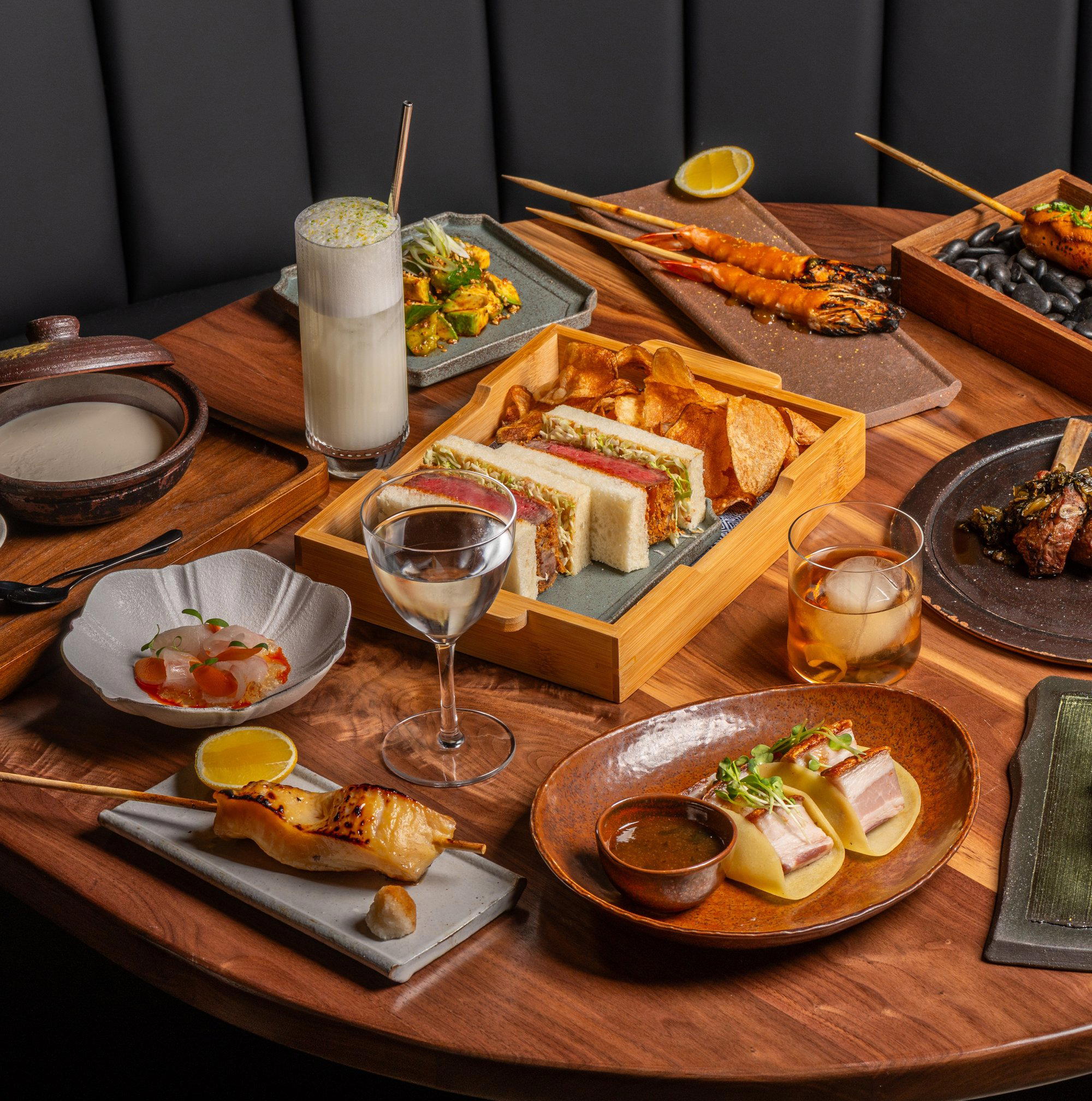
Los Angeles does not soften its edges for dinner. The city’s mix of concrete, movement, and destination dining suits a Japanese kitchen built around charcoal and open fire. Bengara belongs to a quieter Los Angeles category: restaurants where the drama is heat management, not theatrical plating or celebrity-chef narrative. Binchotan charcoal and genshiyaki cooking ask for patience. The point is control: high heat without smoke-heavy aggression, food close enough to fire to gain depth, and a room where the meal reads as deliberate rather than decorative.
That matters in a city where Japanese dining often splits into sushi-counter formality, ramen efficiency, izakaya looseness, and tasting-menu precision. Charcoal cooking sits between those poles. It has the comfort-food appeal of grilled fish, rice, vegetables, and skewered or fire-kissed dishes, but the technique is less forgiving than it looks. A humble bowl or plate works only when the basics are exact: rice texture, seasoning restraint, temperature, and protein pulled from heat before it dries. Bengara’s stated focus on Japanese binchotan charcoal and genshiyaki places it in that discipline-led lane, not the maximalist end of Los Angeles dining.
Charcoal cooking makes simplicity harder, not easier
Japanese comfort food exposes weak kitchens. Ramen, udon, soba, donburi, grilled fish, and charcoal-cooked vegetables look plain until one element slips. Broth can flatten, noodles lose spring, rice turn heavy, and fire turn nuance bitter. Bengara’s appeal is the format itself: binchotan and genshiyaki shift attention to fundamentals. Binchotan is prized in Japanese cooking because it burns hot and clean, giving cooks a narrow, powerful window for searing, rendering, and finishing without making every plate smoke.
Genshiyaki, the older open-fire method associated with food positioned around charcoal rather than simply laid over a grill, has a different rhythm from the quick char of a yakitori counter. It is slower, more visual, and more dependent on distance from heat. In Los Angeles terms, that makes the restaurant useful for diners who want Japanese cooking beyond the familiar sushi-or-ramen binary. The comfort is not casualness alone; it is direct cooking done with restraint.
There is also a broader California context. Los Angeles diners understand fire. The city has long been fluent in live-fire cooking, barbecue, backyard grilling culture, and produce-driven restaurants that treat char as seasoning. Japanese charcoal cooking enters that conversation with a different grammar: quiet concentration over abundance, seasoning by subtraction. A dish does not need stacked components when heat, salt, fat, and texture can carry the argument.
Los Angeles suits a Japanese room built around restraint
The city helps explain the fit. Los Angeles has become one of America’s more useful dining zones because it supports formats that would feel forced in narrower restaurant markets. Industrial-feeling rooms, late-evening energy, and destination dining sit together across the city. A charcoal-focused Japanese restaurant feels natural here because the setting does not demand polish at every corner; it lets the cooking method frame the meal.
That does not mean the city is only about serious rooms. Los Angeles dining is better understood as adjacent moods than a ladder. Seafood-facing meals, burger-and-cocktail stops, Japanese precision, skyline dining, and fast-casual heat answer different versions of the same city question: how formal does dinner need to be to feel intentional? Bengara’s answer is narrower and more technique-led, asking diners to watch cooking rather than spectacle.
For Japanese dining in particular, Los Angeles rewards specificity. A broad menu can read as convenience; a tightly defined technique anchors the meal. Charcoal is that anchor here, giving the restaurant a clearer identity than another generalized izakaya-style address. The distinction is not rarity for its own sake, but how a cooking method shapes dinner’s pacing, the menu’s weight, and the appetite it serves.
How to place Bengara in a Los Angeles itinerary
The practical case is strongest for diners who want a Japanese dinner centered on warmth, grain, fire, and restraint rather than an extended omakase or high-volume noodle stop. Bengara works as a focused Los Angeles meal built around charcoal cooking, best planned as a destination rather than a casual cross-town default. It rewards diners who give the meal enough time, rather than treating it as an afterthought between distant parts of the city.
The city’s dining map is broad enough that one meal rarely defines a trip. Readers planning around restaurants can use Our full Los Angeles restaurants guide for the wider field, then match the stay through Our full Los Angeles hotels guide, Our full Los Angeles bars guide, Our full Los Angeles wineries guide, and Our full Los Angeles experiences guide. For wider reading on casual Japanese and comfort-driven dining across the EP Club map, compare unnamed Japanese and comfort-food rooms in Los Angeles and beyond. Other cross-city references show how comfort food changes when place, technique, and audience shift.
Bengara is not best understood through a chef-led biography or a race for novelty. Its case is elemental. In a Los Angeles restaurant culture often pulled toward newness, the appeal is a narrower promise: Japanese cooking organized around charcoal, heat, and the discipline required to make simple food carry weight.
Reputation & Price
Comparable venues nearby, for context on price, style, and recognition.
| Venue | Cuisine | Price |
|---|---|---|
| BengaraThis venue — the venue you are viewing | Not listed | $$ |
| Sushi Go 55 | Little Tokyo, Traditional Japanese Sushi | $$ |
| Aki Restaurant | Sawtelle, Traditional Japanese | $$ |
| En Sushi | Sawtelle, Contemporary Japanese Sushi | $$ |
| Ten Ramen | Wilshire Center, Japanese Ramen | $$ |
| Tsujita LA Artisan Noodles | Sawtelle, Japanese Tsukemen Ramen | $$ |
Continue exploring
More in Los Angeles
Restaurants in Los Angeles
Browse all →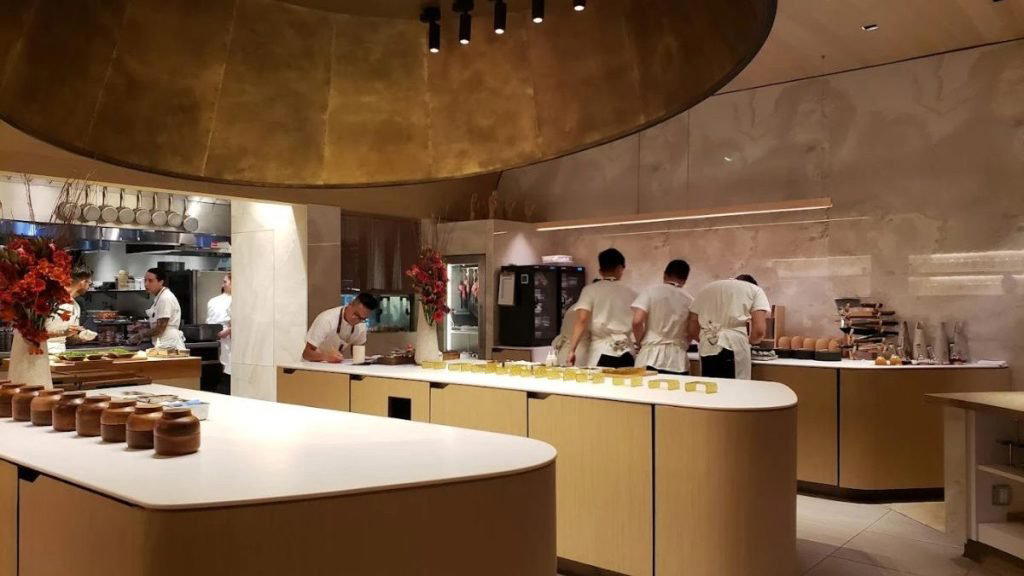
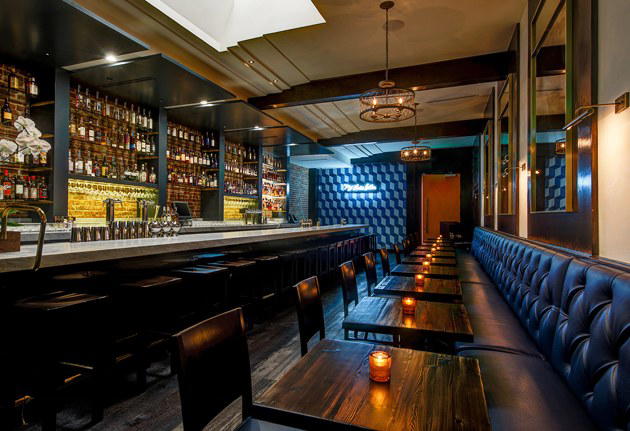
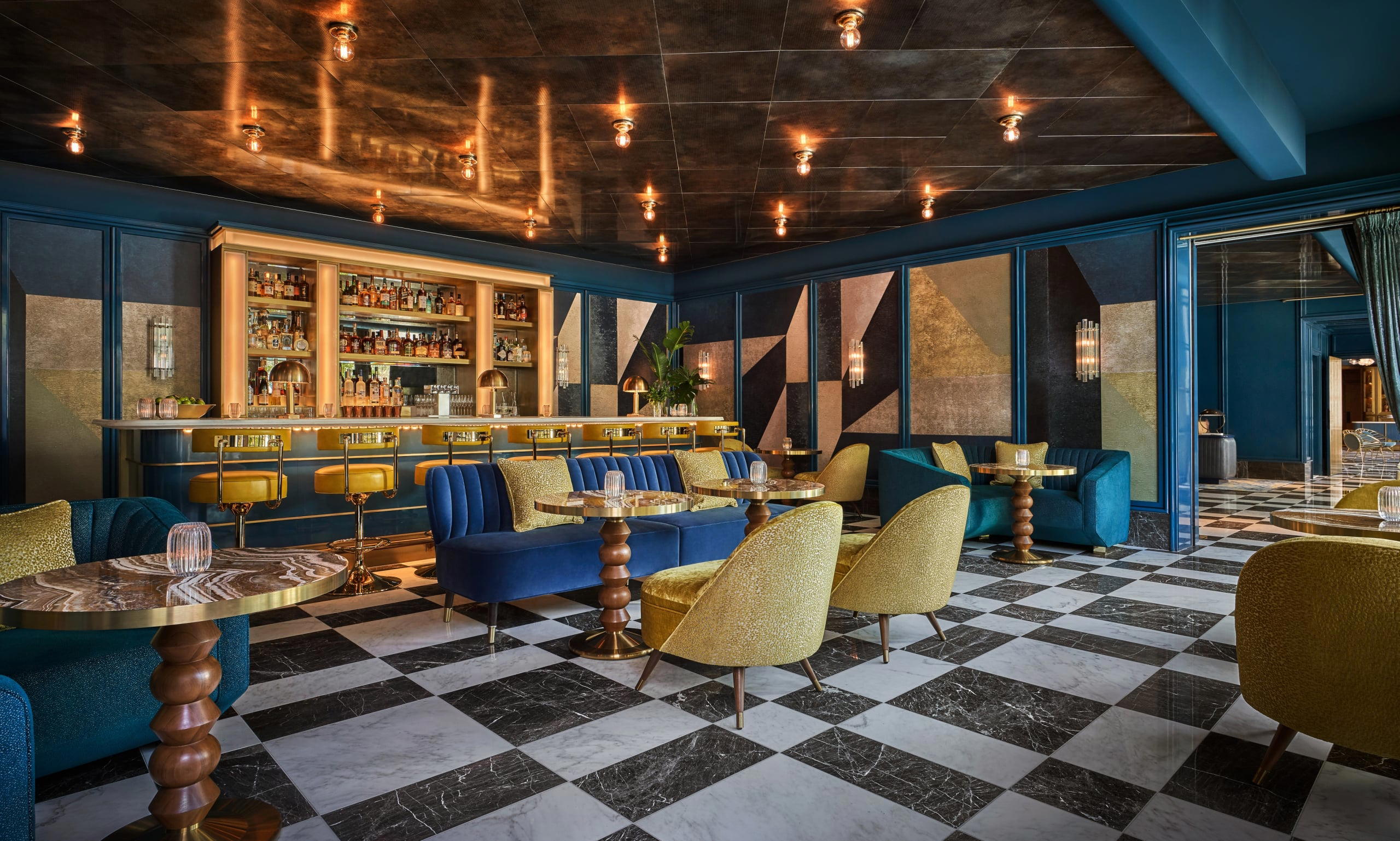
Bars in Los Angeles
Browse all →

Hotels in Los Angeles
Browse all →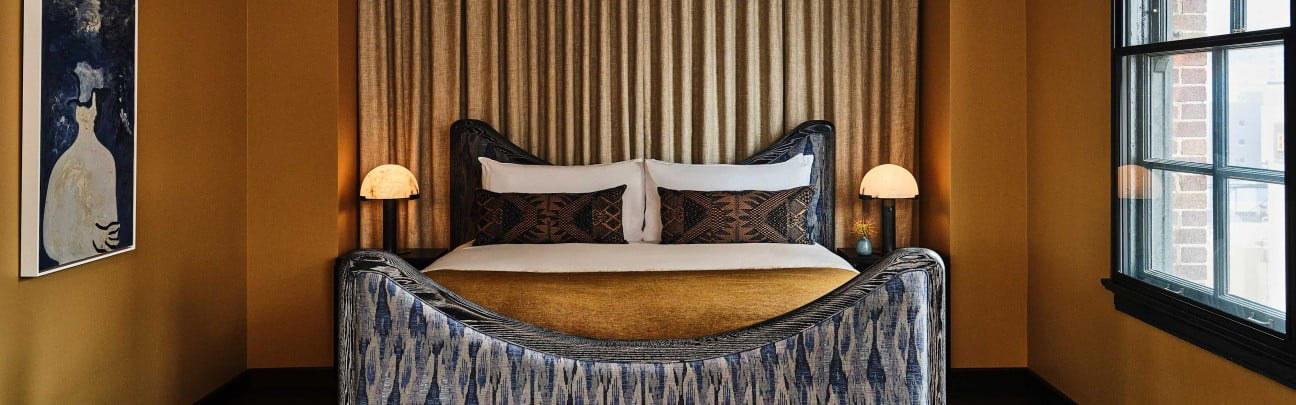

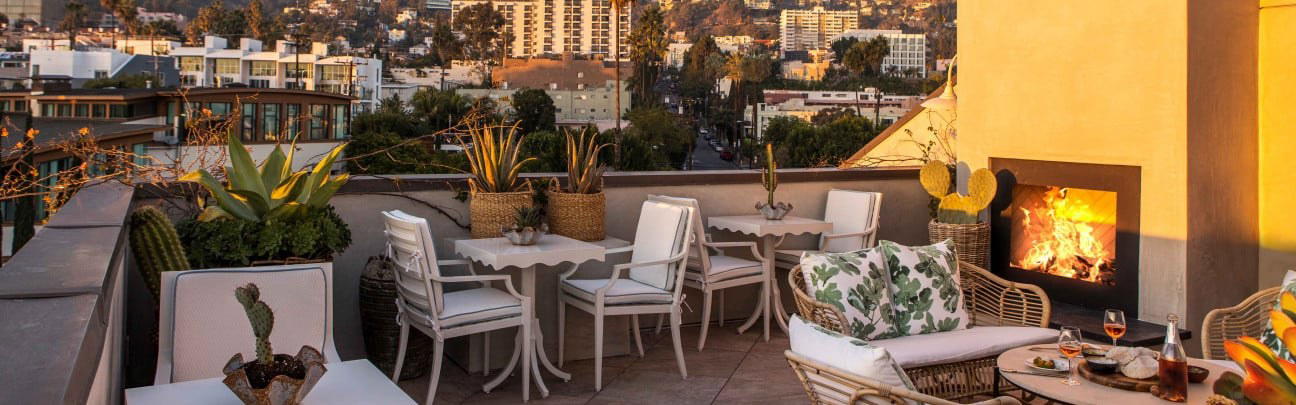
Wineries in Los Angeles
Browse all →
At a Glance
- Modern
- Sophisticated
- Intimate
- Cozy
- Date Night
- Business Dinner
- Group Dining
- Special Occasion
- Open Kitchen
- Standalone
- Beer Program
- Local Sourcing
Current opening hours
- Monday
- Closed
- Tuesday
- 5–9:30 PM
- Wednesday
- 5–9:30 PM
- Thursday
- 5–9:30 PM
- Friday
- 5–10:30 PM
- Saturday
- 11:30 AM–1:30 PM, 5–10:30 PM
- Sunday
- 11:30 AM–1:30 PM, 5–9:30 PM
Hours can change for holidays and private events. Last verified .
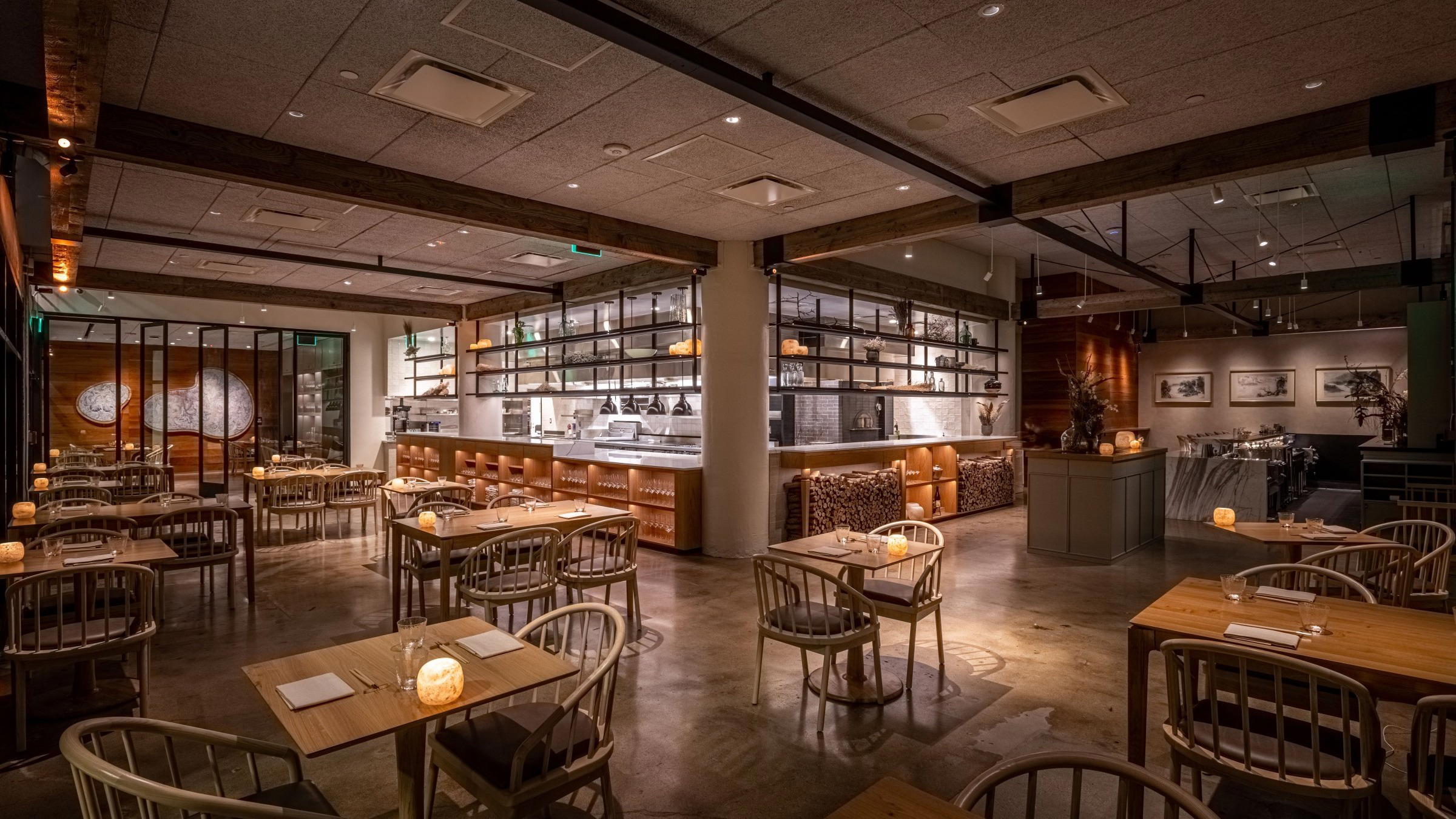
A casual-dining space with a modern, intimate feel that supports a shareable, fire-driven Japanese meal.
Know Before You Go
- Reservations
- Recommended
- Dress code
- Casual
- Getting there
- 803 Traction Ave Ste 140, Los Angeles, CA 90013