



1 Michelin Star · Star Wine List · Wine Spectator Award of Excellence
Our verdict
Beefbar distills the glamour of Monte Carlo into a modern temple of fire and finesse, where world-class beef from the U.S., Australia, Japan, and Korea is broiled then chargrilled to achieve a deeply caramelized crust and succulent, juice-locked center. Begin with tableside beef tartare—precise, theatrical, and impeccably seasoned—or opt for featherlight ceviches and tacos that balance the richness to come. Signature Kobe street bites marry luxury with playful sophistication, while the cult-favorite ribeye cap delivers an opulent, buttery crescendo of flavor. In a setting of marble, leather, and gentle glow, every detail whispers refinement, making Beefbar a destination for those who prize provenance, technique, and the quiet thrill of true indulgence.

Pearl is the En Primeur Club membership app, where members save venues, book tables and use the concierge.
The menu
What to order
- Kobe beef mini burger
- Beef tartare
- Wagyu ribeye
- Ribeye cap
Marble, Leather, and the Global Beef Trade on a Plate
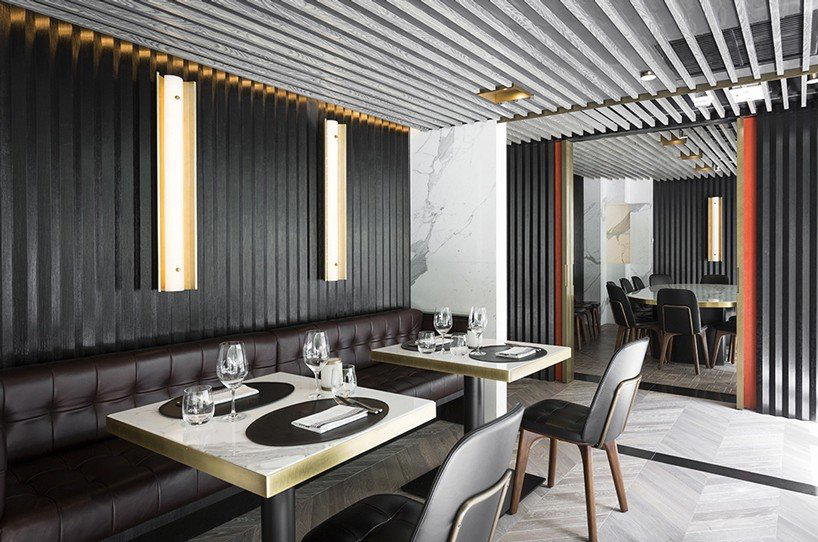
The second floor of 16 Ice House Street in Central reads as a considered exercise in material contrast: pale marble surfaces against deep leather seating, a room that signals precision before a single plate arrives. Central Hong Kong has long housed this kind of calculated dining environment, where international capital and serious food expenditure converge. Beefbar fits that context without apology. It is a Michelin one-starred outpost of the Monte Carlo-founded group, and its design language is consistent with that pedigree: polished, deliberate, and calibrated for a clientele that moves between financial districts and fine-dining rooms across time zones.
A Sourcing Map Across Four Nations
The editorial argument Beefbar makes is a geographical one. The kitchen draws from the United States, Australia, Japan, and Korea, which means the menu functions as a comparative tasting of how different cattle-rearing traditions, climates, and feed regimes produce distinct results within the same cooking framework. That framework, broiling followed by chargrilling, is a double-application of heat designed to develop a lightly charred crust while sealing the interior. It is a technique-forward approach applied consistently across origins, which lets the sourcing differences become legible on the plate rather than being obscured by variable preparation.
This kind of multi-origin sourcing is increasingly common across premium steakhouse formats in Asia, but the discipline of applying a single unified technique across all four sources is less common. It places Beefbar in a different tier from the single-origin specialists, closer to a format that invites direct comparison between provenance rather than championing one tradition exclusively. For diners who have moved through enough high-end beef in Tokyo, Seoul, and Sydney, that comparative structure is more intellectually engaging than another single-nation showcase.
The Ribeye Cap and What It Signals
The bestselling cut is the ribeye cap, the spinalis dorsi, a section that sits outside the longissimus muscle and carries a higher fat content with a looser, more fibrous texture than the centre-cut ribeye. Its popularity in a room like this is a reliable indicator of where the market has moved: away from lean prestige cuts toward fat-integrated, flavour-dense sections that reward technical cooking rather than simply expensive sourcing. The broil-then-chargrill method is particularly well-suited to this cut, as the exterior develops quickly while the interior fat has time to render partially rather than fully.
That the ribeye cap functions as the signature across a multi-origin menu also reflects a broader Hong Kong dining pattern. The city's high-end restaurant-goers have become increasingly educated about secondary cuts and less conventional preparations over the past decade, a shift visible across the Central and Wan Chai dining corridors. Beefbar's menu is positioned at the point where that education meets international sourcing infrastructure.
Where the Menu Expands Beyond the Grill
The beef tartare, prepared tableside, sits within a long tradition of tableside service that Central's fine-dining rooms have maintained across categories. At Beefbar, it functions as both a technical demonstration and a textural counterpoint to the chargrilled main event. Ceviches and tacos appear as lighter entry points, and Kobe beef street snacks occupy an interesting register: the application of premium wagyu to informal formats is a recurring move in contemporary Asian dining, where the gap between street-food structure and luxury ingredient is treated as a source of contrast rather than contradiction.
Restaurants like Amber, Caprice, and Ta Vie operate within a sequential tasting architecture. Forum and 8 1/2 Otto e Mezzo Bombana follow their own distinct logics. Beefbar offers something more akin to a la carte authority within a focused category, which in Central's dining geography represents a distinct and deliberate position.
The Monte Carlo Connection
The group's Monte Carlo origins carry specific weight in this context. Monte Carlo's dining scene, anchored by rooms like Alain Ducasse's Louis XV, has long operated as a condensed luxury market where high-net-worth international clientele expects consistent technical standards regardless of specific cuisine category. A beef-focused concept that survives and earns recognition in that environment arrives in Hong Kong with a different kind of credibility than a domestically incubated concept. The brand's international expansion, with Hong Kong among its highest-profile Asian addresses, carries implicit quality signals that inform how the room positions itself relative to the broader Central fine-dining tier.
Chef Ivan Chan leads the kitchen in Hong Kong, a detail that matters less as a biographical subject than as an indicator that the group's local operations have significant independent culinary leadership rather than relying purely on central group standards. That structure is common among successful international dining group expansions in Hong Kong, where local market knowledge and supplier relationships require embedded expertise.
Central's Fine-Dining Positioning
Ice House Street sits within the gravitational pull of Central's financial and cultural core, a short distance from the historic Landmark and IFC complexes that anchor the district's weekday lunch and post-work dinner circuits. The room's hours, lunch service from noon to 2:30 PM and dinner from 6:30 PM to 10:30 PM across Monday through Saturday with Sunday closure, reflect a scheduling logic built around the business dining and evening-out patterns that define Central's restaurant economy. Sunday closure is a consistent feature across several of Central's higher-end addresses, where the operational model prioritises weekday volume and Saturday evening over seven-day coverage.
At the $$$ price range, Beefbar sits below the $$$$ tier occupied by Caprice and 8 1/2 Otto e Mezzo Bombana while holding a Michelin star, which places it in a specific value-to-recognition bracket. In a city where one-star addresses span a considerable price range, that positioning makes it one of Central's more accessible starred options for a category-specific, non-tasting-menu format.
Global Technique in a City Built on Exchange
Hong Kong's dining identity has always been built on the productive collision of technique and ingredient across geographic origins. The city's Chinese kitchens have been doing this for generations, and its international restaurant tier has followed the same logic. The approach at Beefbar, applying a specific European-origin grilling technique to beef sourced from four countries across three continents, sits naturally within that tradition. It is not a novel proposition in the abstract, but the execution within a Michelin-recognised framework, with tableside preparation and a menu architecture that moves from refined snacks through serious cuts, gives it a coherence that many multi-origin beef concepts lack.
For readers building a Hong Kong dining itinerary that extends across categories, the city's full dining offer is documented in our Hong Kong restaurants guide, alongside resources covering hotels, bars, wineries, and experiences. Those planning to move between starred addresses of different scales and formats should also consider how Beefbar's a la carte structure compares to the more sequentially structured rooms across Central, from the European tasting formats to the Cantonese long-lunch tradition.
For reference across the international dining tier, the same group-expanded model that Beefbar represents in Hong Kong has parallels in cities including New York, where Korean-American technique has redefined fine dining, San Francisco, Chicago, New Orleans, Paris, and southern Spain, each operating at the intersection of imported methods and specific regional product identities.
Planning a Visit
Beefbar operates at 2/F, 16 Ice House Street, Central, with lunch running noon to 2:30 PM and dinner from 6:30 PM to 10:30 PM, Monday through Saturday. The room is closed on Sundays. At the $$$ price point within a Michelin one-starred context, reservations during the Friday and Saturday dinner services are advisable in advance; the weekday lunch window is more accessible for spontaneous bookings, though Central's business lunch circuit means midweek slots at peak hours fill consistently.
What's the Signature Dish at Beefbar?
The ribeye cap is the kitchen's bestselling cut and the dish most consistently identified with Beefbar's approach. Beyond that, the beef tartare prepared tableside has become a recognisable part of the dining format, and the Kobe beef street snacks represent the kitchen's more experimental register, applying premium Japanese wagyu to informal bite-sized formats. The Michelin one-star recognition awarded in 2024 applies across the full menu, but the ribeye cap, sourced from across the US, Australian, Japanese, and Korean supply chain and prepared via the group's broil-then-chargrill method, is the most direct expression of what Beefbar's kitchen does at its most focused.
Frequently asked questions
What's the pricing like at Beefbar?
Pricing at Beefbar is listed as $$$.
Side-by-Side Snapshot
| Venue | Cuisine | Price | Awards | Notes |
|---|---|---|---|---|
| BeefbarThis venue (the venue you are viewing) | Michelin-Starred International Steakhouse | $150–200 | 1 Michelin Star · Star Wine List | Not listed |
| 8 1/2 Otto e Mezzo Bombana (Hong Kong) | 3 Michelin-Star Italian Fine Dining | $200–300 | 3 Michelin Stars · World's 50 Best #94 | Italian |
| Ta Vie | Modern French-Japanese Fine Dining | $300–500 | 3 Michelin Stars · World's 50 Best #68 | Japanese - French, Innovative |
| Caprice | Contemporary French Fine Dining | $200–300 | 3 Michelin Stars · World's 50 Best #35 | French, French Contemporary |
| Feuille | Modern Vegetable-Forward French | $200–300 | 1 Michelin Star · World's 50 Best #93 | French Contemporary |
| Neighborhood | Modern French with Asian Influences | $50–100 | 1 Michelin Star · World's 50 Best #24 | International, European Contemporary |
Recognition history
Dated appearances from independent guides and award organizations, with the underlying list record or original source where available.
Michelin 1 Star
Michelin
Star Wine List
Star Wine List
Opinionated About Dining Top Restaurants in Asia Recommended
Opinionated About Dining
Wine Spectator Award of Excellence
Wine Spectator
Full recognition history (6 entries)
Michelin 1 Star
Michelin
Michelin 1 Star
Michelin
Continue exploring
More in Hong Kong
Restaurants in Hong Kong
All restaurants in Hong Kong →
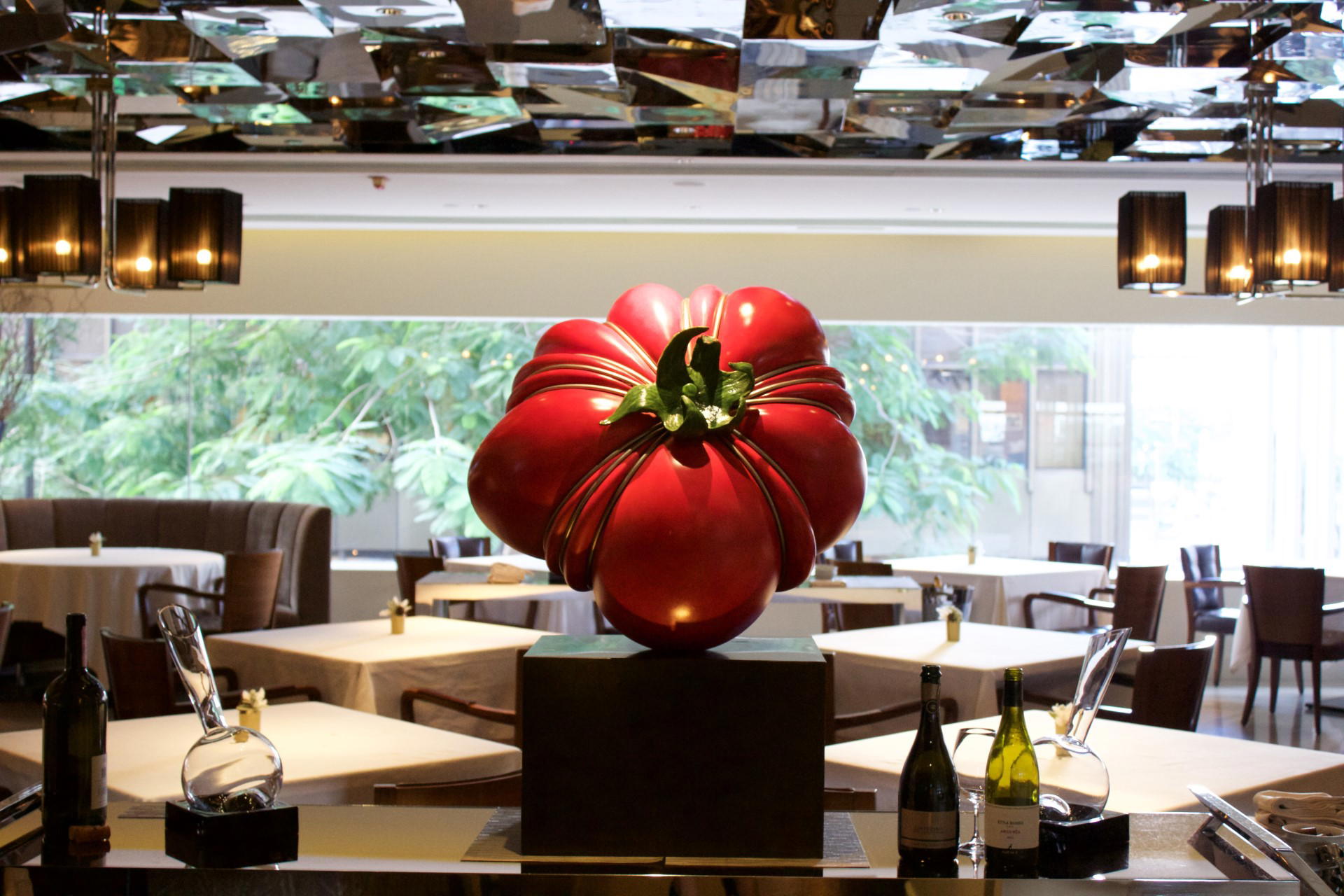
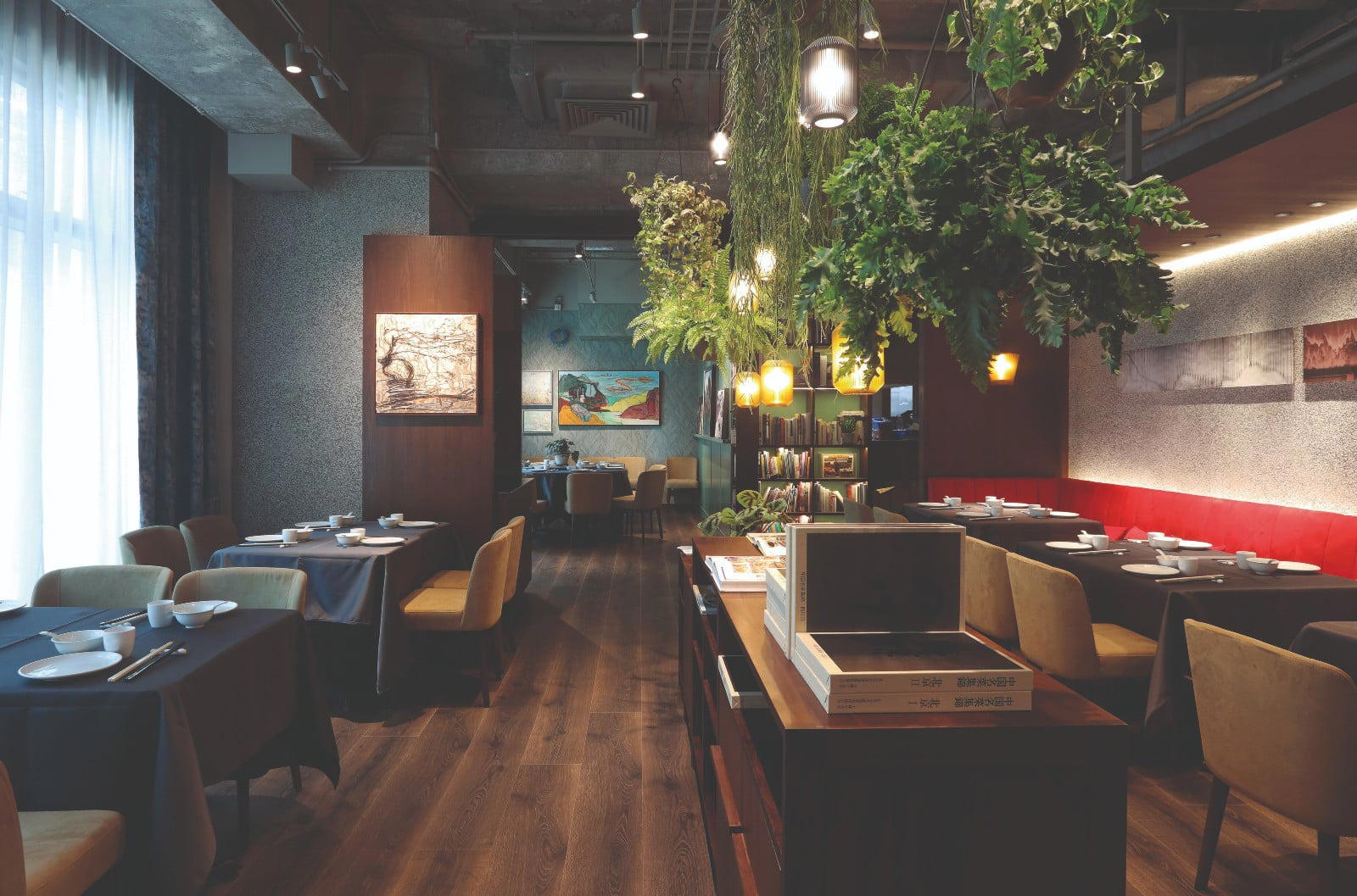
Bars in Hong Kong
All bars in Hong Kong →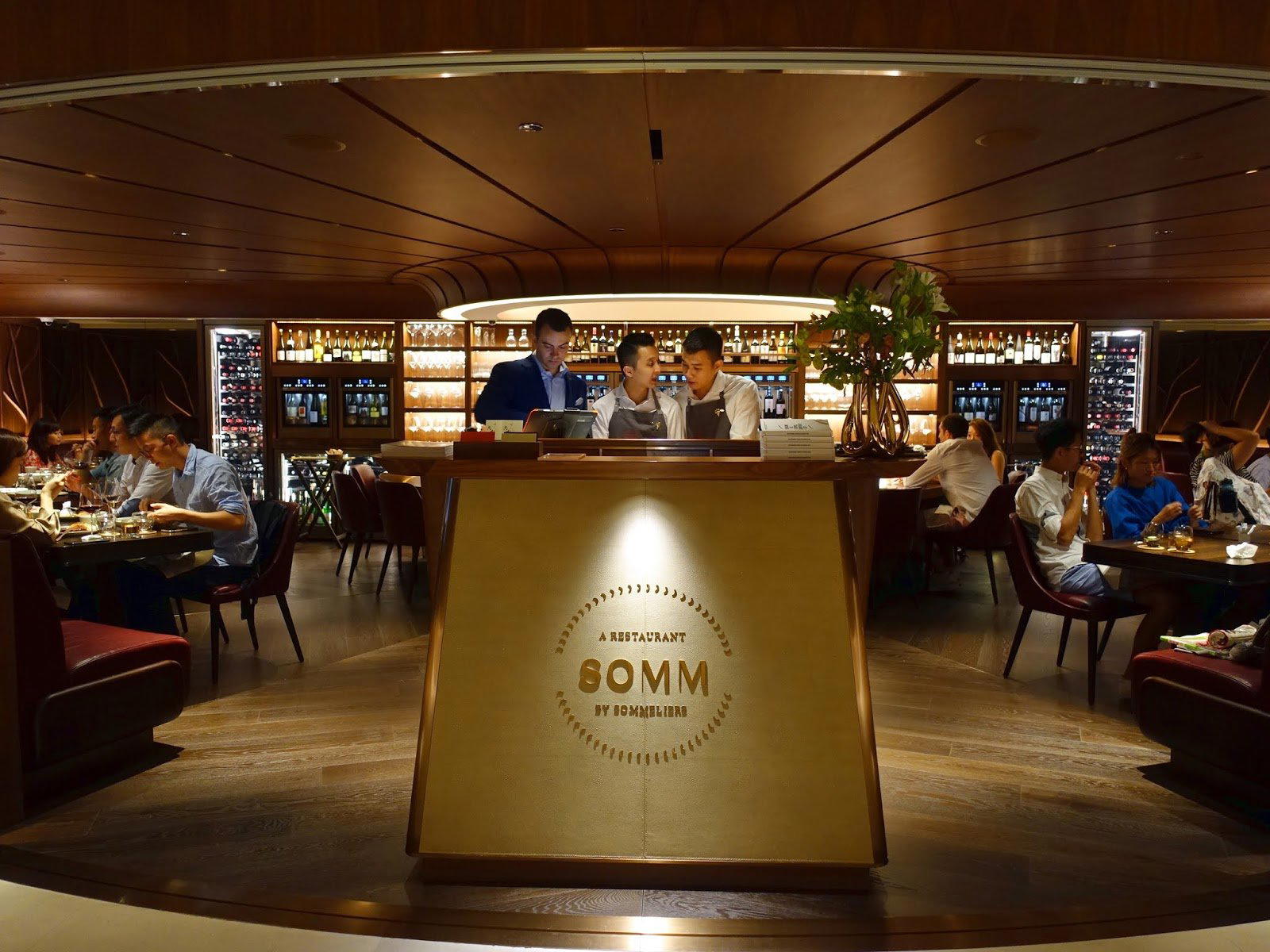
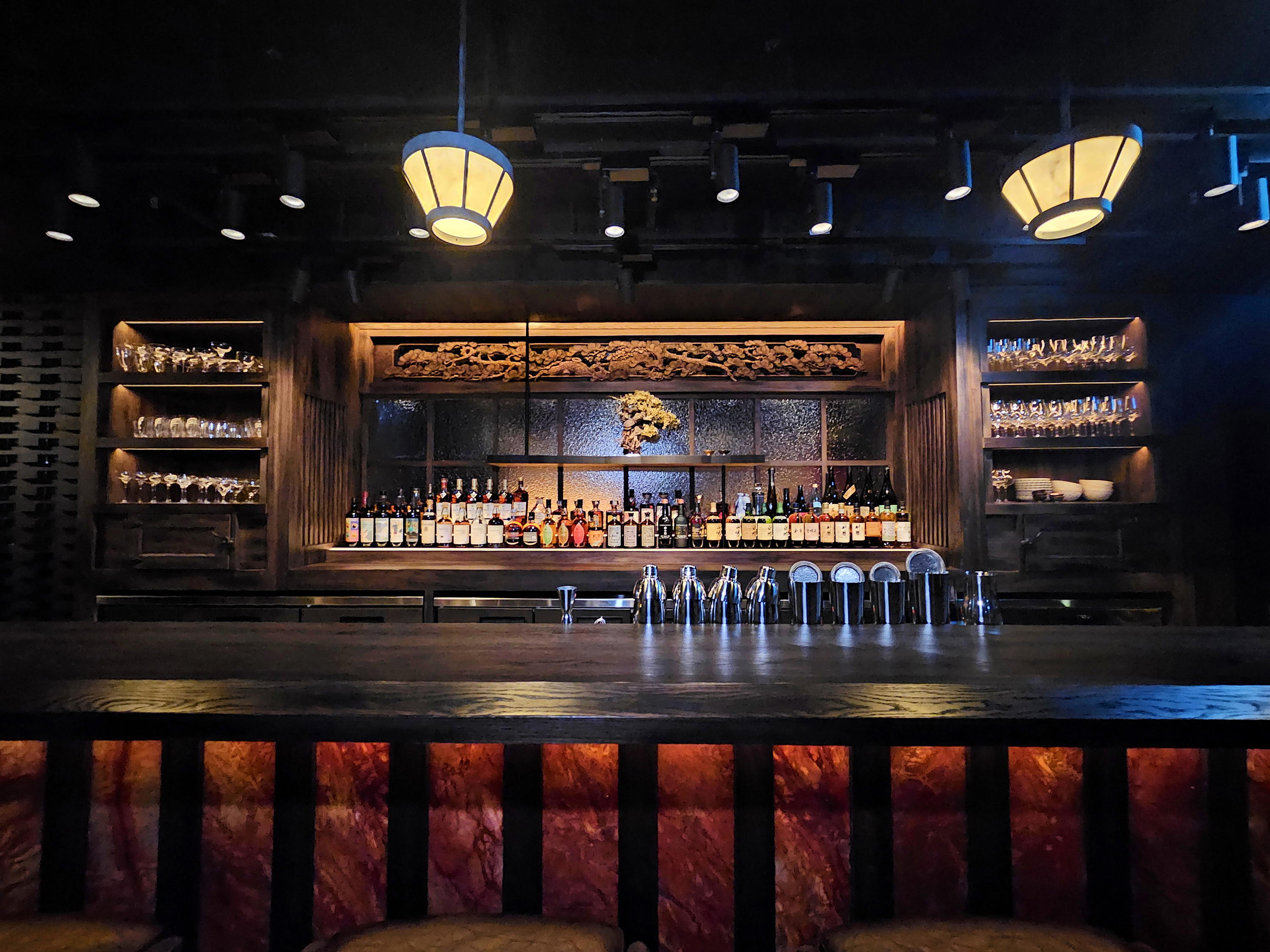
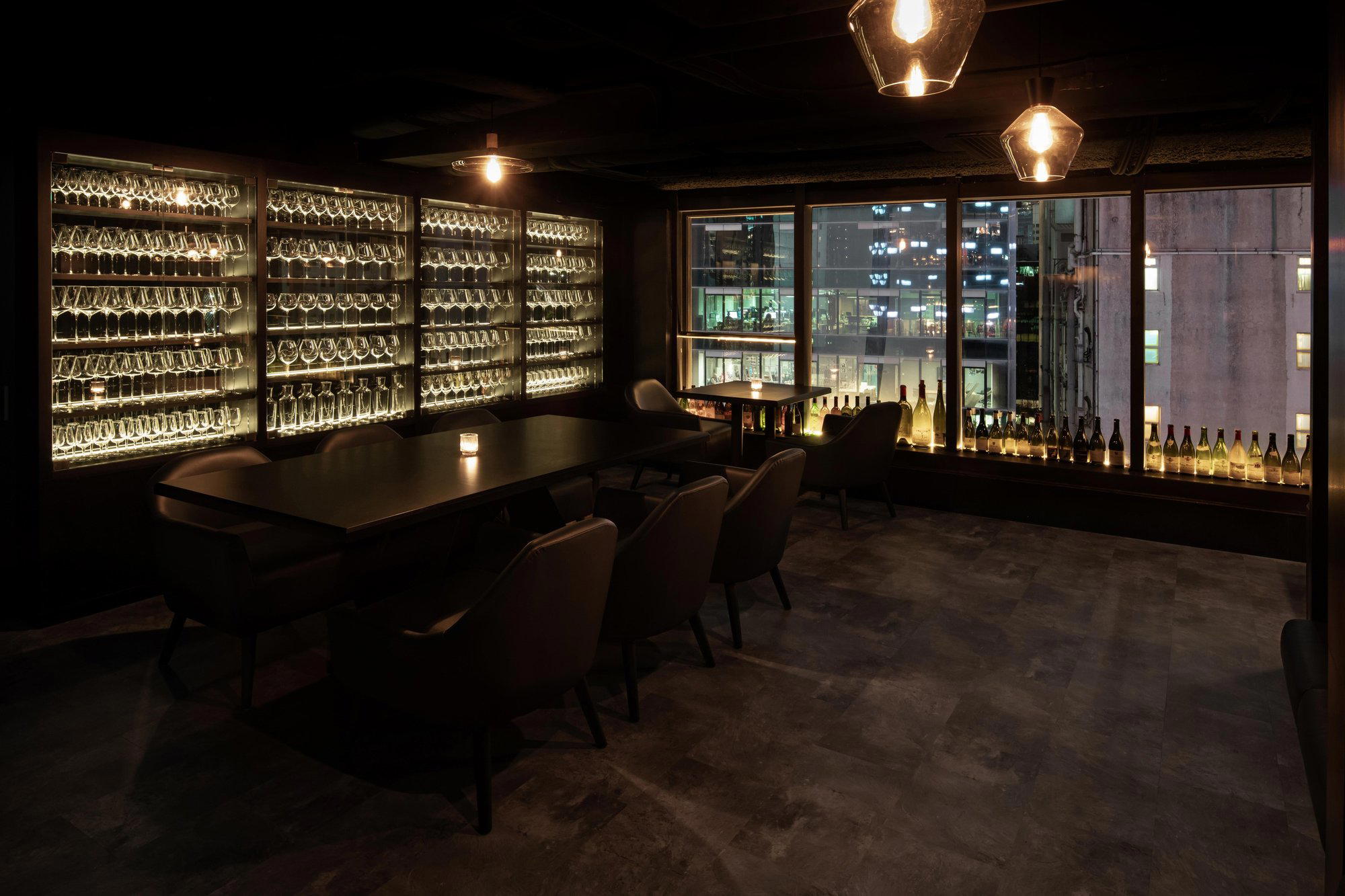
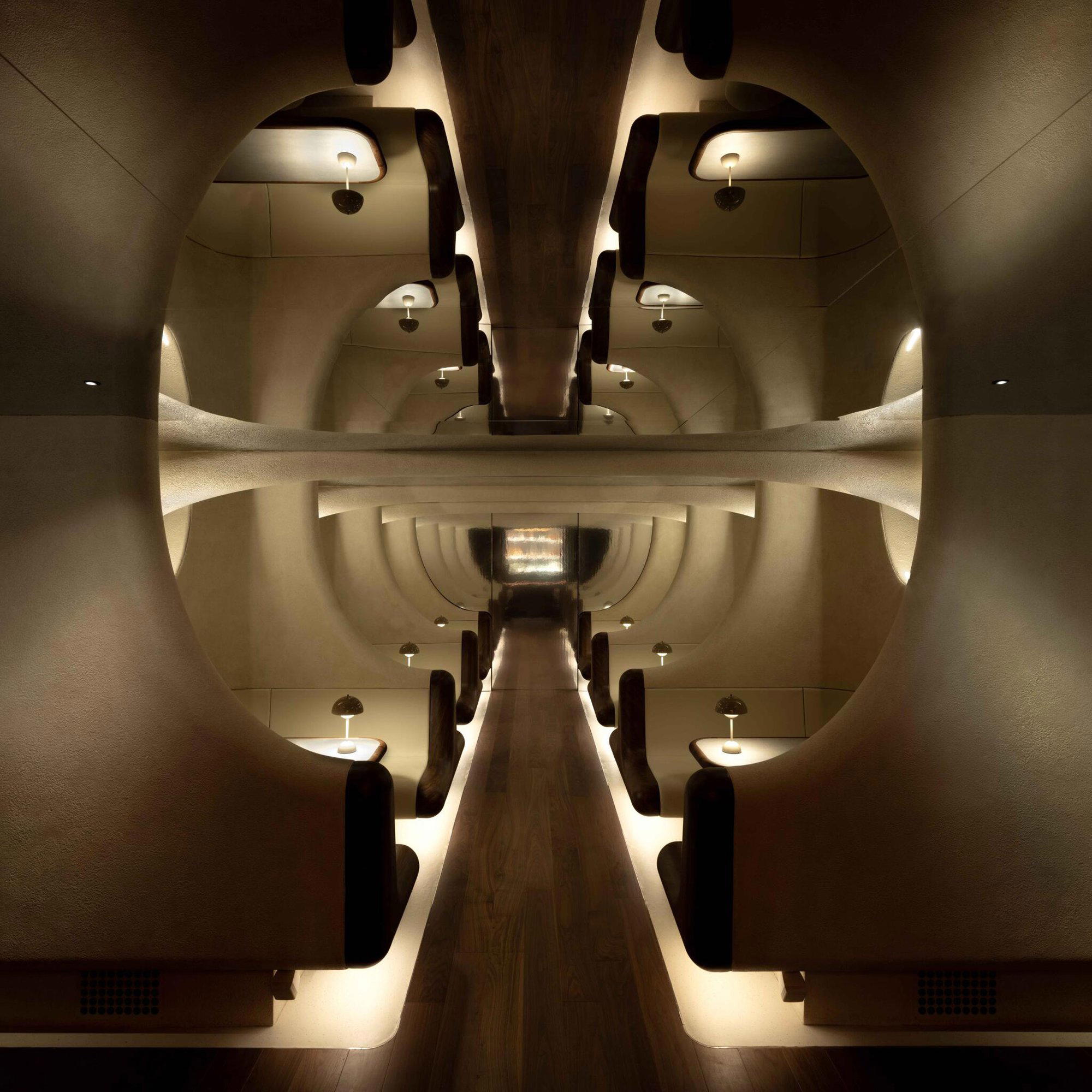
Hotels in Hong Kong
All hotels in Hong Kong →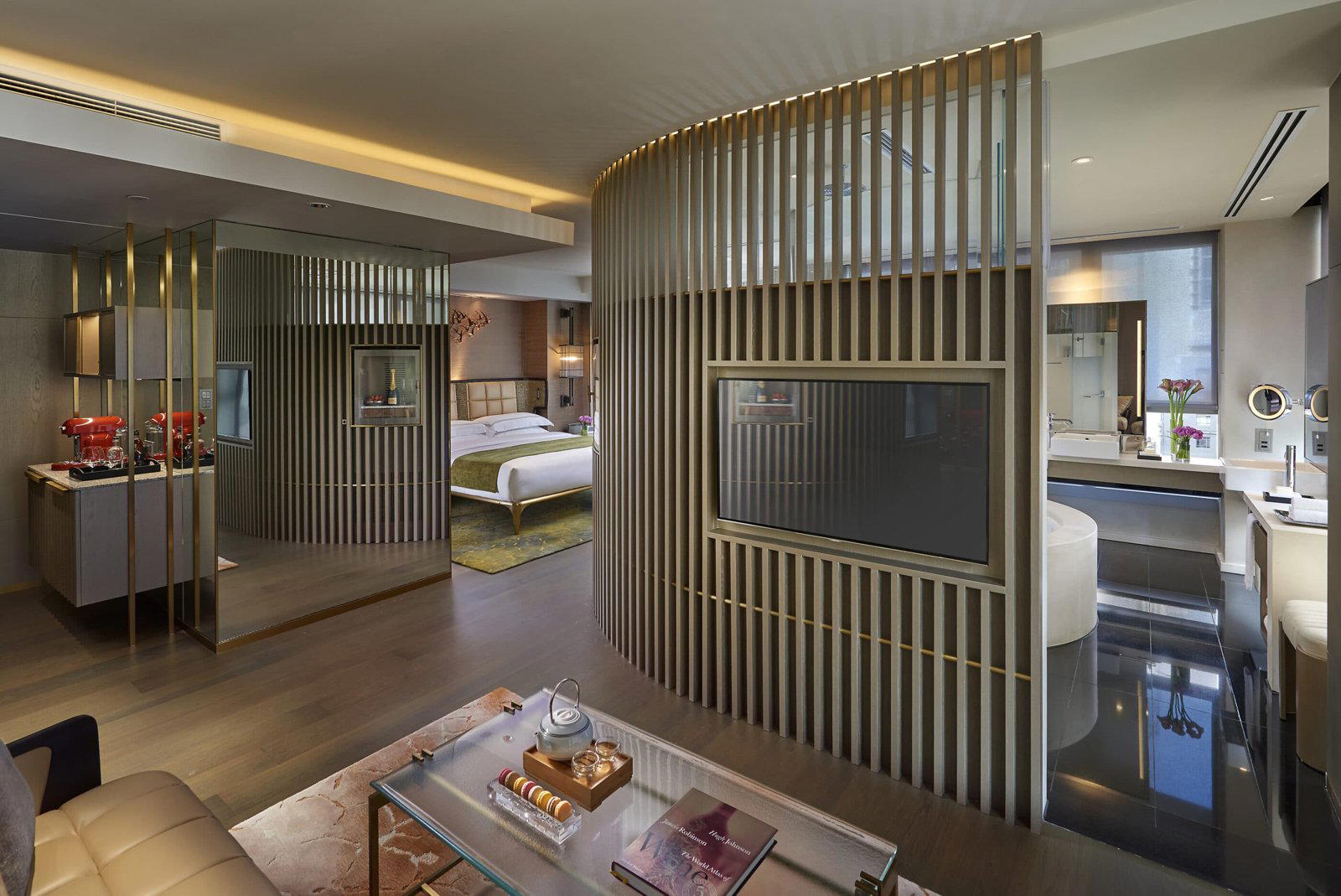
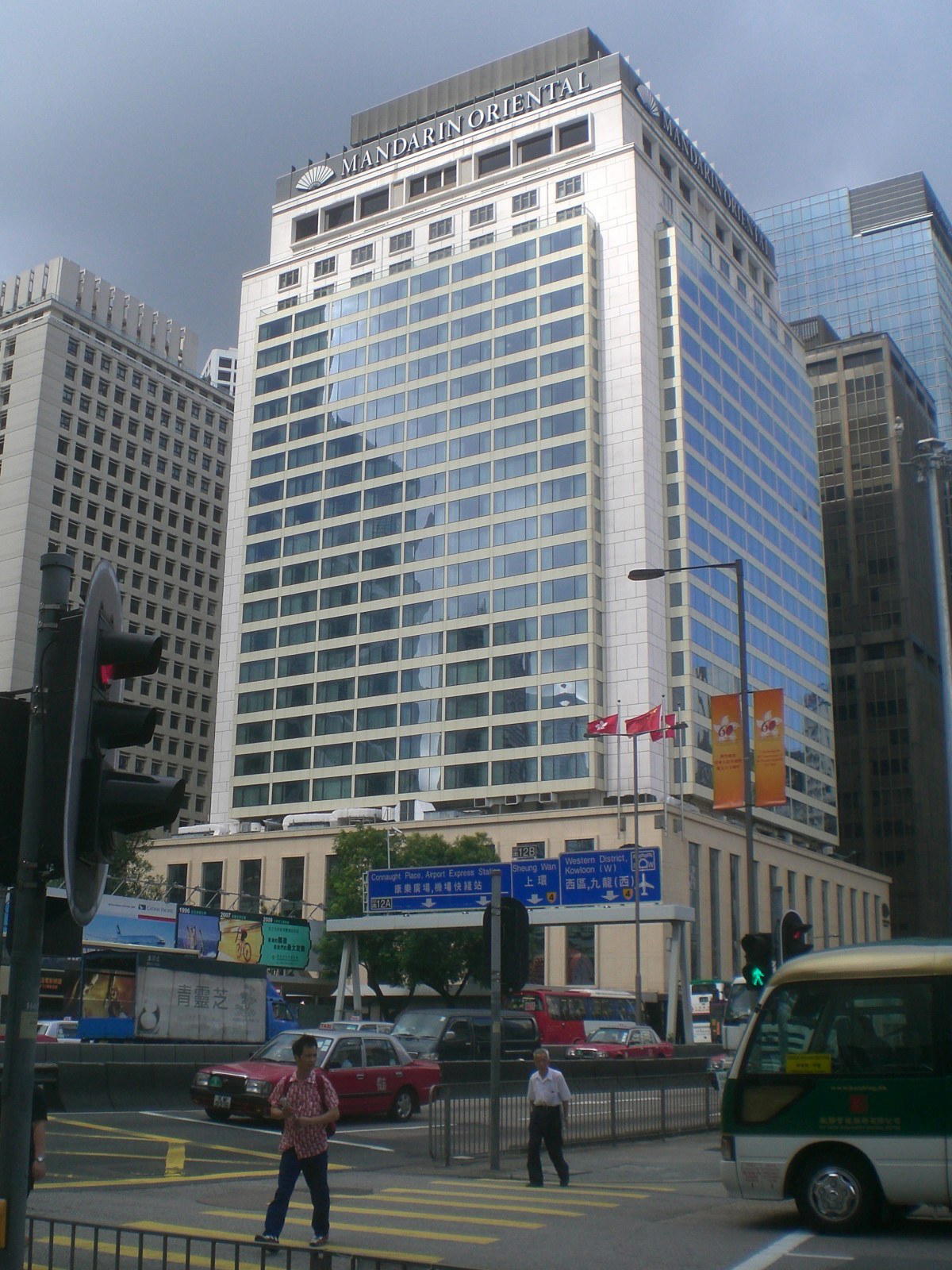
Wineries in Hong Kong
All wineries in Hong Kong →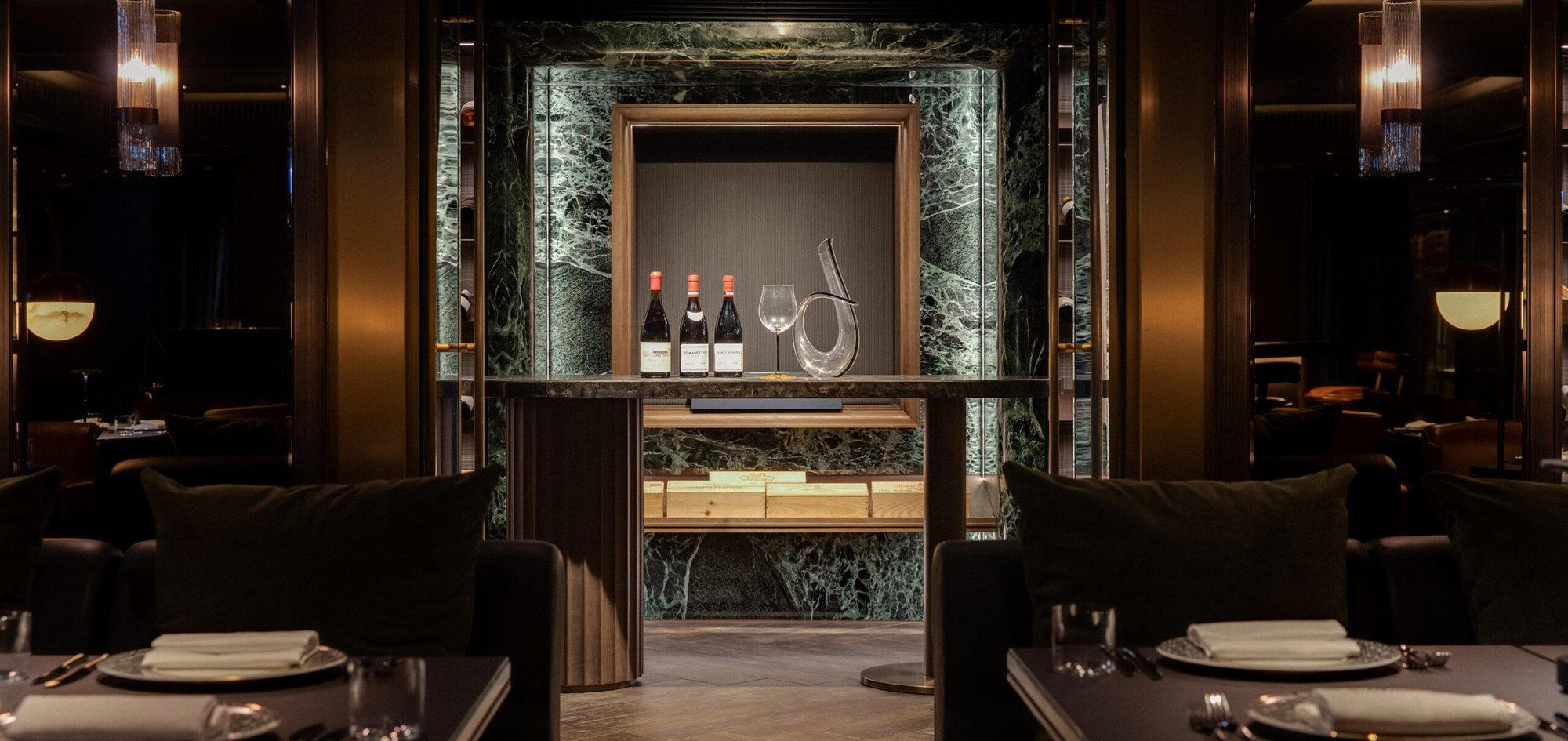
Beefbar
The wine
Beefbar holds the Wine Spectator Award of Excellence, which Wine Spectator gives to lists of usually 90 or more selections.
- Wine Spectator
- Wine Spectator Award of Excellence
- Extensive wine list
Details
- Elegant
- Sophisticated
- Modern
- Ornate
- Date Night
- Business Dinner
- Special Occasion
- Private Dining
- Open Kitchen
- Terrace
- Extensive Wine List
- A La Carte
- Gluten Free Options
Current opening hours
- Monday
- 12–2:30 PM, 6:30–10:30 PM
- Tuesday
- 12–2:30 PM, 6:30–10:30 PM
- Wednesday
- 12–2:30 PM, 6:30–10:30 PM
- Thursday
- 12–2:30 PM, 6:30–10:30 PM
- Friday
- 12–2:30 PM, 6:30–10:30 PM
- Saturday
- 12–2:30 PM, 6:30–10:30 PM
- Sunday
- Closed
Hours can change for holidays and private events. Hours as of .
Stylish interior blending rich leather, marble, and discrete lighting with a sophisticated gentlemen’s club vibe.