Bazilika Križanke occupies one of Ljubljana's most architecturally significant spaces, the open-air Križanke summer theatre complex on Trg francoske revolucije. Set within a repurposed medieval monastery courtyard redesigned by architect Jože Plečnik, it sits at the intersection of Slovenian cultural heritage and contemporary city life, drawing visitors and locals drawn to the setting as much as the programming.
Pearl is the En Primeur Club membership app — saves, bookings, and concierge access live there. Same editors, same standards.
- Address
- Trg francoske revolucije 5, 1000 Ljubljana, Slovenia
- Phone
- +38651666065
- Website
- bazilika.si
- Directions
- Get directions
 Saves & bookings on Pearl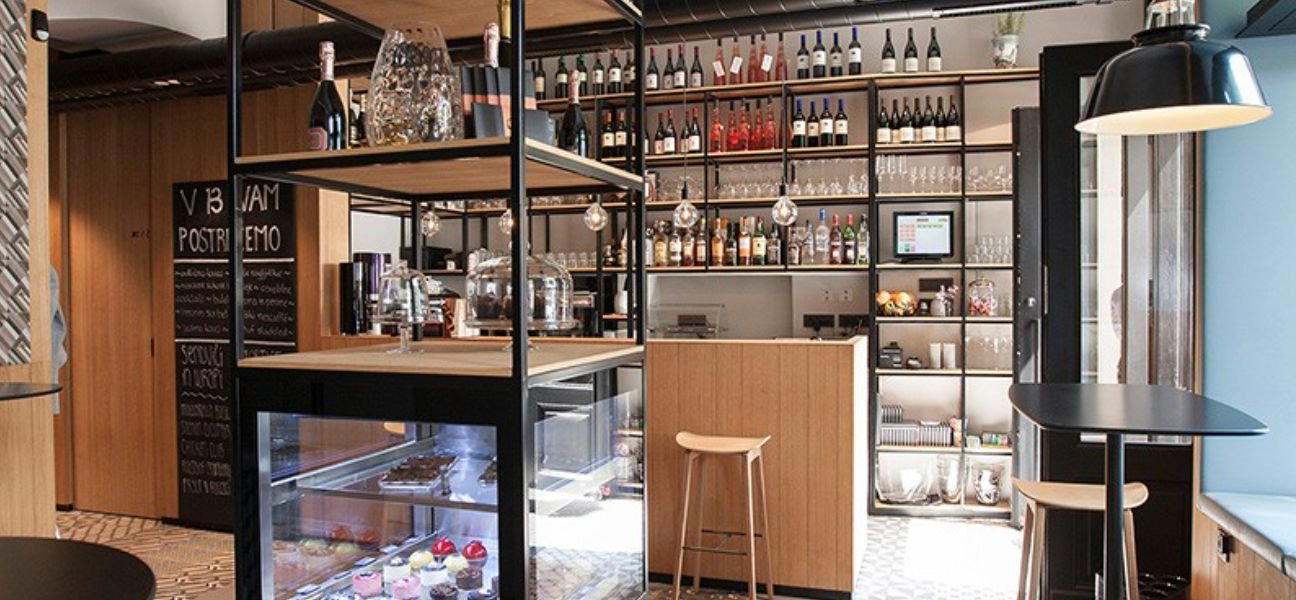
A Courtyard That Predates the City's Modern Identity
Ljubljana's relationship with its medieval ecclesiastical architecture has always been complicated. Where other Central European capitals demolished or repurposed their monastic structures beyond recognition, Ljubljana took a different path. The Križanke complex, originally a monastery of the Teutonic Knights, was transformed in the 1950s by Jože Plečnik into a cultural venue that has since become one of the defining civic spaces of the Slovenian capital. The open-air amphitheatre at its heart, Bazilika Križanke, sits on Trg francoske revolucije in Ljubljana, and the approach through the arched gateway already signals that you are entering a space operating outside the rhythms of ordinary city life.
What Plečnik achieved here, and what continues to distinguish this venue from Ljubljana's other cultural sites, is the calibration of scale. The courtyard is large enough to accommodate meaningful programming, yet sufficiently enclosed that the surrounding stonework, Romanesque foundations, Gothic arches, Plečnik's own classically inflected interventions, remains audible as architecture. Attending an event at Bazilika Križanke is partly about what happens on stage and partly about sitting inside a structure that carries four centuries of layered use.
Where Ljubljana's Cultural Calendar Concentrates
Slovenia's capital has developed a performing arts infrastructure that suits a city its size. Ljubljana draws summer festival programming that, in terms of international reach, competes with venues in cities several times larger. Bazilika Križanke functions as the anchor of that summer season: the Ljubljana Festival, which runs from late June through late August, uses the venue as its primary outdoor stage, bringing in orchestral, operatic, and theatrical productions that attract audiences from across the region.
The summer festival model is well established in Central and Southeastern Europe, with venues in Dubrovnik, Salzburg, and Verona setting the template for alfresco classical programming within historic architecture. Bazilika Križanke occupies a smaller, more intimate position in that category, with a capacity that keeps sightlines close and acoustics more predictable than the vast Roman arenas further south. For visitors planning around the festival calendar, performances typically book well in advance, and the evenings in July and August, when temperatures drop after sunset, suit the setting best.
The Collaboration That Makes the Space Work
The editorial angle around the restaurant that tends to get underdeveloped is how the venue functions as a collaborative mechanism rather than simply a stage. The quality of an evening here depends on the alignment of programming choices, technical production within a historic structure (where interventions are constrained by heritage protections), and front-of-house logistics that manage audience flow through courtyards and arcaded corridors. When those three elements align, the experience is coherent in a way that larger, purpose-built venues rarely achieve.
Slovenia's cultural institutions have historically operated with smaller budgets than their Austrian or Italian counterparts, which has shaped a particular discipline around programming decisions. The Ljubljana Festival's curatorial team selects events that suit the acoustic and visual properties of the space rather than importing productions designed for indoor concert halls. That constraint has, over decades, shaped the venue's identity: it works well with chamber-scale orchestral programming, recitals, and productions where the architecture can function as a set rather than competing with one.
For context on how this approach to space and programming compares to fine dining's equivalent balance of environment and execution, consider what makes a collaborative front-of-house team at a restaurant like Restavracija Strelec in Ljubljana's castle tower work: the room, the service tempo, and the food have to be calibrated to the same register. The same logic applies here, where the physical container and the programming must speak the same architectural language.
Ljubljana in Context: Where This Fits
Visitors building a longer itinerary around Slovenia's dining and cultural scene will find that Ljubljana operates leading as a base from which to reach the country's more geographically dispersed Michelin-recognised restaurants. Hiša Franko in Kobarid and Gostilna Pri Lojzetu in Vipava anchor the western wine and food corridor, while Hiša Linhart in Radovljica and Milka in Kranjska Gora serve the Alpine north. Within the city, the restaurant scene has developed a clear hierarchy: modern cuisine at AFTR and Allegria occupies the mid-range bracket, while more casual formats like Abi Falafel and regional cooking at Altrokè serve a different part of the market.
The restaurant sits outside that dining comparison set entirely, but it maps onto the same principle that drives Ljubljana's broader cultural appeal: the city has preserved a high density of quality within a compact geography, and the spaces in which that quality is expressed tend to carry historical weight. That density is what distinguishes Ljubljana from similar-sized Central European capitals, and what makes an evening in the Križanke courtyard legible as something more than a festival performance, it is, in effect, a concentrated version of what the city does well.
For visitors planning around restaurant reservations and cultural programming simultaneously, the proximity of the restaurant to Ljubljana's Old Town restaurant corridor makes an evening sequence direct: dinner in the Stari trg or along the Ljubljanica embankment, then a short walk south to Trg francoske revolucije for the performance. The wider Slovenian itinerary, including day trips to venues like Dam in Nova Gorica, Pavus in Lasko, Hiša Denk in Zgornja Kungota, Gostilna Skaručna in Vodice, Grič in Dobrova Polhov Gradec, and Grič in Šentjošt nad Horjulom, fits logically around a Ljubljana base. See our full Ljubljana restaurants guide for a mapped overview of where the city's dining scene sits by neighbourhood and price tier.
The summer festival model at enclosed historic venues has international precedents worth noting. The collaborative programming discipline required at Križanke shares a structural logic with the kitchen-to-floor alignment that defines leading collaborative dining experiences internationally, from Le Bernardin in New York City to the communal format at Lazy Bear in San Francisco: the front-facing experience is only as coherent as the coordination happening behind it.
Planning an Evening at Križanke
Programming at the restaurant runs primarily through the summer months, with the Ljubljana Festival season typically occupying July and August as the core performance period. Tickets for headline events should be secured well ahead of arrival, particularly for orchestral evenings and international soloists. The venue's address, Trg francoske revolucije 5, places it within walking distance of the Old Town and the main restaurant corridor along the river. Given the open-air format, performances are weather-dependent. Dress for Central European summer evenings, where temperatures after 9pm can drop more than visitors from warmer climates expect.
A Pricing-First Comparison
Comparable venues nearby, for context on price, style, and recognition.
| Venue | Cuisine | Price | Notes |
|---|---|---|---|
| Bazilika KrižankeThis venue — the venue you are viewing | Not listed | $$ | Not listed |
| Birdie Restaurant | Trnovo, Modern European Bistro | $$$$ | Not listed |
| Verace | Center, Authentic Neapolitan Pizza | $$ | Not listed |
| Le Bistro | Center, Mediterranean Bistro | $$ | Not listed |
| Tia's Pizza | Črnuče, Roman Pinsa Pizza | $$ | Not listed |
| Odprta Kuhna | Not listed | $$ | Pogačarjev trg, Slovenian Street Food Market |
Continue exploring
More in Ljubljana
Restaurants in Ljubljana
Browse all →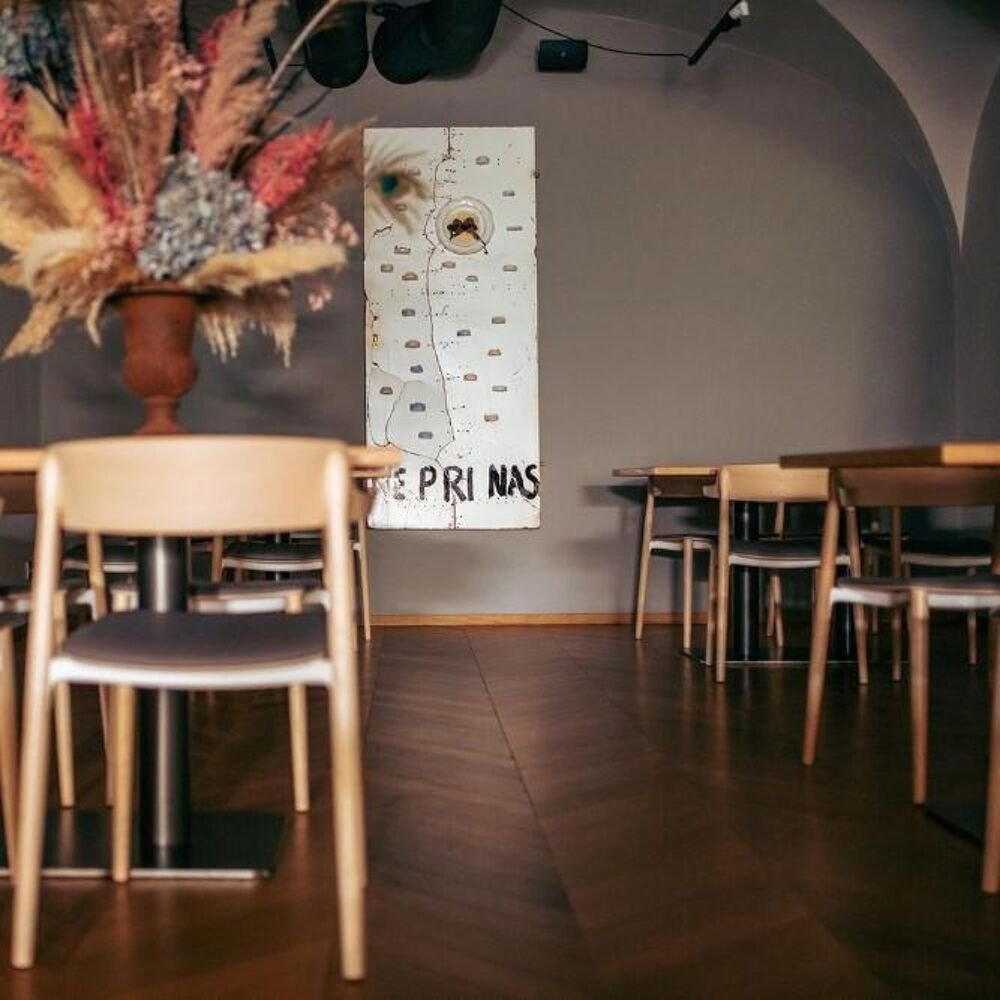
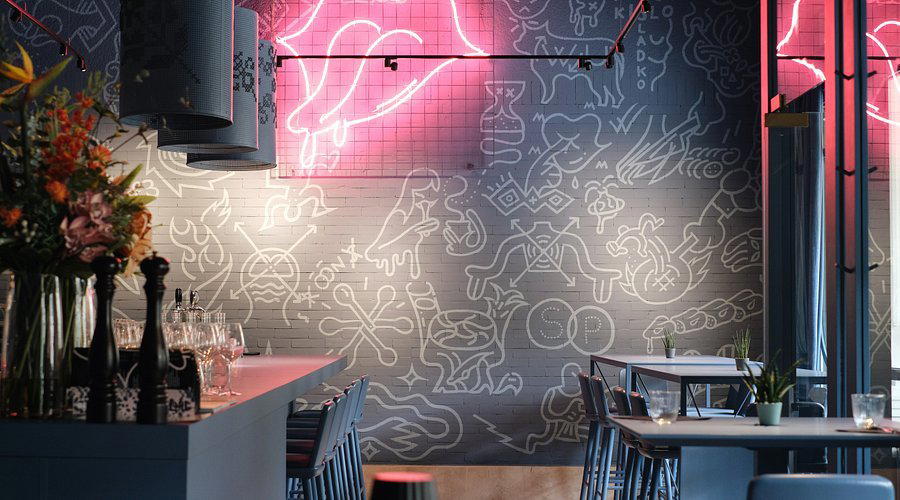
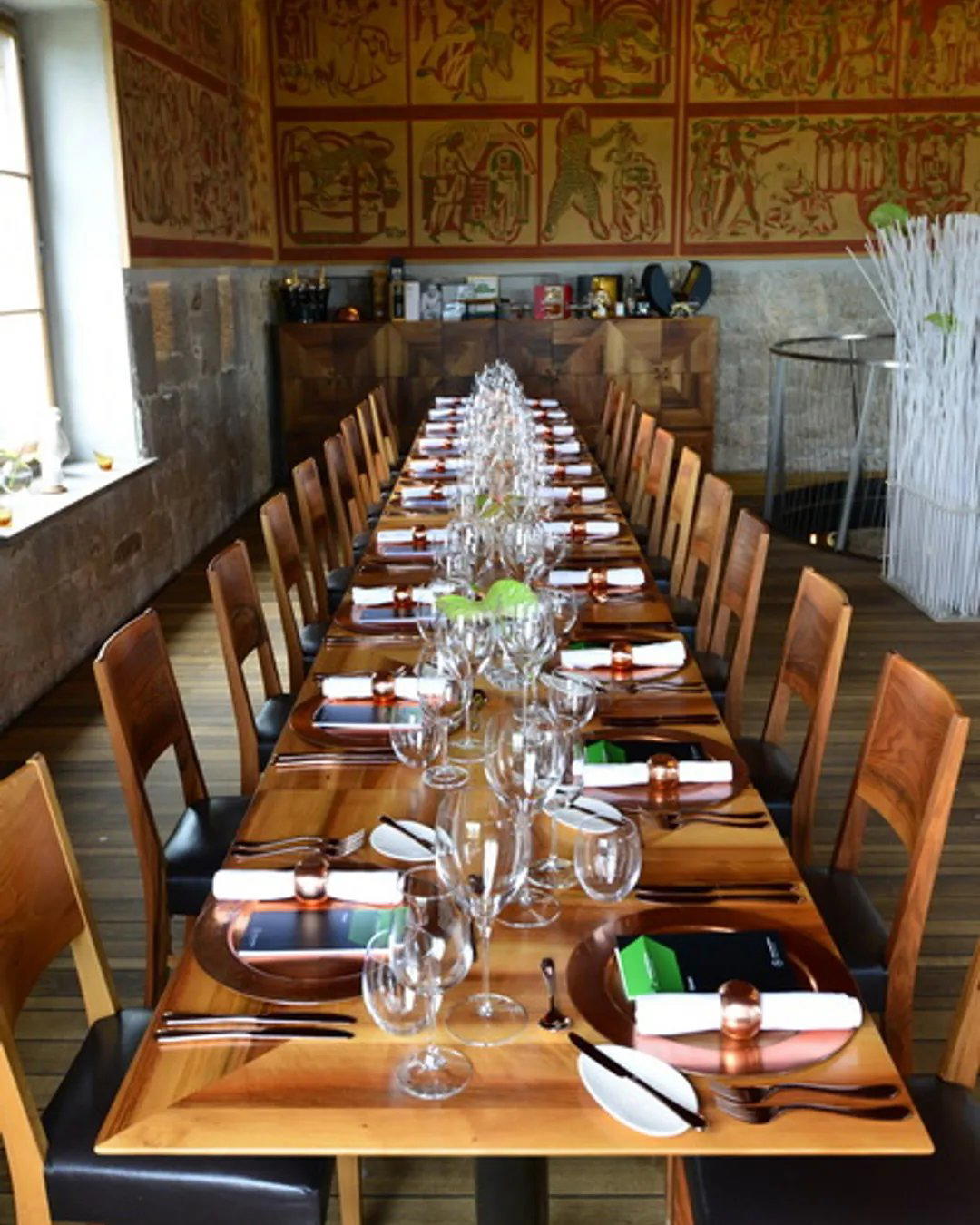
Bars in Ljubljana
Browse all →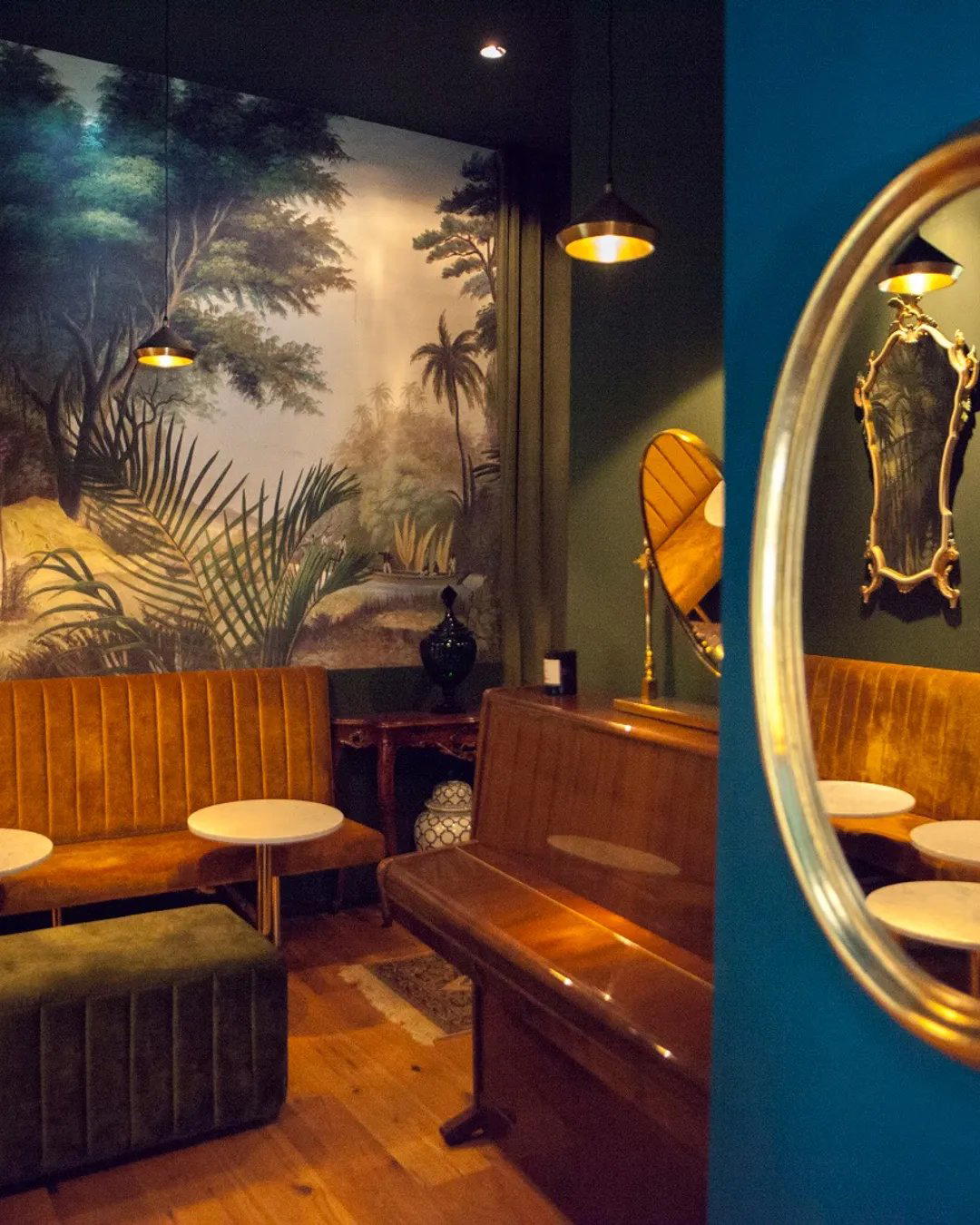
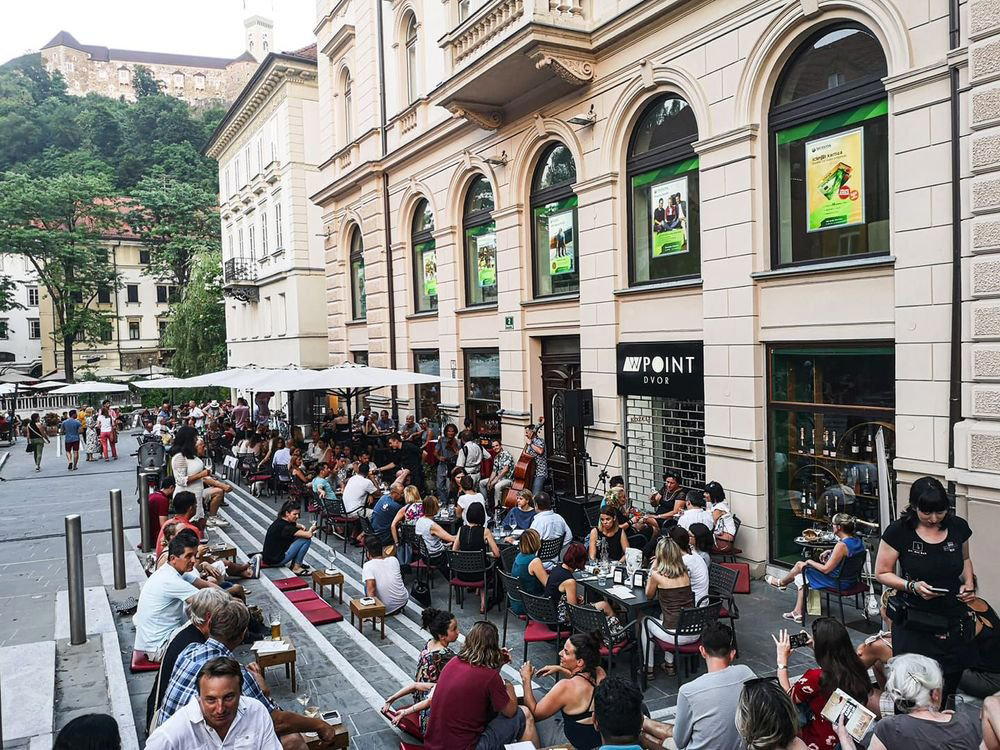
Hotels in Ljubljana
Browse all →
Wineries in Ljubljana
Browse all →
At a Glance
- Cozy
- Trendy
- Lively
- Casual Hangout
- Brunch
- Terrace
- Historic Building
- Organic
- Local Sourcing
- Street Scene
Current opening hours
- Monday
- 7:30 AM–11 PM
- Tuesday
- 7:30 AM–11 PM
- Wednesday
- 7:30 AM–11 PM
- Thursday
- 7:30 AM–11 PM
- Friday
- 7:30 AM–11 PM
- Saturday
- 7:30 AM–11 PM
- Sunday
- 7:30 AM–5 PM
Hours can change for holidays and private events. Last verified .
Relaxed and welcoming with chill lounge music, hipster interior, lively terrace atmosphere, and dramatic visual appeal.