Bazil Indian Cuisine
Our verdict
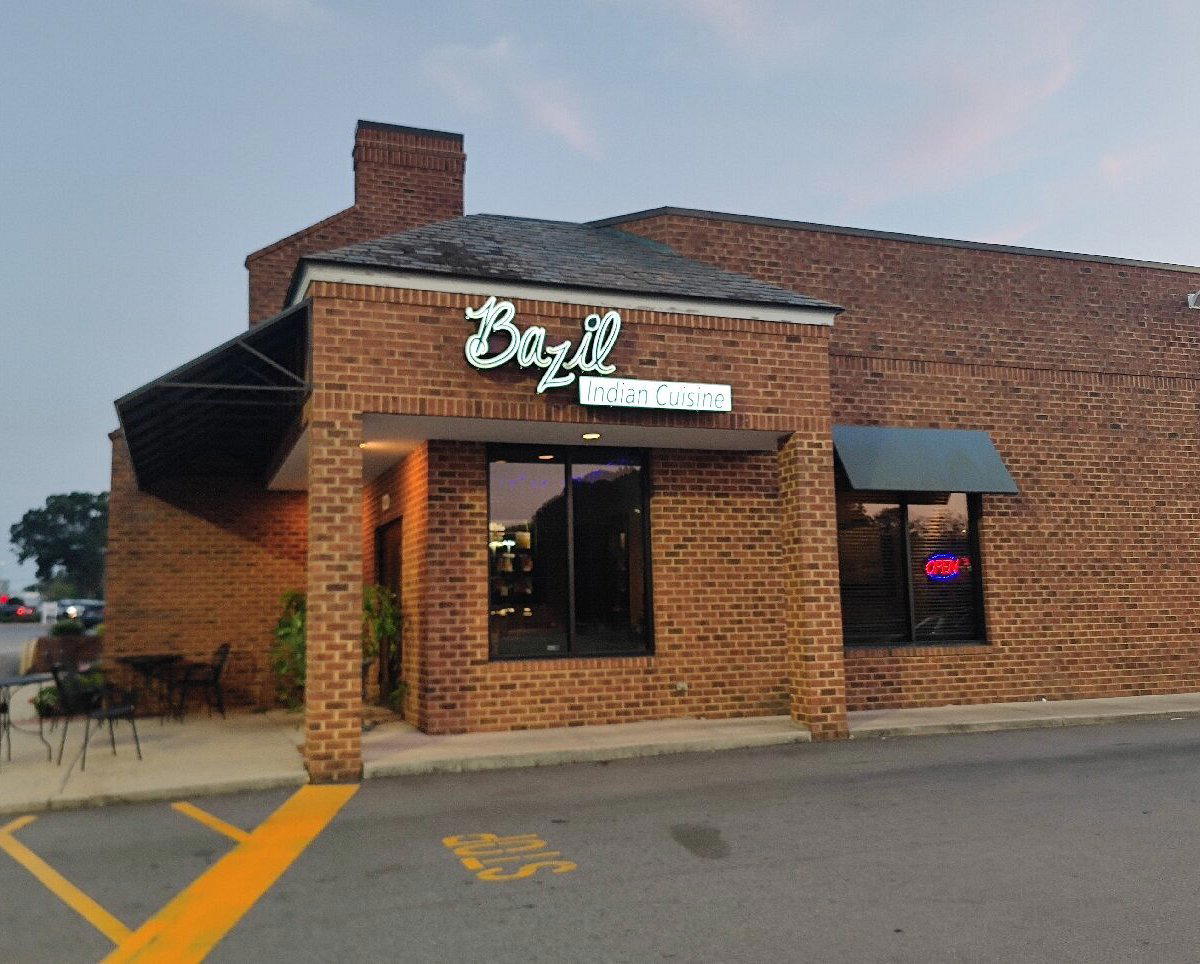
Bazil Indian Cuisine on Glenwood Avenue brings subcontinental cooking to one of Raleigh's busiest dining corridors, where the Indian restaurant scene has grown steadily alongside the city's broader culinary expansion. The address places it within reach of North Raleigh's residential and commercial mix, serving a dining public that has grown increasingly fluent in regional Indian cooking over the past decade.

Pearl is the En Primeur Club membership app — saves, bookings, and concierge access live there. Same editors, same standards.
- Address
- 6602 Glenwood Ave Suite 1, Raleigh, NC 27612
- Phone
- (919) 307-3034
- Hours
- Mon–Thu 11 AM–2:30 PM, 5–9:30 PMFri 11 AM–2:30 PM, 5–10 PMSat 12–3 PM, 5–10 PMSun 12–3 PM, 5–9 PM
- Website
- bazil-indian-cuisine.com
- Directions
- Get directions
- Booking
- Book on OpenTable
The menu
What to order
- Bazil's Special Chaat
- Chicken Chapli Kebabs
- Lobster Crab Malai Tadka
Indian Dining in Raleigh's Glenwood Corridor
Glenwood Avenue in North Raleigh runs through a stretch of commercial development that has accumulated restaurants steadily over the past two decades. The corridor is not the city's most talked-about dining district — that distinction belongs to downtown blocks around Poole's Downtown Diner and Anthony's La Piazza — but Glenwood's density of residential neighborhoods behind it creates reliable, repeat-customer traffic that supports mid-tier independent restaurants of all kinds. Indian cuisine has found a durable foothold here, drawing from a Research Triangle population that includes a substantial South Asian professional community alongside a dining public that has, over time, moved past tikka masala familiarity toward broader subcontinental literacy.
Bazil Indian Cuisine occupies Suite 1 at 6602 Glenwood Ave, a strip-format address that is entirely characteristic of this part of Raleigh. Strip-center Indian restaurants across American cities are often where the most honest cooking happens: less pressure to perform for a tourist-facing audience, more pressure to satisfy regulars who know the food. That dynamic has shaped Indian restaurant culture in mid-sized American cities from the inside out, and Raleigh's scene reflects it.
The Structure of the Meal: How Indian Dining Rituals Read in an American Context
The formal ritual of an Indian restaurant meal in the United States follows a pattern that diverges meaningfully from how the same food is consumed in India. In the subcontinent, eating is often communal, circular, and built around shared dishes arriving without a fixed sequence. In an American Indian restaurant, the convention has typically been adapted to a Western course structure: appetizers, then mains with rice and bread, then dessert. What distinguishes better Indian restaurants is how much of the communal logic they preserve within that Western frame.
The customary approach at most North American Indian restaurants involves ordering several proteins and vegetable preparations to share across the table, with roti or naan and a rice dish acting as the neutral base. This is a better way to eat the food than individual plate ordering, it allows flavors to move and contrast, and it reflects how the cooking is actually designed. A dal and a dry preparation alongside a curry-forward dish gives a table a range of textures and heat gradients that single ordering cannot replicate. Restaurants in Raleigh's Indian category, including those in the Glenwood area, generally support this format through menu structures that make shared ordering intuitive.
Bread service carries particular weight in the ritual. The arrival of fresh naan or paratha signals the meal's readiness and sets its pace. A table that receives warm bread early and regularly is a table that will eat well. The quality of the tandoor, the clay oven that produces both bread and certain proteins, determines much of what is possible in an Indian kitchen, and it is one of the few pieces of equipment for which there is no useful substitute.
Raleigh's Indian Restaurant Tier and Where It Sits
Raleigh's Indian restaurant scene is mid-tier in national terms: more developed than cities of comparable size in the Southeast, less concentrated than Northern Virginia or the Edison-Iselin corridor in New Jersey, which represents one of the densest Indian restaurant markets in the country. The Triangle's academic and tech employment base has historically driven demand for more specific regional cooking, South Indian dosa formats, Hyderabadi biryani, Gujarati vegetarian, alongside the North Indian curry-house standard that dominated American Indian dining through the 1990s.
For context on where refined Indian food sits nationally, venues like Atomix in New York City demonstrate how a single cuisine's fine-dining expression can anchor a city's culinary identity. Indian fine dining in the United States has followed a slower trajectory, but cities like Raleigh have seen Indian restaurants quietly improve their sourcing, regional specificity, and cooking precision over the past decade, tracking a national shift that has accelerated since roughly 2015.
Within Raleigh, the comparison set for Indian cuisine includes Azitra, which has drawn attention for its approach to the category, and Ajja, which operates at the intersection of Mediterranean and Indian influence. The city's broader dining scene, documented in our full Raleigh restaurants guide, spans Southern American traditions at venues like Anthony's La Piazza Prime and internationally oriented formats at Barcelona Wine Bar Raleigh. Indian cuisine occupies a distinct and durable corner of that picture, appealing to regulars who return on a weekly rather than annual basis.
What the Glenwood Address Tells You About the Dining Experience
Strip-center placement in North Raleigh signals something specific about a restaurant's operating model. The overhead structure differs from downtown locations, which in Raleigh command premium rents and draw more occasion-driven dining. Glenwood Avenue Indian restaurants generally operate on volume and loyalty: lunch buffets that turn tables efficiently, dinner service that rewards the regular who knows what to order. The format is not a compromise, it is a different optimization, one that often produces more consistent, less theatrical cooking than the downtown-showpiece model.
American dining criticism has historically undervalued this category. The strip-center Indian restaurant that feeds the same families every Friday for fifteen years is doing something that destination-format restaurants, even celebrated ones like The French Laundry in Napa, Le Bernardin in New York City, or Blue Hill at Stone Barns in Tarrytown, are not designed to do. The category of reliable, neighborhood-anchored Indian cooking serves a different function in a city's food ecosystem, and Raleigh's Glenwood corridor provides the conditions for exactly that kind of restaurant to thrive.
Other cities with strong neighborhood Indian restaurant cultures, including markets served by venues like Smyth in Chicago, Providence in Los Angeles, and Addison in San Diego, demonstrate that a city's culinary depth is never measured solely by its fine-dining tier. The mid-market, high-frequency Indian restaurant is part of what makes a city's food scene function week to week rather than on special occasions only.
Planning a Visit
Bazil Indian Cuisine is located at 6602 Glenwood Ave Suite 1, Raleigh, NC 27612. The Glenwood Avenue corridor is car-accessible from most of North Raleigh and the surrounding Research Triangle communities. Parking at strip-center addresses of this type is generally surface-lot and uncomplicated. For current hours, pricing, and reservation availability, checking directly with the restaurant before visiting is advisable, as operational details for independent restaurants in this category can shift seasonally. The Glenwood location places it roughly equidistant from several North Raleigh residential neighborhoods, making it a practical option for weeknight dining as well as weekend visits.
Frequently asked questions
Where is Bazil Indian Cuisine located?
Bazil Indian Cuisine is located at 6602 Glenwood Ave Suite 1, Raleigh, NC 27612, Raleigh.
Is Bazil Indian Cuisine suitable for diners unfamiliar with Indian food in Raleigh?
The shared-plate structure of an Indian restaurant meal means newcomers to the cuisine can order across multiple preparations at one table, which reduces the pressure of any single choice. Bazil's Glenwood Ave location in North Raleigh puts it in a neighborhood context rather than a destination-dining one, which typically means service pacing is calibrated for a general audience rather than a specialist crowd. For anyone working through Indian cuisine for the first time in Raleigh, the format at a venue like Bazil is more forgiving than an omakase-style or single-dish concept.
What's the signature dish at Bazil Indian Cuisine?
Dish-level detail for Bazil has not been confirmed through verified sources at publication. Indian restaurants operating along Raleigh's Glenwood corridor typically anchor their menus around subcontinental staples: butter chicken, dal makhani, and tandoor-prepared breads appear across the category. For current menu specifics, visiting the restaurant directly at 6602 Glenwood Ave, Suite 1 is the most reliable route.
How far ahead should I plan for Bazil Indian Cuisine?
Strip-center Indian restaurants in North Raleigh generally see lighter advance booking pressure than downtown Raleigh destination venues. Walk-in availability at 6602 Glenwood Ave is likely more accessible than at higher-profile spots in the city's core, though weekend evenings across the Glenwood corridor tend to see increased traffic. Calling ahead is the practical minimum for groups of four or more.
What is Bazil Indian Cuisine known for?
Bazil serves an Indian menu within Raleigh's Glenwood Avenue dining corridor, drawing a neighborhood clientele that spans the area's South Asian community and broader North Raleigh residents. Its Glenwood Ave address places it in a commercially active stretch of North Raleigh that has accumulated restaurant options steadily over the past two decades. The format fits the strip-center Indian dining model common to suburban American markets: accessible, family-oriented, and operationally focused on volume over tasting-menu ambition.
Style and Standing
Comparable venues nearby, for context on price, style, and recognition.
| Venue | Cuisine | Price | Notes |
|---|---|---|---|
| Bazil Indian CuisineThis venue — the venue you are viewing | Modern Indian Cuisine | $20–30 | Not listed |
| Masala House | Authentic North Indian & Himalayan | $20–30 | Northclift |
| JALWA INDIAN BISTRO | Contemporary Indian Bistro | $30–50 | Wakeview |
| Salt & Lime Cabo Grill | Baja-Inspired Mexican Fusion | $20–30 | Wakeview |
| Kanki Crabtree | Japanese Hibachi Steakhouse & Sushi | $30–50 | Royal Hills |
| Beasley’s Chicken & Honey | American | Not listed | Fayetteville Street |

Details
- Modern
- Cozy
- Family
- Casual Hangout
- Date Night
- Local Sourcing
- A La Carte
- Vegetarian Friendly
- Vegan Options
- Gluten Free Options
- Halal
Current opening hours
- Monday
- 11 AM–2:30 PM, 5–9:30 PM
- Tuesday
- 11 AM–2:30 PM, 5–9:30 PM
- Wednesday
- 11 AM–2:30 PM, 5–9:30 PM
- Thursday
- 11 AM–2:30 PM, 5–9:30 PM
- Friday
- 11 AM–2:30 PM, 5–10 PM
- Saturday
- 12–3 PM, 5–10 PM
- Sunday
- 12–3 PM, 5–9 PM
Hours can change for holidays and private events. Last verified .
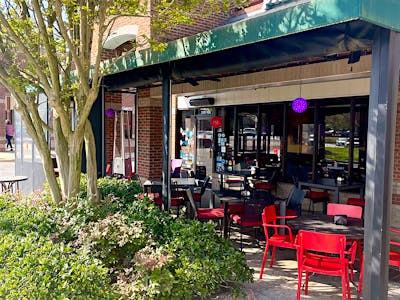
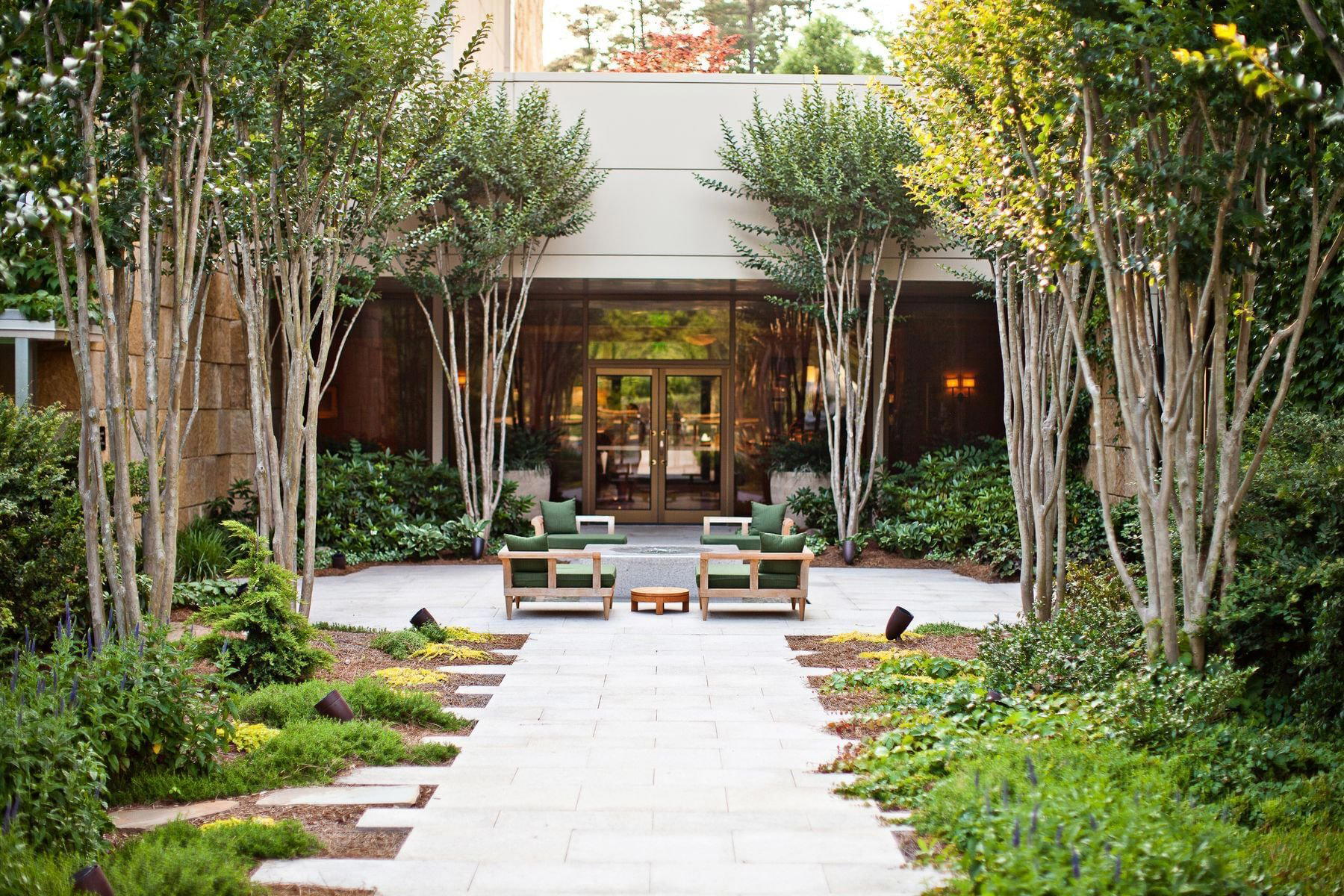
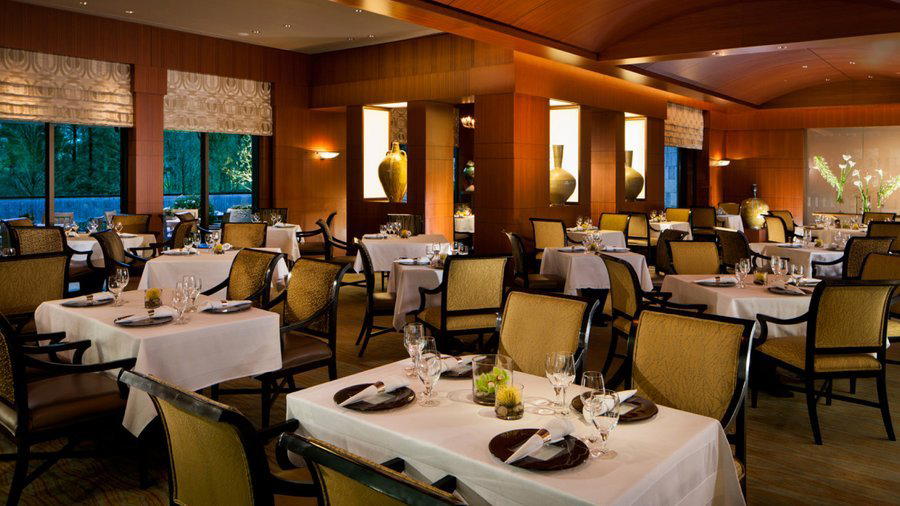
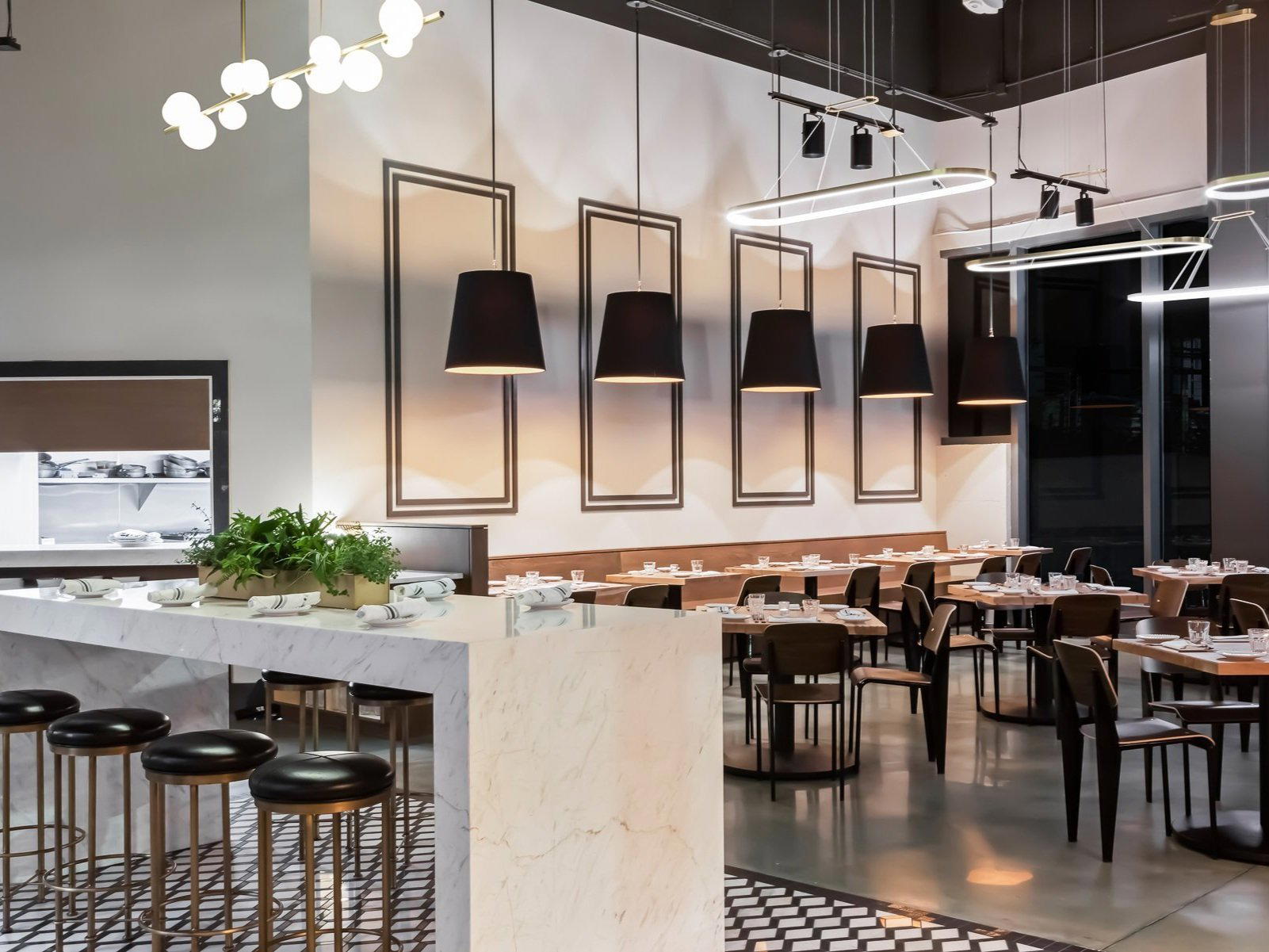
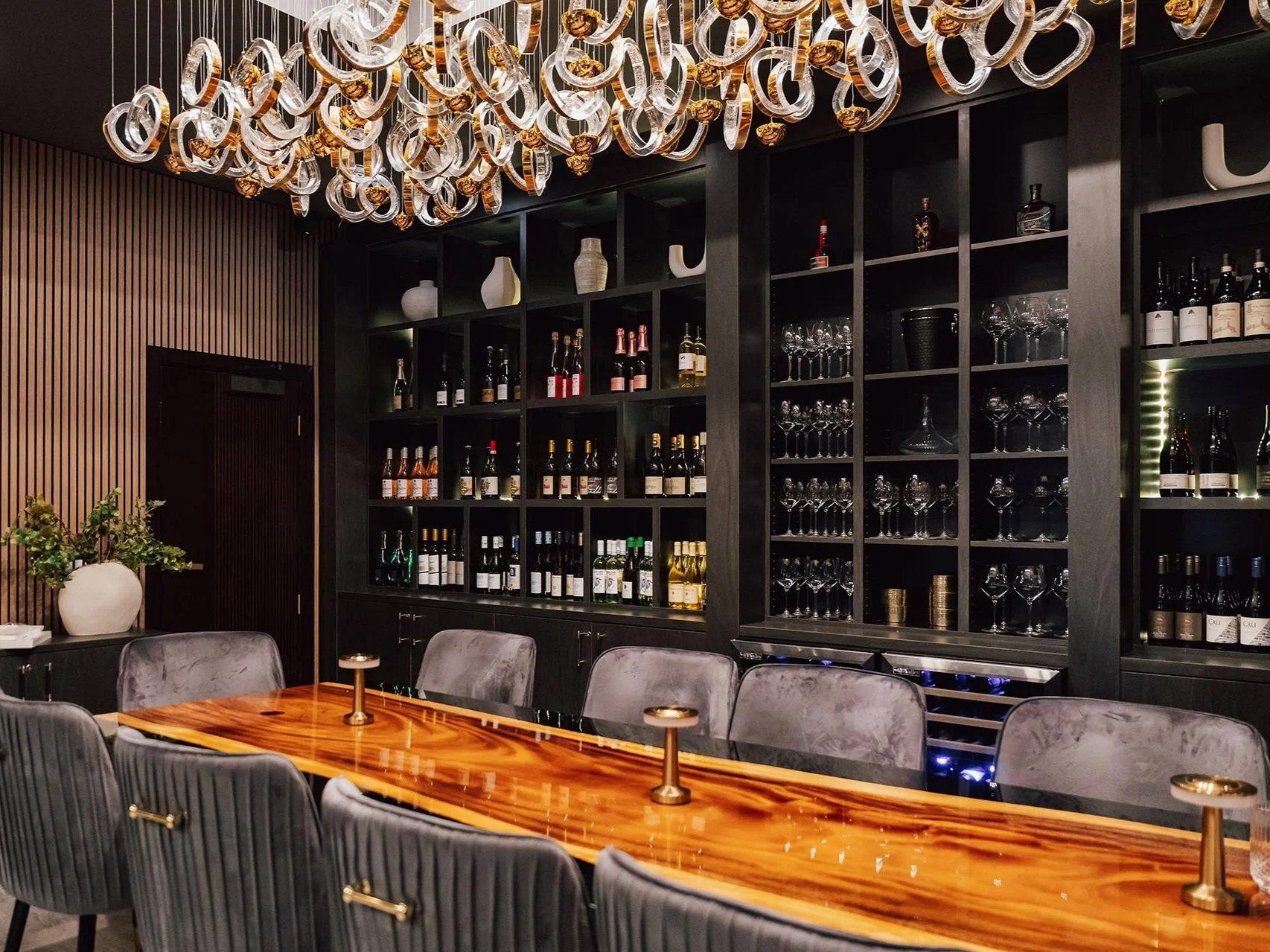
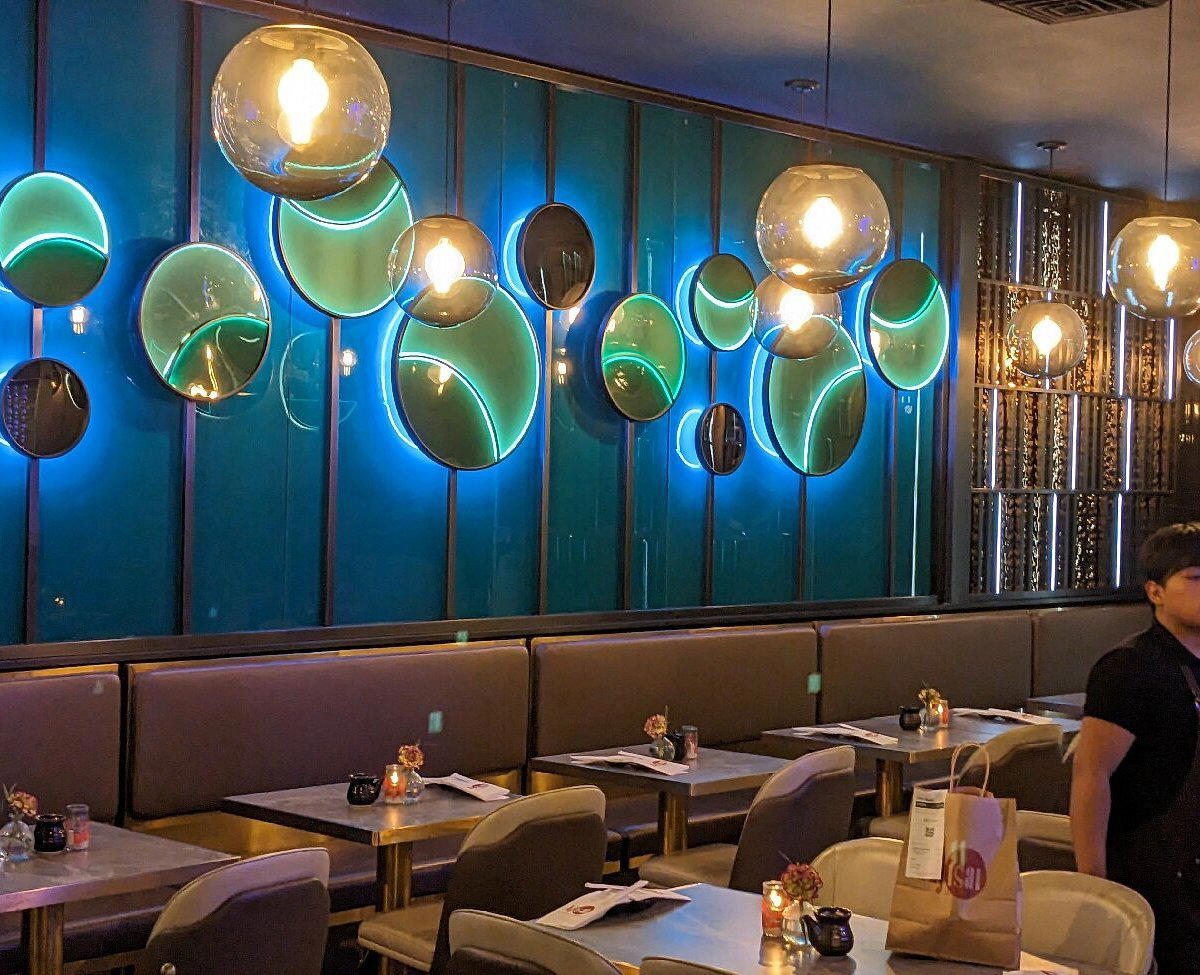
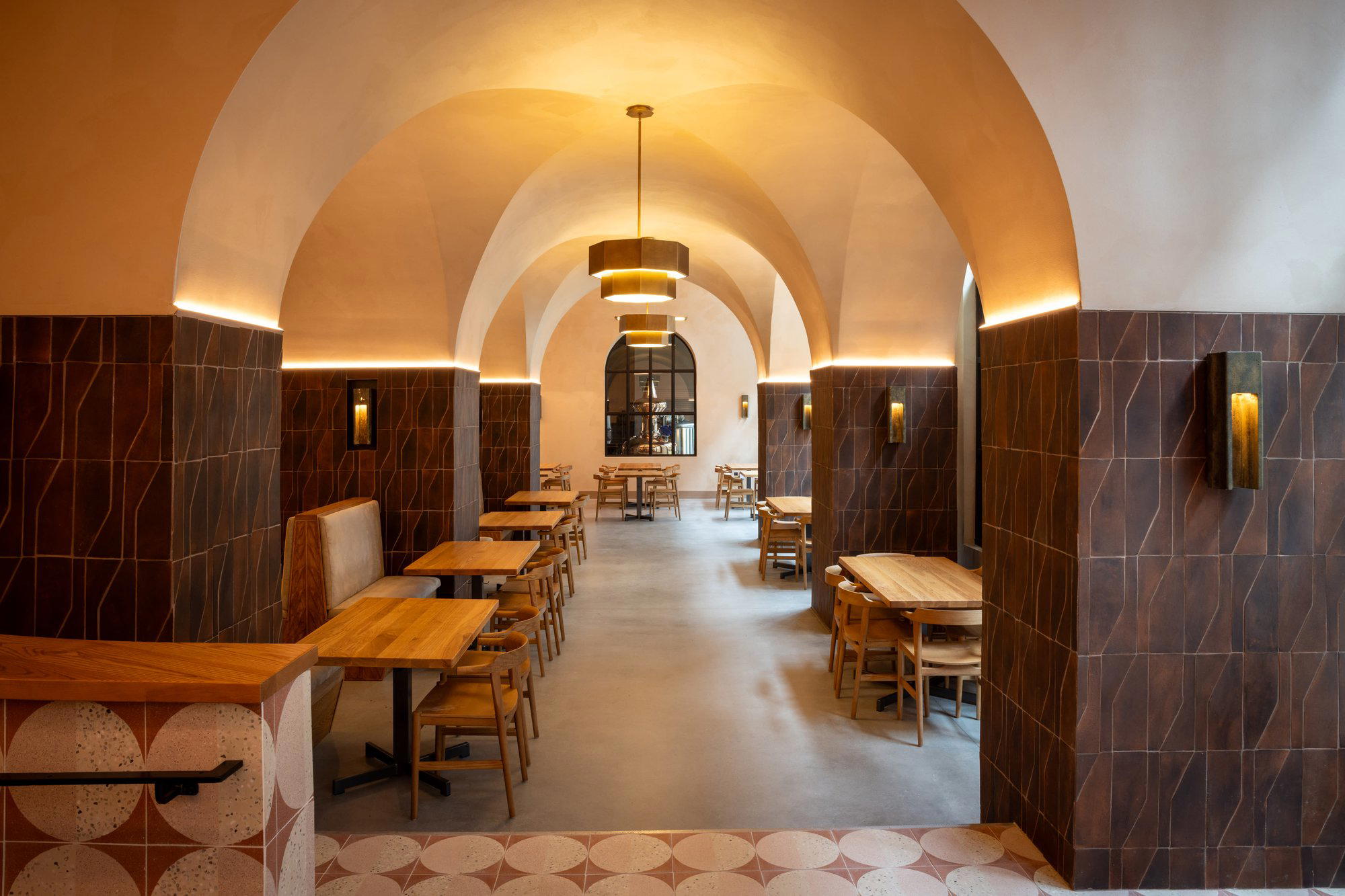
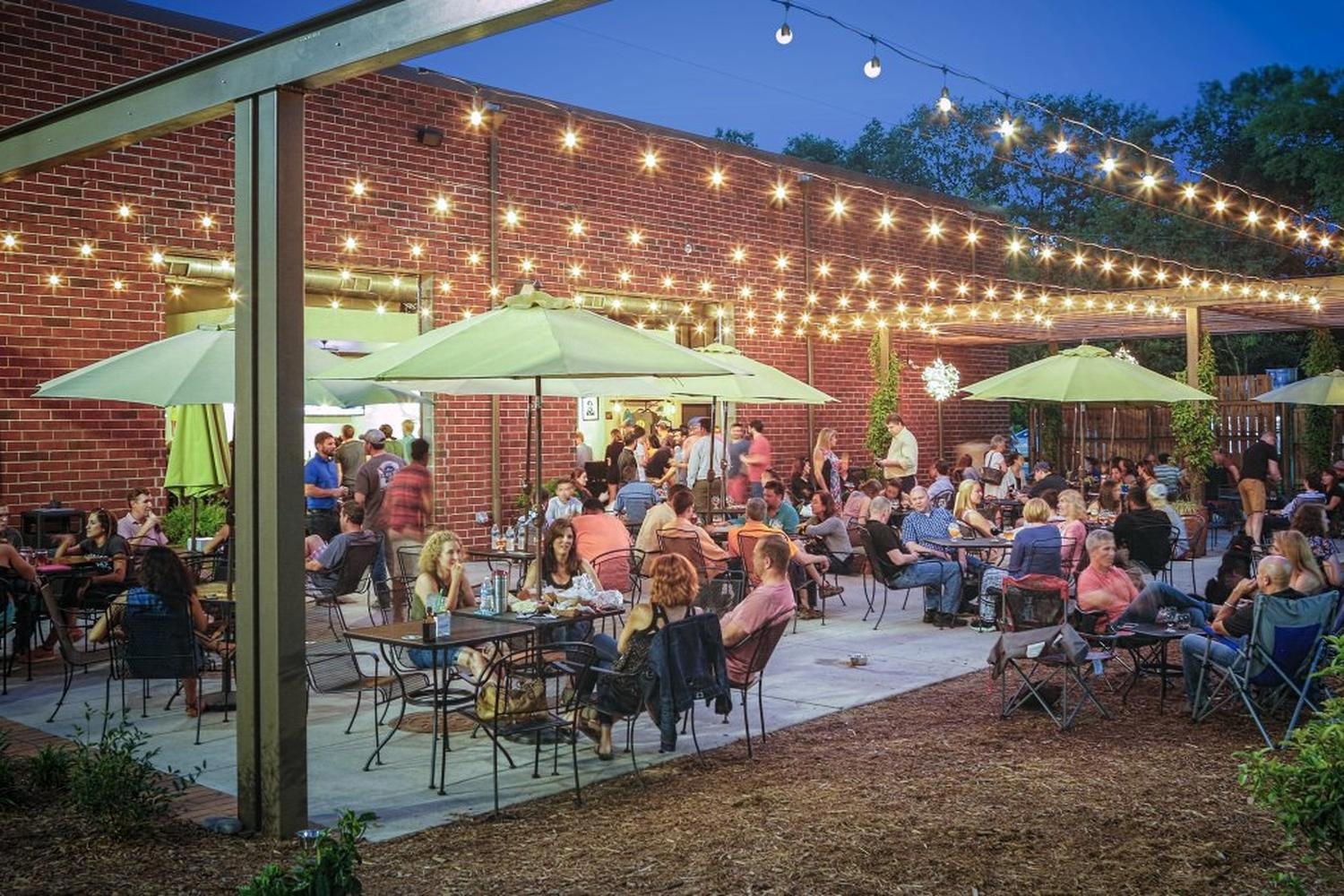
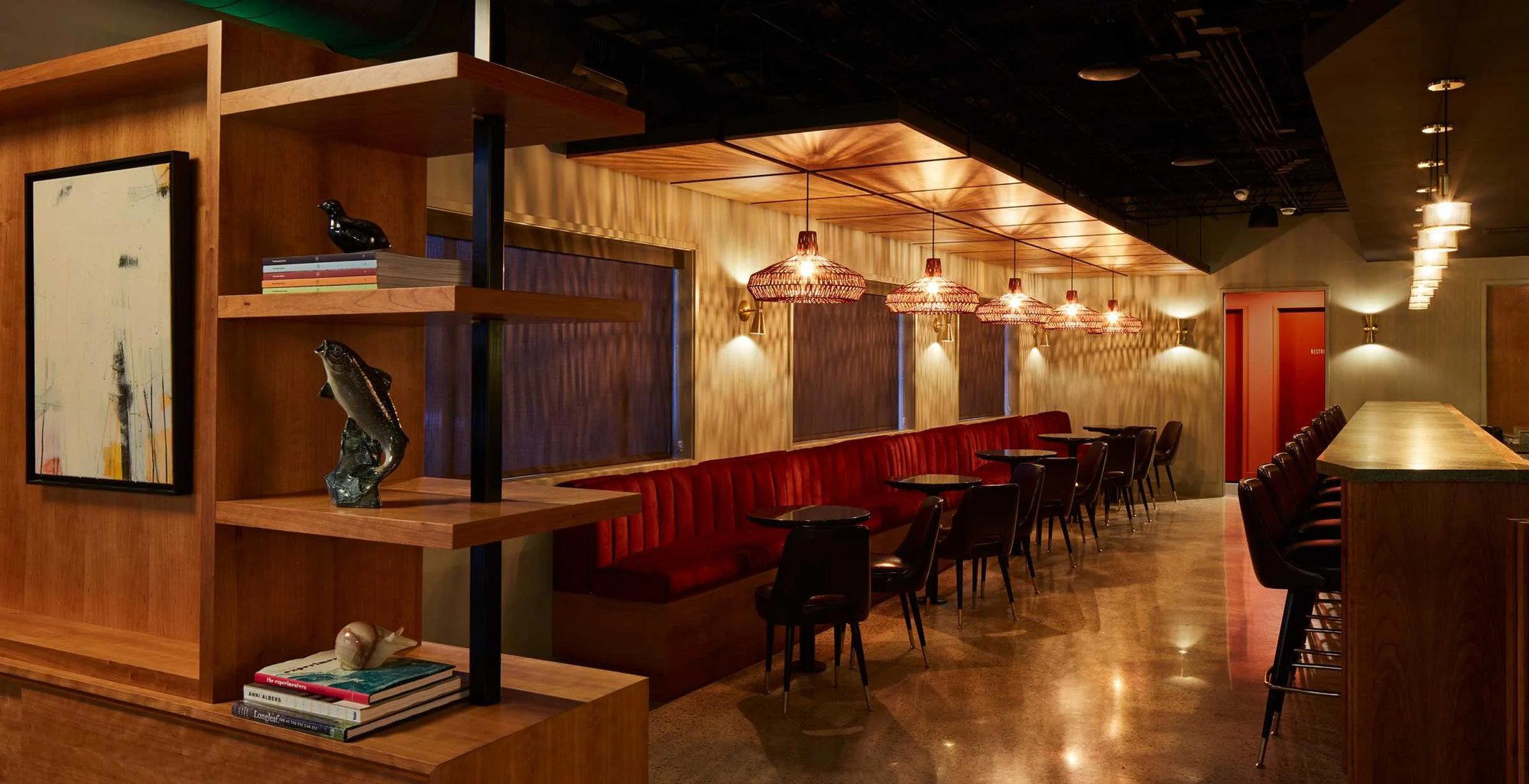
Lively yet warm atmosphere with hospitable service and enchanting storytelling through food.