Bazaar Meat By José Andrés
Our verdict
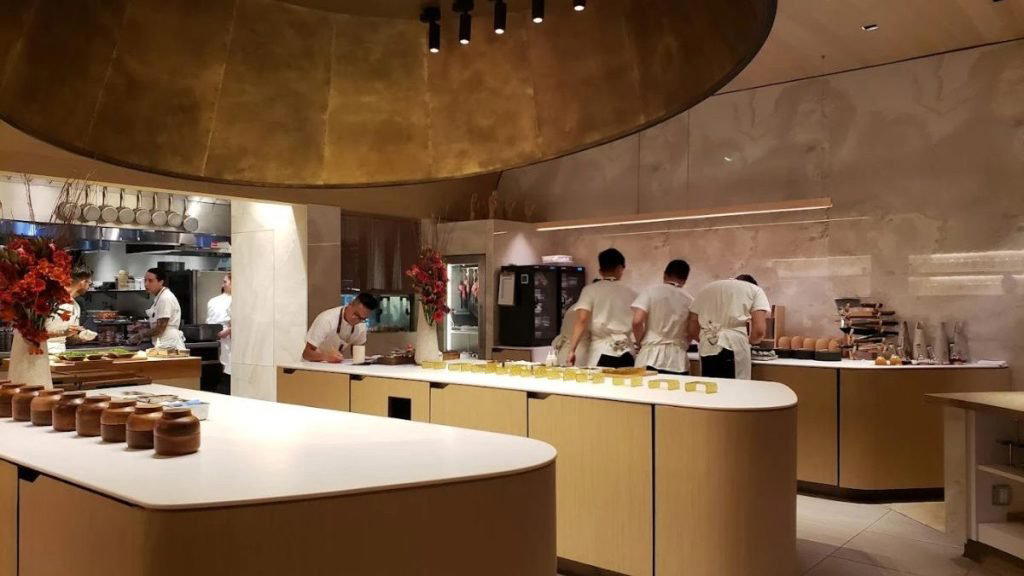
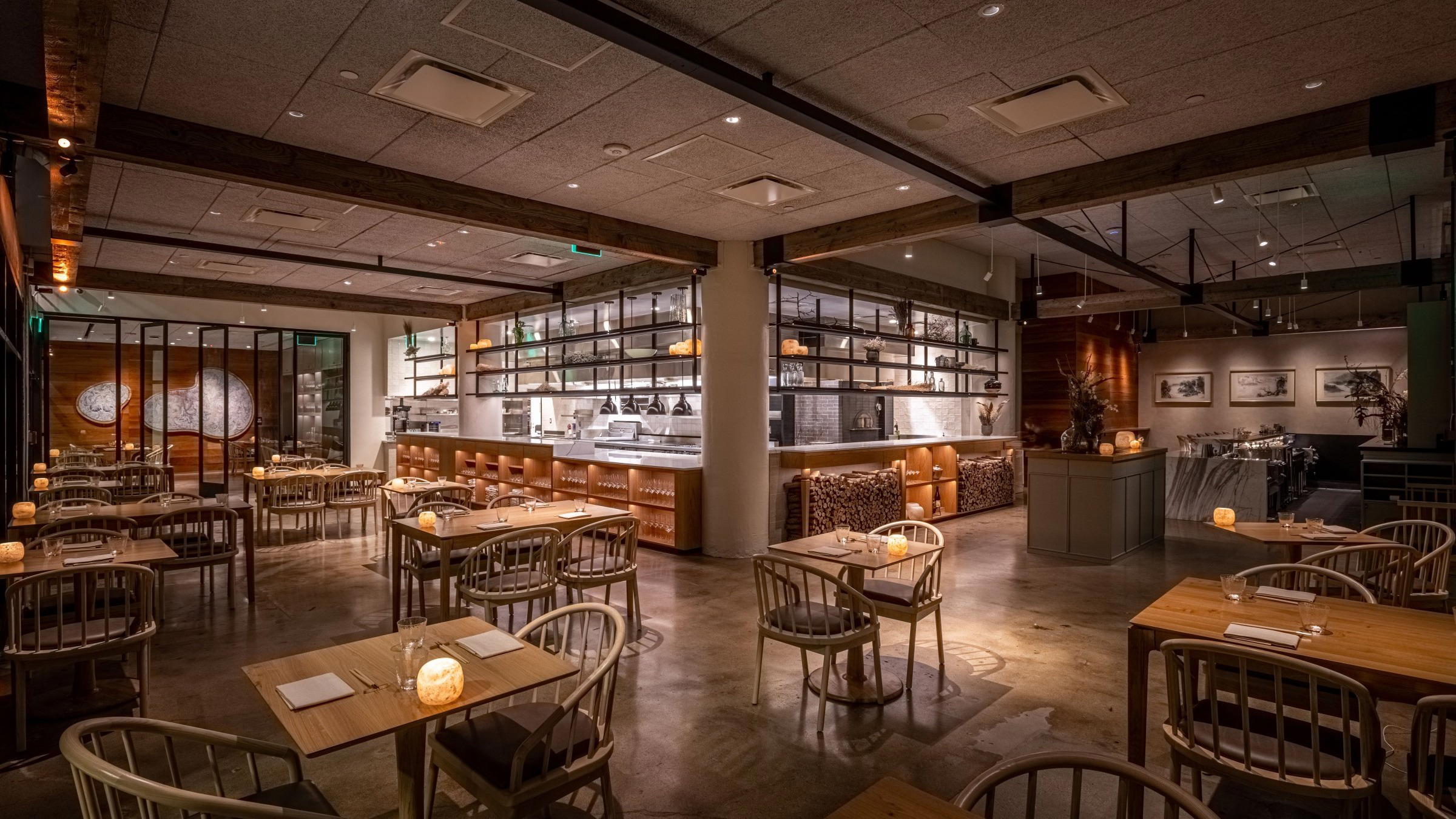
The room reads as theatre, the sourcing reads as argument, and the result sits at the serious end of LA's already competitive steakhouse tier.

Pearl is the En Primeur Club membership app — saves, bookings, and concierge access live there. Same editors, same standards.
- Address
- 100 S Grand Ave, Los Angeles, CA 90012
- Website
- thebazaar.com
- Directions
- Get directions
The menu
What to order
- Paletilla Ibérica de Bellota
- Jamón Experience
That Spanish lineage matters because it changes what the kitchen does with secondary cuts and offal. Spanish culinary tradition has always treated the whole animal as the argument, not just the loin. When a restaurant operating in that tradition handles premium American beef, Wagyu, or Ibérico pork, the results tend to differ structurally from a conventional steakhouse that centres the ribeye and treats everything else as a supporting cast. The format at Bazaar Meat follows that logic. One camp prioritises intimacy and counter-format precision: restaurants like Hayato, Providence or Osteria Mozza offers in their leading moments. The energy is louder, the room is larger, and the format rewards tables that treat the meal as an event rather than a study. For the right group and occasion, that is exactly the point. The question is whether the kitchen's discipline matches the room's ambition, and that question is worth asking of any large-format restaurant operating at this price tier.enprimeurclub.com/restaurants/emerils-new-orleans-restaurant">Emeril's in New Orleans, which established the template for celebrity-chef restaurants that operate at genuine scale without sacrificing kitchen seriousness, and Addison in San Diego, which handles California luxury product inside a formal structure. On the more restrained technical end, Smyth in Chicago and Lazy Bear in San Francisco show what chef-driven ambition looks like when the room is smaller and the format tighter.
Sourcing as Theatre, Theatre as Argument
One of the more interesting tensions in the Bazaar Meat format is the relationship between spectacle and substance. The open fire, the room, the José Andrés name, all of these function as theatre. But the sourcing program, if executed with the seriousness the concept implies, functions as argument: that where meat comes from, how the animal was raised, and what breed it was are facts that change what ends up on the plate. The leading version of this format makes both layers visible simultaneously, so the theatre does not overwhelm the substance.
This is a question that runs through the broader American steakhouse conversation. The French Laundry in Napa resolved it by making provenance granular to the point of documentation. Atelier Moessmer Norbert Niederkofler in Brunico takes a European Alpine approach where the sourcing radius is the philosophy. Le Bernardin in New York City built its identity on source-to-plate discipline for seafood. For meat, the challenge is different because the supply chain is more opaque and the premium product categories, American Wagyu, grass-fed heritage breeds, Spanish Ibérico, require the kitchen to communicate their distinctions clearly. When Bazaar Meat succeeds, it does so on those terms. Frasca Food & Wine in Boulder and The Inn at Little Washington represent the more intimate end of chef-driven American dining, where the conversation between sourcing and cooking is quieter but no less serious. Atomix in New York City shows what happens when Korean culinary discipline is applied to seasonal sourcing at the highest tier. These are useful reference points for understanding how differently the same sourcing commitment can be expressed depending on format, price, and room size. Reservations: Booking in advance is advisable for this format and location; same-week availability at prime times is limited. Format: Large-format, shareable meat program with live-fire cooking; suited to groups of two or more who want to range across the menu. Timing: Evening service is the primary occasion, with the room reaching full energy mid-evening. Context: Positioned at the higher end of downtown LA's restaurant pricing; comparable in spend to other serious meat-focused or multi-course formats in the city.
Frequently asked questions
Is Bazaar Meat By José Andrés child-friendly?
Bazaar Meat is positioned as a serious dining destination within downtown LA's Grand Avenue cultural corridor, making it better suited to older teenagers and adults with an interest in the cooking format than to young children. The open-fire cookery and theatrical service are central to the experience, and the room's atmosphere is calibrated toward a deliberate, course-driven meal rather than a casual family outing. Families visiting the area for the Broad or Walt Disney Concert Hall might find the venue more appropriate as an adult evening option.
What's the vibe at Bazaar Meat By José Andrés?
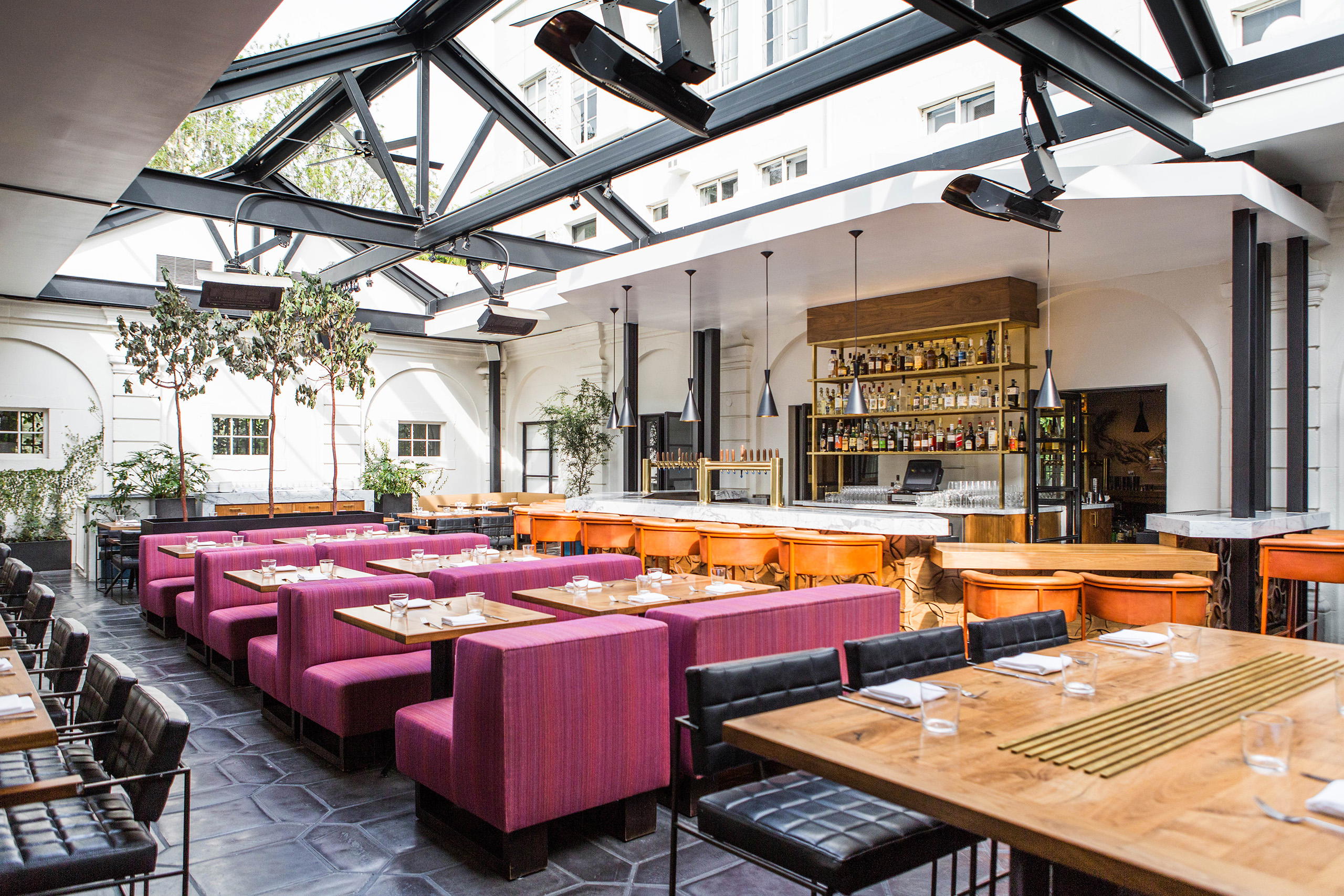
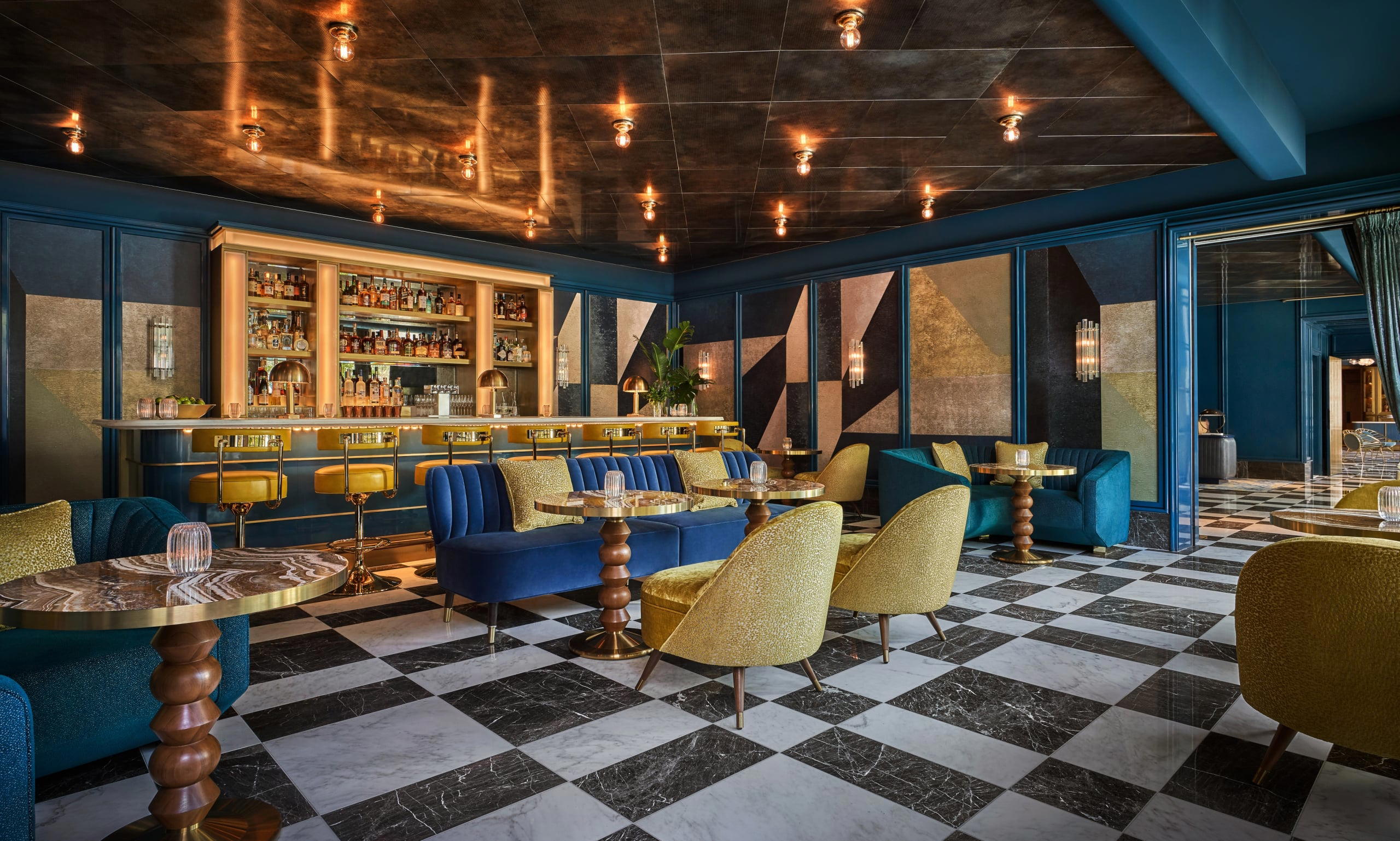
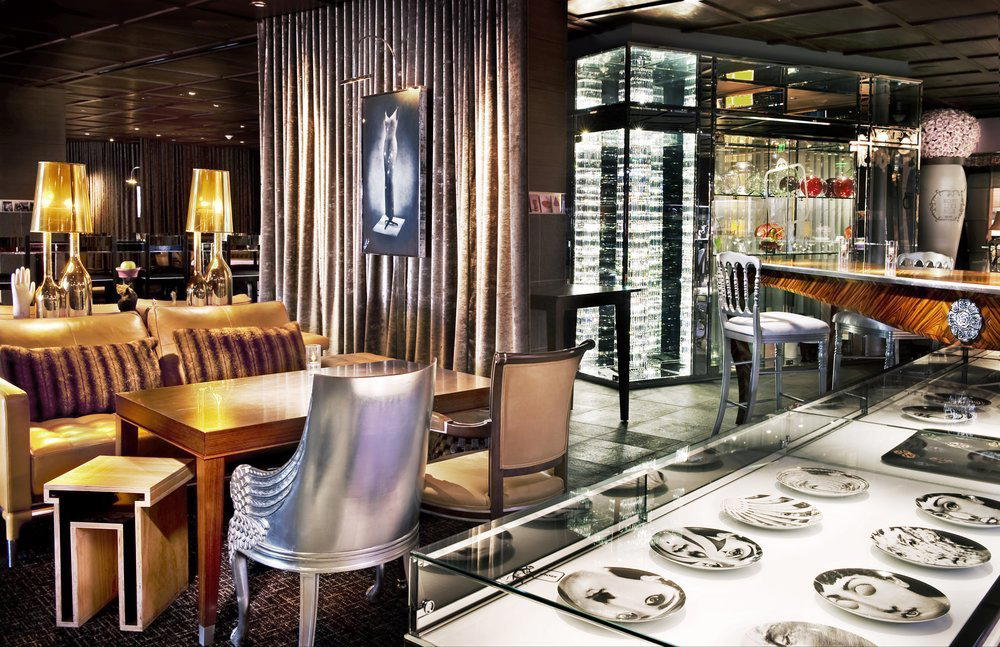
The room sits in the Grand Avenue cultural corridor at 100 S Grand Ave, which sets a particular tone: this is downtown LA's arts-district dining, not the intimate counter format that defines much of LA's current fine-dining conversation. Expect a large, dramatic space organized around open fire, with the cooking itself functioning as part of the visual and social experience. The crowd tends toward pre-theatre, special-occasion, and out-of-town visitors drawn to the José Andrés name, alongside DTLA regulars who treat it as a flagship address.
How does Bazaar Meat By José Andrés fit into José Andrés's broader restaurant group?
Bazaar Meat is the large-format, fire-focused counterpart to the broader Bazaar concept that José Andrés developed as a showcase for high-production Spanish-American cooking. While Andrés is perhaps best known internationally for his humanitarian work through World Central Kitchen and his Washington D.C. flagship minibar — which held two Michelin stars — the Los Angeles location at 100 S Grand Ave represents his approach to scale: a big room, open fire, and sourcing as the central argument, rather than the tasting-counter intimacy of his smaller formats.
What should I eat at Bazaar Meat By José Andrés?
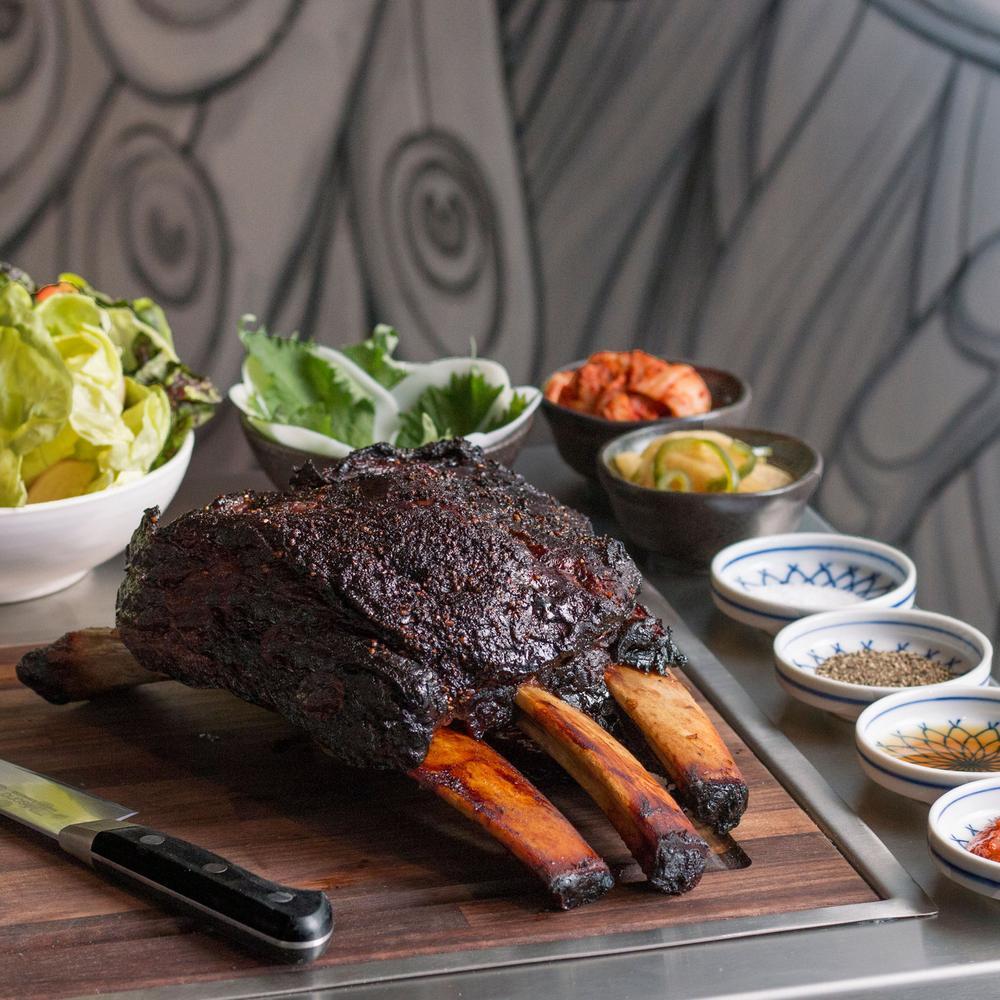
The organizing principle of the menu is sourced, fire-cooked meat — José Andrés has consistently built his broader restaurant group around treating ingredient provenance as a central argument, and Bazaar Meat is the direct expression of that in a large-format setting. The open-fire cookery is the kitchen's technical signature, so meat preparations from the grill or hearth are the logical anchor for any visit. Beyond the meat focus, the Bazaar format across Andrés's properties typically incorporates Spanish-influenced technique alongside American ingredients, so expect that interplay to run through the menu.
What's Bazaar Meat By José Andrés's location?
Bazaar Meat By José Andrés is located at 100 S Grand Ave, Los Angeles, CA 90012, Los Angeles.
Cuisine and Recognition
Comparable venues nearby, for context on price, style, and recognition.
| Venue | Cuisine | Price | Awards | Notes |
|---|---|---|---|---|
| Bazaar Meat By José AndrésThis venue — the venue you are viewing | Avant-Garde Spanish Steakhouse | $150–200 | Not listed | Not listed |
| Bazaar Meat | Spanish-Influenced Steakhouse with Avant-Garde Culinary Artistry | Not listed | Not listed | Downtown Los Angeles |
| Butchr Bar | Neighborhood steakhouse, butchery & natural wine bar | $50–100 | Not listed | Filipinotown |
| Dear John's | Classic Steakhouse | $50–100 | LA Times 101 Best Restaurants #49 | Clarkdale |
| La Lo La Rooftop | Modern Spanish Tapas | $50–100 | Not listed | Downtown |
| Noma LA | Avant-Garde Fine Dining | $500+ | Not listed | Silver Lake |