Bazaar Meat
Our verdict
Bazaar Meat brings José Andrés's trademark theatrical approach to the steakhouse format in Los Angeles, placing cuts like tomahawk ribeye and A5 wagyu alongside avant-garde side dishes in a setting that reads as spectacle without sacrificing substance. The result sits at the high end of the city's premium steakhouse tier, closer to a tasting-menu experience than a conventional chophouse.
- Address
- Los Angeles, United States
The menu
What to order
- Bazaar Meat Selection
- Spanish Tapas
- Innovative Meat Preparations
Where the Steakhouse Format Gets Rewritten
The American steakhouse has two dominant modes: the traditionalist chophouse — white tablecloths, a cart of dry-aged prime, minimal interference — and the modernist reinterpretation that borrows the cut-centric vocabulary but adds technical theater around it. Los Angeles has examples of both. Arroyo Chop House and Lawry's The Prime Rib anchor the traditionalist end, with decades of consistent format and a loyal clientele built on predictability. Bazaar Meat, operating under the José Andrés ThinkFoodGroup umbrella, occupies the other pole entirely: a steakhouse that uses the language of provenance and cut as a starting point, then diverges sharply into avant-garde territory.
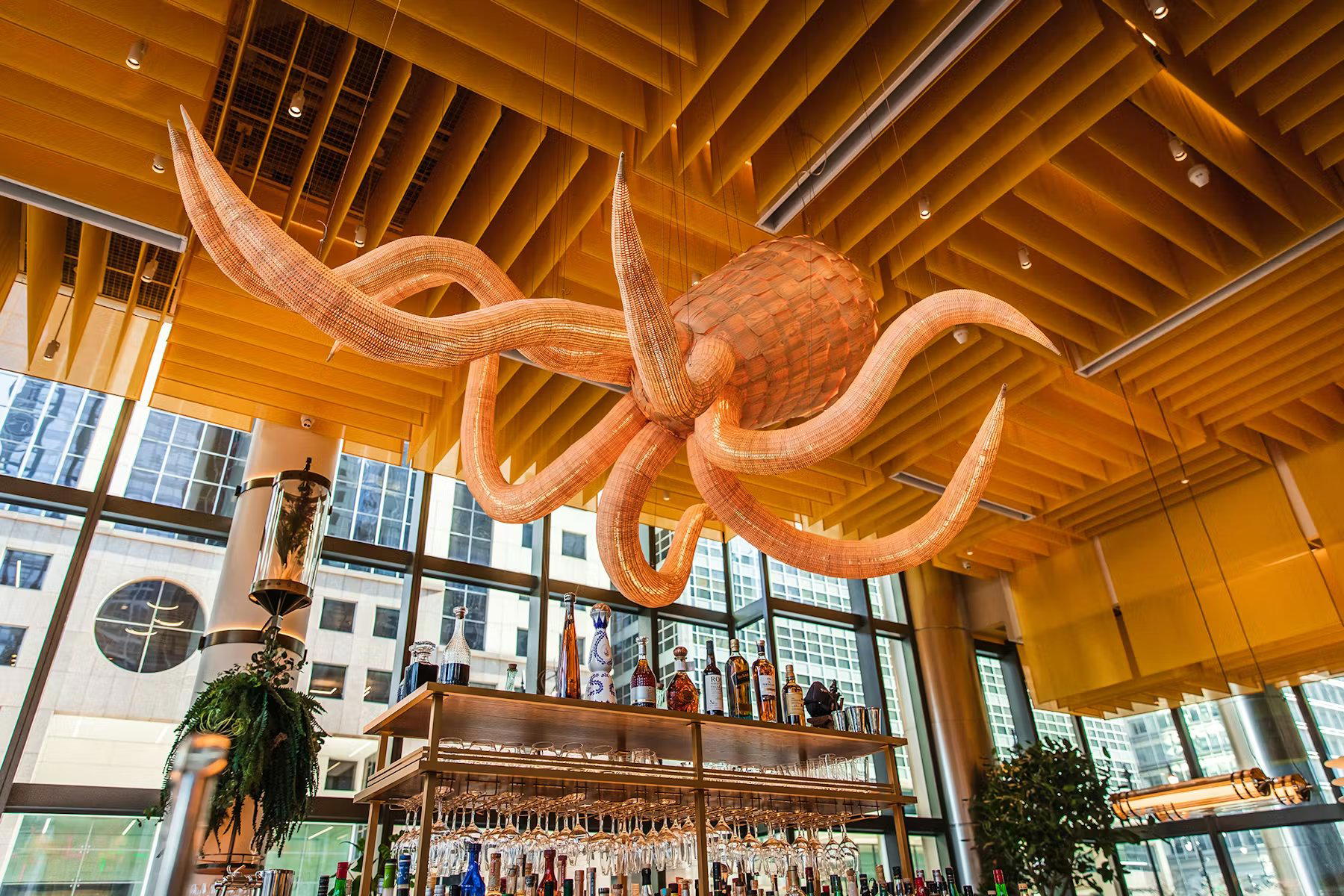
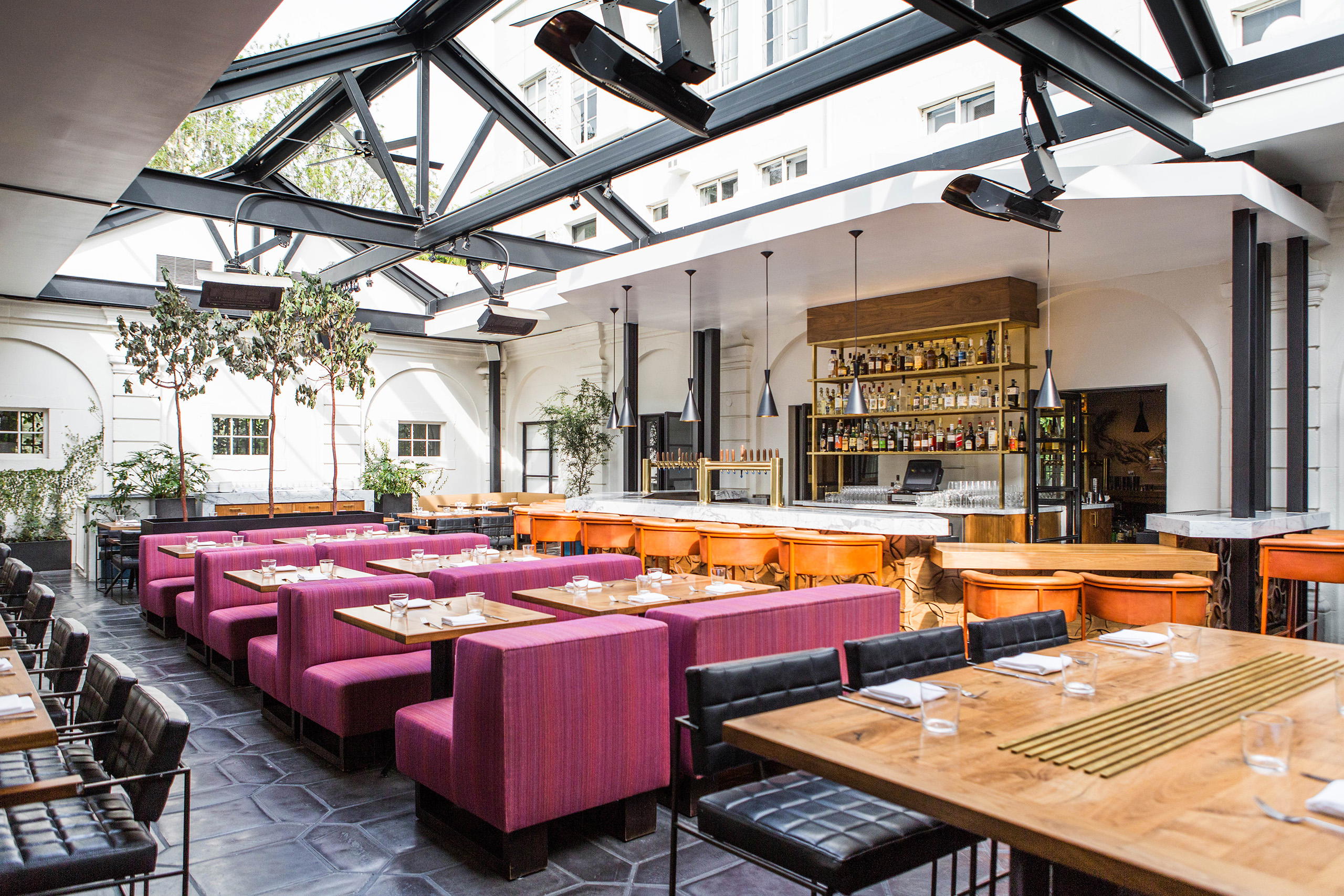
The physical space makes that ambition clear before a plate arrives. The dining room reads as a designed environment rather than a restaurant in the conventional sense, large-scale, visually loud, with a theatrical energy that sets expectations from the entrance. Where more restrained rooms like those at Gwen use butcher-shop aesthetics to signal craft-first intentions, Bazaar Meat signals spectacle first and substance second, which is either a promise or a risk depending on what you want from the evening.
The Cuts: What Actually Arrives at the Table
Editorial framework at Bazaar Meat is the cut itself. That framing matters because the cut is the single most legible signal of value and intent in any serious steakhouse, and the menu here spans a wider range of cut types and provenance options than most Los Angeles peers. The tomahawk ribeye, the elongated bone-in rib cut that became the Instagram shorthand for premium steakhouse excess in the 2010s, appears here in a format consistent with the room's theatrical register. It is a cut that rewards marbling and high-heat cooking; the long rib bone is cosmetic but the intramuscular fat distribution makes it genuinely suited to the wood-fire format ThinkFoodGroup has deployed in this kitchen.
Contrast between cut types reveals the kitchen's range. The filet, favored for tenderness over flavor intensity, and the New York strip, which offers a tighter grain and a more assertive beefy character, represent different priorities entirely. A diner who orders the strip is making a different argument about what a steak should be than one who orders the filet. Bazaar Meat's menu positioning accommodates both arguments, but the house personality leans toward bolder, more dramatic presentations, which aligns better with the ribeye and tomahawk end of the spectrum than with the leaner, quieter filet.
Inclusion of A5 wagyu, the Japanese designation for beef graded at the highest end of the marbling scale, places Bazaar Meat in a specific sub-tier of the Los Angeles steakhouse market. Fia Steak and Nick & Stef's Steakhouse operate in the premium steakhouse category but with different programming philosophies. A5 wagyu is not a format for large portions; the fat content makes a four-ounce portion genuinely rich in a way that a twelve-ounce prime ribeye is not. Menus that list it honestly tend to price it by the ounce rather than by the cut, and it functions leading as a supplementary course rather than a centerpiece. The kitchens that handle it well understand that it requires a different service register, smaller, more precise, eaten slowly, than the American prime cuts that anchor the rest of the menu.
The Broader Context: Theatrical Steakhouses in Major American Cities
Bazaar Meat belongs to a specific lineage of high-concept American steakhouses that emerged in the 2010s as a response to both the classicist chophouse tradition and the fine-dining tasting-menu format. The model is neither: it uses the accessibility of the steakhouse, you can order à la carte, the protein is the centerpiece, the occasion is legible, while importing technique and presentation vocabulary from modernist kitchens. Alinea in Chicago and The French Laundry in Napa represent the pure tasting-menu tradition; Bazaar Meat is explicitly not that. It is closer to the format being explored internationally at venues like A Cut in Taipei and Capa in Orlando, where the steakhouse frame is kept intact but the surrounding program expands well beyond it.
The side dish program at Bazaar Meat is, by any honest account, where the José Andrés signature is most visible. ThinkFoodGroup kitchens are trained in modernist Spanish technique, the lineage runs through elBulli, and the supporting plates carry that influence in ways the proteins largely cannot. A ribeye can only be cooked; a side dish can be constructed, deconstructed, and re-presented in ways that communicate a kitchen's technical range. For a diner already familiar with the Bazaar restaurants in Beverly Hills or Washington D.C. the grammar is consistent: playful, technically precise, often presented in a way that makes you look twice before you eat.
Where It Sits in the Los Angeles Fine-Dining Scene
Los Angeles's high-end restaurant scene has grown considerably more complex over the past decade. Tasting-menu restaurants like Vespertine, Hayato, and Camphor have raised the ceiling on what the city's dining public expects from a premium experience. Providence, holding two Michelin stars in the contemporary seafood category, represents the kind of sustained critical recognition that anchors a city's fine-dining reputation. Against that backdrop, Bazaar Meat operates in a different register: it is more accessible in format and more theatrical in delivery than the Michelin-starred tasting rooms, but it prices and presents itself at the top end of the steakhouse tier.
For visitors building a Los Angeles dining itinerary, the relevant comparison is less about absolute quality rank and more about what kind of evening you are constructing. If the priority is precision and silence, the omakase-adjacent experiences that require full attention, then Bazaar Meat is not the right room. If the priority is a high-energy group dinner where the tomahawk arrives with theater and the cocktail list is genuinely considered, it occupies a specific and largely uncontested position in the market. See our full Los Angeles restaurants guide for a complete mapping of how the city's dining tiers compare.
Planning Your Visit
Bazaar Meat operates within the SLS Hotel at Beverly Hills, which means it is accessible both as a destination dinner and as an in-hotel option for guests staying on the property. Reservations are advisable, particularly for groups, given the venue's profile and the Los Angeles tendency for premium dining rooms to fill on Thursday through Saturday without much lead time. The room's scale means walk-ins are more feasible here than at counter-format restaurants, though weekend prime time remains competitive. For the broader hospitality context, our Los Angeles hotels guide covers the full range of properties in the Beverly Hills and West Hollywood corridor. Visitors extending their stay should also consult our guides to Los Angeles bars, Los Angeles wineries, and Los Angeles experiences for a fuller picture of the city's premium leisure circuit.
For comparative reference points outside Los Angeles, the theatrical steakhouse format connects to what Emeril's in New Orleans and Lazy Bear in San Francisco have done in adjacent categories: chefs with strong identities applying that identity to formats that are inherently accessible, then pushing the execution upward. Le Bernardin in New York City and Single Thread Farm in Healdsburg represent the more austere, produce-first tradition at the opposite end of the spectrum, which clarifies by contrast what Bazaar Meat is and is not trying to be.
Frequently asked questions
How does Bazaar Meat Los Angeles fit into the José Andrés restaurant group?
Bazaar Meat is part of the ThinkFoodGroup portfolio led by José Andrés, a James Beard Award-winning chef whose broader Los Angeles presence includes the original Bazaar at SLS Beverly Hills. Within that group, Bazaar Meat represents the meat-focused extension of the same theatrical, high-concept dining format. It sits in a specific tier of Los Angeles steakhouses that operate more like chef-driven fine-dining rooms than traditional chophouses.
What dish is Bazaar Meat (Los Angeles) famous for?
Bazaar Meat built its reputation on large-format cuts treated with a showmanship that separates it from the standard Los Angeles chophouse. The kitchen's approach foregrounds the cut itself as the editorial center of the meal, with preparation techniques drawn from José Andrés's broader culinary framework. Specific signatures vary by season and sourcing, but the theatricality of service is a consistent throughline.
Can I walk in to Bazaar Meat (Los Angeles)?
Bazaar Meat operates inside the SLS Hotel at Beverly Hills, which gives it a built-in walk-in audience from hotel guests. That said, it functions as a destination steakhouse for the broader Los Angeles fine-dining crowd, and demand at peak hours typically requires advance planning. Arriving without a reservation on weekends carries real risk of a long wait or no table.
What's the standout thing about Bazaar Meat (Los Angeles)?
The defining quality is the refusal to play the steakhouse straight. Where most Los Angeles steakhouses compete on aging programs and wine lists, Bazaar Meat applies the high-concept plating sensibility of the broader Bazaar group to a format traditionally resistant to that kind of intervention. The result is a steakhouse that reads as a performance as much as a meal.
Side-by-Side Snapshot
| Venue | Cuisine | Price | Awards | Notes |
|---|---|---|---|---|
| Bazaar Meat (Los Angeles)This venue — the venue you are viewing | Spanish-Influenced Steakhouse with Avant-Garde Culinary Artistry | Not listed | Not listed | Not listed |
| Kato | Modern Taiwanese Fine Dining | $300–500 | 2 Michelin Stars · World's 50 Best #49 | New Taiwanese, Asian |
| Hayato | Traditional Japanese Kaiseki | $300–500 | 2 Michelin Stars · La Liste Top Restaurants | Japanese |
| Vespertine | Avant-Garde Tasting Menu | $200–300 | 2 Michelin Stars · La Liste Top Restaurants | Progressive, Contemporary |
| Camphor | Modern French with Southeast Asian influences | $150–200 | Michelin Plate · World Best Burgers World's 101 Best Burgers #15 | French-Asian, French |
| Gwen | Contemporary American Steakhouse | $50–100 | Michelin Plate · Wine Spectator Best of Award of Excellence | New American, Steakhouse |
Continue exploring
More in Los Angeles
Restaurants in Los Angeles
Browse all →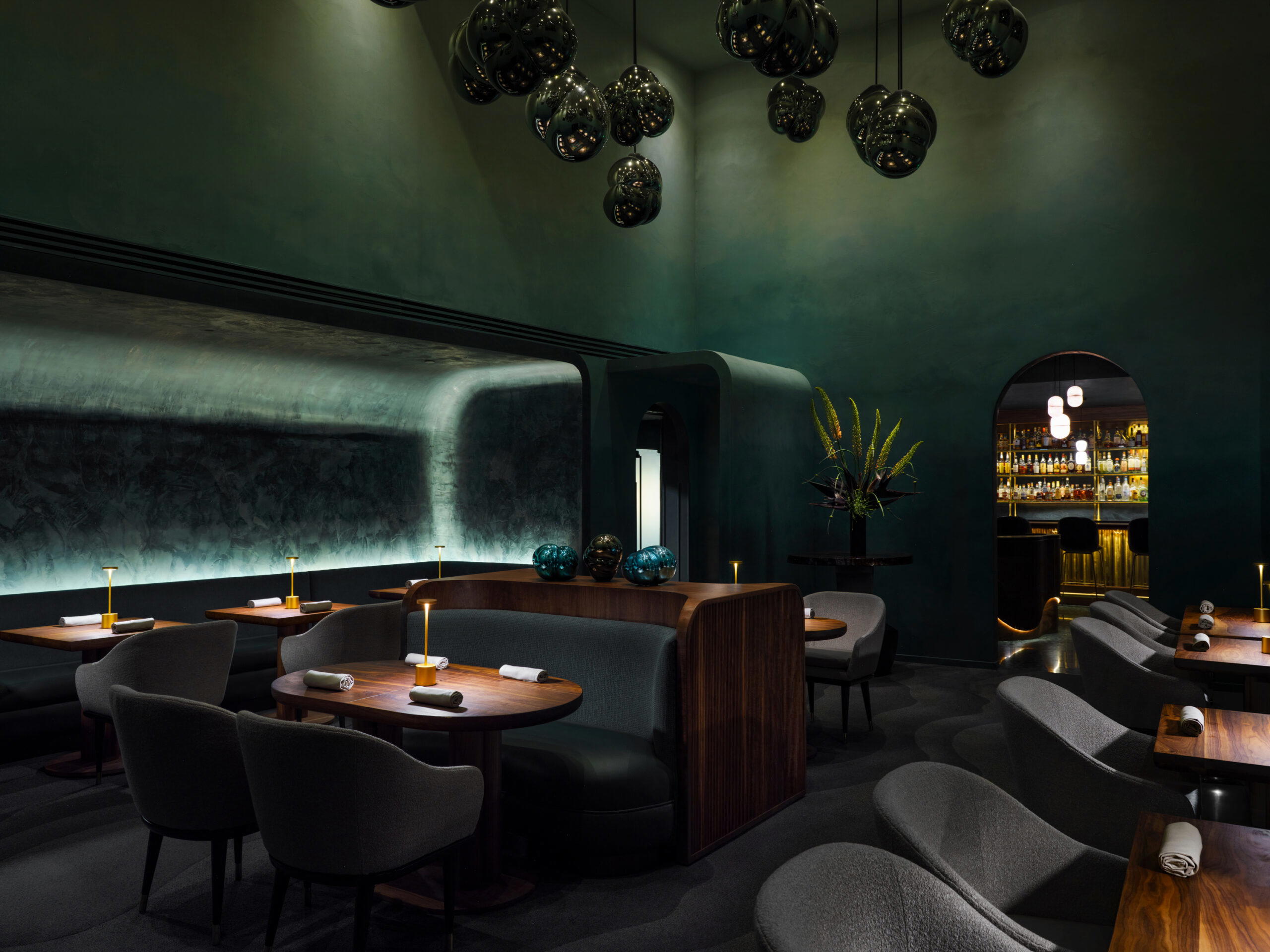
Bars in Los Angeles
Browse all →

Hotels in Los Angeles
Browse all →
Wineries in Los Angeles
Browse all →
Details
- Sophisticated
- Elegant
- Whimsical
- Energetic
- Celebration
- Special Occasion
- Date Night
- Group Dining
- Design Destination
- Open Kitchen
- Private Dining
- Craft Cocktails
- Extensive Wine List
- Small Plates
- A La Carte
- Craft Cocktails
- Wine
Bold and playful with theatrical presentations, sophisticated yet unfussy service, and an energetic sensory experience reflecting José Andrés' Spanish roots and innovative culinary vision.