BATSI
On a Buford Highway stretch that has become one of Atlanta's most compelling corridors for serious cooking, BATSI occupies a position worth tracking for anyone interested in where local-ingredient sourcing meets technique drawn from further afield. The address alone signals intent: Buford Highway's dining culture rewards curiosity over convention, and BATSI fits that pattern. Contact the restaurant directly for current hours, reservation policy, and menu details.
Pearl is the En Primeur Club membership app — saves, bookings, and concierge access live there. Same editors, same standards.
- Address
- 4075 Buford Hwy NE, Atlanta, GA 30345
- Phone
- +14703007011
- Website
- batsiatl.com
- Directions
- Get directions
 Saves & bookings on Pearl
Buford Highway and the Case for Cooking Outside the Perimeter
Atlanta's fine-dining conversation tends to orbit Buckhead and Midtown, where addresses like Atlas and Bacchanalia anchor the city's formal end of the spectrum. But the more generative cooking in Atlanta has increasingly migrated to Buford Highway, the six-lane artery running northeast from Midtown through Doraville, where the city's most concentrated stretch of immigrant-led kitchens has spent decades doing things the Buckhead strip never attempted. BATSI, at 4075 Buford Hwy NE, belongs to this corridor and benefits from the culinary logic that defines it: proximity to ingredients, techniques, and producers that don't surface in more conventional dining districts.
The physical approach to Buford Highway dining is different from what Atlanta's polished hotel restaurants prepare you for. Strip-mall frontage, shared parking lots, and signage that competes with Vietnamese bakeries and Korean barbecue spots on the same block. That context is not incidental — it is load-bearing. The leading cooking on this corridor has always drawn energy from density and competition, not from isolation or prestige architecture. BATSI enters that environment with the same coordinates as its neighbours, which says something about its orientation toward the guest.
A Corridor That Rewards the Technique-Meets-Terroir Formula
Across American fine dining, the pairing of globally trained technique with hyper-local sourcing has become a defining format of the past decade. Restaurants like Single Thread Farm in Healdsburg and Blue Hill at Stone Barns in Tarrytown built entire identities around the tension between rigorous culinary craft and place-specific ingredients. Smyth in Chicago applies a similar logic in an urban setting. What makes the Buford Highway version of this conversation different is that the "local" ingredient pool is not purely agricultural — it includes the imported pantries, dried goods suppliers, and specialist producers that immigrant communities have assembled over forty years along this road. A kitchen drawing on that supply chain has access to things that purely farm-to-table frameworks miss.
This is the editorial context that makes BATSI worth attention: the address is a signal about sourcing philosophy, not just real estate. Restaurants that position on Buford Highway rather than in Midtown are typically making a statement about where they draw their raw material from, and that statement has culinary consequences. The corridor's ingredient access, both locally grown Georgia produce and the specialty Asian pantry goods that define the area's character, creates a working environment that kitchens in more sanitised neighbourhoods do not have.
For comparison, consider how Lazy Betty, Atlanta's Michelin-recognised contemporary restaurant, approaches technique-first cooking from a Reynoldstown address that similarly sits outside the traditional fine-dining ZIP codes. The pattern holds across the city: the restaurants doing the most conceptually interesting work are not necessarily found where the money is most visible. BATSI's Buford Highway coordinates place it in that same camp.
Where BATSI Sits in Atlanta's Competitive Dining Set
Atlanta's upper dining tier has grown more differentiated over the past five years. The Michelin Guide's arrival in Georgia in 2023 formalised what local critics had been tracking for some time: that the city's serious cooking was no longer concentrated at a handful of established addresses. Hayakawa and Mujō pushed Japanese omakase into the upper bracket. Lazy Betty brought tasting-menu rigour to a neighbourhood that wasn't known for it. Each of these restaurants represents a different answer to the question of what Atlanta's dining identity actually is, and none of them converge on the same answer.
BATSI contributes a Buford Highway answer to that question, which is to say an answer rooted in the specific cultural and agricultural density of that corridor. In cities like New York, where Atomix has made Korean culinary tradition the foundation of a two-Michelin-star format, or Los Angeles, where Providence built a seafood program around Pacific Rim sourcing, the integration of immigrant pantry knowledge into fine-dining frameworks is now well-documented. Atlanta, through Buford Highway, has the raw infrastructure to support the same kind of synthesis. BATSI's address puts it directly inside that possibility.
The Global Technique Question
In contemporary American cooking, the most interesting editorial tension is rarely between fine dining and casual, it is between technique systems. French classical training, Japanese precision, Nordic product-obsession, and Latin fire-based methods are not mutually exclusive, and the restaurants generating the most critical attention internationally are often those that treat technique as a toolkit rather than a doctrine. Le Bernardin in New York City applies French rigour to seafood sourced globally. Atelier Moessmer Norbert Niederkofler in Brunico takes the Alpine pantry as its constraint and works backward into technique from there. Lazy Bear in San Francisco uses fermentation and preservation as a technical through-line.
The local-ingredients, global-technique frame that BATSI's Buford Highway position implies is not a compromise between these approaches, it is a specific methodology. Sourcing from the corridor's unique ingredient environment and applying methods drawn from formal culinary training creates a restaurant that has access to flavour combinations and textures that neither purely local nor purely technique-driven restaurants reach. That is the productive friction the address creates, and it is why the Buford Highway location is editorially significant rather than merely logistical.
Planning Your Visit
BATSI is located at 4075 Buford Hwy NE, Atlanta, GA 30345, on a stretch of the highway that also concentrates some of the city's most serious Vietnamese, Korean, and Chinese cooking. Visitors coming from Midtown or Buckhead should allow for the drive northeast, which typically runs 20 to 30 minutes depending on I-85 traffic. Current hours, reservation availability, and menu format are best confirmed directly with the restaurant, as Buford Highway spots in this category often operate with flexible or evolving schedules. For context on how BATSI compares to Atlanta's broader serious dining options, our full Atlanta restaurants guide covers the competitive set across neighbourhoods and price tiers. Readers planning multi-restaurant visits to the city should also reference The French Laundry in Napa, Emeril's in New Orleans, Addison in San Diego, and The Inn at Little Washington in Washington for regional comparison points in the broader American fine-dining conversation.
How BATSI Atlanta compares with similar nearby venues.
| Venue | Cuisine | Price |
|---|---|---|
| Nam Phuong | Vietnamese | $$ |

At a Glance
- Lively
- Trendy
- Elegant
- Energetic
- Date Night
- Group Dining
- Celebration
- Late Night
- Live Music
- Open Kitchen
- Craft Cocktails
- Local Sourcing
Current opening hours
- Monday
- 5 PM–12 AM
- Tuesday
- Closed
- Wednesday
- Closed
- Thursday
- 5 PM–12 AM
- Friday
- 5 PM–2:30 AM
- Saturday
- 5 PM–2:30 AM
- Sunday
- 5–11 PM
Hours can change for holidays and private events. Last verified .
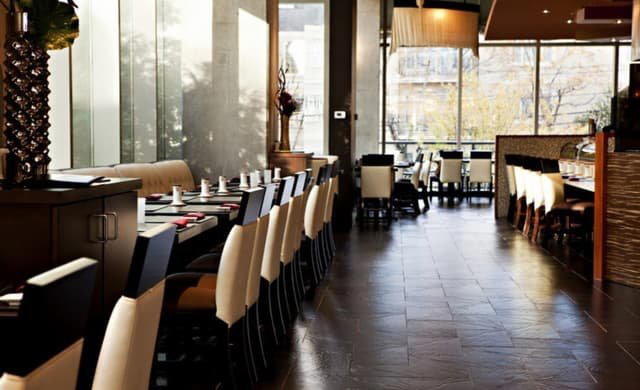
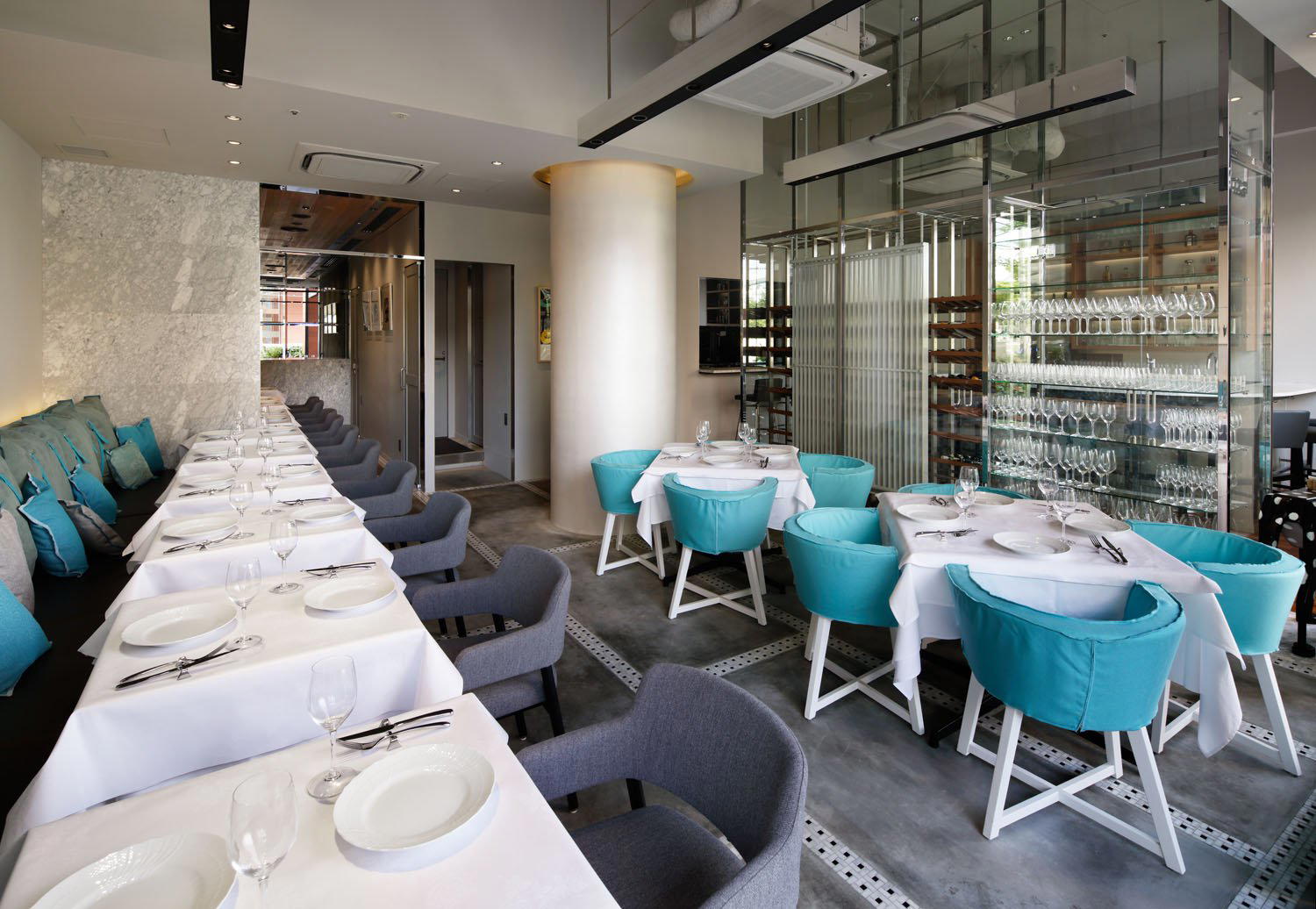
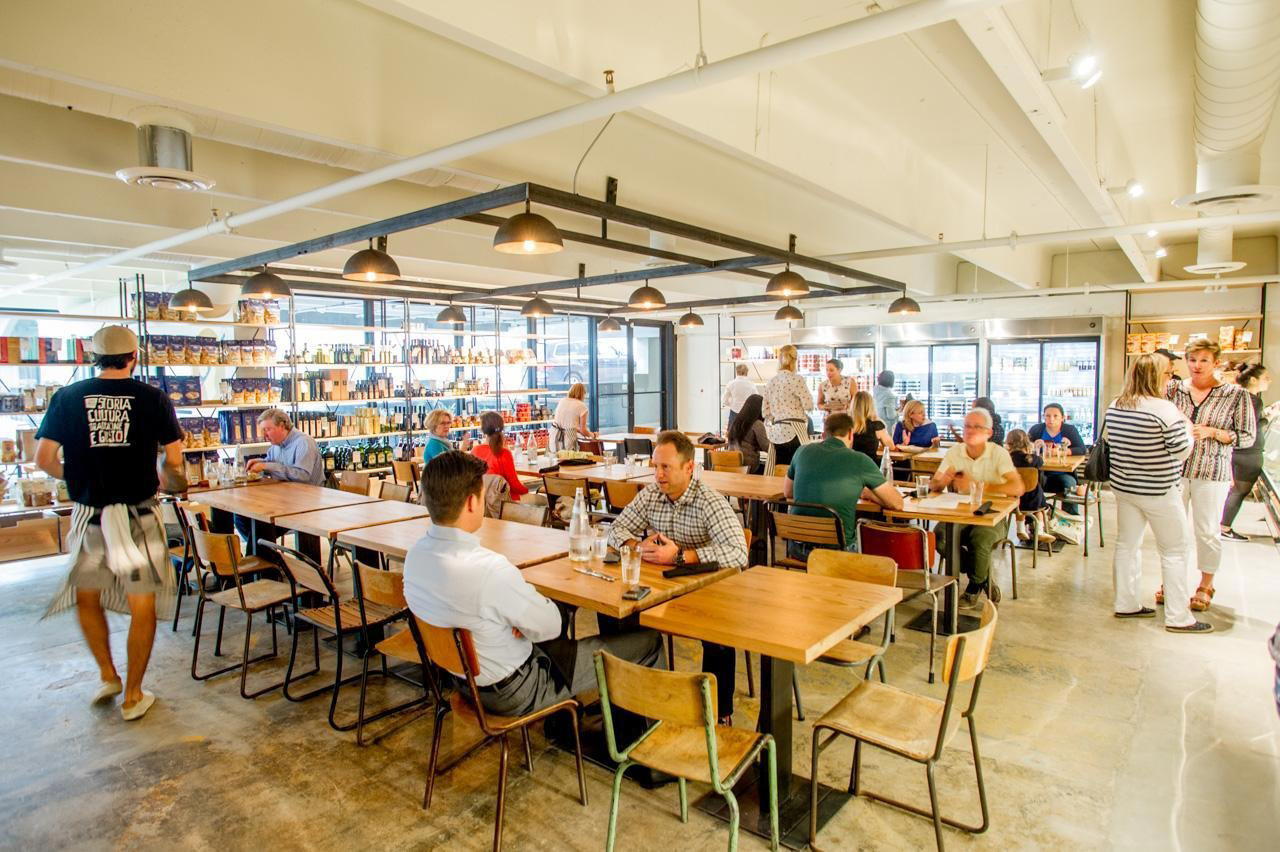
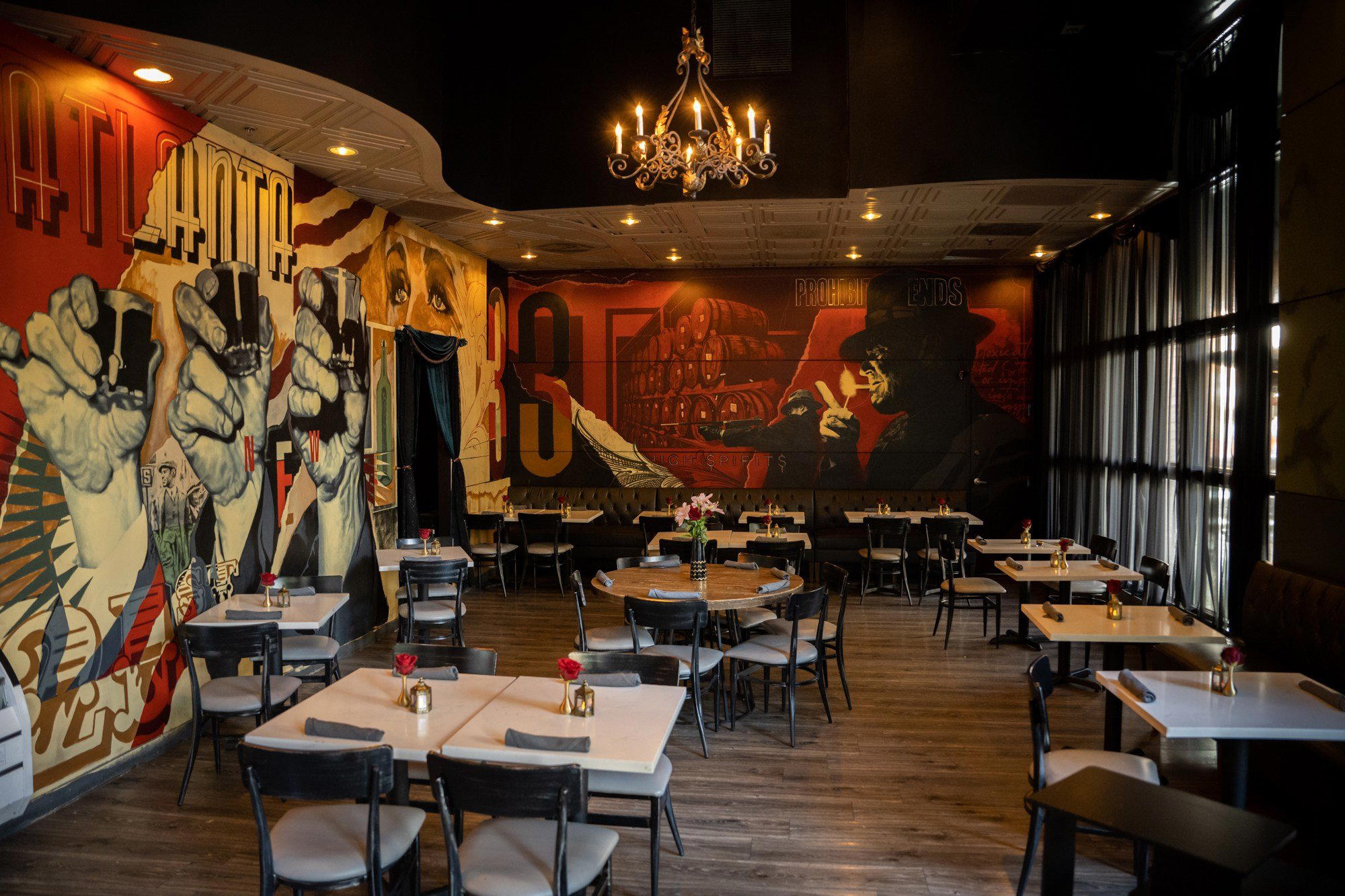
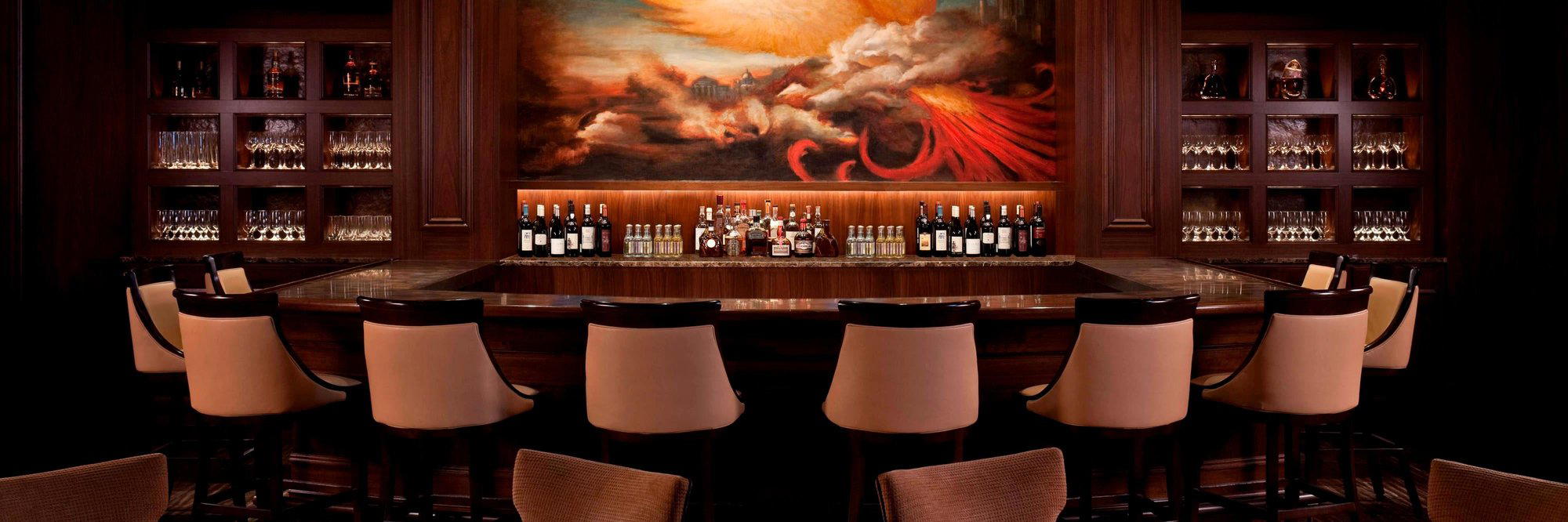
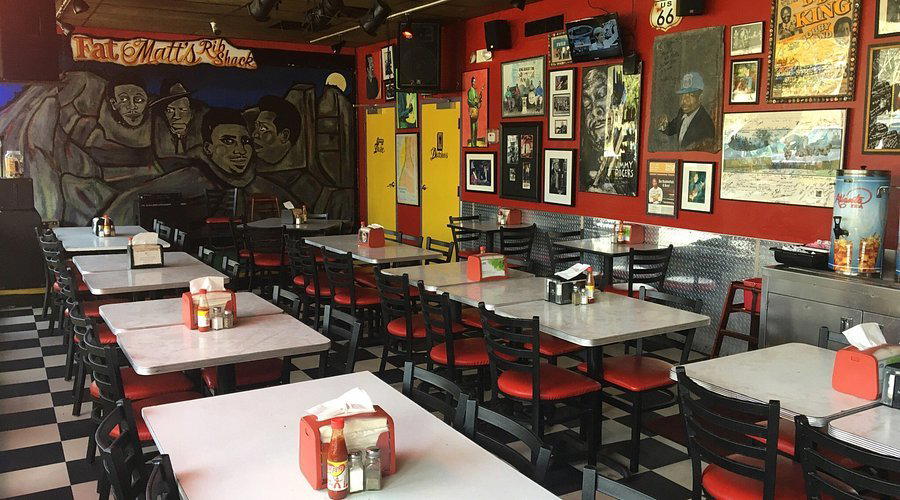
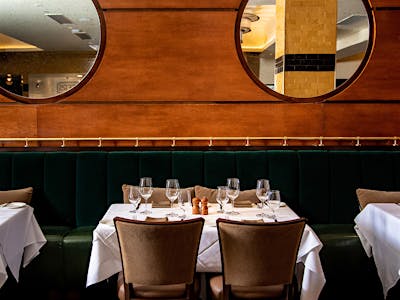
Lively and electrifying with warm, inviting lighting well-suited for intimate dinners or lively gatherings.
Know Before You Go
- Getting there
- 4075 Buford Hwy NE, Atlanta, GA 30345