Heritage
Our verdict
Heritage brings Afro-Caribbean cooking and the broader foods of the African diaspora to Atlanta's serious dining scene, drawing on a tradition that stretches from West Africa through the Caribbean and into the American South. In a city where ingredient provenance increasingly shapes how restaurants are judged, Heritage positions itself around where its food comes from and why those origins matter. It occupies a distinct lane in Atlanta's premium restaurant tier.

Pearl is the En Primeur Club membership app — saves, bookings, and concierge access live there. Same editors, same standards.
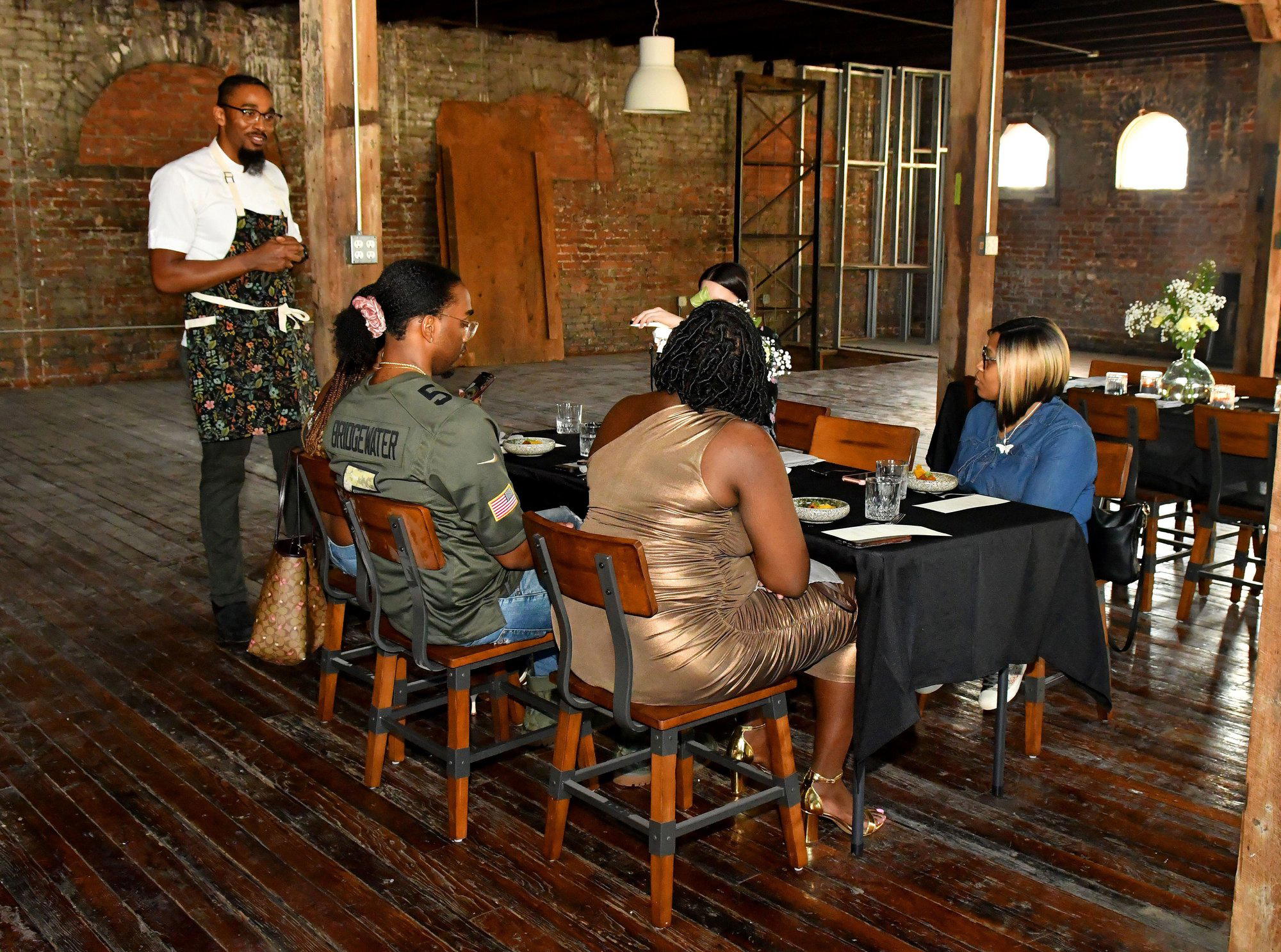
Where the Food Comes From
Atlanta's serious dining scene has spent the past decade consolidating around a familiar axis: New American kitchens with Southern inflections, European-trained technique applied to Georgia produce, and the occasional omakase counter aimed at a clientele that books months ahead. The city has Bacchanalia, which set the template for ingredient-led fine dining here in the 1990s, and Atlas, which positioned itself at the luxury hotel end of that same tradition. What the scene has been slower to absorb is a kitchen that treats the African diaspora as its primary culinary reference point rather than a footnote.
Heritage works from that premise. Its cuisine category — Afro-Caribbean and the broader foods of the African diaspora — is a designation that carries genuine intellectual and agricultural weight. The diaspora food tradition connects West African ingredient culture (grains of selim, black-eyed peas, okra, plantain, scotch bonnet) with Caribbean cooking methods shaped by centuries of colonial agriculture, and with the American South's own debt to those same forced migrations. A kitchen that takes that lineage seriously is not simply cooking "fusion"; it is tracing a supply chain that predates the modern farm-to-table movement by several centuries.
Ingredient Geography as Editorial Stance
The sourcing logic behind diaspora cooking is different from the Northern California model that places like Single Thread Farm in Healdsburg or The French Laundry in Napa have made culturally dominant in American fine dining. Those kitchens tend to work outward from a specific geography, a farm, a valley, a county. The diaspora model works differently: it maps an ingredient across its points of origin, displacement, and reinvention. Okra arrives in the American South via West Africa via the Middle Passage. Rice cultivation in the Carolina and Georgia Lowcountry was built on enslaved West African expertise, particularly from Sierra Leone and Senegal. A kitchen that foregrounds those connections is making an argument about agriculture, history, and identity simultaneously.
In Atlanta, that argument has particular resonance. Georgia's food culture is layered with exactly those histories, the Sea Islands to the east, the Lowcountry traditions reaching inland, and a city that has been a center of Black American cultural production for well over a century. Heritage operates in a context where its ingredient sourcing is not a marketing angle but a coherent historical position.
Atlanta's Premium Tier and Where Heritage Sits
Atlanta's top-end restaurants have converged on a price point and format that places them in conversation with comparable rooms nationally. Lazy Betty runs a tasting menu format that competes with serious rooms in any American city. Hayakawa and Mujō operate omakase counters that benchmark against the national Japanese dining circuit. Against that backdrop, Heritage's Afro-Caribbean positioning is not simply a matter of cultural identity, it is a competitive differentiation in a city where the high-end dining map has room for a kitchen that draws on a different culinary archive entirely.
The relevant national comparison set for this type of cooking is small but serious. Atomix in New York City demonstrates what happens when a non-European culinary tradition is given full fine-dining production values and a committed sourcing philosophy. Lazy Bear in San Francisco shows how a strong editorial point of view about food history can sustain a premium format. The question for Heritage is whether it applies that level of discipline to its own culinary tradition, and Atlanta, more than most American cities, has the cultural infrastructure to support a kitchen that does.
The Dining Room and What to Expect
Diaspora cooking at its most considered does not arrive as exotica. It arrives as a set of deeply specific flavor relationships: the funkiness of fermented locust beans, the brightness of a tamarind-based sauce, the structural role that starchy root vegetables play in Caribbean cuisine as counterweight to intensely spiced proteins. A kitchen working in this register rewards guests who approach it with some curiosity about where flavors come from rather than looking for a familiar European tasting menu with an accent. The experience is closer, in its intellectual demands on the diner, to what Alinea in Chicago asks of its guests in terms of conceptual engagement, though the reference tradition here is agricultural and historical rather than avant-garde.
For guests arriving from out of town, Atlanta's dining scene is concentrated enough that Heritage can anchor an evening alongside an exploration of the city's broader food culture. The full Atlanta restaurants guide maps the wider scene, and for those planning a full stay, the Atlanta hotels guide covers the accommodation options that sit closest to the city's dining corridors. The Atlanta bars guide and experiences guide round out the planning picture, and for those interested in what Georgia produces at the vineyard level, the Atlanta wineries guide is a useful supplement.
Critical Context: Why This Kitchen Matters Now
American fine dining has spent the past decade widening its cultural frame of reference. Korean technique has moved from margins to mainstream, with rooms like Atomix demonstrating that non-European culinary archives can sustain tasting menus of the highest order. West African and Caribbean cooking has been slower to receive that formal recognition at the fine-dining level, which makes kitchens like Heritage worth tracking carefully. The ingredient story, the actual provenance of the crops, the historical pathways they traveled, is, if anything, richer and more complex than the Japanese or Korean sourcing narratives that currently dominate the prestige end of the market.
The comparison is not to rooms like Le Bernardin in New York City or Alain Ducasse's Louis XV in Monte Carlo, where the culinary tradition is centuries old and institutionally embedded. It is closer to Emeril's in New Orleans, which helped codify a regional American food culture into a format the national dining public could access, except that the tradition Heritage is working from is broader, older, and significantly less mapped in fine-dining terms. That gap is, depending on how the kitchen executes, either the central challenge or the central opportunity.
Planning Your Visit
Given Heritage's position in Atlanta's dining conversation and the relative scarcity of Afro-Caribbean fine dining nationally, the restaurant draws visitors from outside Georgia alongside its local following. Booking ahead is advisable rather than optional, particularly for weekend evenings when Atlanta's broader dining scene runs at capacity. Guests planning around the restaurant should treat it as the anchor of an evening rather than a spontaneous decision. Current booking details, hours, and any tasting menu structure are best confirmed directly with the venue, as operational specifics were not available at the time of publication.
Frequently asked questions
How does Heritage's Afro-Caribbean cooking differ from what you'd find at Atlanta's Southern American restaurants?
Southern American and Afro-Caribbean cuisines share an ingredient base precisely because both trace back to the same West and Central African culinary traditions carried through the transatlantic slave trade. Where Atlanta's Southern kitchens tend to process those ingredients through a European-inflected fine dining frame, Heritage's cuisine stays oriented toward the diaspora itself, drawing on Caribbean and African cooking logic rather than filtering through a New American lens. That distinction produces a different set of flavor priorities: fermentation, heat, and starchy depth that read as deliberate culinary inheritance rather than regional Americana.
What's the best thing to order at Heritage?
Heritage's kitchen draws on the ingredient archive of the African diaspora, which means fermented, smoked, and spice-forward preparations built on West and Central African, Caribbean, and American Southern foundations. Dishes that foreground those flavor relationships — fermented chiles, slow-cooked proteins, starchy staples with deep seasoning traditions — represent the kitchen's most purposeful work. Since the menu changes, the safest approach is to ask the server which dishes most directly express the Afro-Caribbean core of the cooking rather than defaulting to the most familiar items on the menu.
Should I book Heritage in advance?
Atlanta's premium dining tier operates on advance booking, and Heritage occupies a specific position in that conversation: Afro-Caribbean fine dining at this register is scarce nationally, which means the restaurant draws visitors from outside Atlanta alongside the local dining audience. Reservations well ahead of your intended date are advisable, particularly for weekends. Check Heritage's website or reservation platform directly for current availability.
Quick Comparison
Comparable venues nearby, for context on price, style, and recognition.
| Venue | Cuisine | Price | Notes |
|---|---|---|---|
| HeritageThis venue — the venue you are viewing | Afro-Caribbean Tasting Menus | Not listed | Not listed |
| EscovitcheZ | Authentic Jamaican and Caribbean Cuisine | $50–100 | Northlake |
| Jerk Chicken Grill | Jamaican Jerk Chicken | Not listed | Atlanta |
| El Malo | Latin-Caribbean Small Plates & Cocktails | $50–100 | Reynoldstown |
| Pricci | Contemporary Italian | $50–100 | Buckhead |
| Wisteria | Modern Southern | $50–100 | Inman Park |
Heritage
Featured Guides

Continue exploring
More in Atlanta
Restaurants in Atlanta
All restaurants in Atlanta →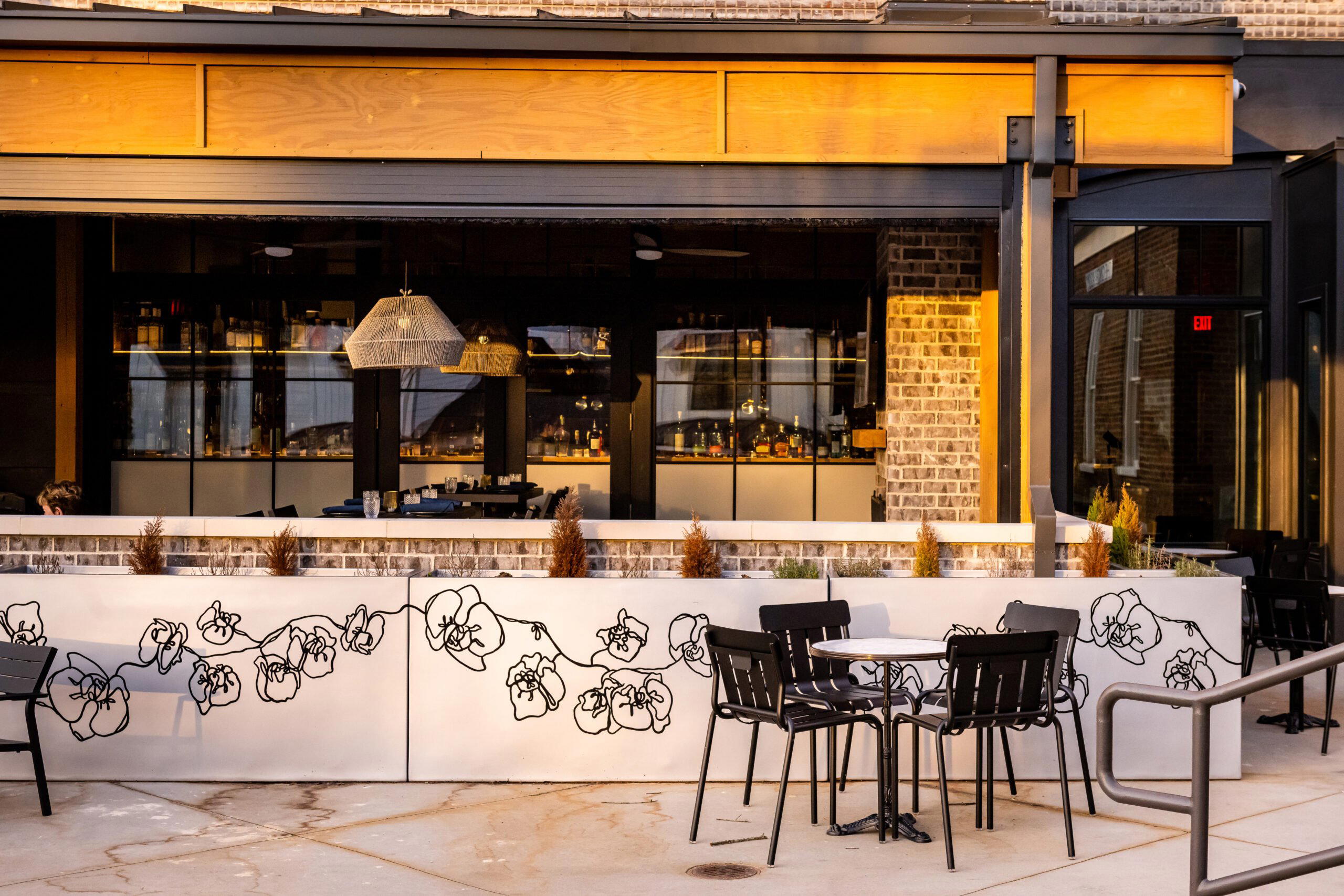

Bars in Atlanta
All bars in Atlanta →






Details
- Elegant
- Sophisticated
- Intimate
- Special Occasion
- Open Kitchen
- Craft Cocktails
- Tasting Menu
- A La Carte
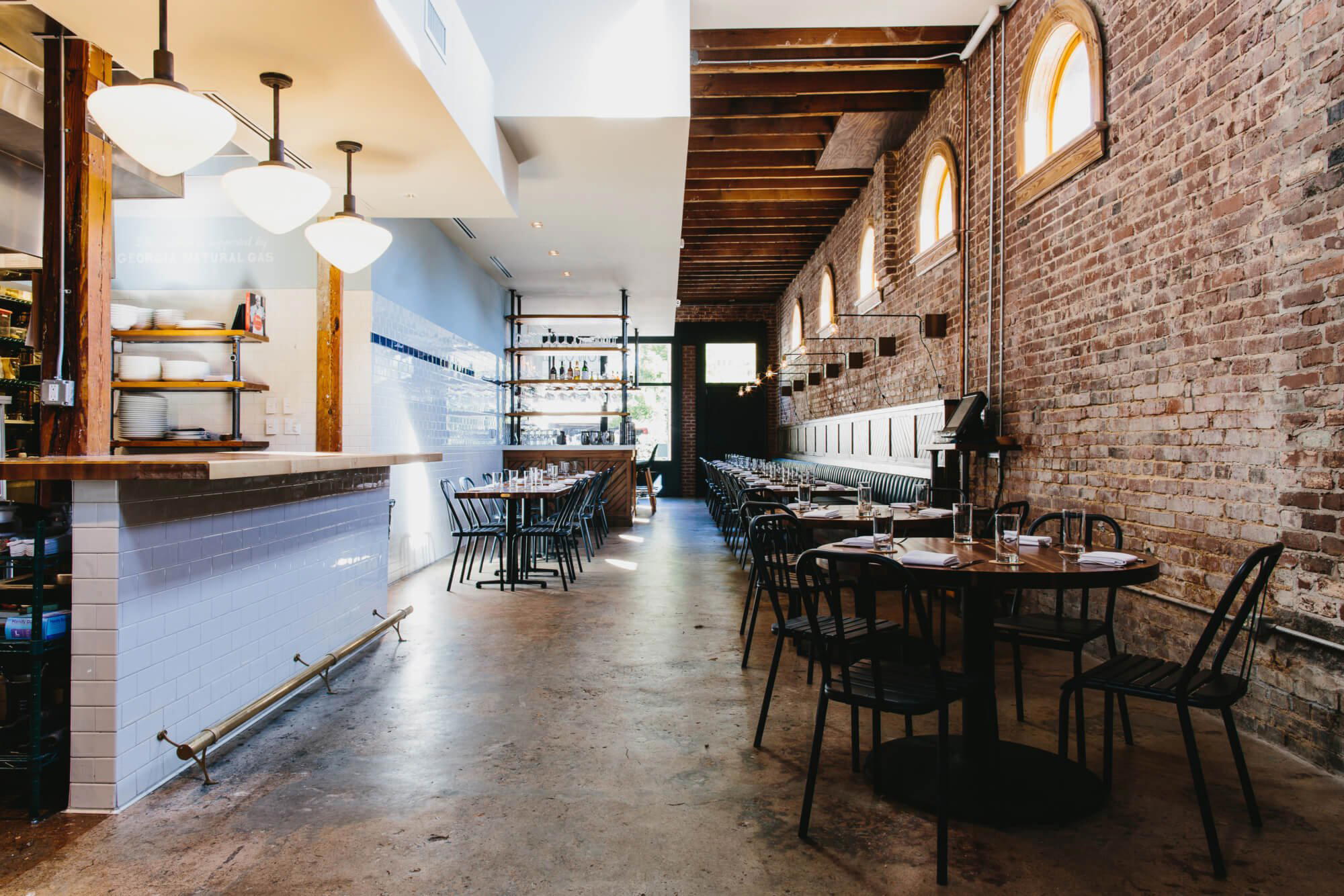
Two-tiered dining room framed by the kitchen with local art on the walls, offering an intimate and engaging full-body experience across lounge, dining, and dessert areas.