Batifol
Our verdict
Batifol sits at 291 Third St in Cambridge's Kendall Square corridor, a French-leaning address in a neighbourhood better known for biotech than bistros. The surrounding dining scene has shifted considerably in recent years, with independent operators now competing alongside university-adjacent staples. For visitors building an itinerary across Cambridge's varied restaurant offering, it warrants consideration alongside the city's more prominently reviewed tables.

Pearl is the En Primeur Club membership app, where members save venues, book tables and use the concierge.

The menu
What to order
- Coq au Vin
- Boeuf Bourguignon
- Magret de Canard
- Moules Frites
- French Onion Soup
French Roots in a City Built on Ideas
Cambridge, Massachusetts has never been a single-cuisine city. Its restaurant scene has historically mirrored its population: transient, internationally minded, and distributed across neighbourhoods with sharply different characters. Harvard Square draws tourists and alumni. Inman Square has long held the city's more adventurous independent tables. Kendall Square, for much of the twentieth century, was an industrial and institutional corridor with little culinary identity of its own. That has changed. The biotech and tech expansion around the MIT campus has brought a sustained wave of new residents and expense-account diners, and the restaurants that followed have been more varied than the neighbourhood's origins might suggest.
French cuisine in American cities has undergone a long, slow renegotiation since the 1990s. The white-tablecloth formality that once defined French dining from Boston to San Francisco has largely dissolved, replaced by two distinct modes: the casual bistro that leans on steak frites and onion soup as shorthand for comfort, and the more technically serious interpretation that references classical French technique without performing it as theatre. Venues like The French Laundry in Napa and Le Bernardin in New York City represent the upper register of that spectrum, where French lineage is expressed through precision and restraint at considerable price. Most American cities also support a middle tier, where the cuisine's cultural weight is present but the format is more accessible.
Batifol, at 291 Third St in Cambridge, occupies this Kendall Square corridor. The name itself carries French inflection batifol gestures toward lightheartedness, a frolicsome quality that has historically attached to a certain kind of Parisian café culture. Whether the operation leans toward the bistro mode or something more structured is information not yet available through EP Club's verified data, and we will not speculate on menu or format specifics. What is clear is the address: a part of Cambridge where French-influenced dining represents a departure from the surrounding offer rather than a continuation of an established cluster.
Kendall Square and the Dining Shift
To understand Batifol's position, it helps to understand what Kendall Square dining has become. A decade ago, options along this stretch were thin. The neighbourhood's working population ate quickly and close to their offices. The residential base was limited. Both conditions have shifted. New apartment towers and laboratory campuses have created a denser, more permanent population, and the restaurant offer has followed. The result is a corridor that now supports a broader range of formats and price points than its industrial past would have predicted.
Cambridge's most critically recognised tables remain concentrated elsewhere. Midsummer House and Restaurant Twenty-Two represent the contemporary fine dining tier, both operating at the higher end of the city's price range. The more casual end of Cambridge's independent scene includes neighbourhood regulars like 1369 Coffee House, 730 Tavern, Kitchen & Patio, and Afghan Flavour, which reflect the city's appetite for unpretentious, internationally varied eating. Batifol sits in a different register from all of these, with a French identity in a postcode that has historically lacked a strong French dining reference point.
The Cultural Weight of the French Bistro in America
French bistro culture carries specific associations in the American context. It arrived not simply as a cuisine but as a set of social codes: the long lunch, the carafe of house wine, the server who knows the regulars. These codes were absorbed and adapted unevenly across American cities. In Boston and Cambridge, French influence has surfaced periodically in the dining record, rarely dominating but always present at the edge of serious restaurant conversation. The tradition that venues in this category draw on extends well beyond their immediate geography, connecting to a French culinary inheritance that American chefs and operators have reinterpreted for more than a century.
That inheritance is worth holding in mind when considering any French-named address in an American city. The question is always which version of France the kitchen is referencing: the technical rigour associated with Escoffier's brigade system, the regional specificity of Lyon's bouchons, or the easier café manner of a Paris arrondissement neighbourhood restaurant. These are meaningfully different operations with different competitive sets. At the more technically exacting end of the American spectrum, kitchens such as Alinea in Chicago, Addison in San Diego, and Providence in Los Angeles draw on French classical structure while operating in a distinctly contemporary American idiom. Blue Hill at Stone Barns in Tarrytown and Single Thread Farm in Healdsburg approach the question differently again, using French technique as an underlying grammar while foregrounding local sourcing and seasonal specificity. Further afield, Lazy Bear in San Francisco, Emeril's in New Orleans, The Inn at Little Washington, and venues in entirely different culinary traditions like Atomix in New York City and 8 1/2 Otto e Mezzo Bombana in Hong Kong illustrate how broad the range of serious restaurant ambition has become globally, making any individual venue's positioning within its local market the more relevant frame for a planning decision.
Planning a Visit
Batifol is located at 291 Third St, Cambridge, MA 02142, in the Kendall Square area. The address is accessible by MBTA Red Line to Kendall/MIT station. EP Club does not currently hold verified data on booking method, hours, price range, or reservation lead time and we recommend confirming these details directly before visiting. For a broader view of where Batifol sits within Cambridge's restaurant offer, our full Cambridge restaurants guide maps the city's dining across neighbourhoods and price tiers.
Frequently asked questions
Where exactly is Batifol?
Batifol is located at 291 Third St, Cambridge, MA 02142, Cambridge.
Is Batifol a good option for dining near the Kendall/MIT Red Line stop in Cambridge?
Batifol sits at 291 Third St, Cambridge, MA 02142, within the Kendall Square area served by the MBTA Red Line's Kendall/MIT station. French bistro formats in this corridor are less common than the neighbourhood's tech-campus cafeterias and fast-casual chains, which gives Batifol a practical niche for commuters and campus visitors seeking a table-service meal close to the station.
What dish is Batifol famous for?
EP Club does not hold verified menu data for Batifol, so no signature dish can be confirmed. The venue's French-inflected name and its Kendall Square address at 291 Third St suggest a bistro orientation, which in the American context typically centres on classic preparations rather than tasting-menu formats.
How far ahead should I plan for Batifol?
Kendall Square dining has grown more competitive as the biotech and tech corridor around MIT has densified, so same-day availability on weeknights cannot be assumed. Contacting the venue at 291 Third St directly is the most reliable approach for current reservation lead times.
What's Batifol best at?
Based on available data, Batifol's clearest claim is its French bistro positioning within Kendall Square, a Cambridge neighbourhood where that format remains a minority offering relative to the area's volume of casual and fast-casual options. For diners in the MIT and biotech corridor looking for a sit-down meal with European framing, that positioning is functional and relatively distinct for the address.
Pricing, Compared
Comparable venues nearby, for context on price, style, and recognition.
| Venue | Cuisine | Price | Awards | Notes |
|---|---|---|---|---|
| BatifolThis venue (the venue you are viewing) | Classic French Brasserie | $30–50 | Not listed | Not listed |
| The Lexington | Modern New American Gastropub | $50–100 | Not listed | East Cambridge, Modern New American Gastropub |
| Toscano Harvard Square | Traditional Tuscan Italian | $50–100 | Not listed | West Cambridge, Traditional Tuscan Italian |
| Harvest | Modern New England Contemporary | $50–100 | Wine Spectator Best of Award of Excellence | West Cambridge, Modern New England Contemporary |
| Geppetto | Northern Italian | $50–100 | Not listed | East Cambridge, Northern Italian |
| Viale | Italian-Inspired Seasonal Trattoria | $50–100 | Not listed | The Port, Italian-Inspired Seasonal Trattoria |
Continue exploring
More in Cambridge
Restaurants in Cambridge
All restaurants in Cambridge →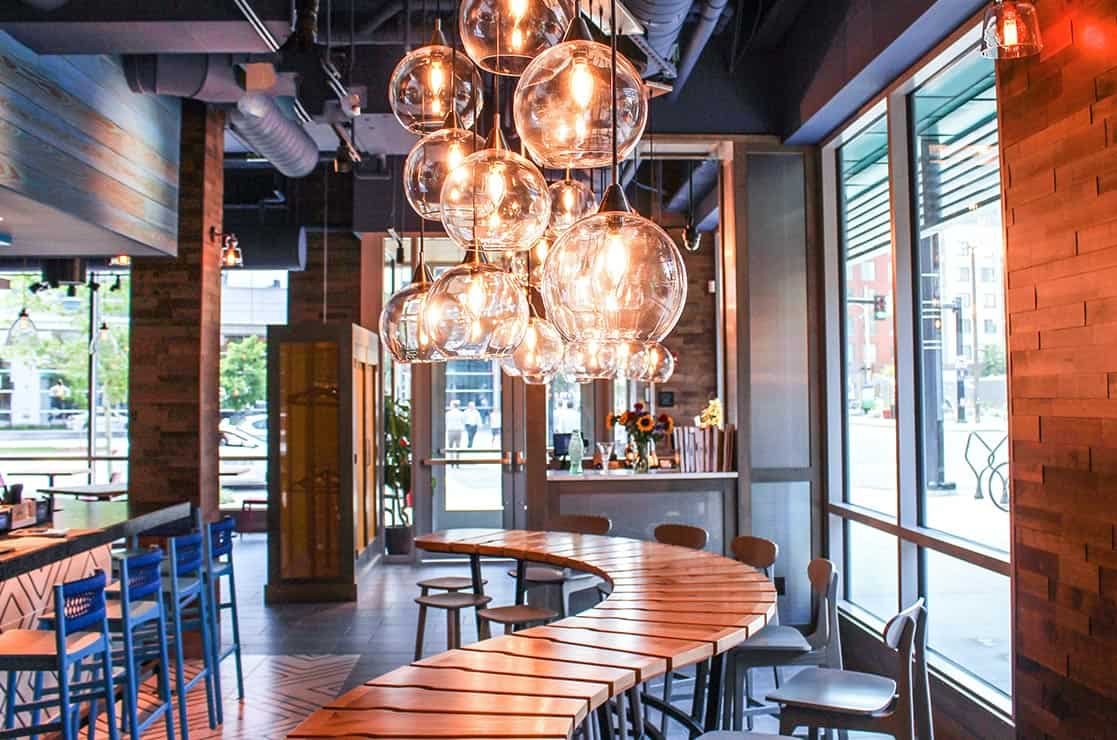
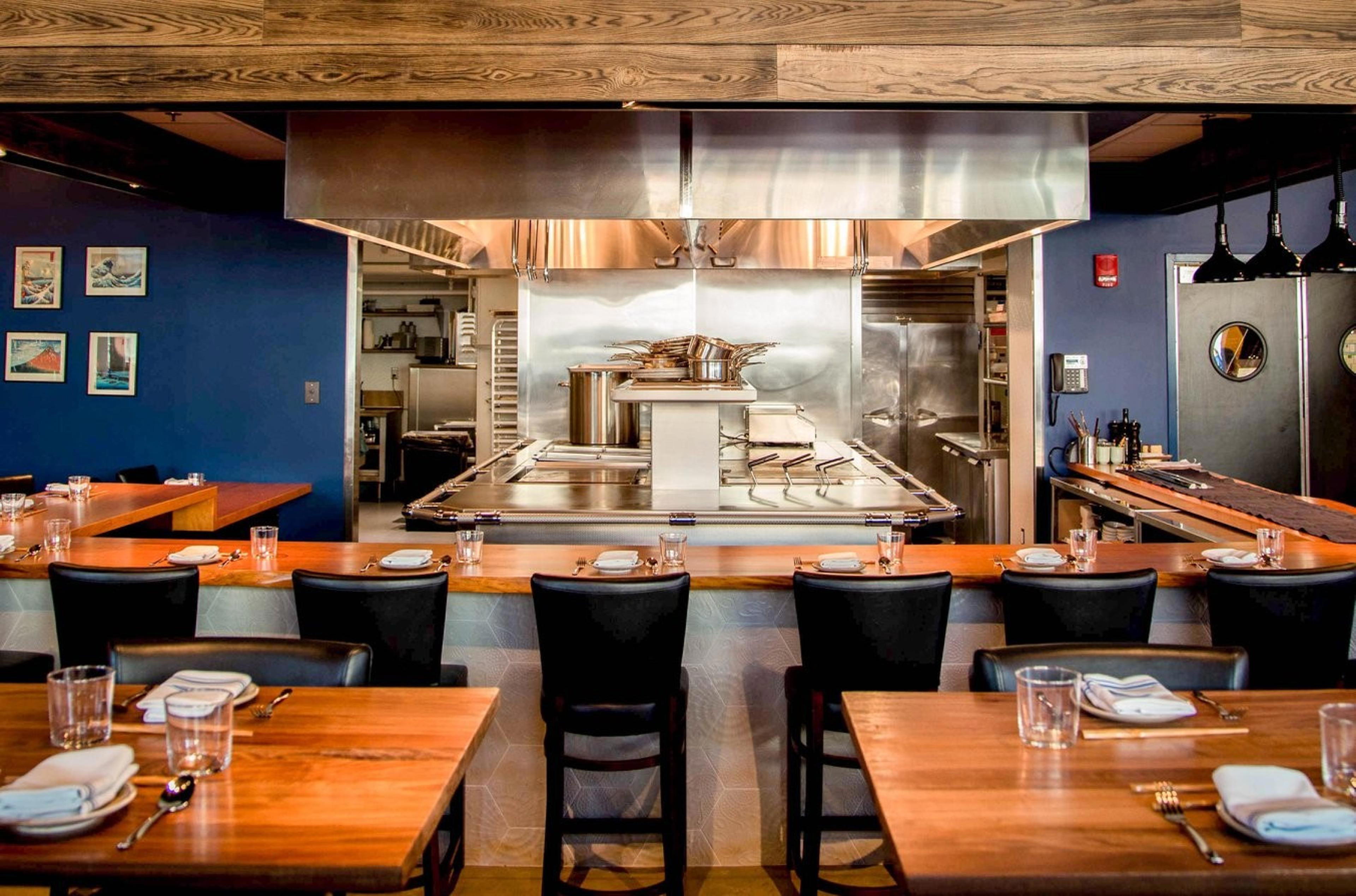
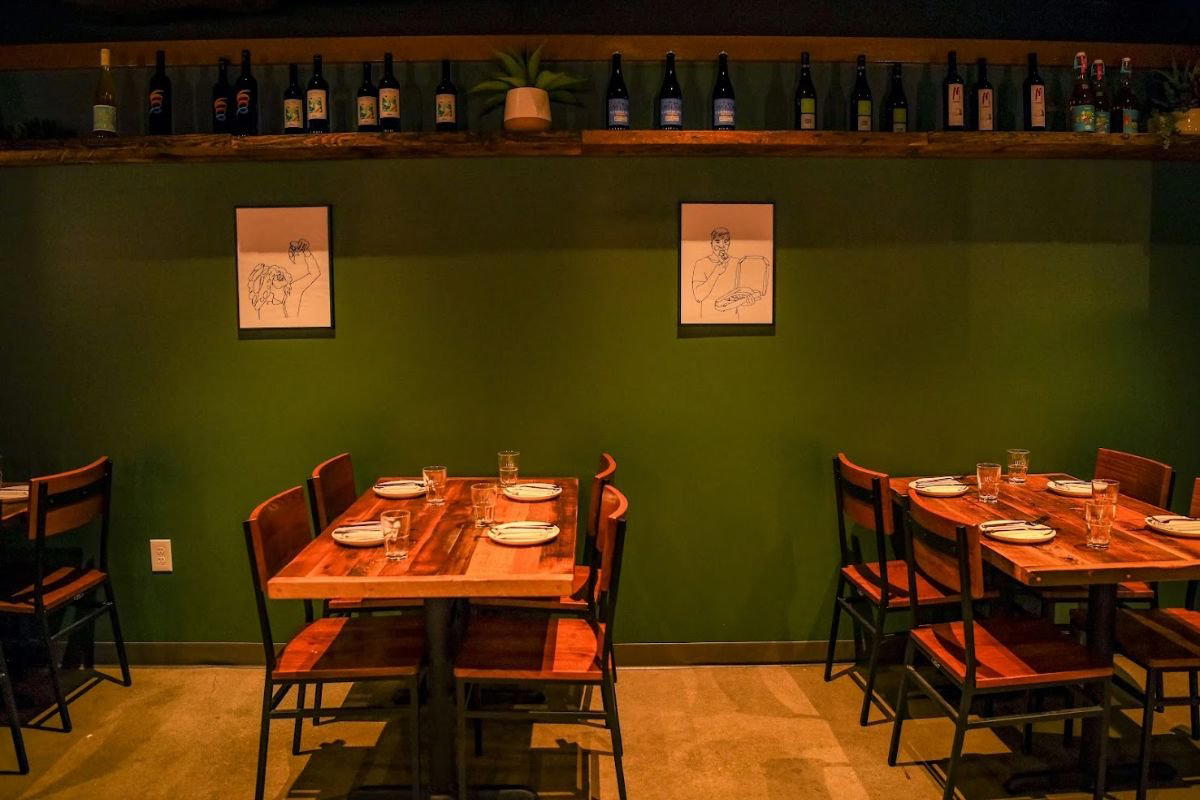
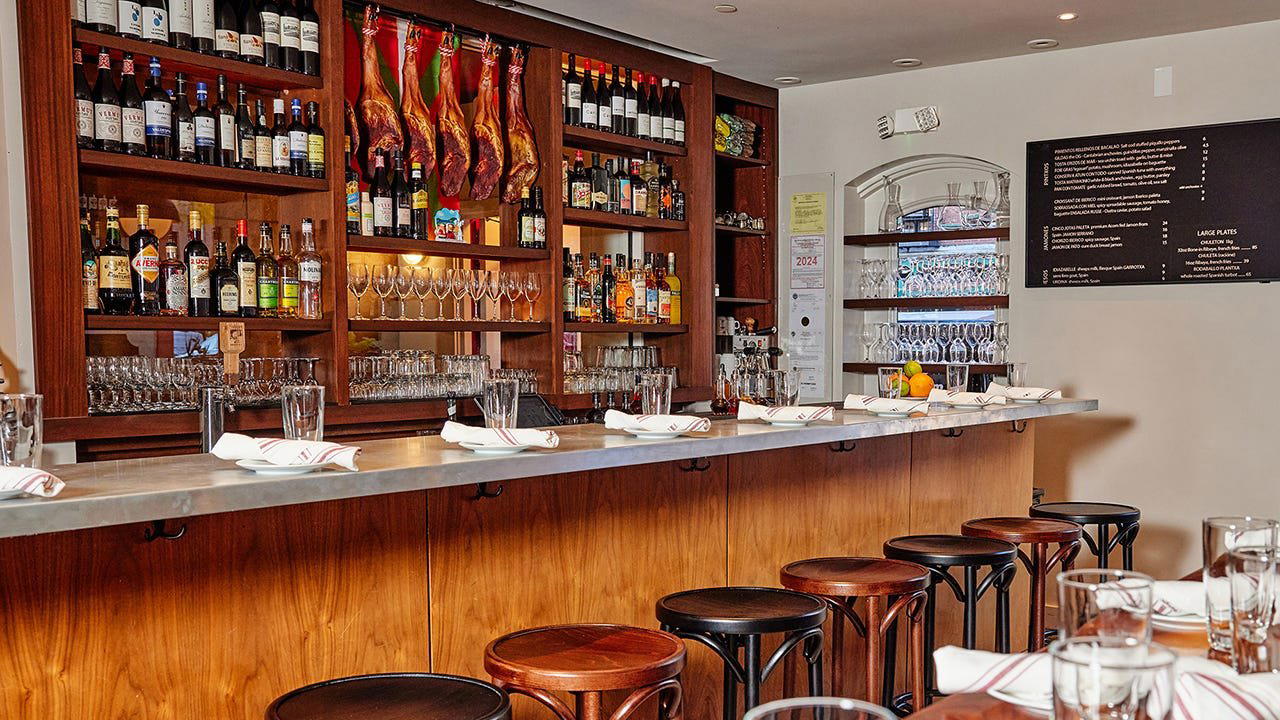
Bars in Cambridge
All bars in Cambridge →
Hotels in Cambridge
All hotels in Cambridge →
Wineries in Cambridge
Browse all →
Details
- Elegant
- Lively
- Classic
- Romantic
- Date Night
- Business Dinner
- Group Dining
- After Work
- Casual Hangout
- Standalone
- Extensive Wine List
- Craft Cocktails
- Sommelier Led
- Local Sourcing
- A La Carte
- Wine By The Glass
- Craft Cocktails
- Vegetarian Friendly
Current opening hours
- Monday
- 11 AM–10 PM
- Tuesday
- 11 AM–10 PM
- Wednesday
- 11 AM–10 PM
- Thursday
- 11 AM–10 PM
- Friday
- 11 AM–10 PM
- Saturday
- 10 AM–10 PM
- Sunday
- 10 AM–10 PM
Hours can change for holidays and private events. Hours as of .
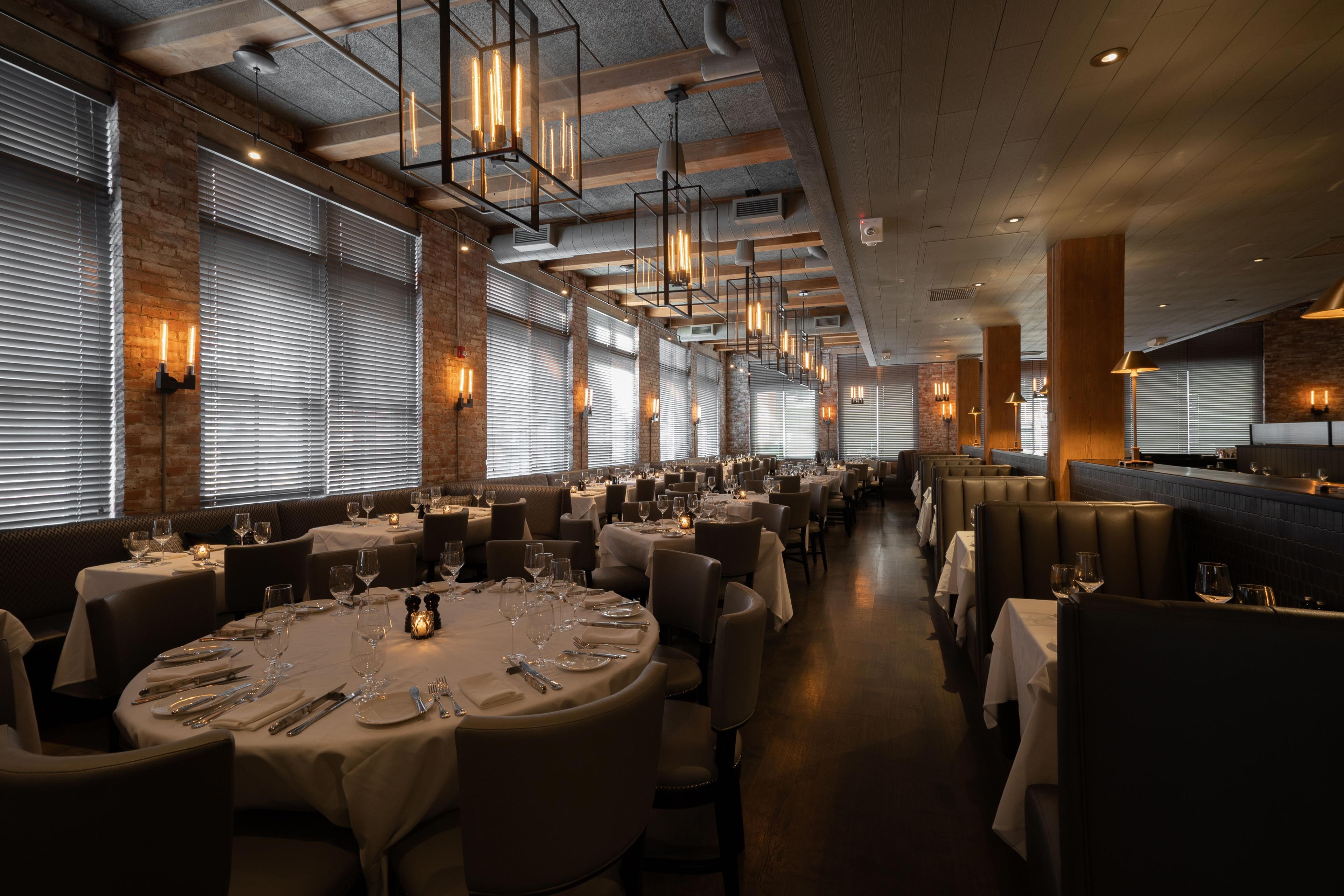
Lively Parisian bistro atmosphere with stylish metro-inspired design; warm lighting and cozy café-like setting that evokes a night in Paris.